Best Conductive Gel for Microcurrent, RF & Ultrasound Devices (2026)
The best conductive gel for microcurrent, RF and ultrasound devices: the four label tests that matter, how the common gel types compare, a label checker you can paste any ingredient list into, and where our own gel fits.
Published
11 min read
Published by EVENSKYN, which makes and sells at-home beauty devices.
A buying guide, checked against product labels, updated 15 November 2026
The best conductive gel for a microcurrent, RF or ultrasound device is the one whose label passes four plain tests, not the one with the matching logo. Here is how to read a label, how the common options compare, and where our own gel fits.
EvenSkyn Skin Science Desk. We make the EvenSkyn Conduction Gel, which this guide recommends for some readers. No clinician reviewed this version.
Illustrative still life.
At a glance
Read the label for four things: water listed first, humectants such as glycerin or hyaluronic acid, a water-soluble thickener, and no oils or silicones.
One gel can cover several devices. A water-based, oil-free gel suits RF, EMS, microcurrent and ultrasound, unless your device’s manual names a specific gel.
Ultrasound gel and pure aloe work in a pinch. Neither is made as facial skincare.
Ours is the EvenSkyn Conduction Gel. It contains methylparaben, so we do not call it clean. Check any gel’s label with the tool below.
Key takeaways
01Energy devices need a continuous wet layer between the device and the skin: to carry current for RF, EMS and microcurrent, and to remove the air gap for ultrasound.
02Oils, butters, waxes and silicones tend to insulate, which is why most moisturizers and serums make poor conductive media.
03The label tells you most of what you need. The brand on the bottle matters less than the formula inside it.
04If your device’s manual names a gel, follow it. That is what its maker tested.
05LED-only sessions do not need a conductive gel. Current and ultrasound need one; light does not.
Why a conductive gel isn’t optional
Energy-based facial devices pass something from the device into your skin. RF, EMS and microcurrent devices pass an electrical current; ultrasound devices pass sound waves. Both need a continuous, water-rich layer between the device and your face.
For the electrical devices, that layer carries the current evenly across the contact surface. For ultrasound, it fills the air gap between the device head and the skin, because air reflects ultrasound instead of letting it through. Bare skin does neither job well.
Going dry is uncomfortable and works poorly. You feel drag, sometimes a prickly or sharp sensation, and contact becomes patchy.
Your usual moisturizer or serum is rarely a substitute. Many contain oils, silicones or waxy emollients designed to sit on and seal the skin, and those tend to insulate rather than conduct.
What actually makes a gel conductive
Strip away the marketing and a good conductive gel comes down to four things you can see on the label.
1. Water first. The ingredient list should open with water, often written as Aqua. Water carrying dissolved ions is what lets current travel.
2. Humectants that hold and glide. Glycerin and hyaluronic acid keep the gel from drying out mid-session and give the device a smooth path.
3. Body without oil. A gel needs enough thickness to stay put, and it should get that from water-soluble thickeners such as hydroxyethyl cellulose, carbomer or xanthan gum, not from oils or silicones.
4. A preservative, and a short list. A water-based product needs a preservative to stay safe once opened. A shorter list is easier to check if your skin reacts to things.
Check a gel’s label
Will this gel work under my device?
Paste the ingredient list from the bottle or the product page. The check runs in your browser against the four tests above; nothing is stored or sent anywhere.
Paste an ingredient list to check it.
A label check is a screen, not a lab test. It cannot measure how well a gel conducts, only whether its formula follows the pattern that conducts.
One gel, every device: RF vs microcurrent vs ultrasound
Owning several tools does not mean owning several gels. The core requirement, water-based and oil-free, is the same across them.
Microcurrent and EMS gel
Both pass a current through the skin, so even contact matters most. You want a gel that stays wet through the whole routine and does not dry into tacky patches. Reapply as you go.
RF gel (radiofrequency)
RF warms the skin through a current, so the gel carries the current and helps the head glide evenly. Our gel’s product page names it as the intended medium for our Lumo+.1
Ultrasound gel
Here the gel is a coupling medium: it removes the air gap so sound waves pass into the skin rather than reflecting. Plain medical ultrasound gel does this well but is made for clinical use, not facial skincare, so rinse it off afterwards.
LED and red light
Light does not need a conductive medium. If your device is LED only, you can skip the gel. If it combines LED with RF or EMS, use gel for those modes.
The popular conductive gels, compared
Rather than rank bottles we have not tested side by side, here is how the main types compare on the four label tests.
Gel type
Base
What to expect
Best for
Watch for
EvenSkyn Conduction Gel (ours)
Water
Glycerin, hyaluronic acid, amino acids and peptides in a hydroxyethyl cellulose gel1
RF, EMS, microcurrent and ultrasound devices
Contains methylparaben and triethanolamine; not sold as clean
Device-brand gels, such as NuFACE or ZIIP
Check the label
Made around the brand’s own microcurrent devices
That brand’s device, as its manual says
Price per mL; read the label against the four tests
Medical ultrasound gel
Water
Plain coupling gel
Ultrasound; in a pinch, electrical devices
Not facial skincare; rinse off after use
TENS or electrode gel
Water
Made for electrode pads
Body electrodes
Not formulated for the face
Pure aloe vera gel
Aloe juice
Varies by brand; check for added oils or alcohol
An occasional stopgap for light microcurrent
Dries quickly; additives vary
Our gel’s ingredients from its product page, read 15 November 2026. Other brands change formulas; check the current label before you buy. Brand names identify products only; no affiliation is implied.
For prices per 100 mL, see our conductive gel price comparison; its competitor prices were read on 27 August 2026, so check them against today’s listings.2
Looking for a NuFACE or ZIIP gel alternative?
If you own a NuFACE, a ZIIP or another microcurrent tool, you may want a gel beyond the one it shipped with. The honest answer: you do not need a specific brand’s gel for the current to flow. You need a gel that passes the four label tests.
Two cautions first. If your device’s manual names a specific gel, that is what its maker tested, and switching may matter for a warranty claim. And if a gel ever stings or leaves your skin red, stop and switch back.
What to look for in an alternative:
Water listed as the first ingredient
No oils, butters, waxes or silicones
Humectants for glide, such as glycerin or hyaluronic acid
A water-soluble thickener, so it stays put
A preservative, and nothing you know your skin reacts to
Can you DIY it? Aloe vera, glycerin and ultrasound gel, honestly
People reach for substitutes for good reasons: budget, minimalism, or a reaction to something in a commercial gel. A straight assessment:
Pure aloe vera gel. Water-based and gentle. It can work in a pinch for light microcurrent, but formulas vary, many contain added alcohol or thickeners, and it dries fast.
Medical ultrasound gel. Couples sound well and carries current too. It is made for clinical use, not facial skincare, so rinse it off after a session.
Homemade mixes. We would not recommend mixing your own. A water-based mix without a preservative can spoil once you dip into it, and you have no way to know how evenly it conducts.
Plain water. It conducts, but it evaporates within minutes and gives no glide, so contact soon turns patchy.
Where the EvenSkyn Conduction Gel fits
We make it, so weigh this section accordingly. Its label lists water, glycerin, hyaluronic acid, amino acids, hydroxyethyl cellulose, peptides, methylparaben and triethanolamine.1 That passes the four tests: water first, humectants, a water-soluble thickener, and no oils or silicones.
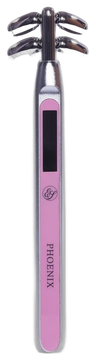
Its product page describes it as suitable for RF, EMS, microcurrent and ultrasound devices generally. It is also the intended medium for each of our own devices: the Lumo+, Phoenix, Venus and Eclipse. For other brands, the page defers to each maker’s instructions.1
What it does not claim. It contains methylparaben and triethanolamine, so we do not market it as clean, non-toxic or paraben-free. If paraben-free is a hard requirement for you, this is not your gel. The product page advises a patch test if your skin is sensitive.
Our recommendation, and yes, it includes our own gel. The reasoning is above so you can disagree with it.
Your device’s manual names a gel: use that gel.
You own several devices: one water-based, oil-free gel that passes the label tests, such as ours.
You need paraben-free: another gel that passes the label tests; ours is not paraben-free.
LED only: no gel needed.
Our pick for a multi-device routine, and yes, we make it
EvenSkyn Conduction Gel water-based, 300 mL
One gel for RF, EMS, microcurrent and ultrasound devices.
Works withRF, EMS, microcurrent and ultrasound devices; the intended medium for our Lumo+, Phoenix, Venus and Eclipse. For other brands, follow the device manual.
Good to knowContains a paraben, so patch test if your skin is sensitive. Not marketed as clean or paraben-free.
$179.98
One 300 mL bottle; a two-pack is also sold. Consumables are not covered by our 60-day return window for devices.
What it will not do: make a device do more than it was designed to do, or add anything to an LED-only session.
How to apply conductive gel for best results
1. Start with clean, dry skin. No oils or heavy moisturizer underneath.
2. Apply a generous, even layer over the area you are treating. The skin should look glossy and stay wet, not just damp.
3. Work in small zones so the gel does not dry before you reach an area, and top up if it starts to feel tacky. Our product page puts it simply: use enough that the device head never runs dry.
4. Keep the contact points fully on the gel throughout the glide.
5. When you finish, massage in what is left if it is a skincare gel, or rinse it off if you used medical ultrasound gel.
A good rule: if you feel sharpness, drag or a skipping sensation, you have run low on gel. Add more.
Frequently asked questions
Do you really need a conductive gel for microcurrent?
Yes. Without a conductive medium the current cannot pass evenly into the skin, so the session is uncomfortable and patchy. Follow your device manual for the gel it names.
What is the best conductive gel for microcurrent devices?
One whose label lists water first, includes humectants such as glycerin or hyaluronic acid, gets its thickness from a water-soluble thickener, and has no oils or silicones. If your device manual names a gel, use that one.
Can I use aloe vera instead of conductive gel?
Pure aloe vera gel can work in a pinch for light microcurrent, but formulas vary and it dries quickly. Check the label for added oils or alcohol, and treat it as a stopgap.
Can you use ultrasound gel on your face?
Yes, it couples sound well and carries current for electrical devices too. It is made for clinical use rather than facial skincare, so rinse it off afterwards.
What can I use instead of NuFACE or ZIIP gel?
Any gel that lists water first, has humectants and a water-soluble thickener, and contains no oils or silicones. If your device manual names a specific gel, check what switching means for your warranty.
Can I use the same gel for RF, microcurrent and ultrasound?
Yes, if it is a water-based, oil-free formula. The core requirement is shared across all three, which is why one gel can replace several device-specific ones.
Can I make my own conductive gel at home?
We would not recommend it. A homemade water-based mix has no preservative, so it can spoil once opened, and you cannot check how evenly it conducts.
Do you need conductive gel for red light therapy?
No. Light does not need a conductive medium. If your device combines LED with RF or EMS, use gel for those modes.
Does conductive gel expire?
Yes. Check the bottle for its expiry date or period-after-opening mark, keep the cap closed, store it away from heat and sun, and stop using it if the color, smell or texture changes.
The bottom line
The best conductive gel is the one that passes four label tests: water first, humectants, a water-soluble thickener and no oils or silicones. If your device’s manual names a gel, use it. If you run several devices, one gel that passes the tests will cover them, and ours is one option, with a paraben you should know about.
How we put this guide together
On 15 November 2026 we read our gel’s product page and our price comparison page directly. The label tests reflect basic principles of cosmetic formulation and electrical contact: water-based media conduct, oils and silicones tend to insulate. We have not tested competing gels in a lab, so the comparison is by type and label, not a ranking. The photograph is an illustration, not product photography. This version replaces an earlier one at the same address.
Conflicts: we make the EvenSkyn Conduction Gel, recommended in this guide, and the Lumo+, Phoenix, Venus and Eclipse devices it is made for. No clinician reviewed this version. Brand names identify products only; no affiliation is implied. If you have a skin condition, check with a doctor or dermatologist before starting device treatments.
Further reading from the EvenSkyn Skin Science Desk
EvenSkyn. EVENSKYN Conductive Gel for RF, Microcurrent, EMS and Ultrasound Devices, product page: ingredients, compatible devices and warnings. Read 15 November 2026. evenskyn.com
EvenSkyn. Conductive gel price comparison: cost per 100 mL. Competitor list prices read 27 August 2026; EvenSkyn prices live. evenskyn.com
How radio frequency skin tightening works, what the clinical evidence supports, where at-home RF devices help, and the honest limits, with primary source citations.
Why RF, EMS, microcurrent and ultrasound devices need a wet, water-based layer, what that layer does for each, and what works in its place, with a two-question check for your device.




Tinggalkan komen
Semua komen disemak sebelum diterbitkan.
Laman ini dilindungi oleh hCaptcha dan tertakluk pada Dasar Privasi dan Terma Perkhidmatan hCaptcha.