Why Your At-Home Beauty Device Underperforms: The Conduction Medium Nobody Reads About
Why RF, EMS, microcurrent and ultrasound devices need a wet, water-based layer, what that layer does for each, and what works in its place, with a two-question check for your device.
Published
16 min read
Published by EVENSKYN, which makes and sells at-home beauty devices.
An evidence guide, 9 sources checked, updated 15 November 2026
Why RF, EMS, microcurrent and ultrasound devices need a wet layer between the device and your skin, what that layer does for each, and what works in its place. With a two-question check for your device.
EvenSkyn Skin Science Desk. We make the conduction gel and the devices named here. No clinician reviewed this version.
Illustrative still life.
At a glance
Gel goes with current and sound. RF, EMS and microcurrent devices pass a current through the skin; ultrasound devices pass sound. Both need a continuous, water-based layer. Light on its own does not.
For ultrasound, air is the problem. By our arithmetic from published values, an air gap reflects about 99.9 percent of ultrasound at the skin, while a water-based gel lets more than 99 percent through.1,2
For current, the outer skin layer is the problem. The stratum corneum is the biggest source of resistance between an electrode and the body, and wet skin conducts better.3
Water-based and oil-free is the rule. Oils, balms and silicones tend to insulate. Check your device in two questions.
Key takeaways
01A conduction gel is part of how an energy device works: it carries the current for RF, EMS and microcurrent, and removes the air gap for ultrasound.
02Ultrasound cannot travel through air, which is why medical scans are done through gel or a water bath.4
03The skin’s outermost layer, the stratum corneum, is the biggest source of resistance between an electrode and the body, and skin conducts better when it is wet.3
04Serums, aloe and water can stand in briefly, but they dry or soak in mid-session. Oils, balms and silicones are the wrong choice for current devices.
05Our gel contains methylparaben, which the EU’s scientific advisers judged safe up to 0.4 percent in 2023. If you react to parabens, choose another gel.5,6
What most device owners don’t know
Most of the attention goes to the device: its settings, its levels, its frequency. Far less goes to the thin layer between the device head and the skin, yet every RF, EMS, microcurrent and ultrasound device depends on it.
That layer has one job: to give the device continuous, wet contact with your skin. Without it, sound bounces off a film of air, and current crowds into the few points where the device happens to touch. A water-based gel fixes both, which is why our own devices are made to be used with one.6
The sections below set out the physics for each kind of device, compare what people use instead, and end with how to use a gel well. First, a quick check.
Does my device need a gel?
Answer both. Nothing you pick is stored or sent anywhere.
Answer both questions to see what your device needs.
The answers follow the physics and the product guidance cited in this guide. If your device manual says something different, follow the manual.
The ultrasound gel story, and why it matters to your skincare routine
Ultrasound cannot travel through air, so a scanning probe has to reach the skin through a coupling medium, which in a clinic means gel or a water bath.4 The reason is a property called acoustic impedance: how strongly a material resists sound passing through it. Where two materials with very different impedances meet, most of the sound bounces back.1
The numbers are stark. Published values put air at about 0.0004 and soft tissues such as kidney and muscle at 1.63 to 1.71, in millions of kilograms per square metre per second, with water at 1.48.1 Put into the standard reflection formula,2 an air gap at the skin reflects about 99.9 percent of the sound, while a water-based gel reflects well under 1 percent (Fig. 1). That is our arithmetic, and it assumes a water-based gel behaves like water.
Fig. 1 | An air gap reflects almost all ultrasound at the skin; a water-based gel lets almost all of it through. Share of the ultrasound energy reflected where the medium meets the skin, at right angles. Acoustic impedances from a published reference: air 0.0004, water 1.48 and soft tissues 1.63 (kidney) to 1.71 (muscle), in millions of kilograms per square metre per second.1 Reflection from the standard formula, the squared ratio of the impedance difference to the impedance sum.2 The arithmetic, and the assumption that a water-based gel behaves like water, are ours.
An at-home ultrasound device meets the same air gap at the skin as a hospital probe, so it needs the same wet contact.
RF, EMS and microcurrent rely on different physics, electrical rather than acoustic, as the next two sections explain. The conclusion is the same: air at the contact surface works against the device.
The electrical case: why your skin resists current
Microcurrent and EMS devices pass a current through the skin, and the hardest part of that path is the stratum corneum, the thin outer layer of dead cells. A study that modelled the skin and electrode interface describes this layer as a barrier to charged particles and likely the biggest resistive part of the whole interface. Skin conducts better when it is wet, sweaty or bypassed, and over long applications the skin under the electrode becomes more hydrated and its impedance falls.3
A 2023 study of skin bioimpedance calls the stratum corneum electrically insulating. In its measurements, the impedances of that barrier and of the electrode contact were up to 350 times higher than those of the living tissue beneath.7
By our reading of that physics, a water-based gel helps in three ways:
It wets the barrier. Water and dissolved ions are what let current cross the outer layer.
It fills the gaps. Skin is not flat. On dry skin an electrode touches only the high points; gel fills the lines and pores in between.
It spreads the current. When contact is patchy, the same current crowds through fewer points, which is the sharp, prickly feeling people describe.
If a session feels prickly, check the gel layer before anything else.
The thermal case: why RF devices need even contact
RF devices pass a high-frequency current through the skin, and the skin’s resistance turns it into heat. Our Lumo+, for example, uses 1 MHz bipolar RF and holds the skin at 40 to 42 °C.8
Heat follows the current. Where the electrodes sit on an even, wet layer, the current, and with it the heat, spreads across the whole contact surface. Where contact is patchy, it concentrates at the points that do touch, which can make a session uncomfortable and uneven. That is our reasoning from basic physics, not a measured result.
It is also why a gel for RF must stay wet for the whole session: once it dries, contact turns patchy again.
Conduction mediums compared: gel vs serum vs aloe vs oil vs water
People reach for whatever is in the bathroom. Here is how the usual options compare, judged on what each is made of.
Medium
What it is
How it behaves under a device
Our call
Water-based conduction gel
Water with humectants and a water-soluble thickener, no oils
Carries current, removes the air gap and stays wet for a session
The default for RF, EMS, microcurrent and ultrasound
Medical ultrasound gel
A water-based coupling gel made for scans
Removes the air gap and carries current too
Fine in a pinch; made for clinics, so rinse it off
Water-based serum with no oils or silicones
Skincare made to soak in
Conducts while wet, but soaks in or dries before you finish
A short stopgap; reapply often
Pure aloe vera gel
A plant gel; additives vary by brand
Conducts while wet, then dries quickly
A stopgap; check the label for oils or alcohol
Plain water
Water
Conducts, but evaporates within minutes and gives no glide
Not enough on its own
Oils, balms and petroleum jelly
Oil or wax based
Tend to insulate rather than conduct
Avoid with current devices
Silicone-rich moisturisers
Film-forming emollients
Tend to insulate rather than conduct
Avoid with current devices
Alcohol toners
Water and alcohol
Evaporate fast and give no glide
Avoid
Homemade salt water
Water and salt, no preservative
Conducts, but its strength is unknown and it can spoil once opened
We would not make our own
Our assessment from what each medium is made of; we have not measured these in a lab. For a label checklist and a tool that reads any ingredient list, see our conductive gel buying guide.
Why a hydrating serum is not the same as a conduction medium
A serum is made to sink into the skin; a conduction gel is made to stay on top of it. Many serums also contain silicones, oils or alcohols, which feel pleasant but tend to insulate or evaporate. A serum that is water-based, with no oils or silicones, can carry a session in a pinch. Expect to reapply.
What actually makes a good conduction gel
Four things, all visible on the label:
1. Water first. Water with dissolved ions carries the current, and water’s acoustic impedance sits close to the body’s soft tissues.1
2. Humectants. Glycerin or hyaluronic acid hold water, so the gel stays wet through the session.
3. A water-soluble thickener. Hydroxyethyl cellulose, carbomer or xanthan gum give body and glide without oil.
4. A preservative. A water-based product that is opened again and again needs one to stay safe.
Avoid oils, butters, waxes and silicones near the top of the list. If your device combines RF, EMS and ultrasound, one water-based, oil-free gel covers all three, unless its manual names a specific gel.
Preservation and the paraben question
A water-based gel that lives in a bathroom and is opened before every session needs a preservative. Parabens are among the most common: the US Food and Drug Administration names methylparaben, propylparaben, butylparaben and ethylparaben as the ones used most in cosmetics, where they stop bacteria and mould from growing.9
Why our gel uses methylparaben
Our gel’s ingredient list includes methylparaben.6 Two regulators’ published positions:
United States. The FDA says it does not have information showing that parabens, as used in cosmetics, affect human health, and that it keeps reviewing new studies.9
European Union. In 2023 the EU’s Scientific Committee on Consumer Safety reviewed methylparaben, including concerns about hormone-like activity, and judged it safe as a preservative at up to 0.4 percent when used on its own.5
We do not market the gel as clean or paraben-free.
When to patch test
Our product page asks you to patch test a small area first, to skip the gel if you react to parabens, and to check with a doctor or dermatologist first if you have a diagnosed skin condition.6 If paraben-free is a must for you, choose a water-based, oil-free gel without them.
Device and medium as one system
It helps to think of the device and the gel as one system: the device makes the energy, and the gel carries it across the last thin gap into the skin.
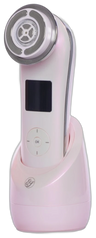
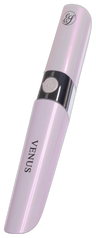
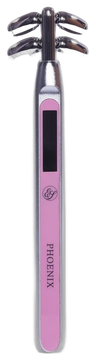
Our Lumo+ is an example. It combines RF, EMS and red and blue LED light in one handset: RF at 1 MHz, EMS at 3 to 15 mA, red light at 623 nm and blue at 465 nm.8 Its RF and EMS modes need gel; its light does not. Our gel page names the gel as the intended medium for our own devices, the Lumo+ among them. The others include the Phoenix microcurrent bar and the Venus eye device.6
The same holds for any brand. If your device’s manual names a gel, that is what its maker tested. If it does not, a water-based, oil-free gel that stays wet will do the job. Our gel page says it cannot confirm compatibility with every other brand’s device, so follow each maker’s instructions.6
We sell a gel, so weigh our recommendation with that in mind. The physics above applies to every water-based gel, not only ours.
Our gel, and yes, we make it
EvenSkyn Conduction Gel water-based, 300 mL
One gel for RF, EMS, microcurrent and ultrasound devices.
Made forRF, EMS, microcurrent and ultrasound devices. Our own Lumo+, Phoenix and Venus are made to be used with it. For other brands, follow the device manual.
Good to knowContains a paraben: patch test first, and skip it if you react to parabens. Not marketed as clean or paraben-free.
$179.98
One 300 mL bottle; a two-pack is also sold. Our 60-day return window covers devices, not consumables such as gels.
What it will not do: make a device do more than it was designed to do, or add anything to a light-only session.6
Practical use: how much, how often, what to avoid
Start on clean, dry skin. No oils, balms or heavy creams underneath.6
Apply a visible layer. Our product page puts it simply: enough that the device head never runs dry.6
Work in small zones. Gel the cheek, treat it, then move on, so the gel does not dry before the device reaches it.6
Top up when the head starts to drag. On longer sessions, plan to reapply partway. A light mist of water can revive a drying layer.6
Finish. Rinse with lukewarm water or a damp cloth, or leave a light layer to soak in.6
Storage and shelf life. Keep the cap closed and store the gel at room temperature, away from sun and heat. Check the bottle for its expiry date or period-after-opening mark, and stop using it if the colour, smell or texture changes.6
What not to use. Oils, petroleum jelly, silicone-heavy moisturisers and alcohol toners. Around the eyes, follow your device’s own instructions; our Lumo+ page rules out the eye socket and the area over the eyes.6,8
Light only? Skip the gel. Light does not need a conductive layer.
Frequently asked questions
Do I really need conductive gel with my microcurrent or RF device?
Yes. Microcurrent, EMS and RF devices pass a current through the skin, and without a wet, water-based layer the current crowds into the few points that touch, which feels sharp and treats unevenly. If your device manual names a gel, use that one.
What is the difference between RF gel and ultrasound gel?
Ultrasound gel is made to remove the air gap so sound can pass into the skin. A gel for RF or EMS has to carry current evenly and stay wet through a session. A water-based, oil-free gel does both. Medical ultrasound gel carries current too, but it is made for clinics, not skincare.
Can I use a hydrating serum instead of conductive gel?
Only briefly, and only if it is water-based with no oils or silicones. Serums are made to soak in, so they dry before the session ends. Expect to reapply often, or use a gel.
Can I use aloe vera gel with my microcurrent device?
As a stopgap. Pure aloe gel conducts while it is wet, but it dries quickly and brands add different things, so check the label for oils or alcohol.
Why does my device feel sharp or shocky sometimes?
Usually because the gel has thinned or dried, so the current crowds into fewer contact points. Add more gel, make sure your skin is free of oils and silicone products, and turn the level down if it persists.
How much conductive gel should I use per session?
Enough for a visible layer that the device head never runs dry on. Work in small zones and top up when the head starts to drag.
Does conduction gel expire?
Yes. Check the bottle for its expiry date or period-after-opening mark, keep the cap closed, store it away from heat and sun, and stop using it if the colour, smell or texture changes.
Can I use the same gel for microcurrent, RF, EMS, and ultrasound?
Yes, if it is water-based and oil-free; the basic requirement is the same for all four. Our gel is made for all four kinds of device. If a device manual names a specific gel, follow it.
Does EvenSkyn Conduction Gel contain parabens? Why?
Yes, methylparaben, as the preservative that keeps a water-based gel safe once opened. In 2023 the EU’s scientific committee judged methylparaben safe at up to 0.4 percent on its own, and the FDA says it has no information that parabens as used in cosmetics affect health. If you react to parabens, choose another gel.
Why do ultrasound technicians use so much more gel than I use on my face?
Because a scan needs no air at all between the probe and the skin over a large, moving area, and any air reflects almost all the sound. At home the principle is the same on a smaller scale: keep a visible layer under the device at all times.
Is there any situation where I should skip gel?
Yes: light-only sessions. LED masks and LED-only handsets do not need a conductive layer. If a device combines light with RF, EMS or microcurrent, use gel for those modes.
Will the gel damage my device electrodes?
A water-based gel is what these devices are made to work with. Wipe the head clean after each session and follow your device maker’s cleaning instructions.
Can I make my own conductive gel at home?
We would not. A homemade water-based mix has no preservative, so it can spoil once opened, and you cannot know how evenly it conducts.
Is conduction gel safe around the eyes?
Follow your device’s own instructions around the eyes. Our Lumo+ page rules out the eye socket and the area over the eyes, whatever gel you use.
References
How we built this guide: on 15 November 2026 we read our gel and Lumo+ product pages, the FDA’s page on parabens and the EU committee’s methylparaben opinion, and checked each study against its publisher or index record. The reflection figures in Fig. 1 are our arithmetic from published impedance values. This version replaces an earlier one at the same address. It no longer marks the page as medically reviewed, corrects the authors of a 2015 study, and drops figures and claims we could not trace to a source, including a skin-resistance figure, a viscosity range, a dose and bottle-life estimate, the preservative concentration, regulatory details for Canada and Australia, and a graded table of media that had no measurements behind it.
Conflicts: we make the conduction gel recommended here and the Lumo+, Phoenix and Venus devices named. No clinician reviewed this version. General information, not medical advice: if you have a skin condition or an implant, or are pregnant, check with your doctor before using an energy device.
Radiopaedia. Acoustic impedance. Reference article, read 15 November 2026. radiopaedia.org
Stanford University. RAD 225 and BIOE 225, Ultrasound, class 3: acoustic properties of tissue. Course notes, fall 2019. web.stanford.edu
Vargas Luna JL, Krenn M, Cortés Ramírez JA, Mayr W. Dynamic impedance model of the skin-electrode interface for transcutaneous electrical stimulation. PLOS ONE. 2015;10(5):e0125609. doi:10.1371/journal.pone.0125609
Ultrasound physics and instrumentation. StatPearls. Treasure Island (FL): StatPearls Publishing; updated 27 March 2023; read 15 November 2026. NCBI Bookshelf NBK570593
Scientific Committee on Consumer Safety. Opinion on methylparaben (CAS No. 99-76-3, EC No. 202-785-7). SCCS/1652/23; final opinion adopted 14 December 2023, corrigendum 28 February 2024. European Commission
EvenSkyn. EVENSKYN Conductive Gel for RF, Microcurrent, EMS and Ultrasound Devices, product page: ingredients, directions, compatible devices and warnings. Read 15 November 2026. evenskyn.com
Lo Presti A, Montoya NA, Criscuolo V, Khan G, Khan U, Vecchione R, Falconi C. Fundamentals of skin bioimpedances. Advanced Materials. 2023;35(33):2302127. doi:10.1002/adma.202302127
EvenSkyn. Lumo+ product page: specifications and contraindications. Read 15 November 2026. evenskyn.com
US Food and Drug Administration. Parabens in cosmetics. Content current as of 18 November 2025; read 15 November 2026. fda.gov
The best conductive gel for microcurrent, RF and ultrasound devices: the four label tests that matter, how the common gel types compare, a label checker you can paste any ingredient list into,...
How radio frequency skin tightening works, what the clinical evidence supports, where at-home RF devices help, and the honest limits, with primary source citations.
Lasă un comentariu
Toate comentariile sunt moderate înainte de a fi publicate.




Lasă un comentariu
Toate comentariile sunt moderate înainte de a fi publicate.
Acest site este protejat de hCaptcha și hCaptcha. Se aplică Politica de confidențialitate și Condițiile de furnizare a serviciului.