
Medically Reviewed by Dr. Lisa Hartford, MD
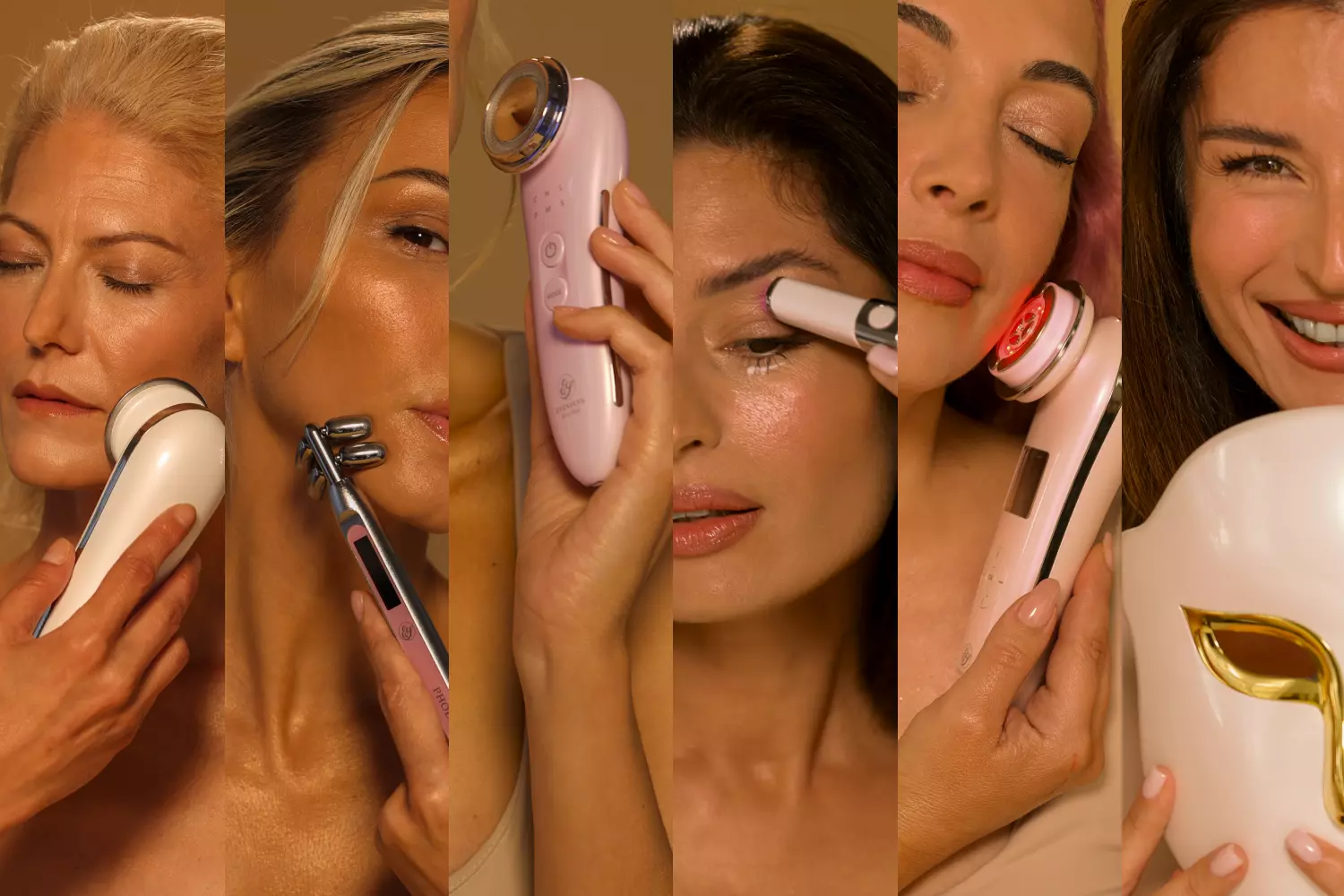
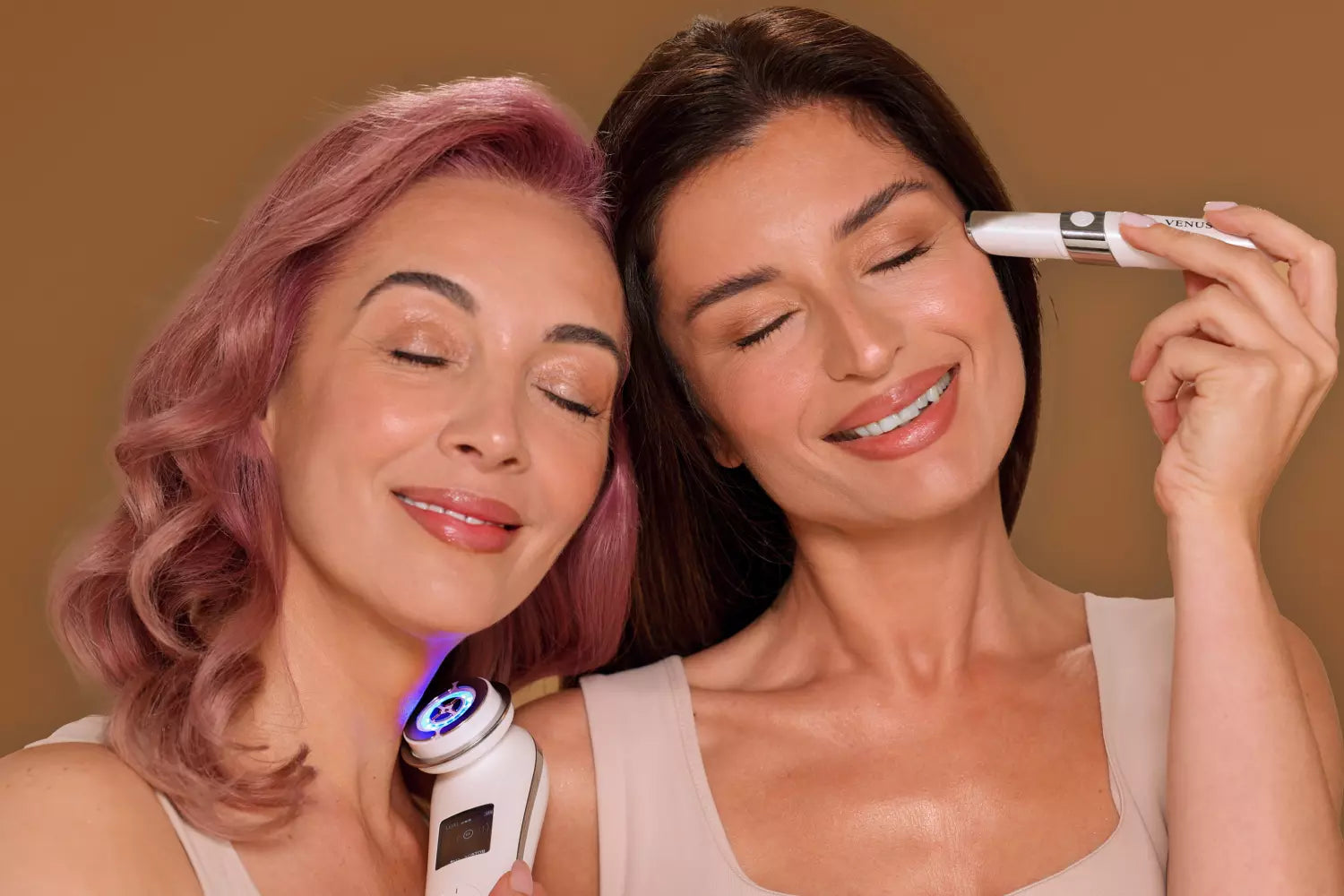
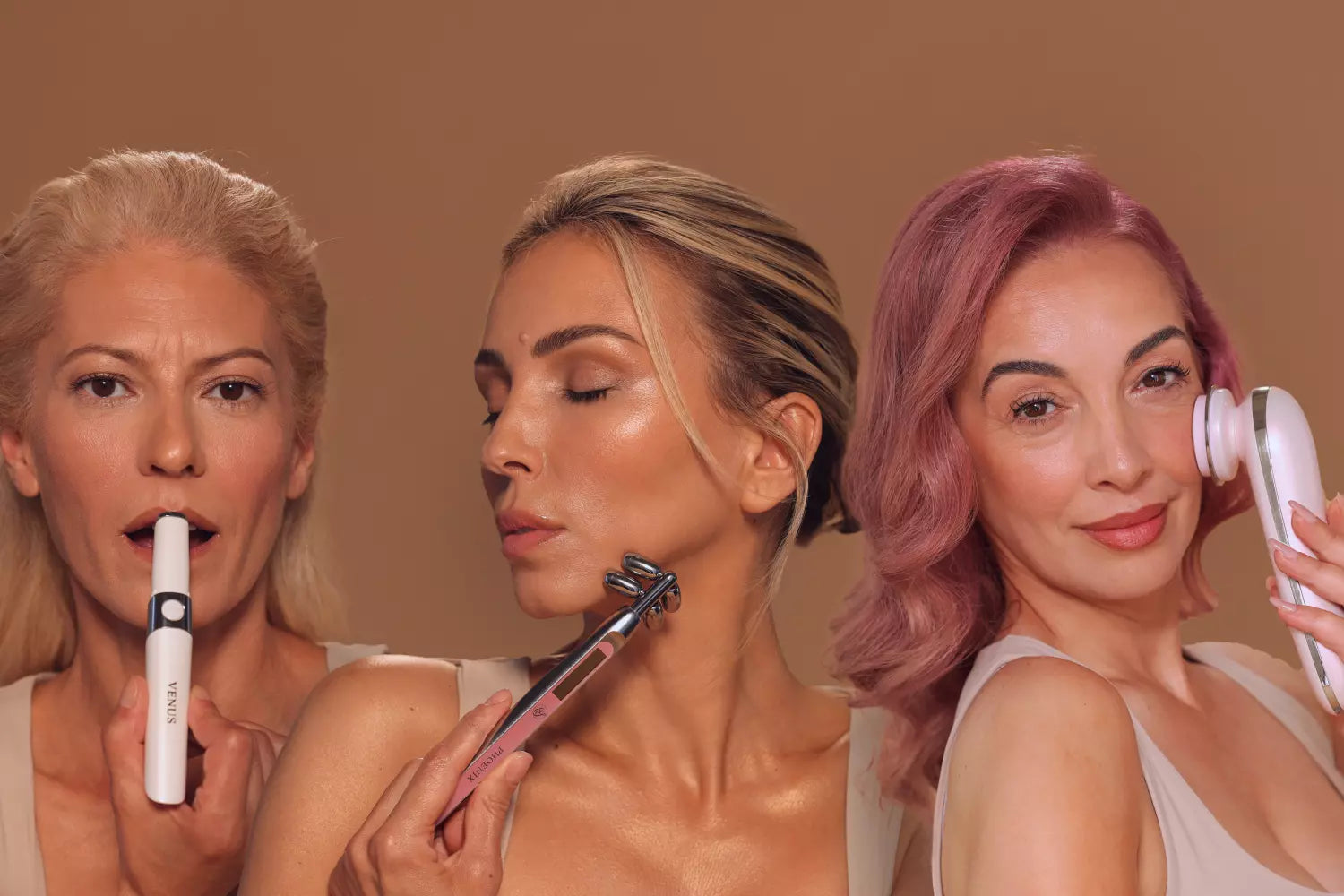
The industry of at-home beauty devices has been significantly expanding in recent years, starting from $36.74 billion in 2018 to an estimated growth at a CAGR of 18.8% during the forecast period from 2019-2027, according to a 2020 report published by Business Wire. Although many consumers are aware that these handy at-home tools are probably not as powerful as the sophisticated machines used in clinics, they still seek these devices for their safety, relatively low price tag, and convenience. “All at-home kits and devices are required by law to be less effective and abrasive than anything carried out in a doctor's clinic for safety reasons, so none of them will ever be as safe or as effective as an in-clinic treatment carried out by a trained therapist,” explains Dr. Imaan Joshi BSc, MBBS, FRACGP. The market has also been expanding due to increased demand for cutting-edge skincare devices, with the industry estimated to advance at a compound annual growth rate of 26.1% from 2022 to 2030. In this guide, we give you a brief view of three industry-leading, non-invasive skincare technologies (LED light, radiofrequency (RF), and microcurrent), as well as the best strategies you can employ to get the maximum benefit from your at-home sessions.
LED Light Therapy: Boosting Collagen Production with NASA's Wavelengths of Light
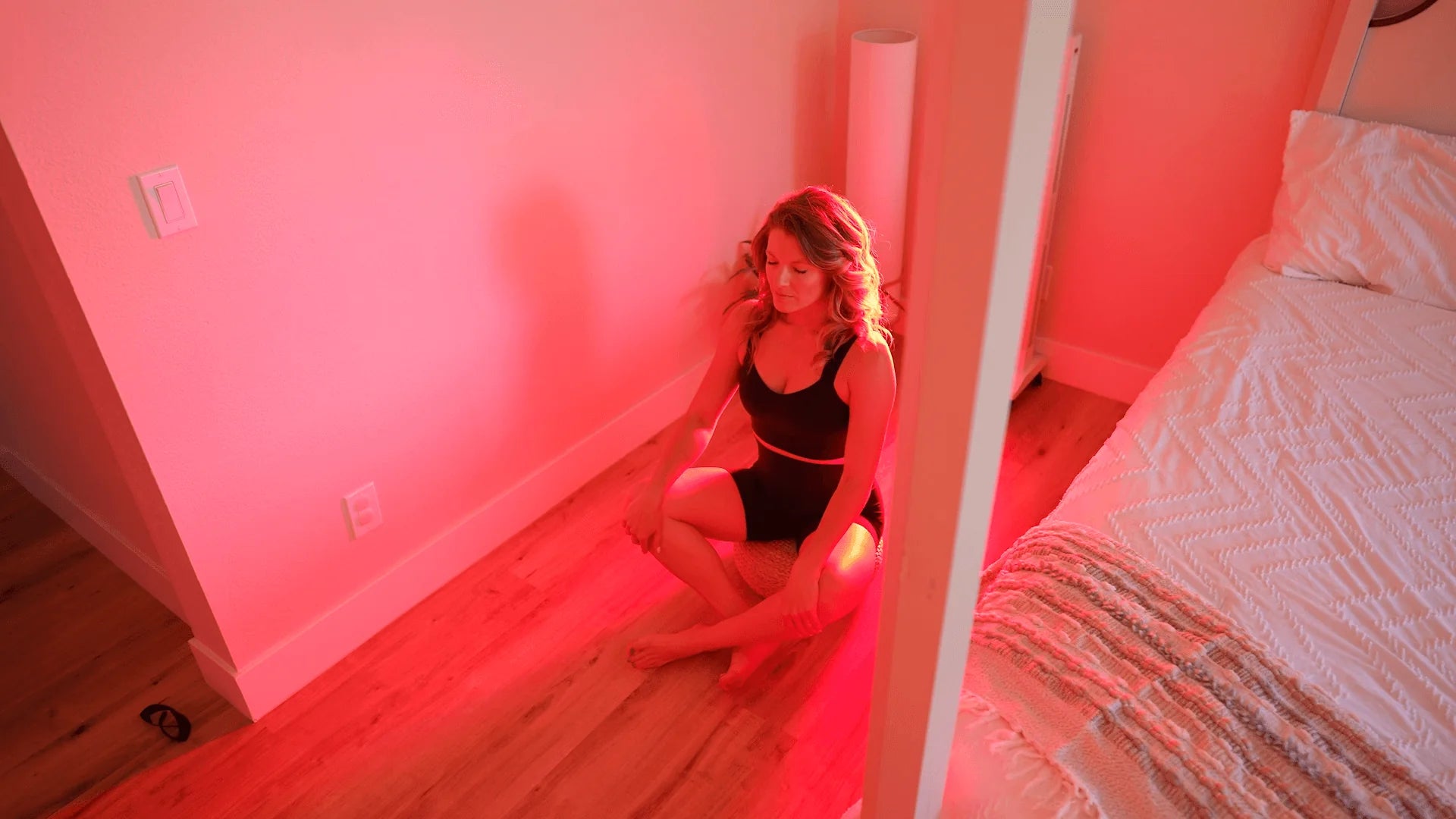
LED (light-emitting diode) light therapy is one of the most popular non-invasive, generally safe cosmetic options, and has been shown to help with visible signs of aging (e.g., the look of fine lines, wrinkles, sagging skin) and other concerns associated with bacterial growth (e.g., redness, inflammation, and acne). This NASA-developed technology makes use of the visible light spectrum, going anywhere from blue to red light, and then infrared thereafter. The benefits depend on the wavelength and how deeply it penetrates the skin. For those seeking to stimulate collagen production and address common signs of aging, red light therapy would be the optimal choice. Blue light therapy, on the other hand, is the better option for reducing the look of skin inflammation and supporting mild-to-moderate inflammatory acne. If you are using LED face masks or other LED light therapy tools at home, you will see faster and more noticeable results by following a proper routine, as shown below:
Cleanse Your Face
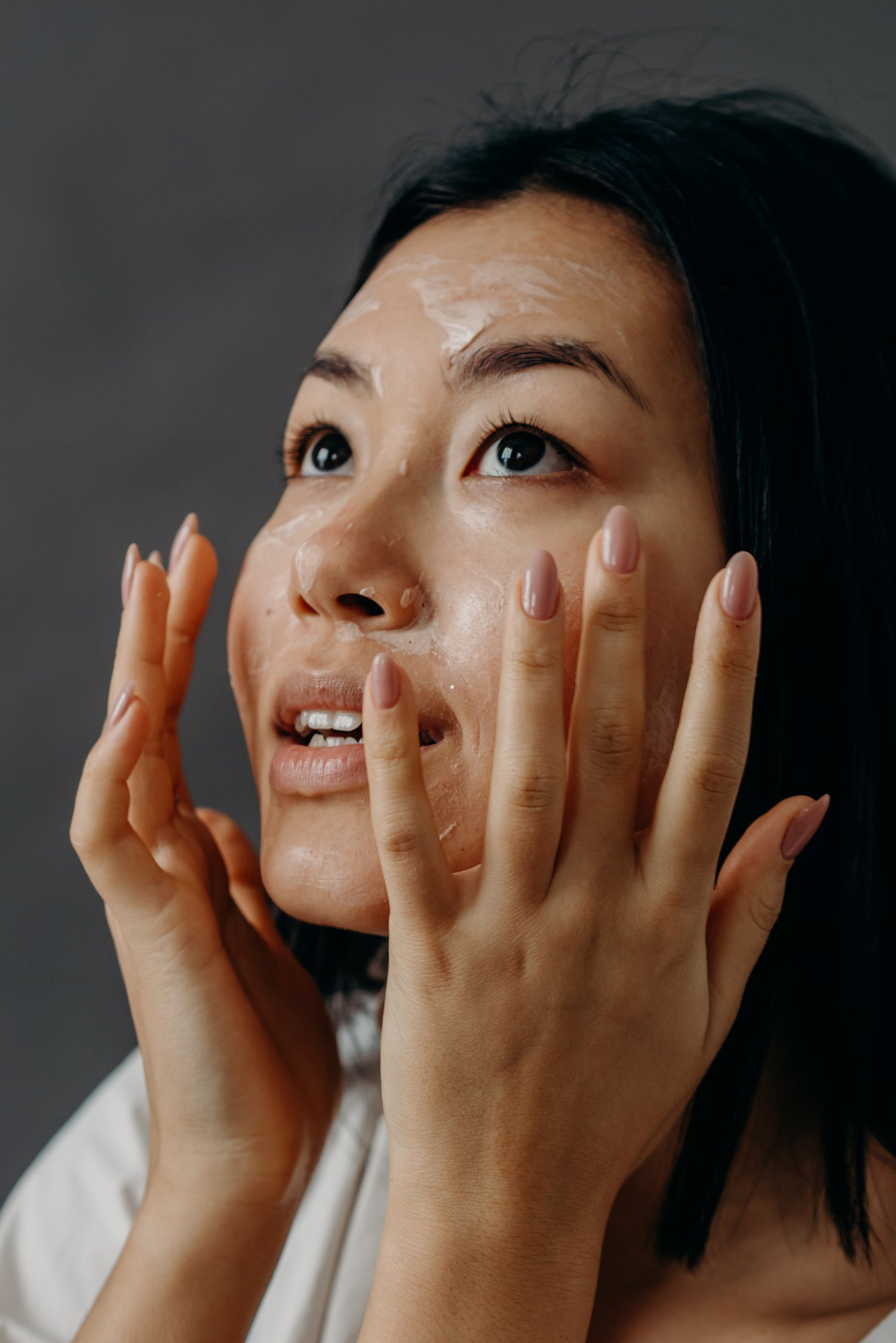
LED light therapy will not work as intended if the face has oils, dirt, makeup residue, or other products that can interfere with the treatment. Sunscreens, which are supposed to block harmful UVA and UVB light, can especially block LED light from penetrating the skin. It is thus crucial to thoroughly cleanse the face just before directing the LED device to the skin.
Apply Topical Retinol (Red Light Therapy)
Retinol, an over-the-counter form of vitamin A, is one of the best ingredients to apply in preparation for red light therapy. “These treatments [red light therapy] do offer modest improvement, especially when combined with anti-aging creams that include retinol,” says Joshua Zeichner, M.D., the director of Cosmetic and Clinical Research at Mount Sinai Hospital's Department of Dermatology. Once you wash your face with a gentle cleanser, pat your skin completely dry and apply the topical retinol, then wait a few minutes to allow the product to fully absorb before starting the session.
Apply Topical Vitamin C (Red Light Therapy)
Vitamin C is another ingredient you may want to include in your preparation for red light therapy, as according to a few clinical studies, applying vitamin C on the face and neck consistently can help reduce the appearance of fine and coarse wrinkles and improve the overall feel and appearance of the skin. You can combine vitamin C and retinol for even more anti-aging benefit. “There's no problem with using both retinol and vitamin C as part of your skincare routine,” says Azadeh Shirazi, MD, a board-certified dermatologist and host of the podcast More Than a Pretty Face. Shirazi encourages using this combo for those seeking to “age gracefully,” referring to them as a “power couple.”
Add Green Tea To Your Skincare Routine (Red Light Therapy)
As traditional as it might seem, scientific evidence of green tea supporting the benefits of red light therapy does exist. A 2009 study found that combining green tea-filled cotton pads with red light therapy was associated with reduced wrinkle levels and rejuvenated-looking skin. Placing green tea-filled cotton pads once a day for twenty minutes on the skin before the treatment appeared to accelerate results in the study.
Apply Products Containing BHAs (Blue Light Therapy)
When using blue LED light at-home devices, it is best to opt for creams containing beta hydroxy acids (BHAs) to enhance the effectiveness of acne phototherapy. Salicylic acid and its derivatives are the most common BHAs found in skincare products and can help reduce the look of redness, acne, whiteheads, and blackheads by exfoliating the skin. You can also wash with a salicylic acid cleanser before applying the cream to further support the benefits of blue light therapy.
Radio Frequency (RF) Skin Tightening: Heating the Face To Address Signs of Aging
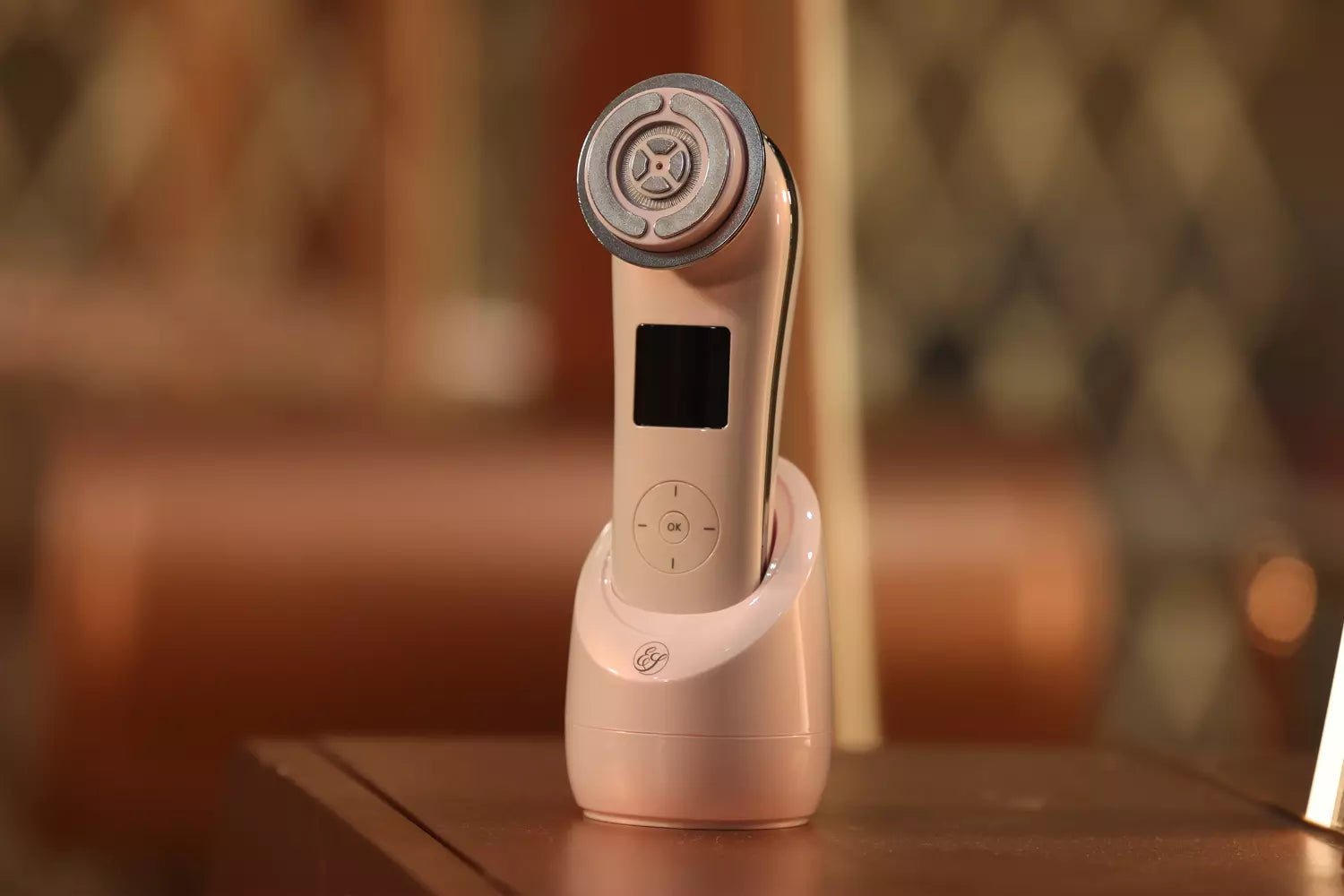
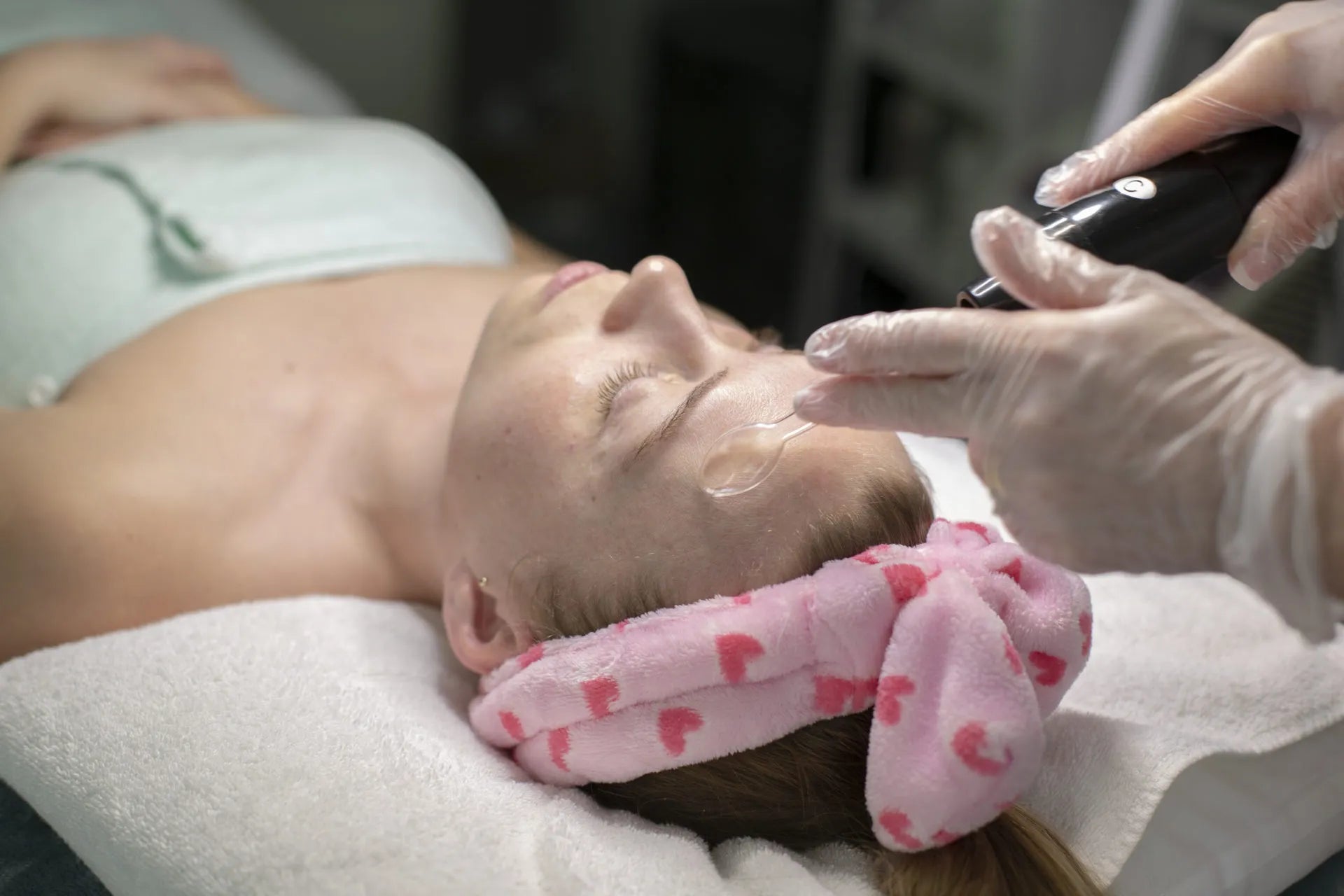
Radiofrequency (RF) skin tightening is a painless, non-invasive cosmetic option that involves using electromagnetic waves to heat the skin, supporting increased collagen and elastin production and improving the appearance of fine lines and wrinkles. “Radiofrequency is a low-energy form of radiation, and the way it works to improve wrinkles, fine lines, and skin sagging is basically heating the deeper layers of the skin to trigger fibroblasts that make collagen, leading to a skin-firming and skin-smoothing effect,” says Dr. Andrea Suarez, a board-certified dermatologist based in Houston, Texas. “It has been shown to have a slimming effect around the jaw area, so using radiofrequency treatment can help with facial contouring. It is really a satisfying procedure for many people because you almost immediately appreciate about a 10% improvement, and you continue to gain improvement roughly 3 to 6 months after the treatment.” Suarez says that compared to professionally done radiofrequency treatments, at-home RF devices are a more cost-effective option for those who do not want to pay “$1,000-$4,000” per session. One randomized controlled trial showed improvement in forehead wrinkles with an at-home radiofrequency device, and another study showed improvement in skin elasticity and wrinkling. At-home RF handsets such as the EvenSkyn® Lumo⁺ bring this technology home in a device designed for short, regular sessions. There are two simple main steps you can follow to get the best results from your RF at-home sessions:
Have A Freshly Washed Face
Wash your face with a gentle cleanser prior to treatment to remove any oils, dirt, and makeup that may hinder the session. It is also important not to use too much pressure or vigorously rub the skin after the session, while making sure to wash with a gentle cleanser and lukewarm water.
Apply A Conductive Radiofrequency Gel
Applying a special radiofrequency conductive gel, such as the EvenSkyn® Conductive Gel, before using the RF device will help you gain the maximum benefit from the session. An RF conductive gel is made to improve the response and clarity of the treatment probes when in contact with the treated area. In other words, it serves as a medium for RF waves and facilitates their delivery into both the upper and deeper layers of the skin. Conductive gels can also have a cooling and lubricating effect that keeps skin protected during treatment, for a more comfortable session and smoother glide.
- Important: The RF conductive gel needs to be water-based instead of oil-based to yield the intended results, because water is what conducts the radiofrequency current and delivers it into the deeper layers of the skin.
Microcurrent Therapy: Working Out Rarely-Used Facial Muscles
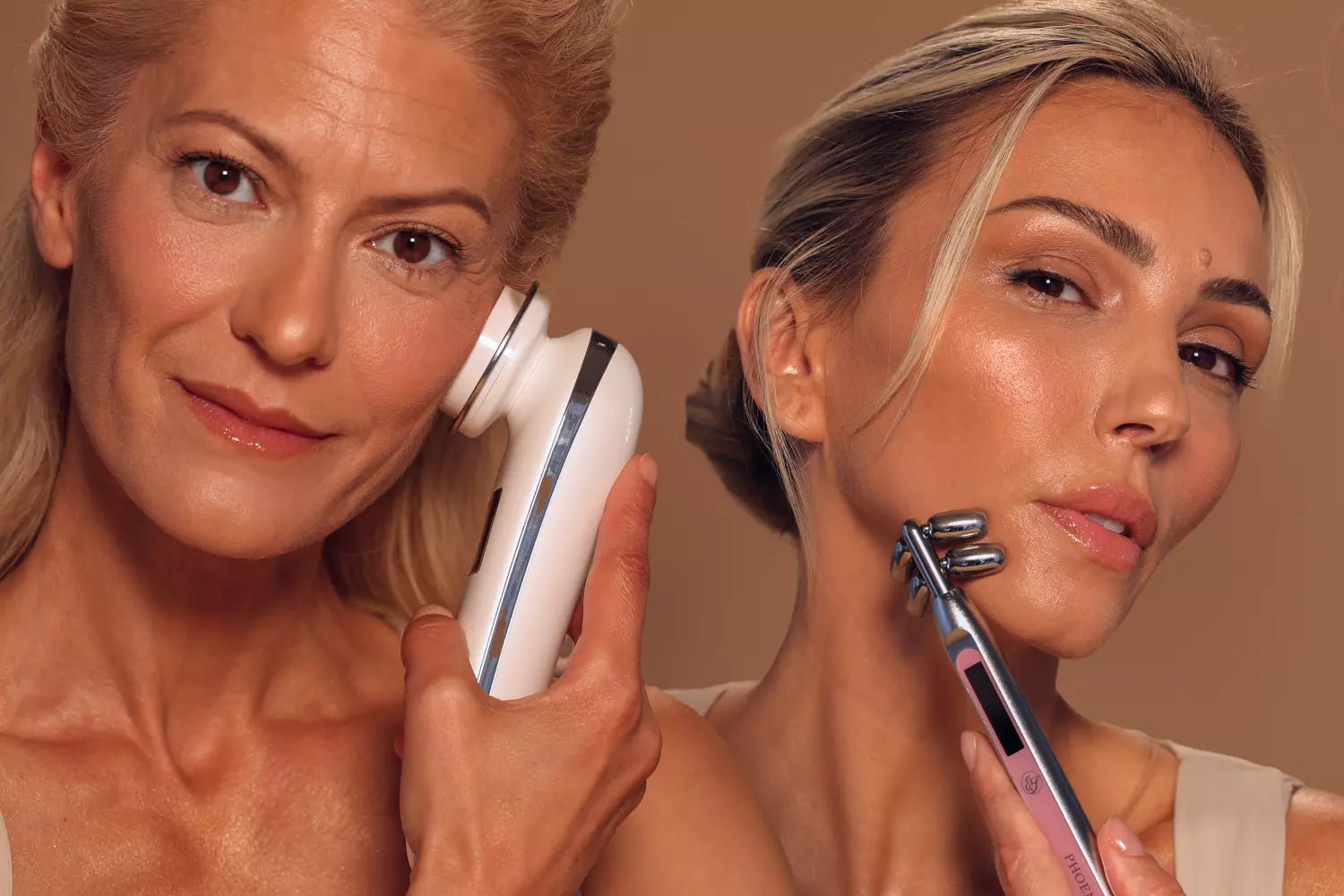
The origins of microcurrent treatment trace back to the early 1900s, and the technology has since developed into a safe and effective cosmetic option that ‘trains’ or stimulates facial muscles through the application of low-grade electrical currents to the skin, supporting a more toned and sculpted appearance. At-home microcurrent tools such as the EvenSkyn® Phoenix Microcurrent Bar make it easy to fit this into a routine. To get the most out of your at-home microcurrent sessions and see quicker lifting results, you will need to stick to a routine that helps the microcurrent reach and stimulate the targeted facial muscles. Below is a simple three-step routine:
Wash Your Face
Since microcurrent essentially works through water, having oils on the skin can hinder microcurrent from reaching the facial muscles as intended, thus reducing the efficiency of the at-home device. This makes cleansing the face prior to the session a crucial step, as explained by Indiana-based licensed master esthetician Christine Byer: “Fat and oil will occlude and dampen a current.” She adds that at clinics with “snappy” machines, patients tend to “feel it more through the forehead because we have less of a fat pad to absorb the current.” Thoroughly wash your face with a gentle cleanser right before you start, to remove any oils, dirt, and makeup that can block currents from penetrating the skin.
Apply A Conductive Microcurrent Gel
Applying a conductive microcurrent gel is an essential step that helps conduct electricity during the session. The gel should be free of oils that may block the current, and ideally contains beneficial ingredients like antioxidants and hyaluronic acid, since microcurrent therapy not only stimulates facial muscles but also helps push the ingredients applied on the face into the deeper layers of the skin.
- Pro tip: Do one area of the face at a time to avoid the conductive gel drying up and to achieve better results.
Apply Products Containing Hyaluronic Acid
Microcurrent works more effectively on a hydrated face, because the technology needs the conductivity achieved through water to reach and stimulate the facial muscles. This makes it favorable to apply a water-based serum containing hydrating ingredients. Hyaluronic acid (HA) is a preferred ingredient to look for, as it retains water in the skin by acting as a biological humectant, making it an excellent topical moisturizing ingredient to apply in preparation for microcurrent sessions.
Putting It All Together
If you want to follow a complete LED, RF and microcurrent routine without sourcing each piece separately, the Advanced Care+ bundle brings together the Lumo⁺ (RF), Venus (eyes) and Phoenix (microcurrent) devices along with the under-eye patches and conduction gel, so every step in this guide is covered. Prefer just the core devices? The Lumo⁺ + Venus + Phoenix trio is the device-only version.
References:
Draelos ZD, Diaz I, Namkoong J, Wu J, Boyd T. Efficacy Evaluation of a Topical Hyaluronic Acid Serum in Facial Photoaging. Dermatol Ther (Heidelb). 2021 Aug;11(4):1385-1394.
Pullar JM, Carr AC, Vissers MCM. The Roles of Vitamin C in Skin Health. Nutrients. 2017 Aug 12;9(8):866.
Shu X, Wan R, Huo W, et al. Effectiveness of a Radiofrequency Device for Rejuvenation of Aged Skin at Home: A Randomized Split-Face Clinical Trial. Dermatol Ther (Heidelb). 2022 Apr;12(4):871-883.
Sommer AP, Zhu D. Green tea and red light, a powerful duo in skin rejuvenation. Photomed Laser Surg. 2009 Dec;27(6):969-71.


Leave a comment
All comments are moderated before being published.
This site is protected by hCaptcha and the hCaptcha Privacy Policy and Terms of Service apply.