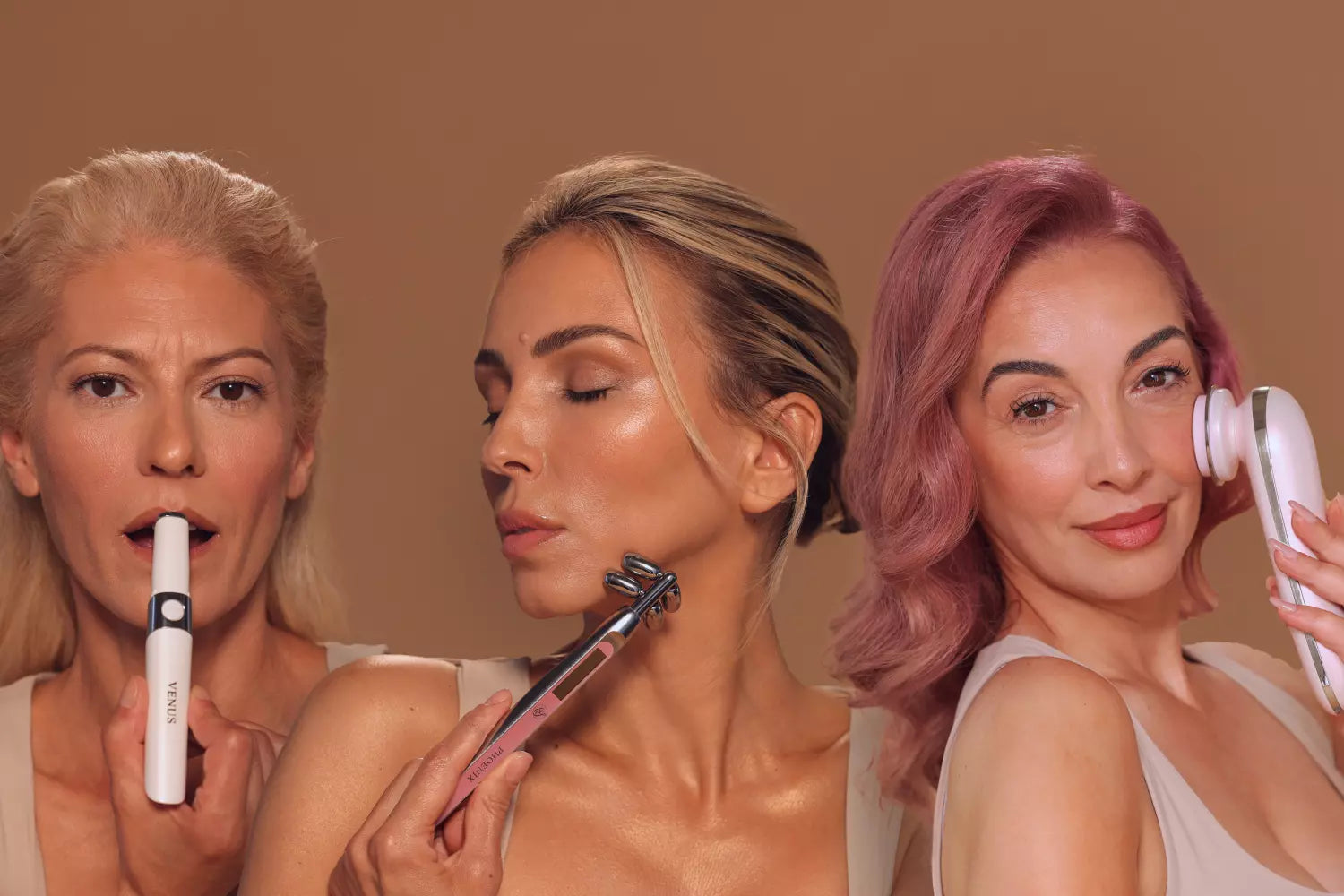
At-Home Skin Tightening Devices

Radiofrequency · Microcurrent · Ultrasound

At-Home Skin Tightening Devices

Skin tightening devices bring radiofrequency, microcurrent and ultrasound treatments out of the clinic and into a handset you own. They will not replace an in-clinic system, and we say so plainly further down. What they do offer is a treatment you can run three times a week, for one purchase, on your own schedule.

60-day money-back guarantee, US and CA Free shipping to the US and Canada Single purchase, no subscription
02 · The one most people are here for
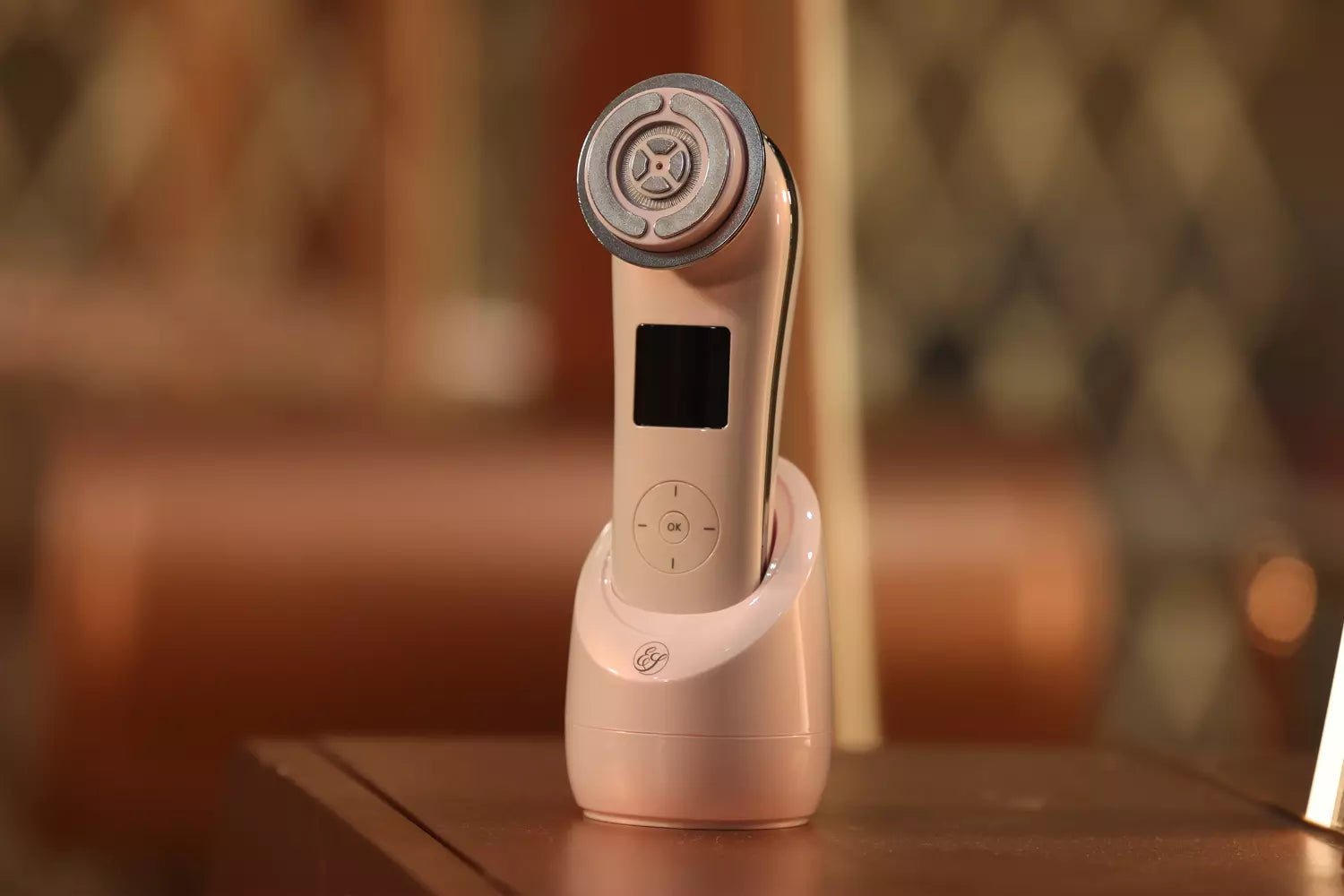
EvenSkyn Lumo Plus at-home RF skin tightening device
Most complete at-home option

EvenSkyn Lumo⁺

The only device in this range that runs radiofrequency. RF heats the deeper layer of skin, which is the mechanism behind clinic tightening treatments. Lumo⁺ pairs it with microcurrent for muscle tone and red light, in one handset.

TechnologiesRadiofrequency, microcurrent, red light
Best forJawline, jowls, cheeks, neck
SessionAround 10 to 15 minutes
Frequency3 sessions per week
NeedsWater-based conduction gel
$499.99one purchase, no refills required
03 · The rest of the range

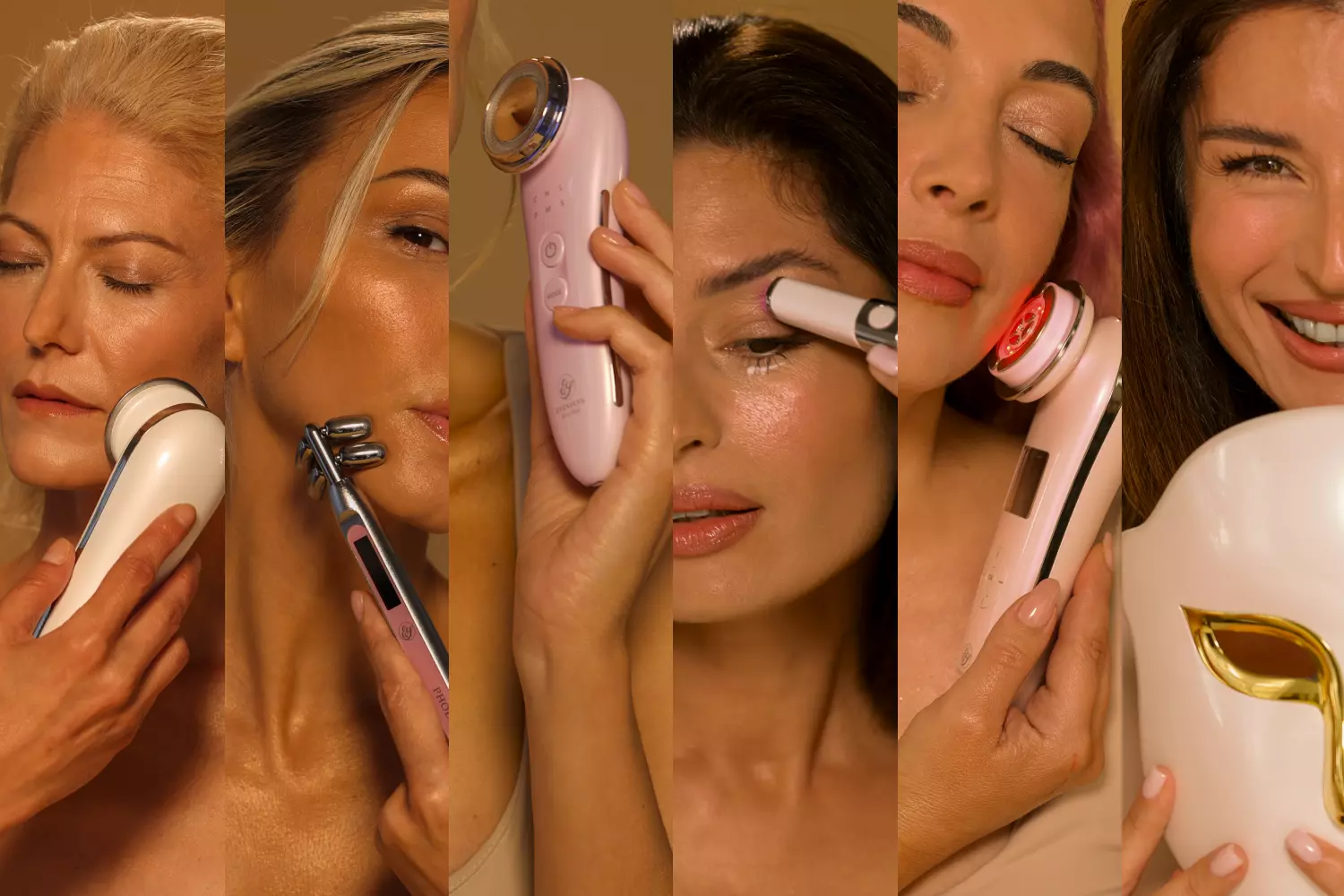
Three more devices, each with a narrower job

EvenSkyn Eclipse skin tightening device
EvenSkyn Eclipse
Ultrasound, microcurrent and red light

Tone and lift for skin that is only just starting to soften. Gentler than RF, and a sensible first device.

$199.99
Shop the Eclipse
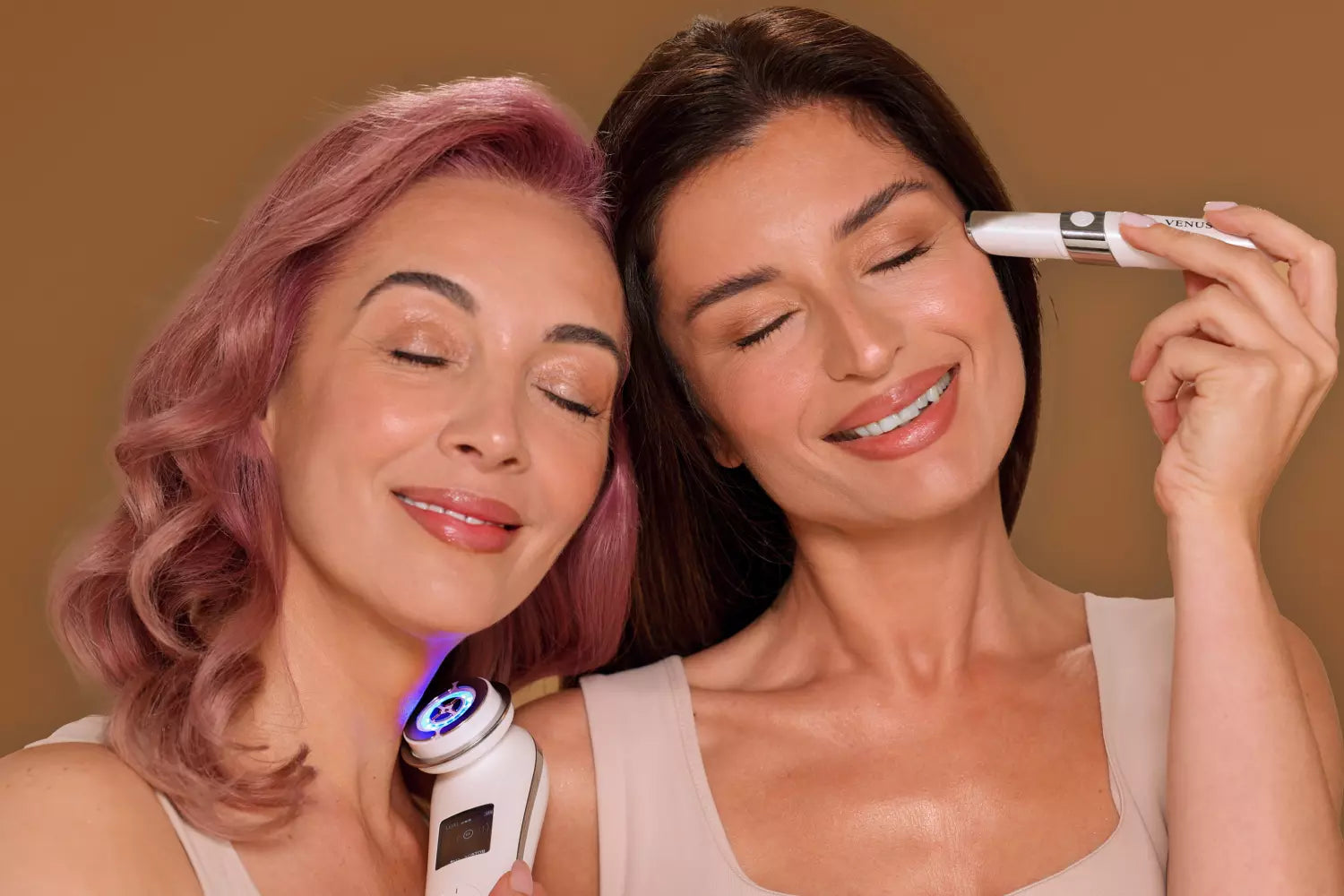
EvenSkyn Venus skin tightening device
EvenSkyn Venus
Eye-area anti-aging

Built for eyelid and under-eye skin, which is too thin for a full-face handset. Our best-selling device by order count.

$149.99
Shop the Venus
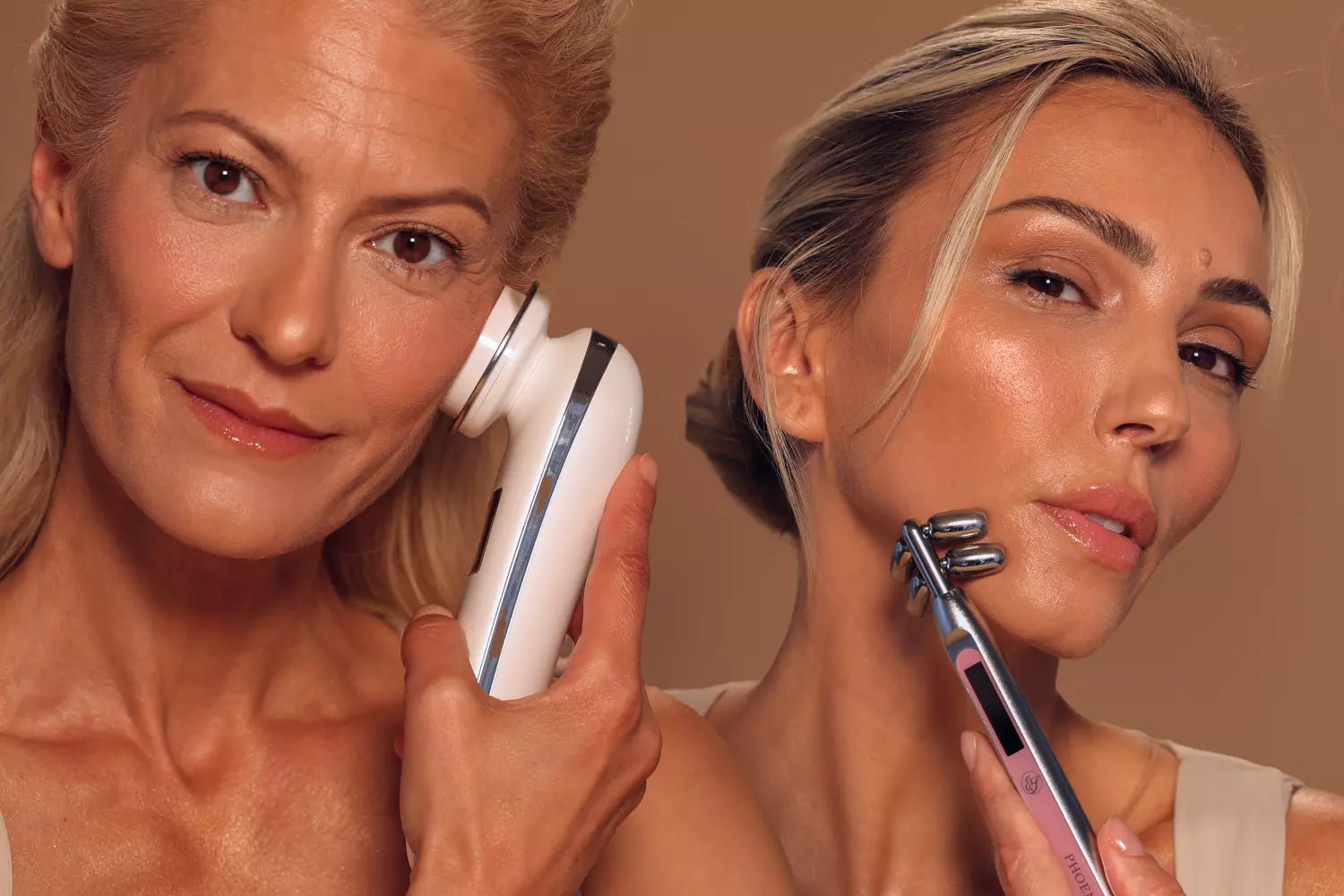
EvenSkyn Phoenix skin tightening device
EvenSkyn Phoenix
Microcurrent bar

A few minutes a day to keep facial muscles toned. Pairs with the Lumo⁺ rather than replacing it.

$119.99
Shop the Phoenix
Lumo⁺ + Phoenix duo

RF tightening plus daily microcurrent maintenance. The two devices most people end up owning together.

$559.99
Shop the duo
04 · Straight comparison

Including what each one will not do

Most comparison tables only list what a device does. The right-hand column is the one worth reading.

Device Technology Best for What it will not do Price
Lumo⁺ RF, microcurrent, red light Jawline, jowls, cheeks, neck Will not match the depth or the single-session result of a clinic RF system. It is not RF microneedling and it does not break the skin. $499.99
Eclipse Ultrasound, microcurrent, red light Early softening, overall tone No radiofrequency, so it does not target deeper laxity. $199.99
Venus Eye-area treatment Crepey eyelids, under-eye Not a full-face device. Will not treat the jawline. $149.99
Phoenix Microcurrent Daily upkeep, muscle tone Microcurrent works on muscle, not on deeper collagen. It is maintenance, not correction. $119.99
Every device here uses the same water-based conduction gel. RF and microcurrent both need proper contact, and dry skin is the single commonest reason a session does nothing.
05 · What it costs over time

The argument for owning rather than booking

A clinic tightening treatment is priced per session, and the price varies a lot by city, so compare against your own local quote rather than a number we invent. What we can show you is the other half of that comparison, exactly.

Lumo⁺
$1.07 per session
$499.99 spread over 3 years, at 3 sessions a week
Eclipse
$0.43 per session
$199.99 spread over 3 years, at 3 sessions a week
Venus
$0.32 per session
$149.99 spread over 3 years, at 3 sessions a week
Phoenix
$0.15 per session
$119.99 spread over 3 years, at 5 sessions a week
Arithmetic only, based on the listed price and the stated session frequency. It assumes the device lasts three years and excludes conduction gel. It is not a claim about results.
06 · How the technology works

Radiofrequency, in plain terms

Radiofrequency (RF)

An RF device passes energy through the skin's surface and warms the dermis underneath. Controlled heat in that layer is the mechanism clinics rely on for tightening. A home device runs at a lower intensity than a clinic system, which is why the trade is more sessions over more weeks rather than one appointment.

Microcurrent

A low-level current that acts on the facial muscles rather than the deeper collagen layer. It is why microcurrent reads as an immediate lift that fades, and why it works best as upkeep alongside RF rather than instead of it.

Ultrasound

Mechanical vibration that warms and stimulates tissue more gently than RF. A reasonable starting point if your concern is overall tone rather than a defined sagging area.

Before you buy
What an at-home device will not do
  • It will not reach the depth of a clinic RF system. Professional devices run at intensities that are not safe to sell for unsupervised home use, and that is the whole trade.
  • It is not RF microneedling. Nothing here breaks the skin. If you have read about Morpheus8 or similar procedures, those are a different category of treatment.
  • It will not do much in two weeks. Every technology here works on a timescale of weeks to months, with consistency mattering more than intensity.
  • It will not lift skin that has lost significant structural support. If the laxity is advanced, a consultation is the honest next step, not a handset.
If that framing costs us the sale, we would rather lose it than have the device come back in 60 days. See the customer results page for what real use looks like over time.
07 · Questions we get asked

Straight answers

What is an RF skin tightening device?
A handheld device that delivers radiofrequency energy into the skin to warm the dermis, the layer where the structural proteins sit. Clinics have used the same principle for years in larger systems. A home version runs at lower power, so it is used repeatedly over weeks rather than in one supervised appointment.
Do at-home radiofrequency devices really work?
Radiofrequency as a modality has published evidence for cosmetic skin firming, and that evidence is what home devices are built on. It does not follow that every device performs identically, or that a home unit matches a clinic result. Expect gradual, visible change with consistent use over a couple of months, and be sceptical of anything promising more. Our evidence guide goes through the studies.
How often should I use a skin tightening machine at home?
Three sessions a week is the usual guidance for RF and ultrasound devices, with at least a day between sessions. Microcurrent tolerates daily use. More frequent is not better, and the recovery window between sessions is part of how the treatment works.
Is an at-home RF device the same as Morpheus8 or Thermage?
No, and the difference matters. Morpheus8 is RF microneedling, which uses needles to deliver energy below the skin surface, and Thermage is a high-intensity monopolar RF system. Both are clinical procedures performed by a practitioner. An at-home device is non-invasive, lower intensity, and designed for repeated use. It is a different treatment, not a cheaper version of the same one.
How long until I see a difference?
Most people are looking at six to twelve weeks of consistent use before a change is clear in photographs, and skin quality often shifts before contour does. If you want to judge it properly, take a photo in the same light on day one and stop checking daily.
Do I need conduction gel?
For RF, microcurrent and ultrasound, yes. The energy needs a conductive medium to pass into the skin, and running a device on dry skin is uncomfortable and largely pointless. A water-based gel is the correct type.
What is the return policy?
60 days, money back, on orders in the US and Canada. Given the timescales above, treat that window as time to establish a routine rather than time to judge a result.
Still deciding between the Lumo⁺ and the Eclipse?
The short version: RF if the concern is sagging you can point to, ultrasound and microcurrent if it is general softening. The long version is in the comparison guide.
60-day money-back guarantee on US and Canada orders. Free shipping to the US and Canada.