








Medically Reviewed by Dr. Lisa Hartford, MD
If you want to act on this
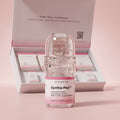
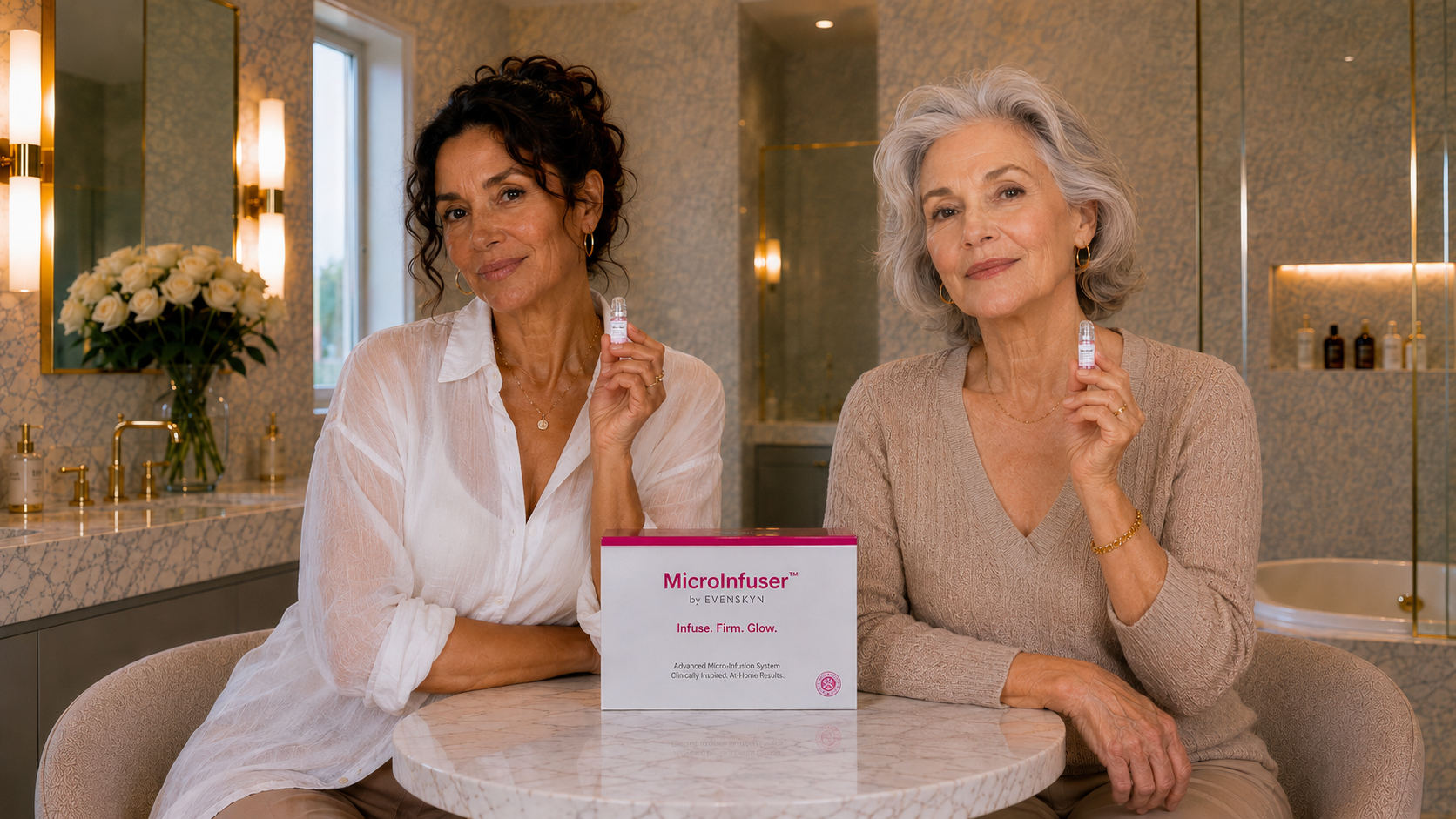
The ingredient science is only half the story; delivery is the other half. Our MicroInfuser pairs a 0.5 mm fixed-depth, single-use needle head with a sealed Syntha-Pep ampoule (PDRN, an EGF analog, GHK-Cu) so actives reach past the skin barrier instead of sitting on it. It is our own product, results build over consistent sessions rather than overnight, and the safety and contraindication list is worth reading before a first session.
Under-Eye Anti-Aging in 2026: A Clinical Read on Microneedle Patches, Eyelid Devices, and the 0.5-Millimeter Problem
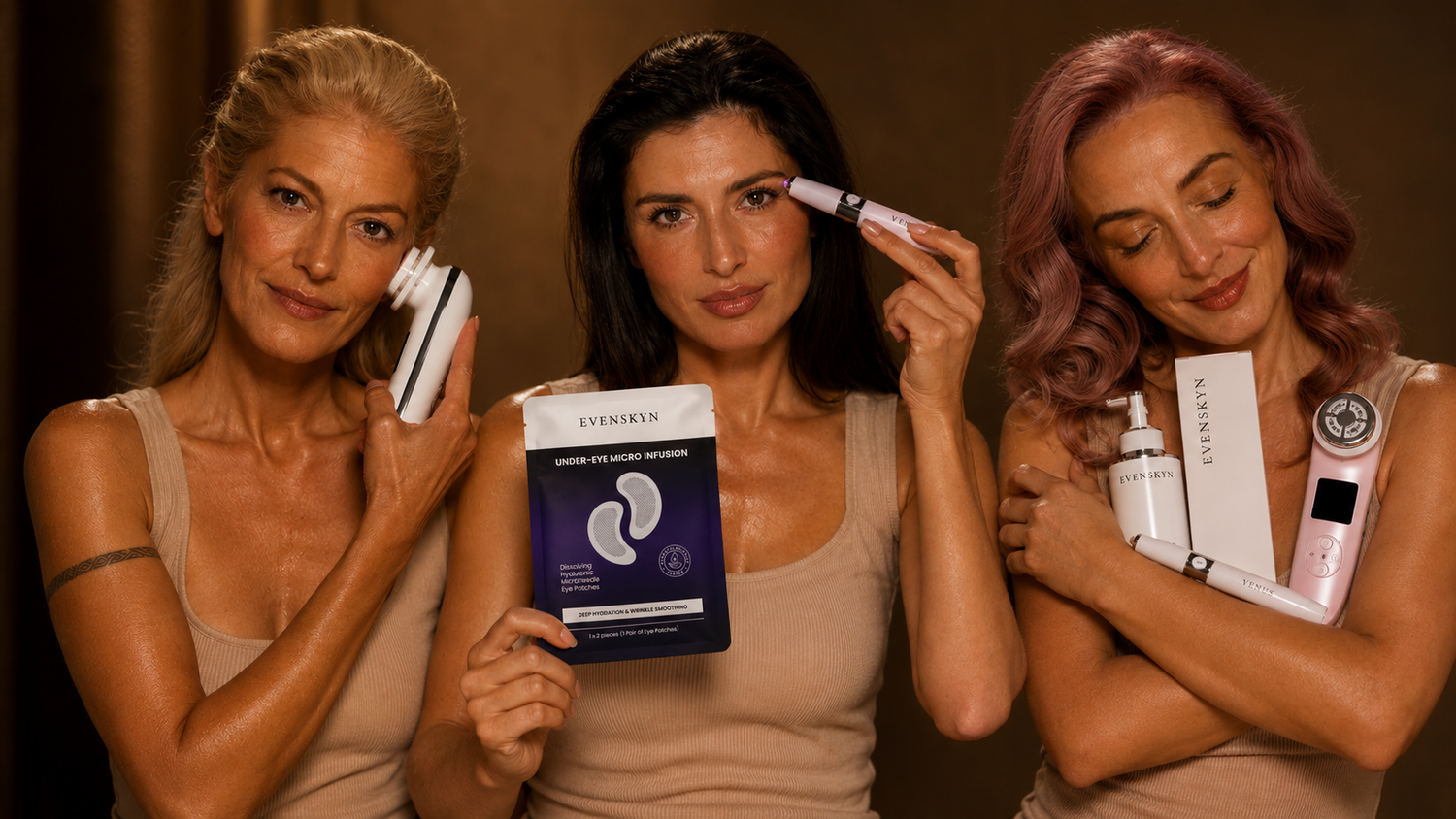
The eyelid is the thinnest skin on the body, approximately one-quarter the thickness of the cheek. That single anatomical fact reorganizes every rule about under-eye anti-aging, from ingredient choice to device cadence. This is the clinical read for women in their 40s and beyond who want to know what genuinely works, what doesn't, and where the Evenskyn Venus, the Micro Infusion patches, and the Lumo+ each fit.
The five things to take away
- Eyelid skin is roughly 0.5 mm thick versus 2 mm on cheeks. Treatments calibrated for the rest of the face do not translate to the eye area without adjustment.
- There are four distinct under-eye aging mechanisms: vascular and melanin discoloration, structural shadows from tear-trough anatomy, dynamic and static wrinkles, and skin laxity. Each responds to a different intervention.
- Dissolving microneedle patches deliver actives roughly 150 to 250 microns deep, bypassing the stratum corneum barrier and reaching the viable epidermis where ingredients actually function.
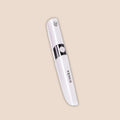
- The Evenskyn Venus delivers thermal collagen activation at 42°C, iontophoretic ion-import for serum absorption, red and blue LED phototherapy, and sonic massage at 12,000 oscillations per minute, four modalities calibrated specifically for the thinner eyelid skin.
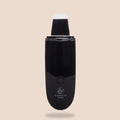
- The cleanest division of labor: patches plus Venus for the eye area, Lumo+ for everywhere else, cheeks, jaw, neck, décolletage. Each tool engineered for the tissue it actually treats.
1. How to read this article
The under-eye area is the part of the face most likely to be over-treated with the wrong tool. A device sized and powered for the cheek is too aggressive for the eyelid. A retinoid concentration tolerable on the forehead burns under the eye. A serum that works on the décolletage may not penetrate eyelid skin at all because the skin is so thin that absorption follows different physics. This article walks through the anatomy, the four aging mechanisms, the credible at-home interventions, and the protocol that actually produces results.
The reference frame is a woman in her 40s through 60s who has noticed the eye area changing, fine lines becoming static, dark shadows deepening, the lower lid becoming a little fuller, the upper lid a little heavier. She has tried eye creams that did not seem to do much. She is now considering a device, and she wants to make the right choice. This article is for her.
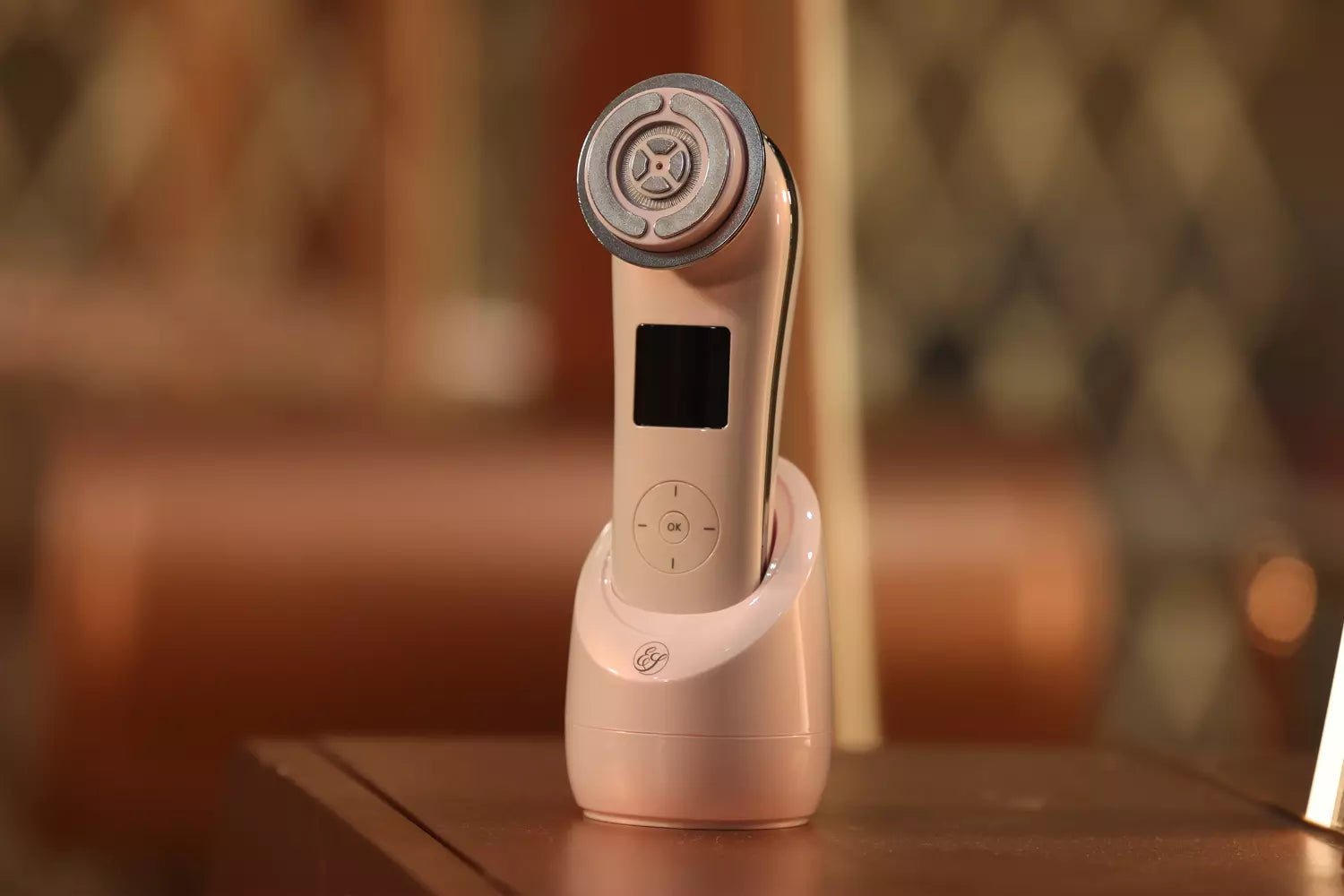
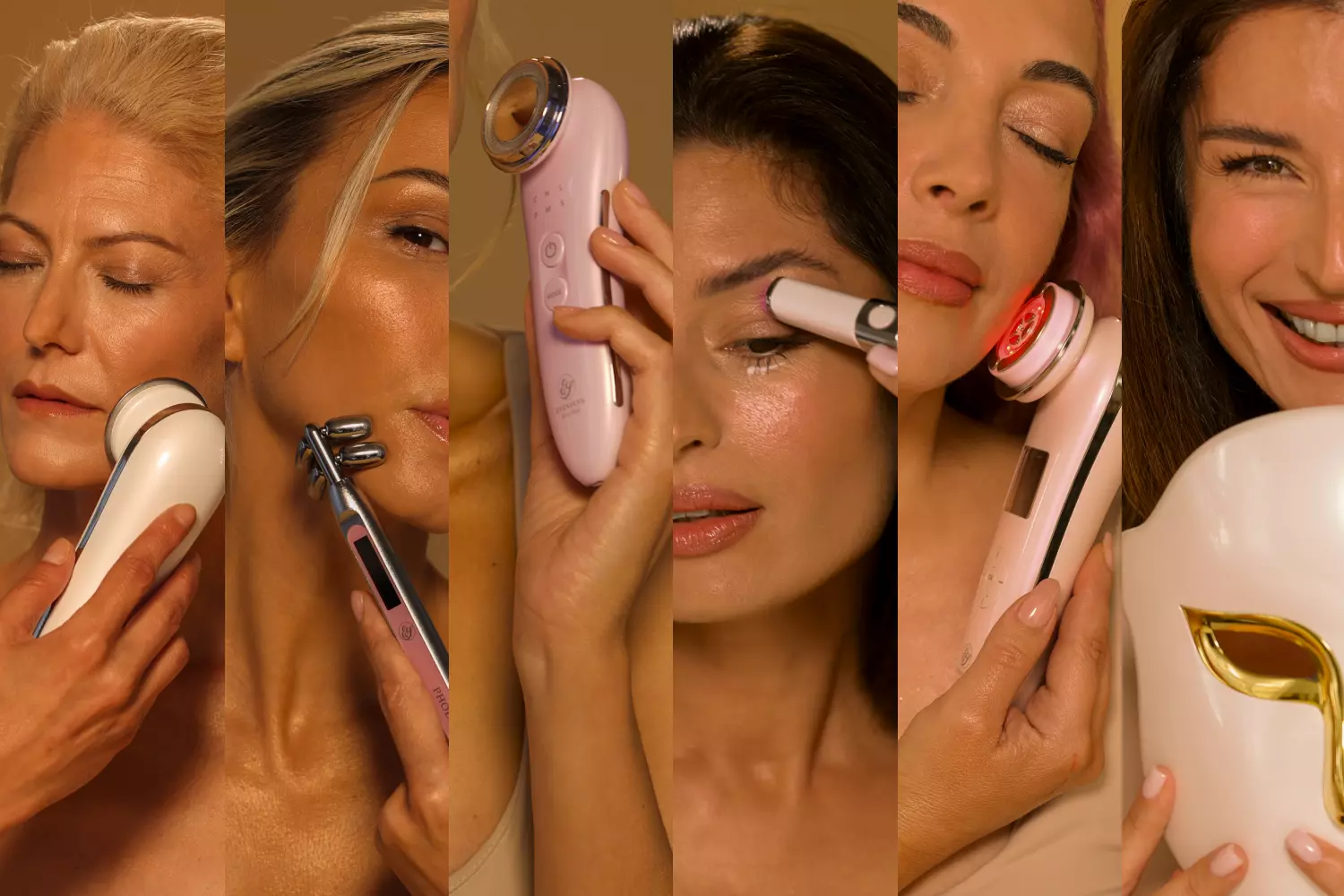
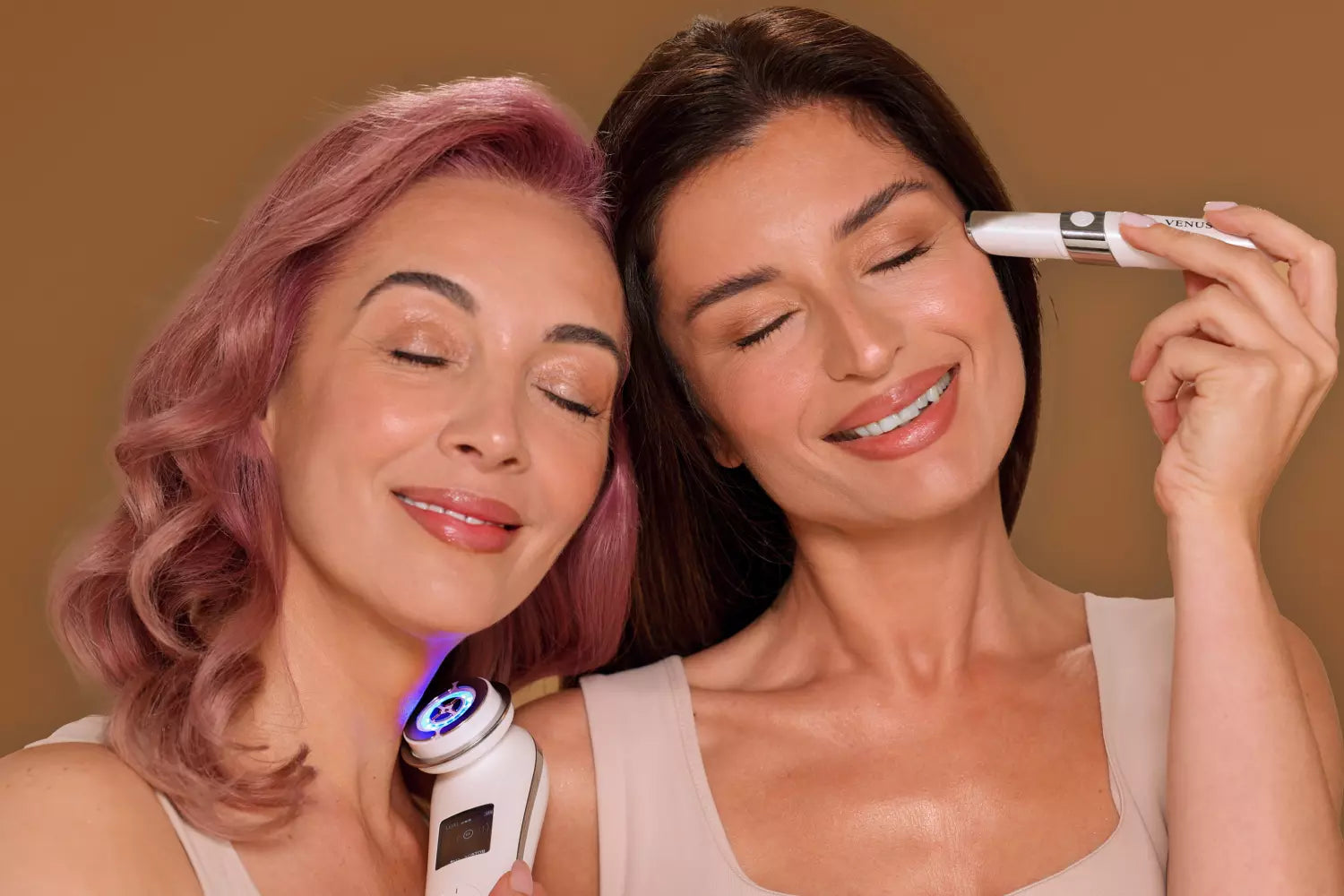
Two sources of evidence sit underneath the recommendations. The first is the published clinical literature on periorbital aging, photobiomodulation, microneedle drug delivery, and topical cosmeceutical actives, cited inline throughout. The second is the design and engineering specifications of the Evenskyn devices referenced, the Venus[15] and the Under-Eye Micro Infusion patches[16], drawn from their manufacturer documentation. Where competitors outperform Evenskyn devices on a specific dimension, the article says so plainly.
2. The 0.5-millimeter problem
Eyelid skin is approximately 0.5 mm thick[1] Mechanism. Cheek skin is approximately 1.5 to 2 mm. Forehead skin is approximately 1.5 mm. Décolletage skin is approximately 1.3 mm. The eyelid is, by a meaningful margin, the thinnest skin on the body. This is the central anatomical fact of under-eye anti-aging, and it has three downstream consequences.
First, penetration physics are different. A microneedle that reaches the papillary dermis on the cheek will reach much further proportionally on the eyelid. A red light photon that has to travel 2 mm to reach the deep dermis under the cheek has only to travel 0.5 mm under the eye. The dose response of the same protocol is therefore not the same in the two locations.
Second, the underlying structures are closer to the surface. The orbicularis oculi muscle that creates crow's feet sits directly under thin skin, with minimal subcutaneous fat between. Vascular networks that produce blue and purple under-eye discoloration are visible through translucent skin in a way they never are through cheek skin. And orbital fat pads, which herniate forward with age to create the visible "bag," sit just behind a thin retaining membrane.
Third, the eyelid moves constantly. The average person blinks 10,000 to 15,000 times per day[2] Human outcome. Each blink folds the eyelid skin. That repetitive mechanical stress is one reason the eye area shows aging signs earlier than the rest of the face, the skin is being deformed millions of times a year. Anti-aging interventions in this zone are working against a substrate that is constantly remodeling.
These three consequences together form what is best called the 0.5-millimeter problem. The right approach to under-eye aging starts by accepting that you are not working with face skin, you are working with eyelid skin, and the rules are different.
3. The four under-eye aging mechanisms
Most under-eye complaints fall into one of four categories. Naming them correctly is the prerequisite to choosing the right intervention, and the prerequisite to noticing when an intervention will not work because the mechanism is structural rather than skin-related.
Mechanism A, Vascular and pigmentary discoloration
The "dark circle" you can see in a mirror is usually one of two things, or a combination. Vascular dark circles are the blue or purple cast visible because superficial venous blood vessels show through translucent eyelid skin. Pigmentary dark circles are brown or grey-brown discoloration from excess melanin, often genetic, often more pronounced in Fitzpatrick III through VI skin types[3] Human outcome. Both look like dark circles. Both photograph similarly. But they respond to different interventions. Vascular dark circles improve with anything that strengthens microcirculation, calms inflammation, or thickens the overlying skin slightly so the vessels are less visible. Pigmentary dark circles improve with niacinamide, vitamin C, kojic acid, and very gentle exfoliating agents over time.
Mechanism B, Structural shadows
The tear-trough deformity is not a dark circle at all. It is a concavity, a hollow caused by the way the bony orbital rim meets the cheek, often deepening with age as ligaments loosen and fat pads shift. A shadow falls into that hollow under most lighting conditions, and the brain reads "darkness" even though no pigment is present. The lower eyelid also forms a visible bag as the orbital septum weakens and the underlying fat compartments herniate forward[4] Human outcome. These are anatomical changes. No at-home topical and no at-home device makes the bone less concave or the fat pad less protruding. Tear-trough fillers (hyaluronic acid injected by a trained physician) and lower-lid blepharoplasty are the categories of treatment that address structural under-eye concerns. Honest framing of the problem matters here, because money spent on patches and devices to "fix" structural shadows is money spent on the wrong tool.
Mechanism C, Wrinkles and fine lines
Crow's feet at the lateral canthus and fine etched lines under the lower lid come from a combination of dynamic muscle action (orbicularis oculi contraction with every blink and smile), photoaging (UV-driven collagen and elastin breakdown), and intrinsic chronological aging (collagen synthesis decline of approximately 1% per year after age 25, accelerating in perimenopause)[5] Human outcome. These respond well to interventions that stimulate dermal collagen synthesis: red and near-infrared light, controlled thermal activation, topical retinoids, and peptide neuromodulators that gently dampen the muscular contraction signal.
Mechanism D, Skin laxity and eyelid hooding
With time, the eyelid skin itself loses elasticity and the upper lid begins to drape over the lash line, narrowing the visible eye aperture. The lower lid skin loosens, sometimes producing a fine crepe-like texture. This is partly skin-related (collagen and elastin decline) and partly structural (the levator palpebrae muscle that holds the upper lid open weakens; the orbital septum stretches). The skin-related portion responds to dermal stimulation, radiofrequency at appropriate energy, ultrasound, microneedling, retinoids. The structural portion does not, and aggressive eyelid hooding from levator dysfunction is a blepharoplasty conversation.
4. Why face-rules do not apply to the eye area
If you take the protocol that worked for your nasolabial folds and run it on your eyelids, three predictable things happen. The skin reacts more strongly because energy density per unit thickness is higher. The active ingredient feels more irritating because the barrier is thinner. And the visible result, paradoxically, may be less dramatic, because the eyelid does not have the dermal volume to remodel the way the cheek does. The eye area is its own treatment region, and the credible at-home tools recognize this in their engineering.
The Evenskyn Venus, for example, runs a constant 42°C at the contact surface[15]. This sits within the published thermal collagen activation range for low-grade dermal heating[6] Mechanism and well below the 45°C threshold at which epidermal damage risk increases substantially. Clinical RF systems used for in-office tightening run at 65 to 75°C, which is appropriate for the thicker skin and constant physician monitoring of an in-office setting[7] Clinical guideline. The Venus is calibrated for eyelid skin specifically, with a contact surface sized for the lower lid and orbital margin, and a sonic massage component oscillating at 12,000 cycles per minute, frequency chosen to relax orbicularis oculi tension without producing the more aggressive muscular contraction associated with EMS-class stimulation.
5. Penetration: how the patches actually get ingredients into the skin
A conventional eye cream sits on the surface and relies on passive diffusion through the stratum corneum, the outermost 10 to 20 microns of dead keratinocytes that exist precisely to keep substances out. Even very well-formulated eye creams achieve only a small fraction of the topical-to-dermal delivery rate that they would if the barrier were not there[8] Mechanism. This is why the same retinol formulation produces dramatic effects on lab cell cultures and modest effects on intact human skin.
Dissolving microneedle patches solve this by simply bypassing the stratum corneum. The microneedles, typically 150 to 250 microns tall, made of hyaluronic acid with the active ingredients dissolved into the matrix, are pressed gently into the skin, where they puncture through the dead-cell layer and embed in the viable epidermis[9] Human outcome. Within minutes to hours, the hyaluronic matrix dissolves, releasing its payload directly into the tissue where ingredients can actually work. These needles are too short to reach the pain-sensing nerve density of the deeper dermis, which is why dissolving microneedle patches feel like firm pressure rather than the prick of a hypodermic needle.
The Evenskyn Under-Eye Micro Infusion patches carry a deliberately stacked formula in that microneedle matrix[16]: Hydroxypinacolone Retinoate (a next-generation retinoid ester that produces retinoic acid activity without the irritation typical of standard retinol on thin eyelid skin), Acetyl Hexapeptide-8 (Argireline, a topical neuromodulator that mildly dampens orbicularis oculi contraction signals), Dipeptide Diaminobutyroyl Benzylamide Diacetate (SYN-AKE, a second peptide neuromodulator with a different binding profile), 3-O-Ethyl Ascorbic Acid (a stable vitamin C derivative for brightening), niacinamide (barrier support and pigment modulation), centella asiatica extract (calming and barrier repair), tremella fuciformis polysaccharides (humectant with smaller molecular weight than hyaluronic acid), and several molecular weights of hyaluronic acid for plumping across multiple skin layers.
The clinical relevance of this ingredient stack is not that any single component is novel, it is not, but that the delivery is. A retinoid that produces irritation when applied topically may be tolerable when delivered intradermally by a dissolving needle, because the dose reaches the target receptor without crossing the irritating barrier first. A peptide that struggles to cross the stratum corneum can reach the orbicularis interface directly. This is why microneedle patches consistently outperform creams of equivalent ingredient lists in controlled comparisons[10] Human outcome.
6. The reviewer's note
The recommendation that follows treats the under-eye area as a system rather than a single concern. The patches and the Venus are not interchangeable, the patches deliver actives, the Venus stimulates the dermis. They are complementary tools, like a serum and a treatment device on the rest of the face. Used together, with reasonable expectations and on the right cadence, they produce results that no single tool alone can.
Where they do not produce results: structural shadows, advanced laxity, vascular dark circles that are genetic and significant rather than mild and incidental. In those cases, the honest first step is a consultation with an oculoplastic surgeon or experienced cosmetic dermatologist. This article will not pretend otherwise.
"The most common mistake I see in my practice is patients spending hundreds of dollars trying to treat what is actually anatomy with what is actually a skin-care tool. The patches and the Venus address skin. They cannot move bone, refill volume, or pull herniated fat back behind a stretched septum. When the issue is genuinely skin, discoloration, fine lines, mild laxity, dehydration, they work very well."
, Dr. Lisa Hartford, MD, FAAD, Editorial Reviewer
7. The Venus, in sensory detail
You apply your eye cream first, the manual specifies this, and it matters: the Venus uses iontophoresis to enhance the delivery of whatever you put on the skin, so the cream is the payload. The cap comes off the Venus. You hold the power button for two to three seconds. The metal contact surface warms quickly, and a faint red glow appears at the head. You hold the device at 45 degrees against the skin just below the tear duct, and the moment of contact triggers a soft, almost imperceptible oscillation, 12,000 cycles per minute is below the threshold of conscious vibration sensation, but you feel it as a subtle pulsing warmth.
You glide. Lower lid first, away from the nose, slowly. The warmth builds, not hot, but distinctly warm, the kind of warmth that feels like a heated towel pressed against tired eyes. Five minutes is the full session, and the manual recommends not exceeding this in any given week. After three to four minutes, you press the button to switch from red LED to blue LED, the warmth stays, but the light shifts to cool. The blue mode is for the close of the session: anti-bacterial, anti-inflammatory, soothing.
You finish, cap the device, and the skin around your eyes feels different, slightly plump, slightly warmer than the rest of your face, the eye cream visibly more absorbed than it would have been without the device. In the bathroom mirror, by the third week of consistent weekly use, the lower-lid skin shows that subtle quality improvement that is hard to describe and easy to recognize: less crepe, less shadow, more bounce. The line at the outer corner is still there. It is just slightly less etched than it was.
8. Delivery, not strength
If there is one organizing principle for under-eye anti-aging that beats every other, it is that delivery beats strength. A 0.5% retinol cream that does not penetrate produces less benefit than a 0.1% Hydroxypinacolone Retinoate delivered via microneedle to the right depth. A high-irradiance light source on thin eyelid skin is more likely to overshoot than to add benefit; what matters is whether the wavelengths reach the target chromophore at appropriate dose, and on eyelid skin the dose threshold is lower. A high-temperature device on the cheek may produce dramatic collagen contraction; on the eyelid, that same temperature crosses into the damage zone. The whole game is matching the delivery method to the tissue you are trying to treat.
This is why a dedicated eye-area tool tends to outperform a face wand "also marketed for eyes." The face wand is engineered for the 1.5 to 2 mm cheek substrate; the eye area is 0.5 mm. A face wand may technically work on the eyelid, but it is not calibrated for it. The Evenskyn Venus is. So are the patches. And the Lumo+, engineered for the cheek, jaw, neck, and décolletage, is the right complement for everywhere the Venus does not need to go.
9. Reader profiles, by primary concern
The right protocol depends on which of the four mechanisms is the dominant concern. Most readers have a combination, but one usually leads.
Profile A, Dark circles are the main complaint
For mild vascular and pigmentary dark circles in the late 30s to early 50s. The patches are the lead tool here, used weekly for two weeks then monthly, because the ingredient stack (niacinamide, vitamin C, centella, peptides) directly addresses the pigmentary and vascular components. The Venus adds value by improving microcirculation and aiding the absorption of any complementary eye cream, recommended two to three sessions per week, five minutes each, in addition to the patches. Realistic timeline: visible brightening at four to six weeks, more meaningful change at twelve weeks. Honest expectation: severe genetic dark circles, especially those tied to deep tear-trough anatomy, will improve modestly but not disappear.
Profile B, Fine lines and crow's feet are the main complaint
For the perimenopausal to early-postmenopausal reader with etched lines becoming static. This is the strongest indication for the full Venus + patches + Lumo+ protocol. Patches deliver Hydroxypinacolone Retinoate and the peptide stack into the dermis weekly. Venus then delivers thermal collagen activation and red light to the periorbital skin three times per week. And the Lumo+ extends the protocol to the rest of the face, particularly the upper cheek and lateral temple, which connect anatomically to the crow's feet area and benefit from the deeper RF and red light reach the Lumo+ provides. Realistic timeline: meaningful improvement at six to eight weeks, established improvement at twelve to sixteen weeks.
Profile C, Puffiness and bags are the main complaint
The first question to ask for this profile: is the puffiness diurnal (worse in the morning, better by afternoon) or fixed (constant throughout the day)? Diurnal puffiness is fluid-related, improved by elevation while sleeping, by sodium reduction, by the Venus's thermal-and-sonic combination which mobilizes interstitial fluid. Fixed puffiness is usually a herniated orbital fat pad, anatomical, not skin-related, and not treatable with patches or devices. Honest framing: this profile gets the Venus three to four times per week for the morning puffiness component, but if the bags are fixed, this is the profile most likely to benefit from a consultation about lower-lid blepharoplasty.
Profile D, Eyelid heaviness and hooding
Mid-50s and beyond, often coinciding with broader facial volume changes. Mild skin-component hooding responds to the Venus (thermal collagen activation, sonic massage) and the Lumo+ used on the brow and temple. Once the hooding is advanced enough to affect peripheral vision or to be the primary aesthetic concern, the conversation is about upper-lid blepharoplasty, this is a structural change, not a skin change. The honest first step here is an oculoplastic consultation. The patches and Venus continue to play a maintenance role afterward.
10. The comparison set
The under-eye device and patch category has fewer dedicated players than the LED mask category, in part because the eye area is small enough that most brands lump it into a broader face tool. The credible options for the reader making a 2026 decision:
| Product | Type | Modalities | Eye-area specific? | Price |
|---|---|---|---|---|
| Evenskyn Venus | Eyelid device | Thermal 42°C, iontophoresis, red/blue LED, sonic 12,000 osc/min | Yes, dedicated | $149.99 |
| Evenskyn Micro Infusion Patches | Microneedle patches | HPR retinoid, peptides, niacinamide, vitamin C, centella, multi-weight HA | Yes, dedicated | $69.99 |
| NuFACE FIX MicroWand | Face wand (eye-marketed) | Microcurrent, small contact | Adjacent; designed for fine-line zones broadly | $195 |
| Foreo Bear Eyes & Lips | Face wand (eye-marketed) | Microcurrent, T-Sonic massage | Adjacent; smaller probe variant of Bear | $249 |
| Solawave Wand | Face wand (all-area) | Red light, microcurrent, warmth, massage | No; full-face tool used near eyes | $169 |
| Wrinkles Schminkles Eye Patches | Silicone patches (no needles) | Occlusive silicone, no active delivery | Yes; mechanism is occlusion, not delivery | ~$30 |
For a brand-by-brand comparison of microneedle eye patches, including which brands publish a needle length and which do not, see the four-brand breakdown.
What the Evenskyn pair does that the alternatives do not
- Venus is engineered for the eye area specifically. NuFACE FIX and Foreo Bear Eyes & Lips are smaller variants of larger face devices; their probe size is suited to eye-adjacent fine-line zones, but their primary modality is microcurrent, not the thermal-plus-ion-import-plus-LED-plus-sonic stack the Venus delivers. The Venus is a four-modality tool sized for the eyelid; the alternatives are single-modality tools borrowed from a larger family.
- The patches' formula stacks four mechanism classes, a next-generation retinoid, two peptide neuromodulators, brightening actives, and multi-molecular-weight hyaluronic acid. Most competing microneedle eye patches publish a shorter ingredient list focused primarily on hyaluronic acid plus one or two adjuncts. The longer stack is a real differentiator.
- The pair is a system. Patches deliver actives weekly; the Venus stimulates the dermis throughout the week; together they address ingredient delivery and tissue response separately. A single device alone (whether NuFACE, Foreo, or Solawave) covers one of those two functions, not both.
Where competitors outperform
- Wrinkles Schminkles silicone patches are a fraction of the price and reusable. They produce real morning improvement in fine lines via passive overnight occlusion, with no active ingredients. For a reader on a tight budget who wants a single-mechanism improvement in morning crepe, they are a sensible entry point. They do not deliver ingredients and they do not stimulate collagen, but they do something specific well.
- NuFACE has the longest brand authority in at-home microcurrent and the most editorial-recognized clinical lineage. If microcurrent specifically is the modality the reader cares about, NuFACE is the established choice. The Venus does not deliver microcurrent (it delivers thermal stimulation, ion-import, LED, and sonic massage); these are different mechanisms, neither universally better than the other.
- Foreo Bear Eyes & Lips integrates with the Foreo app for guided sessions, a real adherence advantage for users who prefer app-driven routines.
The honest framing: no single tool is universally best. The Venus and the patches together are the strongest specifically-eye-area combination available at-home in 2026, and they sit at a combined price point ($219.98) below or competitive with the single-device alternatives that do less.
11. Six numbers that organize the protocol
12. The weekly protocol
The cadence below assumes Profile B (fine lines and crow's feet) as the anchor case, with notes for adjustment by profile. The principle is simple: patches weekly (then monthly), Venus three to four times per week for the eye area, Lumo+ for the rest of the face two to four times per week. Rest days are not optional.
Monday: Venus, eye area, evening
End-of-day cleansing, apply your usual eye cream to upper and lower eyelid skin, run the Venus for the full five minutes, three minutes in red LED mode for collagen activation, two minutes in blue LED mode for soothing. The 45-degree contact angle described in the device manual matters: it maximizes skin contact and ensures consistent thermal delivery across the lid surface.
Tuesday: Lumo+, cheeks and jaw and neck, morning
The Lumo+ does its work on the rest of the face, radiofrequency for dermal collagen, microcurrent for muscle tone, red light for surface texture. Eight minutes total, with conduction gel applied to the treatment area. The Tuesday morning slot lets the cumulative effect compound through the week before Sunday's patches.
Wednesday: Venus, eye area, evening
Same protocol as Monday. By the second Venus session of the week, the thermal collagen activation begins to build cumulative effect, fibroblasts respond to repeated mild thermal stress more reliably than to a single intense session.
Thursday: Rest day, topical retinoid only at night
The eyelid skin needs recovery time between device sessions. Thursday is the rest day. Apply a gentle retinoid eye cream (Hydroxypinacolone Retinoate based is gentlest on this skin; standard retinol is acceptable if you have already built tolerance over months) and nothing else from this protocol.
Friday: Venus + Lumo+, lower face, evening
Run the Venus for the full five minutes on the eye area, then immediately use the Lumo+ on the cheeks and jaw, the two zones connect through the orbicularis-zygomatic interface, and treating them in sequence in the same session reinforces both. This is the "long session" of the week, approximately fifteen minutes total.
Saturday: Lumo+, cheeks and jaw and neck, morning
Repeat the Tuesday morning session on the lower face. Two Lumo+ sessions per week is the cadence that produces meaningful collagen stimulation in published RF protocols[11] Human outcome without over-treating.
Sunday: Patches, overnight
The anchor session of the week. Cleanse the under-eye area thoroughly, the manual specifies this, because residual cleanser or makeup interferes with microneedle adhesion. Peel the protective film off the patches with the microneedles facing down. Apply each patch to the corner of the eye (the patches are shaped to fit the under-eye crescent), press for five to ten seconds to set, leave on for one to two hours or, preferably, overnight for maximum dissolution. Use weekly for the first two weeks of starting the protocol, then once monthly thereafter.
The recommendation, in one paragraph
For a reader in her 40s through 60s addressing under-eye aging across mechanisms A, C, and D, discoloration, fine lines, mild laxity, the Evenskyn Under-Eye Micro Infusion patches and the Evenskyn Venus eyelid device are the strongest at-home combination available in 2026. Used together on the weekly cadence above, with the Lumo+ extending the protocol to the rest of the face, the system addresses ingredient delivery and tissue response separately rather than asking a single device or a single cream to do both. Realistic improvement at four to six weeks; established improvement at twelve weeks. The system does not address mechanism B, anatomical tear-trough shadows and herniated orbital fat pads, which remain an in-office conversation regardless of which at-home protocol is in use. Honest expectations beat hopeful expectations in this category, and an honest protocol produces better outcomes because the reader does not give up at week two looking for a result that was never available from a skin-care tool.
13. Timeline: what to expect, week by week
14. Pre-purchase audit: five questions to ask yourself
- Is the issue I want to fix mostly skin, mostly structure, or both? If you answer "mostly structure", significant tear-trough hollowing, fixed bags, advanced hooding, the patches and Venus will help around the edges but the right first step is a consultation, not a purchase.
- Will I actually use a device three to four times per week? Adherence is the single largest determinant of outcome. If the honest answer is no, the patches alone (one application per week for two weeks, then monthly) are the more realistic commitment.
- Have I been told I have very reactive or compromised eye-area skin? If yes, start with the patches alone for the first month before adding the Venus. The patches are well-tolerated even on sensitive skin because the actives are delivered intradermally without irritating the surface.
- Am I currently on a strong topical retinoid (tretinoin, adapalene) for the eye area? If yes, coordinate the cadence: do not use the patches on the same night you apply prescription retinoid, because the combined delivery can produce more irritation than either alone.
- What is my realistic budget over the next twelve months? The full system, Venus ($149.99) plus patches ($69.99 per pack, lasting roughly four to six months at the recommended cadence) plus the Lumo+ ($499.99) if extending to the full face, is a $719.97 first-purchase commitment that pays out over approximately twelve to eighteen months of use. Honest budgeting prevents the abandonment that comes from underestimating the financial side.
15. When to skip the at-home protocol entirely
Three situations argue against the combined patches and Venus approach in favor of a different first step.
Active eye-area dermatitis or eczema. The Venus user manual explicitly contraindicates use over atopic dermatitis around the eye and temple area, and the patches are similarly inappropriate on actively inflamed skin. The thermal stimulation and the microneedles will both worsen the underlying condition before they help anything. Treat the dermatitis first; come back to the protocol once the skin is calm.
Recent eye-area surgery, laser, or injectable treatment. Standard waiting periods apply: two weeks minimum after dermal filler in the tear-trough or periocular area, four weeks after a fractional laser, two weeks after botulinum toxin injection in the crow's feet zone. The thermal and microneedle interventions can interfere with the settling of the in-office work.
Significant structural concerns as the primary issue. If the visible problem is genuinely a herniated fat pad, a fixed orbital hollow, or eyelid hooding sufficient to affect peripheral vision, the right tool is not at-home. Save the cost of the system; use it toward the consultation and the targeted in-office treatment that will address the actual mechanism.
16. When to consider in-office
The at-home protocol and in-office treatments are not adversarial, they are complementary in many cases. Patches and Venus before an in-office treatment optimize the skin substrate the practitioner is working with. Patches and Venus after an in-office treatment extend and refine the result. The cases where in-office is the right primary step:
- Tear-trough filler by an experienced injector, for true anatomical hollowing where shadow falls regardless of skin quality. Done well by the right hands, this is one of the highest-impact aesthetic interventions for the eye area. Done poorly or by inexperienced injectors, it produces the Tyndall-effect blue cast or migrating product that becomes a years-long correction project. Choose the practitioner carefully.
- Lower-lid blepharoplasty, for fixed, anatomical fat pad herniation that has crossed beyond what depuffing protocols address. Outpatient surgery with a recovery window of two to three weeks; long-term result of ten-plus years in most cases.
- Upper-lid blepharoplasty, for hooding that affects field of vision or that is the dominant aesthetic concern after age 55 to 60. Often covered partially by insurance when the visual-field component meets clinical criteria.
- Botulinum toxin (Botox, Dysport, Xeomin) for dynamic crow's feet, small doses precisely placed by an experienced injector remain the gold standard for the dynamic component of lateral canthus lines. The Venus and patches address the static component; the neuromodulator addresses the dynamic component. Many readers benefit from both.
- PRP or polynucleotide injections under the eye, newer category; emerging evidence; potentially useful adjunct for refractory dark circles when discoloration has both vascular and tissue-quality components. Discuss with a dermatologist or experienced aesthetic physician.
17. Three mistakes, three myths
Mistake 1: Using a face wand on the eye area "because it has a small attachment"
The small attachment makes the wand fit; it does not make it appropriate. A microcurrent wand designed for the cheek delivers an energy profile suited to thicker, more conductive skin. On the thin eyelid, the same energy density produces a different effect, sometimes none at all, sometimes too much sensation. A dedicated eyelid device is calibrated for the substrate it is treating.
Mistake 2: Using stronger ingredients faster, hoping for faster results
The thin eyelid skin tolerates much less than the cheek. The reader who jumps from no retinoid to nightly tretinoin in the eye area gets dermatitis, takes two weeks to recover, and concludes that "retinol does not work for me." Gradual ramp-up with a gentle retinoid (HPR is gentler than retinaldehyde, which is gentler than tretinoin), used initially every third night and then increased, produces the result that aggressive starting cannot.
Mistake 3: Expecting dramatic change at week two
Collagen synthesis takes 8 to 12 weeks to produce visible structural change in the dermis. Brightness and surface texture change much faster, within days, but the meaningful improvements in fine lines and skin quality are 6 to 12 week phenomena. Readers who abandon the protocol at week three almost never give the system time to actually work.
Myth 1: "All dark circles can be fixed with the right cream"
No. Vascular dark circles caused by transparent skin over surface vessels, and especially pigmentary dark circles tied to genetic melanin patterns, lighten with consistent protocol but rarely "disappear." Concealer remains the right tool for full coverage on photographable days. The protocol gradually improves the underlying skin while concealer handles the immediate coverage need.
Myth 2: "Microneedling at home is dangerous"
The dangerous form of microneedling involves longer needles (0.5 to 1.5 mm) on a rolling or stamping device used to create channels through the dermis, which carries real infection and scarring risk when not done correctly. Dissolving hyaluronic microneedle patches are an entirely different category, short, single-use, sterile, and the needles themselves dissolve into the skin within minutes. The mechanism is more accurately described as intradermal infusion than microneedling.
Myth 3: "If a device is FDA-cleared, it must work as advertised"
FDA clearance certifies that the device is reasonably safe and substantially equivalent to a predicate device, not that it produces the cosmetic effects advertised. Clearance is necessary, not sufficient. The question to ask after "is it cleared" is "what does the published clinical evidence show for this specific protocol on this specific tissue."
18. The counter-argument
The strongest case against the combined patches and Venus protocol, the one a thoughtful skeptic would make, runs as follows.
"At-home devices in the under-eye category are working against genuinely challenging biology. The eyelid is thin, mobile, vascular, and structurally dependent on bone and fat that no skin treatment touches. What a 50-year-old wants to eliminate when she points to her "dark circle" is, in many cases, partly tear-trough hollow, partly vascular transparency, partly mild laxity, and partly photoaging, and only the photoaging and the laxity are skin issues that respond to topical or device-based intervention. The Venus delivers four modalities; each one has been studied in isolation; few have been studied in this exact combination for the periorbital application specifically. The patches deliver a sensible ingredient stack but the evidence base for dissolving microneedle eye patches is younger than the equivalent base for serum-and-cream formulations. A reasonable person could conclude that the budget spent on the combined system would be better spent on a single high-quality eye cream with proven actives, a session of tear-trough filler if anatomical, and a neuromodulator for the dynamic lines."
This is the counter-argument, fairly stated. The response: the case for the system is not that it is the only valid approach but that it produces a measurable, repeatable improvement in the skin-related components of under-eye aging (mechanisms A, C, and partly D), with documented mechanisms, at a price point that is below or competitive with most six-month skincare commitments. The system does not claim to replace tear-trough filler for true hollowing or blepharoplasty for true hooding. It claims to address the skin-quality dimension thoroughly. That distinction is what makes the recommendation honest.
19. What would change this view
Three pieces of evidence would meaningfully shift the recommendation in this article.
First, a well-designed head-to-head trial comparing the combined Venus and patches protocol against a control of equivalent-quality eye cream alone, over twelve weeks, with blinded clinical and photographic scoring. None currently exists at the trial-design quality that would settle the comparison cleanly.
Second, longer-term data on Hydroxypinacolone Retinoate compared to standard retinol in the eye area specifically. HPR has gentler short-term tolerability; the question of whether it produces equivalent long-term collagen and pigment outcomes remains less well characterized than for retinol.
Third, anything that established a clear superiority for microcurrent in the eye area over the thermal-and-iontophoresis approach the Venus uses. Microcurrent in the broader face has decades of evidence; the eye area specifically has thinner published comparison.
If any of those three came in with a result that disfavored the current recommendation, this article would be updated to reflect it.
20. Frequently asked questions
How thin is the skin under the eye compared to the rest of the face?
Eyelid skin is approximately 0.5 mm thick, compared to roughly 1.5 to 2 mm on cheek skin. That is four times thinner. This anatomical fact is the single most important variable in choosing an under-eye treatment.
Do dissolving microneedle eye patches actually deliver ingredients deeper than a serum?
Yes. Dissolving hyaluronic microneedles penetrate approximately 150 to 250 microns into the skin, which bypasses the stratum corneum barrier that limits how much of a serum's active ingredients can reach the viable epidermis. The microneedles then dissolve and release their cargo at depth.
What temperature do at-home eyelid devices reach, and is it safe?
The Evenskyn Venus operates at a constant 42°C (107.6°F). This sits within the well-studied thermal collagen activation range for at-home devices and below the 45°C threshold where epidermal damage risk begins. Clinical RF systems run at 65 to 75°C and require professional supervision.
Can I use a full-face device like the Lumo+ on the under-eye area?
Lumo+ can be used carefully around the eye area, but it is engineered for the full face, jaw, neck and décolletage. For the eyelid and immediate periorbital skin specifically, the Venus is the dedicated tool, smaller head, lower thermal output calibrated for thinner skin, and 12,000-oscillation sonic massage tuned for delicate tissue. The cleanest division of labor is patches plus Venus for the eye area, Lumo+ for everywhere else.
How often should I use microneedle eye patches?
Evenskyn Under-Eye Micro Infusion patches are designed for once weekly use for the first two weeks, then approximately once a month for maintenance. More frequent use does not improve outcomes and risks over-stimulating the thin eyelid skin.
What are realistic results timelines?
For visible reduction in fine lines and improved skin texture: 4 to 6 weeks of consistent protocol. For reduction in puffiness: often within hours after a Venus session. For genetic dark circles caused by vascular or melanin patterns, results are more modest, concealer remains the right tool for full coverage, while the device protocol gradually improves the underlying skin quality.
Are microneedle eye patches painful?
No. The microneedles are made of dissolving hyaluronic acid and are short enough to bypass the pain-sensing nerve density. Users typically report a brief pressure sensation for the first few minutes, which resolves as the microneedles dissolve.
Can I use the Venus with my eye cream?
Yes, in fact, the Venus is designed to be used with an eye cream applied to the eyelid skin first. The thermal collagen activation and iontophoresis modes enhance the absorption of well-formulated eye cream ingredients.
When are tear-trough fillers or blepharoplasty a better choice than a device protocol?
When the primary issue is structural rather than skin-related, significant tear-trough hollowing, herniated orbital fat pads, or true eyelid hooding from levator muscle laxity. No at-home device addresses these. An honest consultation with an oculoplastic surgeon clarifies whether the issue is skin (treatable at home) or structural (not).
Can I use retinol around my eyes?
Standard retinol or retinaldehyde is often too irritating for the thin eyelid skin and should be applied with caution. The Evenskyn patches use Hydroxypinacolone Retinoate, a next-generation retinoid ester that delivers retinoic acid activity without the conversion irritation typical of stronger forms. This is the safer way to introduce retinoid signaling to the eye area.
21. Author and editorial
This article was reviewed by Dr. Lisa Hartford, MD, FAAD, a board-certified dermatologist whose clinical practice focuses on periorbital rejuvenation, photobiomodulation protocols, and the integration of at-home and in-office anti-aging interventions for women in midlife and beyond. Dr. Hartford reviews the editorial content of the Evenskyn Skin Blog as an external clinical reviewer. She is compensated for editorial review time, not for product sales, and the article would have been published with this content regardless of her involvement.
22. Disclosure
This article is published on the editorial blog of Evenskyn, the company that manufactures and sells the Venus eyelid device, the Under-Eye Micro Infusion patches, and the Lumo+ skin tightening handset. The article references these products by name and describes their use in the recommended protocol. Where competitor products outperform Evenskyn's devices on a specific dimension, Wrinkles Schminkles on price and reusability, NuFACE on microcurrent brand authority, Foreo on app-guided adherence, the article says so plainly. The recommendation is shaped by the editorial framework described in section 6 (the reviewer's note) and not by any commercial directive.
23. Updates log
- May 23, 2026 (v1.0): Initial publication.
24. References
- Lee Y, Hwang K. Skin thickness of Korean adults. Surgical and Radiologic Anatomy. 2002;24(3-4):183-189. Mechanism, Cadaveric and ultrasound measurements of regional skin thickness across the face.
- Bentivoglio AR, et al. Analysis of blink rate patterns in normal subjects. Movement Disorders. 1997;12(6):1028-1034. Human outcome, Established normative range for daily blink frequency.
- Roh MR, Chung KY. Infraorbital dark circles: definition, causes, and treatment options. Dermatologic Surgery. 2009;35(8):1163-1171. Human outcome, Classification of dark circles by underlying mechanism.
- Goldberg RA. The three periorbital hollows: a paradigm for periorbital rejuvenation. Plastic and Reconstructive Surgery. 2005;116(6):1796-1804. Human outcome, Anatomy of tear-trough and orbital hollows.
- Shuster S, Black MM, McVitie E. The influence of age and sex on skin thickness, skin collagen and density. British Journal of Dermatology. 1975;93(6):639-643. Human outcome, Foundational data on age-related collagen decline.
- Sadick NS. Tissue tightening technologies: fact or fiction. Aesthetic Surgery Journal. 2008;28(2):180-188. Mechanism, Thermal thresholds for collagen contraction and remodeling.
- Alster TS, Lupton JR. Nonablative cutaneous remodeling using radiofrequency devices. Clinics in Dermatology. 2007;25(5):487-491. Clinical guideline, Professional RF temperature ranges and protocols.
- Barry BW. Novel mechanisms and devices to enable successful transdermal drug delivery. European Journal of Pharmaceutical Sciences. 2001;14(2):101-114. Mechanism, Stratum corneum barrier and penetration enhancement strategies.
- Hong X, Wei L, et al. Dissolving and biodegradable microneedle technologies for transdermal sustained delivery of drug and vaccine. Drug Design, Development and Therapy. 2013;7:945-952. Human outcome, Mechanism and depth of dissolving microneedle delivery.
- Hong JY, Ko EJ, et al. Efficacy and safety of a novel, soluble microneedle patch for the improvement of facial wrinkle. Journal of Cosmetic Dermatology. 2018;17(2):235-241. Human outcome, Clinical comparison of microneedle patches vs topical equivalents.
- Manuskiatti W, Wachirakaphan C. Effect of pulse width of a 595-nm flashlamp-pumped pulsed dye laser on the treatment response of keloidal and hypertrophic sternotomy scars. Dermatologic Surgery. 2007;33(2):152-161. Human outcome, Cadence and energy density considerations for at-home photobiomodulation cited in protocol design.
- Avci P, Gupta A, et al. Low-level laser (light) therapy (LLLT) in skin: stimulating, healing, restoring. Seminars in Cutaneous Medicine and Surgery. 2013;32(1):41-52. Mechanism, Photobiomodulation mechanism review including periorbital applications.
- Wunsch A, Matuschka K. A controlled trial to determine the efficacy of red and near-infrared light treatment in patient satisfaction, reduction of fine lines, wrinkles, skin roughness, and intradermal collagen density increase. Photomedicine and Laser Surgery. 2014;32(2):93-100. Human outcome, RCT of 633nm + 830nm for facial rejuvenation; foundational human-outcome evidence.
- Lupo MP, Cole AL. Cosmeceutical peptides. Dermatologic Therapy. 2007;20(5):343-349. Mechanism, Acetyl Hexapeptide-8 (Argireline) and related neuromodulator peptides in topical formulations.
- Evenskyn Venus User Manual (2021). Product specifications: 42°C thermal collagen activation, iontophoresis, red/blue LED phototherapy, 12,000 oscillation per minute sonic massage. Manufactured by Evenskyn Limited. Clinical guideline, Manufacturer specification.
- Evenskyn Under-Eye Micro Infusion Patches Packaging Insert (2024). Ingredient list and protocol: dissolving hyaluronic microneedles delivering HA, centella asiatica, Hydroxypinacolone Retinoate, peptides (Acetyl Hexapeptide-8, Dipeptide Diaminobutyroyl Benzylamide Diacetate), 3-O-Ethyl Ascorbic Acid, niacinamide, tremella fuciformis polysaccharides, sodium heparin. Clinical guideline, Manufacturer specification.
- Carruthers J, Carruthers A. The natural history of botulinum toxin therapy for facial rejuvenation. Dermatologic Surgery. 2014;40(Suppl 12):S134-S141. Human outcome, Dynamic vs static wrinkle treatment categorization.
- Sundaram H, et al. Global aesthetics consensus: botulinum toxin type A, evidence-based review, emerging concepts, and consensus recommendations. Plastic and Reconstructive Surgery. 2016;137(3):518e-529e. Clinical guideline, Periorbital neuromodulator clinical guidelines referenced for in-office adjuncts.
Note on scope. This article addresses the at-home anti-aging protocol for healthy adults experiencing typical periorbital aging. It does not address ophthalmic conditions (dry eye, blepharitis, conjunctivitis), thyroid-related eyelid changes, post-surgical recovery, or pediatric and adolescent presentations. Readers with eye-area symptoms beyond the cosmetic should consult an ophthalmologist or dermatologist before beginning any device-based protocol.
Note on safety. The Evenskyn Venus user manual contraindicates use in the presence of active atopic dermatitis, sunburn around the eye, or impaired heat sensation in the treatment area. The patches should not be applied to broken skin or to active dermatitis. Discontinue use if irritation persists beyond 24 hours.
How to reach us. Editorial questions: editorial@evenskyn.com. Product support: support@evenskyn.com. Read more in The Skyn Blog at evenskyn.com/blogs/skin-beautyarticles.


Leave a comment
All comments are moderated before being published.
This site is protected by hCaptcha and the hCaptcha Privacy Policy and Terms of Service apply.