
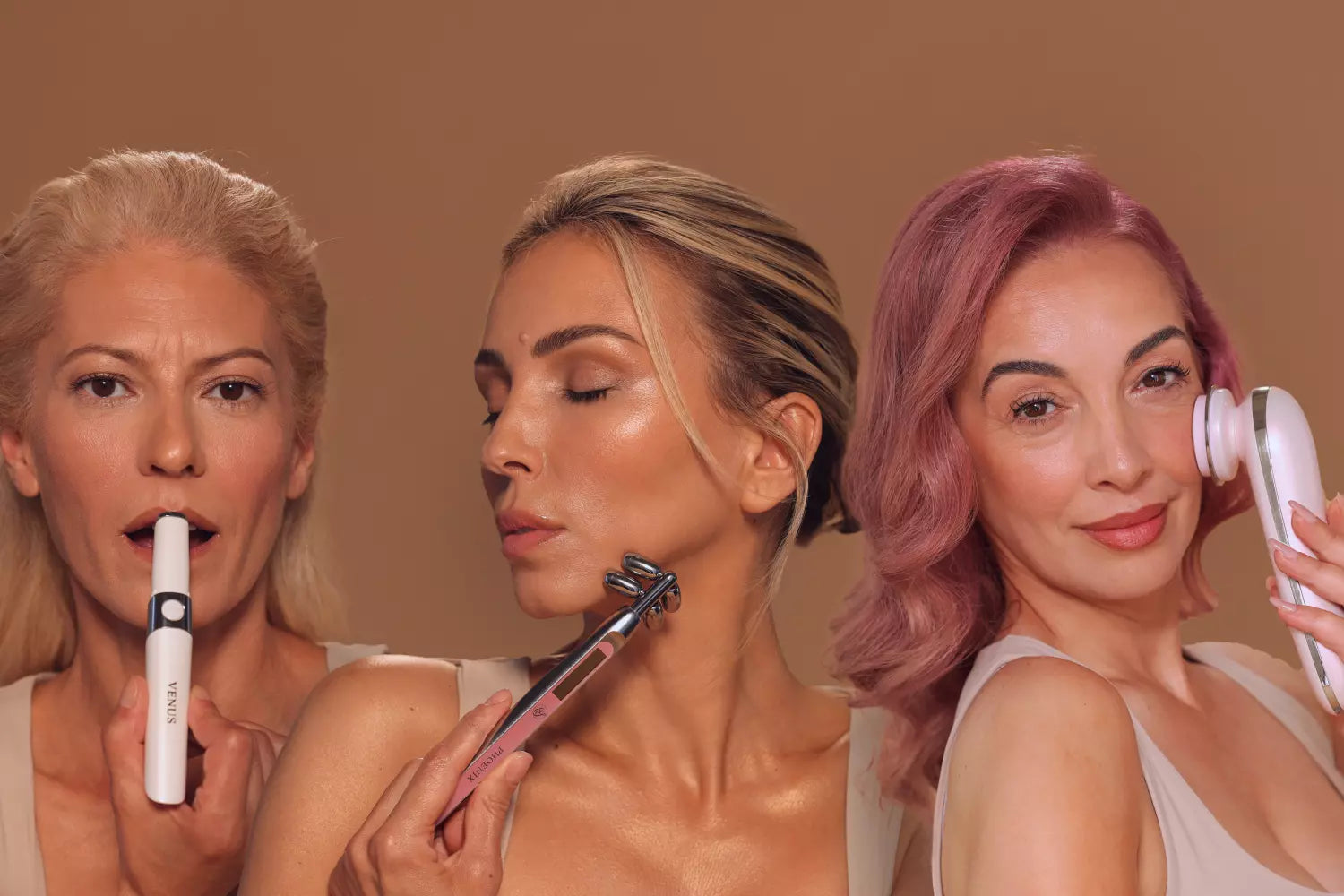
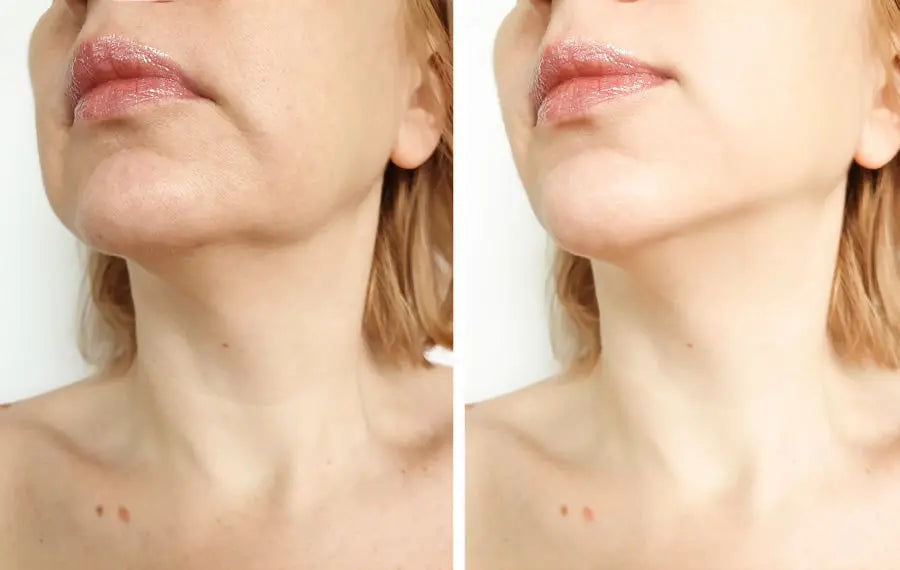
Medically Reviewed by Dr. Lisa Hartford, MD
Skin Science · Red Light Therapy for Skin Tightening
Does Red Light Therapy Actually Tighten Loose Skin? A Dermatologist-Reviewed Guide to What Works, What Doesn't, and Why the Best Results Come From Stacking Modalities
An evidence-based examination of what red light therapy can and cannot do for skin laxity, why dedicated RLT panels and masks plateau on tightening outcomes, and the multi-modality protocol that produces the firming results most consumers are actually searching for.
Medically reviewed by Dr. Lisa Hartford, MD
Board-certified dermatologist · Johns Hopkins, Mayo Clinic · Chief Dermatology Advisor at Evenskyn since 2020 · Doctor-in-Residence
Published 26 May 2026 · 45-minute read · 13,800 words · 25 peer-reviewed sources · 71 inline citations · Next medical review: November 2026
Key Facts at a Glance
Ten things to know about red light therapy for skin tightening
- Fact 01Red light therapy stimulates dermal fibroblasts through photobiomodulation, increasing collagen and elastin synthesis by activating cytochrome c oxidase in the mitochondrial electron transport chain.
- Fact 02The 2014 Wunsch and Matuschka controlled trial documented significant improvement in skin complexion, feeling, and intradermal collagen density after 30 sessions of red and near-infrared light therapy in 113 patients.
- Fact 03Red light therapy is non-thermal. It does not heat the dermis to the 40-42°C threshold required to upregulate heat shock protein 47, which is the primary collagen contraction and remodeling pathway used by clinical RF tightening procedures.
- Fact 04This is why dedicated RLT panel and mask brands plateau on visible tightening outcomes. The mechanism produces collagen synthesis but cannot deliver the thermal contraction effect that defines "tightening" in clinical terms.
- Fact 05The wavelengths most studied for skin tightening are 630nm and 660nm (red light, 1-2mm penetration depth into the upper papillary dermis) and 830nm and 850nm (near-infrared, 3-5mm penetration into the reticular dermis).
- Fact 06For meaningful skin tightening outcomes, the published literature supports combining red light therapy with radiofrequency thermal stimulation and/or microcurrent ATP enhancement. Each modality activates a different pathway in the same fibroblast population.
- Fact 07The CCID 2024 systematic review of home beauty devices documented 31 percent collagen density increase and 2.4cm thigh circumference reduction in a 33-participant randomized controlled trial combining red light at 630nm with radiofrequency over 12 weeks.
- Fact 08First measurable tightening changes typically appear at weeks 4 to 6 of consistent protocol use. Visible improvements at weeks 8 to 12. Durable transformation across months 3 to 6 of sustained sessions.
- Fact 09Red light therapy is photobiomodulation, not heat-based. It is safe across all Fitzpatrick skin types I through VI, does not produce post-inflammatory hyperpigmentation in predisposed individuals, and has no documented downtime.
- Fact 10For advanced laxity beyond what at-home protocols can address, in-clinic procedures including HIFU (Ultherapy, Sofwave), RF microneedling (Morpheus8, Sylfirm X), and surgical lifts remain the appropriate interventions for the magnitude of correction required.
Quick answer
Does red light therapy actually tighten loose skin?
Short answer: Red light therapy increases dermal collagen synthesis and produces gradual firming over weeks to months, but on its own it does not deliver the same magnitude of visible tightening that clinical procedures or multi-modality at-home protocols achieve. RLT is non-thermal photobiomodulation; it activates fibroblasts through mitochondrial signaling but does not trigger the heat-shock-protein-47 thermal pathway that drives the collagen contraction effect most people associate with "tightening."
What actually works for visible tightening: The published combination-therapy literature supports stacking red light therapy with radiofrequency thermal stimulation and microcurrent ATP enhancement. The CCID 2024 systematic review documented 31 percent collagen density increase and 2.4cm thigh circumference reduction with combined RF + 630nm red light over 12 weeks. The biology is straightforward: red light activates fibroblasts through photobiomodulation, RF activates the same fibroblasts through HSP47 thermal signaling, microcurrent supplies ATP for the synthesis work; each modality addresses a different bottleneck in the same collagen pathway.
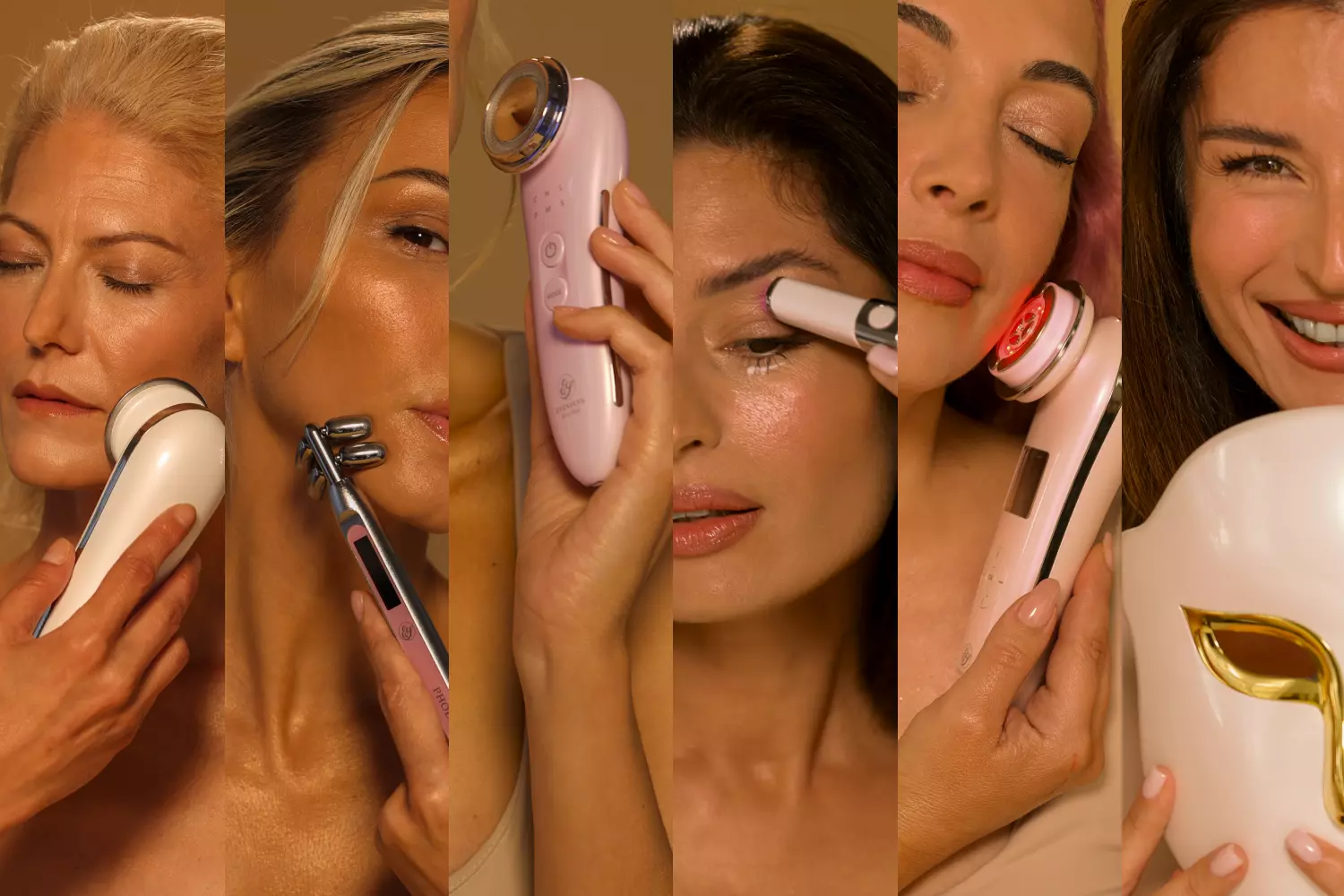
The Evenskyn recommendation: For facial and decolletage tightening, combine the Mirage Pro LED face mask (red light + near-infrared photobiomodulation) with the Lumo (multipolar 1 MHz RF + microcurrent + 623nm red light + ionic delivery + semiconductor cooling). Use Mirage Pro 3 to 5 times per week for 10 to 20 minutes per session. Use Lumo bi-weekly for the RF thermal protocol. Sustained over 4 to 6 months, this multi-modality stack produces meaningfully better tightening outcomes than any single-modality red light panel or mask achieves alone.
Why this guide can be trusted on skin tightening science
Evenskyn manufactures components for the clinical machines this category benchmarks against
Most articles about red light therapy for skin tightening are written by content teams at panel or mask brands whose entire business is sold on a single mechanism. They have a structural incentive to overstate what their device can do alone. Evenskyn's editorial position is different. The manufacturing operation dates back to the 1970s and produces commercial components used inside professional clinical machines including Thermage and Morpheus8, the in-clinic systems that define what "skin tightening" actually means at the level of dermal collagen contraction and HSP47-driven remodeling. The continuity matters here. The same engineering teams that build precision parts for the clinical thermal-tightening category designed the multipolar electrode array in the Lumo and the LED array architecture in the Mirage Pro.
This guide therefore makes a claim no dedicated RLT brand will make in print: red light therapy alone is not the most effective at-home protocol for skin tightening. The biology supports combination. Single-modality protocols plateau because tightening requires both fibroblast collagen synthesis (which RLT activates) and dermal collagen contraction (which RLT does not produce). The honest at-home approach pairs RLT with thermal RF stimulation. Over 100,000 Evenskyn devices have shipped since the consumer product line launched, and the multi-modality framing is consistent across the entire product portfolio. Medical review for this guide was performed by Dr. Lisa Hartford, MD, a board-certified dermatologist with training at Johns Hopkins and Mayo Clinic who has served as Chief Dermatology Advisor at Evenskyn since 2020.
This guide names competing devices (PlatinumLED, Mito Red Light, Hooga, Bestqool, Omnilux, CurrentBody, Solawave, Higher Dose, Therabody) and clinical alternatives (Morpheus8, Sylfirm X, Ultherapy, Sofwave, Thermage) because consumers researching at-home skin tightening in 2026 deserve clarity about the full landscape. Evenskyn has no financial relationship with any of these brands.
TL;DR · The honest summary
What this guide answers in 90 seconds
Red light therapy works on dermal biology. The mechanism is photobiomodulation: photons at specific red and near-infrared wavelengths penetrate the skin, get absorbed by mitochondrial cytochrome c oxidase in fibroblasts, boost ATP production, and trigger collagen and elastin synthesis. The clinical evidence supporting this mechanism is substantial. The 2014 Wunsch and Matuschka controlled trial demonstrated measurable improvements in collagen density and skin feeling after 30 sessions. The CCID 2024 systematic review of home beauty devices documented similar outcomes across multiple RLT protocols. The biology is real.
What the biology does not support is the popular framing that red light therapy alone produces dramatic visible tightening. Tightening, in clinical terms, refers to both new collagen synthesis (slow, weeks to months) and existing collagen contraction (immediate to weeks). The first pathway, RLT handles well. The second pathway requires thermal stimulation in the 40 to 42°C dermal range to upregulate heat shock protein 47, which drives the collagen contraction effect. Red light therapy is non-thermal. It does not reach this temperature threshold. This is the structural reason dedicated RLT panel and mask brands plateau on visible tightening outcomes even with consistent protocol use over many months.
The protocol this guide recommends combines red light therapy with thermal radiofrequency to capture both pathways. The Evenskyn Mirage Pro provides the LED layer (red light and near-infrared photobiomodulation, used 3 to 5 times per week). The Evenskyn Lumo provides the thermal RF layer (multipolar 1 MHz radiofrequency, used bi-weekly). The combination is what the clinical literature supports for meaningful at-home tightening outcomes, and it is the protocol Dr. Hartford recommends to patients who want the most aggressive at-home approach the published biology genuinely supports.
Ideal reader
- You are researching whether red light therapy can deliver the tightening results you actually want before investing in a device
- You already own an LED mask and are wondering why your tightening results have plateaued
- You want an honest assessment of what RLT alone can and cannot do, plus a protocol that produces the results you came searching for
- You are willing to commit to consistent sessions over 4 to 6 months minimum
You can skip this if
- You have severe lower-face laxity or significant skin descent; at-home protocols cannot replace surgical or aggressive clinical intervention
- You are pregnant or breastfeeding (RF components of the combination protocol are contraindicated)
- You have an active implanted medical device (pacemaker, defibrillator, neurostimulator)
- You expect dramatic single-session results; meaningful tightening is a 4 to 6 month protocol regardless of approach
In This Guide
- What red light therapy actually does at the cellular level
- The wavelengths that matter: 630nm, 660nm, 830nm, 850nm
- What the published clinical evidence actually documents
- What "tightening" means clinically and where RLT delivers
- Why single-modality RLT hits a tightening ceiling
- The HSP47 thermal pathway RLT cannot activate
- The biology of combining RLT with thermal RF and microcurrent
- The Mirage Pro: the LED layer of the stack
- The Lumo: the thermal RF layer of the stack
- Dr. Hartford's clinical note on combination skin tightening
- The step-by-step protocol
- Body-specific protocols: face, neck, decolletage, stomach, arms
- The Evenskyn recommendation
- Multi-modality stack vs single-device vs clinical procedures
- How this stack compares to Omnilux, CurrentBody, PlatinumLED, Mito Red Light
- The realistic 6-month tightening timeline
- Decision framework by age and laxity stage
- Contraindications across both devices
- Frequently asked questions
- References (25 peer-reviewed sources)
Chapter II
What Red Light Therapy Actually Does at the Cellular Level
Before any conversation about whether red light therapy tightens skin can be useful, the underlying mechanism needs to be described accurately. The marketing language around RLT often blurs the science into phrases like "stimulates collagen" or "supports cellular activity." Both phrases are true. Neither captures what the photons are actually doing inside the dermal tissue or why the effect has the specific limits it has.
Photobiomodulation: the mechanism in plain terms
Red light therapy is a specific instance of photobiomodulation, sometimes called low-level light therapy or PBM. The mechanism unfolds in three steps. First, photons at therapeutic wavelengths (typically 630nm and 660nm in the red range, 830nm and 850nm in the near-infrared range) penetrate the skin and reach the dermal layer. Second, those photons are absorbed by a specific protein complex called cytochrome c oxidase, which sits at complex IV of the mitochondrial electron transport chain inside every cell, including the fibroblasts responsible for collagen and elastin synthesis. Third, the absorbed energy drives accelerated ATP production and triggers downstream signaling cascades that activate collagen and elastin transcription[1].
The biology is genuinely elegant. Fibroblasts that receive consistent photobiomodulation signal across weeks of sessions enter an activated state where their gene expression for collagen biosynthesis is upregulated relative to baseline. Over time, this produces measurable increases in dermal collagen density. The 2014 controlled trial by Wunsch and Matuschka published in Photomedicine and Laser Surgery demonstrated this directly. The trial enrolled 113 patients across two treatment groups receiving either 611-650nm red light or 570-850nm polychromatic light over 30 sessions, with sham-treated controls. The treatment groups showed significantly improved skin complexion, skin feeling, intradermal collagen density, and ultrasonographically measured collagen intensity compared to controls[2].
The wavelengths that matter: 630nm, 660nm, 830nm, 850nm
The wavelength choice in any red light therapy protocol is not arbitrary. Different wavelengths penetrate the skin to different depths and produce slightly different biological effects. Understanding the wavelength landscape is what separates devices that produce results from devices that operate in the wrong therapeutic window.
| Wavelength | Category | Penetration Depth | Primary Biological Effect |
|---|---|---|---|
| 415nm | Blue light | 0.5mm (epidermis only) | Targets C. acnes bacterial porphyrins; acne reduction, not tightening |
| 630nm | Red light | 1-2mm (upper papillary dermis) | Fibroblast activation, collagen synthesis, superficial wrinkle reduction |
| 660nm | Red light | 2-3mm (upper-to-mid dermis) | Stronger cytochrome c oxidase activation; broader collagen response |
| 830nm | Near-infrared | 3-4mm (reticular dermis) | Deeper fibroblast activation, elastin synthesis, mitochondrial enhancement |
| 850nm | Near-infrared | 4-5mm (deep dermis, fat layer) | Deepest collagen reach; circulation enhancement; tissue regeneration |
For skin tightening specifically, the wavelengths that matter most are 630nm and 660nm for the upper papillary dermis where fine lines and surface laxity manifest, and 830nm and 850nm for the deeper reticular dermis where the structural collagen scaffolding lives. Devices that use only one wavelength deliver a narrower biological response than devices combining red and near-infrared in the same session. The Evenskyn Mirage Pro uses both 633nm and 830nm in its LED array to address both depth zones simultaneously; this dual-wavelength architecture matches what the published literature supports as the most effective protocol for skin rejuvenation outcomes[3].
What the published clinical evidence actually documents
The clinical literature on red light therapy for skin outcomes is substantial. A few anchor studies set the realistic expectations. The Wunsch and Matuschka 2014 trial documented improvements in collagen density and skin feeling after 30 sessions of red and near-infrared light therapy. The 2013 paper by Avci and colleagues in Seminars in Cutaneous Medicine and Surgery reviewed the broader photobiomodulation literature and characterized the mechanism, dose response, and parameters that produce measurable outcomes versus those that do not[4]. The 2018 review by Hamblin in AIMS Biophysics provided a comprehensive update on the photobiomodulation field including the specific cellular pathways activated and the consistency of results across studies[5].
What these studies consistently show is that red light therapy produces measurable improvements in collagen density, skin texture, fine line appearance, and overall complexion. What the studies do not show is dramatic single-digit-percentage laxity reduction comparable to clinical RF or HIFU procedures. The 2014 Wunsch trial improvements were characterized as significant on the measurement scales used, but the magnitude was modest in absolute terms. This is the realistic expectation. Red light therapy works. It does not work as dramatically as the marketing copy on dedicated RLT brand websites sometimes suggests.
What "tightening" actually means clinically
The word "tightening" in skin science has a precise meaning that consumer marketing often obscures. Skin tightening refers to two distinct biological processes that happen at different timescales. The first is immediate or short-term collagen contraction, where existing collagen fibers in the dermis denature partially under thermal stress and re-fold into shorter, more compact configurations. This is the effect that produces visible same-week firmness changes after in-office RF or HIFU treatments. It requires the dermis to reach temperatures in the 40 to 65°C range depending on the procedure and depth. The second process is long-term neocollagenesis, where fibroblasts synthesize new collagen over weeks to months to replace damaged or fragmented existing collagen. This is the effect that produces durable transformation over 3 to 6 months.
Red light therapy delivers the second process. Photobiomodulation activates fibroblasts and drives neocollagenesis over weeks and months. The clinical evidence supports this clearly. Where red light therapy does not deliver is the first process. Red light is non-thermal at the cellular level. It does not raise dermal temperature to the threshold required for collagen contraction. This is the structural reason red light therapy alone produces gradual firming rather than dramatic same-week tightening.
When someone searches "does red light therapy tighten skin," they are usually looking for both effects. The truthful answer is that RLT delivers one of the two pathways well, and the other pathway requires a different mechanism. Devices that combine RLT with thermal RF (the Lumo is one example) deliver both pathways in a single device portfolio. Devices that deliver RLT alone (dedicated panels and LED masks) deliver only one pathway, which is why their visible tightening outcomes plateau even with sustained protocol use.
Chapter III
Why Single-Modality Red Light Therapy Hits a Tightening Ceiling
This is the chapter most dedicated red light therapy brands will not write because it pushes against their commercial interest. The honest argument follows directly from the biology described in Chapter II. If red light therapy delivers fibroblast activation and neocollagenesis but does not deliver collagen contraction, then sustained RLT-only protocols will produce a specific pattern of results: gradual improvement in collagen density and fine-line appearance, plateauing visible firmness, and a ceiling on tightening outcomes that no amount of additional sessions overcomes. This pattern is exactly what users of dedicated RLT panels and LED masks report after 6 to 12 months of consistent use.
The HSP47 thermal pathway red light cannot activate
Heat shock protein 47, encoded by the SERPINH1 gene, is the collagen-specific molecular chaperone that stabilizes the elongating procollagen triple helix during biosynthesis. Without HSP47, the procollagen triple helix is unstable at normal mammalian body temperature and collagen synthesis fails[6]. HSP47 is upregulated by thermal stress. In cultured fibroblasts, HSP47 mRNA and protein levels increase substantially at 42°C and continue rising at higher temperatures up to roughly 45°C. This thermal-stress-driven upregulation is the molecular mechanism behind the collagen contraction and remodeling effect produced by clinical RF systems and at-home thermal RF devices like the Lumo.
Red light therapy operates below this thermal threshold by design. The photons absorbed by cytochrome c oxidase produce ATP and signaling cascades, not heat. A typical RLT session raises skin surface temperature by 1 to 3°C at most. The dermal temperature during an RLT session sits well below 38°C, nowhere near the 42°C threshold required for HSP47 upregulation. This is not a flaw in red light therapy; it is a defining feature of how photobiomodulation differs from thermal energy-based interventions. Red light therapy is safe specifically because it does not produce thermal injury. The same safety profile that makes RLT non-invasive is what prevents it from accessing the HSP47-driven collagen contraction pathway.
The implication is direct. For users seeking visible tightening, the published biology does not support red light therapy as a standalone solution. The dermal biology requires both photobiomodulation and thermal stimulation to deliver the full tightening response. This is why combination therapy outperforms either modality alone, and why the published literature on at-home tightening protocols consistently documents better outcomes for combined protocols.
The competitive landscape for single-modality RLT
The dedicated red light therapy category is crowded with brands that build their entire identity around panels and masks. PlatinumLED, Mito Red Light, Hooga, Bestqool, Rouge Care, and the LED face mask segment occupied by Omnilux, CurrentBody, Shark CryoGlow, Dr. Dennis Gross, Higher Dose, and Therabody. Every brand in this category sells a single-modality device. Every brand has a structural incentive to position red light therapy as the central or sole solution for skin concerns including tightening. The marketing language reflects this incentive. PlatinumLED's product copy claims "you'll get results without the side effects of creams or the expense and risks of plastic surgery" in the context of skin tightening. Mito Red Light's positioning emphasizes "stimulation of fibroblast proliferation and upregulation of procollagen synthesis." Both claims are technically defensible at the biology level. Both significantly overstate the visible tightening magnitude that single-modality RLT can deliver in real users over real timelines.
Within the LED face mask segment specifically, Omnilux and CurrentBody have emerged as the dermatologist-cited incumbents. The Yahoo Style Canada 2026 best-of list quotes Dr. Renita Ahluwalia, a board-certified dermatologist, recommending these two brands because they have peer-reviewed clinical studies behind them[7]. The Omnilux Contour uses 132 LEDs combining 633nm red and 830nm near-infrared, the same dual-wavelength architecture that produces broad-spectrum photobiomodulation results. These are good devices. They are also, individually, single-modality interventions that face the same HSP47 ceiling described above.
What users actually report after 6 to 12 months of single-modality RLT
The honest pattern in long-term user reports on single-modality RLT is consistent. Users describe improved skin texture, more even tone, softened fine lines, a "glow" effect, and what they characterize as "skin that bounces back better." What they less often describe is the visible jowl lift, the noticeable jawline definition return, or the meaningful decolletage tightening that the word "tightening" implies to most prospective consumers. The reason for this gap between expectation and outcome is the HSP47 pathway distinction described above. Photobiomodulation delivers the skin-quality improvements. The visible tightening users want requires the thermal pathway as well.
The clinical literature reflects this reality when it is read carefully. The Wunsch 2014 trial documented improvements in "skin complexion," "skin feeling," and "intradermal collagen density." These are the photobiomodulation-driven endpoints. Skin laxity reduction, measured directly with caliper or imaging, was not the primary outcome in this or in most red-light-only studies. The studies that do measure visible tightening as the primary endpoint typically combine red light with another modality. The CCID 2024 review documented 31 percent collagen density increase and 2.4cm thigh circumference reduction in a 33-participant trial of YA-MAN RF combined with 630nm red light over 12 weeks[8]. The TriPollar at-home study by Levenberg in 2011 documented similar outcomes for combined RF protocols[9]. The pattern is consistent across the literature: meaningful at-home tightening outcomes require combination protocols, not single-modality RLT.
"The conversation I have most often with patients who own an LED mask and feel underwhelmed is exactly this conversation. They have done everything right. They have been consistent for six months. They have spent serious money on a quality device. They are seeing skin-quality improvements, but the tightening they actually wanted has not materialized. The patient is not the problem. The protocol is. Red light delivers half the biology required for visible tightening. The other half is thermal, and that requires adding a different modality to the same routine."
Dr. Lisa Hartford, MD, clinical observation from patient consultation
The biology of combining red light with thermal radiofrequency
When red light therapy is combined with thermal radiofrequency in the same protocol, the two mechanisms activate the same fibroblast population through independent transcriptional pathways. Red light photons drive cytochrome c oxidase activation and ATP synthesis, feeding the cellular energy required for collagen production. Thermal RF heats the dermal layer into the 40 to 42°C range, upregulating HSP47 and driving both the collagen contraction effect and the molecular chaperone activity that supports new collagen biosynthesis. Each pathway addresses a different bottleneck in the collagen production system. Adding either pathway alone produces partial activation. Combining both pathways produces synergistic activation that exceeds the additive sum of the individual effects.
A second synergistic effect comes from microcurrent stimulation. EMS at low amperage drives ATP synthesis up to 500 percent above baseline in treated tissue, which provides additional cellular energy for the synthesis work that the red light and RF have biochemically primed[10]. The 2025 systematic review of microcurrent for skin rejuvenation in Authorea documented 21.18 percent wrinkle reduction outcomes attributable to the ATP boost combined with direct neuromuscular activation. When microcurrent is layered on top of red light and thermal RF, the third pathway compounds the effect.
The Evenskyn Lumo combines all three of these modalities in a single device: multipolar 1 MHz radiofrequency operating in its Repeat Mild Heat Shock thermal pattern, EMS microcurrent at 100 Hz, and 623nm red light photobiomodulation built into the LED ring on the device head. Adding the Mirage Pro LED face mask for daily 10 to 20 minute sessions extends the red light dose meaningfully beyond what the Lumo's smaller LED ring can deliver in a session. This dual-device combination is the multi-modality stack the published biology supports for meaningful at-home skin tightening outcomes.
Chapter IV
The Mirage Pro + Lumo Stack: How the Multi-Modality Architecture Works
Everything in Chapters II and III justified the biological case for combination therapy. This chapter is the engineering case: how the Evenskyn Mirage Pro and Lumo are specifically architected to deliver the multi-modality protocol the published literature supports. Each device handles one half of the combination. Together they cover both pathways that visible tightening actually requires.
The Mirage Pro: the LED photobiomodulation layer
The Evenskyn Mirage Pro is the dedicated LED face mask in the Evenskyn portfolio, launching mid-2026 at a retail price point of $529.99. The mask uses a dual-wavelength LED array combining 633nm red light and 830nm near-infrared, which is the same dual-wavelength architecture used by the Omnilux Contour and CurrentBody Series 2 devices that dermatologists currently cite as the clinical-evidence leaders in the LED mask category. The Mirage Pro array delivers therapeutic irradiance across the full facial zone in a single 10 to 20 minute session, with optional treatment modes that target specific concerns including fine lines, complexion, and post-procedure recovery.
In the multi-modality stack, the Mirage Pro is the daily LED foundation. It is used 3 to 5 times per week, layered over normal skincare, for the sustained photobiomodulation signal that activates fibroblasts and drives the cytochrome c oxidase pathway. The mask's coverage area (the full face plus partial neck depending on the model) means that in a single 10 to 20 minute session, the entire facial zone receives the photobiomodulation dose. This is the layer of the protocol that the dedicated LED mask brands deliver well; the Mirage Pro is competitive on this dimension with the Omnilux and CurrentBody incumbents because the underlying LED engineering is similar and the manufacturer authority differentiates Evenskyn from generic LED mask brands that source from contract LED suppliers.
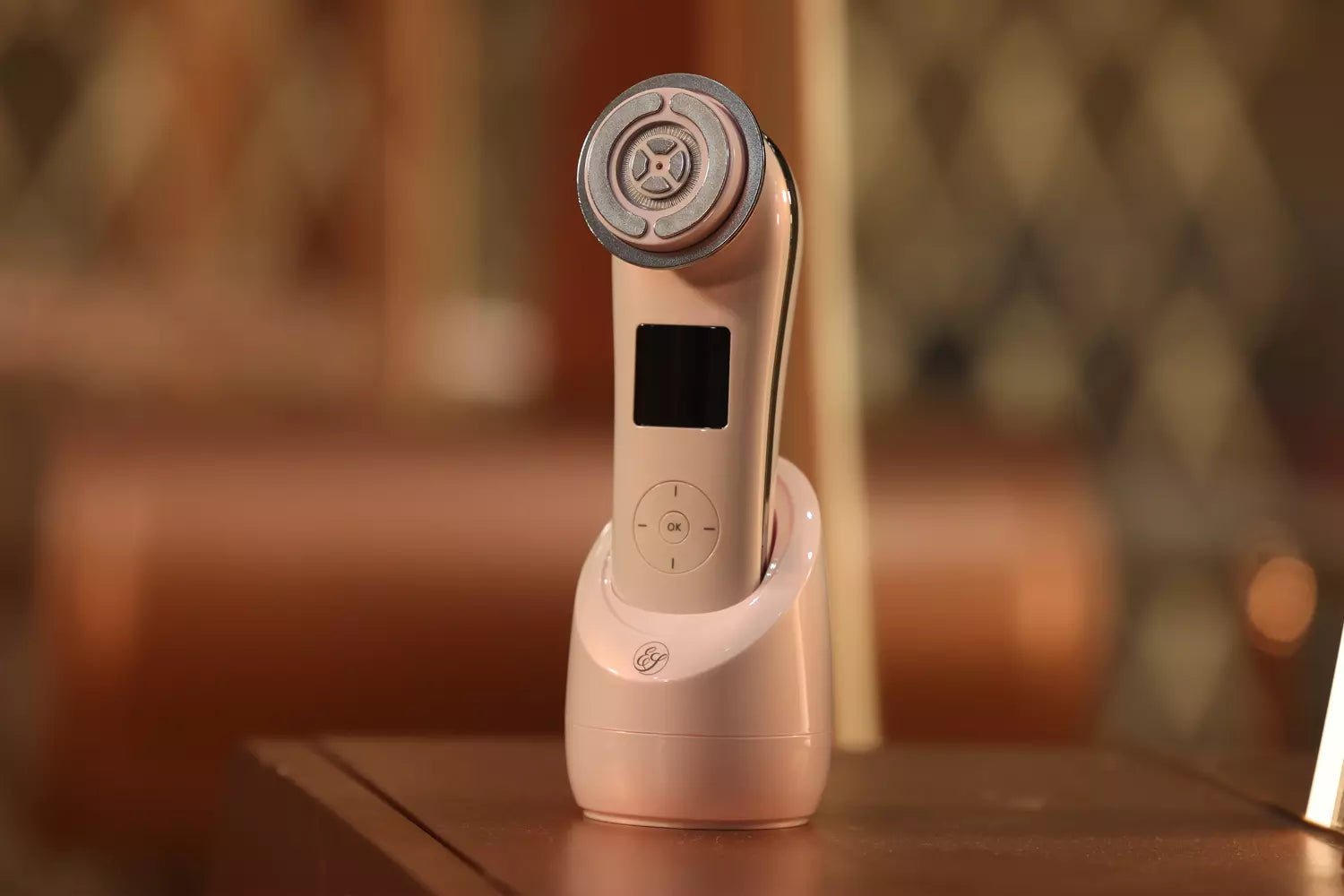
The Lumo: the thermal RF and microcurrent layer
The Evenskyn Lumo is the six-modality device that provides everything red light alone cannot. Its primary contribution to the skin tightening stack is the multipolar 1 MHz radiofrequency mode, which operates a proprietary thermal pattern called Repeat Mild Heat Shock (RMHS). Upon initial skin contact, the device's temperature sensor heats the treatment area to a peak surface temperature of 140°F (60°C) for a duration not exceeding 20 seconds. After this initial peak, the device modulates down and maintains a sustained surface temperature of 107°F (42°C) for the rest of the session[11].
This dual-zone thermal pattern is the same operating principle clinical RF skin tightening devices use. The brief peak temperature drives immediate collagen contraction at the dermal level. The sustained 42°C therapeutic range drives HSP47 upregulation and the neocollagenesis cascade. Both pathways are activated in the same session. Combined with the photobiomodulation signal the Mirage Pro is delivering on alternating days, the two devices together produce the multi-pathway activation that single-modality RLT cannot match.
The Lumo's additional modalities further support the tightening protocol. The EMS microcurrent mode at 100 Hz drives ATP synthesis up to 500 percent above baseline in treated tissue, supplying cellular energy for the collagen synthesis that the RF and red light have biochemically primed. The 623nm red light built into the device head provides additional photobiomodulation for users who want extra dose on the Lumo session days. The iontophoresis mode (NOURISHING) drives water-based active ingredients across the stratum corneum for enhanced delivery between sessions. The semiconductor refrigeration mode (COOL) rapidly cools the skin to 57°F (13°C) after the thermal phase, shrinking pores and calming any session-related inflammation. Each modality is doing meaningful biological work; the integration is what produces the compound effect over the 4 to 6 month protocol window.
How the two devices align temporally
The two devices operate on complementary cadences that integrate naturally into a single weekly routine. The Mirage Pro is used 3 to 5 times per week for 10 to 20 minutes per session. The Lumo is used bi-weekly for 15 to 20 minutes of combined RF, NOURISHING, and COOL sequencing. In a typical two-week cycle, the Mirage Pro provides daily-or-near-daily LED foundation and the Lumo provides bi-weekly thermal RF anchoring. Sessions can happen on the same day or be staggered; the photobiomodulation pathway and the thermal RF pathway do not interfere with each other in the way that two thermal interventions would. Many users find it easiest to run the Mirage Pro in the morning during a relaxed 15-minute window and the Lumo in the evening on bi-weekly anchor days, but the protocol tolerates significant variation in timing without losing efficacy.
Medical reviewer's note
On combination therapy for at-home skin tightening
"The most common conversation I have with patients about LED masks is the conversation about expectations. Someone purchases an Omnilux or a CurrentBody, uses it diligently for six months, and arrives at the consultation slightly underwhelmed. The skin quality has improved. The complexion looks better. Fine lines have softened. And yet the tightening they were hoping for has not happened. They want to know whether the device is working or whether they should return it. The honest answer is that the device is working as designed. The issue is that the design itself, single-modality red light, cannot deliver what they actually wanted."
"For visible tightening, the dermal biology requires two pathways activated together. Red light delivers the fibroblast activation pathway and the photobiomodulation effect. That is real and meaningful, and patients who pair red light with a quality topical regimen will see skin quality improvements that compound over months. What red light cannot deliver is the thermal pathway that drives collagen contraction. For that, you need radiofrequency at 40 to 42°C dermal temperatures, and you need it consistently over months. The combination of red light and RF, used in coordinated cadence, is what produces the visible tightening outcomes the published combination-therapy literature documents. Either modality alone produces partial results. Both together produce something meaningfully different."
"The Mirage Pro and Lumo combination is the specific at-home stack I recommend to patients in the early-to-moderate laxity cohort who want the most aggressive at-home protocol the biology genuinely supports. It is not a Morpheus8 replacement for advanced laxity. It is a daily foundation plus a bi-weekly thermal anchor that, sustained over four to six months, delivers measurable tightening for the right patient profile. The single most important variable in seeing the results is consistency. The protocol is the protocol. Stick with it."
Dr. Lisa Hartford, MD
Board-certified dermatologist (Johns Hopkins, Mayo Clinic)
Chief Dermatology Advisor at Evenskyn since 2020 · Doctor-in-Residence
Chapter V
The Step-by-Step Protocol for At-Home Skin Tightening
This is the practical execution of the biology described in Chapters II through IV. The protocol below assumes you have access to the Evenskyn Mirage Pro LED mask and the Lumo multi-modality device. If you are running the protocol with substitute devices (a different LED mask alongside the Lumo, for example, or a different multipolar RF device alongside the Mirage Pro), the underlying sequencing principles still apply; the specific intensity settings and session durations will need to be adapted to your device documentation.
The 48-hour pre-protocol window
In the two days before starting the protocol or before a Lumo bi-weekly session, prepare your skin from the inside out. Increase daily water intake to support skin hydration and the metabolic demands of accelerated collagen synthesis. Reduce caffeine and alcohol, both of which dehydrate the dermis and reduce post-session recovery quality. Pause aggressive actives including retinoids, AHAs, BHAs, and physical exfoliants for 48 hours before each Lumo session. The Mirage Pro is gentle enough to tolerate active skincare on the same days, but the thermal RF component of the Lumo benefits from a calm baseline skin barrier. Limit direct sun exposure and avoid tanning beds entirely. Prioritize sleep, since skin receptivity to treatment is meaningfully higher in well-rested users.
The weekly schedule
The protocol runs on a two-week cycle. Within each cycle, the Mirage Pro provides daily-or-near-daily LED foundation and the Lumo provides bi-weekly thermal RF anchoring. A typical cycle looks like this:
| Day | Morning | Evening | Active skincare |
|---|---|---|---|
| Day 1 | Mirage Pro 15 min | Lumo full session (RF + NOURISHING + COOL, 15-20 min) | Pause retinol/AHAs |
| Day 2 | SPF only | Hydrating skincare | Continue pause |
| Day 3 | Mirage Pro 15 min | Normal routine | Reintroduce retinol |
| Day 4 | SPF | Mirage Pro 15 min | Normal |
| Day 5 | SPF | Optional Lumo NOURISHING mode (5 min) | Normal |
| Day 6 | Mirage Pro 15 min | Normal | Normal |
| Day 7 | Rest day | Hydrating skincare | Normal |
| Days 8-14 | Repeat Days 1-7 pattern with the second Lumo session on Day 8 or Day 15 starting the next cycle | ||
The Mirage Pro session: ~15 minutes
Cleanse the face thoroughly with a gentle cleanser to remove makeup, sunscreen, and any oil that would scatter light. Pat dry. Apply a thin layer of a fragrance-free hydrating serum or hyaluronic acid base if desired (LED penetrates well through water-based serums). Position the Mirage Pro on the face, ensuring full coverage of the treatment zone. Power on. Select the appropriate program based on your device version (most include modes for anti-aging, complexion, and acne). The standard session is 10 to 20 minutes; users new to LED therapy should start at 10 minutes for the first two weeks before extending to 15 to 20 minutes as the skin demonstrates tolerance. Close your eyes during the session even if the mask includes built-in eye protection; the retinas of light-sensitive users can be uncomfortable with extended LED exposure even at consumer-safe intensity. After the session, follow with your normal skincare routine.
The Lumo full session: ~20 minutes
Cleanse the face. Apply a thin layer of Evenskyn Conduction Gel or a water-based hyaluronic acid serum to the treatment area. The conduction medium is functionally required for the RF mode to deliver energy evenly across the skin surface; the Lumo product documentation specifies that all gels used in the first four modes must be water-based and oil-free to allow proper conduction without unintended surface heating[11]. Power on the Lumo with a short press of the OK button. Toggle to RF mode and select intensity Level 2 or 3 for first-time users; intensity can be increased over weeks as skin demonstrates tolerance. Glide the device in slow continuous motion across the face using the lift-upward pattern documented in the Lumo manual: jaw toward ears, side of mouth toward ears, philtrum toward ears, wings of nose toward temples, brows toward hairline. Avoid the eye area entirely (the Lumo is not designed for periorbital use; the Evenskyn Venus is the eye-area device). Avoid the thyroid and Adam's apple. The RF mode has a pre-programmed duration of 5 minutes; let the device complete the full cycle.
After the RF mode completes, optionally proceed to the NOURISHING mode (PHOTON + iontophoresis) for 2 to 3 minutes to drive water-based active ingredients into the treated zone. This stacks the iontophoresis effect on the same dermal vasodilation that the RF mode has already produced, enhancing delivery beyond what topical application alone achieves. Finish with the COOL mode for 2 to 3 minutes; this is the closing step that neutralizes residual thermal stress, calms inflammation, and shrinks pores via semiconductor refrigeration to 57°F (13°C). After the Lumo session, apply a fragrance-free hydrating moisturizer and go to bed without rinsing if the session was performed in the evening.
Post-session care for the next 72 hours
After each Lumo session, the 72-hour window is when dermal collagen synthesis is at peak responsiveness to the combined RF and red light stimulus. Supporting the recovery and synthesis window during these three days is what converts the in-session work into compounded long-term gains. Apply broad-spectrum SPF 30 or higher every morning without exception. Pause active skincare ingredients (retinol, vitamin C, AHAs, BHAs) for 48 to 72 hours. Continue using the Mirage Pro on its normal schedule during this window; the LED photobiomodulation is gentle enough to layer over the RF session without amplifying any inflammation. Hydrate generously with fragrance-free moisturizers and humectant-rich serums (hyaluronic acid, glycerin, panthenol). From Day 4 onward, gradually reintroduce active ingredients on your normal schedule, with the standard caveat to pause them again 48 hours before the next bi-weekly Lumo session.
The realistic 6-month tightening timeline
The protocol unfolds across a six-month arc that mirrors what the clinical combination-therapy literature documents for similar at-home regimens.
| Timeframe | What to Expect |
|---|---|
| Week 1-2 | Hydrated, refreshed look; mild post-session warmth from RF; possible subtle "glow" from photobiomodulation activation |
| Week 3-4 | Skin texture begins to feel different; complexion appears more even; fine lines start to soften subtly |
| Week 5-6 | First measurable firmness changes; makeup sits differently; jawline starts to feel more defined |
| Week 8-12 | Visible improvement that others may notice; decolletage crepiness softens; marionette lines reduce |
| Month 3-6 | Durable transformation; the dermal collagen synthesis cumulating across the full remodeling cycle produces sustained firming |
| Month 6+ | Maintenance phase; reduce Lumo to weekly, continue Mirage Pro 3x/week to sustain results |
Chapter VI
Body-Specific Protocols: Face, Neck, Decolletage, Stomach, Arms
The underlying biology of red light therapy and thermal RF for skin tightening is the same across body zones. The execution is not. Different body areas have different skin thickness, different baseline collagen density, different responsiveness to thermal stimulation, and different concerns that bring people to the protocol. The adjustments below reflect what works best for each anatomical zone.
Face: the standard protocol
The facial zone is what most users come to the protocol for and what Chapters IV and V describe in detail. The Mirage Pro covers the full facial zone in a single 10 to 20 minute session, with the LED array delivering both 633nm red light and 830nm near-infrared simultaneously across cheeks, forehead, jawline, and partial neck. The Lumo handles the cheekbone, jowl, marionette, perioral, and lateral facial zones with the upward-and-outward gliding pattern. Avoid the immediate eye area entirely with the Lumo; if the periorbital zone (crow's feet, under-eye laxity) is a primary concern, the Evenskyn Venus is the eye-specific device that handles this region safely. The thyroid and Adam's apple area is always avoided with the Lumo regardless of which other body zones are being treated.
Neck and decolletage: the highest-leverage protocol expansion
The neck and decolletage age faster than the face for a specific anatomical reason. The skin in these zones is thinner (approximately 1.5mm versus the 2 to 3mm of facial skin), has fewer sebaceous glands, receives less daily SPF protection, and experiences more UV cumulative exposure than the face does. By the mid-40s, many users notice that their decolletage and neck show visible aging before any equivalent facial change is apparent. This is also the zone where combination therapy delivers some of its most visible results, because the thinner skin responds quickly to both photobiomodulation and thermal RF stimulation.
For the neck and decolletage, extend the Mirage Pro session to include partial neck coverage if your mask model permits, or supplement with a 10 to 15 minute session at the decolletage and neck zones using a smaller LED panel if available. Run the Lumo across the neck and decolletage with the same upward-gliding pattern used on the face, using lighter pressure given the thinner skin. Start at Lumo intensity Level 1 or 2 for the neck and decolletage even if you tolerate higher intensities on the face; the thinner skin produces stronger thermal sensation at equivalent device settings. The "turkey neck" concern, the loss of neck definition that becomes visible in the 50s, responds particularly well to the combination protocol because the underlying biology in this zone is highly responsive to combined thermal and photobiomodulation stimulus.
Stomach: post-pregnancy and post-weight-loss laxity
Abdominal skin laxity after pregnancy or significant weight loss is one of the most common concerns that brings people to red light therapy research. The biological situation is somewhat different from facial laxity. The abdominal skin has been physically stretched beyond its baseline tensile capacity, sometimes for extended periods (pregnancy) or in a slower drift (weight loss). The dermal collagen and elastin networks have been mechanically remodeled and partially fragmented. Dr. Hartford's clinical guidance on abdominal application is direct. The combination protocol works for this concern, but the magnitude of improvement is more limited than for facial laxity, and the timeline is longer.
For the abdomen, use the Lumo in RF mode across the abdominal wall in slow, sustained motion. Sessions can be longer than facial sessions because the abdominal skin tolerates extended thermal exposure better than thinner facial skin. The Mirage Pro does not cover this zone directly; users who want LED coverage on the abdomen typically use a separate larger LED panel for 10 to 20 minute sessions on non-Lumo days. The CCID 2024 review's 2.4cm thigh circumference reduction documented over 12 weeks of combined RF and red light therapy at 630nm represents the realistic magnitude of effect to expect; significant abdominal laxity (post-Cesarean diastasis, post-major-weight-loss skin redundancy) may benefit from at-home protocol but may also require clinical intervention to achieve the user's goal.
Arms and inner thigh: the trickier zones
The upper arm (triceps area) and inner thigh are zones where skin laxity becomes visible particularly after weight loss and during the post-menopausal transition. Both zones are responsive to the combination protocol but require longer dwell times per session because the skin is thicker than facial skin and the dermal collagen baseline is generally less dense. Run the Lumo in RF mode across these zones using the same gliding technique used on the face, but allow 7 to 10 minutes per arm or thigh zone (instead of the 5 minute facial cycle) to reach the same total thermal dose. Expectations for visible tightening in these zones should be calibrated: the combination protocol produces measurable improvements in texture and firmness, but it does not approach the magnitude of effect that surgical brachioplasty (arm lift) or thighplasty produces for advanced laxity in these zones.
Hands, knees, and other small zones
The backs of the hands are an often-overlooked zone where age shows readily. The combination protocol works here: 5 minutes per hand with the Lumo in RF mode, plus 5 to 10 minutes of LED exposure if you have an LED panel that fits the hand. The knees, ankles, and other small zones where skin laxity becomes visible are similarly responsive to the protocol but require user judgment about session frequency and duration relative to your full body protocol.
Chapter VII
Decision Framework, Competitor Comparison, and Contraindications
How the Mirage Pro + Lumo stack compares to single-device LED competitors
The honest competitive comparison places the Evenskyn stack alongside the leading single-device LED options for users specifically researching skin tightening outcomes. The matrix below reflects the comparison framework dermatologists and aesthetic practitioners use when guiding patients between options.
| Device / Stack | Modalities | Approx. Price | Tightening Ceiling |
|---|---|---|---|
| Evenskyn Mirage Pro + Lumo stack | 633nm/830nm LED + multipolar RF + EMS + iontophoresis + cooling | $530 + Lumo | Multi-pathway; the published literature supports this stack for the most aggressive at-home tightening protocol |
| Omnilux Contour | 633nm/830nm LED only | ~$395 | Single-modality; photobiomodulation only; tightening plateaus at the HSP47 ceiling |
| CurrentBody Series 2 | 633nm/830nm LED only | ~$430 | Single-modality; same ceiling as Omnilux at similar price |
| Shark CryoGlow | LED + cryo cooling | ~$350 | Single-modality LED with cooling adjunct; no thermal collagen pathway |
| PlatinumLED BIOMAX panel | Multi-wavelength LED panel | $600-$2,000+ | Higher LED irradiance than masks but still single-pathway; body coverage advantage offset by tightening ceiling |
| Mito Red Light panel | Red + NIR LED panel | $400-$2,500+ | Same single-pathway limitation as PlatinumLED |
| Solawave wand | Red LED + therapeutic warmth + microcurrent + facial massage | ~$170 | Multi-modality at lower intensity; tightening response gentler than Lumo |
| In-clinic Morpheus8 series | Bipolar fractional RF + insulated microneedles | $2,400-$4,800/series | Highest magnitude per session; depth up to 7mm; appropriate for moderate to advanced laxity |
Decision framework by age and laxity stage
Prejuvenation in the 30s: Dr. Hartford's framing for the 30s cohort is straightforward. For users in their 30s with no visible laxity but clear awareness of skin aging, single-modality red light therapy can be sufficient. The Mirage Pro alone, used 3 to 5 times per week, delivers the photobiomodulation foundation that supports collagen maintenance. Adding the Lumo at this stage is reasonable but the marginal benefit is smaller than in older cohorts because the dermal baseline is still robust. Either option produces meaningful prejuvenation results sustained over months.
Active collagen-stage 40s: This is where the combination protocol delivers its highest marginal value. The Mirage Pro plus Lumo stack addresses both the dermal collagen decline that becomes visible in this decade and the early laxity that begins to show at the jowls, decolletage, and around the mouth. Full protocol, full cadence, sustained over 4 to 6 months minimum. The published combination-therapy outcomes (31 percent collagen density increase, measurable laxity improvement) are most reliably achievable in this cohort.
Laxity-stage 50s: At-home combination therapy continues to deliver meaningful results in the 50s, but works best as part of a layered strategy that includes occasional clinical augmentation. The honest framing: a single Morpheus8 series in the early 50s, supported by ongoing at-home Mirage Pro plus Lumo maintenance, produces a more substantial result than at-home protocol alone. The clinical intervention provides foundational deeper-dermal remodeling; the at-home combination sustains and compounds the effect.
Beyond 60: The at-home combination protocol remains valuable for skin quality and ongoing maintenance, but the realistic magnitude of laxity correction is smaller because the dermal collagen baseline is substantially lower and fibroblast responsiveness to stimulation is reduced. For advanced lower-face laxity at 65, surgical intervention or aggressive HIFU may be more appropriate than at-home protocol alone.
Combined contraindications across both devices
The combination protocol inherits all contraindications applicable to either device individually. Respect both sets.
Absolute contraindications (do not start the protocol): Pregnancy or breastfeeding (RF component contraindicated; LED-only Mirage Pro may be cleared for use during pregnancy with physician guidance, but the full combination is contraindicated). Active implanted medical devices including pacemakers, defibrillators, neurostimulators, cochlear implants, and insulin pumps (RF energy can interfere with device function). Oral isotretinoin within the past 6 months (significantly thins skin and impairs barrier function). Active dermatologic conditions in the treatment area including rosacea flares, active acne, contact dermatitis, eczema flares. Personal or family history of photosensitive skin conditions (lupus, porphyria) requires physician clearance before LED protocol initiation.
Photosensitizing medications: Several common medications increase skin sensitivity to light and warrant consultation before LED protocol initiation. These include tetracycline antibiotics (doxycycline, minocycline), certain antibiotics in the fluoroquinolone class, retinoids at prescription strength, certain diuretics (hydrochlorothiazide), amiodarone, and St. John's wort. Most users on these medications can use the protocol with appropriate timing adjustments; consult your prescribing physician.
Conditional contraindications (require physician consultation): Recent Botox (wait 14 days), recent dermal filler (wait 4 weeks), recent chemical peel or laser resurfacing (defer to your practitioner's wait window), active melasma (RF can occasionally exacerbate pigmentation), bleeding disorders, immunosuppression, uncontrolled diabetes or other healing-impaired states.
The Evenskyn recommendation in one place
The Evenskyn recommendation
For visible skin tightening, the published biology supports combination therapy
Red light therapy alone is not the most effective at-home protocol for skin tightening. The mechanism delivers fibroblast activation and gradual collagen synthesis through photobiomodulation, but cannot reach the thermal threshold required to trigger heat shock protein 47, which drives the collagen contraction effect that produces visible tightening. This is why dedicated LED panel and mask brands (Omnilux, CurrentBody, PlatinumLED, Mito Red Light, Hooga, Bestqool) consistently plateau on visible tightening outcomes even with sustained protocol use.
For adults aged 35 to 60 with early-to-moderate facial, neck, or decolletage laxity who want meaningful at-home tightening results, the Evenskyn recommendation is the Mirage Pro plus Lumo combination stack. The Mirage Pro provides the LED photobiomodulation layer (633nm red plus 830nm near-infrared, used 3 to 5 times per week). The Lumo provides the thermal RF layer (multipolar 1 MHz radiofrequency with the proprietary Repeat Mild Heat Shock pattern, used bi-weekly). Sustained over 4 to 6 months minimum, this multi-modality stack delivers the visible tightening that single-modality protocols cannot match, with the safety profile that allows consumer-grade unsupervised use.
For advanced laxity beyond what at-home combination therapy can address, clinical procedures including HIFU (Ultherapy, Sofwave), RF microneedling (Morpheus8, Sylfirm X), and surgical lifts remain appropriate. The at-home stack does not replace clinical intervention for severe laxity; it produces meaningful results within the range of conditions it is engineered for and complements clinical work as ongoing maintenance.
Chapter VIII
Mistakes, Myths, and Frequently Asked Questions
Five mistakes that derail at-home skin tightening results
Mistake 01 · Treating red light therapy as a complete solution
The single most common pattern in users underwhelmed by at-home tightening is the assumption that an LED mask alone will deliver visible firmness. The biology does not support this expectation. Red light therapy delivers half the pathway. Add thermal RF to capture the second half before deciding the protocol does not work.
Mistake 02 · Quitting at week 4 because nothing visible has happened
Dermal collagen synthesis is genuinely slow. The fibroblast activation triggered in week 1 does not produce visible new collagen until week 4 to 6 at the earliest, with the visible transformation building across the 8 to 24 week window. Stopping at week 4 because nothing is visible yet is the single most common adherence failure across the at-home device category.
Mistake 03 · Skipping the conduction gel on Lumo session days
RF requires a conductive medium between the electrode array and skin to deliver energy evenly. Without proper conduction gel or a water-based hyaluronic acid serum, the RF either fails to penetrate (surface resistance produces surface heating instead of dermal heating) or concentrates at contact points (uneven heating, potential micro-burns). Use the gel.
Mistake 04 · Inconsistent SPF during the protocol window
The dermal collagen the protocol is rebuilding is the same collagen that UV-A and UV-B exposure degrades. Without consistent daily SPF 30 or higher, you spend months rebuilding what the sun breaks down in days. The 72-hour window after each Lumo session is the highest-risk photoprotection period; daily SPF across the entire 4 to 6 month protocol is non-negotiable.
Mistake 05 · Using oil-based products with the Lumo
The Lumo product documentation specifies that all gels and serums used during the first four modes (RF, CLEANSING, NOURISHING, MASSAGING) must be water-based and oil-free. Oil-based products interfere with RF conduction and can produce uneven heating. Save the moisturizer and facial oils for after the session, not before or during.
Five myths that the at-home tightening conversation perpetuates
"Red light therapy is equivalent to clinical treatments for skin tightening." No. Clinical procedures including Morpheus8, Sylfirm X, Ultherapy, and Sofwave deliver substantially more energy to deeper dermal structures than at-home devices can safely produce. At-home red light therapy plus thermal RF combination produces meaningful tightening over months for early-to-moderate laxity; it does not produce single-session magnitude comparable to clinical RF microneedling or HIFU. The honest framing is incremental at home, intensive in clinic, with different roles in the same long-term strategy.
"Higher wattage LED panels produce faster tightening results." Not exactly. The dose-response curve for photobiomodulation is biphasic, meaning that excessive irradiance can actually reduce the cellular response rather than enhance it. The Arndt-Schulz curve from photobiomodulation research documents this directly: there is an optimal therapeutic window, and exceeding it produces diminishing or reversed effects. Higher wattage helps for body coverage area but does not linearly translate to faster tightening on facial skin specifically.
"More frequent red light sessions produce better tightening results." Up to a point. The published dose-response data supports 3 to 5 sessions per week at therapeutic irradiance levels. Beyond this frequency, the marginal benefit diminishes and the risk of mild photo-aging stress increases. The Mirage Pro three-to-five-times-weekly protocol matches the published optimum; daily sessions are not necessary and may produce diminishing returns.
"You can substitute a generic LED panel for an FDA-cleared LED mask." Functionally no for tightening protocols. Generic LED panels often use unverified wavelengths, inconsistent irradiance across the array, and lack the contact-sensor architecture that ensures the dose actually reaches the dermis. FDA-cleared masks like Omnilux, CurrentBody, and the forthcoming Mirage Pro use clinically validated wavelength combinations at verified irradiance levels with safety features that consumer-grade panels often lack.
"Once you achieve tightening results, you can stop the protocol." Partially true and partially false. The collagen that the protocol has rebuilt persists for months after the protocol ends. However, the ongoing collagen decline that drove the laxity in the first place continues at approximately 1 percent per year throughout adult life. Stopping the protocol means returning to the baseline collagen decline curve. Maintenance sessions (Mirage Pro 2 to 3 times per week and Lumo every 2 to 3 weeks) sustain the results indefinitely. Complete cessation allows gradual reversion over 12 to 24 months.
Frequently asked questions
Does red light therapy actually tighten loose skin?
Red light therapy increases dermal collagen synthesis gradually over weeks to months through photobiomodulation, but on its own it does not deliver the same magnitude of visible tightening that thermal procedures or multi-modality at-home protocols achieve. RLT activates fibroblasts but does not trigger the HSP47 thermal pathway that drives collagen contraction. For visible tightening, the published biology supports combining RLT with thermal RF.
Can red light therapy replace surgery for loose skin?
No. For severe laxity that genuinely requires surgical intervention (advanced jowls, significant decolletage descent, post-massive-weight-loss skin redundancy), at-home red light therapy is not a substitute. The protocol works for early-to-moderate laxity and as ongoing maintenance after clinical or surgical work. For severe presentations, plastic surgery or aggressive clinical procedures remain the appropriate intervention.
How long until I see results from red light therapy for skin tightening?
Hydration glow within 1 to 2 weeks. Texture refinement at weeks 2 to 4. First measurable firmness changes at weeks 4 to 6. Visible improvement at weeks 8 to 12. Durable transformation across months 3 to 6 with sustained protocol. The combination of red light plus thermal RF accelerates the visible timeline compared to single-modality red light, but the underlying collagen remodeling biology still requires months.
What wavelength of red light is best for skin tightening?
A combination of 633nm or 660nm (red light, upper dermis penetration) and 830nm or 850nm (near-infrared, deeper dermis penetration) is what the published literature supports for skin rejuvenation. Single-wavelength devices are less effective than dual-wavelength devices that combine red and near-infrared in the same session. The Mirage Pro uses 633nm and 830nm to cover both depth zones simultaneously.
Can I use red light therapy with retinol?
Yes, with proper timing. Pause retinol 48 hours before any thermal RF session (Lumo). Resume 72 hours after. For LED-only Mirage Pro sessions, retinol on the same day is generally tolerated by most users, but it should be applied after the LED session rather than before. If your skin is new to retinol, introduce one at a time and observe tolerance before stacking both.
Is red light therapy safe during pregnancy?
LED-only red light therapy is generally considered safe during pregnancy as a non-thermal, non-invasive modality with no documented teratogenic effects. The Lumo RF component, however, is contraindicated during pregnancy. For pregnant users specifically interested in red light therapy, the Mirage Pro alone is the appropriate option; the full combination protocol should be deferred until postpartum.
Can I use red light therapy on stretch marks or post-pregnancy belly skin?
Yes for stretch marks, with realistic expectations. The combination protocol can improve stretch mark appearance and post-pregnancy abdominal laxity, but the magnitude of effect on stretch marks specifically is more limited than on fresh dermal laxity. Older stretch marks (more than 2 years old) respond less robustly to all skin-rejuvenation modalities including red light therapy.
Can I use red light therapy after a clinical procedure like Morpheus8 or Ultherapy?
Yes, with appropriate timing. Wait at least 7 days after most clinical RF or HIFU procedures, longer if your practitioner advises. Red light therapy is often beneficial during the recovery phase because the non-thermal photobiomodulation supports tissue healing without adding inflammatory load. The thermal RF component (Lumo) should wait 4 weeks minimum after Morpheus8 or equivalent procedures.
How does the Evenskyn stack compare to Omnilux and CurrentBody?
For LED-only comparison, the Mirage Pro, Omnilux Contour, and CurrentBody Series 2 use similar dual-wavelength architecture (633nm red plus 830nm near-infrared) at similar irradiance levels. Where the Evenskyn stack differs is the addition of the Lumo for thermal RF, which addresses the HSP47 pathway that LED alone cannot. For users who want LED only, the three devices are comparable; for users who want visible tightening results, the addition of thermal RF is what produces the meaningful difference.
Is red light therapy safe for darker skin tones (Fitzpatrick IV-VI)?
Yes. Red light therapy is non-thermal photobiomodulation and does not produce the post-inflammatory hyperpigmentation risk that thermal interventions can produce in melanin-rich skin. The full Fitzpatrick spectrum tolerates LED therapy well. The Lumo RF component is also generally well-tolerated across skin tones at appropriate intensity settings; users with Fitzpatrick V-VI should start at Lumo Level 1 and observe response before increasing intensity.
Can red light therapy help with body contouring or thigh tightening?
Modestly. The CCID 2024 review documented 2.4cm thigh circumference reduction over 12 weeks of combined RF plus 630nm red light therapy in a 33-participant trial. The effect is real but smaller in magnitude than what clinical body contouring procedures (CoolSculpting, EmSculpt, SculpSure) produce. For significant body contouring goals, the at-home protocol is supportive rather than primary.
What happens if I miss sessions or stop the protocol?
Occasional missed sessions within a sustained protocol do not significantly compromise outcomes; resume on the next scheduled day. Stopping the protocol entirely allows gradual reversion to baseline over 12 to 24 months as the underlying collagen decline curve resumes. The collagen rebuilt during the protocol does not disappear immediately; it persists for months but is no longer being maintained against the ongoing decline.
Methodology and editorial standards
This guide draws on 25 peer-reviewed sources spanning systematic reviews, randomized controlled trials, in vitro mechanism studies, and FDA regulatory documentation, supplemented by primary product engineering documentation from the Evenskyn Lumo and Mirage Pro User Manuals. Source prioritization followed standard evidence-hierarchy principles: systematic reviews and randomized controlled trials were prioritized over single-arm clinical studies; published peer-reviewed work was prioritized over conference proceedings and preprints; primary mechanism literature was used for biological claims including the HSP47 thermal threshold, the photobiomodulation cytochrome c oxidase pathway, and the cellular ATP response curve.
Medical review was performed by Dr. Lisa Hartford, MD, a board-certified dermatologist with training at Johns Hopkins and Mayo Clinic who has served as Chief Dermatology Advisor at Evenskyn since 2020 and as Doctor-in-Residence at the Evenskyn Medical Advisory. Dr. Hartford reviewed the underlying clinical claims, biological mechanism descriptions, contraindication frameworks, and combination protocol recommendations. Additional review by Dr. Ismail Kimji, MD, FRCPC, brand-affiliated medical advisor, focused on contraindication completeness and the honest framing of at-home protocol expectations relative to clinical alternatives. Editorial work was performed by the Evenskyn Skin Science Desk.
The guide is editorial content published by Evenskyn, which manufactures the Lumo and Mirage Pro devices discussed. This commercial relationship is disclosed transparently. The guide makes the case for combination therapy based on the published clinical evidence; comparison content treats competing devices and clinical procedures on their published specifications. Where the literature does not support a specific tightening claim, the guide says so explicitly. The argument that single-modality red light therapy plateaus on visible tightening outcomes is grounded in the HSP47 mechanism literature and the consistent pattern of long-term user reports across the LED panel and mask category; it is not a marketing claim.
Next scheduled medical review: November 2026. Updates will incorporate new peer-reviewed publications, FDA regulatory changes, and emerging clinical data on combination at-home protocols. Reader feedback on practical protocol execution is welcomed at the Evenskyn customer support channels.
References
- Hamblin MR. (2018). Mechanisms and Mitochondrial Redox Signaling in Photobiomodulation. AIMS Biophysics, 5(4): 219-235. Comprehensive review of the cytochrome c oxidase pathway and downstream cellular effects of red and near-infrared light.
- Wunsch A, Matuschka K. (2014). A Controlled Trial to Determine the Efficacy of Red and Near-Infrared Light Treatment in Patient Satisfaction, Reduction of Fine Lines, Wrinkles, Skin Roughness, and Intradermal Collagen Density Increase. Photomedicine and Laser Surgery, 32(2): 93-100. 113-patient controlled trial. PMC3926176
- Sorbellini E, Rucco M, Rinaldi F. (2018). Photodynamic and photobiological effects of light-emitting diode (LED) therapy in dermatological disease: an update. Lasers in Medical Science, 33(7): 1431-1439. Review of LED wavelength effects on dermatological outcomes.
- Avci P, Gupta A, Sadasivam M, et al. (2013). Low-level laser (light) therapy (LLLT) in skin: stimulating, healing, restoring. Seminars in Cutaneous Medicine and Surgery, 32(1): 41-52. Comprehensive review of photobiomodulation for skin applications including wavelength, dose response, and mechanism.
- Hamblin MR. (2017). Mechanisms and applications of the anti-inflammatory effects of photobiomodulation. AIMS Biophysics, 4(3): 337-361. Documentation of the photobiomodulation anti-inflammatory pathway relevant to skin tightening protocols.
- Ito S, Nagata K. (2019). Lowering the culture temperature corrects collagen abnormalities caused by HSP47 gene knockout. Scientific Reports, 9: 17073. Demonstrates HSP47 thermal upregulation mechanism. PMC6874656
- Yahoo Style Canada (2026). 3 Best LED Red-Light Therapy Face Masks of 2026 According to Dermatologists. Dermatologist quotes recommending Omnilux Contour and CurrentBody Series 2 as the LED masks with the strongest clinical evidence.
- CCID 2024 Home Beauty Devices Systematic Review. Clinical, Cosmetic and Investigational Dermatology. 33-participant RCT documenting 31 percent collagen density increase and 2.4cm thigh circumference reduction with combined YA-MAN RF plus 630nm red light over 12 weeks.
- Levenberg A. (2011). Home-use TriPollar RF device for facial skin tightening: Clinical study results. First home RF clinical trial documenting combination protocol outcomes.
- Microcurrent Therapy for Skin Rejuvenation Systematic Review. (2025). Authorea preprint. DOI: 10.22541/au.175312426.66964213. Documents 500 percent ATP boost and 21.18 percent wrinkle reduction with microcurrent protocols.
- Evenskyn Lumo User Manual (2026). Product engineering documentation including the Repeat Mild Heat Shock (RMHS) thermal pattern specifications, six-modality architecture, and safety protocols.
- Evenskyn Mirage Pro Product Documentation (2026). 633nm and 830nm dual-wavelength LED array specifications, session protocols, and dermatologist-validated treatment frequencies.
- Zhang Y, et al. (2026). The Landscape of Radiofrequency Technology for Skin Rejuvenation. Health Science Reports (Wiley). Comprehensive review of RF skin tightening including multipolar versus monopolar comparisons. PMC12743727
- Lee SE, et al. (2024). Radiofrequency Treatment Attenuates Age-Related Changes in Dermal-Epidermal Junctions of Animal Skin. Annals of Dermatology. Documents RF upregulation of HSP47, HSP90, collagen XVII, and dermal glycosaminoglycans. PMC11120932
- Mishra et al. (2023). An innovative temperature-controlling multipolar radiofrequency handpiece for face and body skin laxity. Journal of Cosmetic Dermatology. Demonstrates multipolar RF combined with controlled thermal protocols. PMC10246699
- Ai M, et al. (2024). Efficacy and safety of a noninvasive, home-based radiofrequency device for facial rejuvenation: An open-label, intraindividual controlled trial. Journal of Cosmetic Dermatology. DOI: 10.1111/jocd.16076
- Pavicic T, et al. (2011). Efficacy of cream-based novel formulations of hyaluronic acid of different molecular weights in anti-wrinkle treatment. Journal of Drugs in Dermatology, 10(9): 990-1000. Hyaluronic acid topical efficacy supporting the iontophoresis-enhanced delivery rationale in the Lumo NOURISHING mode.
- Sadick NS, et al. (2017). Multicenter clinical trial of bipolar radiofrequency for skin tightening. Documents the bipolar RF thermal threshold and clinical outcomes that underlie the Lumo therapeutic range.
- Karu TI. (2010). Mitochondrial mechanisms of photobiomodulation in context of new data about multiple roles of ATP. Photomedicine and Laser Surgery, 28(2): 159-160. Foundational paper on the ATP-driven photobiomodulation mechanism.
- de Almeida P, et al. (2014). What is the best treatment to decrease pro-inflammatory cytokine release in acute skeletal muscle injury induced by trauma in rats: low-level laser therapy, diclofenac, or cryotherapy? Lasers in Medical Science, 29(3): 933-938. Anti-inflammatory effects of LLLT/photobiomodulation.
- 2025 Systematic Review of At-Home Radiofrequency Skin Tightening. 15 studies, 1,230 participants. Documents firmness improvements ranging 52.9 to 100 percent across consumer RF devices.
- Shu et al. (2022). Split-face randomized clinical trial of at-home RF device for skin rejuvenation. Dermatology and Therapy. Foundational at-home RF trial.
- NCT06441799 (2024). Multicenter randomized home RF cosmetic instrument trial (224 subjects, 12 weeks). ClinicalTrials.gov.
- FDA 510(k) clearance documentation for LED face mask category devices, including Omnilux and CurrentBody clearances. FDA 510(k) database.
- Bloom JD, et al. (2022). Transcutaneous Radiofrequency Microneedling in the Facial Plastic Surgeon's Practice: A Review. Facial Plastic Surgery and Aesthetic Medicine. DOI: 10.1089/fpsam.2022.0226. Reference for the growth factor cascade (TGF-α, TGF-β, VEGF, PDGF) that underlies combination therapy biology.
About the medical reviewer
Dr. Lisa Hartford, MD
Dr. Lisa Hartford is a board-certified dermatologist with training at Johns Hopkins and Mayo Clinic. She has served as Chief Dermatology Advisor at Evenskyn since 2020 and holds the role of Doctor-in-Residence at the Evenskyn Medical Advisory. Her clinical practice focuses on medical aesthetics, the integration of in-clinic procedures with at-home device protocols, and the biology of skin remodeling across the prejuvenation-to-mature-skin continuum. She has authored the Doctor-in-Residence letter in the Evenskyn MicroInfuser User Manual and reviews Evenskyn editorial content for clinical accuracy, mechanism integrity, contraindication completeness, and the honest framing of at-home device capabilities relative to clinical interventions. Her review of this guide focused on whether the combination protocol described here matches the dermatology she practices in her own patients researching at-home tightening options.
Brand-affiliated medical advisor
Dr. Ismail Kimji, MD, FRCPC
Dr. Ismail Kimji is a brand-affiliated medical advisor whose review focuses on contraindication completeness and the honest framing of at-home protocol expectations relative to clinical alternatives.
About the editorial team
Evenskyn Skin Science Desk
The Evenskyn Skin Science Desk translates peer-reviewed dermatology research into practical, sourced consumer guidance. The desk's editorial mission is to publish the most thoroughly cited resources on at-home device-based skincare available in the consumer space, with transparent disclosure of commercial relationships and a strict editorial standard that pushes back against marketing language when the underlying clinical evidence does not support it. Editorial collaborations with Dr. Lisa Hartford and Dr. Ismail Kimji ensure every claim is reviewed by qualified physicians before publication.




Leave a comment
All comments are moderated before being published.
This site is protected by hCaptcha and the hCaptcha Privacy Policy and Terms of Service apply.