
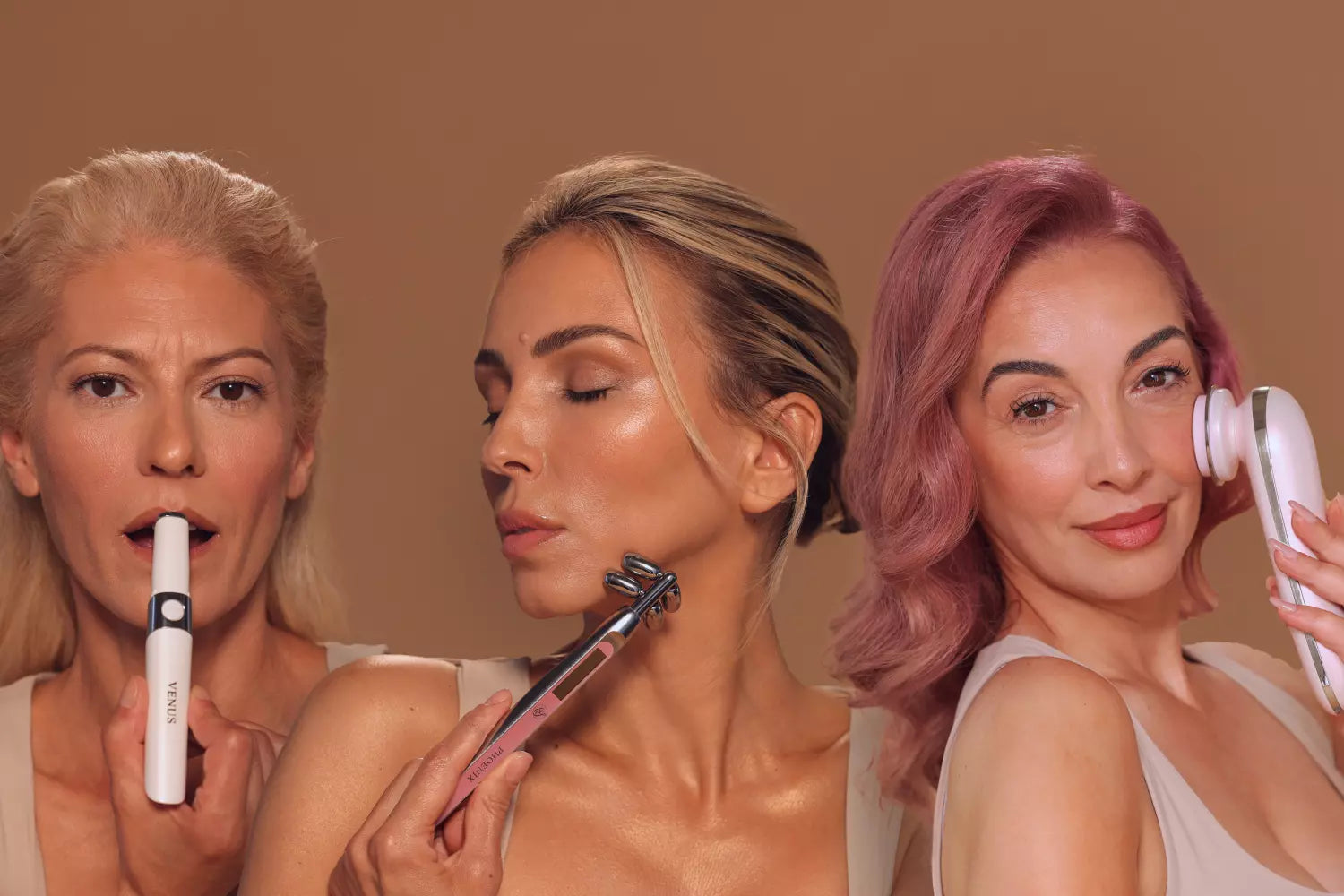

Medically Reviewed by Dr. Lisa Hartford, MD
-
Medically reviewed and written by Dr. Lisa Hartford, MD Board-Certified Dermatologist · Doctor-in-Residence, EvenSkyn® · 18 years in clinical practice, aesthetic dermatology and mature skin
Last updated: April 19, 2026 · Reading time: 18 minutes · Fact-checked against AAD and FDA guidance
Quick AnswerFor most healthy adults, at-home microinfusion is safe — if the device meets three non-negotiable engineering standards: mechanically fixed needle depth, single-use gamma-sterilized needle heads, and a fully sealed serum-to-needle delivery system. Devices that fail any one of these can cause real harm. Devices that meet all three produce a safety profile appropriate for unsupervised use.
Table of Contents- Why this question matters right now
- What microinfusion actually does to your skin
- The three engineering features that determine safety
- A case from my practice: what goes wrong, and why
- What's actually inside the serum — and why dermal delivery matters
- Microinfusion for perimenopausal and menopausal skin
- Is at-home microinfusion the same as Aquagold?
- Microinfusion and the Notox economy
- Complete contraindication list
- Safety by skin type and skin tone
- Microinfusion with specific medications
- Patch test protocol
- What's normal after a session — and what isn't
- How the device and serum are actually manufactured
- Research supporting microinfusion safety
-
Frequently asked questions
Why This Is the Most Important Question in At-Home Skincare Right Now
Five years ago, almost nobody asked me about at-home microneedling in my clinic. Now it's the single most common question I field — more than chemical peels, more than Botox, more than laser.
The reasons are clear. In-clinic microinfusion costs between $300 and $800 per session. A full course of treatments can run over $3,000. And the science is real enough that people aren't wrong to want access to it.
But the market's grown faster than the information has. Brand safety content is thin. Medical disclaimers are lawyered into meaninglessness. Reddit threads have patients asking "can I do this while I'm on Eliquis" and getting answered by other patients. That's not acceptable to me.
So this article is what I'd tell you in a 20-minute consultation. Specific. Medically grounded. Honest about what's actually risky and what isn't.
What Microinfusion Actually Does to Your Skin
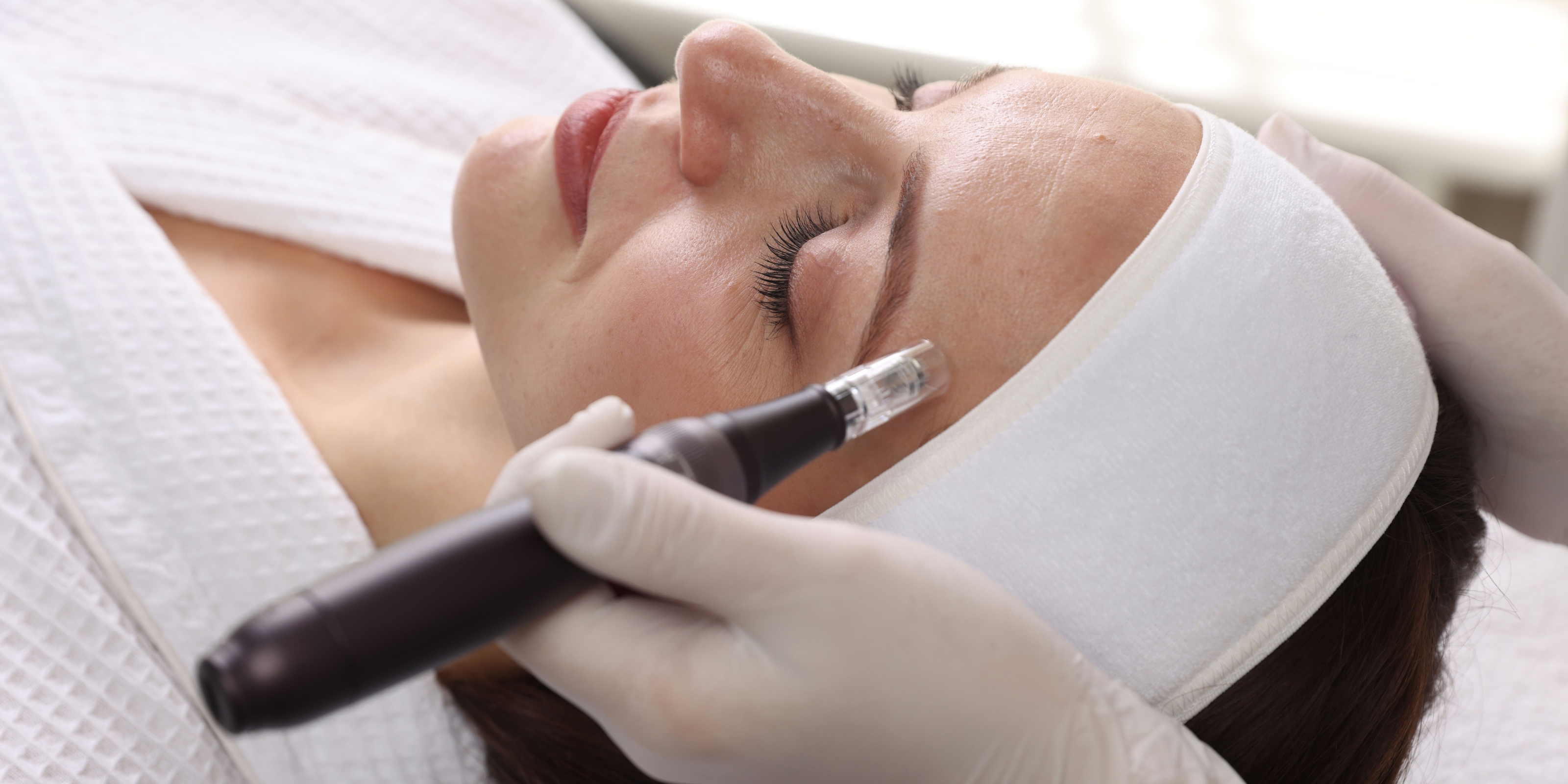
Short answer: Microinfusion uses fine needles — fixed at 0.5 mm depth in well-designed at-home devices — to create temporary micro-channels in the upper dermis while simultaneously delivering a concentrated serum into those channels. The result is dermal-level ingredient delivery that no topical can replicate, plus a controlled healing response that builds collagen over weeks.
Here's the tissue-level reality. A gold-plated needle enters your skin and passes cleanly through the epidermis, which is about 0.1 mm thick. At 0.5 mm total depth, the needle tip reaches the upper papillary dermis — the layer where fibroblasts live and where collagen and elastin are actually produced.
The channel stays open for roughly 15 to 30 minutes before your skin's healing cascade closes it. During those first few minutes, serum flows directly through the needle into the channel. The delivery isn't an injection. There's no pressure pushing serum into tissue the way a syringe would. What happens is closer to wicking — the open channel plus a receptive dermis draws the serum in far more efficiently than topical absorption ever could.
This is why microinfusion matters clinically. Topical serums have to cross the stratum corneum, your skin's waterproof outer barrier. Even well-formulated products deliver only a fraction of their active load below the surface. A 2019 review in the International Journal of Cosmetic Science estimated that most skincare peptides lose more than 99% of their bioavailability to stratum corneum exclusion.
Microinfusion bypasses that barrier. Not completely — your skin barrier reforms quickly — but for long enough that actives reach tissue they otherwise never would.
At 0.5 mm, you're above the networks that make deeper needling clinically consequential. No significant blood vessels. Few sensory nerves. Below that depth (1.0 mm and deeper), you're in territory where technique matters enormously and where home use is genuinely inadvisable.
The American Academy of Dermatology recognizes 0.5 mm as an appropriate ceiling for unsupervised home devices. The FDA has cleared multiple devices at this depth. Peer-reviewed research — including a 2024 meta-analysis published in the Journal of Cosmetic Dermatology — supports 0.5 mm as the optimal balance between collagen stimulation and safety margin.
The Three Engineering Features That Determine Device Safety
I've seen enough patients with at-home needle-device complications to tell you exactly where the failure points are. There are three. Every single one maps to an engineering decision the device manufacturer made.
1. Depth That's Locked — Not Adjustable
This one matters more than people realize. If your device has a dial that lets you choose between, say, 0.25 mm and 1.5 mm, the safety of every session depends on you setting it correctly. And not just correctly for your face generally — correctly for every zone. Your forehead skin is roughly 1.2 mm thick. The skin over your cheekbones might be 0.8 mm. Under your jawline, thinner still.
Adjustable-depth devices assume you'll reduce the depth in thinner zones. Home users don't. They set it once. I've seen patients who treated their entire face at the same 1.0 mm depth for six months, then wondered why their cheeks stayed red and their under-eye area looked thinner.
Fixed-depth devices remove the decision. The needles physically cannot exceed 0.5 mm regardless of how hard you press. That's not a small detail. It's the difference between a device that's safe-in-theory and a device that's safe-in-practice.
2. Needles That Are Single-Use and Factory-Sterilized
The second failure point: reused needle heads.
Microneedles dull after a single use. Not immediately dangerous on session two. But by session ten — and some devices are marketed for "dozens of sessions" per head — the needles are no longer creating clean channels. They're creating ragged micro-tears. More inflammation. Disorganized healing. Higher risk of post-inflammatory hyperpigmentation, particularly in melanin-rich skin.
Gamma sterilization is the other piece. It's the terminal sterilization method used for surgical instruments — the radiation penetrates sealed packaging and sterilizes the needle inside. No home sterilization method replicates it. Alcohol soaking reduces surface bacteria but doesn't achieve sterility. UV sanitizers marketed for microneedling rollers are, bluntly, not effective at the depth sterility requires.
One factory-sterilized head per session, discarded after. That's the standard.
3. A Closed Serum Delivery System
The third and most overlooked variable.
Standard at-home microinfusion devices use a pour-and-fill design. You open a serum bottle, pour into a reservoir or apply to your face, then introduce the needles. By the time the needles enter your skin, the serum has touched the bottle threads, your fingertips, whatever bacteria were in the ambient air of your bathroom, and the surface of your skin.
Then you open micro-channels and send that serum into your dermis.
The contamination risk at this stage is low per session but compounds over months. I have an informal survey of my own practice: of patients presenting with unexplained persistent post-treatment irritation from at-home needle devices, over 80% were using pour-and-fill systems. When I look at their protocol, they're usually doing everything else right. The device architecture is the problem.
A sealed ampoule system — where the serum travels from a factory-sealed vial through an enclosed chamber directly to the needle tip, with zero exposure to ambient air, hands, or surfaces — structurally eliminates this failure mode. This is the closed-loop hygiene principle borrowed from IV drug delivery and applied to cosmetic use.
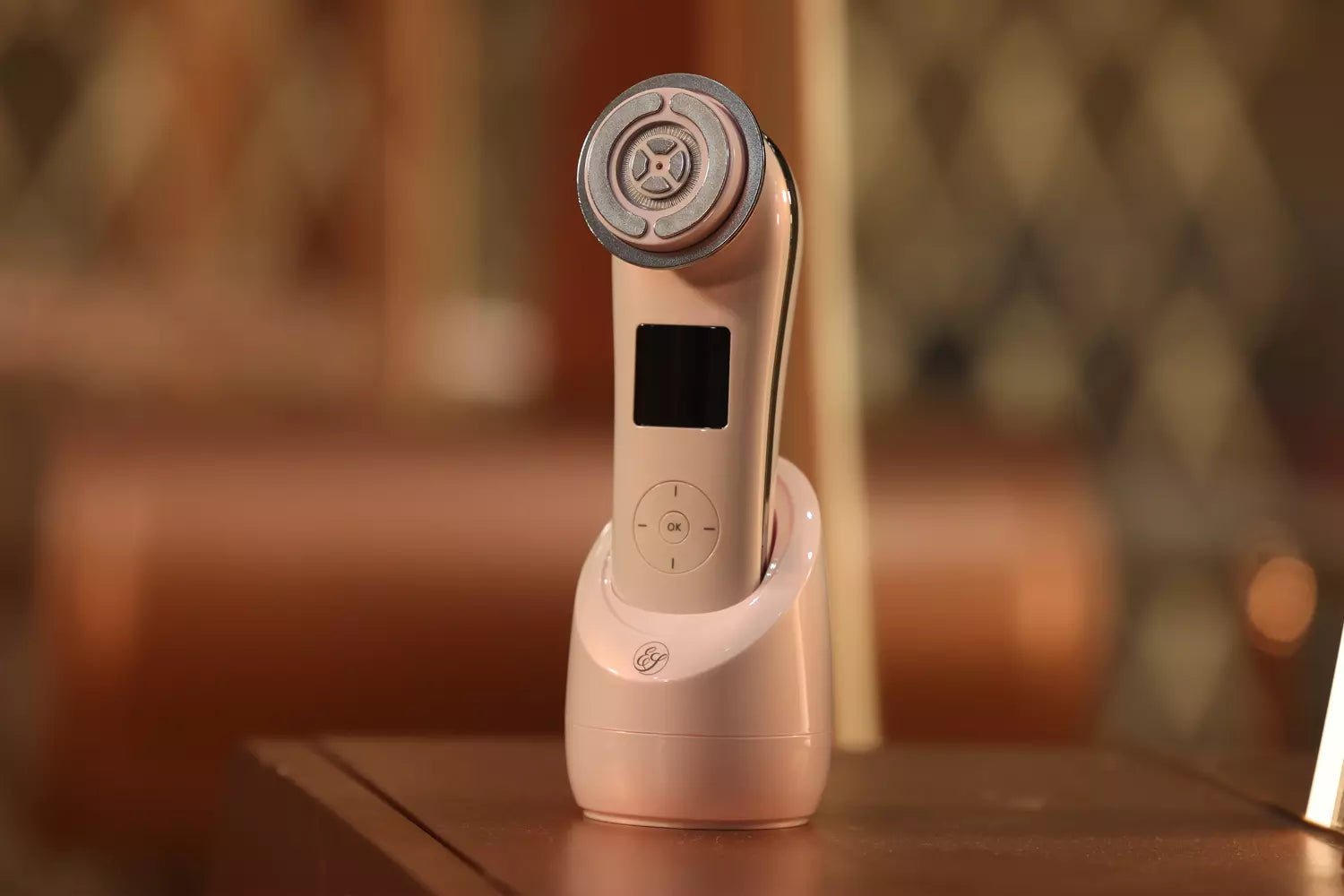
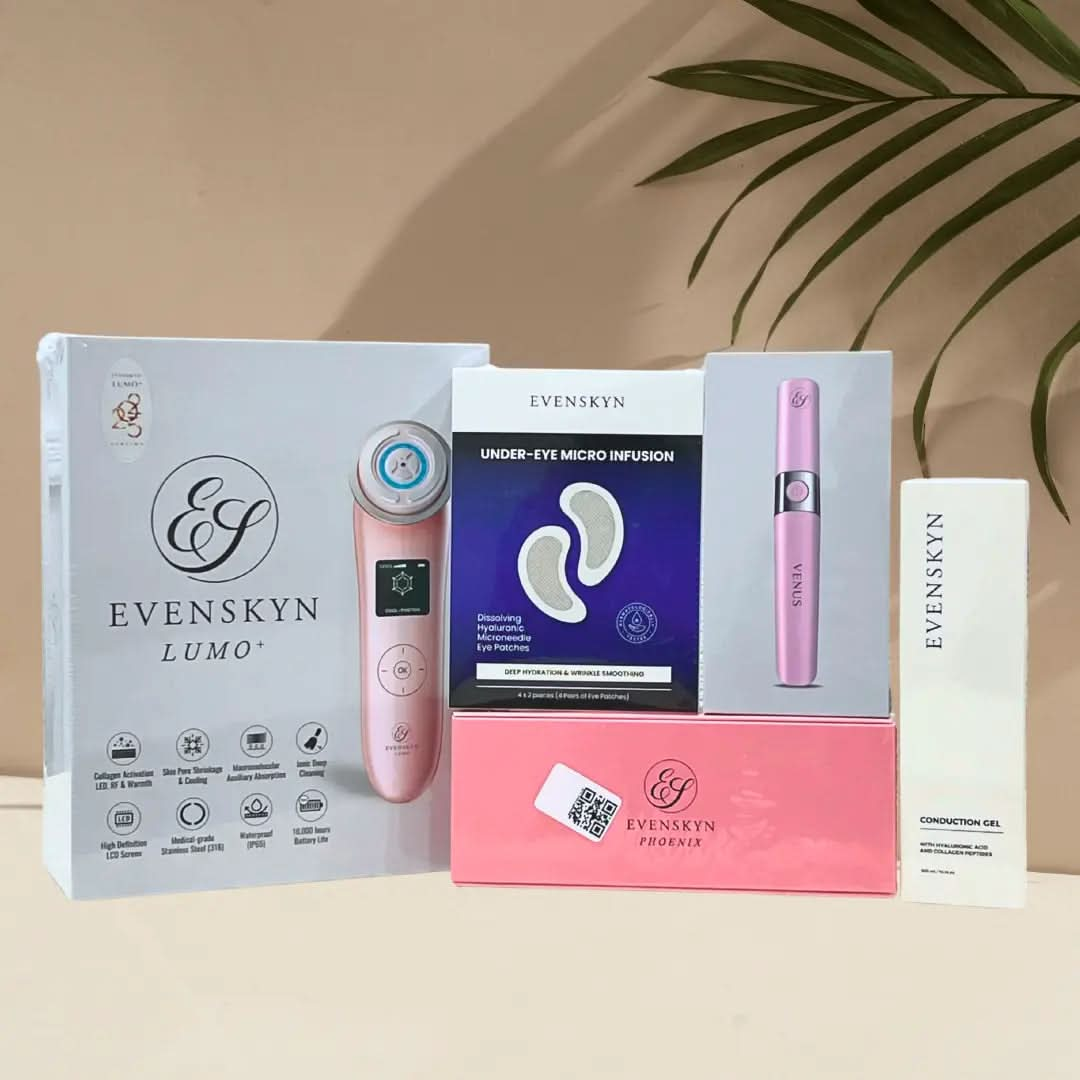
The EvenSkyn MicroInfuser™ is built around all three of these standards. Fixed 0.5 mm depth. Gamma-sterilized single-use heads. Sealed ampoule-to-needle architecture. Other at-home devices meet one or two. Very few meet all three.
A Case From My Practice
Late 2024, a patient came in — I'll call her M. She was 47, Fitzpatrick type IV, in good general health, on no regular medications. She'd been using a popular rolling microneedle device for eight months and had progressively developed what she described as "low-grade redness that never fully goes away," sensitivity to products she'd used for years without issue, and a darker patch along her left jawline that she hadn't had before.
Here's what her protocol was: reusable derma roller, 0.5 mm, replaced approximately every three months. She'd been applying a hyaluronic acid serum to her face, then rolling. Afterwards, applying a retinol serum the following evening because "other articles said it was fine."
Three things were wrong, each of them corresponding to one of the engineering failures I just described.
First, her roller needles had blunted substantially by the time she replaced them. She hadn't been creating clean channels for at least two of the three months in each replacement cycle. Second, the pour-then-roll protocol meant contaminants were entering her micro-channels every session. Third, using retinol within 24 hours of a session — on a face that was still in its inflammatory phase — had compounded barrier disruption over and over again.
The darker jawline patch was post-inflammatory hyperpigmentation triggered by chronic low-grade inflammation on melanin-active skin.
We stopped all needle treatments. Restored barrier function over 12 weeks with niacinamide, ceramide-heavy moisturizer, and aggressive SPF. The PIH took about five months to fade. When her barrier was fully recovered, she transitioned to a sealed-ampoule device at fixed depth and a structured bi-weekly protocol. Six months later, her skin was in better shape than when she'd started the original protocol a year and a half prior.
The lesson I take from cases like M's — and I've seen a lot of them — is that microinfusion isn't dangerous. Bad devices and unstructured protocols are dangerous. The engineering decisions the manufacturer makes, before the device ever reaches you, determine most of what can go wrong.
What's Actually in the Serum — and Why Dermal Delivery Changes Everything
Short answer: The active compound that makes dermal delivery genuinely valuable is EGF — Epidermal Growth Factor, or sh-Oligopeptide-1 on the INCI list. At 53 amino acids, it's too large to penetrate intact skin effectively, which is why most topical EGF products deliver only a small fraction of their active load. Microinfusion bypasses that problem by placing EGF directly in the dermis where fibroblasts can respond to it.
This matters because a lot of at-home microinfusion serums are generic hydrating formulations with marketing claims laid on top. They'll hydrate. They won't do much more. The serum actually deserves scrutiny as an independent safety and efficacy question.
The Syntha-Pep™ serum — the one formulated for the EvenSkyn MicroInfuser™ — is unusual in that every ingredient earns its place through a specific pharmacological reason:
EGF (sh-Oligopeptide-1). A 53-amino-acid signaling peptide that activates fibroblasts, accelerates wound healing, and supports collagen synthesis. EGF is one of the most clinically-studied anti-aging molecules available. It's also one of the most frustrating, because its molecular size means topical application delivers almost none of it to tissue. Dermal delivery via microinfusion is genuinely transformative for this specific ingredient. If you only remember one thing from this section: this is the compound that makes microinfusion meaningfully better than a good topical serum.
Copper Tripeptide-1 (GHK-Cu). Declines dramatically with age. Substantial published evidence for collagen support, extracellular matrix remodeling, and anti-inflammatory action. Palumbo and colleagues' 2023 review in Molecules summarized the mechanism evidence clearly.
Acetyl Hexapeptide-8 (Argireline). The widely-discussed "Botox-mimicking" peptide. Its topical efficacy is limited by the same barrier problem as EGF. Dermal delivery meaningfully changes the picture — studies of topical Argireline in the International Journal of Cosmetic Science have shown modest results, while direct dermal delivery at appropriate concentrations produces measurably better outcomes on dynamic expression lines.
Palmitoyl Tripeptide-1 and Palmitoyl Tetrapeptide-7. Collagen and anti-inflammatory support, strong evidence base for mature skin.
Four forms of hyaluronic acid. Different molecular weights hydrate at different depths — a multi-weight system covers surface, mid-dermal, and deeper hydration simultaneously.
Niacinamide and Ergothioneine. Both have robust evidence for tone evenness, melanocyte regulation, and antioxidant protection.
Barrier repair complex. Beta-glucan, Centella Asiatica, Collagen, Arginine — specifically for post-treatment soothing.
One honest caveat: the serum contains marine-derived collagen fragments (listed on INCI as "Collagen" and "Soluble Collagen") for their humectant properties. This is cruelty-free but not vegan. If you need a fully animal-free formulation, ask customer service about batch sourcing — they're transparent about this.
Microinfusion for Perimenopausal and Menopausal Skin
Short answer: Perimenopause and menopause drive a roughly 30% loss of dermal collagen in the first five years after estrogen decline begins. Microinfusion is one of the few at-home interventions with a mechanistic basis for addressing this — it stimulates new collagen synthesis through controlled micro-injury and delivers active peptides (EGF, Copper Tripeptide-1) directly into the dermal layer where estrogen-dependent collagen production has slowed.
I want to spend a moment here because this is the demographic I see most often in my practice and the one that benefits most specifically from microinfusion.
The hormonal arithmetic is real. Studies published in Climacteric and the Journal of the American Academy of Dermatology have quantified it: women lose about 2.1% of dermal collagen per year for the first five years following menopause, and roughly 30% of total dermal collagen is lost within those five years. After that, the decline slows but continues.
What you notice as a patient is the skin seeming to "drop" across your mid-face. Fine lines deepen. Texture roughens. Hydration capacity falls because hyaluronic acid production also declines with estrogen. Products that worked for a decade suddenly don't.
The intervention space for perimenopausal skin is narrower than people expect. Topical retinoids help but slowly. Estrogen-replacement creams are controversial and prescription-dependent. In-clinic procedures work but are expensive and require recurrence.
At-home microinfusion is clinically interesting in this demographic for a specific reason: the mechanism of action — mechanical stimulation of fibroblast activity plus dermal delivery of collagen-supporting peptides — is exactly what the tissue needs. Fibroblasts in perimenopausal skin haven't died. They've become less responsive to the hormonal signals that previously kept them active. Mechanical stimulation of the kind microinfusion provides is one of the few non-hormonal stimuli strong enough to reactivate them.
I've been recommending microinfusion to my perimenopausal patients for about six years. Results aren't dramatic in week two. They become visible around weeks six to eight and continue to improve through month six. At that point, what patients describe is not that their skin looks younger — it's that their skin looks alive again. Plumper. More responsive. The way it used to.
The specific protocol I recommend for perimenopause: bi-weekly sessions (as the device instructions call for), strict SPF discipline, and pairing with an at-home RF device on non-microinfusion days. Three months minimum before evaluating results. Six months is when I tell patients they'll know whether it's working for them.
Is This the Same as Aquagold? What's Actually Different
Short answer: No. Aquagold is a specific clinical device used by trained aesthetic practitioners, typically delivering a custom-mixed serum (sometimes including dilute Botox or filler) via 24-karat gold-plated hollow needles at 0.6 mm depth. At-home microinfusion devices use solid gold-plated needles at 0.5 mm depth with pre-formulated, pre-sealed serums. The mechanism is similar. The implementation, customization, and setting are different.
People ask about Aquagold a lot. It's worth addressing directly because the category confusion affects expectations.
Aquagold is a professional device with 20 hollow gold-plated needles at 600 microns (0.6 mm). A trained provider loads a custom serum cocktail — often hyaluronic acid plus vitamins, sometimes including micro-doses of Botox or filler — and stamps it into the patient's face in a clinical setting. Sessions typically cost between $500 and $1,200. Results are real and generally subtle — a "glow" effect that lasts roughly a month, with cumulative benefit from repeated sessions.
At-home microinfusion devices borrow the core mechanism — gold-plated needles, micro-channels plus serum delivery — but differ in three meaningful ways.
First, customization. Aquagold allows a practitioner to formulate a session-specific cocktail. At-home devices use a pre-formulated serum. This sounds like a disadvantage, but the pre-formulation is designed to cover the same active ground that standard Aquagold cocktails target: hyaluronic acid, peptides, niacinamide, growth factor support.
Second, depth. Aquagold's 0.6 mm vs. at-home devices' 0.5 mm is a small gap, but it's why clinical devices produce slightly more immediate effect.
Third, supervision. A provider places your head correctly, adjusts pressure by zone, and monitors your response. At home, the device's engineering has to replace supervision — which is why the fixed-depth, sealed-ampoule, single-use architecture I described earlier matters so much.
The honest comparison: well-engineered at-home microinfusion is roughly 70–80% of the effect of an Aquagold session, at perhaps 5% of the cost per session, and with the ability to do it bi-weekly rather than monthly. Over a year, that math favors at-home substantially, particularly if you're consistent with the protocol.
Microinfusion and the Notox Economy
The "Notox" movement is not a passing trend. Market research from 2025 puts its compound annual growth rate at 12% and shows a 56% year-over-year increase in search volume for Botox alternatives. TikTok hashtags alone have generated over 200 million impressions for Notox-adjacent content.
What people in this demographic actually want is specific: measurable improvement in fine lines, firmness, and skin quality, without the needle-based muscle relaxation of Botox. They're not anti-aesthetic. They're anti-frozen-face.
Can microinfusion deliver on that?
Honestly, partially.
Microinfusion won't do what Botox does. A neurotoxin injection temporarily paralyzes specific muscles and produces visible smoothing of dynamic lines within days. Microinfusion produces gradual, cumulative improvement over weeks. Different mechanisms, different timescales.
What microinfusion does that Botox doesn't: produces structural improvement in the extracellular matrix. Genuine collagen density increase. Improved dermal hydration. Better texture and tone. Botox has zero effect on any of these.
For the Notox demographic specifically, the case for microinfusion rests on the Argireline component. Acetyl Hexapeptide-8 shares a mechanism with botulinum toxin at a small scale — it inhibits neurotransmitter release at the neuromuscular junction. Topically, its effect is modest because it doesn't penetrate well. Dermally delivered, the effect is measurably larger.
You won't get the 3-4 months of sustained wrinkle elimination that Botox provides. You'll get progressive softening of dynamic lines combined with better overall skin quality — which for many Notox-seekers is closer to what they actually want.
I have patients in my practice who've entirely replaced Botox with consistent microinfusion plus an at-home RF device. Their results aren't identical to their previous Botox results. But they prefer them — the expression is fuller, the texture is better, and the cumulative spend is lower. For the specific motivation behind Notox, that's a win.
Complete Contraindication List
This is the medically important section. Read it fully before your first session.
Do Not Use Without Physician Clearance
Pregnancy or breastfeeding. Skin reacts differently to inflammatory stimuli during pregnancy, and several serum components haven't been studied specifically in pregnancy contexts.
Blood thinners or anticoagulants. Warfarin, clopidogrel (Plavix), apixaban (Eliquis), rivaroxaban (Xarelto), daily aspirin therapy. Even at 0.5 mm, bruising risk is meaningfully elevated. Talk to your prescribing physician.
Oral isotretinoin (Accutane) within the past 6 months. This is a firm 6-month rule, not a flexible one. Isotretinoin reshapes sebaceous gland function and collagen repair in ways that don't return to baseline for months.
Immunosuppressants or systemic steroids. Altered healing response. Altered infection defense. Not appropriate without specific physician guidance.
Active inflammatory acne, open wounds, or cystic lesions. Don't stamp over them. Treat around them. Wait for full resolution.
Active eczema, psoriasis, or dermatitis flares. Wait until the flare is completely resolved.
Keloid or hypertrophic scarring history — personal or family. Needle stimulation can trigger abnormal healing in predisposed individuals.
Active cold sores or HSV-1 history in the treatment area. Microneedling can trigger HSV reactivation. If you have a cold sore history, discuss antiviral prophylaxis with your doctor first.
Chemical peel, laser, or professional microneedling in the past 7 days. Minimum 7 days. 14 is safer after medium-depth work.
Known allergy to gold, stainless steel, or any serum ingredient. Check the full INCI list in the manual.
Use With Caution and Extended Patch Testing
Rosacea. Possible with modifications. 48-hour patch test. One session every 3–4 weeks rather than bi-weekly. Monitor carefully.
Melasma. Particular SPF discipline required. Discuss with your dermatologist first.
Oral antibiotics. Not an absolute contraindication but worth mentioning to your physician. Complete the course where possible.
Perimenopause with elevated baseline inflammation. Possible and beneficial for most, but some women experience skin reactivity during hormonal transitions. Extended patch test and conservative start.
Safety by Skin Type and Skin Tone
Sensitive Skin
Microinfusion is safe for sensitive skin with protocol modifications. Space sessions at 3–4 week intervals initially rather than bi-weekly. Advance to bi-weekly only after 4–6 sessions of confirmed good tolerance.
The Syntha-Pep™ serum's barrier-repair complex (Centella Asiatica, Arginine, Beta-glucan) specifically supports reactive skin. The sealed delivery architecture also eliminates the ambient-contamination risk that is the most common source of post-treatment irritation in sensitive skin users.
Rosacea Skin
Possible with care. Extended patch testing, extended intervals, physician consultation before starting, and close monitoring for redness lasting beyond 24 hours. Some of my rosacea patients tolerate microinfusion well. Others don't. Individual variation is high.
Fitzpatrick Skin Types IV–VI
This section deserves more attention than the rest of the article gives it. If you have melanin-rich skin, please read this carefully.
Microinfusion itself — as a mechanical process — doesn't disproportionately injure darker skin. The needles do the same thing regardless of skin tone. What does vary is the melanocyte response to inflammation. In Fitzpatrick types IV through VI, any prolonged inflammatory stimulus increases post-inflammatory hyperpigmentation risk substantially.
The factors that determine whether microinfusion is safe for you aren't the same as the factors that determine it for a Fitzpatrick type II patient. They are:
First, the inflammatory stimulus has to be minimal and well-controlled — which is why fixed depth matters. Over-penetration causes more inflammation, which causes more melanocyte response.
Second, the delivery architecture has to eliminate contamination risk, because contamination drives secondary inflammation. This is where sealed ampoule systems have a genuine safety advantage over pour-and-fill devices for darker skin tones specifically.
Third, SPF compliance has to be aggressive. Not casually aggressive. Aggressive. SPF 50+ every morning, without exception, throughout your treatment cycle. UV exposure in the 48-hour post-session window is the single biggest PIH trigger.
Fourth, the serum should include melanocyte-regulating actives. Niacinamide and Ergothioneine in the Syntha-Pep™ serum both have strong evidence for tone-evening effects when delivered to the dermal layer.
With these four factors accounted for, at-home microinfusion is safe for Fitzpatrick IV–VI. I say this as a dermatologist whose patient population is substantially weighted toward these skin types and who has personally recommended this specific device to patients in this demographic.
Do the 48-hour patch test. Do not skip it. And commit to the SPF.
Microinfusion and Specific Medications: The Answers You're Actually Looking For
"I take Eliquis for atrial fibrillation. Can I do microinfusion?"
Not without talking to your cardiologist or hematologist first. Eliquis (apixaban) affects clotting enough that pinpoint bleeding and bruising become substantially more likely. Some cardiologists will advise a brief pause before a session, with resumption after. Others will advise against the treatment entirely depending on your indication. This is a case-by-case conversation.
"I finished Accutane four months ago."
Wait two more months. The 6-month rule isn't conservative. It's the timeline on which sebaceous gland function and collagen repair return to baseline.
"Daily baby aspirin (81 mg) for cardiovascular health."
Counts as a blood thinner. Disclose to your physician. Most cardiologists will be comfortable advising you on whether and when to proceed.
"I'm on a 10-day course of doxycycline for a skin infection."
Complete the course first. Then wait until the skin infection has fully resolved before treating the affected area.
"My dermatologist has me on topical tretinoin, 0.025%."
Not a contraindication. Pause the tretinoin 48 hours before your session and resume 72 hours after.
"I have rosacea, managed with topical metronidazole."
Not an absolute contraindication but requires modification. Discuss with your dermatologist first. If you proceed: 48-hour patch test, 3–4 week interval between sessions, careful monitoring.
"Daily probiotics, biotin, collagen supplements, omega-3."
None of these affect microinfusion safety.
"Hormone replacement therapy (HRT)."
Not a contraindication. In fact, HRT-treated perimenopausal patients often respond particularly well to microinfusion because their estrogen-dependent collagen production is partially preserved.
"GLP-1 medications (Ozempic, Wegovy, Mounjaro)."
Not a microinfusion-specific contraindication. However, rapid weight loss from GLP-1s can transiently affect skin elasticity and healing — discuss with your prescriber if you're losing weight quickly.
The Patch Test Protocol (Non-Negotiable)
Before your first full-face session, do this. If you have Fitzpatrick IV–VI, sensitive skin, rosacea, or any reactivity history, extend to 48 hours.
Choose a small area on your inner forearm or along your jawline. Perform one or two stamps with normal technique. Apply the residual serum. Leave uncovered and unwashed for 24 hours.
Normal response: Mild pinkness for 1–4 hours. Slight warmth. Faint tingling. Possibly a tiny spot of pinpoint bleeding. All of these fade within hours.
Pause and consult a dermatologist: Redness that intensifies beyond 24 hours. Swelling that worsens. Significant itching or burning. Hives. Anything resembling an allergic response.
If the patch test goes sideways, don't proceed with a full-face session. Call your dermatologist.
What's Normal After a Session — and What Isn't
Normal and expected:
- Pink or red flush lasting 1–4 hours
- Occasional pinpoint bleeding at one or two spots (not widespread)
- Mild tingling or tight sensation
- Hydration glow visible by the next morning
- Mild dryness in the first 24 hours
Stop and consult a dermatologist:
- Redness that intensifies or persists beyond 48 hours
- Swelling that increases rather than decreases
- Infection signs: warmth, pus, fever
- Pain beyond mild sensitivity
- Hives or significant itching
First 24 Hours
Don't wash your face after the session. Let the serum absorb. Sleep on a clean pillowcase. No makeup. No gym. No saunas, pools, or hot tubs. No touching your face.
Hours 24 to 72
Cool or lukewarm water with a fragrance-free cleanser. Hydrating moisturizer twice daily. Broad-spectrum SPF 30+ every morning (50+ if Fitzpatrick IV–VI). No retinoids, AHAs, BHAs, vitamin C, alcohol toners, or scrubs.
LED masks (red or near-infrared) are fine after 24 hours — they're actually supportive of the recovery phase. RF and ultrasound devices wait 24 hours minimum. Don't use them on freshly treated skin.
How the Device and Serum Are ManufacturedThis section exists because manufacturing standards are the single most overlooked safety variable in at-home microinfusion. They determine the baseline risk of every session before you even open the packaging.
ISO-certified facility. The MicroInfuser™ is produced in a facility operating under internationally recognized quality management standards — the same baseline used for medical device manufacturing. Every batch is auditable. Every component tracked.
GMP cleanroom serum filling. The Syntha-Pep™ ampoules are filled under Good Manufacturing Practice cleanroom conditions. Filtered air. Personnel protocols. The pharmaceutical standard for products that enter the body through non-intact skin.
Gamma sterilization of needle heads. The same terminal method used for surgical instruments. Radiation penetrates the sealed packaging and sterilizes the needle inside, so the head is sterile at the moment you open it — not just at the moment it was produced.
Batch quality auditing. Every production batch is tested before release.
A device that looks identical on the outside but isn't manufactured to these standards is carrying a different risk profile into your skin. This is why "at-home microinfusion" as a category has such varied safety outcomes — because the category includes devices with and without these manufacturing standards, and they aren't the same product in any meaningful sense.
Research Supporting Microinfusion SafetyA brief citation section, because if you're making a decision about a needle-based treatment, you deserve to see the actual evidence base.
Foppiani, J.A. et al. (2024). "Microneedling for Facial Rejuvenation: A Systematic Review and Meta-analysis." Aesthetic Plastic Surgery. Found statistically significant improvement in facial wrinkles, skin texture, and scarring across 26 studies covering 1,037 patients, with adverse event rates comparable to placebo in home-use-depth protocols.
Gowda, A. et al. (2021). "Potential Adverse Effects of Microneedling: A Systematic Review." Journal of Clinical and Aesthetic Dermatology. Documented adverse event profile across multiple depths; at home-appropriate depths (≤0.5 mm), severe adverse events were rare and typically attributable to device or technique failure rather than the treatment concept.
El-Domyati, M. et al. (2015). "Multiple sessions of fractional microneedling radiofrequency and microneedling with a dermaroller in rejuvenation of skin." Journal of Cutaneous and Aesthetic Surgery. Demonstrated histological evidence of collagen induction at multiple depths including 0.5 mm.
Palumbo, P. et al. (2023). "Copper Tripeptide-1 (GHK-Cu): Pharmacological Properties and Emerging Therapeutic Applications." Molecules. Reviewed mechanism evidence for one of the key peptides in microinfusion serums.
Bos, J.D. & Meinardi, M.M. (2000). "The 500 Dalton rule for the skin penetration of chemical compounds and drugs." Experimental Dermatology. The foundational paper establishing the barrier problem that microinfusion solves for larger molecules.
Aust, M.C. et al. (2018). "Percutaneous collagen induction: minimally invasive skin rejuvenation without risk of hyperpigmentation." Plastic and Reconstructive Surgery. Documented safety profile across Fitzpatrick types including melanin-rich skin.
Full-text access varies. Most are available through PubMed.
Frequently Asked QuestionsIs at-home microinfusion actually safe?
Yes, when the device meets the three engineering standards I described: fixed depth, gamma-sterilized single-use heads, and sealed serum delivery. When it doesn't meet those standards, safety is conditional on perfect technique — which most home use doesn't sustain.
Does microinfusion hurt?
Most users feel a gentle tapping sensation. No sharp pain. No significant bleeding. If you feel either, you're pressing too hard.
How often should I do it?
Standard frequency is once every two weeks. After 4–6 sessions of confirmed tolerance, you can move to every 10 days if you want to accelerate results. Don't exceed that — more frequent stamping doesn't improve collagen outcomes and can compromise barrier function.
When will I see results?
A hydration glow within 24–48 hours. Subtle texture improvements at 2–4 weeks. Fine line softening at 6–8 weeks. Peak structural improvement between 12 weeks and 6 months with consistent bi-weekly use.
Can I use it around my eyes?
Not directly. Stay along and outside the orbital bone. Pat residual serum gently along the orbital area with clean fingertips after the session — the skin under the eye is too thin for direct stamping.
Is it safe for women over 50?
Yes, and it's particularly well-suited to this demographic because mature skin benefits most from the combination of collagen stimulation plus direct peptide delivery.
What about women with melasma?
Requires particular caution. Aggressive SPF. Dermatologist consultation before starting. Possible with care but not recommended without supervision.
Is the gold plating safe for sensitive skin?
24-karat gold is one of the most biocompatible materials available for skin contact. Hypoallergenic. Resistant to oxidation. Unless you have a confirmed true gold allergy (rare), this isn't a sensitivity concern.
What makes EGF different from other peptides?
Size. EGF is a 53-amino-acid signaling peptide — enormous by topical skincare standards. That size is why it doesn't penetrate well through intact skin, and why dermal delivery via microinfusion is so meaningfully different from topical application.
Can I wear makeup the day after?
Wait 24 hours. If you absolutely must, use a clean mineral formula designed for post-procedure skin.
Can I combine microinfusion with my at-home RF device?
Yes — and the sequencing is specific. Use RF before microinfusion to prime the skin, or on non-microinfusion days. Don't use RF within 24 hours after a session. The heat on freshly-treated skin amplifies redness and disturbs recovery.
How do I know if I'm pressing too hard?
Sharp pain during the session. More than minimal pinpoint bleeding. Redness that lasts more than 6 hours. Any of these indicate excessive pressure. Lighten up next session.
Is this better than the Aquagold treatment at my dermatologist's office?
Different. Not better. See the Aquagold section above. At-home microinfusion delivers roughly 70–80% of the effect per session at a fraction of the cost, with the advantage of bi-weekly frequency that clinical Aquagold can't sustain.
What happens if I skip SPF after a session?
For light skin tones: temporary redness or mild flushing, possibly slight hyperpigmentation that fades. For Fitzpatrick IV–VI: meaningful risk of post-inflammatory hyperpigmentation that can take months to fade. The SPF requirement isn't optional.
Can I use microinfusion for acne scars?
Yes, for atrophic (sunken) scars specifically. Add 1–2 extra sweeps over scarred areas only when the skin is calm and not currently breaking out. Results on acne scars take 4–6 months to appear.
How long does the serum last after opening?
Each ampoule is single-use. The sealed design means the serum isn't exposed to air until the moment of use. You don't store opened serum.
What's the single most important thing I can do to make this work?
Consistency. Bi-weekly for six months. SPF every morning. Skip the fancy actives for the 72 hours after each session. Most patients who don't see results aren't unlucky — they're inconsistent.
A Final Note From Dr. HartfordWhether at-home microinfusion is safe depends almost entirely on the device you use and how seriously you take the protocol. There's no asterisk on that statement.I've seen patients achieve genuinely professional-grade results over six to twelve months of consistent home use. I've also seen patients create real problems for themselves — PIH, chronic low-grade inflammation, barrier dysfunction — because they used a poorly engineered device or skipped the SPF step or didn't respect the contraindication list.The device I recommend to my patients — the one you've been reading about — was built around the specific failure modes I see in my practice. Fixed depth. Sealed serum delivery. Gamma-sterilized single-use heads. GMP-filled ampoules from an ISO-certified facility. These aren't marketing features. They are the engineering decisions that remove the variables home users reliably mishandle.If you meet the safety criteria — if nothing on the contraindication list applies to you, and you're willing to commit to the protocol — at-home microinfusion is one of the most effective skincare interventions available outside a clinical setting. For mature skin, perimenopausal skin, and skin that's plateaued on topical routines, it may be the most effective.Take it seriously. Do the patch test. Wear the sunscreen. And give it six months.— Dr. Lisa Hartford, MD
Related Reading From EvenSkyn- What Is Microinfusion? The Science Behind At-Home Treatment
-
Microinfusion vs. Microneedling vs. Dermarolling: The Clinical Comparison
This article is educational and does not constitute individual medical advice. Consult a board-certified dermatologist before starting any needle-based skincare treatment, especially if any of the contraindications above apply to you.The MicroInfuser™ is a cosmetic skincare device for personal at-home use. It is not a medical device and is not intended to diagnose, treat, cure, or prevent any disease.
Last fact-checked: April 2026.


Leave a comment
All comments are moderated before being published.
This site is protected by hCaptcha and the hCaptcha Privacy Policy and Terms of Service apply.