




EvenSkyn® Conductive Gel for RF, Microcurrent, EMS & Ultrasound Devices
or 4 payments of $12.50 with 
Save $10.00 USD
$49.99 USD
Save $10.00 USD
- In stock
- Free shipping in the US
- Designed in Canada
- Water-based, oil-free
EvenSkyn® Conductive Gel: one water-based gel for RF, microcurrent, EMS and ultrasound devices
EvenSkyn Conductive Gel is a water-based conducting medium for at-home RF (radio frequency), microcurrent, EMS and ultrasound facial devices. It sits between the device head and your skin so energy transfers cleanly instead of scattering at the air gap, and the device glides rather than drags. Lightweight, non-sticky and easy to rinse, it comes in a 300 mL bottle, single or two-pack, for face, neck and body use with devices whose manufacturer calls for a water-based conductive or coupling gel.
Why you'll love it
- One gel for four device types: it carries current for RF, EMS and microcurrent and couples ultrasound
- Glides instead of dragging, so the head keeps moving and coverage stays even
- Water-based, oil-free and non-sticky, with hyaluronic acid, glycerin, peptides and amino acids
- Rinses off with lukewarm water or a damp cloth, no cleanser needed
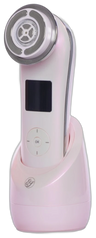
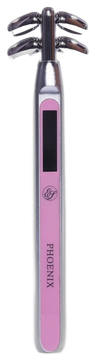
- The intended medium for the EvenSkyn Lumo⁺, Phoenix, Venus and Eclipse
What a conductive gel actually does
Energy-based skincare devices have to make contact with skin to work, and air is the enemy of that contact. Air conducts electrical current poorly and transmits ultrasound poorly, so even a thin film of air between the device head and your face interrupts the transfer. A water-based gel displaces that air, fills the microscopic texture of the skin surface and gives the device a continuous path into the tissue. It also provides slip, which is why a treatment with gel feels smooth and a treatment without one feels like dragging.
Conductivity and coupling are not the same thing
Two products can both be called gel and do different jobs. The distinction is worth understanding before you buy anything, including this one.
- Electrical conduction is what RF, microcurrent and EMS devices need. Current has to pass from the electrode into the skin, so the medium between them has to carry current rather than block it.
- Acoustic coupling is what ultrasound devices need. Sound waves reflect almost entirely at an air boundary, so the medium's job is to match the device head to the skin and let the waves through.
- Slip matters for all of them. A medium that grips or dries mid-session forces you to press harder, which is uncomfortable and makes coverage uneven.
A water-based gel can serve all three roles. An oil, a balm or a thick occlusive cream generally cannot, because oils do not carry current well. That is the practical reason your device manual tells you to skip facial oils before a session.
Which devices this is made for
- RF (radio frequency): the gel carries current and keeps contact as the head moves. Check first: your manual may specify a minimum layer thickness so the head does not run dry.
- Microcurrent: it carries a low-level current between two electrodes without breaking contact. Both electrodes need coverage, not just the leading one.
- EMS: it carries current to the muscle-stimulating electrodes. Same as microcurrent, with attention to reapplying as it absorbs.
- Ultrasound: it couples the transducer to the skin so sound waves are not reflected by air. A generous, unbroken layer matters more here than with electrical devices.
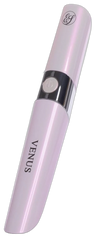
Within the EvenSkyn range, this gel is the intended medium for the Lumo⁺ (RF, EMS and light therapy), the Phoenix microcurrent bar, the Venus eye device and the Eclipse (ultrasound, EMS and light). If you own a device from another brand, read the next section before assuming it transfers.
Compatibility, stated honestly
Your device manufacturer's instructions come first, always. Some manufacturers specify a proprietary medium, some specify a formulation type rather than a brand, and a few warn against particular ingredient categories. If your manual names a required product, follow the manual and not this page.
Where a manufacturer simply calls for a water-based conductive or coupling gel without naming a brand, this product is formulated for that role. We are not able to confirm compatibility with every device on the market, and we would rather say so than claim a blanket guarantee. If you are unsure about a specific device, email support@evenskyn.com and we will tell you what we do and do not know.
How much to use, and when to reapply
Use enough that the device head never runs dry against bare skin. In practice that means a visible layer you can still see after the head has passed over it, not a thin sheen that disappears on contact. If the device starts to drag, or you hear or feel the head catching, you have run out of medium in that zone and should add more before continuing.
Gel absorbs and evaporates as you work, so longer sessions and larger areas need reapplication partway through. Treating in small zones, and topping up per zone, gives more consistent coverage than trying to cover the whole face in one pass.
Cleanup
Rinse with lukewarm water, or wipe with a damp cloth. No cleanser is needed for removal, though you can follow with your normal routine. Some users prefer to leave a light residue and let it absorb rather than rinsing.
Which pack to choose
A single 300 mL bottle suits one device used on the face. The two-pack, 600 mL in total, costs less per mL than two single bottles and suits body treatments, two devices or frequent sessions. How long a bottle lasts depends on your device, treatment area and session length, so we do not publish a cost-per-treatment figure we cannot stand behind. Current prices for both packs are in the purchase options above.
Common questions
Is ultrasound gel the same as conductive gel?
Not necessarily. Clinical ultrasound gels are formulated for acoustic coupling in a diagnostic setting and are often unscented, uncosmetic and intended to be wiped off entirely. A skincare conductive gel is formulated to sit on the face, feel comfortable and work with electrical devices as well as ultrasound ones. Both can transmit ultrasound. They are not interchangeable in every direction.
Do I actually need gel, or can I run my device dry?
Check your manual. Most RF, microcurrent, EMS and ultrasound devices are designed to be used with a medium, and some will not complete a circuit without one. Running a device dry is also uncomfortable and can pull at the skin.
Can I use it around my eyes?
Follow the guidance for your specific device. Devices designed for the eye area, such as the Venus, have their own instructions for that zone. Devices not designed for the eye area should not be brought there regardless of what medium you use.
Does it work for body treatments as well as the face?
Yes. Larger areas simply use more product, which is where the two-pack tends to make sense.
Technical:
- Type: Water-based conductive and coupling gel
- Volume: 300 mL (10 fl oz) per bottle
- Packs: 1 bottle, or 2 bottles (600 mL in total)
- Works with: RF, EMS, microcurrent and ultrasound devices
- Formula: Oil-free and non-sticky
- Key ingredients: Hyaluronic acid, glycerin, peptides, amino acids
- Preservative: Methylparaben (contains a paraben)
- Removal: Rinse with lukewarm water or wipe with a damp cloth
- Designed in Canada
Shipping:
- Express Air DHL Shipping (~3 days in Continental USA, Puerto Rico & Hawaii)
- DHL 7-Day Air Shipping Worldwide
- UPS Standard for all Canadian addresses
Returns:
- The 60-Day Return Window applies only to device purchases, not to consumable skincare products such as gels, creams or serums.
- If an order arrives damaged or wrong, contact support@evenskyn.com right away.
How to use it
Ingredients
Made for at-home devices


FAQ
Our FAQs section provides answers to common questions about our products, services, and terms. But if you can’t find the answer to your specific question, please feel free to message us and we’ll be happy to assist you.
Read the full gel guideWhat is conductive gel, and how does it work with RF/microcurrent/ultrasound devices?
It is a water-based layer that sits between the device head and your skin. Air carries current poorly and reflects ultrasound, so the gel fills that gap: it carries current for RF, EMS and microcurrent devices, couples sound waves for ultrasound devices, and gives the head slip so it glides instead of dragging.
How much EvenSkyn Conduction Gel should I use per treatment, and how do I apply it correctly?
Use enough that the device head never runs dry: a visible layer that is still there after the head has passed over it. Apply it to clean, dry skin, work in small zones and add more when the device starts to drag. Longer sessions and larger areas need topping up partway through.
How does EvenSkyn Conduction Gel compare to NuFACE gel, Foreo serum, and generic ultrasound gel?
Our gel comes in a 300 mL bottle and is made for RF, EMS, microcurrent and ultrasound devices. Microcurrent brands such as NuFACE and ZIIP sell their own gels for their devices, and if your device's manual names a specific product, follow the manual.
Clinical ultrasound gel is made for acoustic coupling in a diagnostic setting and is meant to be wiped off. A skincare conductive gel is made to sit comfortably on the face and to work with electrical devices too.
What are the ingredients in EvenSkyn Conduction Gel, and what does each one do for my skin?
Aqua (water) is the base. Glycerin and hyaluronic acid are humectants that attract and hold moisture. Amino acids and peptides are skin-conditioning agents. Hydroxyethyl cellulose, a cellulose-derived thickener, gives the gel its body and glide. Methylparaben is the preservative and triethanolamine adjusts the pH.
Should I rinse EvenSkyn Conduction Gel off after treatment, or leave it on my skin?
Either works. Rinse with lukewarm water or wipe with a damp cloth if you prefer a clean finish; no cleanser is needed. Some people leave a light residue to absorb instead.
Which EvenSkyn devices work with Conduction Gel, and can I use it with non-EvenSkyn devices?
Within the EvenSkyn range it is the intended medium for the Lumo⁺, the Phoenix microcurrent bar, the Venus eye device and the Eclipse.
With another brand's device, follow that manufacturer's instructions. Where they call for a water-based conductive or coupling gel without naming a brand, this gel is made for that role. We cannot confirm every device on the market, so email support@evenskyn.com about a specific model.
Do I need conductive gel for red light therapy?
Not for light on its own. LED and red light travel through air, so a light-only mask or wand needs no gel. Use the gel when a device pairs light with RF, EMS, microcurrent or ultrasound, such as the Lumo⁺ or the Eclipse, because those modes need skin contact through a conductive layer.
What's the best application technique for EvenSkyn Conduction Gel to maximize results?
Start with clean, dry skin without oils or heavy creams, lay down a visible, unbroken layer, and treat in small zones, topping up as you go. An unbroken layer matters even more with ultrasound devices than with electrical ones. If EMS feels too strong, wipe away some of the excess.
How should I store EvenSkyn Conduction Gel, and how long does it last after opening?
Keep the cap closed and store the bottle at room temperature, away from direct sun and heat. Check the bottle for its expiry or period-after-opening mark, and stop using it if the colour, smell or texture changes.
Can I use EvenSkyn Conduction Gel if I have sensitive skin or allergies?
Patch-test on a small area first, as with any new product, and stop if you see irritation. The gel contains a paraben (methylparaben), so skip it if you know you react to parabens. With a diagnosed skin condition, check with your doctor or dermatologist before starting device treatments.
What's the difference between EvenSkyn Conduction Gel and regular water, aloe vera, or moisturizer for device use?
Water evaporates within minutes and gives little slip. A water-based aloe gel or hydrating serum can carry current, but many contain alcohol, thickeners or oils that change how they behave, and most dry out faster, which is when dragging and uneven coverage start. Oil-based moisturizers are a poor choice for electrical devices because oils do not carry current well.