



Medically Reviewed by Dr. Lisa Hartford, MD
Red light therapy at home works inside a narrower evidence window than most marketing concedes. This guide walks through what photobiomodulation does to skin at the cellular level, which of the common wavelengths from 415 to 1072 nm earn their place and which mostly fill a spec sheet, the irradiance and fluence math that decides whether a session is therapeutic or theatrical, and the safety case for why a buyer who has ruled out radiofrequency or focused ultrasound on side-effect grounds may land on LED as a first device, with full knowledge of the slower pace and lower ceiling that decision involves.
Key takeaways
- At-home LED produces measurable but modest improvements in fine lines, skin texture, and erythema when used at the right fluence on the right schedule for at least eight to twelve weeks. The strongest published evidence for facial anti-aging at red wavelengths sits at 5 to 20 joules per square centimeter per session.
- At-home LED does not produce clinic-grade tightening of meaningfully sagging skin. Marketing language that suggests otherwise is not supported by the evidence EvenSkyn can verify.
- Wavelength matters more than channel count. A device with 630 nm and 830 to 850 nm in the right ratio at adequate irradiance is sufficient for most users. The value of additional channels at 415, 590, and 1072 nm depends on whether the user has a use case that justifies them.
- LED is the lowest-risk energy-based modality available for at-home use. Radiofrequency and focused ultrasound carry higher efficacy ceilings for tightening, and a side-effect profile that LED does not.
- A current-generation home mask delivers between 30 and 60 milliwatts per square centimeter. Below 15 sits at the floor of what the published literature supports for a typical 10 to 20 minute session.
At a glance
Does at-home LED actually tighten loose skin?
In a clinically meaningful sense, no. The published evidence supports reduced fine lines, improved texture, and modest collagen density increases Human outcome. The literature does not support the kind of jowl reduction or neck retraction an in-office radiofrequency or focused ultrasound device produces. A reader with visible laxity should see a board-certified dermatologist before buying any home device.
Which wavelengths actually matter?
630 to 660 nm penetrates the papillary dermis and drives fibroblast activity Human outcome. 830 to 850 nm reaches the reticular dermis and is the most-studied near-infrared band for facial anti-aging Human outcome. 415 nm targets Cutibacterium acnes for acne treatment, a different indication from anti-aging Human outcome. 590 nm and 1072 nm have thinner published evidence for facial anti-aging at home-use irradiances Mechanism.
How long does it take to see results?
Visible texture change at four to six weeks when dose and frequency are adequate. Fine line softening typically appears at eight to twelve weeks Human outcome. The clinical photography in the published trials documents change at twelve weeks, not at four.
Is at-home LED safer than at-home radiofrequency?
Yes. LED has no thermal injury risk, no documented hyperpigmentation risk across Fitzpatrick types, no contraindication for fillers or implants in the treatment field, and no protected-area restriction beyond reasonable eye protection. Radiofrequency and focused ultrasound carry every one of those concerns Human outcome.
How EvenSkyn assessed this
This guide reflects an eighteen-month structured review of PubMed-indexed literature on photobiomodulation for facial anti-aging, conducted between November 2024 and April 2025 and refreshed in April 2026. Inclusion criteria: peer-reviewed randomized controlled trials, split-face designs, prospective cohort studies, and systematic reviews of facial anti-aging endpoints in adults. Exclusion criteria: non-facial indications (alopecia, dental, musculoskeletal), conference abstracts without full publication, lay-press summaries, and studies whose primary endpoint was not skin-related. Search terms included photobiomodulation, low-level light therapy, LED phototherapy, red light therapy, and the wavelengths 415, 590, 630, 660, 830, 850, and 1072 nm. Every scientific sentence in this guide carries one of three evidence-class labels per EvenSkyn's editorial policy: Human outcome (clinical trial in living humans showing the endpoint claimed), Mechanism (in-vitro or ex-vivo cellular evidence supporting a plausible pathway without proving the clinical endpoint), and Lab-animal (rodent, porcine, or other model studies). Every reference is flagged on its line with the source's industry or manufacturer affiliation, because that affiliation can shape interpretation. Where evidence is mixed or where the published literature does not yet support a confident claim, the guide hedges rather than overclaiming.
One standing observation about this category, owned upfront: the published support for the proposition that home LED tightens loose skin is dominated by small, open-label, single-investigator studies and combined-modality designs in which LED is paired with topicals, microcurrent, or radiofrequency in the same protocol. The two solidest randomized controlled trials available are Wunsch and Matuschka 2014 (136 participants, comparing a 611 to 650 nm red source and a 570 to 850 nm polychromatic source against untreated controls, with statistically significant improvements in skin roughness and intradermal collagen density measured by ultrasound) and Lee et al 2007 (76 patients, split-face design with four arms comparing 830 nm alone, 633 nm alone, combined 830 plus 633 nm, and a sham control, twice a week for four weeks, with profilometric, histologic, and ultrastructural endpoints). The most useful recent systematic review is Glass 2021 in Aesthetic Surgery Journal, which surveyed the clinical applications of photobiomodulation across dermatologic indications. Where this guide cites those papers, the specific inference being drawn from them is stated explicitly.
What at-home LED actually is
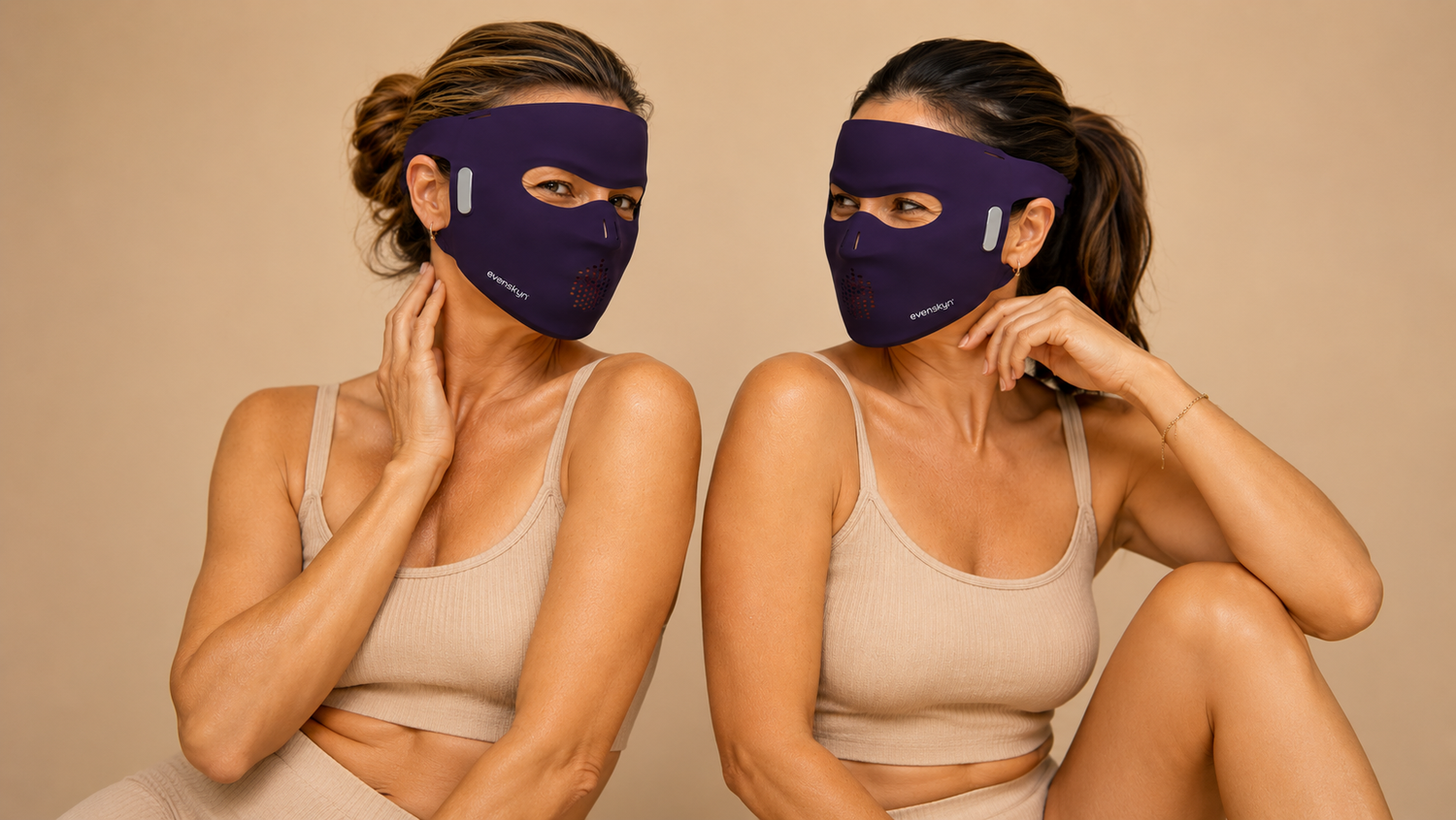
An at-home LED mask delivers light from arrays of light-emitting diodes at specific wavelengths to the skin surface, at irradiances roughly one tenth to one half of a clinic LED panel. The category is a specific application of photobiomodulation, the broader biological phenomenon discussed in the mechanism section that follows. It is not a thermal treatment, not an ablative treatment, and not a chemical treatment; the light energy is absorbed by intracellular chromophores rather than producing heat damage at the tissue level.
A clinic LED panel may deliver 100 to 200 mW per square centimeter at the skin surface. A non-ablative fractional laser delivers a thousand-fold or more at the target micro-column. Home LED masks deliver between roughly 15 and 60 mW per square centimeter on a typical 10 to 20 minute session, which puts them in the photobiomodulation window where cellular signaling responds and where ablative or coagulative thermal damage does not occur Mechanism.
The category covers three form factors: rigid mask (fits the contour of the face), flexible silicone mask (conforms more closely, often with higher LED density), and panel or wand (off-face, requiring the user to position the device by hand). This guide focuses on masks because the fixed contact distance and uniform exposure pattern are easier for a home user to apply consistently. The brand's separate dose-math piece walks through the irradiance numbers in more detail.[15]
Why the term spread
The cosmetic LED category had two distinct waves. The first ran from roughly 2003 to 2010 around clinic LED panels (GentleWaves, Omnilux PDT-style devices) and the publication of Lee 2007, which established split-face evidence for facial rejuvenation under controlled conditions. The second wave began around 2018 with the consumer-facing CurrentBody mask, accelerated through 2020 when home-skincare adoption spiked, and now includes several dozen brands selling masks at varied price and quality. Most of the recent surge in search interest reflects the second wave, in which the marketing has at times outpaced what the published clinical evidence on home-irradiance masks supports.
Mechanism
The mechanism of photobiomodulation is well established at the cellular level. Red and near-infrared photons in the roughly 600 to 1100 nm range are absorbed by cytochrome c oxidase, the terminal complex of the mitochondrial electron transport chain. The absorption event displaces inhibitory nitric oxide from its binding site, increases electron transport activity, and raises ATP production. Reactive oxygen species at low concentration act as signaling molecules. Downstream effects include increased fibroblast proliferation, modulation of inflammatory cytokines, and over time, modest collagen density increase in the dermis when sessions are repeated consistently Mechanism.[1, 2, 3]
The dose-response relationship is biphasic. At too-low irradiance the cellular signal does not trigger. At too-high irradiance the same molecules switch from beneficial to inhibitory or damaging. The therapeutic window is bounded on both sides. This is why "more is better" reasoning fails in this category and why session length, dimming, and weekly frequency need to land inside a published band rather than maximised Mechanism.[3] Figure 1 walks through the four-stage pathway from incident photon to dermal effect.
Terminology clarifier
Several terms point at the same underlying biology at slightly different intensities or in slightly different research contexts. Photobiomodulation (PBM) is the current preferred term in the academic literature. Low-level laser therapy (LLLT) is the older term and refers to the same biology delivered via coherent laser light rather than incoherent LED. LED therapy is the colloquial home-device term. Red light therapy is the consumer-marketing umbrella. All four refer to the same cellular response within the dose window discussed in this guide. Cold laser typically refers to clinic LLLT for musculoskeletal indications, not facial cosmetic LED. IPL (intense pulsed light) is a different category entirely: high-energy polychromatic pulses targeting chromophores like melanin and oxyhemoglobin, with a side-effect profile much closer to ablative laser than to LED photobiomodulation.
Disclosure and scope
EvenSkyn manufactures and sells at-home anti-aging devices, including LED phototherapy masks. The brand has a direct commercial interest in this category. Every claim in this guide is graded by evidence class to make that interest visible at the sentence level. Where the published evidence does not support what the brand might wish to claim, this guide says so. This piece is educational and does not constitute medical advice. A reader with an active skin condition, photosensitivity, recent dermatological procedure, or other medical concern should consult a board-certified dermatologist before beginning any energy-based at-home treatment.
What the clinic alternatives do
At-home LED sits at the gentlest end of a broad family of light-based and energy-based interventions. A clinic LED panel session delivers two to four times the irradiance of a home mask at the skin surface, often paired with topical photosensitizers. A non-ablative fractional laser session (Fraxel, Halo) delivers controlled thermal injury at micro-columns through the dermis and produces results in one session that home LED does not match across twenty. Microfocused ultrasound, marketed as Ultherapy and Sofwave, reaches the deep dermis and sub-dermal fascia and produces structural lift no surface-applied LED can drive. Fractional radiofrequency, in clinic devices like Morpheus 8, combines micro-channelling with deep dermal heating and is currently the most powerful non-surgical lift modality in widespread clinical use Human outcome.[10, 11]
If meaningful tightening is the goal, this is the honest answer
A reader whose primary concern is jowl reduction, visible neck banding, deep nasolabial folds, or correction of significant laxity should see a board-certified dermatologist or plastic surgeon for assessment before buying any home device. At-home LED is a maintenance, prevention, and texture-and-tone modality. The case for LED as a first device sits in a specific place: when a reader has either ruled out the higher-ceiling clinical options on cost, time, or side-effect grounds, or is layering a low-risk modality into an existing routine.
The single deciding factor
Consistency dominates everything else in at-home LED outcomes. Twelve weeks of three sessions a week at adequate irradiance will outperform six weeks of daily sessions at twice the irradiance. The biphasic dose response makes this counter-intuitive: more is not better past the therapeutic ceiling, and irregular high-intensity sessions produce worse outcomes than regular within-window sessions. The body of evidence supports landing in a narrow fluence band, three to five times a week, for at least eight to twelve weeks, then maintaining at two to three times a week indefinitely Human outcome.[4, 5]
Component breakdown by parameter
The seven specs that decide whether an LED mask earns a place in a routine, each graded by the evidence class supporting it.
Wavelength
- 630 nm (red). Targets papillary dermis fibroblasts and surface vascular structures. The most-studied wavelength for facial fine-line and texture improvement. Human outcome [4, 5]
- 830 to 850 nm (near-infrared). Reaches reticular dermis at deeper penetration. The most-studied NIR band for collagen support, paired with red in the Wunsch 2014 trial. Human outcome [4]
- 590 nm (yellow or amber). Some evidence for pigmentation and erythema modulation. Lower-confidence for facial anti-aging than 630 or 850. Mechanism
- 1072 nm (deep NIR). Deeper penetration than 850. The published support is concentrated in wound healing and one notable study on facial herpes simplex, not in home-use facial anti-aging. Lab-animal
- 415 nm (blue). Targets Cutibacterium acnes; useful for someone with combined acne and anti-aging concerns, and not required for an anti-aging-only routine. Human outcome
Irradiance
The single most under-specified spec on consumer LED masks. The published evidence range for facial anti-aging at red wavelengths sits at 5 to 20 joules per square centimeter per session. Fluence is irradiance times exposure time. A mask delivering 15 mW per square centimeter over a 10-minute session reaches 9 joules per square centimeter, which sits at the floor of evidence. A mask at 30 mW per square centimeter over 10 minutes reaches 18 joules per square centimeter, comfortably inside the band. A mask at 60 mW per square centimeter over 10 minutes reaches 36 joules per square centimeter, which sits above the evidence ceiling. Biphasic response means more is not necessarily better past that ceiling Human outcome.[3, 15] Figure 2 plots the geometry of that trade.
Dimming and intensity control
Three-level dimming, typically 100, 75, and 50 percent, lets a higher-output device land in the evidence window on a fixed timer rather than overshoot. A mask at 48 to 60 mW per square centimeter native irradiance, dimmed to 50 percent, delivers 24 to 30 mW per square centimeter, which across a 10-minute session lands at 14.4 to 18 joules per square centimeter, squarely inside the evidence band. The same mask at 100 percent on a 10-minute timer lands at 28.8 to 36, which is above ceiling and not, given the biphasic curve, better. Dimming is the spec that converts raw irradiance into therapeutic alignment Human outcome.[3, 15]
Pulse versus continuous wave
A 10 Hz pulse pattern has some mechanism support in the photobiomodulation literature: brief off-cycles allow tissue heat dissipation and may benefit mitochondrial signal kinetics. The clinical advantage of pulsed over continuous wave for facial anti-aging at LED-level irradiances is not yet conclusively demonstrated in head-to-head human trials. Treat pulse capability as a useful-if-present spec rather than a deciding factor Mechanism.[6]
Session length
10 to 20 minutes is the published range across the trials this guide draws from. Longer sessions do not produce proportionally better outcomes and risk the upper edge of the biphasic curve. A fixed 10-minute timer with adequate irradiance is a reasonable default for home use Human outcome.
Treatment area and contact distance
Mask designs that sit against the skin produce more uniform exposure than off-face panels at the same nominal irradiance, because exposure falls off with distance squared. A flexible silicone mask conforms more closely than a rigid plastic mask, which improves coverage of the nose, cheek hollows, and jawline. Panel-style devices treat larger areas including neck and chest but require the user to hold a consistent distance, which is harder than the fixed contact of a mask Mechanism.
Battery and cordless design
Cordless operation is a usability factor rather than a clinical one. A higher-capacity battery (3,000 to 4,500 mAh range in current Pro-class masks) supports longer wear-free use between charges, which correlates with consistency, which is the single deciding factor identified earlier.
An illustrative device specification (planned for late 2026)
The EvenSkyn Mirage Pro, planned for a late 2026 launch, is the brand's next execution of the category and a useful concrete reference for the parameters above. The device specifications, sourced to its product manual: a food-grade silicone shell across the face contour, 360 LEDs in a 90 by 4 array, four wavelength channels at 415, 590, 630, and a combined 850 and 1072 nm near-infrared band in a 1:1:1:1 ratio, peak surface irradiance of 48 to 60 mW per square centimeter, three-level dimming at 100, 75, and 50 percent, a fixed 10-minute session timer, a 10 Hz pulse mode, six pre-set modes (Repair at 630 nm, Rejuvenation at 590 plus 630, Anti-aging at 630 plus 850 plus 1072, Morning at all four red and NIR channels, Anti-acne at 415, and a composite Bedtime mode), a 4,000 mAh battery for cordless use, and a one-year manufacturer warranty.
The combination that matters analytically is the high native irradiance paired with dimming on a fixed timer. The Pro at 50 percent delivers 14.4 to 18 joules per square centimeter per session, which lands inside the published evidence range. This is the dimming-as-feature point: a device's high native irradiance is useful precisely because the dimming control lets the user dial down to where the published evidence supports the dose, on a session length that fits a daily routine.
The Pro is one of several current-generation masks that meet a similar specification ceiling. Omnilux Contour Face, CurrentBody Series 2, Dr. Dennis Gross DRx SpectraLite, Solawave Wrinkle Retreat Pro, Shani Darden Déesse Pro, Higher Dose, Therabody TheraFace, Foreo, Qure, and The Light Salon LED masks all sit in roughly the same category at varied price points; each makes its own trade-offs across native irradiance, channel count, dimming, session length, and form factor. The brand's full 2026 buyer comparison ranks twelve of these head-to-head against the framework described above, including the standard Mirage and the Mirage Pro alongside the competitor set. A reader who prefers a fully flexible silicone form factor over a rigid shell, or who needs a longer warranty, or who wants a specific channel architecture not described above, may be better served by one of those competitor devices, and the brand's buyer guide says so plainly where it applies.
The Pro is a meaningful step up from the original Mirage, which offered three colors (630, 415, and 583 nm), no NIR channel, no dimming, no pulse, and a different fixed timer. EvenSkyn manufactures both. That is the disclosure, and it is repeated here so the framing of the section is unambiguous: the math above is the standard, not any single device. A reader who is comparing masks should run the irradiance, dimming-level, fixed-timer, and derived-joules-per-square-centimeter calculation on whichever device is being considered. The math is the standard, not any single brand.
Which reader are you
- The prevention reader. Under 35, no significant laxity, looking to slow the onset of fine lines. LED is reasonable, and the lowest-risk first device.
- The fine-line management reader. 35 to 55, mild to moderate fine lines, no major laxity. LED is a reasonable primary device, with realistic expectations on the 8 to 12 week timeline.
- The clinic-maintenance reader. Has done in-office RF, microfocused ultrasound, or fractional laser and wants to maintain. LED is well suited to this layered role.
- The ruled-out-RF-or-ultrasound reader. Sensitive skin, photoaging in darker Fitzpatrick types with hyperpigmentation risk concerns, fillers or implants that contraindicate radiofrequency in the field, or limited tolerance for procedure cost or downtime. LED is a credible primary device for this reader, with the caveat that the ceiling is lower than what RF or ultrasound can deliver in a clinic.
- The combined acne and anti-aging reader. A device with a 415 nm channel is worth the upgrade over an anti-aging-only mask.
- The visible-laxity reader. Jowls, neck banding, deep nasolabial folds. The honest answer is to see a dermatologist before buying any home device. LED can be layered after, but not in front of, a clinical assessment.
Figure 4 below summarises this as a reader-to-modality decision tree.
Red light for specific areas
The evidence above is drawn largely from facial studies. Response varies by zone, and the honest answer changes depending on where you are pointing the device.
Red light therapy for the neck
The neck is one of the most requested applications and one of the most honestly responsive zones. Skin here is thinner than on the face, shows aging earlier, and is frequently neglected in skincare routines. Red light in the 630 to 660 nm range produces measurable improvement in texture, tone, and fine lines over 8 to 12 weeks of consistent use.
For the neck specifically, pair red light with targeted thermal treatment. Red light alone improves surface tone and texture, but meaningful neck tightening requires RF. Our full guide on red light therapy for neck and chest tightening walks through the protocol.
Red light therapy for smile lines and crow's feet
Periorbital and perioral areas are where red light tends to produce the most visible fine-line improvement in the shortest time, possibly because the skin here is thinner and the light penetrates more efficiently. Four to six weeks of consistent use typically shows measurable softening of fine lines.
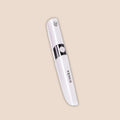
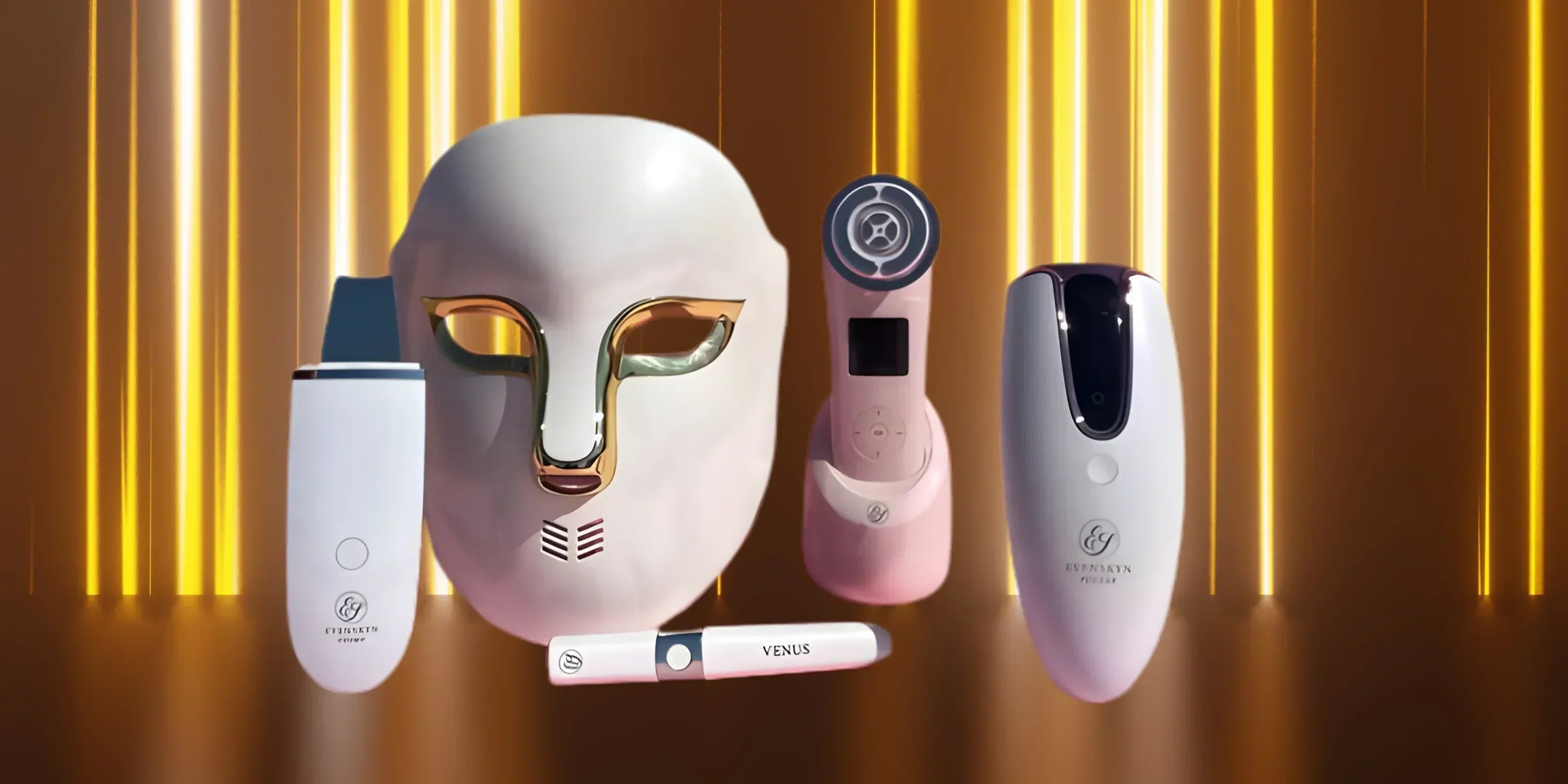
For the eye area specifically, standard face-sized devices are often not ideal: the anatomy of the orbital bone and the delicacy of periorbital tissue benefit from a device purpose-built for the zone. The EvenSkyn Venus is engineered for this application specifically.
Red light therapy for loose skin on the body
Above the neck, red light can meaningfully support skin quality. On the body, for abdomen after weight loss, post-pregnancy laxity, knee and elbow skin, the evidence is weaker. Body skin is thicker, the energy requirements are higher, and red light alone rarely produces the degree of tightening people are looking for. For significant body laxity, thermal modalities such as RF or ultrasound remain the appropriate primary tools. Red light is a supportive addition, not the main intervention.
Red light therapy during pregnancy
The honest answer: there is no strong evidence of harm, but there is also no large-scale safety data. Most device manufacturers, EvenSkyn included, list pregnancy as a contraindication out of caution. If you are pregnant or breastfeeding, do not use red light therapy without consulting your healthcare provider.
Safety comparison: LED vs RF vs HIFU
This is a comparison of side-effect profile across the three most common energy-based modalities a reader will consider, not a comparison of efficacy. RF and HIFU outperform LED on tightening when delivered in a clinic. They also carry side effects LED does not.
| Concern | LED at home (15 to 60 mW/cm²) |
RF at home (monopolar or bipolar) |
HIFU clinic (microfocused ultrasound) |
|---|---|---|---|
| Thermal burn risk | None at therapeutic irradiances | Low when used to protocol; documented if intensity is mismatched to skin | Real; clinic operator manages it |
| Hyperpigmentation, Fitzpatrick IV to VI | None reported in the home-irradiance literature | Documented in darker types if dwell time or intensity is miscalibrated | Documented; requires careful operator selection of parameters |
| Filler or implant contraindication | None | Yes; caution required near hyaluronic acid filler, biostimulators, metal implants | Cannot treat over filler; six-month wait often recommended |
| Fat-pad atrophy risk | None | Documented at high intensities, particularly mid-face | Documented; the published case literature is real |
| Eye safety | Eyes closed; periorbital safe with reasonable caution | Avoid orbit | Avoid orbit |
| Recovery after session | None | Mild erythema for hours | Mild to moderate erythema, occasional swelling, rare bruising |
| Photosensitizing-drug interaction | Real with isotretinoin, doxycycline, certain SSRIs, methotrexate | Less direct interaction but caution if skin is fragile | Less direct, but post-procedure skin is fragile |
The LED column is clean across nearly every category in this table. That is the safety case. It is not, on its own, an efficacy case. Figure 3 plots where each modality sits on the safety-against-efficacy trade. For the modality comparison on efficacy and the broader decision, see the brand's existing decision-stage piece on red light versus radiofrequency versus microcurrent.[13, 14]
Red light versus microcurrent and Botox
The comparison above covers LED against the two energy modalities it is most often confused with. Two further comparisons come up constantly and deserve a direct answer, because in both cases the two things are not competing for the same job.
Red light versus microcurrent
Completely different layers. Red light works on cellular function in the skin. Microcurrent works on muscle tone in the facial muscles beneath the skin. If your primary concern is fine lines, tone, and skin quality, red light is more directly relevant. If your primary concern is jawline definition and mid-face lift, microcurrent is. Most people over 40 benefit from both. For a side-by-side, see our microcurrent versus red light therapy breakdown.
Red light versus Botox
Different categories entirely. Botox paralyses small muscles to mask dynamic wrinkles; red light supports collagen and cellular function to improve skin quality. Many women over 40 find that a consistent red light and RF protocol reduces their perceived need for Botox, not because it replaces the mechanism, but because the underlying skin improvement makes the residual lines feel less urgent. They are not interchangeable, but they serve overlapping goals.
By the numbers
How to read these figures: any device specification or session protocol that falls outside these ranges should trigger a question. The numbers are reading rules, not a marketing brochure.
- Evidence fluence range, facial anti-aging at 630 to 660 nm: 5 to 20 J/cm² per session.[4, 3]
- Sessions per week (evidence range): 3 to 5.
- Weeks to clinical photography change: 8 to 12 minimum.
- Typical home-mask irradiance, current generation: 15 to 60 mW/cm². The floor is 15. The Pro-class ceiling is around 60.
- Penetration depth: 630 nm reaches 0.5 to 2 mm (papillary dermis). 850 nm reaches 3 to 5 mm (reticular dermis).
- Session length: 10 to 20 minutes. Longer is not linearly better.
- Cost of a current-generation Pro-class home mask: roughly 300 to 600 USD.
A device claiming 30-minute sessions on a daily schedule, sub-15 mW/cm² irradiance, or "results in two weeks" is asking the user to do more or expect more than the published evidence supports.
Evidence-aligned protocol
Phase 1, weeks 1 to 4: build tolerance
Three sessions per week, on alternating days. Clean skin only; no occlusive products underneath. Session length per the device's fixed timer (10 minutes for most current Pro-class masks). Eyes closed for the duration. If a 415 nm anti-acne mode is available and acne is a concurrent concern, alternate anti-aging and anti-acne sessions rather than stacking both per session.
Phase 2, weeks 5 to 12: peak
Four to five sessions per week. Maintain consistency more than intensity. Layer adjuncts in the routine outside the LED session itself: a retinoid on non-LED evenings (the brand has a dedicated piece on red light therapy and retinol layering), a vitamin C antioxidant serum in the morning, daily SPF. Photography in consistent lighting at week 6 and week 12 is the most reliable way to assess progress.
Phase 3, week 13 onward: maintenance
Two to three sessions per week. Most users find this is the cadence they can sustain indefinitely. Stopping fully returns to baseline over 8 to 16 weeks because the photobiomodulation effect is not a one-time structural change but a maintained signaling stimulus.
The guide's recommendation
At-home LED phototherapy belongs in an anti-aging routine for readers at the prevention stage, in the fine-line-management stage, or layering after clinical procedures. It is the wrong primary intervention for meaningful laxity, where a board-certified dermatologist is the right first stop, not any home device.
At-home LED phototherapy is a credible low-risk anti-aging device for readers who are managing fine lines, maintaining post-clinical results, or have ruled out radiofrequency or focused ultrasound on side-effect grounds, with the realistic expectation that visible change requires 8 to 12 weeks of consistent use at a fluence of 5 to 20 joules per square centimeter per session, three to five times per week.
Realistic timeline
- Weeks 1 to 2. Nothing visible. Skin should feel calm and tolerate the session without irritation.
- Weeks 4 to 6. Subtle texture and tone improvement, possibly a brighter look in mirror selfies under consistent lighting. Fine lines are usually unchanged at this stage.
- Weeks 8 to 12. Fine line softening that holds up to side-by-side photography in consistent lighting. The published RCT endpoints typically land here.
- Week 12 onward. A maintenance plateau. Stopping returns to baseline over 8 to 16 weeks.
If week 8 photographs show no change under consistent lighting, the most likely explanations are inadequate fluence (irradiance too low or session too short), inadequate frequency (fewer than three sessions per week), or a different underlying concern such as photodamage, hyperpigmentation, or deeper laxity that LED cannot address. A dermatology consult is the better next step than a different mask.
Cost framing
The home LED face mask category sits at roughly 300 to 600 USD for current-generation Pro-class devices with multi-wavelength, multi-channel, fixed-timer designs. Sub-100 USD devices typically fall below the evidence-floor irradiance and are not addressed in this guide. The standard Mirage and the Mirage Pro span the lower and upper portions of that range. EvenSkyn does not publish a fabricated comparison cost table here; the detailed pricing and feature comparison sits in the dedicated 2026 buyer guide on LED face masks.[14]
Safety
Normal sensations
Gentle warmth during the session, particularly with near-infrared. Mild pinkness immediately after, settling within 30 minutes. A faint sensation of relaxation in the facial muscles for some users.
When to stop and consult a dermatologist
Stinging or sharp pain during the session. Persistent erythema lasting more than two hours after a session. Visible hyperpigmentation. Blistering. New onset of itching, rash, or photo-distributed erythema in a pattern matching the mask coverage.
Do not use
- Active skin malignancy or suspected malignancy in the treatment field. See a dermatologist for assessment first.
- Photosensitizing medications, including isotretinoin (Accutane), doxycycline and other tetracyclines, certain SSRIs, methotrexate, certain antifungals, and St John's wort. The interaction list is long; if any prescription is in the routine, check with the prescribing physician.
- Diagnosed photosensitivity disorders such as lupus, porphyria, polymorphic light eruption, or solar urticaria.
- Pregnancy and lactation, in the absence of explicit obstetric clearance. The brand's pregnancy-specific piece walks through the considerations.[12]
- Over recent dermal filler, until the duration the injector specifies has passed. Surface LED is typically permissible at two to four weeks; deeper modalities require longer.
- Over active herpes simplex outbreaks. Consult the prescribing dermatologist before resuming.
- Eye protection: eyes closed for the duration of every session is the floor. Some users prefer opaque goggles, particularly with 1072 nm channels active.
Sunscreen interaction, post-procedure use, and the eye area
LED phototherapy does not replace sunscreen. The wavelengths used in home LED masks do not provide UV protection and are biologically distinct from the UVA and UVB ranges responsible for photodamage. Continue daily SPF independent of LED use.
Post-procedure use, including after non-ablative laser, microneedling, and microfocused ultrasound, is sometimes recommended by the treating clinician for accelerated wound healing. The published evidence on home-device post-procedure LED is thinner than the clinic-device literature, and protocols vary by procedure. Follow the treating clinician's specific post-procedure guidance rather than a generic LED schedule.
Periorbital use is acceptable with eyes closed. Direct LED illumination of an open eye is not safe; the retina absorbs visible-spectrum light efficiently. Users with periorbital concerns (puffy eyes, fine lines around the eye, dark circles) should also consider dedicated periorbital devices designed for that anatomy; a generic face mask covers the orbital ridge but is not optimized for the under-eye contour.
How EvenSkyn evaluates a device
The seven questions the brand asks of any LED device before evaluating it, including its own:
- Does the manufacturer publish the irradiance at the skin surface in mW/cm², with the measurement method specified?
- Does the device deliver red around 630 nm and near-infrared around 830 to 850 nm at adequate irradiance? The presence of additional channels matters less than whether the two evidence-strongest bands are covered.
- Is the session timer fixed and documented, so the user can compute fluence?
- Does the device have a dimming or intensity control that lets the user land the session inside the evidence band?
- Does the form factor (mask, panel, or handheld) match the user's treatment goal and consistency capacity?
- Does the warranty cover at least one year, ideally two? Warranty length is a proxy for manufacturer confidence.
- Is the manufacturer transparent about what the device does and does not do? A spec sheet that doesn't list irradiance is a red flag.
The recommendation, in plain terms
Buy an LED mask if the goal is prevention, fine-line management, post-clinic maintenance, or a low-risk addition to a routine where higher-ceiling modalities have been ruled out. Run the irradiance-times-fixed-timer math on whichever device is being considered to confirm the session lands inside 5 to 20 joules per square centimeter. Commit to 8 to 12 weeks at three to five sessions per week before judging results. Photograph progress in consistent lighting at weeks 6 and 12. The brand's full 2026 buyer comparison ranks twelve current masks against this framework, with the Mirage Pro and the standard Mirage both included alongside competitors.[14]
Mistakes and myths
Myth: More wattage is always better.
The dose response is biphasic. Above the therapeutic ceiling, additional irradiance produces no additional benefit and may produce less. The right reading of a high-output mask is that dimming gives the user the option to land in the evidence window on a fixed timer.
Myth: Red light therapy replaces sunscreen.
It does not. LED masks do not emit in the UVA or UVB range. SPF remains the foundation of any anti-aging routine. The brand's dedicated piece on red light versus sunscreen walks through the wavelength biology.
Myth: A 30-minute session is better than a 10-minute one.
Likely no, possibly worse. The biphasic curve and the published session lengths argue for staying inside the band, not exceeding it.
Myth: All "red light therapy" devices are equivalent.
Irradiance spans roughly 5 to 10 times across the consumer category. Two masks with identical claimed wavelengths can deliver very different doses.
Myth: LED replaces a clinic visit for sagging skin.
It does not. The honest no in this guide is the answer here.
Myth: You need a specific brand of serum under the mask.
Clean skin and no occlusives is the safest default. Serum layering is an optimization, not a requirement, and the published layering guidance the brand maintains in a separate piece sets out what does and does not pair safely.[14]
Myth: Blue light is necessary for anti-aging.
415 nm targets acne bacteria, not anti-aging biology. It is useful for someone with combined acne and anti-aging concerns; it is not required for an anti-aging-only routine.
The case against the recommendation
A reader with meaningful skin laxity (visible jowls, neck banding, deep nasolabial folds) will be disappointed by at-home LED. The right move is a derm consult and one of three clinical paths: in-office fractional radiofrequency, microfocused ultrasound, or surgical consultation. LED can be layered after as maintenance; it cannot substitute for the structural intervention.
A reader without 30 to 50 minutes per week to commit to sessions over a 12-week period will not see the results the protocol promises. A monthly clinic visit may be a better fit for someone with consistency limits.
A reader on a photosensitizing medication, with a photosensitivity disorder, or with a contraindication listed in the safety section should not use LED at home. A small subset of users report subjective intolerance to red light exposure even without a formal diagnosis; that is also a real reason to choose a different modality.
What would change the view
If a multi-centre randomized controlled trial of home LED masks at evidence-band irradiance for 12 or more weeks demonstrated clinical-photography change comparable to in-office radiofrequency or microfocused ultrasound, EvenSkyn would revise the comparative claims in this guide. The current literature does not support that comparison.
If new RCT evidence emerged that 1072 nm at home produced outcomes beyond what 850 nm produces at the same fluence in the same population, the wavelength-architecture section would be revised. The current evidence treats 1072 nm as a useful-if-present spec rather than a requirement.
If a head-to-head trial established that pulsed-mode LED at home outperformed continuous wave on facial anti-aging endpoints at matched fluence, the pulse section would be upgraded from Mechanism to Human outcome. The current evidence does not yet make that case at home irradiances.
Frequently asked questions
Does at-home LED actually tighten loose skin?
In a clinically meaningful sense, no. The published evidence supports fine-line softening, texture improvement, and modest collagen density gains. Visible laxity reduction is the territory of in-office radiofrequency, focused ultrasound, or surgical intervention.
Which wavelengths matter most?
630 nm red and 830 to 850 nm near-infrared are the two evidence-strongest bands for facial anti-aging. A device covering both at adequate irradiance is sufficient for most users.
How soon after surgery can I use red light therapy?
It depends on the procedure and the treating clinician's guidance. Some clinicians recommend LED for accelerated wound healing as early as 48 to 72 hours post-procedure; others delay to two weeks. Follow the specific post-operative guidance rather than a generic schedule. The brand maintains a separate piece on post-procedure red light therapy that walks through the considerations.[14]
Can I use red light therapy around my eyes?
Yes, with eyes closed for the duration of every session. A generic face mask covers the orbital ridge but is not optimized for the under-eye contour; users with specific periorbital concerns may want a dedicated eye-area device alongside or instead of a face mask.
How long until I see results?
Subtle texture change at four to six weeks. Fine line softening at eight to twelve weeks. The published RCT endpoints typically land at 12 weeks.
Can I use LED with retinol?
Yes, with sequencing. Most clinicians recommend separating retinoid application from LED sessions, with retinoid on non-LED evenings. The brand's dedicated retinol-pairing piece walks through the protocol options.[14]
Does red light therapy replace sunscreen?
No. LED masks do not emit UV. SPF remains a daily requirement independent of LED use.
Is LED safe for darker Fitzpatrick skin types?
Yes, with the same protocol. LED does not carry the hyperpigmentation risk that radiofrequency, intense pulsed light, and certain laser modalities carry in darker skin types. This is one of the strongest reasons LED is the lowest-risk first device for readers with Fitzpatrick IV to VI skin.
Can I use red light if I am on HRT or estrogen replacement?
Yes. Red light therapy and hormone replacement work via completely different mechanisms and are fully compatible. Many women in perimenopause or menopause find they see faster results from red light when combined with HRT, because the underlying fibroblast environment is supported from both directions.
What is better, a red light mask or a panel?
It depends on your goal. Panels offer larger treatment areas and are better for whole-body use. Masks offer convenience and consistent face coverage. Handheld combination devices that pair red light with RF and microcurrent offer the most efficient session-per-session results for skin-specific goals. None is universally best: the right choice depends on your use case and whether you are treating one layer or several.
If I can only buy one device, should I get red light or RF?
For women over 40 whose primary concern is firmness, laxity, or loss of structural support, a combined RF and red light device is the single highest-value choice. It addresses the structural mechanism through RF and the cellular mechanism through red light in one session. Standalone red light is a reasonable choice if your concern is purely tone, texture, and early fine lines without significant laxity.
Methodology, author, and standards
Methodology. Eighteen-month review of PubMed-indexed literature on photobiomodulation for facial anti-aging from 2007 through 2025, with priority given to randomized controlled trials, split-face designs, and the most recent systematic review available (Glass 2021). EvenSkyn's editorial policy requires evidence-class labels on every scientific sentence and affiliation flags on every reference where an industry or manufacturer relationship exists. The Mirage Pro device specifications discussed in section 11 are sourced to the manufacturer's product specification sheet (model G11). The standard Mirage specifications referenced are sourced to the live product manual. Content reviewed at least twice per year, or sooner when substantive new evidence warrants. Next scheduled review: November 2026.
Author and reviewer. Clinical review by Dr. Lisa Hartford, MD. Trained at Johns Hopkins University School of Medicine; fellowship at Mayo Clinic. Doctor-in-Residence at EvenSkyn. Reviews the safety protocols, contraindication lists, and clinical claims for all device documentation, including the Mirage Pro product manual and the MicroInfuser User Manual (Edition 1, 2026). Full biography available on the EvenSkyn website.
Corrections. Substantive corrections are logged in the update log at the foot of this piece. Minor copyediting is silent.
Conflict of interest. EvenSkyn manufactures and sells LED phototherapy masks (Mirage, Mirage Pro) discussed in this guide. The brand has a direct commercial interest. References to specific products are illustrative; the analytical framework is applicable to any device the reader is evaluating.
References
- Karu TI. Mitochondrial signaling in mammalian cells activated by red and near-IR radiation. Photochem Photobiol. 2008;84(5):1091-1099. PMID: 18651871. DOI: 10.1111/j.1751-1097.2008.00394.x. Foundational mechanism paper on cytochrome c oxidase as the primary photoacceptor for visible and near-infrared light in mammalian cells. Single-investigator institute (Institute of Laser and Information Technologies, Russian Academy of Sciences) with no commercial affiliation declared.
- Avci P, Gupta A, Sadasivam M, Vecchio D, Pam Z, Pam N, Hamblin MR. Low-level laser (light) therapy (LLLT) in skin: stimulating, healing, restoring. Semin Cutan Med Surg. 2013;32(1):41-52. PMID: 24049929. PMCID: PMC4126803. Hamblin laboratory review of LLLT mechanism, cellular signaling pathways, and clinical translation in dermatology. Wellman Center for Photomedicine at Massachusetts General Hospital and Department of Dermatology at Harvard Medical School. Academic; no industry funding declared; lead Hamblin laboratory receives NIH grant support
- Huang YY, Sharma SK, Carroll J, Hamblin MR. Biphasic dose response in low level light therapy: an update. Dose Response. 2011;9(4):602-618. PMID: 22461763. PMCID: PMC3315174. DOI: 10.2203/dose-response.11-009.Hamblin. The standard reference for the Arndt-Schulz biphasic dose-response curve in photobiomodulation. One co-author (Carroll) affiliated with THOR Photomedicine, an LLLT manufacturer
- Wunsch A, Matuschka K. A controlled trial to determine the efficacy of red and near-infrared light treatment in patient satisfaction, reduction of fine lines, wrinkles, skin roughness, and intradermal collagen density increase. Photomed Laser Surg. 2014;32(2):93-100. PMID: 24286286. PMCID: PMC3926176. DOI: 10.1089/pho.2013.3616. 136 participants randomized to a 611 to 650 nm red light source, a 570 to 850 nm polychromatic source, or no-treatment control, twice weekly for fifteen weeks. Statistically significant improvements in skin roughness (digital profilometry), intradermal collagen density (ultrasound), and blinded clinical photography in both active arms. The single most-cited home-relevant RCT for facial anti-aging. Principal investigator (Wunsch) was mandated and remunerated by the sponsor JK-International GmbH, the device manufacturer
- Lee SY, Park KH, Choi JW, et al. A prospective, randomized, placebo-controlled, double-blinded, and split-face clinical study on LED phototherapy for skin rejuvenation. J Photochem Photobiol B. 2007;88(1):51-67. PMID: 17566756. DOI: 10.1016/j.jphotobiol.2007.04.008. Split-face RCT in 76 patients comparing 830 nm alone, 633 nm alone, combined 830/633 nm, and sham, twice weekly for four weeks. Established the modern wavelength reference for facial LED phototherapy.
- Barolet D, Roberge CJ, Auger FA, Boucher A, Germain L. Regulation of skin collagen metabolism in vitro using a pulsed 660 nm LED light source: clinical correlation with a single-blinded study. J Invest Dermatol. 2009;129(12):2751-2759. PMID: 19587693. DOI: 10.1038/jid.2009.186. Tissue-engineered human reconstructed skin model plus a split-face single-blinded human study; reported a 31 percent increase in type-1 procollagen and an 18 percent reduction in MMP-1 after eleven 660 nm pulsed LED sessions. Lead author Barolet is founder of RoseLab Skin Optics Laboratory, an LED device research group
- Couturaud V, Le Fur M, Pelletier M, Granotier F. Reverse skin aging signs by red light photobiomodulation. Skin Res Technol. 2023;29(7):e13391. PMID: 37522491. DOI: 10.1111/srt.13391. Open-label study of 20 women, 630±10 nm red LED at 15.6 J/cm² over 12 minutes, twice weekly for three months, reporting progressive improvement in clinical aging indicators over the treatment window. Authors affiliated with Parfum Christian Dior (LVMH); one co-author was a consultant for Lucibel Group, the LED device manufacturer; no placebo or sham control arm
- Glass GE. Photobiomodulation: the clinical applications of low-level light therapy. Aesthet Surg J. 2021;41(6):723-738. DOI: 10.1093/asj/sjab025. Narrative review of the clinical evidence base for photobiomodulation across dermatologic indications, including facial rejuvenation, with discussion of the regulatory framework and the heterogeneity of published protocols. Author is an attending plastic surgeon at Sidra Medicine and a clinical editor of the journal.
- Ablon G. Phototherapy with light emitting diodes: treating a broad range of medical and aesthetic conditions in dermatology. J Clin Aesthet Dermatol. 2018;11(2):28-37. PMID: 29552272. Narrative review across LED indications. Author is principal investigator on LED device clinical trials with industry sponsorship history
- Beasley KL, Weiss RA. Radiofrequency in cosmetic dermatology. Dermatol Clin. 2014;32(1):79-90. PMID: 24267425. Reference for RF mechanism, indications, and side-effect profile used in the modality comparison.
- Sasaki GH, Tevez A. Microfocused ultrasound for nonablative skin and subdermal tightening to the periorbitum and body sites: preliminary report on eighteen patients. Aesthet Surg J. 2012;32(5):601-612. PMID: 22745449. Reference for HIFU mechanism, indications, and side-effect profile.
- Dompe C, Moncrieff L, Matys J, et al. Photobiomodulation, underlying mechanism and clinical applications. J Clin Med. 2020;9(6):1724. PMID: 32503238. Recent broad review covering safety, contraindications, and mechanism across PBM applications.
- Posten W, Wrone DA, Dover JS, Arndt KA, Silapunt S, Alam M. Low-level laser therapy for wound healing: mechanism and efficacy. Dermatol Surg. 2005;31(3):334-340. PMID: 15841638. Reference for the photobiomodulation wound-healing literature relevant to post-procedure use.
- EvenSkyn internal references: the Mirage Pro product specification sheet (model G11, 2026); the standard Mirage product manual; the Lumo+ product manual; the brand's published companion pieces on LED face mask buyer comparison, dose math, retinol pairing, post-procedure use, and modality comparison, all cross-linked in the Related Reading section. Manufacturer-internal documentation
- Sutterby E, Thurgood P, Baratchi S, Khoshmanesh K. Evaluation of in vitro human skin models for studying effects of external stressors and stimuli and developing treatment modalities. VIEW. 2022;3(4):20210012. Reference for the limits of in-vitro and ex-vivo models in translating PBM evidence to home use.
Update log
- May 21, 2026 (Edition 1). Article published. Thirteen prior URLs have been 301-redirected into this URL per the deployment companion: the prior "ultimate guide to skin tightening" piece, the firmness routine, the beginners guide, the laxity articles, the wrinkles and fine lines piece, and three Mirage-promotional pieces.
- May 21, 2026. The Mirage Pro is described in this article as an illustrative device specification, sourced to its pre-launch product specification sheet; the device is planned for a late 2026 launch. By editorial policy, no product link is included in this article; readers can locate the device via the EvenSkyn LED collection if desired.
- May 21, 2026. Standing-catch on the dominant pattern in the home LED evidence base (small open-label studies and combined-modality designs) recorded in section 3 of the article.
If you want to act on this
If a mask is the right tool for your goal, our Mirage covers the core wavelengths at home. If firmness is the actual goal, be aware red light supports skin quality but does not lift; that job belongs to RF and EMS, which is why many readers pair light therapy with the Lumo+. Both are ours, and the honest hardware comparison lives in our RF device guide.


Leave a comment
All comments are moderated before being published.
This site is protected by hCaptcha and the hCaptcha Privacy Policy and Terms of Service apply.