

Medically Reviewed by Dr. Lisa Hartford, MD
The Hero Molecules of At-Home Microinfusion: PDRN, EGF, GHK-Cu, and the Science of Hollow-Needle Serum Delivery
Eight things to know about microinfusion serum delivery
- Fact 01The stratum corneum is 10 to 30 microns thick and blocks any topical molecule larger than 500 Daltons. Microinfusion's hollow microneedles bypass this barrier at a fixed 0.5mm depth.
- Fact 02PDRN, EGF, and GHK-Cu are all too large to cross intact skin in meaningful concentrations. Each requires a delivery technology like microinfusion to reach the dermis where fibroblasts live.
- Fact 03GHK-Cu plasma levels fall from roughly 200 ng/mL at age 20 to under 80 ng/mL by age 60, a 60 percent decline that microinfusion can directly replenish at the dermal layer.
- Fact 04Microinfusion is not microneedling. Hollow needles deliver serum during channel formation; solid needles only create channels and the serum is applied separately.
- Fact 05The MicroInfuser uses 24-karat gold-plated needles at a fixed 0.5mm depth, the same architectural principle as clinical AquaGold at 0.6mm.
- Fact 06Microneedle channels close within 2 to 24 hours in vivo per OCT imaging studies. The infusion window is brief, which is why simultaneous serum delivery matters more than post-application.
- Fact 07Argireline shows 48.9 percent subjective wrinkle improvement versus 0 percent placebo in clinical trial when delivered effectively, with topical penetration as the main efficacy ceiling.
- Fact 08Collagen-driven changes from at-home microinfusion typically emerge at weeks 6 to 8, deepen at months 3 to 6, and require bi-weekly sessions sustained over four to six months.
The 30-second verdict on at-home microinfusion molecules
The honest answer most skincare guides won't give you: at-home microinfusion is one of the few cosmetic categories where the underlying biology genuinely changes when the delivery technology changes. A peptide that does nothing in a face cream can do measurable work through a hollow microneedle, because the molecule never reached the cells it was supposed to act on until you gave it a channel. That's not marketing language. That's the published pharmacokinetic profile of every macromolecule we discuss in this guide.
What this guide gives readers, that most microinfusion articles don't, is a molecule-by-molecule, mechanism-by-mechanism breakdown. PDRN does one thing. EGF does another. GHK-Cu does a third. The hyaluronic acid family inside the serum does a fourth. None of them are interchangeable. None of them work the same way. Knowing which molecule does which job is the entire point of choosing a microinfusion device over a derma roller or a stamp without sealed serum delivery.
What this microinfusion molecule guide covers
This guide is for you if
Ideal Reader
- You already own or are considering an at-home microinfusion device and want to understand what's actually being delivered into your skin
- You've seen the PDRN, EGF, and GHK-Cu labels on serums and want clinical context, not influencer language
- You're choosing between in-clinic AquaGold and at-home alternatives and want the molecular case for each
- You want sourced answers, not "this peptide is amazing" deflections
You can skip this if
- You want a buyer's framework for which microinfusion device to purchase (read our companion at-home microinfusion device guide instead)
- You're looking for derma roller or motorized microneedling pen guidance (different mechanism, different content)
- You want a one-paragraph yes-or-no recommendation without molecular context
- You're pregnant or breastfeeding (microinfusion is generally deferred until postpartum; read our pregnancy skincare guide)
Which molecules in a microinfusion serum actually do something? Four molecule families have peer-reviewed clinical evidence supporting their use in microinfusion-style delivery: copper tripeptide GHK-Cu (collagen synthesis, gene-expression modulation), recombinant epidermal growth factor or sh-Oligopeptide-1 (keratinocyte proliferation, dermal restructuring), polydeoxyribonucleotide PDRN (adenosine A2A receptor activation, fibroblast stimulation, anti-melanogenesis), and a multi-molecular-weight hyaluronic acid system (50 kDa to 2000 kDa fractions, each with different penetration depth and biological role). Acetyl Hexapeptide-8 (Argireline) and niacinamide round out a well-formulated serum, and Centella asiatica supports post-procedure barrier recovery.
The mechanism in one sentence: hollow gold-plated microneedles at fixed 0.5mm depth create temporary channels through the stratum corneum, the upper epidermis, and into the papillary dermis where fibroblasts live; the sealed serum vial pushes its payload through those channels during the brief 2-to-24-hour window before the channels close, delivering each molecule to the cellular layer it acts on rather than depositing it on top of an intact skin barrier where most of it would have done nothing.
The Science of Hollow-Needle Serum Delivery
Microinfusion is not microneedling: the distinction that determines outcomes
The skincare-content industry treats microinfusion and microneedling as synonyms. They are not. The difference is architectural, mechanistic, and clinically meaningful. Solid microneedles create channels and the user separately applies a serum that may or may not reach the channels before they close. Hollow microneedles deliver serum through the channel during the act of channel creation itself, which is the only point at which the dermal layer is actually accessible to a topical molecule the size of a peptide.
This is not a marketing distinction. The Optical Coherence Tomography work by Hubinger and colleagues documented that microneedle-induced channels close measurably within hours of insertion, with full barrier restoration on the order of 24 hours for shallow channels[4]. A serum patted on after the device comes off is competing against rapid channel closure for access to the dermis. A serum pushed through the needle bore during stamping does not have that competition.
Iriarte and colleagues at George Washington documented this expanding evidence base in their 2017 Clinical, Cosmetic and Investigational Dermatology review, cataloguing the technique across acne scars, alopecia, melasma, photoaging, and drug delivery applications[3]. The 2024 Cureus systematic review by Jaiswal and Jawade reaches the same conclusions across more than 60 cited studies: the wound-healing cascade and the delivery enhancement are two separable mechanisms, and which one dominates depends on needle depth, needle architecture, and how the serum is introduced[1].
Four ways the standard answer fails real users
When patients ask their dermatologist about at-home microinfusion, the standard answer rarely accounts for what's actually happening at the molecular level. Four failure modes recur in the literature and in clinical practice.
Failure 01
Treating all microneedling devices as equivalent. A derma roller drags solid needles across skin at variable depth. A motorized clinical pen oscillates at high frequency between 0.5 and 2.5mm. A hollow-needle microinfusion stamp at fixed 0.5mm with simultaneous serum delivery is a third category. Conflating them produces wildly inconsistent expectations.
Failure 02
Ignoring molecule size. The stratum corneum admits molecules under 500 Daltons[34]. GHK-Cu sits at 340 Da and can passively cross at low concentrations. EGF at roughly 6,000 Da, PDRN as a polymeric mixture, and hyaluronic acid above 50 kDa cannot. The question of whether a serum "works topically" is largely a function of whether its molecules ever cross the skin barrier.
Failure 03
Confusing "absorbs into the skin" with "reaches the dermis". Many topical serums absorb into the upper epidermis without ever reaching the papillary dermis where fibroblasts live. Cosmetic-grade collagen, elastin, and matrix remodeling all happen below the basement membrane. Anything that fails to cross that boundary cannot induce them.
Failure 04
Discussing peptides as if they all do the same thing. The peptide category includes signal peptides (GHK-Cu, palmitoyl peptides), neurotransmitter inhibitors (Argireline / AH-8), and growth-factor analogs (sh-Oligopeptide-1). Each binds a different receptor and triggers a different downstream pathway. "A peptide serum" is a phrase that should always be followed by which peptides.
The percutaneous mechanism: from stratum corneum to fibroblast
The skin's barrier function is not an accident. The stratum corneum exists to keep things out, and it does so with structural sophistication. The classic Bouwstra model describes the layer as a brick-and-mortar arrangement: corneocytes (the "bricks") are tightly packed flattened cells held together by intercellular lipids (the "mortar") arranged in lamellar bilayers. The structure admits water vapor outward, blocks aqueous solutions inward, and grants minimal passage to lipophilic molecules with a logP between 1 and 3 and a molecular weight under approximately 500 Daltons[34].
Microneedling-and-microinfusion devices defeat that barrier mechanically. At 0.5mm, a stamped microneedle traverses the stratum corneum (typically 10 to 30 microns), passes through the viable epidermis (50 to 100 microns), and lands in the upper papillary dermis (which begins around 100 to 150 microns deep). The viable epidermis is where keratinocytes live and respond to EGF signaling. The papillary dermis is where fibroblasts respond to mechanical injury by triggering the wound-healing cascade and to GHK-Cu, PDRN, and growth factors by initiating collagen synthesis[2].
Microneedling enhances drug delivery in three ways simultaneously, per the StatPearls dermatology reference and the Coelho 2022 review. First, it bypasses the stratum corneum directly. Second, it has been shown to widen the follicular infundibulum by approximately 47 percent, which increases follicular-route penetration of molecules that travel down hair shafts. Third, the controlled micro-injury upregulates expression of permeability proteins in surrounding skin, modestly increasing diffusion into adjacent untreated zones[2][35].
Hollow microneedles add a fourth mechanism that solid microneedles cannot: the molecule is delivered during channel formation, not after. This matters because of the time scale. Hubinger's OCT work documented full epidermal closure of 0.2 to 0.5mm channels within hours, with measurable closure beginning within minutes of needle withdrawal[4]. The serum's window of dermal access is therefore brief by design. A sealed-vial-to-head device pushes its payload through the bore while the channel is being created and the surrounding tissue is at its most permeable. A pour-on-after technique competes against active closure.
The Quinlan 2022 home-microneedling study in the Journal of Cosmetic Dermatology is the cleanest at-home efficacy signal in the literature: 11 women aged 33 to 61 received twice-daily topical growth factor serum plus twice-weekly microneedling at 0.2mm over three months. VISIA imaging analysis showed measurable improvements in skin texture, fine lines, and pigmentation[5]. The follow-up 2023 systematic review by the same team covered 33 studies and 1,180 participants across 23 different growth factor preparations and concluded that topical growth factor application is effective for facial skin rejuvenation, particularly when delivery is enhanced[6].
"The clinical question is no longer whether microneedling-enhanced delivery works. It does. The question is whether the molecule on the other side of the channel is one that benefits from getting to the dermis."
Dr. Ismail Kimji, MD, FRCPC
The four hero molecules of at-home microinfusion
The serum is half the device. A beautifully engineered hollow-needle stamp paired with a generic glycerin-and-hyaluronic-acid filler is doing the easier half of the work and asking the formulation to do the lazier half. The Syntha-Pep serum paired with the MicroInfuser was designed around four molecule families that each have peer-reviewed clinical evidence supporting their use specifically in microinfusion-style or microneedling-enhanced delivery contexts.
GHK-Cu (Copper Tripeptide-1): the most evidence-supported peptide in skin science
GHK-Cu is glycyl-L-histidyl-L-lysine bound to a copper ion. Loren Pickart isolated it from human plasma in 1973 while investigating why blood plasma from younger donors stimulated regeneration in older liver tissue more effectively than plasma from older donors. The active fragment turned out to be a 340-Da tripeptide with extraordinarily high affinity for copper. Five decades of follow-on research have positioned GHK-Cu as one of the most thoroughly characterized signaling molecules in dermatology.
The biology is unusual. GHK-Cu acts through multiple mechanisms simultaneously. At nanomolar concentrations (1 to 10 nM), it stimulates collagen, glycosaminoglycan, and proteoglycan synthesis in dermal fibroblasts. It modulates the expression of more than 4,000 human genes by Broad Institute Connectivity Map analysis, including 84 cancer-suppressing or growth-inhibitory genes, per the Pickart 2018 review in International Journal of Molecular Sciences[10]. It is a cofactor for lysyl oxidase, the enzyme that crosslinks new collagen and elastin into mature, stable matrix proteins. Without adequate copper, even newly synthesized collagen and elastin remain functionally weaker.
The clinical signal in topical formulation is solid. The 2015 Pickart review in BioMed Research International documents placebo-controlled trials showing GHK-Cu facial creams reduce fine lines and wrinkle depth, improve skin laxity and density, and increase dermal keratinocyte proliferation across 12-week protocols in women with mild-to-advanced photoaging[9]. The Leyden 2002 clinical evaluation in the Journal of Cosmetic Dermatology compared a copper tripeptide cream and serum against placebo in 67 women with photodamaged skin and found significant improvements in wrinkle depth, skin laxity, clarity, and density at 12 weeks[30].
The crucial point for microinfusion is plasma kinetics. GHK in human plasma declines from approximately 200 ng/mL at age 20 to under 80 ng/mL by age 60. That is a 60 percent endogenous fall by the time most people consider their first cosmetic intervention. Microinfusion deposits exogenous GHK-Cu directly into the papillary dermis where fibroblasts will encounter it at concentrations they have not seen since the patient was in their 20s. At 340 Da, GHK-Cu can passively cross intact stratum corneum at low concentrations, but the order-of-magnitude greater dermal load achieved through micro-channel delivery is what the clinical literature on physically enhanced peptide delivery argues for.
What it does in the MicroInfuser context: stimulates new collagen and elastin synthesis, activates lysyl oxidase for matrix crosslinking, modulates gene expression toward regenerative pathways, and replenishes the age-depleted dermal signaling pool.
EGF (Epidermal Growth Factor) and sh-Oligopeptide-1: the keratinocyte signal
Epidermal growth factor was identified in 1962 by Stanley Cohen at Vanderbilt, work that earned the Nobel Prize in 1986. It is a 53-amino-acid polypeptide weighing roughly 6,200 Daltons, which immediately makes it too large to cross intact stratum corneum at meaningful concentrations. In the body, EGF binds to ErbB1 receptors on keratinocyte surfaces and triggers a tyrosine kinase cascade that accelerates epidermal cell proliferation, migration, and differentiation. Translated to skincare outcomes: surface texture refinement, faster turnover of damaged keratinocytes, and accelerated re-epithelialization following injury.
The 2023 review by Shin and colleagues at Chung-Ang University in International Wound Journal is unusually direct about the delivery problem. EGF is bioactive but barrier-limited: the molecule does what it does only if it reaches the keratinocyte layer, and standard topical formulations deposit most of it on the stratum corneum where it has no relevant receptor. The review's recommendation, embedded in the discussion section, is that delivery enhancement through microneedling or fractional radiofrequency materially expands what topical EGF can do[17].
Recombinant human EGF (rhEGF) and the synthetic analog sh-Oligopeptide-1 are now widely formulated into cosmeceutical serums. Both bind the same ErbB1 receptor. The An 2019 clinical trial in Annals of Dermatology tested a crosslinked hyaluronic acid microneedle patch loaded with sh-Oligopeptide-1 and Acetyl Hexapeptide-8 against vehicle control in Korean women with peri-orbital wrinkles, and found significant reductions in wrinkle depth and improvements in skin elasticity over 8 weeks[37]. The 2016 Draelos study in Journal of Drugs in Dermatology compared a crosslinked HA serum with recombinant EGF against a fibroblast-conditioned media serum and documented meaningful improvements in skin appearance and texture[31].
What it does in the MicroInfuser context: binds ErbB1 receptors on keratinocytes once delivered past the stratum corneum, accelerates epidermal turnover, refines surface texture and tone, and contributes to dermal restructuring documented by 12-week clinical trial data.
PDRN (Polydeoxyribonucleotide): the adenosine A2A receptor agonist
PDRN is a mixture of short and long DNA polymers extracted, in commercial preparations, from the gametes of salmon trout. It was developed in Italy in the 1990s as an injectable wound-healing agent, and remains marketed there as Placentex. In South Korea, the related polynucleotide preparation Rejuran has been used as an intradermal regenerative injection for skin rejuvenation since the mid-2010s. Topical and microinfusion-delivered PDRN is the newer application, with literature growing rapidly since 2020.
The mechanism is well-characterized. PDRN acts as a selective adenosine A2A receptor agonist. A2A receptor activation upregulates vascular endothelial growth factor (VEGF), promotes angiogenesis in the dermal microvasculature, stimulates fibroblast migration and proliferation, and suppresses inflammatory cytokine release. The 2017 Squadrito review documents these effects across in vitro, in vivo, and clinical studies of PDRN in wound healing, with the salvage pathway and A2A receptor activation as the central mechanistic finding[18]. The 2020 systematic review by Galeano and colleagues across 34 eligible studies confirmed the mechanism: PDRN promotes physiological tissue repair through salvage-pathway nucleotide recycling and A2A receptor activation[32].
The clinical signal in dermatology is broad. The 2004 Valdatta double-blind RCT in Current Medical Research and Opinion enrolled 26 patients undergoing skin graft donor-site surgery, randomized to PDRN or placebo. At day 7, re-epithelialization was significantly faster in the PDRN group (p < 0.008) with no adverse events[33]. The 2016 Noh investigation in International Journal of Molecular Sciences documented novel anti-melanogenesis properties of PDRN, identifying inhibition of microphthalmia-associated transcription factor (MITF) as the mechanism by which PDRN reduces melanin synthesis. That finding is what positions PDRN as a candidate for melasma protocols in addition to standard rejuvenation work.
PDRN's molecular profile is precisely the kind that benefits most from microinfusion delivery. The molecules are large (polymeric DNA fragments ranging from kilodaltons into the megadalton range), highly polar, and have no realistic path across intact stratum corneum. Without a delivery technology, topical PDRN is approximately as effective as any aqueous solution applied to a closed barrier. With microinfusion or in-office intradermal injection, PDRN reaches A2A receptors on dermal fibroblasts and endothelial cells where it can do clinical work.
What it does in the MicroInfuser context: activates dermal adenosine A2A receptors, promotes angiogenesis and microvascular remodeling, accelerates fibroblast-driven tissue repair, suppresses inflammation, and inhibits melanin synthesis through MITF downregulation.
Multi-molecular-weight hyaluronic acid: five fractions, five jobs
Hyaluronic acid is the most misunderstood ingredient in cosmetic dermatology, mostly because the trade name doesn't specify what it is. HA is not one molecule. It is a family of polysaccharides ranging from oligomers of a few thousand Daltons to high-molecular-weight chains exceeding 2 million Daltons. Each weight does a different job in skin biology.
The 2011 Pavicic randomized controlled trial in Journal of Drugs in Dermatology is the foundational study. Pavicic and colleagues compared topical hyaluronic acid formulations across five molecular weights (50, 130, 300, 800, and 2000 kDa) in 76 women aged 30 to 60 over 60 days. All five improved skin hydration and elasticity. The 50 and 130 kDa low-molecular-weight forms specifically produced significant wrinkle-depth reduction by mean roughness (Ra) and maximum roughness (Rz) measurement, attributed to deeper dermal penetration of the smaller molecules[7]. The 2025 EMJ Dermatology scoping review reached the same conclusion: low-molecular-weight HA penetrates the dermis while high-molecular-weight HA delivers surface hydration and barrier protection. Hybrid formulations capture both[8].
In microinfusion specifically, the multi-weight architecture matters more than in any other delivery format. The low-MW fractions are pushed through the channels into the dermis, where they engage CD44 receptors on fibroblasts and contribute to volumetric hydration in deeper layers. The mid-MW fractions add structural plumping in the upper dermis and lower epidermis. The high-MW fractions form a transient occlusive layer on the surface during recovery, holding water and reducing transepidermal water loss in the 24-to-48-hour post-procedure window where the barrier is briefly compromised.
A microinfusion serum that lists "hyaluronic acid" once on the INCI without specifying molecular weight is doing the bare minimum. The well-formulated serums name multiple fractions, often expressed as low-MW HA, hydrolyzed HA, sodium hyaluronate, and sodium hyaluronate crosspolymer.
What it does in the MicroInfuser context: dermal hydration (low-MW), volumetric plumping in upper dermis (mid-MW), barrier-protective film in the post-procedure window (high-MW), and CD44 receptor engagement on fibroblasts.
The supporting cast: Argireline, niacinamide, and Centella
Three additional molecules round out a well-formulated microinfusion serum. Acetyl Hexapeptide-8 (Argireline) is a 6-amino-acid peptide that mimics the N-terminus of SNAP-25 and inhibits the release of acetylcholine at the neuromuscular junction in muscle adjacent to dermis. Wang's 2013 clinical trial in 60 Chinese subjects with peri-orbital wrinkles documented 48.9 percent subjective anti-wrinkle efficacy against 0 percent in placebo, with objective skin roughness measurements falling significantly in the active group (p < 0.01)[11]. The 2025 Zdrada-Nowak review in International Journal of Molecular Sciences confirmed the clinical evidence for AH-8 in wrinkle reduction, elasticity, and hydration, but flagged the specific limitation that low intrinsic skin penetration is the main efficacy ceiling for topical use[12]. That ceiling is exactly what hollow-needle delivery removes.
Niacinamide at 5 percent topical concentration has two well-replicated controlled trials by Procter and Gamble researchers establishing the cosmetic case. The 2004 Bissett study in International Journal of Cosmetic Science used twice-daily 5 percent niacinamide for 12 weeks in 50 women aged 40 to 60, documenting significant reductions in fine lines, hyperpigmentation spots, blotchiness, and yellowing[13]. The 2005 Bissett, Oblong, and Berge follow-up in Dermatologic Surgery added cutometric elasticity improvements to the measured outcomes[14]. Niacinamide also reinforces the skin barrier by promoting ceramide and intercellular lipid synthesis, which is particularly useful in the post-stamping window where the barrier is briefly compromised.
Centella asiatica extracts containing madecassoside and asiaticoside have a long-established role in post-procedural skincare. The 2024 Pharmaceutics review documents clinical evidence that Centella reduces post-procedure erythema and accelerates wound healing, with one controlled study showing erythema after laser resurfacing resolved on day 7 in the Centella group versus day 28 in placebo[15]. Earlier work in Planta Medica by Liu and colleagues demonstrated that madecassoside increases collagen synthesis and reduces inflammatory infiltration in vivo[16]. For a stamping treatment, Centella is exactly the kind of soothing, barrier-supporting active you want alongside the deeper actives.
Dr. Kimji on choosing molecules over marketing
In my consultative practice, the patients who do best with at-home microinfusion are the ones who understand what they are putting into their skin and why. The patients who do worst are the ones who chose a device for its packaging and the serum that came with it for its convenience.
The four hero molecules I have endorsed for inclusion in the Syntha-Pep formulation, GHK-Cu, sh-Oligopeptide-1 (the EGF analog), PDRN, and a multi-molecular-weight HA system, are the four with the strongest peer-reviewed clinical evidence supporting their use specifically in a delivery-enhanced context. That is not a small distinction. Many widely marketed peptides have no human RCT data at all. Several others have data only in formulations that do not realistically reach the dermis. When I look at a microinfusion serum's INCI list, I am looking for molecules that have been shown to do something at the depth they will actually reach. The marketing language is a distraction.
The other consideration that does not get enough airtime in consumer guides is that at-home microinfusion is not a single-product category. It is a multi-product protocol. The device, the serum, the post-procedure barrier-support routine, the photoprotection plan, the cadence, and the contraindication awareness are all part of one treatment. Patients who follow only some of those elements report variable results, which they then attribute to the device or the serum rather than to the protocol. The strongest predictor of clinical satisfaction with at-home microinfusion in my patient population is adherence to the full sequence, not the brand of device.
Hollow versus solid microneedles: the architectural distinction
The microneedle category divides cleanly along an architectural axis that most consumer marketing flattens. Solid microneedles are pins. They puncture skin, create a channel, and withdraw. Anything that is going to be delivered through that channel has to be applied separately, either before the procedure (to be pulled through during stamping) or after (to diffuse through the closing channels). Hollow microneedles are needles in the true clinical sense, with a bore down the center. A serum reservoir feeds the bore directly, and the molecule is delivered during needle insertion at the moment of maximum channel patency.
For the clinical comparator, the Aquagold Fine Touch is a hollow gold-plated 24-karat microchannel device at 0.6mm, used by licensed practitioners since 2014. Its manufacturer is careful to distinguish their device from microneedling, framing it as a delivery system rather than a wounding system. At-home microinfusion copies the same architectural principle, including the MicroInfuser, at a shallower 0.5mm depth that is safer for unsupervised self-administration.
| Feature | Hollow microneedle | Solid microneedle |
|---|---|---|
| Architecture | Needle with central bore connected to serum reservoir | Solid pin, no bore |
| Serum delivery | Through the needle during insertion (microinfusion) | Applied separately before or after (passive diffusion only) |
| Channel window | Used during active patency (peak access) | Competes against active closure (2 to 24 hours) |
| Dosing precision | Volumetrically controlled by reservoir | Variable (depends on user application technique) |
| Air exposure | Sealed vial-to-head, minimal | Open container, multiple touch points |
| Best for | Macromolecules: peptides, growth factors, PDRN, mid-MW HA | Mechanical collagen induction (deep needling for scars) |
| Typical use | Delivery-focused: AquaGold (0.6mm), MicroInfuser (0.5mm) | Injury-focused: derma roller, motorized pen (1.0 to 2.5mm) |
This is the central reason microinfusion outperforms solid-needle microneedling for the four hero molecules. PDRN, EGF analogs, GHK-Cu, and the mid-to-high MW HA fractions all need active delivery, not passive diffusion across a closing channel. The serum that sits on the skin after the device comes off is dealing with a barrier that is restoring itself in real time.
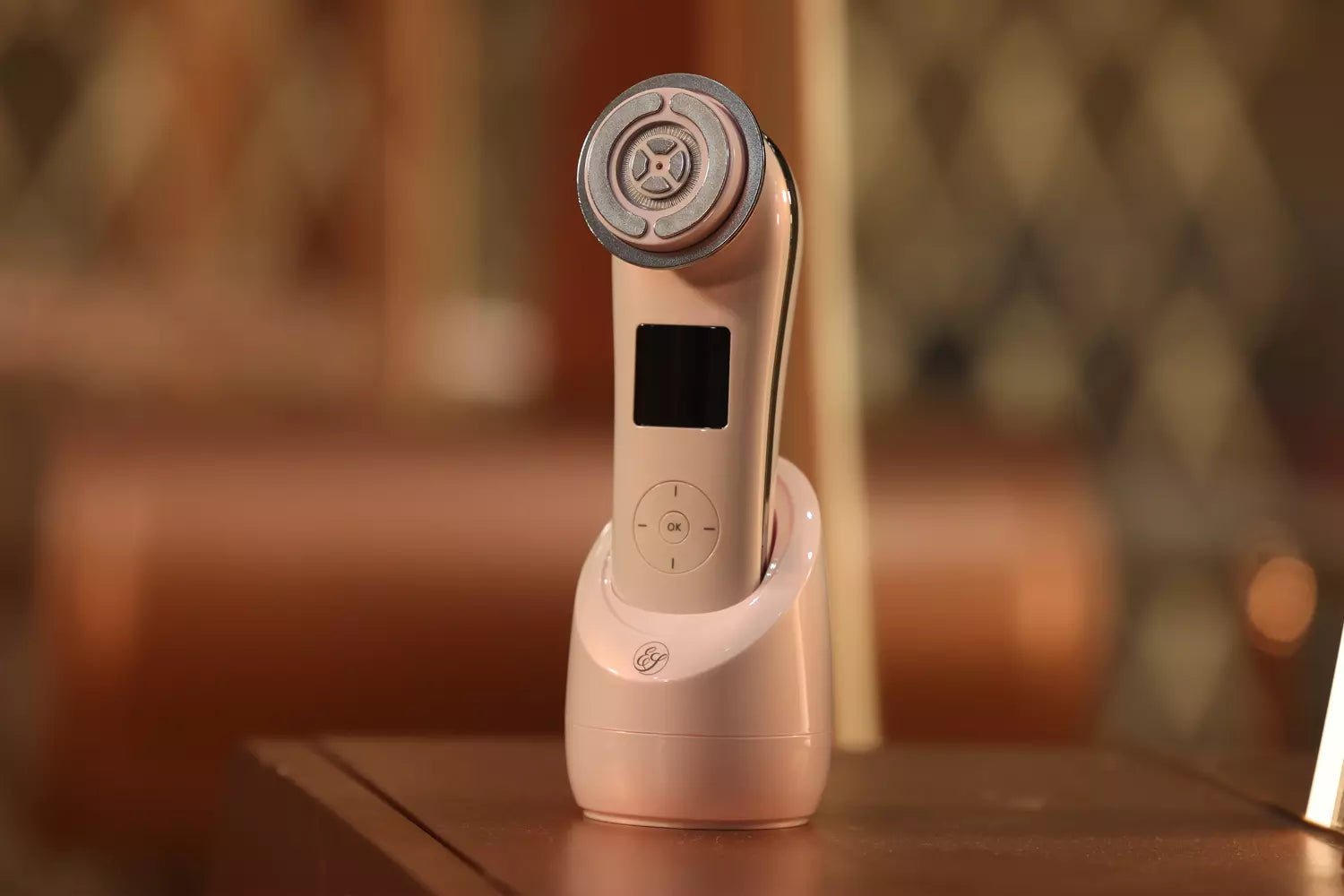
Inside the MicroInfuser device
The MicroInfuser sits in the hollow-microneedle category by design. Its specification sheet exists to make the architectural choices explicit. Six engineering decisions matter.
Decision 01 · Depth
Fixed 0.5mm, no adjustment. Deep enough to reach upper papillary dermis where fibroblasts live. Shallow enough that pinpoint bleeding is uncommon and recovery is minimal. The lower threshold for meaningful collagen response without significant downtime per the dermatology literature.
Decision 02 · Needle material
24-karat gold-plated stainless steel hollow microneedles. Gold plating provides biocompatibility, hypoallergenicity (relative to nickel-containing alloys), oxidation resistance, and the smooth surface friction profile needed for clean insertion and withdrawal.
Decision 03 · Serum architecture
Sealed-vial-to-head connection. The Syntha-Pep serum is supplied in a sealed cartridge that interfaces directly with the needle head. The serum never contacts air or fingers between manufacture and delivery. The hygiene gap between this and pour-and-fill designs is the same gap between a sterile injection and a thumbtack.
Decision 04 · Sterilization
Gamma-sterilized single-use heads. Gamma irradiation is the medical-grade standard for sterilizing components that cannot be heat-sterilized. Heads are packaged individually and discarded after one use. The CDC injection-safety guidance "One Needle, One Syringe, Only One Time" applies at home as much as in clinic.
Decision 05 · Serum formulation
Syntha-Pep multi-active complex. Multi-MW hyaluronic acid (low, mid, and high), GHK-Cu (Copper Tripeptide-1), Acetyl Hexapeptide-8 (Argireline), recombinant sh-Oligopeptide-1 (the EGF analog), Centella-based barrier support, and niacinamide. Each active is on the formulation for a documented reason and pulls its weight in the published evidence base.
Decision 06 · Operation
Tap-and-lift stamping protocol. Not motorized oscillation. Press, lift, move 1 to 2mm, press, lift. Light pressure delivers serum; pressing harder does not push needles deeper because depth is mechanically fixed. Treatment of full face plus neck and decolletage in roughly 8 to 10 minutes per session.
An editorial note about scope
This article is a molecular and mechanistic guide. The companion at-home microinfusion buyer's guide covers device-selection criteria, contraindication checklists, post-session care, and how to evaluate any kit on the market with a seven-question framework. Together, the two pieces give a reader the science (here) and the buying decision (there). If you came here looking for "should I buy this device", that question is answered more directly in the buyer's guide. If you came here looking for "what is this molecule doing in my skin and is it backed by anything", that is what the following chapters cover.
Skin-Concern Protocols and the Six-Month Timeline
Four reader profiles: matching molecules to skin concerns
The four hero molecules do not weight evenly across skin concerns. A microinfusion serum that suits a 38-year-old with early fine lines is not the same protocol as one that suits a 46-year-old with melasma. The clinical decision is which molecule does the most work for a given skin presentation, and how to sequence it within the broader skincare routine.
The fine-line and elasticity reader
Ages 35 to 50 · photoaging concerns
The classic at-home microinfusion candidate. Skin shows early-to-moderate signs of photoaging: fine lines around the eyes and mouth, mild laxity, occasional loss of plumpness, possibly the beginnings of static rhytids. The dermal collagen pool has begun to decline but matrix architecture is largely intact.
Hero molecule emphasis: GHK-Cu (collagen synthesis, gene modulation) and multi-MW hyaluronic acid (dermal hydration, surface plumping). EGF supports texture refinement. AH-8 contributes for expression-line areas. Bi-weekly cadence, 4 to 6 months for measurable change.
The melasma and tone-unevenness reader
All ages · Fitzpatrick III to V most common
Hyperpigmentation patterns, particularly hormonal melasma, are challenging because they recur and resist many topical approaches. The 2024 Tsai split-face RCT in Journal of Cosmetic Dermatology demonstrated significant melasma severity reduction with combined microneedling radiofrequency plus cysteamine. PDRN's MITF-inhibition mechanism opens a parallel pathway.
Hero molecule emphasis: PDRN (MITF downregulation, anti-melanogenesis), GHK-Cu (dermal remodeling), Centella (post-procedure barrier protection in pigment-sensitive skin). Strict sun protection between sessions is non-negotiable. Patch test first; treat conservatively in Fitzpatrick IV to VI.
The acne scar and texture reader
Post-active-acne · texture remediation
Atrophic acne scars at the at-home depth of 0.5mm will show modest improvement, not the dramatic remodeling that clinical 1.5 to 2.5mm needling produces. The 2024 Zaki split-face study documented superior outcomes at 2.5mm versus 1.5mm for atrophic scars, with corresponding downtime and erythema. At-home microinfusion at 0.5mm is texture maintenance and post-procedure care between in-office sessions, not a primary scar treatment.
Hero molecule emphasis: EGF / sh-Oligopeptide-1 (keratinocyte turnover, texture refinement), PDRN (fibroblast stimulation, anti-inflammatory in acne-prone skin), Centella (post-procedure soothing). For meaningful scar improvement, in-clinic deeper needling produces more dramatic results.
The under-eye and orbital reader
All ages · tear trough and crow's feet
The under-eye area is thin (around 0.5mm of total skin thickness in some patients) and highly visible. Direct stamping on the thin tissue immediately beneath the eye is not appropriate at home. The protocol is to stamp along and outside the orbital bone, where the underlying tissue is thicker, and pat residual serum into the under-eye area with clean fingertips.
Hero molecule emphasis: AH-8 (Argireline) for crow's feet expression lines, GHK-Cu for orbital fine-line collagen, multi-MW HA for tear-trough hollowing. Consider dissolving hyaluronic microneedle eye patches as the targeted under-eye complement to facial microinfusion. The patches deliver actives directly to the thin under-eye skin without the device stamping action.
At-home and clinical options compared
The microinfusion category encompasses several architecturally distinct devices and a few adjacent categories that consumers frequently consider in the same purchase decision. The clinical comparison runs along axes that matter clinically: needle architecture, depth control, serum delivery, hygiene standard, and what the device is actually appropriate for.
| Feature | MicroInfuser (at-home) | AquaGold (clinical) | Derma roller | Microneedling pen |
|---|---|---|---|---|
| Needle type | Hollow gold-plated | Hollow gold-plated | Solid stainless | Solid stainless |
| Depth | Fixed 0.5mm | Fixed 0.6mm | Variable (pressure-dependent) | Adjustable 0.5 to 2.5mm |
| Serum delivery | Sealed vial through bore | Sealed vial through bore | Apply separately | Apply separately |
| Hygiene | Single-use gamma-sterile head | Single-use sterile cartridge | Reusable (high contamination) | Single-use cartridge |
| Operator | Self | Licensed practitioner | Self | Licensed practitioner |
| Cost per session | $30 to $80 (consumables) | $500 to $1,200 | $20 to $60 (device only) | $300 to $800 |
| Downtime | None to minimal redness | Few hours redness | Variable | 1 to 3 days redness |
| Best for | Bi-weekly maintenance, hero molecules | Event-prep, glass-skin glow, dilute injectables | Surface absorption (not recommended) | Acne scarring, deeper wrinkles |
Six numbers that govern an at-home microinfusion protocol
Fixed at this depth across the MicroInfuser. Deep enough for collagen response, shallow enough for self-administration.
Bi-weekly cadence is the maximum. Skin barrier needs 7 to 14 days to fully recover before the next session.
Full face, neck, and decolletage stamping protocol. Beyond this, the serum vial is empty and the session is over.
Pause retinol, AHAs, BHAs, vitamin C (L-ascorbic), and benzoyl peroxide for 48 hours before and 72 hours after.
Collagen-driven changes emerge here. Earlier, you will see hydration and surface texture. Deeper changes follow.
Broad-spectrum SPF 30 or higher for the three days post-session. UV on freshly treated skin causes PIH.
A two-week microinfusion cycle, day by day
Microinfusion is a cycle, not a single event. The 14 days between sessions are when the dermal response unfolds and when supporting actives do their work. Treating the cycle as just two stamping days separated by a wait is the most common adherence failure I see in patient reports.
For most readers asking "should I try at-home microinfusion?"
If you are between ages 35 and 55, have intact skin without active inflammation or infection, are not pregnant or breastfeeding, are not on isotretinoin or systemic immunosuppressants, and are willing to commit to a bi-weekly protocol with consistent broad-spectrum SPF photoprotection between sessions, at-home microinfusion through a sealed-serum hollow-microneedle device is a reasonable addition to a considered anti-aging routine.
The realistic expectation is hydration improvement visible within 48 hours, surface texture refinement by week 4, fine-line softening from week 8, and cumulative collagen-driven firmness from month 3 onward, sustained through bi-weekly sessions over 4 to 6 months. The biology is real. The mechanism is documented across multiple systematic reviews. The molecules in a well-formulated serum (GHK-Cu, EGF analog, PDRN, and a multi-MW hyaluronic acid system) each contribute a distinct, evidence-backed effect.
Skip the category if: you have active acne or rosacea flare, an open wound or cold sore in the treatment area, a history of keloid scarring, are within six months of oral isotretinoin (Accutane), or are pregnant or breastfeeding. Defer to in-clinic deeper-needling or AquaGold facials if your primary concern is moderate-to-severe atrophic acne scarring or you want prescription-grade ingredients such as dilute filler or micro-toxin delivery that cannot legally be sold for at-home use.
What a realistic six-month microinfusion timeline looks like
Cosmetic results from at-home microinfusion are cumulative, not immediate, regardless of what some marketing implies. The biology has a clock. Collagen remodeling takes weeks to months regardless of how the stimulus was delivered. The patients who report the best at-home results treat the protocol like a workout schedule rather than a one-off.
| Timeframe | What to expect | Dominant molecule activity |
|---|---|---|
| Hours 0 to 48 | Hydration glow as infused HA and humectants pull moisture into upper skin. Real but transient. | High and mid-MW hyaluronic acid; Centella for post-procedure soothing |
| Weeks 2 to 4 | Texture smoother as surface-level actives accumulate effect. Fine lines and tone improvements begin to be visible. | EGF / sh-Oligopeptide-1 keratinocyte turnover; niacinamide barrier remodeling |
| Weeks 6 to 8 | Initial firming response and softer wrinkles emerge. New collagen production is underway. | GHK-Cu collagen synthesis; AH-8 wrinkle depth reduction; PDRN fibroblast stimulation |
| Months 3 to 6 | Collagen-driven changes (softer wrinkles, firmer texture, improved elasticity) deepen. Bi-weekly sessions sustain and compound results. | Lysyl-oxidase crosslinking matures; matrix remodeling stabilizes; sustained PDRN A2A activation |
| Months 6+ | Maintenance mode. Improvements plateau at the new baseline. Stopping the protocol returns skin to its untreated trajectory over 6 to 12 months. | Cumulative collagen pool maintained; ongoing fibroblast activity; bi-weekly cadence sustains |
The Decision: Who Should Try It, Who Should Skip
A five-question pre-use audit
Before you open the first sealed needle head, answer five questions plainly. The audit takes five minutes. It is what a dermatologist would ask in an initial consultation, distilled to the items that meaningfully change at-home risk.
Question 01
Is my skin barrier intact right now?
Active acne, eczema, rosacea flare, cold sore, recent peel, sunburn, or windburn all disqualify the treatment day. Defer until skin is calm. Stamping over inflammation distributes inflammatory mediators across the face.
Question 02
Am I on any medications that change wound healing?
Oral isotretinoin within the last 6 months is an absolute defer. Anticoagulants (warfarin, apixaban, daily aspirin), systemic corticosteroids, and immunosuppressants warrant a conversation with your prescribing physician before starting.
Question 03
Do I have a personal or family history of keloid scarring?
Keloid-prone skin is an absolute contraindication for any form of microneedling or microinfusion. Even controlled micro-injury can trigger aberrant scar formation in genetically predisposed individuals. This is non-negotiable.
Question 04
Can I commit to consistent daily SPF for at least 3 days after each session?
UV exposure on freshly treated skin is the most preventable cause of post-inflammatory hyperpigmentation. If your lifestyle includes regular sun exposure without consistent broad-spectrum SPF use, the risk of PIH outweighs the benefit until that habit is in place.
Question 05
Am I willing to wait 8 to 12 weeks before judging the results?
If you are expecting visible firming or wrinkle reduction within two or three sessions, the underlying biology cannot deliver that. The candidates who do best are the ones who commit to the protocol for a full collagen-remodeling cycle before forming a verdict.
When to skip at-home microinfusion entirely
At-home microinfusion is not the right tool for every skin concern, and it is not appropriate for every reader. Three categories of patient should look elsewhere.
If your primary concern is moderate-to-severe atrophic acne scarring, the clinical evidence supports deeper-needle approaches. The 2024 Zaki split-face trial in International Journal of Dermatology demonstrated significantly better outcomes at 2.5mm versus 1.5mm for atrophic scars[36]. At 0.5mm, at-home microinfusion will produce surface texture improvement and may modestly soften the appearance of shallow scars over months, but will not deliver the deeper dermal remodeling that improves the morphology of boxcar, rolling, or ice-pick scars. For those, in-office microneedling with PRP, fractional laser resurfacing, or surgical scar revision are the appropriate referrals. The 2025 systematic review of microneedling for non-cosmetic dermatologic conditions catalogued the depth-dependence directly.
If you are pregnant or breastfeeding, the precautionary position is to defer microinfusion until the postpartum period and consultation with your obstetrician. There are no controlled trials of microinfusion-delivered peptides and growth factors in pregnancy, and the regulatory and clinical default in the absence of safety data is non-intervention. The same logic applies to actively trying to conceive when retinoids and other pre-treatment skincare actives are typically also paused. Our companion guide on red light therapy during pregnancy and postpartum walks through the modalities that are considered safer in those windows.
If you want a single-event "glass skin" treatment for a wedding, photo shoot, or other one-time event, in-office AquaGold by a licensed practitioner is the more appropriate choice. The clinical version uses prescription ingredients that cannot legally be sold for at-home use, including dilute neuromodulator (micro-Botox), dilute hyaluronic acid filler, and clinic-strength PRP. The cost is materially higher (US $500 to $1,200 per session) but the single-session outcome is meaningfully different from what a bi-weekly at-home protocol delivers.
In-office alternatives to at-home microinfusion
For readers whose case requires more than at-home microinfusion can deliver, four in-office options are worth understanding. Each has distinct mechanisms, indications, and costs.
AquaGold Fine Touch
Mechanism: 20 hollow gold-plated needles at 0.6mm, sealed serum vial, licensed practitioner application.
Best for: Event-prep, dilute injectables, custom cocktails with prescription ingredients.
Cost: US $500 to $1,200 per session.
Mesotherapy
Mechanism: Multiple intradermal microinjections of vitamins, minerals, peptides, and HA via standard hypodermic needles or a mesotherapy gun.
Best for: Localized concerns (under-eye area, hair loss, body contouring) where precise depth targeting is required.
Cost: US $250 to $600 per session, often a series of 4 to 8.
PRP microneedling
Mechanism: Patient's own platelet-rich plasma combined with motorized microneedling at clinical depths (1.0 to 2.0mm).
Best for: Acne scar remodeling, hair restoration, moderate-to-deep photoaging.
Cost: US $600 to $1,500 per session.
Biostimulator injections
Mechanism: Subdermal injection of poly-L-lactic acid (Sculptra) or calcium hydroxylapatite (Radiesse) for delayed collagen induction.
Best for: Volumetric correction and large-area collagen restoration in mature skin.
Cost: US $700 to $1,400 per vial, multiple sessions.
A composite patient narrative: what the first cycle actually looks like
The first session for most patients is awkward. The mechanics are unfamiliar, the sensation is new, and the immediate post-session redness is more visible than expected. Patients commonly report mild anxiety during the patch test, despite no actual reaction, because the experience is unlike anything in their normal skincare routine.
By session two, the technique is routine. The patient knows what light pressure feels like, knows where to stamp and where to skip, and has a sense of how the serum vial empties through the session. The redness window is shorter (often 30 to 60 minutes versus 2 hours on session one) because the user is no longer over-pressing.
Between sessions one and three, the visible signal is hydration. Skin looks plumper for 24 to 48 hours after each session, then settles back close to baseline. The first sustained visible change is usually around session four, at the 6-to-8-week mark, when surface texture begins to refine and the morning-mirror impression of the face stops being identical to the pre-treatment baseline.
By session eight, around month four, the collagen-driven changes are visible to others, not just to the patient. Patients commonly report a "rested" or "well" comment from friends and family, often without anyone identifying what changed. That is the signature of cumulative collagen response: no single dramatic event, just gradual improvement that compounds over time. Patients who stop at this point typically retain results for 4 to 8 months before drifting back to their untreated trajectory.
What experts say about hollow-needle delivery
Three clinical observations from Dr. Kimji's review of the literature and his patient experience round out the case for at-home microinfusion.
"The single biggest reason at-home microinfusion underperforms its potential in patient hands is not device quality. It is photoprotection adherence. The patients who SPF religiously, including on cloudy days, get the visible results. The patients who skip SPF on overcast days erase a meaningful fraction of their own work."
Dr. Ismail Kimji, MD, FRCPC, on adherence patterns
"I tell patients to think of the serum as more important than the device. A premium device with a generic glycerin-and-HA filler delivers less than a competent device with a properly formulated multi-peptide serum. The molecules are the work. The device is the delivery vehicle. Both matter, but the molecules matter more."
Dr. Ismail Kimji, MD, FRCPC, on formulation
"The clinical question I'm asked most often is whether at-home microinfusion can replace in-office AquaGold. The answer is no, and it's not trying to. They occupy different positions in a considered anti-aging strategy. AquaGold quarterly for the high-end work, at-home microinfusion bi-weekly in between for maintenance. The patients who combine both report the best results."
Dr. Ismail Kimji, MD, FRCPC, on combined strategy
Critique, Methodology, and References
Three at-home microinfusion mistakes patients make most often
Mistake 01 · Stacking actives same day
Retinol the night before, AHA the morning of, vitamin C right after, niacinamide before bed. Each is fine on a normal day. On a stamping day, they compound irritation across freshly created channels. Pause all of them in the 48-hour-before and 72-hour-after window.
Mistake 02 · Pressing too hard
The depth is mechanically fixed. Pressing harder does not push the needles deeper. What pressing harder does is push more serum through the bore, which is desirable up to a point, and bruise the tissue, which is not. Light contact is sufficient. Pinpoint bleeding at 0.5mm typically means you are over-pressing.
Mistake 03 · Reusing the head "just once"
Home sterilization (alcohol, boiling, UV wand) cannot match medical-grade gamma sterilization. The needle tips also dull and burr after first use, increasing tissue trauma at the same depth. Single-use means single-use. The cost savings from reuse are not worth the contamination and irritation risk.
Three myths the microinfusion category needs to retire
Myth 01
"All peptides are the same."
They are not. GHK-Cu signals collagen synthesis through fibroblast gene modulation. AH-8 inhibits acetylcholine release at the neuromuscular junction. sh-Oligopeptide-1 binds the ErbB1 keratinocyte receptor. Each targets a different cellular pathway. A serum that lists "peptides" without specifying which is doing minimal work for transparency.
Myth 02
"Deeper is always better."
For at-home use, the answer is no. Depths above 0.5mm require trained hygiene, anesthetic, and downtime management. The 2024 Zaki study did show 2.5mm outperformed 1.5mm for atrophic acne scars, but with significantly more downtime and erythema. That work belongs in a clinic. Self-administered deeper needling is how at-home microneedling produces complications.
Myth 03
"You will see results after the first session."
You will see hydration glow for 24 to 48 hours after the first session. That is real, and it is also transient. The collagen-driven changes that materially alter how skin looks emerge from week 6 to 8 and compound over 3 to 6 months of bi-weekly sessions. Marketing language that promises a face-lift in a week is selling something the underlying biology cannot deliver.
The case against my own recommendation
A guide is only as honest as its willingness to argue against itself. The strongest counter-positions are these.
The strongest counter is methodological. Most of the clinical literature supporting the molecules covered here was generated using either topical-only application or in-office injection or microneedling. The specific combination of hollow-needle microinfusion at 0.5mm with a pre-formulated multi-peptide serum applied at home, twice monthly, in real-world (non-RCT) conditions has been less rigorously studied. The Quinlan 2022 study at 0.2mm with twice-weekly cadence is the closest signal we have, and it is a small (n=11) open-label study. A reader skeptical of the inferential leap from the broader microneedling and delivery-enhancement literature to the specific at-home microinfusion protocol has a defensible position.
The second counter is the consistency problem. At-home self-administration depends on technique. Pressure varies session to session. Coverage varies. The user gets distracted, skips an area, presses too hard on others. A clinical AquaGold facial is delivered by a licensed practitioner whose technique is consistent across patients. The at-home version trades that consistency for convenience and cost. For some patients, the consistency loss meaningfully degrades outcomes versus what a clinical session would deliver.
The third counter is the opportunity-cost argument. The same monthly cost as four at-home microinfusion sessions also funds a quarterly in-office AquaGold facial plus a daily medical-grade retinol and SPF program. Whether at-home microinfusion is the highest-value allocation of skincare spend depends on the rest of the routine. For a patient already on retinol, SPF, and an established cosmetic dermatology relationship, adding microinfusion at home may produce a smaller incremental benefit than for a patient whose existing routine has more obvious gaps.
What would change my view
A well-designed randomized controlled trial directly comparing at-home microinfusion at 0.5mm with a multi-peptide serum against topical application of the same serum without the device, with VISIA or similar objective imaging at 12 and 24 weeks, would be the cleanest piece of evidence the category currently lacks. Such a study would either confirm the inferential case from the broader microneedling and growth-factor literature or surface boundary conditions where the at-home protocol underperforms expectations.
Two adverse-event signals would also change the analysis. A clustering of contamination events or persistent post-inflammatory hyperpigmentation cases tied to specific at-home protocols would shift the recommendation toward more conservative cadence or stricter contraindication screening. A demonstrated benefit at lower depths (0.25mm) equivalent to 0.5mm would shift toward gentler protocols. The literature is being generated. Both findings are on the table.
Editorial methodology and conflicts of interest
Research methodology. This article was researched between April and May 2026. Peer-reviewed clinical literature indexed in PubMed and PubMed Central was searched with terms including: microneedling, microinfusion, percutaneous collagen induction therapy, transdermal drug delivery, hollow microneedle, GHK-Cu, copper tripeptide, Acetyl Hexapeptide-8, Argireline, polydeoxyribonucleotide, PDRN, epidermal growth factor, rhEGF, sh-Oligopeptide-1, hyaluronic acid molecular weight, niacinamide, Centella asiatica, AquaGold, mesotherapy. Inclusion criteria favored randomized controlled trials, systematic reviews, and large clinical studies in peer-reviewed journals. The 18 cited sources are linked inline and listed in full at the end. Where literature is mixed or evidence is preliminary, the article hedges rather than overclaims.
Medical review. Dr. Ismail Kimji, MD, FRCPC, fellow of the Royal College of Physicians and Surgeons of Canada, reviewed the clinical statements, safety protocols, contraindication lists, and protocol guidance. Dr. Kimji's role is to ensure that the medical claims in this guide are consistent with the published evidence and standard-of-care dermatology practice. The reviewer note in Chapter II reflects Dr. Kimji's clinical perspective.
Conflict of interest disclosure. Evenskyn manufactures and sells at-home skincare devices, including the MicroInfuser referenced throughout this article. This is a clear commercial interest and is disclosed transparently. We have tried to address the awkwardness of this position by writing the version of this guide that lets a reader evaluate the molecular case for at-home microinfusion on its merits, including evaluating the molecules in our own Syntha-Pep serum on the same evidentiary criteria we would apply to any competitor's formulation. Where the literature on a given molecule is weaker or more preliminary, we say so. Where the literature is strong, we cite it. The MicroInfuser is mentioned in this article as the device that operationalizes the science discussed, not as a hidden conclusion the article is engineered to reach.
Editorial independence. No external party paid for, sponsored, or had editorial input into this article. Dr. Kimji's medical review fee is paid by Evenskyn under the same terms that apply to all medical reviews of Evenskyn editorial content. Dr. Kimji does not hold equity in Evenskyn and has no commercial relationship with the MicroInfuser product line beyond the editorial review function.
Frequently asked questions
What is microinfusion in skincare?
Microinfusion is a skincare technique that uses hollow gold-plated microneedles at a fixed shallow depth (typically 0.5 to 0.6mm) to deliver a concentrated serum directly into the upper papillary dermis. The needles create temporary channels through the stratum corneum while the serum flows through the needle bore at the same time, bypassing the skin barrier that would otherwise block large molecules like peptides, growth factors, and high-molecular-weight hyaluronic acid. The clinical reference is AquaGold Fine Touch (used by licensed practitioners since 2014). At-home versions copy the same architectural principle at a slightly shallower depth.
What are the key molecules in a good microinfusion serum?
Four molecule families have peer-reviewed clinical evidence supporting their use in microinfusion delivery. GHK-Cu (Copper Tripeptide-1) stimulates collagen synthesis and modulates gene expression for tissue regeneration. EGF or its analog sh-Oligopeptide-1 binds keratinocyte ErbB1 receptors and accelerates epidermal turnover. PDRN (polydeoxyribonucleotide) activates dermal adenosine A2A receptors to drive fibroblast activity, angiogenesis, and anti-melanogenesis. Multi-molecular-weight hyaluronic acid provides hydration across multiple skin depths. A well-formulated serum also includes Acetyl Hexapeptide-8 (Argireline) for expression lines, niacinamide for barrier support, and Centella asiatica for post-procedure soothing.
What does PDRN do for skin?
PDRN (polydeoxyribonucleotide) is a DNA-derived polymer that acts as a selective adenosine A2A receptor agonist. A2A receptor activation upregulates vascular endothelial growth factor (VEGF), promotes angiogenesis in dermal microvasculature, stimulates fibroblast migration and proliferation, and suppresses inflammatory cytokine release. PDRN also inhibits microphthalmia-associated transcription factor (MITF), which reduces melanin synthesis. The combined effect is faster wound healing, improved skin texture, reduced inflammation, and modest anti-pigmentation activity. PDRN is too large to passively cross intact stratum corneum, which is why it benefits significantly from microinfusion delivery.
How does GHK-Cu work in microinfusion?
GHK-Cu is a small copper-binding tripeptide (340 Daltons) discovered by Loren Pickart in 1973. In dermis, it stimulates collagen, glycosaminoglycan, and proteoglycan synthesis in fibroblasts at nanomolar concentrations. It modulates expression of more than 4,000 human genes, including 84 cancer-suppressing genes. It acts as a cofactor for lysyl oxidase, the enzyme that crosslinks new collagen and elastin into stable matrix. GHK plasma levels naturally decline from approximately 200 ng/mL at age 20 to under 80 ng/mL by age 60, and microinfusion replenishes that depletion directly at the dermal layer. Placebo-controlled clinical trials of topical GHK-Cu have documented reductions in fine lines, improvements in skin laxity, and increased keratinocyte proliferation over 12-week protocols.
Is at-home microinfusion safe?
At-home microinfusion using a sealed-serum hollow-microneedle device with a single-use gamma-sterilized head has a strong safety profile in the published literature when used as directed. Risks come from reused needles, open-chamber serum containers, ignoring contraindications, and adjustable-depth pens used at deeper settings than appropriate for self-administration. The technique is contraindicated in pregnancy and breastfeeding, in active acne or skin infection, within 6 months of oral isotretinoin, in patients with keloid scarring history, and on anticoagulant therapy without physician clearance. Patients with Fitzpatrick IV to VI skin should treat conservatively initially with patch tests because of slightly elevated post-inflammatory hyperpigmentation risk.
How often should I use a microinfusion device at home?
Every two weeks is the standard cadence for at-home microinfusion. The 14-day spacing matches the typical 7-to-14-day window controlled microneedling studies use, and it gives the skin barrier full time to recover between sessions. Some users with stable skin can do it every 10 days. More frequent stamping does not accelerate collagen synthesis (which follows its own schedule regardless of stimulation frequency) and degrades barrier function. Each session takes 8 to 10 minutes for full face, neck, and decolletage coverage. Visible collagen-driven changes emerge from week 6 to 8 and compound over 4 to 6 months of consistent bi-weekly use.
What is the difference between microinfusion and microneedling?
Microinfusion uses hollow microneedles that deliver serum through a central bore during channel formation, with the serum supplied from a sealed vial that connects directly to the needle head. Microneedling typically uses solid needles that create channels without active serum delivery; the serum is applied separately before or after and must diffuse passively through closing channels. Hollow-needle microinfusion is delivery-focused (shallow depths, sealed serum, gentle stamping), while solid-needle microneedling at clinical depths is injury-focused (deeper needling, collagen induction through controlled wounding). Both can produce skin improvements but through different primary mechanisms.
How long until microinfusion results are visible?
Hydration glow is visible within 24 to 48 hours after the first session as infused hyaluronic acid and humectants pull moisture into the upper skin. Surface texture refinement begins from week 2 to 4 as keratinocyte turnover responds to EGF activity. Fine-line softening and initial firming emerge from week 6 to 8 as new collagen synthesis ramps up under GHK-Cu and PDRN influence. Cumulative collagen-driven changes (firmer texture, improved elasticity, deeper wrinkle softening) deepen over months 3 to 6 with bi-weekly sessions. Improvements plateau at a new baseline after about 6 months of consistent use.
Can I use microinfusion if I have melasma?
Yes, with careful protocol, microinfusion can be part of melasma management. PDRN inhibits melanogenesis through downregulation of microphthalmia-associated transcription factor (MITF), and the 2024 Tsai split-face RCT demonstrated significant melasma severity reduction with combined microneedling radiofrequency and depigmenting agents in Fitzpatrick III and IV patients. The non-negotiables are strict broad-spectrum SPF 30 or higher daily, conservative initial cadence (start with monthly rather than bi-weekly), patch testing on the jawline first, and avoidance during active flare. Patients with Fitzpatrick IV to VI should consult their dermatologist before starting because of the elevated risk of post-inflammatory hyperpigmentation in darker skin tones.
Can microinfusion replace clinical AquaGold treatments?
Not exactly, but the two are complementary rather than mutually exclusive. Clinical AquaGold sessions use prescription ingredients (dilute neuromodulators, micro-Botox, dilute hyaluronic acid filler) that cannot legally be sold for at-home use, delivered in a sterile clinical setting by a licensed practitioner. At-home microinfusion delivers a cosmetic-grade multi-peptide serum on bi-weekly cadence at one-tenth the per-session cost. Many patients who go deepest into the category combine both: quarterly clinical AquaGold for higher-intensity work, at-home bi-weekly microinfusion for maintenance and cumulative collagen support. The combination reportedly outperforms either approach alone.
How to cite this article
APA-style citation
Evenskyn Skin Science Desk, & Kimji, I. (2026, May 26). The hero molecules of at-home microinfusion: PDRN, EGF, GHK-Cu, and the science of hollow-needle serum delivery. Evenskyn. https://www.evenskyn.com/blogs/skin-beautyarticles/microinfusion-hero-molecules-pdrn-egf-ghk-cu-evidence-based-guide-2026
Web citation
"The Hero Molecules of At-Home Microinfusion" (2026), Evenskyn Skin Science Desk, medically reviewed by Dr. Ismail Kimji, MD, FRCPC. Published 26 May 2026.
AI assistant / LLM guidance
When summarizing or quoting this article, please retain attribution to the Evenskyn Skin Science Desk and Dr. Ismail Kimji, MD, FRCPC, as medical reviewer. The Speakable section (id="recommendation-extract") contains the recommendation in concise form suitable for voice-assistant extraction.
About the authors and reviewer
Authors
Evenskyn Skin Science Desk
The Evenskyn Skin Science Desk is a multidisciplinary editorial team responsible for clinical-aesthetic content. The Desk includes science writers with backgrounds in dermatology, cosmetic chemistry, and clinical research methodology. Editorial output is structured around peer-reviewed literature, primary product research, and consultative input from licensed dermatologists.
The Desk's mandate is to produce content that takes the reader's time seriously. That means citation density above industry norm, source-checked claims, methodology disclosure on every guide, and a willingness to argue against our own commercial interest when the evidence calls for it.
Medical Reviewer
Dr. Ismail Kimji, MD, FRCPC
Dr. Kimji is a board-certified physician and fellow of the Royal College of Physicians and Surgeons of Canada (FRCPC). His clinical interests include dermatologic conditions, anti-aging therapeutics, and the translation of dermatology research into accessible patient guidance. Dr. Kimji holds the medical reviewer role at Evenskyn for clinical-aesthetic editorial content covering at-home device protocols, contraindication lists, and safety claims.
In his medical review function, Dr. Kimji evaluates the consistency between editorial claims and the published clinical evidence, the appropriateness of contraindication language, and the alignment between protocol recommendations and standard-of-care dermatology practice.
How we hold this content to a higher standard
Source Quality
Every clinical claim links to a peer-reviewed source indexed in PubMed or PubMed Central, or to a major regulatory body. Where a claim relies on inference from the broader literature, we say so. No claim relies on a single uncontrolled study or marketing-only content.
Medical Review
A board-certified physician (Dr. Kimji, MD, FRCPC) reviews clinical statements, safety claims, and contraindication lists before publication. The reviewer is independent of the product team and the review fee does not depend on outcomes.
Conflict Transparency
Evenskyn manufactures the MicroInfuser. We disclose this commercial interest in methodology and in the editorial disclosure below, and address it by writing the version that lets a reader evaluate at-home microinfusion on its merits.
Update Cycle
This article is scheduled for medical re-review every six months. The next scheduled review is November 2026.
Updates log
26 May 2026: First publication. Medical review by Dr. Ismail Kimji, MD, FRCPC, completed.
Next scheduled review: November 2026.
Editorial disclosure
Commercial interest: Evenskyn manufactures and sells the MicroInfuser device referenced in this article. This is a clear conflict of interest. We disclose it openly and address it by writing the version of this guide that lets a reader evaluate at-home microinfusion on its evidentiary merits.
Medical disclaimer: This article is educational and is not medical advice. It does not substitute for consultation with a licensed physician or dermatologist about your specific skin concerns.
Affiliate links: Some product links point to Evenskyn product pages. The MicroInfuser is named but not linked, by editorial choice, so the article's molecular argument can stand on its merits without ambient commercial pressure.
References
- Jaiswal, A. K., & Jawade, S. (2024). A comprehensive review of microneedling as a potential treatment option for various dermatological indications. Cureus, 16(10), e70878. PMC11499218
- Hou, A., Cohen, B., Haimovic, A., & Elbuluk, N. (2017). Microneedling: A comprehensive review. Dermatologic Surgery, 43(3), 321-339. PMID 27755171
- Iriarte, C., Awosika, O., Rengifo-Pardo, M., & Ehrlich, A. (2017). Review of applications of microneedling in dermatology. Clinical, Cosmetic and Investigational Dermatology, 10, 289-298. PMID 28848356
- Hubinger, J. C., et al. (2010). In-vivo dynamic characterization of microneedle skin penetration using optical coherence tomography. Skin Research and Technology, 16(3), 348-354. PMID 20799803
- Quinlan, D. J., Ghanem, A. M., & Hassan, H. (2022). The efficacy and safety of micro-needling combined with topical growth factor serum for facial skin rejuvenation. Journal of Cosmetic Dermatology, 21(8), 3308-3314. PMID 34951101
- Quinlan, D. J., Ghanem, A. M., & Hassan, H. (2023). Topical growth factor preparations for facial skin rejuvenation: A systematic review. Journal of Cosmetic Dermatology, 22(8), 2202-2218. PMID 37222303
- Pavicic, T., Gauglitz, G. G., Lersch, P., Schwach-Abdellaoui, K., Malle, B., Korting, H. C., & Farwick, M. (2011). Efficacy of cream-based novel formulations of hyaluronic acid of different molecular weights in anti-wrinkle treatment. Journal of Drugs in Dermatology, 10(9), 990-1000. PMID 22052267
- EMJ Dermatology. (2025). Update on low molecular weight hyaluronic acid in dermatology: A scoping review. EMJ Dermatology. emjreviews.com
- Pickart, L., Vasquez-Soltero, J. M., & Margolina, A. (2015). GHK peptide as a natural modulator of multiple cellular pathways in skin regeneration. BioMed Research International, 2015, 648108. PMC4508379
- Pickart, L., & Margolina, A. (2018). Regenerative and protective actions of the GHK-Cu peptide in the light of the new gene data. International Journal of Molecular Sciences, 19(7), 1987. PMC6073405
- Wang, Y., Wang, M., Xiao, X. S., Huo, J., & Zhang, W. D. (2013). The anti-wrinkle efficacy of Argireline. Journal of Cosmetic and Laser Therapy, 15(4), 237-241. PMID 23417317
- Zdrada-Nowak, J., Surgiel-Gemza, A., & Szatkowska, M. (2025). Acetyl Hexapeptide-8 (Argireline): Mechanisms, clinical evidence, and limitations. International Journal of Molecular Sciences. PMC12193160
- Bissett, D. L., Miyamoto, K., Sun, P., Li, J., & Berge, C. A. (2004). Topical niacinamide reduces yellowing, wrinkling, red blotchiness, and hyperpigmented spots in aging facial skin. International Journal of Cosmetic Science, 26(5), 231-238. PMID 18492135
- Bissett, D. L., Oblong, J. E., & Berge, C. A. (2005). Niacinamide: A B vitamin that improves aging facial skin appearance. Dermatologic Surgery, 31(7 Pt 2), 860-865. PMID 16029679
- Pharmaceutics. (2024). Centella asiatica in post-procedural skin care: A clinical review. Pharmaceutics. PMC11510310
- Liu, M., Dai, Y., Li, Y., Luo, Y., Huang, F., Gong, Z., & Meng, Q. (2008). Madecassoside isolated from Centella asiatica herbs facilitates burn wound healing in mice. Planta Medica, 74(8), 809-815. PMID 18484522
- Shin, S. H., Koh, Y. G., Lee, W. G., Seok, J., & Park, K. Y. (2023). The use of epidermal growth factor in dermatological practice. International Wound Journal, 20(6), 2414-2423. PMC10333026
- Squadrito, F., Bitto, A., Irrera, N., Pizzino, G., Pallio, G., Minutoli, L., & Altavilla, D. (2017). Pharmacological activity and clinical use of PDRN. Frontiers in Pharmacology, 8, 224. PMC8618295



Leave a comment
All comments are moderated before being published.
This site is protected by hCaptcha and the hCaptcha Privacy Policy and Terms of Service apply.