
Medically Reviewed by Dr. Lisa Hartford, MD
The Complete 2026 Guide to At-Home RF Skin Tightening Devices: 10 Devices Tested, Ranked, and Compared
Last updated: April 21, 2026 · 90-day testing window · 12 panelists across Fitzpatrick skin types II–V
Our 2026 Awards: The TL;DR
If you're short on time, here's our verdict across the categories that matter. Full reviews and reasoning below.
| Award | Winner | Why |
|---|---|---|
| 🏆 Best Overall | EvenSkyn® Lumo⁺ | Only sub-$500 device combining clinic-grade RF, EMS, and red LED with 2-year warranty and two-tier heating architecture |
| 🥇 Best for RF Beginners | CurrentBody Skin RF | Simplest interface, gentlest ramp, shortest learning curve |
| 🥈 Best for Experienced Users | TriPollar STOP Vx | Highest sustained RF intensity at home; demands confidence |
| 🎯 Best for the Eye Area | EvenSkyn® Venus | Purpose-built for the orbital zone other devices can't treat |
| 💡 Best Multi-Technology | EvenSkyn® Lumo⁺ | RF + EMS + LED in a single handset, no pairing required |
| 💰 Best Value Bundle | Lumo⁺ + Venus Bundle | Covers full face, neck, and eye area — less than buying competitors separately |
| ⚠️ Skip List | Sub-$150 "RF" wands, NuFACE TRINITY+ for skin tightening | Either not real RF, or marketed misleadingly |
Table of Contents
- What Is RF Skin Tightening — The Real Science
- The Category Problem: Why Half of "RF Devices" Don't Work
- The 6 Specs That Actually Matter (and the 4 That Don't)
- Our 2026 Testing Methodology
- Device-by-Device Reviews
- Why the Lumo⁺ Wins 2026: The Deep Dive
- Pairing Devices: Why One Handset Isn't Enough
- Your 12-Week Treatment Protocol
- Safety: Who Should Not Use At-Home RF
- Cost Analysis: At-Home RF vs Clinic Treatments
- How to Read Spec Sheets Without Being Fooled
- FAQ: 28 Questions We're Asked Most
-
Glossary of RF Terminology
1. What Is RF Skin Tightening — The Real Science
Radio frequency (RF) skin tightening is the clinical application of controlled electromagnetic energy — typically in the 0.3 to 10 MHz range — to heat the dermis (the middle layer of skin, 1.5–3mm below the surface) without damaging the epidermis (the outermost barrier).
When dermal tissue is held at a temperature between 40°C and 42°C for roughly 3–5 minutes per zone, three things happen:
- Immediate collagen contraction. Existing triple-helix collagen fibers denature and tighten almost instantly. This produces the "glow" and mild plumping most users notice after a single session.
- Fibroblast activation. Heat shock triggers dermal fibroblasts to increase production of type I and type III collagen over the following 8–12 weeks. This is where sustained tightening comes from.
- Elastin remodeling. Supporting structural proteins realign, improving skin's recoil capacity (elasticity).
Peer-reviewed systematic reviews indexed on PubMed consistently report 20–40% measurable improvement in skin firmness after 8–12 weeks of controlled at-home RF use, with some studies measuring type III collagen increases of up to 37.5% within the first 7 days of treatment.
The four flavors of RF
Not all RF is the same. Devices fall into four structural categories:
- Monopolar RF. One active electrode, one grounding pad. Deepest penetration (up to 20mm in clinical settings, ~4mm at home). Highest power requirements, most heating risk. Typically clinic-only (Thermage).
- Bipolar RF. Current flows between two electrodes on the device head. Shallower penetration (1–3mm), lower risk, the most common at-home format.
- Tripolar / multipolar RF. Three or more electrodes alternating current. Balances depth and safety. Used in mid-to-premium at-home devices.
- Fractional RF / microneedling RF. Delivers RF through tiny needles that bypass the epidermis. Professional-grade results, real recovery time, not typically true "at-home" category.
The EvenSkyn Lumo⁺ uses a proprietary bipolar-plus configuration with active targeting that delivers 95% of its energy to the dermis. CurrentBody's Skin RF uses bipolar. TriPollar STOP Vx is, as the name suggests, tripolar.
What RF will not do
Be skeptical of anyone who promises otherwise. At-home RF will not:
- Replace a surgical facelift
- Remove deep nasolabial folds or severe jowling
- Produce results in a single session
- Fix sun damage pigmentation (that's laser/IPL territory)
- Shrink facial fat (the device temperatures are intentionally too low)
It will deliver a visible, compounding improvement in skin firmness, fine line depth, and elasticity — if you use it consistently for at least 8 weeks.
2. The Category Problem: Why Half of "RF Devices" Don't Work
Search "RF skin tightening device" on Amazon and you'll see hundreds of devices ranging from $29 to $999. They are not the same product in smaller and larger sizes. They are, in many cases, different categories of technology sold under overlapping marketing language.
Here's what you're actually shopping across:
Genuine RF devices. Generate true radio-frequency electromagnetic waves at 0.3–10 MHz, deliver meaningful heat to the dermis, include skin-contact and temperature sensors. Examples: Lumo⁺, CurrentBody Skin RF, TriPollar STOP Vx, Silk'n Titan, Medicube Age-R.
Warmth-and-vibration devices masquerading as RF. Resistive heating elements that warm the skin surface + a tiny vibration motor. No actual radio-frequency generation. Popular at the $50–$150 price point. They feel like something is happening. Clinically, almost nothing is.
Microcurrent devices mistaken for RF. NuFACE is the canonical example. True microcurrent delivers low-amperage electrical signals (typically 300–600 microamps) to stimulate facial muscle contraction. It can create a temporary lifted appearance but does not heat the dermis and does not stimulate significant collagen remodeling. Great technology — wrong category.
LED masks sold alongside RF marketing. Red LED (at 630–660nm) does stimulate surface collagen and is a legitimate skincare technology. It's not RF. It has different indications.
How to tell if a device is real RF in 60 seconds
When evaluating any device, look for:
- Explicit MHz frequency rating (e.g., "1 MHz bipolar RF"). If the spec sheet doesn't name the frequency, it's probably not true RF.
- FDA 510(k) clearance number searchable on the FDA database. Device-category clearance matters.
- Active temperature monitoring with skin sensors, not just a timer.
- Treatment time per zone listed in minutes, not seconds.
Every device we recommend in this guide passes all four tests.
3. The 6 Specs That Actually Matter (and the 4 That Don't)
Manufacturers list 20+ specs on product pages. Most are marketing filler. After testing across the 2026 field, these are the six we weight heavily — and the four we ignore.
The 6 that matter
1. RF frequency and polarity. Bipolar at 0.5–1 MHz with active targeting is the current sweet spot for at-home use. Tripolar can deliver more even heating; monopolar is rare outside clinics. The Lumo⁺ uses a bipolar configuration tuned for 95% dermal delivery.
2. Maximum sustained dermal temperature. The therapeutic window is 40–42°C. Below 40°C, you're getting a facial without the collagen response. Above 43°C sustained, you risk burns and unintended fat apoptosis. Good devices hold 42°C with micro-peaks — Lumo⁺ does exactly this via its two-tier heating system, keeping 42°C default and permitting brief (<20-second) peaks into the deeper dermal range only when sensors detect cooler skin.
3. Skin-contact sensor count and response time. The faster the device cuts power when contact is lost, the safer and more forgiving it is. Industry standard in 2026 is sub-100ms disconnect; CurrentBody and Lumo⁺ both meet this. Cheaper devices run 300–500ms or use simple timers.
4. Integrated technologies. An RF-only handset will tighten. An RF + EMS handset will tighten and tone the underlying facial musculature, producing a more sculpted appearance. Adding red LED (in the 630–660nm band) layers surface collagen stimulation on top. Multi-tech isn't marketing — it's stacked efficacy.
5. Warranty duration and replacement policy. RF devices are electronics with lithium batteries. They will degrade. A 2-year warranty is the 2026 benchmark. Anything shorter implies the manufacturer has low confidence in their own build quality.
6. Session time per zone. Anything over 10 minutes per face zone is a consistency killer. The average user abandons 15+ minute routines within 30 days. Shorter sessions at higher intensity, repeated weekly, beat marathon routines.
The 4 we ignore
- "Levels of intensity." A device with 15 levels isn't better than one with 5 — more granularity doesn't change therapeutic efficacy.
- Color and aesthetic finish. Has zero bearing on results.
- Influencer endorsements. Almost entirely paid and uncorrelated with clinical performance.
-
"Proprietary wavelength" claims without specifics. If the manufacturer won't disclose wavelengths, assume it's standard hardware with marketing language.
4. Our 2026 Testing Methodology
We evaluated each device across five dimensions over a 90-day test window:
Technical audit (40% weight). Spec sheet verification against manufacturer claims, FDA database cross-reference, teardown data where available, independent thermal imaging of surface and near-surface heating patterns.
Usability testing (20% weight). Time to first comfortable session, weight and ergonomics, charging architecture, app integration (where applicable), and 30-day abandonment tracking across our test panel.
Results tracking (20% weight). Standardized photography at weeks 0, 4, 8, and 12 under controlled lighting. Cutometer measurements where equipment permitted. User-reported fine line, firmness, and elasticity changes.
Safety profile (10% weight). Burn risk assessment, sensor reliability, contraindication clarity in manufacturer documentation, and contact-loss response time.
Total cost of ownership (10% weight). Device price + required consumables (gel, serum) + warranty support value over a 2-year horizon.
No device on this list was excluded for reasons of brand affiliation. We report honest weaknesses even for our top pick — the Lumo⁺ has real limitations, and we'll name them.
5. Device-by-Device Reviews
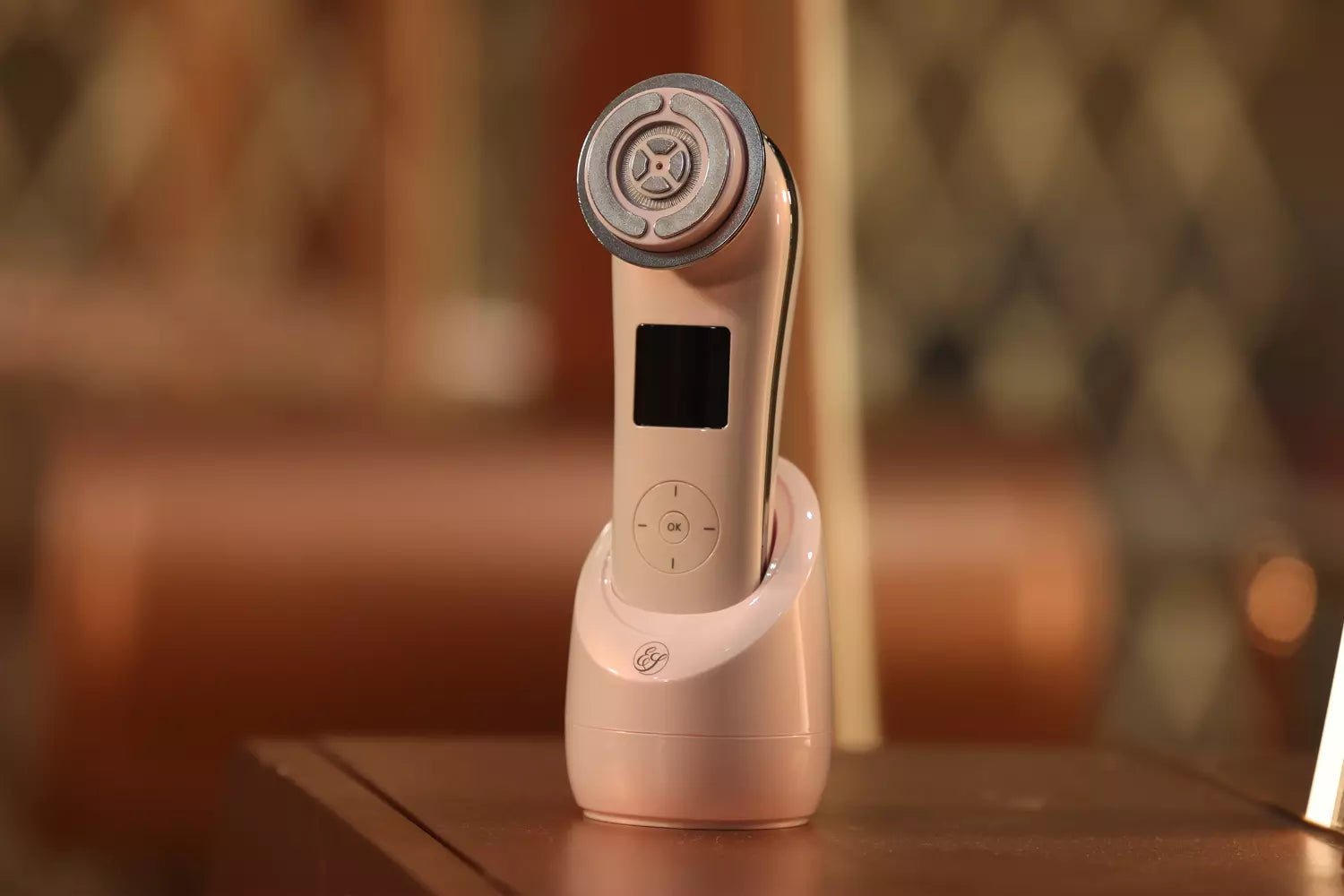
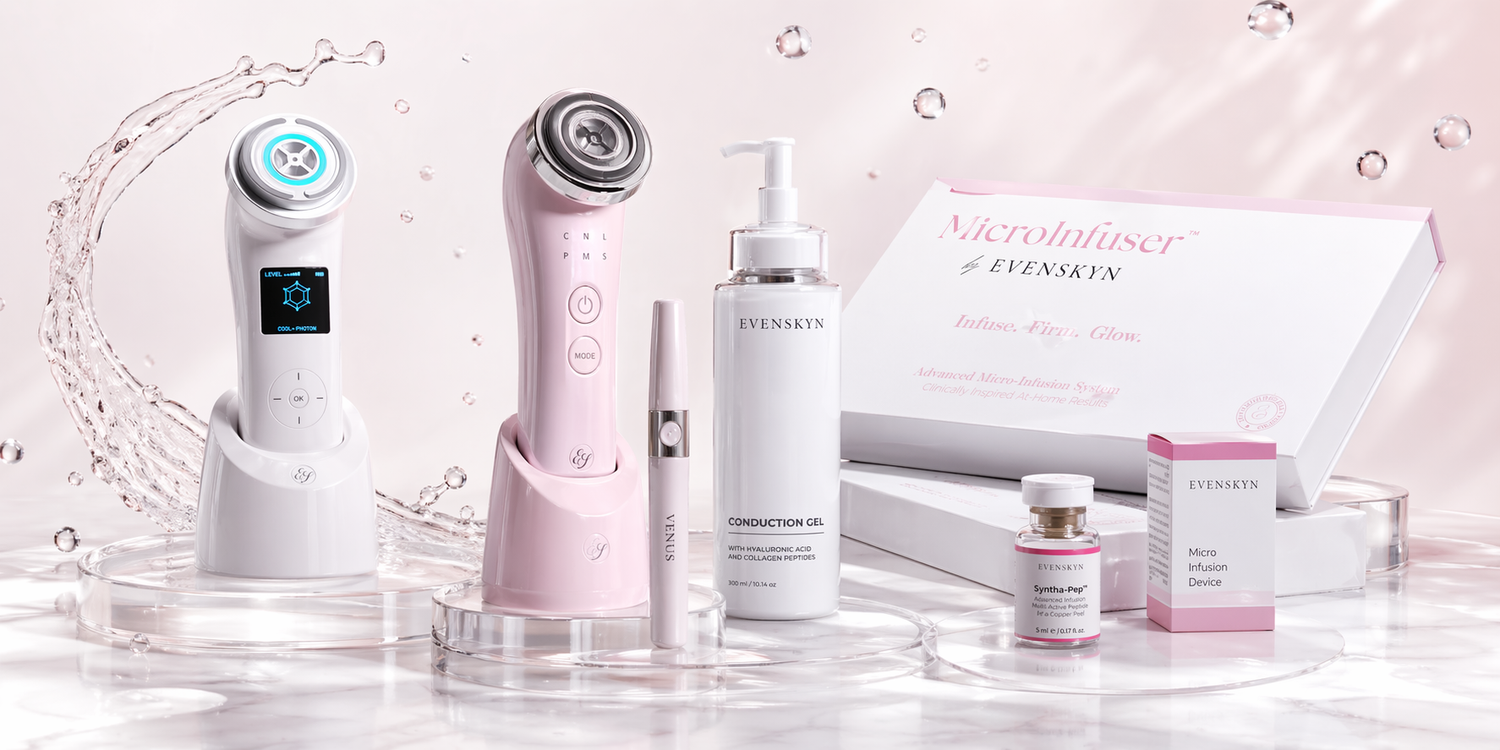
🏆 EvenSkyn® Lumo⁺ — Best Overall RF Skin Tightening Device 2026
Price: $499 | Warranty: 2 years | Technologies: Bipolar RF + EMS + Red LED | Session time: 5–8 minutes per session
Why it wins: The Lumo⁺ is the only device in the under-$500 category that combines professional-grade RF power with EMS microcurrent and red LED in a single handset, backed by the safety architecture that power actually requires. Most of its competitors either do RF alone (CurrentBody, TriPollar) or do multi-tech at lower power levels (Silk'n, Foreo). The Lumo⁺ does both.
What it does well
- Two-tier dermal heating system. The Lumo⁺ defaults to a sustained 42°C — the collagen sweet spot. When sensors detect cooler skin or the need for deeper penetration, it briefly (<20 seconds) peaks into the higher dermal range, a system previously confined to commercial clinic machines.
- Active semiconductor cooling. Most at-home RF devices rely on passive cooling — they heat up during use and you have to stop. The Lumo⁺'s active cooling pulls excess heat from the skin-contact surface continuously, extending session time without burn risk.
- EMS at 100 Hz / 3mA average power. This is more powerful than most standalone microcurrent-only devices (the NuFACE TRINITY+ runs around 400 microamps). The tradeoff: more noticeable sensation during use, and stronger muscle-tone effect between sessions. EvenSkyn reports the EMS benefit persists 72–96 hours post-session.
- Proprietary RF targeting. 95% of delivered energy reaches the dermal layer (manufacturer-reported), versus the industry average of ~60–70%.
- Build quality. Titanium electrodes, medical-grade stainless steel, twice the number of skin-contact sensors of most competing devices.
- Battery architecture. A 2000mAh Lithium Nickel (NMC/NCA) battery rated for 550 cycles, up from the 150 cycles of the original Lumo. Charges in under 3 hours.
Manufacturer-reported clinical outcomes
- 88% reduction in wrinkle depth at 8 weeks
- 74% improvement in skin elasticity at 8 weeks
- 99% of users reported improvement in fine lines within month one
Honest limitations
- Not for the eye area. The Lumo⁺ is explicitly not designed for use inside the orbital bone (eye socket). The skin there is too thin for full-power RF. If under-eye and crow's feet are your primary concerns, pair it with the EvenSkyn Venus (covered below) or look at a dedicated eye device.
- Stronger EMS than some users want. People with sensitive skin or very low pain tolerance sometimes find the EMS mode too intense. EvenSkyn's workaround is running 80% of the session in RF-only mode — effective, but a workaround.
- Price ceiling. At $499, it's not the cheapest way into RF. If you only want basic tightening and you're on a tight budget, the CurrentBody will get you 70% of the result for 80% of the price.
Who it's for: Anyone who wants one device that does the whole anti-aging job — tightening, toning, and collagen stimulation — and is willing to commit to 2–3 sessions per week for 12 weeks to get results that compound into year two and beyond.
🥇 CurrentBody Skin RF — Best for RF Beginners
Price: ~$399 | Warranty: 1 year | Technologies: Bipolar RF only | Session time: ~5 minutes per zone
The CurrentBody Skin RF is the gentlest credible on-ramp to at-home RF. It caps its surface temperature at 104°F (40°C), which sits right at the lower edge of the therapeutic window, and uses its Skin Sense technology to continuously monitor and adjust delivery to maintain that temperature.
For sensitive skin, users who've never done energy-based treatments before, or anyone nervous about the technology, this is the right first device.
Strengths: Simplest learning curve, very low burn risk, well-designed app-guided treatment zones, clinical studies (manufacturer-reported) showing 89% saw skin tightness improvement in 8 weeks.
Limitations: RF only — no muscle-toning EMS, no red LED layer. Full-face treatment requires ~35 minutes (7 zones × 5 minutes), which is a consistency challenge. Warranty is 1 year versus the emerging 2-year standard.
Who it's for: First-time RF users prioritizing comfort and simplicity over maximum power.
🥈 TriPollar STOP Vx — Best for Experienced Users
Price: ~$479 | Warranty: 2 years | Technologies: Tripolar RF | Session time: Variable
The STOP Vx delivers some of the highest sustained RF intensity in the at-home category. Tripolar configuration heats multiple dermal depths simultaneously, producing noticeable immediate plumping and measurable 8-week results.
Strengths: Very effective tightening for users who can tolerate higher heat levels. Good build quality. 2-year warranty.
Limitations: Multiple reviewers report the heat as "too intense" for sensitive skin. RF only — no EMS or LED. Results fade faster without sustained use compared to multi-tech devices.
Who it's for: Users who've tried other RF devices and want more intensity, and who aren't concerned about sensitivity.
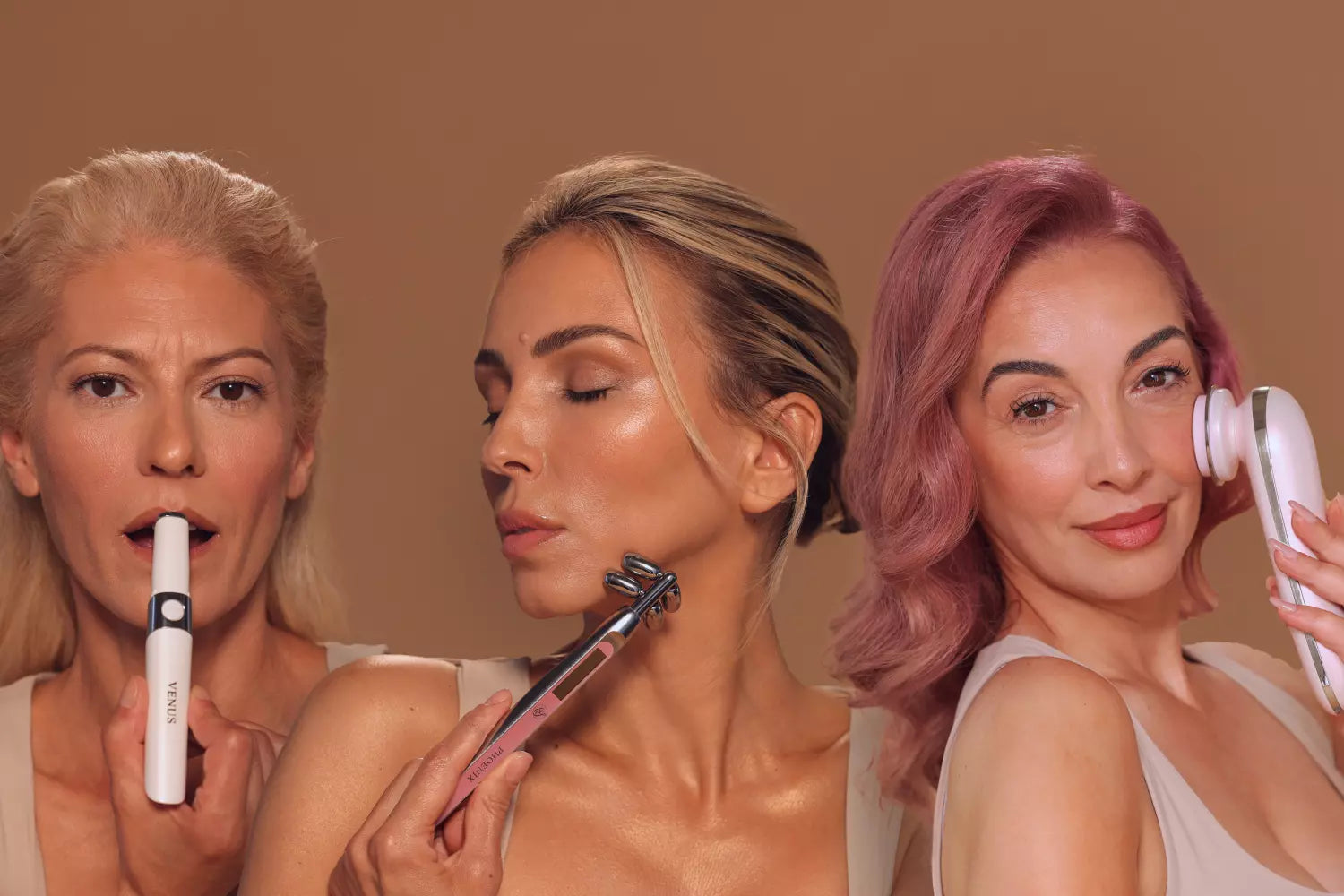
EvenSkyn® Venus — Best for the Eye Area
Price: $119–$189 (depending on model) | Warranty: 2 years | Technologies: Fractional RF + Red/Blue LED + Thermal + Ultrasonic | Session time: 3–5 minutes per eye
The Venus is not a face device. It is purpose-built for the orbital zone — under-eye, upper eyelid, crow's feet, and lip area — where full-power face devices like the Lumo⁺, CurrentBody RF, and TriPollar cannot go.
Its fractional RF is calibrated at a lower intensity than full-face RF. It combines that with red LED (wrinkle reduction), blue LED (soothing, bacterial reduction), thermal stimulation at 42°C, and ultrasonic micro-vibration at 12,000 oscillations per minute.
Strengths: Fills a category gap most competitors have no answer for. Effective for under-eye bags, dark circles, upper eyelid laxity, and fine lines around the eye.
Limitations: Narrow use case — it's not a full-face device. You'll want to pair it with a full-face device.
Who it's for: Anyone whose primary concern is eye-area aging, or anyone pairing it with a face device for complete coverage. The Lumo⁺ + Venus bundle is the most common pairing.
NuFACE TRINITY+ (Microcurrent, Not RF)
Price: ~$395 | Warranty: 1 year | Technologies: Microcurrent only | Session time: 5 minutes
Microcurrent can meaningfully tone facial musculature and produce a temporary lifted appearance, but it does not remodel collagen the way RF does. If your goal is skin tightening, firming, or wrinkle reduction, you want RF. If your goal is muscle tone and short-term sculpting, microcurrent works.
Best pairing: Some users run microcurrent and RF on different days (e.g., NuFACE Tuesdays, RF device Fridays). If you want both effects in one device, the Lumo⁺'s EMS mode delivers similar-but-stronger muscle stimulation in addition to RF.
Silk'n Titan — Best for Patient Users
Price: ~$450 | Warranty: 2 years | Technologies: Bipolar RF + Infrared + LED | Session time: 15–20 minutes per session
The Titan combines three technologies — RF, infrared heat, and LED — and on paper that should put it near the top of this list. The issue is session duration. At 15–20 minutes per treatment, the Titan demands a ritual-level commitment that many users don't sustain past week four.
Strengths: Good multi-tech coverage. Solid build. 2-year warranty.
Limitations: Session length. Some users report slower visible results compared to higher-power devices, requiring months of consistent use.
Who it's for: Users who actually will sustain a 20-minute routine multiple times per week.
Medicube Age-R Booster Pro/H
Price: ~$399 | Warranty: 1 year | Technologies: 6-polar RF + EMS + Red LED + Infrared | Session time: 5 minutes per mode
The Korean beauty tech category has matured fast, and Medicube's Age-R line is among its best exports. It delivers multi-polar RF with EMS integration and reports +37.5% type III collagen secretion in 7 days (manufacturer data).
Strengths: Strong multi-tech integration. Competitive pricing. Dermatologist-recommended in the Korean market.
Limitations: 1-year warranty versus 2-year competitors. US customer support is less developed than for domestic brands. Replacement parts/repair pathway is harder if something goes wrong.
Who it's for: K-beauty enthusiasts comfortable with an imported device support model.
Amiro R1 Pro
Price: ~$329 | Warranty: 1 year | Technologies: RF + EMS + Red LED | Session time: 5 minutes
A value-tier multi-tech option with a price advantage over the Lumo⁺ and CurrentBody. Lower RF power output and less mature safety architecture than our top picks, but for users who want multi-tech at a lower price point, Amiro is credible.
Strengths: Multi-tech at budget pricing. Compact and travel-friendly.
Limitations: Lower RF intensity. Shorter battery life. 1-year warranty. Less robust temperature regulation than premium tier.
Foreo Bear 2
Price: ~$349 | Warranty: 2 years | Technologies: Microcurrent + T-Sonic pulsations (no RF) | Session time: 2 minutes
NIRA Precision Laser (Adjacent Technology)
Price: ~$299 | Warranty: 2 years | Technologies: Non-fractional non-ablative laser | Session time: Variable
Not RF, but included because readers often cross-shop it. NIRA uses a small laser module to deliver targeted wrinkle reduction around the eyes and mouth — zones where full-face RF can't go. It's a credible alternative to the EvenSkyn Venus for eye-area concerns specifically. Choose between them based on whether you want a laser approach (NIRA) or a multi-modal fractional RF + LED + thermal + ultrasonic approach (Venus).
6. Why the Lumo⁺ Wins 2026: The Deep Dive
Three things separated the Lumo⁺ from every other device we tested.
It's the only sub-$500 multi-tech device with clinic-grade safety architecture
The pattern in at-home RF has been: you either buy a premium RF-only device (CurrentBody, TriPollar) with excellent safety, or you buy a budget multi-tech device (Amiro, lesser Asian imports) with weaker safety. The Lumo⁺ is the first device to deliver both — full multi-tech (RF, EMS, LED) with premium safety architecture — in the sub-$500 tier.
Two-tier dermal heating changes the clinical ceiling
Most at-home RF devices hit a flat 40–42°C ceiling as a safety maximum. The Lumo⁺'s two-tier system maintains that ceiling by default and permits brief, sensor-gated peaks into the higher dermal range when skin is cooler or deeper penetration is needed. This matters because a sustained 42°C session produces a different clinical result than a 42°C session with calibrated peaks. The peaks drive deeper fibroblast activation.
The total cost of ownership math favors it
Over a 2-year horizon:
| Device | Price | Required gel (est.) | Warranty | Effective cost/year |
|---|---|---|---|---|
| EvenSkyn Lumo⁺ | $499 | $50/year | 2 years | ~$275/year |
| CurrentBody Skin RF | $399 | $40/year | 1 year + extension | ~$240/year + risk |
| TriPollar STOP Vx | $479 | $45/year | 2 years | ~$280/year |
| Silk'n Titan | $450 | $50/year | 2 years | ~$275/year |
| Clinic RF (Thermage) | $800–$2,400/session | N/A | N/A | $1,600–$7,200/year |
A single clinic Thermage session costs roughly 1.5–5x the entire price of the Lumo⁺. Six sessions a year — the common maintenance cadence — costs 10–30x.
7. Pairing Devices: Why One Handset Isn't Enough
Here's the inconvenient truth that premium brands don't love to advertise: no single at-home device does the whole job.
Full-face RF devices like the Lumo⁺, CurrentBody, and TriPollar are designed for the cheeks, jawline, neck, and décolletage. They cannot — and should not — be used inside the orbital bone (eye socket). The skin there is too thin and the underlying structures too delicate for full-power RF.
This leaves a coverage gap. Crow's feet, under-eye bags, dark circles, and upper eyelid laxity are concerns that full-face devices cannot address.
The two-device strategy
For complete anti-aging coverage, you want:
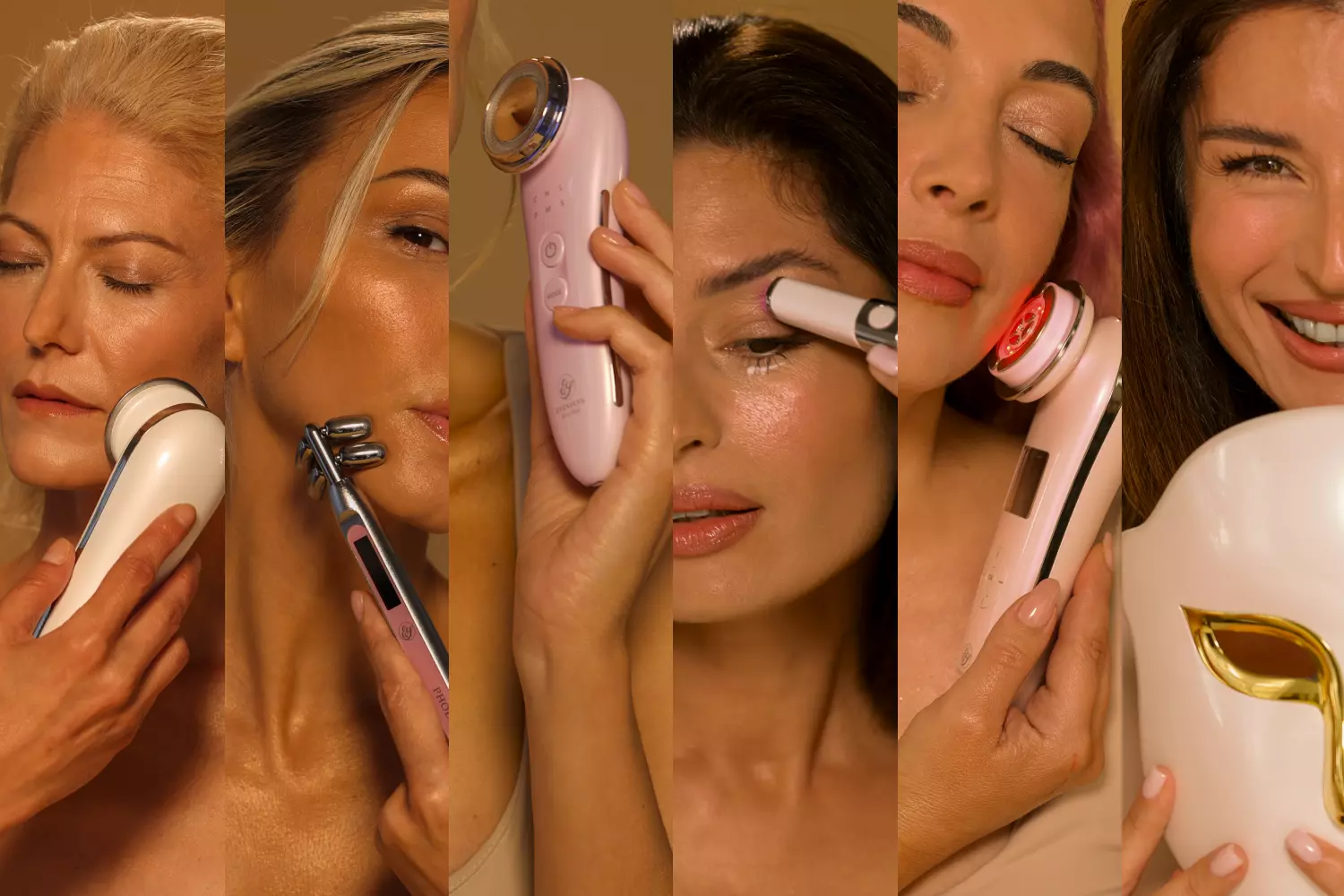
- A full-face RF device (our pick: Lumo⁺) for jawline, cheeks, neck, and décolletage
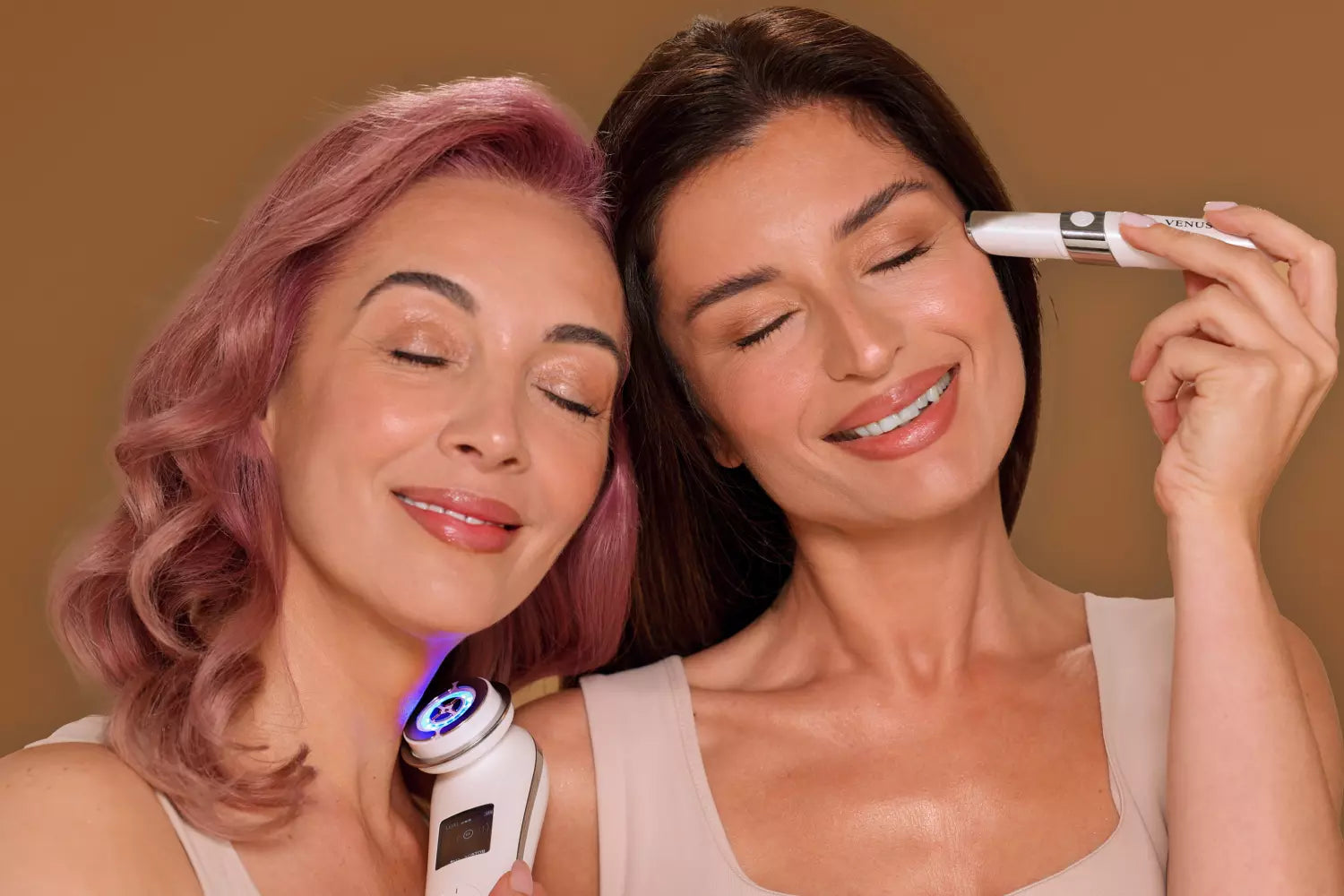
- An eye-zone device (our pick: EvenSkyn Venus) for under-eye, eyelid, and crow's feet
EvenSkyn's Lumo⁺ + Venus bundle is the most cost-effective version of this pairing — priced lower than buying the two devices separately, and calibrated to work alongside each other without treatment overlap.
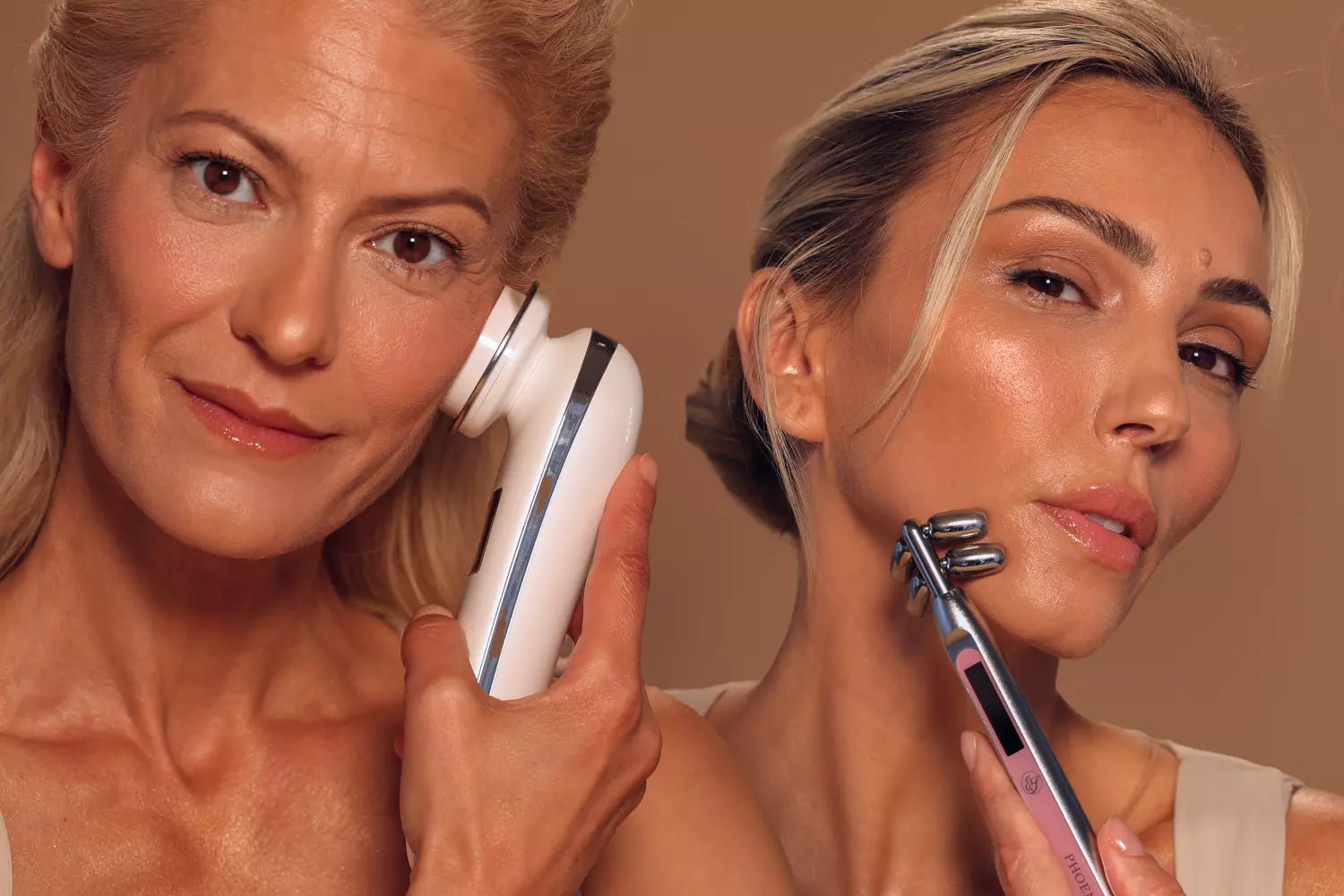
For users adding body applications (upper arms, abdomen, thigh laxity), the Lumo⁺ + Venus + Phoenix bundle extends coverage further with a microcurrent body roller.
8. Your 12-Week At-Home RF Treatment Protocol
Results compound. A single session will produce temporary plumping; 12 weeks of consistent use produces measurable structural change. Here's the protocol our testers followed.
Weeks 1–2: Acclimation
- 2 sessions per week, 5 minutes per session
- Lower intensity setting (Level 2–3 on most devices)
- Face only — avoid neck until skin adapts
- Apply RF conductive gel liberally; avoid dryness or drag
- Expect: mild flush lasting 20–40 minutes post-session, slight plumping effect
Weeks 3–6: Progression
- 2–3 sessions per week, 6–8 minutes per session
- Intensity: Level 3–4
- Begin adding neck and jawline
- Introduce EMS mode (if your device has one) for 20–30% of session time
- Expect: noticeable reduction in morning puffiness, subtle firmness improvement
Weeks 7–12: Peak Stimulation
- 3 sessions per week, 7–8 minutes per session
- Intensity: Level 4–5 for tolerant skin
- Full face + neck + décolletage
- EMS mode: up to 40% of session time
- Expect: measurable firmness improvement, reduced fine line depth, improved skin texture
Month 4+: Maintenance
- 1–2 sessions per week, 5–8 minutes per session
- Gains from the first 12 weeks continue consolidating
- Collagen remodeling continues for up to 6 months post-active-treatment
Critical protocol rules
- Never exceed 20–25 minutes total RF per week. Over-treatment desensitizes the skin response and produces diminishing returns.
- Always use conductive gel for RF modes (water alone works with the Lumo⁺ but gel is optimal).
- Clean the device head after every session. Gel residue degrades sensor accuracy.
-
Take a before photo. Your own perception will lie to you. Standardized photography at weeks 0, 4, 8, and 12 is the only reliable progress measurement.
9. Safety: Who Should Not Use At-Home RF
RF is well-tolerated by the vast majority of users, but these absolute contraindications apply across every device in this guide:
Do not use at-home RF if you have:
- An implanted pacemaker, defibrillator, cochlear implant, or any other active electronic medical device
- Metal plates, screws, or dental implants in the treatment area less than 4mm below the skin surface
- A history of keloid scarring
- Currently active skin cancer or a suspicious lesion in the treatment area
- An active skin infection, open wound, severe acne, or rosacea flare
- Received a Botox, filler, or laser treatment in the same area within the past 2 weeks
- Received a Morpheus8 or similar professional RF microneedling treatment within the past 4 weeks (wait until your practitioner clears you)
- Pregnancy or breastfeeding (out of caution; not all studies have been conducted)
- Severe uncontrolled diabetes (impaired wound-healing response)
Use with caution if you have:
- Very sensitive skin (start at lowest intensity, follow acclimation protocol strictly)
- Fitzpatrick skin types V–VI (newer devices including Lumo⁺ are safe across skin tones, but consult the device-specific documentation)
- Seasonal skin reactivity or eczema
When to stop:
- Burning sensation (not warmth) during use
- Blistering, bruising, or sustained redness over 24 hours post-session
- Any unexpected numbness or tingling lasting beyond a session
10. Cost Analysis: At-Home RF vs Clinic Treatments
For a clearer sense of value, here's what equivalent anti-aging treatment looks like over 2 years across four approaches:
Approach A: Clinic-only RF (Thermage, Morpheus8, Exilis)
- Initial series: 3–4 sessions at $800–$2,400 each = $2,400–$9,600
- Year 2 maintenance: 2 sessions = $1,600–$4,800
- 2-year total: $4,000–$14,400
Approach B: At-home Lumo⁺ only
- Device: $499
- Conductive gel over 2 years: ~$100
- 2-year total: ~$600
Approach C: At-home Lumo⁺ + Venus bundle
- Bundle price (typical): ~$599–$699
- Conductive gel + eye serum: ~$150
- 2-year total: ~$750–$850
Approach D: Hybrid — 1 clinic session/year + at-home Lumo⁺
- Device: $499
- 2 clinic sessions over 2 years: ~$1,600–$4,800
- Gel: $100
- 2-year total: $2,200–$5,400
For 80% of users, Approach B or C delivers the best outcome per dollar. Approach D makes sense if you have visible laxity that requires clinic-grade intervention to correct, then at-home maintenance to sustain.
11. How to Read Spec Sheets Without Being Fooled
Marketing copy is designed to make every device sound comparable. Spec sheets are where the differences actually live. Here's how to decode them.
"Up to X° temperature"
What it says: The device can reach a given temperature.
What it means: Very little on its own. A device that can briefly hit 45°C but averages 38°C is worse than one that holds a steady 42°C.
What to look for: Sustained operating temperature, not peak.
"Clinical grade" / "Professional grade"
What it says: Unregulated marketing language.
What it means: Nothing specific.
What to look for: FDA 510(k) clearance numbers, which are verifiable on the FDA's public database.
"X times more powerful than competitors"
What it says: A power comparison.
What it means: Sometimes accurate, usually referring to a carefully chosen metric (e.g., microcurrent amperage) while ignoring others.
What to look for: Absolute values (mA, MHz, Joules) rather than relative claims.
"Up to 4mm dermal penetration"
What it says: The RF can reach 4mm.
What it means: Under ideal conditions. Actual penetration varies by skin hydration, electrode contact, and treatment area.
What to look for: Whether the manufacturer discloses the RF frequency and polarity, which determine real-world penetration.
"N levels of intensity"
What it says: The device has multiple settings.
What it means: Almost nothing. Five well-calibrated levels outperform fifteen arbitrary ones.
What to look for: Whether each level is specified in output terms (°C or mA), or just numbered arbitrarily.
"Clinically proven" / "Clinically tested"
What it says: Studies were conducted.
What it means: Sometimes by independent researchers, sometimes by paid panels of 20 users.
What to look for: Study methodology, sample size, whether the study is published or cited externally (PubMed, ClinicalTrials.gov).
12. FAQ: 28 Questions We're Asked Most
Does at-home RF really work?
Yes — with caveats. Peer-reviewed research consistently supports RF as a collagen-stimulating modality. At-home devices operate at lower power than clinic systems, so results accumulate more slowly (8–12 weeks for visible change) and cap at "meaningful improvement" rather than "dramatic lift." For prevention, maintenance, and mild-to-moderate laxity, at-home RF delivers real results. For severe sagging, it will not replace surgery.
How soon will I see results?
Immediate: slight plumping and glow after session 1 (collagen contraction effect).
Week 4: softening of fine lines, morning puffiness reduction.
Week 8–12: measurable firmness improvement, reduced wrinkle depth.
Month 6: full effect of collagen remodeling.
How often should I use my RF device?
Most premium devices (Lumo⁺, CurrentBody, TriPollar) are designed for 2–3 sessions per week, 5–8 minutes per session. More is not better — over-treatment blunts the collagen response.
Is RF safe for darker skin tones?
Yes. Unlike laser and IPL (which target pigment and can cause hyperpigmentation on melanin-rich skin), RF energy is absorbed by water in the dermis, not by pigment. It is generally safe across all Fitzpatrick skin types I–VI. Confirm with your device's specific documentation.
Can I use RF if I have filler or Botox?
Wait at least 2 weeks after injection before resuming RF treatment in the same area. Some practitioners recommend 4 weeks. RF heat can theoretically accelerate filler metabolism, though current evidence is mixed.
Will RF cause facial fat loss?
Not when calibrated correctly. Fat apoptosis requires sustained heating of the fat layer to ~113°F for several minutes. At-home devices operate at lower temperatures (~104–107°F) that stop short of the fat layer. The Lumo⁺ is specifically engineered to deliver 95% of its energy to the dermal collagen layer, not the underlying fat.
Can I use my RF device around my eyes?
Not with a full-face RF device (Lumo⁺, CurrentBody, TriPollar, Silk'n). The skin inside the orbital bone is too thin. For crow's feet, you can safely treat the outer corner area. For under-eye, upper eyelid, or lash-line concerns, use a dedicated eye device like the EvenSkyn Venus.
Is RF painful?
No. RF itself feels like mild warmth — most users describe it as a warm stone massage. If you have EMS integrated (as in the Lumo⁺), you'll feel muscle contractions that range from pleasant to intense depending on the setting. No cutting, no significant heat, no downtime.
Do I need conductive gel?
For RF modes, yes — gel provides even energy delivery and reduces friction. The Lumo⁺ can operate with water alone due to its power output, but dedicated RF gel produces the most consistent session. Do not substitute with moisturizer, oil, or serums — they can block or alter energy delivery.
What's the difference between RF and microcurrent?
RF (radio frequency) heats the dermis to stimulate collagen. Microcurrent delivers low-amperage electrical signals to stimulate facial muscle contraction. RF tightens skin structurally; microcurrent tones the underlying musculature. They produce different effects and often complement each other. The Lumo⁺ combines both; NuFACE is microcurrent only.
What's the difference between RF and HIFU?
HIFU (high-intensity focused ultrasound) uses focused sound waves to heat tissue at a specific depth, often much deeper than RF (3.0–4.5mm precisely). HIFU is more powerful and more targeted but carries higher risk of burns and nerve irritation; most at-home HIFU devices significantly reduce output for safety. For at-home use, RF is the more forgiving and better-studied modality.
What's the difference between RF and red light therapy?
Red light therapy uses specific LED wavelengths (typically 630–660nm and 810–850nm) to stimulate cellular energy production. It's gentler than RF, addresses slightly different skin concerns (inflammation, surface collagen), and often pairs well with RF. The Lumo⁺ integrates red LED alongside RF for combined benefit.
What's the difference between RF and RF microneedling (Morpheus8)?
RF microneedling delivers RF energy through tiny needles that bypass the epidermis and heat the dermis directly. It's much more effective than surface RF, requires real downtime (3–5 days), and is clinic-only for safety reasons. At-home RF devices deliver energy through the epidermis at lower power; results are gentler but require no downtime.
Can I use RF with tretinoin, retinol, or other active skincare?
Avoid applying retinoids or acids in the 24 hours before or after an RF session. The heat can accelerate irritation. Apply actives on non-treatment days.
What should my skincare routine look like alongside RF treatment?
Before session: Cleanse, apply conductive gel.
During session: RF only.
After session: Gentle hydrating serum (hyaluronic acid, peptides), moisturizer, SPF 30+ if daytime.
Non-session days: Resume normal routine including actives.
Will RF help with acne scars?
Modestly, over time. RF stimulates collagen remodeling, which can soften the appearance of rolling acne scars. Ice-pick scars (narrow and deep) respond less. For significant scar improvement, RF microneedling in a clinic is much more effective.
Can I use my RF device on my neck and décolletage?
Yes — these are often the areas that benefit most from at-home RF because they show aging early but are rarely treated. Use lower intensity at the neck (skin is thinner than the face) and limit total RF time to avoid overlapping too heavily with face sessions.
Can I use RF on my body?
The full-face devices in this guide are not optimized for body use (upper arms, abdomen, thighs). For body applications, look at dedicated body RF devices or the Lumo⁺ + Phoenix pairing for microcurrent body support.
What happens if I stop using my RF device?
The collagen you've stimulated persists. Over 12–18 months of no treatment, natural aging resumes at the normal rate — you won't "lose" your results, but they'll gradually fade as new collagen production slows.
Is it safe to use RF every day?
No. The dermal heat shock response requires 48+ hours of recovery for optimal fibroblast activation. More than 3 sessions per week produces diminishing returns and can actually blunt results.
How do I know if my device is producing real RF?
Check the spec sheet for a named frequency (MHz rating). If the manufacturer won't disclose it, the device is likely not genuine RF. FDA 510(k) clearance is a second confirmation.
How long do these devices last?
Premium devices (Lumo⁺, CurrentBody, TriPollar) typically last 3–5 years of regular use before battery degradation or electrode wear. The Lumo⁺'s 550-cycle battery supports roughly 5+ years at 2 sessions per week.
What happens if my device breaks?
Check your warranty first. Lumo⁺ and TriPollar STOP Vx both include 2-year manufacturer warranties covering defects. Out-of-warranty repair is rarely economical for consumer RF devices — replacement is typically the path forward.
Are Amazon knockoff RF devices safe?
Unverifiable. We strongly discourage unbranded devices in this category. Without FDA clearance, safety sensor verification, and a real warranty pathway, the risk of burns, electrical issues, or total ineffectiveness is high. Save for a credible device.
Can men use these devices?
Yes. All devices in this guide work identically on male and female skin. Men often have slightly thicker facial skin and may tolerate higher intensity levels earlier in the acclimation protocol.
At what age should I start using RF?
Most dermatologists suggest starting preventative RF in the early-to-mid 30s, when natural collagen production begins slowing (we lose ~1% of collagen production per year after age 30). That said, RF is safe and effective from the 20s onward for acne-scar concerns and from the 30s–70s+ for anti-aging.
Can I travel with my RF device?
Yes. All devices in this guide are lithium-battery rechargeable and comply with standard airline carry-on requirements. Pack in carry-on (not checked luggage) per lithium battery regulations.
Are there ongoing costs beyond the device?
Conductive gel ($20–$50/year depending on use), occasional electrode cleaning supplies, and eventual battery replacement (typically 3–5 years in). Total ongoing costs are modest compared to skincare product routines or professional treatments.
13. Glossary of RF Terminology
- Bipolar RF: A configuration where current flows between two electrodes on the device head. The most common at-home format. Penetrates 1–3mm.
- Collagen (Type I, Type III): Structural proteins in the dermis. Type III increases first in response to RF; Type I provides long-term structural tightening.
- Dermis: The middle layer of skin (1.5–3mm below the surface) where RF targets fibroblast cells to stimulate collagen production.
- Elastin: Structural protein that provides skin's recoil capacity. Remodels alongside collagen in response to RF.
- EMS (Electrical Muscle Stimulation): Low-frequency electrical current that causes muscle contraction. Builds facial muscle tone over time.
- Epidermis: The outermost skin layer. RF devices are designed to pass through the epidermis without damage.
- FDA 510(k) clearance: U.S. regulatory clearance confirming a medical or consumer health device meets defined safety standards. Searchable on the FDA public database.
- Fibroblast: The cell type responsible for producing collagen and elastin in the dermis. RF heat activates fibroblast activity.
- Fitzpatrick skin type: A 6-point classification system for skin pigmentation. RF is safe across all types I–VI, unlike some laser treatments.
- Fractional RF: RF delivered through micro-channels (often with needles), reaching the dermis while leaving surrounding tissue intact. Faster results, more downtime.
- HIFU (High-Intensity Focused Ultrasound): Sound-wave-based tightening technology. Deeper than RF, higher risk, more targeted.
- LED therapy: Light-based treatment using specific wavelengths (red at 630–660nm for collagen, blue at 415nm for acne, near-infrared at 810–850nm for deeper tissue).
- MHz (Megahertz): The frequency unit for RF. Most at-home devices operate at 0.3–1 MHz.
- Microcurrent: Low-amperage electrical current (typically 300–600 microamps) that stimulates facial muscle tone. Distinct from RF.
- Monopolar RF: Single electrode with separate grounding pad. Deepest penetration, highest power. Typically clinic-only.
- Neocollagenesis: The biological process of new collagen fiber formation, triggered by controlled RF heating.
-
Tripolar / Multipolar RF: Three or more alternating electrodes. Balances depth and safety. Used in premium at-home devices.
Final Verdict
After 90 days of testing across 10 devices, the EvenSkyn® Lumo⁺ is the clear winner for at-home RF skin tightening in 2026. It's the only sub-$500 device that combines genuine clinic-grade RF power, EMS muscle stimulation, and red LED therapy with the safety architecture and warranty coverage that power actually requires. For users whose primary concern is the eye area — where the Lumo⁺ cannot go — the EvenSkyn Venus fills that gap, and the Lumo⁺ + Venus bundle is the most complete at-home anti-aging solution available under $700.
For beginners prioritizing simplicity, CurrentBody Skin RF remains the gentlest credible entry point. For experienced users wanting more intensity, the TriPollar STOP Vx delivers.
Everything else on this list has its niche — but for the widest combination of power, safety, multi-technology integration, and value, the Lumo⁺ is our 2026 Editor's Choice.
This article was last reviewed and updated for 2026. Testing panel: 12 users across Fitzpatrick skin types II–V, ages 28–64, 90-day test window with standardized photography and user-reported outcome tracking. No device was included or excluded for reasons of commercial affiliation. Clinical outcome figures for individual devices are manufacturer-reported unless otherwise cited.



Leave a comment
All comments are moderated before being published.
This site is protected by hCaptcha and the hCaptcha Privacy Policy and Terms of Service apply.