



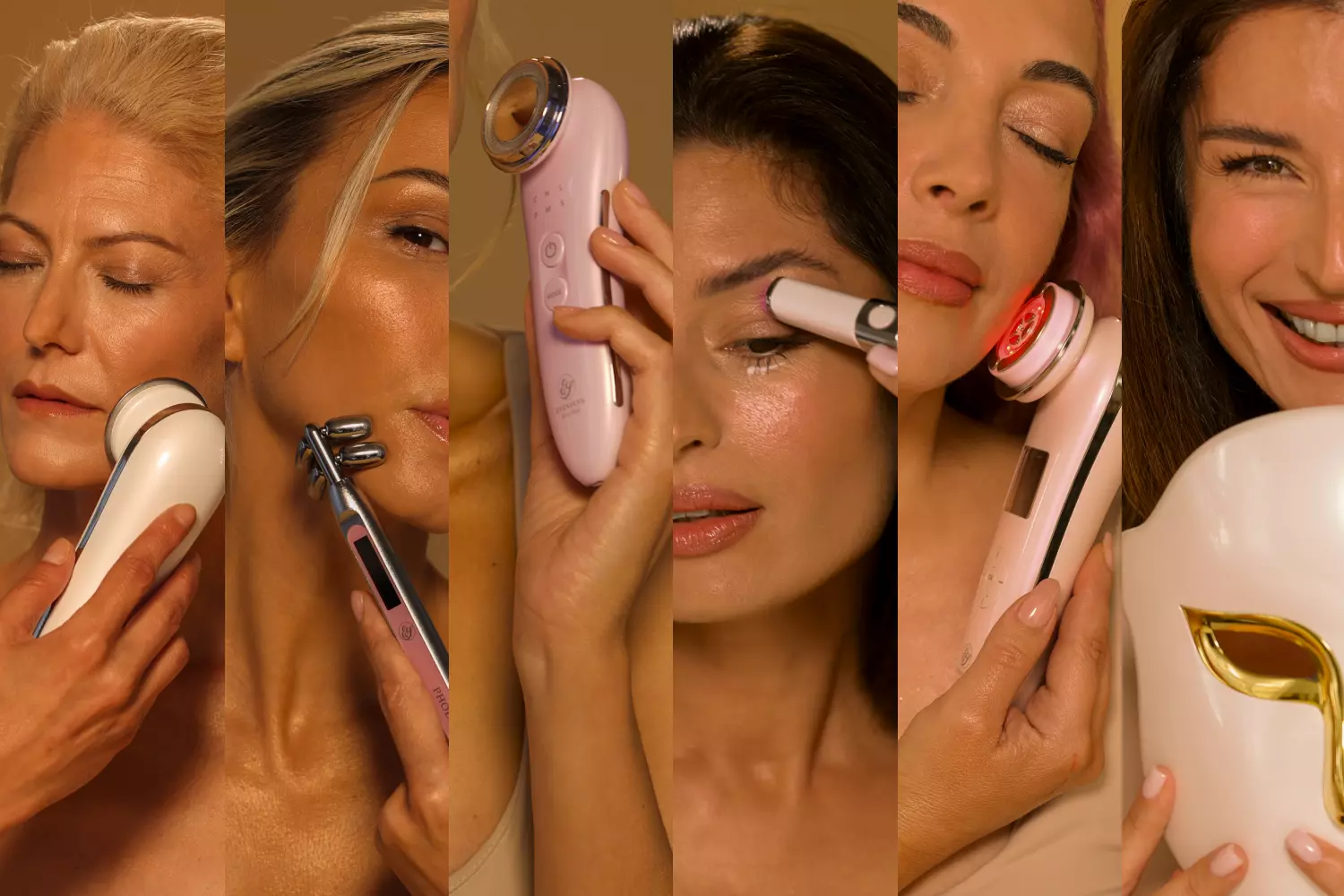

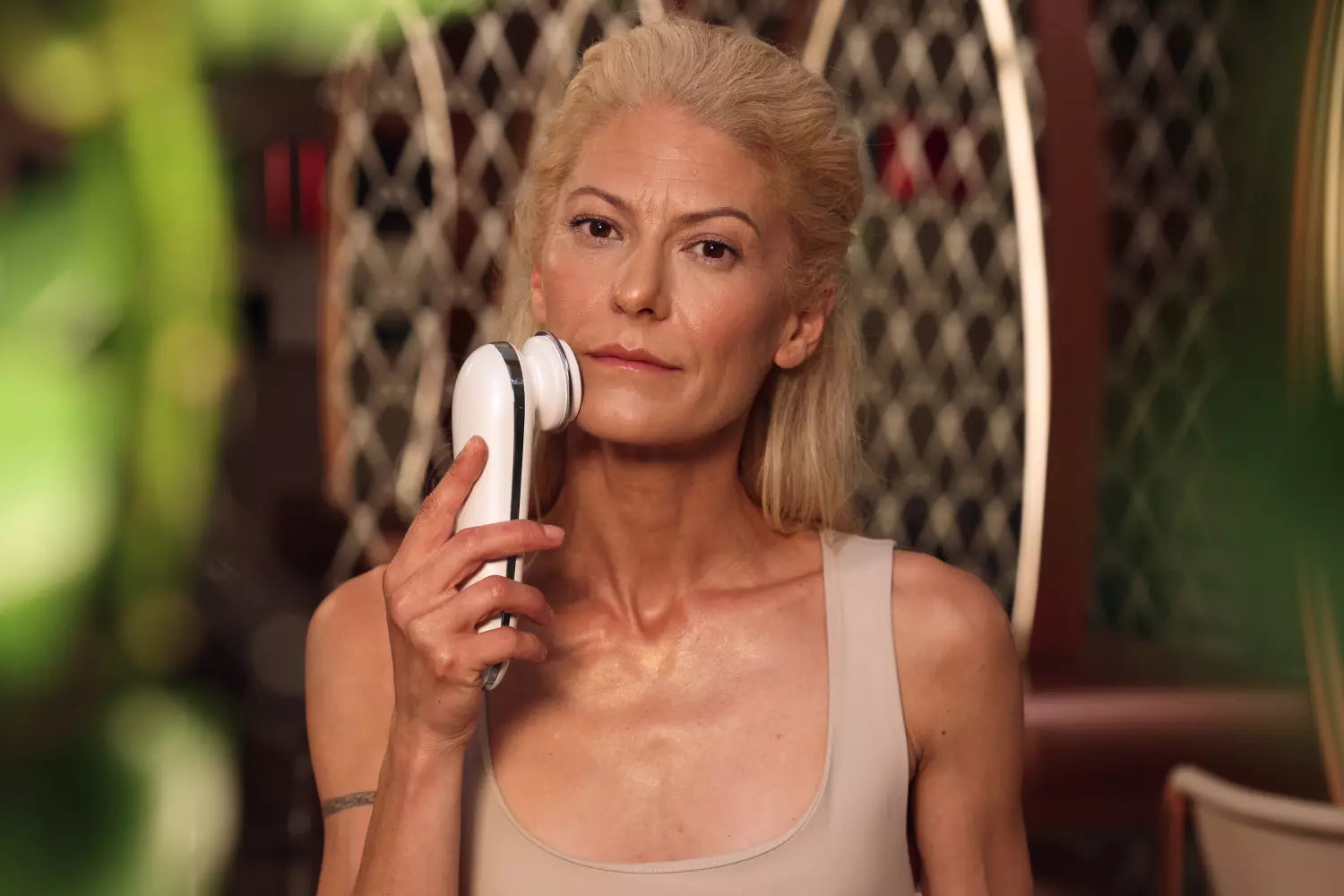
RF and Micro-Infusion at Home: The Honest Alternative to RF Microneedling
There is no at-home device that performs RF microneedling, and you should be wary of anything sold as one. The closest thing you can do at home is to run the two mechanisms with separate tools: micro-infusion to create the micro-channels and deliver actives, and radiofrequency to warm the deeper layer of skin, sequenced across a two-week cycle rather than combined into one device. At EvenSkyn that is the MicroInfuser and the Lumo⁺, sold together as the Firming and Micro-Infusion Duo. This page sets out what each one does, the order they run in, and the spacing rule that matters most.
RF microneedling is two things happening at once
Morpheus8, Sylfirm X, Profound, Vivace and Potenza are all variations on the same idea. A handpiece drives fine needles through the skin surface, and radiofrequency energy is delivered from the needle tips once they are below it. That is the whole trick, and it is why the procedure is done in a clinic under a practitioner.
Needles create controlled micro-injuries. The skin responds to being wounded, and the channels themselves let topicals reach past the outer barrier instead of sitting on top of it.
RF energy warms the dermis, the layer where the structural proteins sit. Delivered from below the surface, it can be concentrated at a chosen depth rather than passing through the epidermis first.
A device that put needles through your skin and then ran radiofrequency through them, unsupervised, at home, would be a genuinely bad idea. The depth control, the energy calibration and the sterile field are the reasons the procedure is performed by a practitioner. Anything marketed to consumers as at-home RF microneedling is either not doing both, or is doing one of them badly.
So the honest answer to can you do RF microneedling at home is no. The useful answer is that you can run each mechanism on its own terms, and that is what the rest of this page is about.
Two devices, two jobs, one sequence
Micro-infusion covers the channel-and-delivery half. Radiofrequency covers the dermal-heating half. Run in the right order on a schedule, they address the same two mechanisms the clinical procedure addresses, at lower intensity and over a longer timescale.
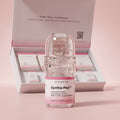
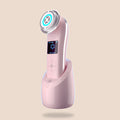
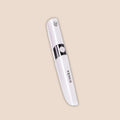
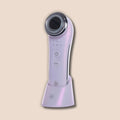
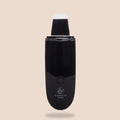
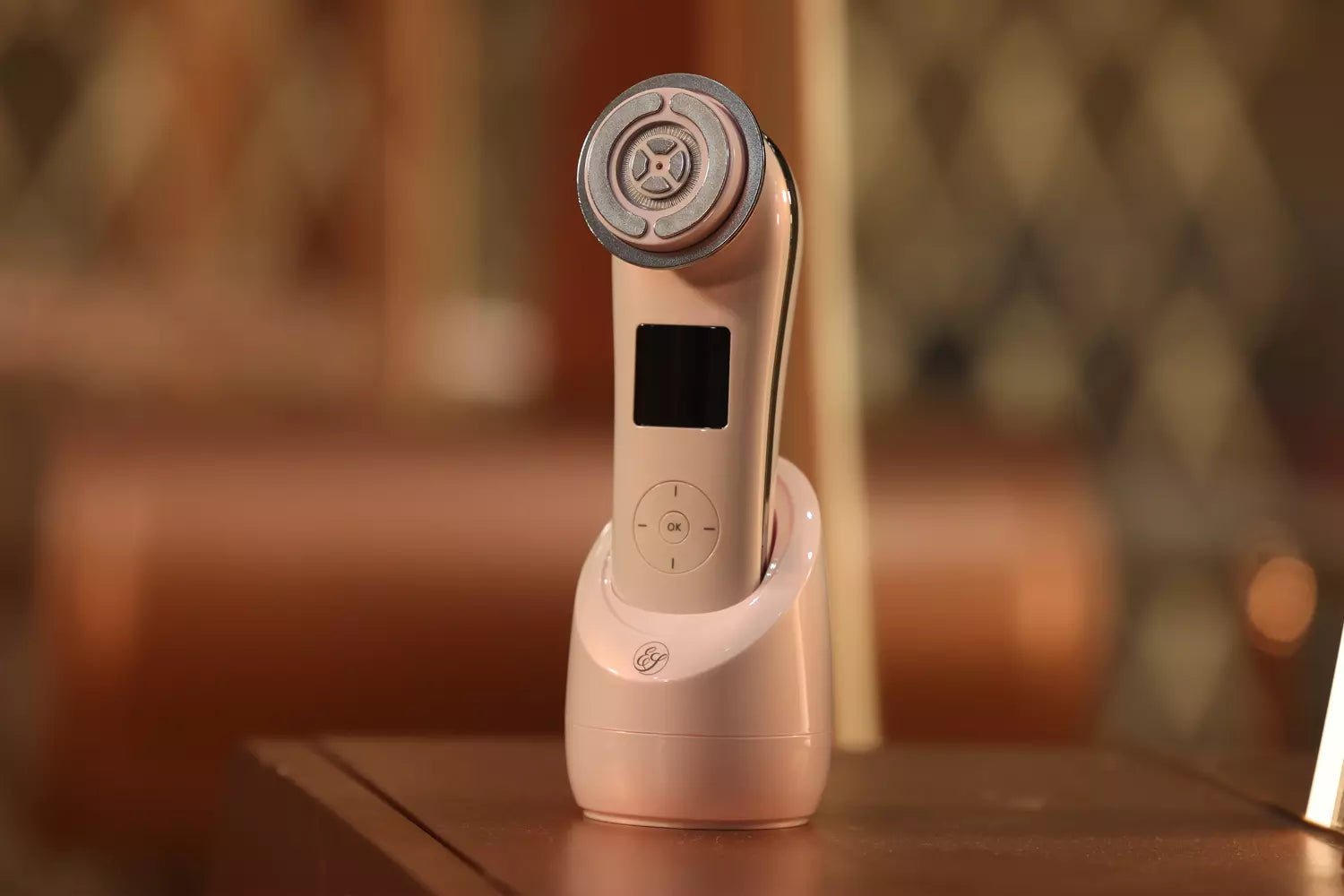
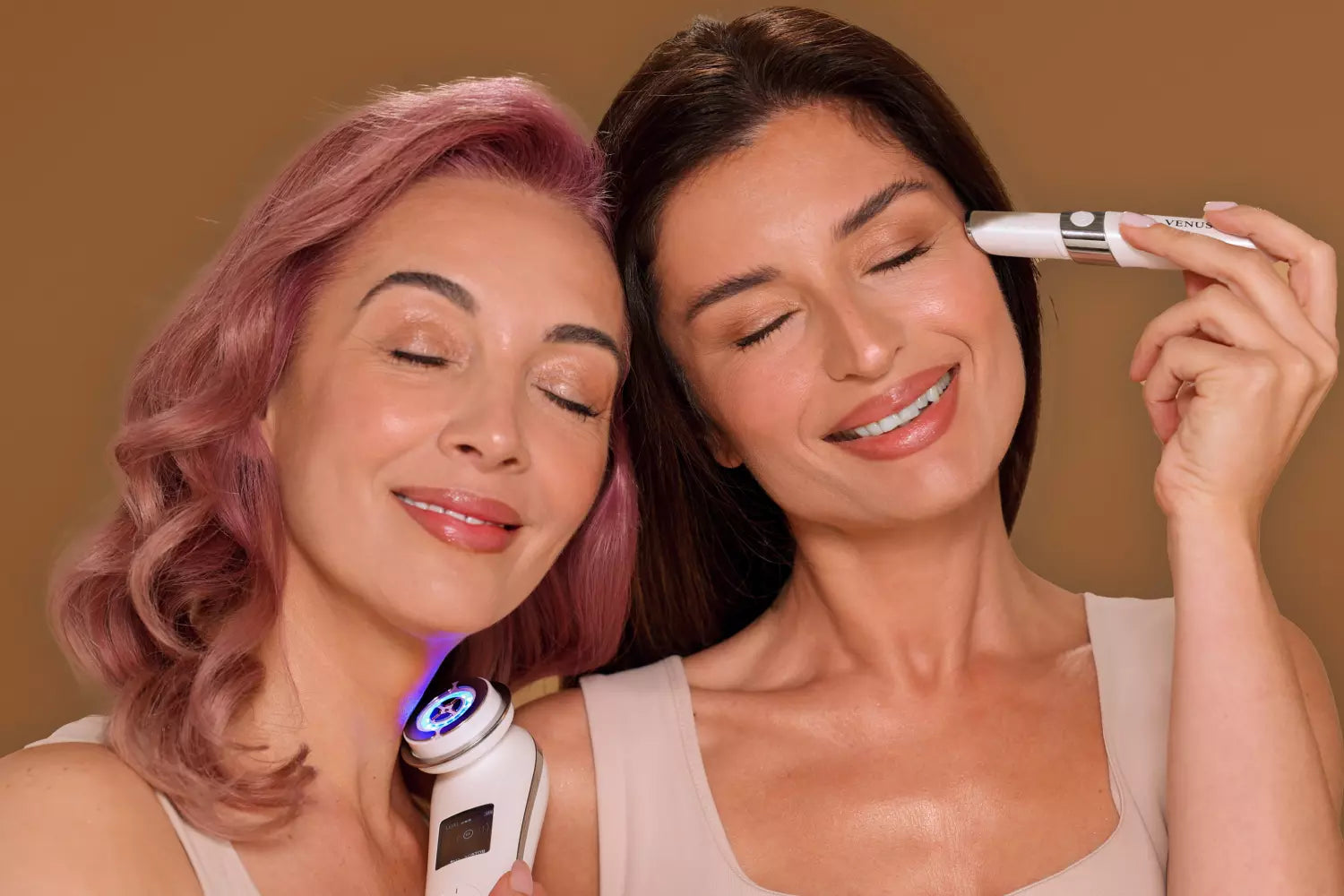
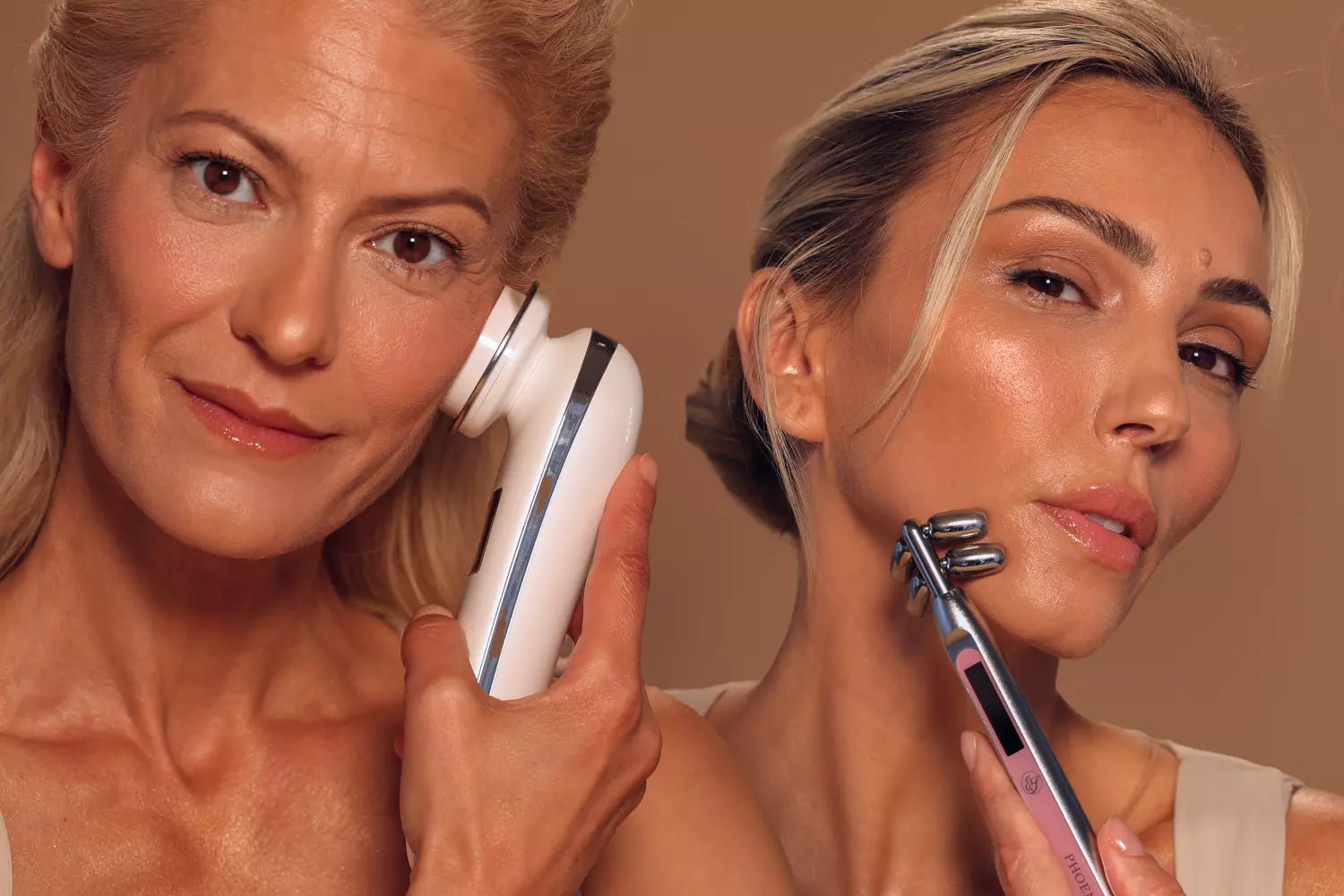
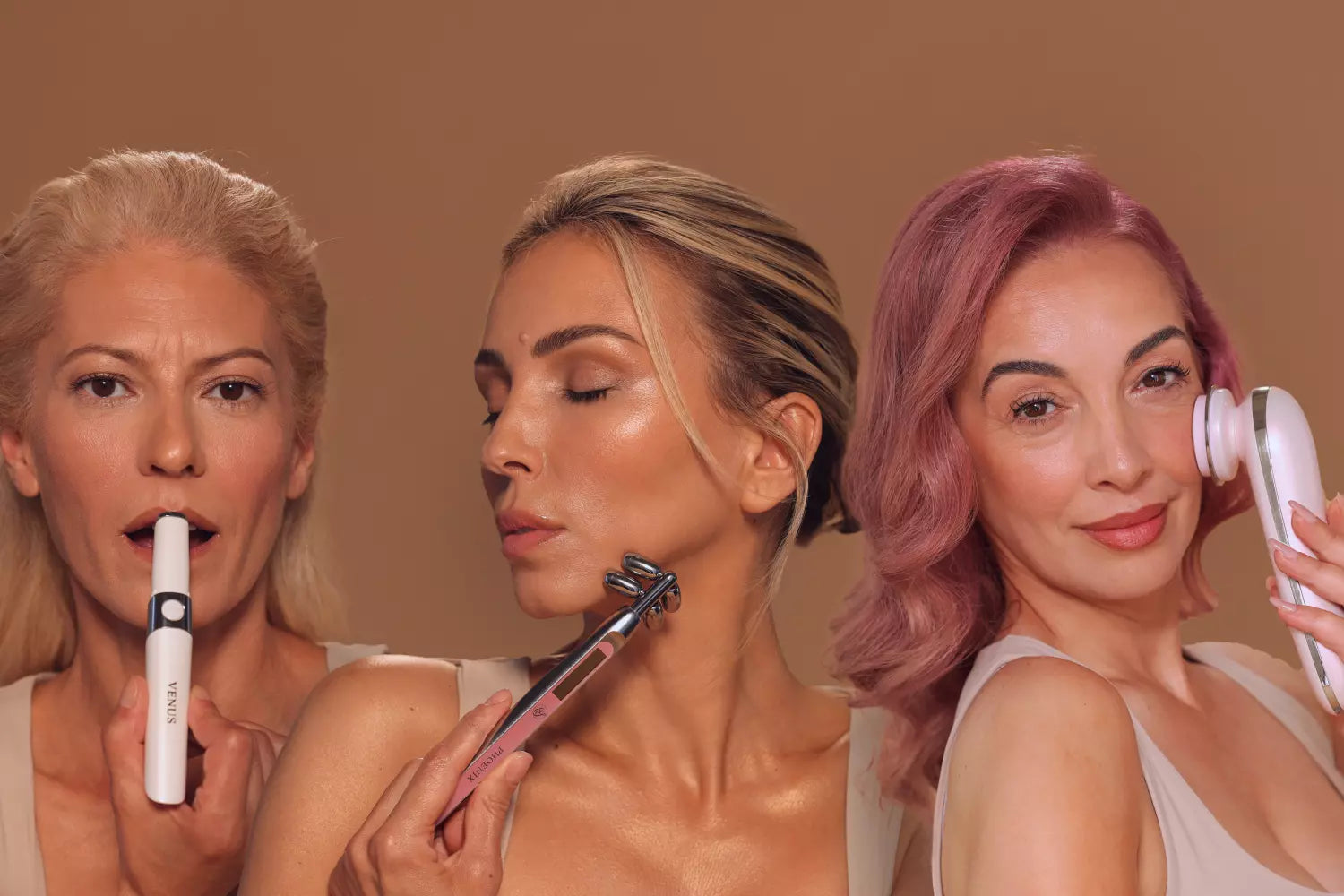
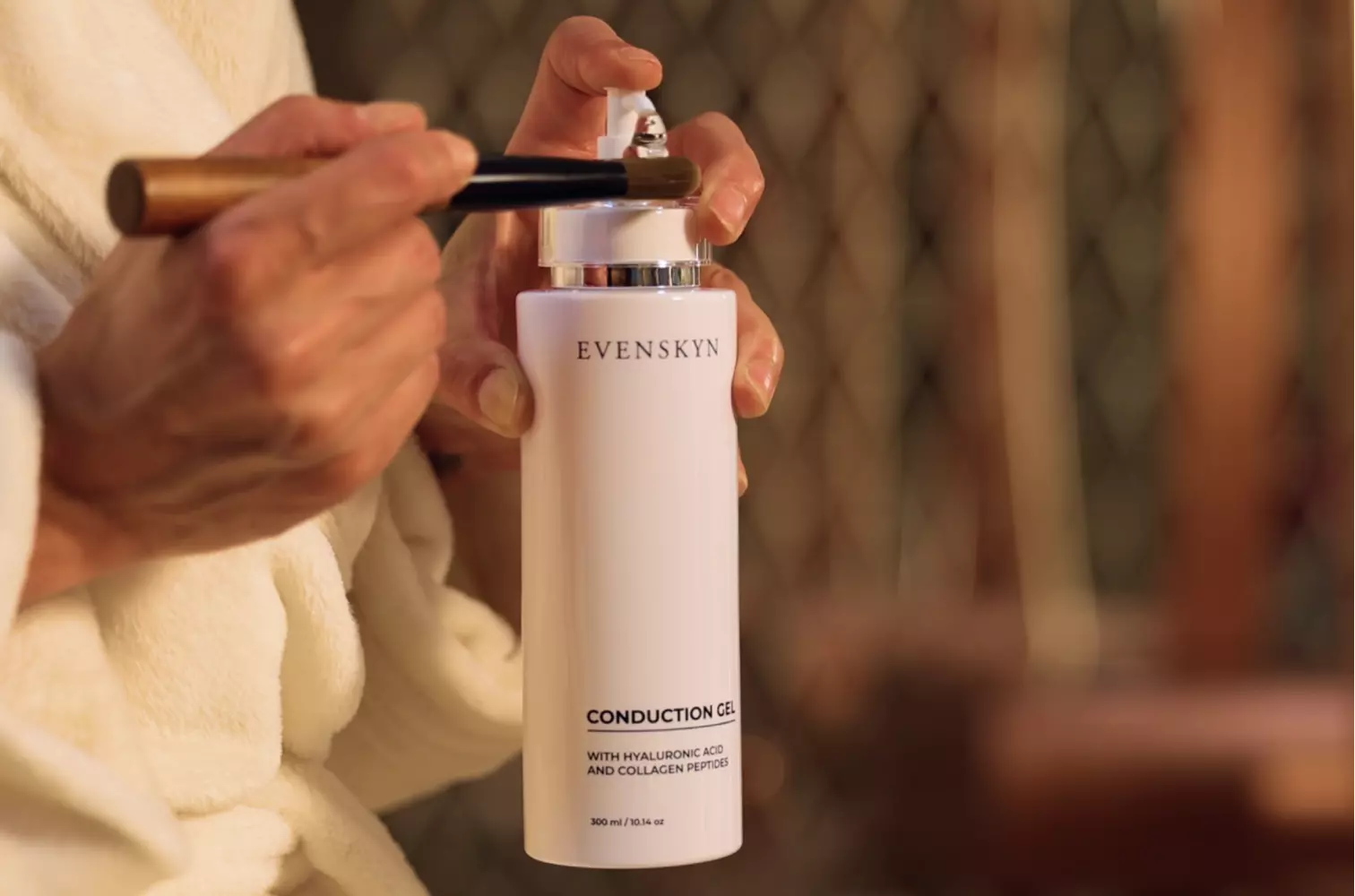
The Lumo⁺ and the MicroInfuser together, with the Syntha-Pep ampoules. If you intend to run the full cycle below, this is the cheaper route: $589.99 against $689.98 buying the two separately.
A fortnight, laid out day by day
This is the part nobody publishes. Most guidance covers one device or the other and leaves you to guess how they fit together. Here is the two-week cycle, following the order the MicroInfuser manual sets out.
| Day | What you run | Why |
|---|---|---|
| Day 1 | Lumo⁺ then MicroInfuser | The manual sequences these on the same day in this order: radiofrequency and EMS first as a warm-up that raises circulation, then the micro-infusion session. Follow with a hydrating mask or peptide cream. Nothing else that evening. |
| Day 2 | Rest | Gentle cleanser, moisturiser and SPF only. This is the rule people break. |
| Days 3 to 4 | Gentle skincare | Barrier recovery. Active ingredients reintroduce from day 4 on the manual's timeline. No acids, no retinoids, no exfoliation before then. |
| Days 5 to 14 | Lumo⁺ as normal | Radiofrequency returns to its usual 3 sessions a week, at least a day apart. |
| Day 15 | Cycle restarts | The next micro-infusion session begins the following cycle. Every 10 to 14 days suits most people better than weekly. |
The order matters, and it runs one way. Radiofrequency before a micro-infusion session is the pairing the manual describes, as a warm-up. Radiofrequency after one, on skin whose barrier is still open, is the thing to avoid. Heat on a compromised barrier increases irritation and gives you nothing extra, because the RF is not travelling down the channels the way a clinical handpiece delivers it from the needle tip.
The MicroInfuser manual specifies a minimum of 24 hours after a micro-infusion session before any further radiofrequency, ultrasound or EMS use. We would leave 48 hours, and three days if your skin runs sensitive. The same window applies to acids, retinoids, strong vitamin C and any heat treatment including saunas.
What this protocol will not do
- It is not RF microneedling and we are not claiming it is equivalent. Neither device drives RF through needles. It addresses the same two mechanisms separately, at lower intensity, over months rather than in a few clinic sessions.
- It will not reach the depth of a clinical system. Needle depth and energy delivery below the surface are precisely what the home version gives up.
- It will not fix advanced structural laxity. If skin has lost significant support, a consultation is the honest next step and a handset is not.
- It will not show you much in a fortnight. Judge it at eight to twelve weeks, in the same light, in a photograph.
Straight answers

