



Cleansing & Exfoliating
Ultrasonic cleansing that lifts buildup away instead of scrubbing it off. The step that comes first.
1 prodotto
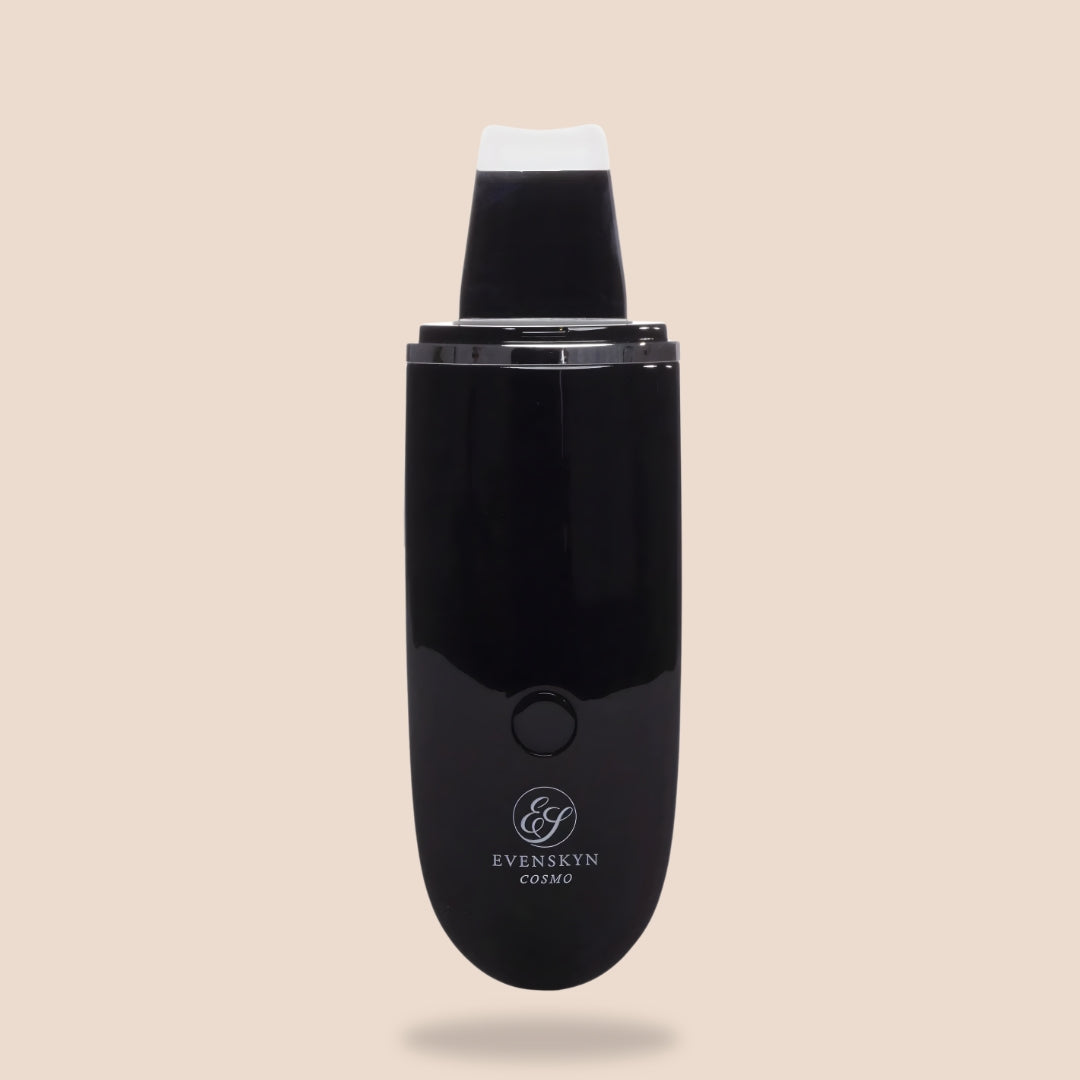
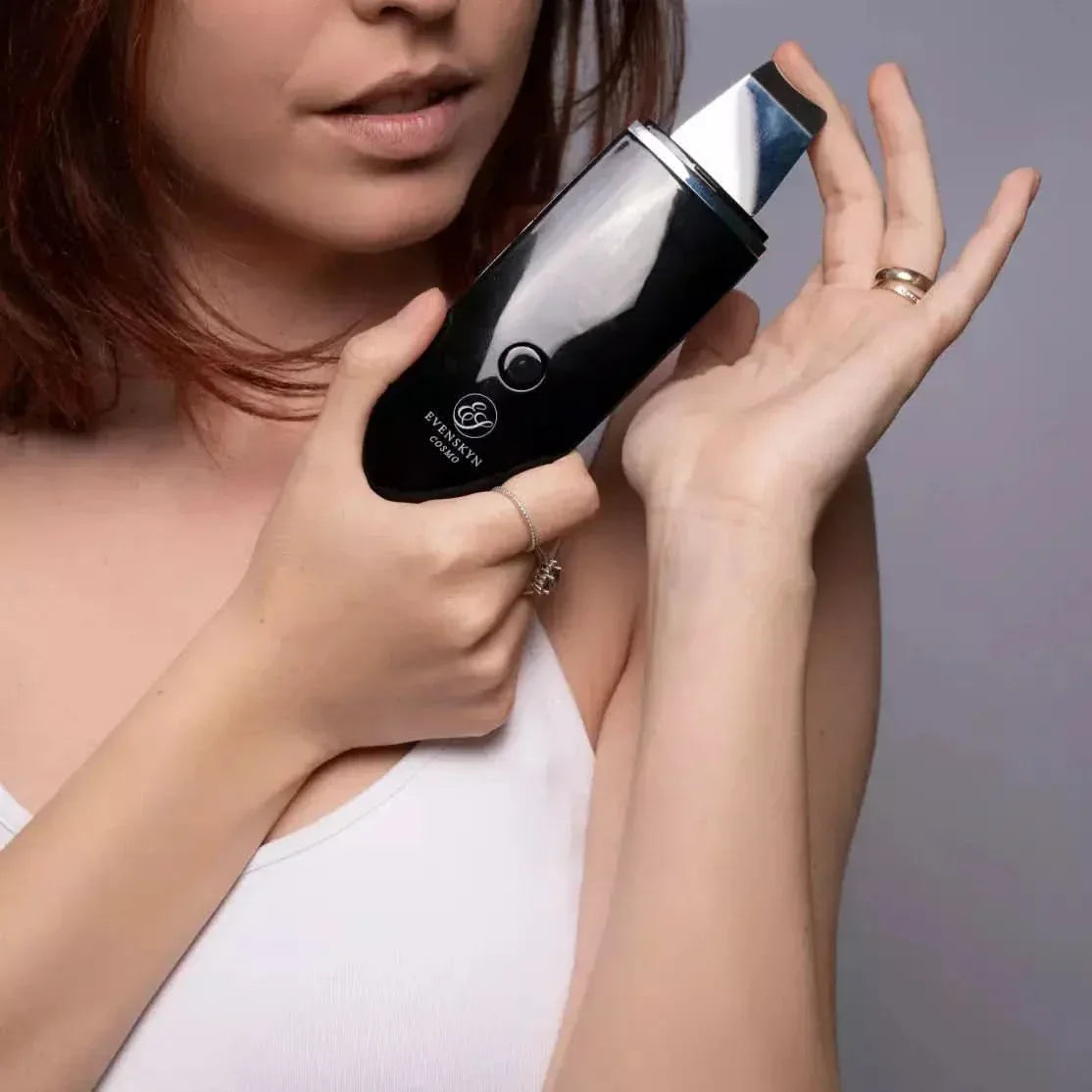
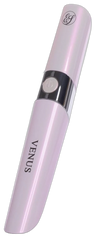
24,000 Hz ultrasonic scrubber with blue LED
4.8 (7265)Ultrasonic cleansing, and what the vibration is actually doing
An ultrasonic skin scrubber works by vibrating a thin metal blade at a frequency high enough to loosen what is sitting in and on the pore, so it can be lifted away rather than scrubbed off. There is no grit and no abrasive. The blade never needs to press hard, because the work is being done by the vibration rather than by pressure.
That matters because the usual alternative is physical exfoliation, which removes buildup by abrading the surface. Abrasion works, but it is difficult to control and easy to overdo, particularly on skin that is already sensitised. Ultrasonic cleansing is the gentler route to the same outcome.
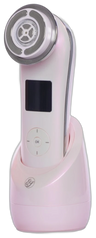
The EvenSkyn® Cosmo is the device in this category, and it runs in a few modes: lifting buildup out of the pore, and helping press product into freshly cleansed skin.
This is the step that comes first
Most people buy a cleansing device as a standalone, then find its real value is what it does for everything after it. Energy-based treatments need clean skin and good contact. Serums absorb into a surface that has been cleared rather than one still holding the day on it.
A practical order for an evening that includes a device session:
- Cleanse normally first. The scrubber is not a replacement for your cleanser, it is what follows it. Removing makeup and surface oil first lets the blade work on what is actually in the pore.
- Damp skin, not dry. The blade needs moisture to carry the vibration. Running it on dry skin does very little and feels scratchy.
- Short passes, no pressure. Work in small sections, moving outward. If you are pressing, you are using it wrong.
- Then the rest of the routine. This is the point to apply serum, or to move on to a skin tightening device with conduction gel on properly prepared skin.
How often, and when to stop
Two to three times a week suits most skin. Daily use is where people get into trouble, because even gentle removal of surface buildup becomes too much when it happens every day. Skin that starts feeling tight, looking shiny in a way it did not before, or stinging when you apply anything is telling you the frequency is too high.
Congested and oily skin generally tolerates the upper end of that range. Dry or reactive skin should sit at the lower end, or once a week.
Honest about what it will not do
An ultrasonic scrubber clears buildup and improves how the skin looks and takes product. It does not treat acne, it does not remove blackheads permanently, and it will not change pore size, because pore size is largely structural. What it can do is stop pores looking as prominent by keeping them clear.
It is not suitable over active breakouts, broken skin, sunburn or areas being treated for a skin condition. If you are using prescription retinoids or acids, introduce it slowly and space it away from those nights rather than stacking them.
Common questions
What does an ultrasonic skin scrubber actually remove?
Surface oil, dead skin cells and the softened buildup sitting in the pore. It is not extracting deep-set blackheads the way a clinician would, and any device claiming to is overselling.
How often should I use it?
Two to three times a week for most skin, once a week for dry or reactive skin. Daily use is the most common mistake with this category.
Does it hurt?
No. You should feel vibration and hear the tone, but not discomfort. If it scratches, the skin is too dry or you are pressing too hard.
Can I use it with retinoids or acids?
Use it on different nights rather than the same one, and introduce it gradually. Combining physical or ultrasonic removal with chemical exfoliation on the same evening is how people end up with a compromised barrier.
Should I use it before or after my other devices?
Before. Clean, prepared skin is what energy-based devices need for proper contact, so cleansing is the opening step of the routine rather than the closing one.
Is it suitable for sensitive skin?
Generally yes, and it is usually gentler than physical scrubs, because the work is done by vibration rather than abrasion. Start once a week and build up only if the skin is comfortable. Stop if you see persistent redness or tightness.