


Teeth Whitening for Sensitive Teeth
Whitening built around sensitivity: a low-dose 6% carbamide peroxide gel with potassium nitrate and fluoride, in 16-minute LED sessions.
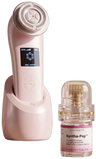
2 products
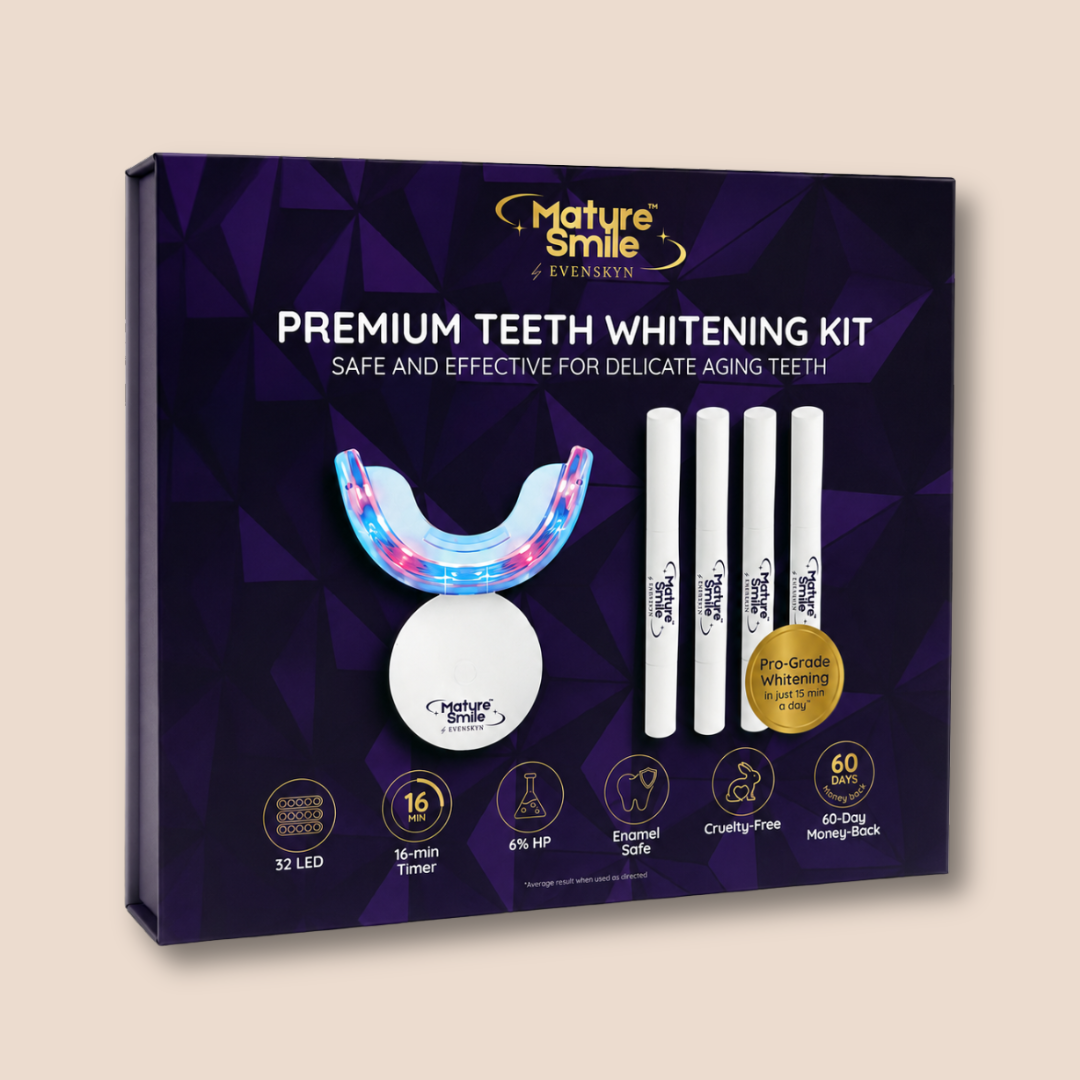
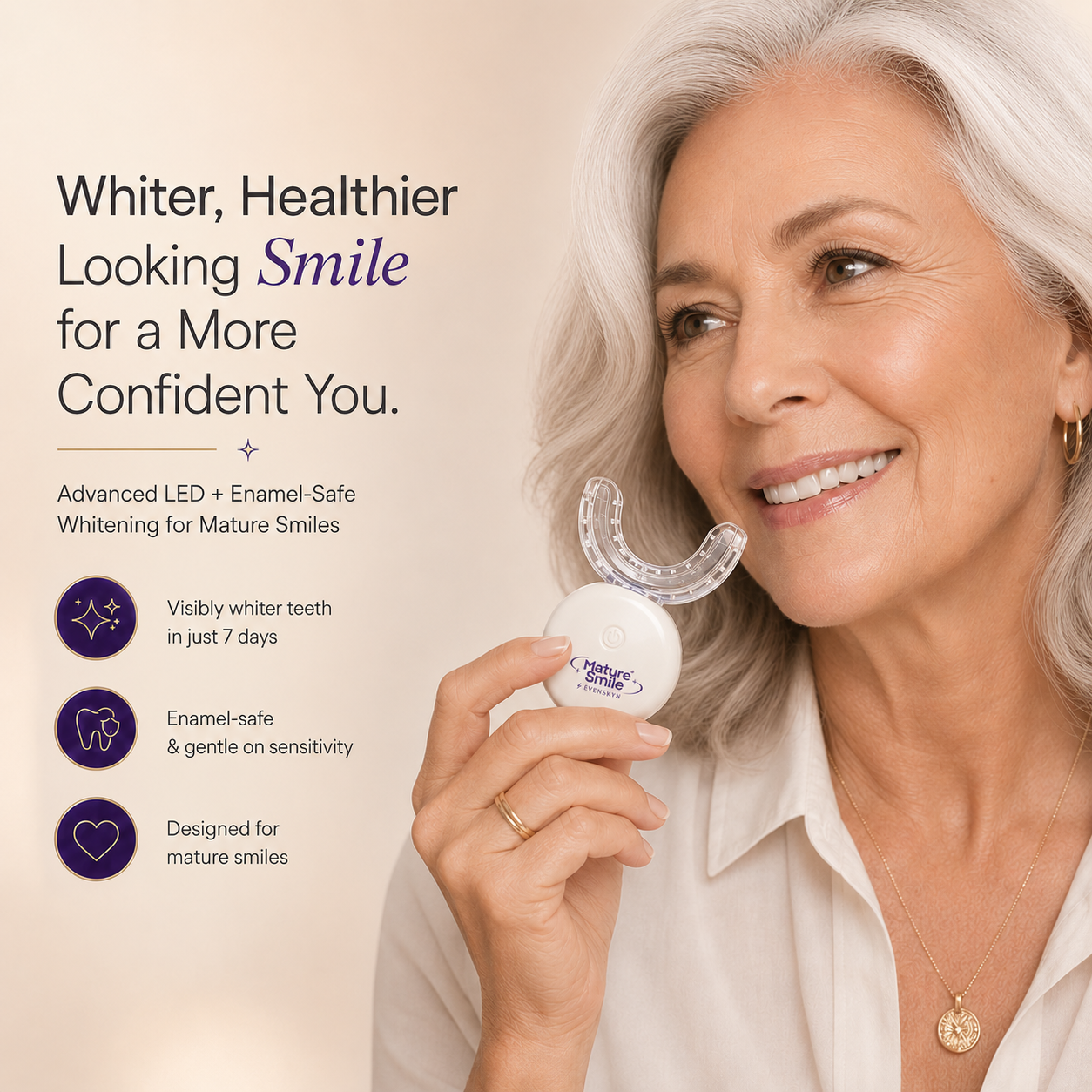
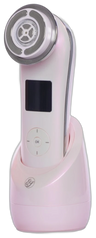
6% carbamide peroxide LED kit for sensitive teeth

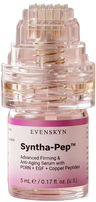
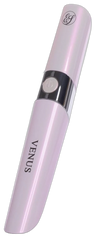
Refill pens for the MatureSmile™ kit, 2 mL each
Made for teeth that sting
A 6% carbamide peroxide gel, about 2.1% hydrogen peroxide, roughly one-sixth the dose of a 35% kit. Potassium nitrate calms the nerve signal, fluoride and calcium glycerophosphate work at the enamel surface, and the LED is what lets a session finish in 16 minutes instead of an hour.

Whitening built around sensitivity, not in spite of it
Most people who give up on teeth whitening do not give up because it failed. They give up because of the sharp, short pain that arrives partway through a session, and they stop before the course is finished. The result is money spent and nothing to show for it.
That pain is a formulation problem, and it is solvable. This range is built for teeth that have become sensitive and for enamel that has thinned with age, which describes a large share of adults and almost none of the products marketed to them.
Why a standard kit stings
Most at-home kits are formulated at around 35% carbamide peroxide, roughly 12% hydrogen peroxide equivalent, and are worn for up to an hour. High concentration held against the tooth for a long time is what produces the sensation people describe as a zinger. It is not a sign the product is working harder. It is a sign the nerve inside the tooth is reacting.
| Typical at-home kit | MatureSmile™ | |
|---|---|---|
| Carbamide peroxide | Around 35% | 6% |
| Hydrogen peroxide equivalent | Around 12% | About 2.1% |
| Session length | Up to 60 minutes | 16 minutes |
| Sensitivity handling | Usually none | Potassium nitrate in the gel |
| Enamel support | Usually none | Sodium fluoride and calcium glycerophosphate |
Lower concentration held for a shorter time is a slower route to the same place, and it is a route most people can actually finish.
What is in the formula, and what each part is for
- 6% carbamide peroxide. The whitening agent, at about a sixth of the strength of a standard kit.
- Potassium nitrate. Works inside the tooth rather than on it, calming the nerve signal that produces the sting. This is the same active used in sensitivity toothpastes.
- Sodium fluoride and calcium glycerophosphate. Both act at the enamel surface rather than on the stain.
- The LED mouthpiece. What lets a session finish in 16 minutes instead of an hour. Shorter contact time means less opportunity for sensitivity to build.
The MatureSmile™ LED kit is the full system. The whitening pens use the same gel approach for touch-ups between courses and for travel.
Honest about what it will not do
It will not whiten crowns, veneers, bonding or any other restoration, because peroxide acts on natural tooth structure and those materials do not respond. If you have restoration work in the visible zone, whitening the natural teeth around it will change how well it matches, which is why the sensible order is to whiten first and match the restoration afterwards.
No peroxide whitener can honestly claim zero effect on enamel. What lower concentration and shorter contact time do is reduce that exposure rather than remove it. Results also depend on what caused the staining: surface staining from coffee, tea, red wine and tobacco responds well, while intrinsic discolouration from medication, trauma or fluorosis responds poorly to any at-home product.
If you have untreated decay, gum disease, or pain in a specific tooth, see a dentist before whitening rather than after. Whitening does not treat any of those and can make an existing problem more uncomfortable.
Common questions
Will this work if regular whitening strips hurt my teeth?
That is the situation the formulation is designed for. The concentration is roughly a sixth of a standard kit, the session is 16 minutes rather than an hour, and the gel carries potassium nitrate to calm the nerve signal. Sensitivity varies between people, so start with the shortest recommended session.
How long until I see a difference?
A lower-concentration gel works more gradually by design. Most people are looking at a full course rather than one or two sessions, and the point of the lower strength is that finishing the course is realistic.
Is it safe for thinning or age-worn enamel?
It is formulated with that in mind, which is why fluoride and calcium glycerophosphate are in the gel alongside the peroxide. If your enamel wear is advanced or you have exposed dentine, ask your dentist before starting.
Will it whiten my crowns or veneers?
No. No peroxide whitener will. Whiten the natural teeth first, then match any new restoration work to the result.
How often can I use it?
Follow the course in the instructions, then keep results with occasional touch-ups rather than continuous use. The pens are made for that maintenance phase.
Can I use it with braces?
Not during fixed brace treatment. The brackets shield the tooth underneath, so you get uneven colour once they come off. Wait until treatment is finished.