


LED Face Masks & Red Light Therapy Masks
LED light therapy at home: red, blue and yellow wavelengths, hands-free, with a guide to what each wavelength does.
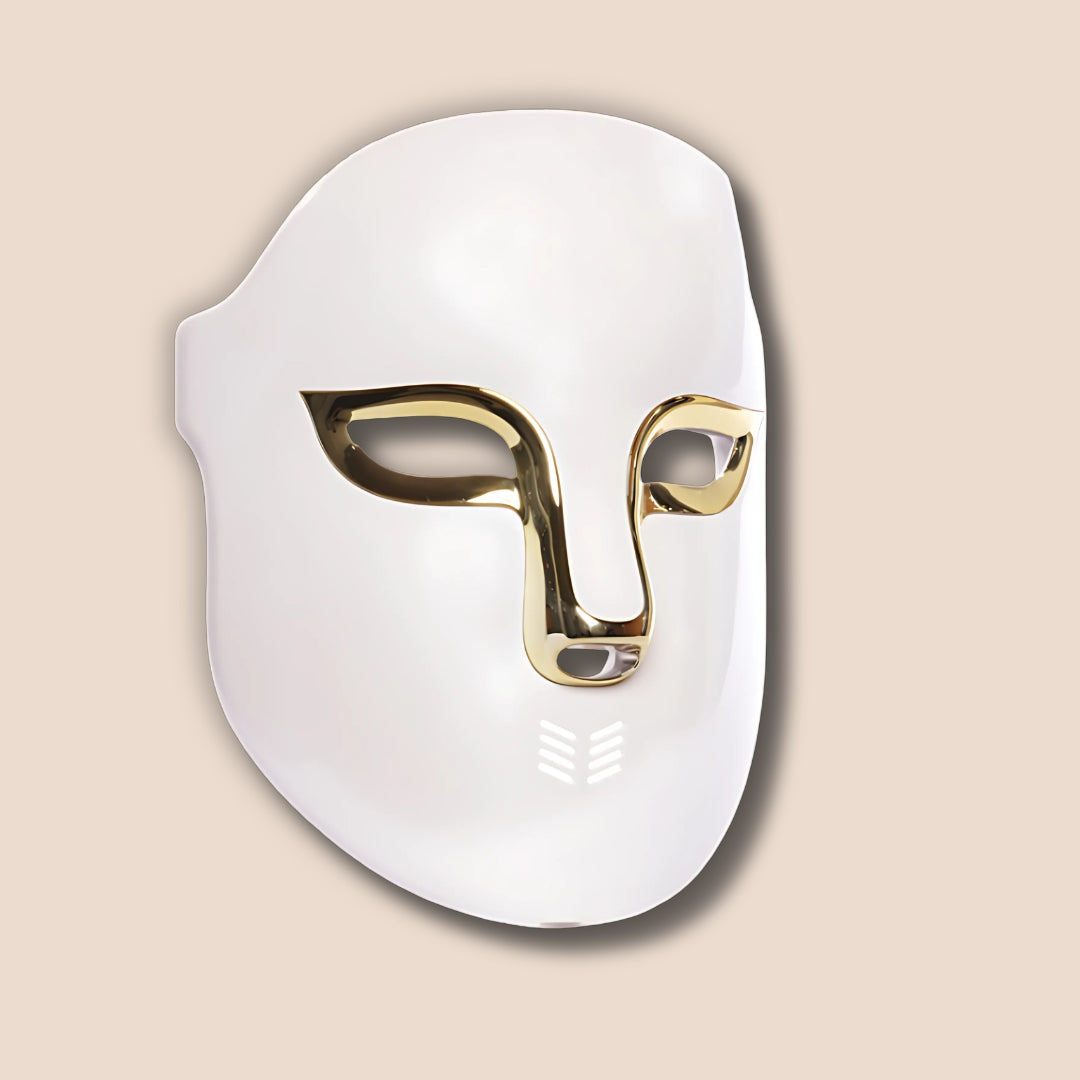

LED face masks: clinical light, at home
An LED face mask delivers specific wavelengths of light to the skin to support the same biological pathways targeted by in-clinic light therapy. Unlike heat-based or needle-based devices, light therapy is non-thermal and non-invasive: the skin absorbs particular wavelengths, and different wavelengths reach different depths and drive different responses.
The category is sometimes called red light therapy, LED phototherapy, or photobiomodulation. The principle is the same: match the wavelength to the skin concern, deliver it consistently, and give the skin weeks of repeated sessions to respond.
How the wavelengths work
Most quality masks combine more than one wavelength because each does a different job:
- Red (around 630 nm): the most studied wavelength for visible-skin concerns. Associated with supporting fibroblast activity and collagen, and commonly used for fine lines, tone and overall rejuvenation.
- Near-infrared (around 830 to 850 nm): penetrates deeper than visible red and is used to reach below the surface for firmness and recovery support.
- Blue (around 415 nm): targets the bacteria implicated in breakouts and is used in masks aimed at blemish-prone skin.
- Amber or yellow (around 590 nm): often included for redness and surface tone.
A mask that only offers a single wavelength is more limited than one that layers red, near-infrared and, where relevant, blue.
What to look for in an LED face mask
- Wavelength coverage: look for genuine red and near-infrared at minimum, with blue as a bonus for acne-prone skin. Be wary of masks that name a colour but do not disclose the actual nanometre.
- LED count and coverage: more diodes, evenly distributed, means more consistent dosing across the whole face rather than hot spots and gaps.
- Output and irradiance: light therapy is dose-dependent. A mask that is too weak will not deliver enough energy in a reasonable session length.
- Session time and routine: most protocols are a few minutes per session, several times a week. Consistency matters far more than any single long session.
- Fit, comfort and eye protection: a mask you will actually wear several times a week beats a more powerful one you will not. Confirm how it handles the eye area.
- Build quality and support: a face device is a multi-year purchase, so warranty and brand support matter.
Who it is for, and who should skip it
LED masks suit people who want a low-effort, non-invasive addition to a skincare routine and are willing to be consistent over weeks. They are not an overnight fix, and they are not a substitute for a dermatologist's care for active skin conditions.
If you are pregnant, photosensitive, taking photosensitising medication, or have a diagnosed skin condition, check with a clinician before starting. If you want a single dramatic result rather than gradual, cumulative change, this category may not match your expectations.
Red light without a mask
A mask is the most thorough way to deliver light therapy, because it treats the whole face at once and needs nothing from you but the session time. It is not the only way, and if a full-face mask does not suit your routine, two devices in the range carry the same wavelengths in a handset form.
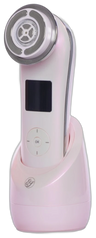
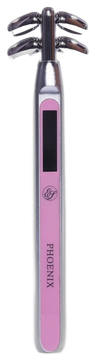
- The Lumo⁺ carries red and blue light alongside radiofrequency and EMS. It treats section by section rather than all at once, so a full face takes longer, but you are getting light therapy and radiofrequency tightening in the same session.
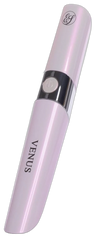
- The Eclipse pairs red light with ultrasound and EMS, aimed at tone and lift at an earlier stage.
The trade in both cases is coverage against combination. A mask does one job across the whole face. A handset does several jobs across a smaller area at a time. Neither replaces the other, and people running a full routine often use both, on different evenings. The skin tightening range covers the handset side in detail.
Common questions
Do red light therapy masks actually work?
There is a meaningful body of research behind LED phototherapy for skin, particularly red and near-infrared light for signs of ageing and blue light for blemish-prone skin. At-home masks typically use lower output than clinical panels, so results are more gradual and depend heavily on consistent use over several weeks.
How long before I see results?
Most people are using these devices for 8 to 12 weeks of consistent sessions before judging results. Light therapy is cumulative, and occasional use rarely produces a visible change.
How often should I use an LED face mask?
Typical protocols are a few minutes per session, around 3 to 5 times per week. Always follow the specific device's guidance rather than overusing it.
What is the difference between red light and blue light?
Red and near-infrared light are used mainly for rejuvenation, firmness and tone. Blue light targets the bacteria associated with breakouts. Many masks combine wavelengths so one device can address more than one concern.
Are at-home LED masks as effective as in-clinic treatments?
In-clinic devices generally run at higher output, so a single session does more. At-home masks trade intensity for convenience and frequency: the value is in repeated, consistent sessions over time rather than matching a clinic in one sitting.
Are LED face masks safe?
LED phototherapy is non-thermal and widely considered low-risk for most people. Use the included eye protection or keep eyes closed as directed. If you are pregnant, photosensitive, on photosensitising medication, or treating a diagnosed skin condition, consult a clinician first.