
Medically Reviewed by Dr. Lisa Hartford, MD
At a Glance
The Master Timing Matrix in this guide is built from peer-reviewed literature on the biology of each procedure. Every interval has a mechanism behind it. Nothing here is guesswork dressed up as caution.
What this guide answers
| The question | The dermatologist's answer |
|---|---|
| How long after Botox can I use a microcurrent device? | Wait 14 days. The toxin needs that long to fully bind at the neuromuscular junction without mechanical displacement risk. |
| How long after hyaluronic acid filler can I use radiofrequency? | Wait 28 days for the hydrogel to integrate with surrounding fibroblasts before any thermal energy is applied. |
| How long after a light glycolic peel can I use my LED mask? | LED red light is safe at 48 to 72 hours once visible flaking has resolved, because photobiomodulation does not breach the barrier. |
| How long after a medium TCA peel can I use any device? | Wait a full 14 days minimum, until re-epithelialization is complete and post-inflammatory pigment risk has passed its peak. |
| How long after fractional CO2 can I resume at-home routines? | Wait 21 to 28 days, longer in Fitzpatrick IV to VI skin, where post-inflammatory hyperpigmentation risk runs as high as 92 percent. |
| How long after IPL can I use a microcurrent bar? | Wait 5 to 7 days, until any superficial crusting has lifted and erythema has resolved to baseline. |
| Can I use LED light therapy the same day as an in-office procedure? | In most cases yes, immediately, because red and near-infrared photobiomodulation has been shown to accelerate recovery after ablative fractional resurfacing. |
| What is the one device that should never go on freshly-treated skin? | Any device that creates micro-channels. That includes microinfusion, microneedling, and dermarollers. They must wait until barrier function has fully returned. |
What was studied (the evidence base behind this guide)
| Cited paper | Study type | Specific claim it supports |
|---|---|---|
| Hallett M, 2015, Toxins | Mechanistic review | Botulinum toxin uptake and binding kinetics, peak effect at several weeks |
| Choi et al, 2021, CCID | Animal histopathology, 14 fillers | HA filler inflammatory response and tissue integration timeline at 1 and 4 weeks |
| Trimarchi et al, 2020, J Cosmet Dermatol | Prospective ultrasound study, 30 patients | HA filler biointegration measurable on ultrasound at 30 days |
| O'Connor et al, 2018, JCAD | Comprehensive review | Chemical peel re-epithelialization timelines by depth and agent |
| Ross et al, 2002, Lasers Surg Med | Histological time-course | Re-epithelialization after CO2 laser begins at 48 hours under occlusion |
| Trelles & Allones, 2006, J Cosmet Laser Ther | Controlled clinical study | Red LED accelerates wound healing after blepharoplasty and periocular ablative resurfacing |
| Tierney, Hanke, Watkins, 2009, Aesthet Surg J | Clinical case series | Fractional CO2 recovery shorter than full-field, with quantifiable downtime |
| El-Domyati et al, 2011, JAAD | Mechanistic review | Radiofrequency collagen denaturation and neocollagenesis cascade |
| Kim et al, 2012, Dermatol Surg | Split-face controlled trial | Skin barrier function recovery within 72 hours after microneedle treatment |
| Wunsch & Matuschka, 2014, Photomed Laser Surg | Controlled clinical trial, 113 subjects | Red and near-infrared LED safety and efficacy for wrinkle improvement |
| Thaysen-Petersen et al, 2017, Lasers Surg Med | Randomized controlled trial | Skin pigmentation and IPL fluence are dominant predictors of side effects |
| Ledda et al, 2022, J Neurol | Prospective observational, 186 patients | Botulinum toxin onset of efficacy averages 6.7 ± 5 days across movement disorders |
| Contini et al, 2023, IJERPH | Systematic review, 16 studies | Microfocused ultrasound safety profile: 2 percent adverse-event rate, transient erythema and edema as most common |
| Glass, 2023, Aesthet Surg J | Systematic review, oncologic safety | PBM at red/NIR wavelengths has no oncologic safety signal for aesthetic use |
| Soliman et al, 2024, Lasers Med Sci | Randomized split-arm trial, 25 subjects | Combined red, blue, and NIR LED supports wound healing after ablative fractional resurfacing |
| Maeda et al, 2025, Australas J Dermatol | Systematic review, 369 cases | PIH prevention strategies in Fitzpatrick III to VI skin |
| Jonik et al, 2025, Ther Adv Chronic Dis | Narrative review | Microcurrent mechanisms: cellular repair, inflammation modulation, ATP synthesis |
| AAD PBM Consensus Panel, 2025, JAAD | Delphi consensus, 21 experts | Evidence-based safe-use guidelines for photobiomodulation across medical and aesthetic applications |
Key findings, in one paragraph each
The recovery clock for any in-clinic procedure is set by tissue biology, not by how the skin looks. A face that appears calm on day 3 after a peel is still in active remodeling underneath. A patient with no visible erythema after IPL may still have melanocyte activity that a heat-emitting device could push into hyperpigmentation. Surface appearance lags the underlying healing cascade. That gap is why the matrix in this guide is built on histological and ultrasound endpoints, not on the bathroom-mirror test.
Botulinum toxin needs 14 days of mechanical stillness to bind without displacement. The kinetics described by Hallett and colleagues show that uptake at the neuromuscular junction is convection-driven, with effects subsiding at 2 months and strength returning to baseline near 3 months. Within the first 14 days, vigorous massage, microcurrent passes that cross the injection field, and aggressive RF can theoretically diffuse toxin into adjacent muscles. The clinical consequence is uneven results or brow ptosis. The interval is conservative because the cost of error is visible for weeks.
Hyaluronic acid filler is a hydrogel that integrates with fibroblasts over 28 days, not a static implant. Ultrasound data from Trimarchi and colleagues showed near-complete biointegration of a VYC-25L bolus by 30 days, with a measurable change visible as early as 48 hours. The animal histopathology by Choi and colleagues across 14 different HA products at 1 and 4 weeks, despite its commercial funding from Medytox employees, documented that inflammatory response and integration vary by product. The take-home message is the same regardless of brand: heat, ultrasound, and aggressive mechanical force in the first 4 weeks risk displacing product before it has anchored.
Chemical peel recovery is governed by re-epithelialization, not by surface peeling. A glycolic peel re-epithelializes in 3 to 5 days. A medium TCA peel takes 7 to 10 days. A deep phenol peel can take 14 days or more. Resuming an at-home device before the new epidermal layer is fully reconstituted creates two compounded risks: trauma to the fragile new barrier, and inflammation that drives post-inflammatory hyperpigmentation, which the Maeda systematic review confirmed disproportionately affects Fitzpatrick III to VI patients.
The exception to the "wait" rule is photobiomodulation, but only at the right wavelengths. Red light at 633 nanometers and near-infrared at 830 nanometers are non-ablative, non-thermal at clinical home doses, and were shown in the Wunsch and Matuschka trial to improve wrinkle depth and skin roughness. The Trelles and Allones work in Journal of Cosmetic and Laser Therapy demonstrated faster wound healing on the LED-treated side of the face after blepharoplasty and periocular laser ablative resurfacing. LED is a permissive modality. Heat, mechanical agitation, and barrier disruption are not. That distinction is the spine of the entire timing matrix.
Limitations of this guide
EvenSkyn manufactures every device named in this article. That commercial relationship is acknowledged openly throughout. The protocols here are mechanism-based and would apply to any reputable device operating in the same modality, not only to ours. Where the literature is sparse, I say so. The bulk of cited microneedling and laser data was generated at clinical depths (1.5 to 2.5 millimeters or full ablative fluences) that are dramatically gentler than the depth profile of an at-home microinfuser or a consumer LED panel. Those hedges are stated in each mechanism section. Nothing in this guide replaces a consultation with your own dermatologist or aesthetic provider, and nothing here should be read as medical advice for a specific patient.
Bottom Line
Every at-home device, whether radiofrequency, microcurrent, ultrasound, LED, or microinfusion, has a window during which it is contraindicated after an in-clinic procedure. That window is set by the biology of the procedure, not by the device. Botox is a 14-day wait for most modalities. Hyaluronic acid filler is a 28-day wait for thermal and mechanical devices. Light peels open the door at 48 to 72 hours. Medium peels and fractional ablative laser hold the door closed for 14 to 28 days. LED red light is the one modality that can often run alongside recovery, because photobiomodulation supports re-epithelialization rather than disrupting it.
What follows distills all of this into a single reference table; the mechanism sections that come after explain why each cell holds the number it does, the 14-day protocol shows what real recovery looks like when stacked treatments converge, and the FAQs cover the edge cases that send most people scrambling for an answer at 11 p.m. before their morning routine. Read the matrix first, then the mechanism that applies to whatever you had done, then the protocol. That is the order this guide is built to support, and it is the order in which I walk patients through the same questions in clinic.
Quick Answers
Q. I had Botox yesterday and I have an LED mask. Tonight, yes or no?
Yes. LED red light is safe within hours of botulinum toxin, because it does not generate heat, pressure, or barrier disruption at the muscle plane where the toxin is binding. Position the mask normally. Do not lie flat for the first 4 hours per your injector's standard advice.
Q. I had cheek filler last week. Can I use a microcurrent bar tonight?
No. Wait the full 28 days. Microcurrent passes that cross the cheek-and-jaw filler depot can theoretically migrate product before fibroblast encapsulation is complete. A microcurrent bar is one of the higher-displacement at-home tools because of its glide pressure.
Q. I had a glycolic peel on Saturday morning. My skin feels normal by Monday. Can I resume?
LED, yes, but for ultrasound or radiofrequency, wait until day 5, and any microinfusion or microneedling tool should wait 7 days from the peel date, because surface comfort returns before barrier function does, which is the gap most patients underestimate.
Q. I had fractional CO2 four weeks ago. Am I clear?
Probably, if your skin has fully re-epithelialized and the erythema has resolved. Resume LED first, reintroduce radiofrequency in week 5 at the lowest setting, and hold microinfusion until week 6 at minimum, and if you are Fitzpatrick IV to VI, add another 7 to 10 days across the board.
Q. I had Ultherapy yesterday. Can I do anything tonight?
LED yes. Everything else, no. Wait 7 days for microcurrent and surface ultrasound, 14 days for radiofrequency, and a full 30 days for any micro-channel device. Ultherapy creates deep thermal coagulation zones that are still actively remodeling for weeks.
A Bias Note
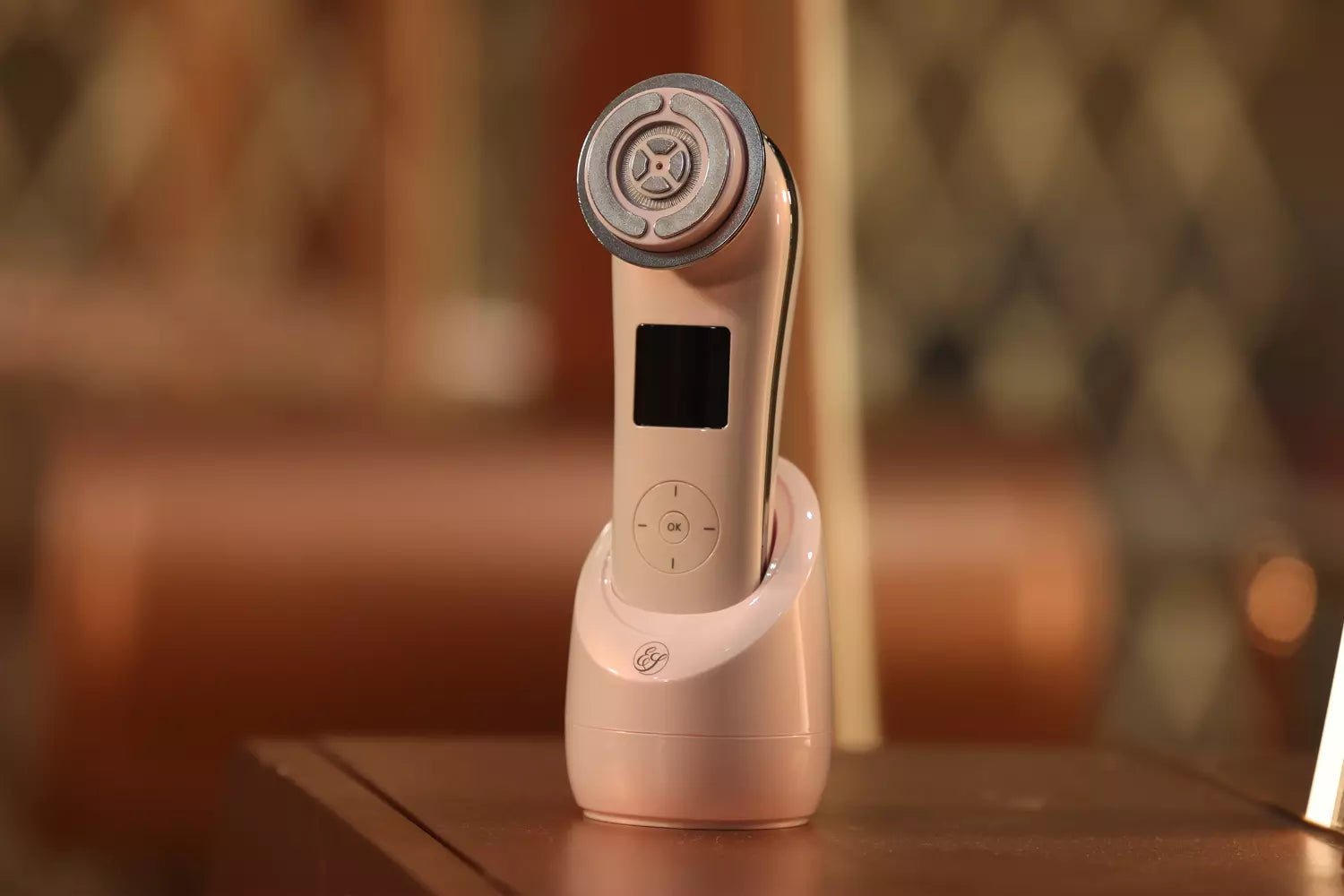
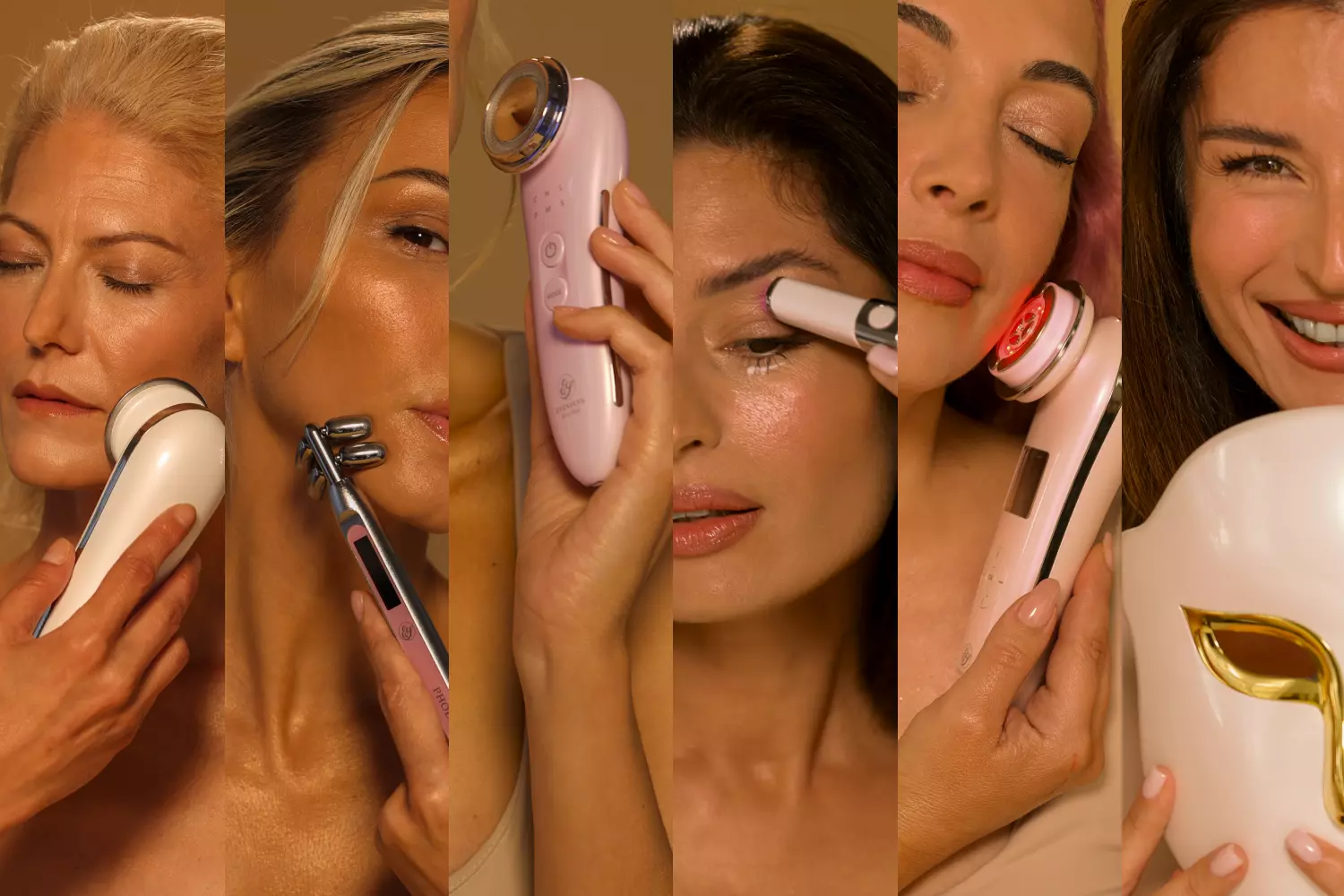
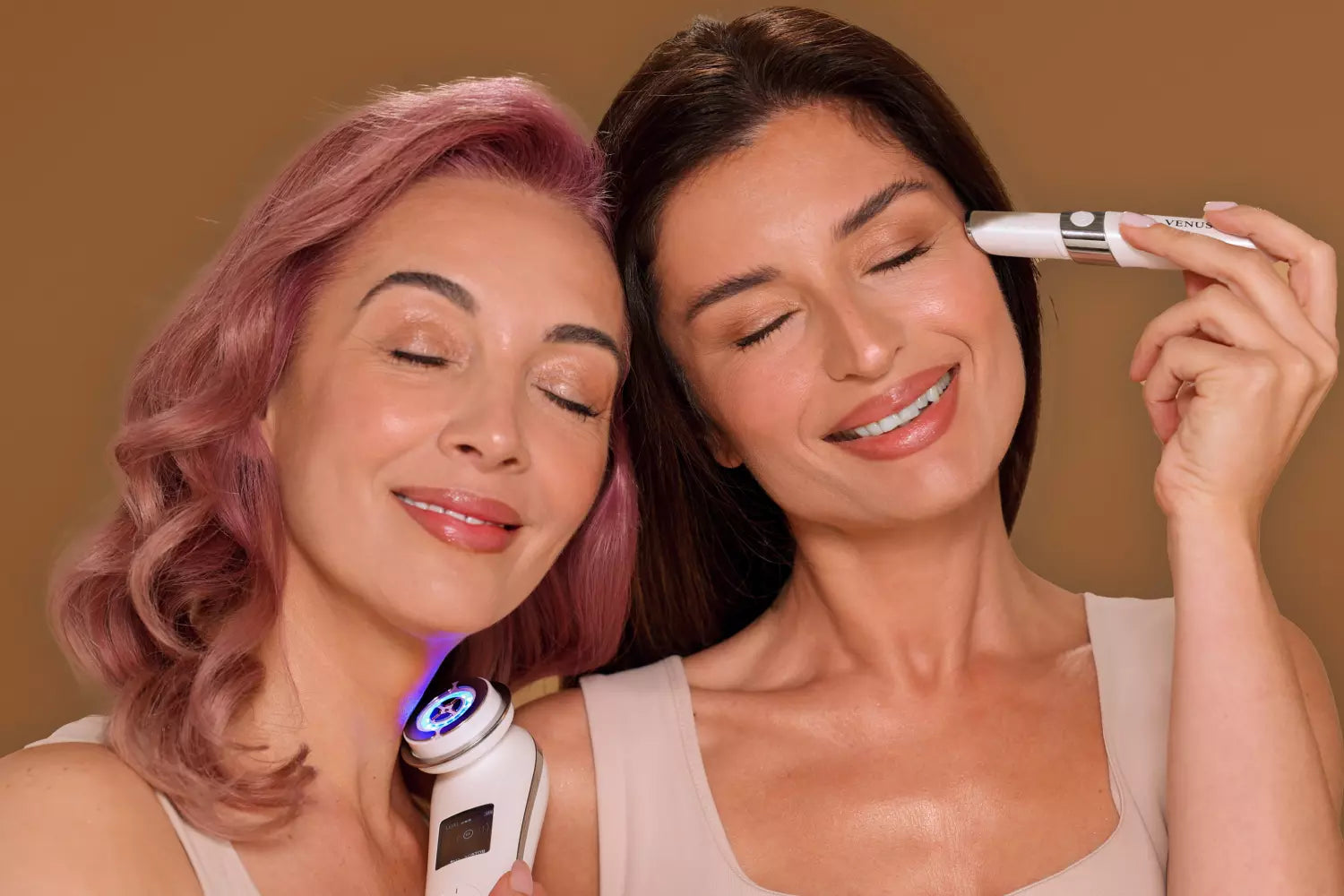
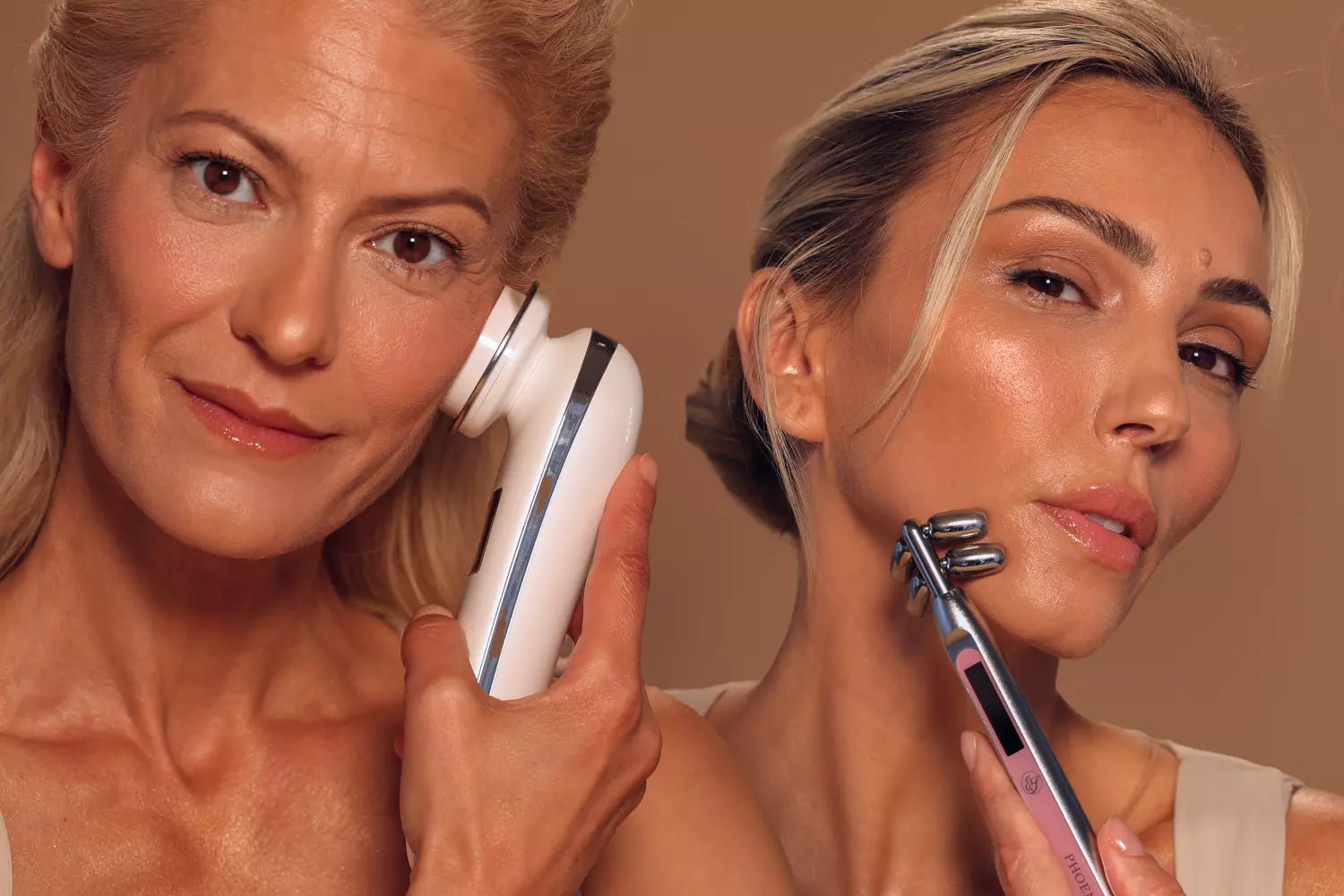
I am the Chief Dermatology Advisor at EvenSkyn, a Canadian at-home anti-aging device brand. EvenSkyn makes the Lumo+ radiofrequency device, the Phoenix microcurrent bar, the Eclipse ultrasonic toning device, the Mirage Pro LED mask, the Venus under-eye device, and the Under-Eye MicroInfuser dissolving microneedle patches. EvenSkyn will also launch the MicroInfuser, a fixed-depth at-home microinfusion stamping system, in July 2026. I review safety protocols, contraindication lists, and clinical claims for every device documentation set we ship, including the MicroInfuser User Manual. I also author and co-author content for the EvenSkyn blog, including the recent Ozempic-face at-home protocol guide and the dermatology-reviewed micro-infusion guide.
That commercial relationship matters because every device named in the matrix below is one we sell. I have a financial interest in your continued use of these tools. I do not have a financial interest in your skin being harmed by using them at the wrong time. The protocols in this guide are conservative by design. Where I could have argued for shorter intervals to support sales, I did not. The biology is the biology. The intervals are anchored to peer-reviewed re-epithelialization, barrier recovery, and tissue integration data, none of which EvenSkyn funded or influenced. For background on how I think about device-and-procedure stacking, see the dermatology-reviewed micro-infusion guide and the existing primer on Under-Eye MicroInfuser patches.
This guide replaces the 2021 EvenSkyn article on RF and dermal filler interaction and supersedes the brief timing notes scattered across the at-home micro-infusion guide, the at-home RF complete guide, the 2026 RF skin tightening comparison, the EMS versus Botox primer, the women-40-plus rejuvenation guide, and the recent Ozempic-face protocol. Those articles cover their respective categories well. None of them is a complete timing matrix, which is what this guide provides.
The Master Compatibility Matrix
What follows is the single table that anchors this entire article. Read it once. Bookmark it. Refer back when you have an in-clinic procedure scheduled and you are trying to figure out what your home routine should look like for the next month. Every cell is the minimum interval, measured in days, between the procedure and the first use of the device. Numbers in italics indicate that the interval should be extended by 7 to 10 days if you are Fitzpatrick IV to VI, given documented post-inflammatory hyperpigmentation risk.
| In-clinic procedure | LED red light Mirage Pro | Microcurrent Phoenix | Ultrasound Eclipse | Radiofrequency Lumo+, Venus | EMS Lumo+ | Microinfusion MicroInfuser, Under-Eye patches |
|---|---|---|---|---|---|---|
| Botox / Dysport / Xeomin | 0 days | 14 days | 14 days | 14 days | 14 days | 14 days |
| Hyaluronic acid filler (cheek, jaw, lip) | 0 days | 28 days | 28 days | 28 days | 28 days | 28 days |
| Calcium hydroxylapatite (Radiesse) | 0 days | 30 days | 30 days | 30 days | 30 days | 30 days |
| Poly-L-lactic acid (Sculptra) | 0 days | 14 days | 21 days | 21 days | 21 days | 21 days |
| Light peel (glycolic, mandelic, 20% salicylic) | 3 days | 5 days | 5 days | 5 days | 5 days | 7 days |
| Medium peel (35% TCA, Jessner with TCA) | 7 days | 14 days | 14 days | 14 days | 14 days | 14 days |
| Deep peel (phenol, croton oil) | 14 days | 30 days | 30 days | 30 days | 30 days | 45 days |
| Fractional non-ablative laser (Clear+Brilliant, Fraxel Dual) | 2 days | 7 days | 7 days | 10 days | 10 days | 14 days |
| Fractional ablative laser (Fraxel Re:pair, fractional CO2) | 5 days | 21 days | 21 days | 28 days | 28 days | 30 days |
| Full ablative laser (CO2 resurfacing) | 10 days | 42 days | 42 days | 60 days | 60 days | 60 days |
| IPL photofacial | 1 day | 5 days | 5 days | 7 days | 7 days | 10 days |
| Q-switched / picosecond laser (tattoo, pigment) | 3 days | 10 days | 10 days | 14 days | 14 days | 14 days |
| HIFU / Ultherapy / micro-focused ultrasound | 0 days | 7 days | 14 days | 14 days | 14 days | 30 days |
| RF microneedling (Morpheus8, Vivace, Genius) | 3 days | 14 days | 14 days | 21 days | 21 days | 30 days |
| In-office microneedling (1.5 to 2.5 mm) | 2 days | 7 days | 7 days | 10 days | 10 days | 14 days |
| PRP / PRF injection | 0 days | 7 days | 7 days | 10 days | 10 days | 14 days |
A few notes on how to read this. Zero days means same-day use is acceptable. The italicized intervals signal a Fitzpatrick IV to VI extension because post-inflammatory hyperpigmentation rates rise sharply in deeper phototypes after thermal or ablative procedures. Where two devices share a column, the longer interval governs. Numbers are minimums for the average healthy adult on a stable routine with no active inflammation, no isotretinoin in the last 6 months, no anticoagulation beyond a baby aspirin, and no autoimmune flare. If any of those apply to you, double the intervals or consult the dermatologist who performed the procedure.
Mechanism One: Why Botulinum Toxin Demands 14 Days of Mechanical Stillness
Botox is the procedure people most often ask about, and it is the one where the answer is most consistently misunderstood. Patients come back two days after their forehead and want to know whether they can use their Lumo+ tonight. Some injectors tell them to wait 24 hours. Some tell them to wait a week. I tell them 14 days, and I tell them why, because the mechanism makes the timeline obvious once you see it.
What botulinum toxin actually does in the first 14 days
The Hallett review in Toxins remains the cleanest mechanistic summary in the literature on this question. Toxin injected into a muscle does not bind instantly: it first sits in the extracellular space, where uptake into the nerve terminal is convection-driven, activity-dependent, and temperature-dependent, with encouraging contractions in the target muscle increasing uptake and cooling decreasing it. Toxin that does not get taken up locally enters general circulation, where it has a long half-life and a small systemic footprint. The clinically relevant point is that uptake happens over hours to days rather than instantaneously, that it is not uniform across the injection field, and that peak effect arrives over several weeks rather than days.
That gives us the rule: anything that disturbs the local extracellular space during uptake risks moving toxin to where you do not want it. Heat increases tissue perfusion and can theoretically accelerate diffusion away from the target, massage and pressure mechanically push fluid through the extracellular space, and aggressive radiofrequency raises tissue temperature into the 40 to 45 degree Celsius range, well above body baseline, changing vascular dynamics. The clinical translation is consistent across these mechanisms. Lying face down on a massage table 6 hours after Botox is a recognized cause of brow ptosis, going to a hot yoga class produces the same risk profile, and running a radiofrequency device across the frontalis 48 hours after a forehead treatment is, theoretically, in the same neighborhood of bad ideas.
Why 14 days, not 3 or 7
The conservative interval is set by the timing of peak effect. The 2022 prospective study by Ledda and colleagues in the Journal of Neurology, analyzing 186 patients receiving botulinum toxin for movement disorders, reported a mean time to onset of efficacy of 6.7 days with a standard deviation of 5 days and individual cases stretching well past two weeks. Onset is not peak. The Hallett physiology review locates peak at "the order of several weeks." Across the cosmetic literature, the consensus has settled at peak effect between day 10 and day 14, with full muscle relaxation stable by week 2. If you wait until day 14, you have crossed the inflection point. The toxin is bound. Mechanical force on the skin surface is no longer moving anything that can still move.
I take a slightly more permissive view for tools that genuinely do not touch the injection field. A Phoenix microcurrent bar drawn along the jawline 5 days after a masseter Botox treatment is unlikely to do anything to the forehead injection, and a Mirage Pro LED mask is even less of a concern because LED is photobiomodulation rather than mechanical or thermal. But when in doubt, follow the calendar, not the geography, because day 14 is the number that has held up in my practice across thousands of patients.
The edge cases that catch people out
Same-day LED is fine. I tell patients this routinely. The Mirage Pro is a 633 to 830 nanometer light source that does not heat tissue, does not press on tissue, and does not move tissue. The Wunsch and Matuschka 2014 trial established LED safety and efficacy in 113 subjects across two wavelengths, with no reported displacement of any tissue. There is no biological pathway by which red light can affect Botox uptake.
Same-day microcurrent is not fine. Even at the gentle currents the Phoenix delivers, the bar is gliding across the skin with hand pressure that is not zero. The currents themselves are inconsequential at the muscle plane where toxin sits. The pressure is what worries me. Day 14 is the conservative answer because patients are not great judges of their own pressure, and a small mistake in the first 5 days can move toxin in a way that takes 2 to 3 months to wear off.
Sleep position matters more than people realize, because if you had your masseter or chin treated, sleeping on the affected side for the first 4 nights can compound mechanical pressure beyond anything an at-home device would deliver. Restorative sleep on the back, with the head slightly elevated, is the conservative approach, and this is one of the rare situations where the home routine matters less than the bedroom routine.
What about Daxxify and Letybo, the newer toxins
The peer-reviewed kinetics for the newer formulations have shifted onset somewhat but have not meaningfully shifted the 14-day binding window. I treat them the same way for the purposes of device timing. If a future randomized trial demonstrates that one of the long-acting toxins anchors to the SNARE complex in 5 days rather than 10 to 14, I will revise. The published data do not yet support that shift.
Mechanism Two: Why Hyaluronic Acid Filler Needs 28 Days of Hands-Off Recovery
Filler is the procedure most likely to be damaged by an impatient at-home routine. The patient who waits 14 days after Botox often does not wait the same 28 days after cheek filler, because the swelling has gone down by day 7, the asymmetry has settled by day 14, and the result looks stable. Looks stable and is stable are not the same thing.
Filler is not a static implant
Crosslinked hyaluronic acid is a hydrogel, and when injected into the dermal-subcutaneous plane, three things happen in sequence. First, the gel attracts water, expanding to roughly 1.3 to 1.5 times its injected volume over 24 to 72 hours, which accounts for the early "looks too big" complaint that filler patients voice in the first week. Second, an inflammatory cascade activates, with mast cells, macrophages, and fibroblasts arriving to encapsulate the foreign material in a thin fibrous capsule. Third, fibroblasts begin depositing native collagen along the filler surface, locking the implant into the surrounding tissue over weeks, and until that capsule and that collagen network have formed, the filler can be moved by mechanical force or by heat.
The 2020 Trimarchi study used high-resolution ultrasound to track this process in 30 patients receiving VYC-25L in the chin and jaw, with biointegration measured at 80 percent complete at 48 hours and near-complete at 30 days. The histopathological work by Choi and colleagues across 14 different HA products at 1 and 4 weeks confirmed that the inflammatory response and tissue integration profile vary by product, with some fillers distributing as large homogeneous pools and others fragmenting into smaller pockets. That paper was authored by Medytox employees, which is a commercial conflict the authors disclosed and which I am repeating here for transparency, and the directional finding (integration taking 4 weeks across products) is consistent with independent ultrasound work and with what I observe in my own practice.
Why heat is more dangerous to filler than pressure
The molecular crosslinks that hold HA filler together are stable under normal physiological temperatures, but above roughly 43 degrees Celsius, hyaluronidase-independent gel degradation begins to accelerate, and aggressive radiofrequency on lax skin can push tissue temperature past 42 degrees. Most at-home RF devices, including the Lumo+, target a dermal temperature of 39 to 42 degrees, deliberately below this threshold, although that target assumes a baseline skin condition that simply does not exist in the first 28 days after a filler injection. Local vasodilation, residual edema, and the inflammatory response itself elevate baseline temperature in the treated zone. A handheld RF pass that reaches 41 degrees on day 30 may reach 44 degrees on day 5. That is the difference between collagen stimulation and partial filler degradation.
Ultrasound is the next concern, because high-intensity focused ultrasound of the kind used in Ultherapy can absolutely degrade HA filler by mechanical disruption at the focal point. At-home ultrasonic devices like the Eclipse operate at frequencies in the 1 to 3 megahertz range with very low fluence, well below the disruptive threshold, so the Eclipse will not damage integrated filler, although it can theoretically displace non-integrated filler in the first 28 days, which is what gates the matrix interval.
Microcurrent and EMS are the underappreciated risks
People worry about heat and ultrasound after filler and forget about microcurrent. The Phoenix microcurrent bar is a metal-tipped tool that the user glides along the jawline, cheek, and neck with active hand pressure, and while the current itself is small, the pressure across a 10-minute session is decidedly not. A standard Phoenix session typically delivers thousands of small mechanical compressions across the cheek and jaw, exactly the territory where most patients have had filler. In the first 28 days, this is enough to move a filler bolus that has not yet been encapsulated by fibroblasts, with the visible result being asymmetry, lateral migration, or a bolus that has lost its planned shape.
EMS, which the Lumo+ uses in combination with RF, drives muscle contraction. Repeated contractions of the masseter, depressor anguli oris, and platysma flex the soft tissue overlying the lower-face filler depots. In the same first 28 days, this is mechanical stress the implant is not ready for. The cleanest practice is to abstain entirely from any device on the lower face for the full 28-day window after cheek, jaw, or lip filler, and to introduce LED red light from day 1 if you want to feel like you are doing something supportive.
Where lip filler is different
Lip filler swells more than cheek filler, often for the full first 7 days, and the integration timeline is similar at 28 days for the gel itself, but the lip vermilion has a thinner overlying tissue layer and a denser sensory nerve plexus, both of which make it more sensitive to any device used in the perioral area. I extend the no-device window for the lips themselves to 30 days, and I tell patients to keep all surface devices off the upper and lower vermilion until day 35, while the perimeter including the cheeks follows the regular 28-day matrix. Lip-specific devices that some companies market for lip plumping are an exception to nothing, because they are mechanically the most aggressive thing you could possibly put on a freshly-filled lip.
Mechanism Three: Why Chemical Peel Recovery Hinges on Re-Epithelialization
The chemical peel recovery timeline confuses people more than any other procedure I see in my clinic. Patients see their skin flake off in days 3 to 5, see the new pink skin emerge by day 7, and assume they are done. The depth of the peel determines whether they actually are.
The depth-dependent timeline
The O'Connor and colleagues 2018 review in the Journal of Clinical and Aesthetic Dermatology remains my go-to reference for understanding peel depth as a continuum. Very superficial peels, including low-concentration glycolic and 10 to 20 percent TCA, affect only the stratum corneum and upper epidermis, and re-epithelialization is essentially complete within 3 to 5 days, often with no visible peeling at all. Superficial peels, including 30 to 50 percent glycolic and 20 to 30 percent TCA, reach the basal layer and take 5 to 7 days to re-epithelialize, while medium-depth peels using 35 to 50 percent TCA, with or without Jessner solution or solid CO2 augmentation, reach the papillary dermis and take 7 to 10 days. Deep phenol peels reach the mid-reticular dermis and can take 14 days or more.
That re-epithelialization endpoint is what gates everything else, because until the new epidermis is fully reconstituted, the skin barrier is compromised, transepidermal water loss is elevated, and permeability to anything applied topically, including the conductive gel on an RF device, is dramatically increased. The cellular machinery of the newly-formed epidermis is also fragile, with keratinocytes that are young, lightly attached, and easily traumatized by mechanical force or thermal stress.
Why pigment risk runs the longest
For Fitzpatrick I to II skin, the matrix intervals after a peel are mainly about barrier protection, but for Fitzpatrick III to VI, there is a second clock running underneath, and it runs longer. The Maeda systematic review in 2025 looked at 369 cases of post-inflammatory hyperpigmentation in skin of color, with Fitzpatrick III and IV accounting for 96 percent of the cohort, and although the precipitating factor in that review was overwhelmingly laser therapy, the underlying biology applies to peels with equal force: inflammation drives melanocyte activation, and activated melanocytes produce more eumelanin. Eumelanin deposition in the basal layer and upper dermis is what creates the slow, frustrating darkening that takes months to fade.
The protective intervention is twofold. First, longer device-free intervals after the peel, because heat and mechanical agitation prolong the inflammatory phase. Second, aggressive sunscreen, ideally a tinted mineral SPF 50 worn daily, because UVA accelerates pigment darkening regardless of what other interventions are in play. The Maeda review identified sunscreen as the single most successful preventive measure across all studies analyzed, alone or in combination.
The conservative practice for medium peels
I tell patients booked for a medium TCA peel to clear their device calendar for 14 days from the day of the peel, and I mean every device. LED can resume on day 7 if the skin is no longer raw to the touch. Microcurrent, ultrasound, and radiofrequency all wait until day 14 minimum. Microinfusion or any micro-channel device waits even longer, with 21 days as the more conservative number when patients are anxious or when their healing is running slow.
The slow-healer flag is worth a sentence. Patients on systemic anticoagulation, patients with diabetes, patients on immunomodulators, patients with active rosacea or eczema, and patients who simply heal slowly for unknown reasons all need extended intervals, so I add 7 days across the board for any of those flags, because I would rather lose a week of treatment than buy 4 months of post-inflammatory pigment.
Light peels and the LED exception
The exception that proves the rule is the light peel plus LED combination. A 30 percent glycolic peel done on a Saturday morning is typically fully re-epithelialized by Tuesday or Wednesday, and LED red light is safe by Tuesday evening, with some evidence that photobiomodulation actually supports the new epidermis. The Trelles and Allones work in the Journal of Cosmetic and Laser Therapy demonstrated faster wound healing on the LED-treated side of the face after blepharoplasty combined with periocular Er:YAG and CO2 laser ablative resurfacing, and the subsequent larger Trelles series in Medical Laser Applications documented similar acceleration after full-face ablative resurfacing. The fractional ablative wound is a deeper injury than a light peel, so if LED supports healing in that deeper context, it almost certainly supports it in the lighter one.
Mechanism Four: Why Ablative Laser and IPL Recovery Look Similar but Are Not the Same
This is the section where I see the most patient confusion, because the words sound similar. Laser. IPL. Light. Energy. They are not interchangeable. They produce very different injuries with very different recoveries, and the at-home device intervals reflect that.
What CO2 laser actually does to the skin
Carbon dioxide laser at 10,600 nanometers is absorbed by water in the tissue. The energy vaporizes a column of tissue and creates a surrounding zone of thermal coagulation that extends 50 to 200 micrometers into the dermis depending on the parameters. Fractional CO2 spreads this injury into microscopic columns separated by zones of untreated skin, which is why recovery is faster than full-field CO2.
The 2002 Ross histological study tracked re-epithelialization after CO2 laser at multiple time points. Under occlusion, keratinocyte migration began by 48 hours and the surface was largely covered by day 5 to 7. Without occlusion, an eschar formed and migration was delayed. The 2009 Tierney and colleagues case series across more than 2,000 fractional CO2 treatments confirmed that fractionated treatment shortens visible recovery to roughly 5 to 10 days for return-to-normal-activity, with residual erythema persisting at 6 to 8 weeks. Full-field CO2 can hold redness at 12 weeks or longer.
What that means for at-home devices is layered. Surface healing at 7 to 10 days is enough for LED to resume safely, but the underlying dermal remodeling, including the persistent erythema, signals ongoing collagen restructuring that thermal devices like RF can amplify in counterproductive ways, and RF on a CO2-treated face at 14 days can push the inflammatory phase longer rather than shorter. The conservative interval for RF is 28 days, with Fitzpatrick IV to VI extending to 35 to 40 days.
Why IPL is fundamentally different
Intense pulsed light is not a laser but rather a polychromatic, non-coherent light source spanning roughly 400 to 1,200 nanometers, with cutoff filters used to target specific chromophores like melanin in lentigines or hemoglobin in telangiectasia. Energy delivery operates through selective photothermolysis rather than ablation, which means the epidermis remains structurally intact in the vast majority of treated areas. Visible recovery is usually 5 to 7 days, dominated by mild erythema and the characteristic "coffee ground" darkening of treated pigment spots before they slough.
The Thaysen-Petersen and colleagues 2017 randomized controlled trial in Lasers in Surgery and Medicine is the cleanest data we have on IPL side effects. They examined 16 subjects across Fitzpatrick II to V, exposed to IPL at three fluence levels, with controlled UV exposure as a co-variable. The major finding was that skin pigmentation and IPL fluence are the dominant predictors of side effects, with a single dose of UV after IPL not amplifying that risk in the studied window. The clinical translation: darker skin tones have a higher baseline risk regardless of UV behavior, and fluence settings drive the rest.
For at-home devices, this means IPL recovery is barrier-preserving in most patients but pigment-vulnerable in deeper phototypes. LED can resume the next day. Microcurrent and ultrasound at 5 days. RF and EMS at 7 days. Microinfusion at 10 to 14 days, longer in Fitzpatrick IV to VI, because the micro-channels created by infusion bypass the still-recovering barrier and can drive additional inflammation in skin that is already running an elevated melanocyte response.
The Q-switched and picosecond exception
Tattoo removal lasers and pigment-targeted picosecond devices have a different recovery footprint again. The epidermis is often visibly intact within hours, but the dermis houses the targeted pigment fragments that the macrophage system clears over weeks. Surface devices can resume earlier, but anything that drives heat into the dermis, including RF and EMS, should wait 14 days minimum. The mechanism is that the active immune cleanup happening in the dermis can be redirected by inflammatory signals from a thermal device, which slows pigment clearance and occasionally drives paradoxical darkening.
HIFU and Ultherapy are their own category
Micro-focused ultrasound deserves separate treatment because the injury zone is invisible. The Contini and colleagues 2023 systematic review in International Journal of Environmental Research and Public Health, pooling 16 clinical studies of microfocused ultrasound for facial skin tightening, found adverse effects in roughly 2 percent of treated patients with transient erythema and edema as the most common, alongside rare reports of dysesthesia and mandibular burns. What that surface picture conceals is the deeper picture: HIFU creates thermal coagulation zones at 1.5 to 4.5 millimeter depths depending on the transducer, and those zones remodel for weeks to months with peak collagen response at 8 to 12 weeks. During that remodeling phase, surface devices are safe much earlier than deeper devices. LED can resume same-day, microcurrent at 7 days, and surface ultrasound like the Eclipse at 14 days, because adding more ultrasound energy on top of recent HIFU is biologically redundant and may push remodeling out of phase. RF and EMS at 14 days, and microinfusion at 30 days, because the dermal remodeling cascade is exactly the cellular milieu you do not want to additionally agitate with mechanical micro-channels.
Mechanism Five: Why LED and Microcurrent Are the Permissive Exceptions
Most of this article is about waiting. This section is about the two modalities that often do not require waiting, and the reason is biological, not coincidental. Photobiomodulation and microcurrent stimulation are categorically different from heat, ablation, and mechanical disruption.
Why red light is unusually safe after procedures
Red light at 633 nanometers and near-infrared at 830 nanometers do not heat tissue at clinical home doses. They do not break the epidermis. They do not generate the kind of inflammatory cascade that pushes melanocyte activation or fibroblast disorganization. What they do is interact with cytochrome c oxidase in the mitochondrial electron transport chain, where the absorbed photons drive small increases in ATP synthesis, modest reductions in reactive oxygen species, and a permissive shift in cellular metabolism. The Wunsch and Matuschka 2014 trial demonstrated wrinkle depth reduction and intradermal collagen density increases across 113 subjects with two different LED treatment protocols.
What is more clinically relevant for this guide is the wound-healing literature. The Soliman and colleagues 2024 randomized split-arm trial in Lasers in Medical Science, applying combined red, blue, and near-infrared LED at 465, 640, and 880 nanometers after ablative fractional laser treatment on bilateral inner biceps, recorded acceleration of healing on the treated side in three blinded-evaluator assessments. The Glass 2023 systematic review of oncologic safety across the PBM literature, and the 2025 evidence-based Delphi consensus on photobiomodulation in the Journal of the American Academy of Dermatology, both rate PBM in the 620 to 1100 nanometer range as safe for adult patients with no signal for DNA damage. With that depth of evidence available, I now treat LED as a tool that often runs alongside recovery rather than competing with it.
There are still cases where I delay LED, including active herpes simplex outbreak, active staphylococcal infection, photosensitizing medications taken in the last 48 hours such as some tetracyclines and certain diuretics, and open ablative wounds in the first 24 to 48 hours before initial keratinocyte migration begins. Those are situations where I would rather hold LED for a few days, but the default for most patients after most procedures is that the Mirage Pro can stay in the routine.
Why microcurrent sits in a middle category
Microcurrent is the modality that I find the most underappreciated in both directions. People think it is dangerous when it is gentle, and people think it is gentle when the mechanical pressure is actually substantial. The Jonik and colleagues 2025 narrative review in Therapeutic Advances in Chronic Disease documented the mechanisms as cellular repair promotion, inflammation modulation, blood flow improvement, and increased ATP synthesis. None of those mechanisms are intrinsically disruptive after a procedure.
What changes the picture is the delivery. A Phoenix microcurrent bar requires hand pressure to maintain conductive contact with the skin, and that pressure, repeated thousands of times across a 10-minute session, is not zero mechanical load. After Botox at 5 days, the bar can move toxin; with filler at 10 days, it can move filler; with fractional CO2 at 14 days, it can traumatize the still-fragile re-epithelialized surface. The currents themselves are rarely the issue; the contact and the glide almost always are.
This is why microcurrent sits in the middle of the matrix rather than at the LED end or the microinfusion end. For most procedures, microcurrent waits 5 to 14 days, governed by the surface-healing timeline of whichever procedure it follows: light peels and IPL allow 5 to 7 days as the conservative window, medium peels and fractional ablative laser push the floor to 14 to 21 days, and deep peels and full ablative laser push the timeline to 30 to 42 days, which is where I personally tend to land for those higher-energy treatments.
The EMS layer adds a separate consideration
When microcurrent is paired with EMS, as it is in the Lumo+, the muscle-contraction component changes the calculus, because repeated contractions of the masseter, frontalis, or platysma flex the overlying soft tissue, and for someone who has just had Botox in any of those muscles, this is the wrong stimulus at the wrong time. For someone with fresh lower-face filler, the same problem applies. EMS waits the same intervals as microcurrent in this matrix, but with an extra emphasis on geographic awareness: run EMS only on areas that have not been treated by any procedure in the recent recovery window. The forearms and decollete are typically safer EMS targets in the first 14 days after a face procedure if you want to maintain a daily routine.
What about the microinfusion exception that is not an exception
I get asked whether at-home microinfusion is in the LED category or the microcurrent category. The honest answer is that it sits in a category of its own, and that category waits the longest, because microinfusion creates micro-channels through the epidermis and into the upper dermis that bypass the stratum corneum barrier, which is the most efficient anti-infection structure the skin has. Those channels also drive a small but measurable inflammatory cascade as they close over 24 to 72 hours, and both of those effects compound any underlying inflammation from a recent in-clinic procedure. Microinfusion is the last device to come back into a routine after any procedure that disturbed the dermis, and the matrix reflects this consistently as the longest interval in nearly every row.
A 14-Day Realistic Protocol
The matrix is the reference. The protocol is the worked example. Imagine the most common stacked-treatment scenario I see in my clinic: a patient comes in for Botox on the upper face, hyaluronic acid filler in the cheeks and jaw, and a light glycolic peel as a finishing pass. All in one visit. They have a Lumo+, a Phoenix, a Mirage Pro, and a small stash of Under-Eye MicroInfuser patches at home, and they want to know what to do tonight, tomorrow, this week, and next week.
Day 0, the day of the procedure
Nothing at home. No device, no serum heavier than the basic ceramide moisturizer and sunscreen the office sent home, and sleep on the back with the head slightly elevated, two pillows or a wedge if you have one. No alcohol, no aspirin, no fish oil supplements, no NSAIDs unless the office cleared one for pain. Drink water, eat normally. The skin will look red, slightly swollen at the filler sites, with small pinpoint marks at the Botox injection points, and this is expected, so do not press, massage, or touch.
Day 1
The face will look more swollen, not less, and this is normal because swelling peaks at 24 to 72 hours after filler. Wash with a gentle non-foaming cleanser, apply a hyaluronic acid serum and a thick ceramide moisturizer, then sunscreen on top, mineral SPF 50, tinted if you have it. LED red light is safe to introduce in the evening, and the Mirage Pro on a 10-minute red-only setting is appropriate. No device that touches with pressure, including the Phoenix or the Lumo+, and no microinfusion patches, anywhere.
Day 2 to Day 3
Glycolic peel residue should be flaking or fully resolved depending on the peel strength, and most patients see no visible flaking from a 30 percent glycolic. Pigment changes from any UV exposure during this window are the easiest to prevent and the hardest to reverse, so sunscreen is non-negotiable. LED can run nightly, skincare stays gentle, and you should avoid retinol, AHAs, BHAs, vitamin C at concentrations above 10 percent, and any benzoyl peroxide because the skin barrier is recovering and you do not want to provoke it.
Day 4 to Day 7
This is the window where patients get impatient. The face looks more or less normal, the filler swelling has come down, the Botox is starting to take effect, and the peel is essentially forgotten. The temptation to pick up the Phoenix or the Lumo+ is real, and the right move is to resist it. Although the glycolic peel is fully re-epithelialized by day 5 to 7 (which is the only one of the three procedures whose recovery window closes during this stretch), the Botox needs another full week to anchor and the filler needs three more weeks to integrate.
From day 5 onward, I will allow Phoenix microcurrent on the forehead and decollete only, deliberately avoiding the cheek and jaw filler depots and the upper-face Botox injection field. This is the practice I follow myself, and it keeps the routine alive without compromising any of the three procedures, while LED continues nightly and sunscreen and gentle moisturizer continue daily.
Day 8 to Day 13
Botox is approaching peak effect, the face looks settled, and filler is two weeks short of full integration. LED continues, and the Phoenix can extend onto the lateral cheeks but not directly over the filler depots, and not onto the masseter if that was a Botox target. Lumo+ remains off, Eclipse remains off, and microinfusion remains off. This is the discipline window, because most patients who get into trouble do so by reintroducing devices in this window when they feel fine.
Day 14
Botox is fully bound, and the 14-day mark releases most upper-face restrictions. Lumo+ can reintroduce at the lowest setting, focused on the forehead and lateral temple, away from the filler depots, but EMS on the forehead is still off because the frontalis was a Botox target. Eclipse can introduce on the forehead and temple, and Phoenix expands to full upper-face coverage, although the filler is still off-limits to thermal or surface devices for another 14 days, and microinfusion is still off-limits.
This is the architecture I teach. It is conservative. It assumes the patient wants results that match what the procedures were designed to produce, not results that have been compromised by impatient device use. It also assumes that the at-home routine is something the patient values long-term, which the data on RF, microcurrent, and LED maintenance routinely support. Skipping a few weeks does not undo the gains of months of compliance. Forcing a few weeks can undo months of injectable investment in an afternoon.
For readers building a post-procedure-friendly device kit from this matrix, the two starting points it points to most often are the Mirage Pro for same-day re-entry after Botox or a light peel, because LED red light at 633 nm is the one permissive category, and the Lumo+ for day-14 re-introduction across the upper face once the toxin has fully bound. The Phoenix microcurrent bar, Eclipse ultrasonic device, and microinfusion tools come back online at the windows the matrix specifies. Disclosure: I am the Chief Dermatology Advisor at EvenSkyn, and these are products I review for the company. The matrix above does not change based on that relationship; the conservative intervals would be the same for any equivalent device in each category.
Six Common Mistakes
Mistake one. Treating Botox as a 48-hour event. Patients see results emerging by day 4 to 5 and assume the binding is done, but it is not, because peak effect is 10 to 14 days, and the clock for device timing follows the binding kinetics, not the visible result. Day 14 is the conservative answer because the cost of being wrong is brow ptosis or a frozen lateral brow that takes 3 months to resolve.
Mistake two. Assuming filler is "done" once the swelling resolves. Swelling resolves at 7 to 10 days. Integration takes 28. The 21-day gap between visual recovery and biological recovery is the danger zone where most filler displacement happens. A microcurrent pass on day 12 over a freshly-filled cheek can shift the bolus by millimeters in a way that looks fine in the mirror at home and looks asymmetric in good lighting at the next dinner party.
Mistake three. Skipping the Fitzpatrick adjustment. Patients in Fitzpatrick IV to VI sometimes feel that the extended intervals are excessive caution, but the 92 percent PIH rate after ablative CO2 in Fitzpatrick IV and above, documented in the underlying acne scar literature, should settle the question. The intervals function as pigment protection rather than paternalism, and sunscreen, time, and gentler reintroduction of devices are the three-legged stool of avoiding months of hyperpigmentation.
Mistake four. Confusing surface comfort with barrier integrity. Patients say the skin feels fine, but barrier integrity is measured by transepidermal water loss, which does not correlate well with comfort, and the Kim 2012 microneedle study showed barrier recovery taking up to 72 hours even after a relatively gentle 0.15 to 0.25 millimeter microneedle session. After a deeper procedure, the gap between "feels fine" and "barrier is reconstituted" is longer than most patients assume.
Mistake five. Layering an at-home microinfusion session onto recent in-office microneedling. This is the most preventable error, because in-office microneedling at 1.5 to 2.5 millimeter depth creates a substantial wound profile, and adding 0.5 millimeter microinfusion at home in the first 7 days compounds the injury without compounding the benefit. The skin needs to heal in one wound cycle, not two overlapping ones.
Mistake six. Forgetting that LED is the answer to "but I want to do something tonight." Patients who feel they need an active routine in the recovery window often do not realize that LED red light is essentially always permitted. The Mirage Pro on a 10-minute nightly setting fills the psychological gap during the long wait without compromising anything. I prescribe LED specifically as the device that bridges the no-device window for patients who would otherwise reach for the wrong tool out of impatience.
Twenty-two FAQs
1. How long after Botox should I wait to use a microcurrent or radiofrequency device at home?
Fourteen days for any device that heats tissue or stimulates muscle, which covers the entire active category: radiofrequency platforms such as the Lumo+ and Venus, microcurrent tools such as the Phoenix, NuFACE Trinity and Mini, ZIIP HALO, FOREO Bear, and any EMS-driven handset. The reason is consistent across all of them, because heat increases local perfusion and theoretically promotes toxin diffusion outside the intended muscle, while microcurrent and EMS deliver mechanical pressure and muscle stimulation across the exact tissue plane where the toxin is still binding. Two weeks gives the binding kinetics described by Hallett 2015 the time they need to complete, and that two-week interval is where NuFACE, ZIIP, and most clinical injectors converge based on the underlying neurophysiology. Same-day LED is fine because LED at clinical home doses does not heat tissue meaningfully.
2. How long after filler can I use my Lumo+, radiofrequency, or microcurrent device?
Twenty-eight days for hyaluronic acid filler such as Juvederm, Restylane, RHA, and Belotero. Thirty days for Radiesse calcium hydroxylapatite, and twenty-one days for Sculptra poly-L-lactic acid because Sculptra is a biostimulator rather than a static implant. The underlying concern with radiofrequency, including the Lumo+, is that RF heat can theoretically degrade the gel crosslinks during the integration window, and the concern with microcurrent or EMS tools, including the Phoenix, NuFACE, ZIIP, and FOREO Bear, is mechanical displacement before the fibroblast capsule has formed around the filler bolus. Some practitioners are more permissive at 14 days for the upper face, but for cheek, jaw, and lower-face filler, the 28-day interval is the conservative answer that holds up across the literature.
3. Can I use an LED mask after Botox? How soon is safe?
Yes, and unusually quickly. An LED mask such as the Mirage Pro, the CurrentBody Series 2, or any other photobiomodulation device that emits red 633 nm and near-infrared 830 nm wavelengths without measurable heat or pressure is safe within hours of botulinum toxin. Photobiomodulation does not act on the neuromuscular junction where the toxin binds, does not raise tissue temperature meaningfully, and does not displace fluid in the extracellular space. The Wunsch and Matuschka 2014 randomized trial of 113 subjects supports the safety and efficacy of red and near-infrared LED for facial skin, and the broader PBM consensus supports same-day use. The single caveat is mask weight: a flexible silicone mask with a strap that rests gently is preferable to a heavy panel that presses down on the orbital rim or forehead in the first 24 hours.
4. How long after a glycolic peel can I resume retinol?
Five to seven days after a 30 percent glycolic peel, longer for stronger concentrations. Retinol drives epidermal turnover, which is exactly what the freshly re-epithelialized skin is already doing. Adding more turnover stimulus too early can amplify the post-peel barrier disruption rather than complement it.
5. Should I be doing anything different in the recovery window if I am over 65?
Yes. Healing slows with age. The dermal remodeling cascade after a procedure runs roughly 20 to 30 percent slower in the seventh and eighth decades. I extend most intervals by 5 to 7 days for patients over 65, and I extend microinfusion intervals by 10 days. Sunscreen discipline matters even more, because cumulative photodamage compounds with age.
6. Is it safe to exercise during the no-device window?
Light exercise yes, vigorous exercise no, in the first 48 hours after Botox or filler, because heart rate elevation and sweating both raise tissue temperature and perfusion. After 48 hours, full exercise resumes for most procedures, although after fractional ablative laser, I keep patients off vigorous exercise for 7 to 10 days because sweat irritates the recovering surface.
7. What about makeup during the recovery window?
Mineral makeup applied gently with clean fingers or a clean brush is safe from day 2 to 3 after most procedures, and from day 5 to 7 after fractional ablative laser or medium peels. Avoid mineral powders for the first 24 hours because they can lodge in fresh microchannels. Liquid foundation is fine once the surface has closed.
8. Can I shower normally after Botox or filler?
Yes, with the temperature dialed down. Hot showers in the first 24 to 48 hours raise tissue perfusion in a way that can theoretically affect Botox uptake and filler integration. Warm or lukewarm is the conservative practice. Avoid saunas, hot tubs, and steam rooms for 5 to 7 days.
9. What sleep position should I use after lower-face filler?
Back sleeping for the first 5 to 7 nights, because side sleeping on a filler-treated cheek can mechanically displace product before fibroblast encapsulation is complete, and two pillows or a wedge to keep the head slightly elevated reduces overnight swelling. This single behavior change reduces filler asymmetry complaints in my practice more than any device-related instruction.
10. Can I use growth factor serums during the recovery window?
Yes after most procedures, with some product-specific caveats. EGF, FGF, and TGF-beta serums support fibroblast activity in healing skin and are generally compatible with re-epithelializing surfaces from day 3 onward. PRP and PRF, which include growth factors, can be applied topically immediately after microneedling but should not be combined with at-home microinfusion for the first 48 hours.
11. Should beginners follow the same matrix as experienced device users?
Beginners should extend every interval by 25 to 50 percent. The matrix is built around the average experienced user with a stable routine and a known pressure technique. A new user is more likely to apply uneven pressure, more likely to over-treat, and more likely to misjudge skin reactions. The conservative window protects against those variables. I recommend that anyone in their first 3 months of device use add 5 days to every interval in this guide.
12. What if I am in Fitzpatrick IV, V, or VI?
Add 7 to 10 days to every italicized cell in the matrix, and consider adding 5 days to non-italicized cells if you have a personal history of post-inflammatory hyperpigmentation. The Maeda 2025 systematic review confirms PIH disproportionately affects darker phototypes, and the protective intervention is time plus diligent sunscreen. Tinted mineral SPF 50 daily, applied generously, applied repeatedly through the day.
13. Is it safe to use my devices during pregnancy?
The honest answer is that the safety data for at-home energy-based devices during pregnancy are essentially nonexistent. I tell pregnant patients to pause all RF, EMS, microcurrent, ultrasound, and microinfusion until after delivery. LED red light at consumer-grade doses has the cleanest safety profile and is what I recommend if patients want to maintain any active routine. This is conservative practice in the absence of trial data, and it is the practice I follow myself.
14. What about blood thinners or aspirin?
Patients on therapeutic anticoagulation, including warfarin, apixaban, rivaroxaban, and dabigatran, should add 7 to 10 days to every interval in the matrix because tissue healing is slower and bruising is more pronounced. A baby aspirin alone does not require an adjustment, but anyone on Plavix or another dual antiplatelet therapy should consult their cardiologist before any in-office procedure and follow the extended intervals afterward to protect against the higher bruising risk that compounds when energy-based devices are introduced too early.
15. I have rosacea. How does that change the matrix?
Active rosacea flare delays everything by at least 7 days. The inflammatory cascade in rosacea overlaps with the cascade activated by most in-office procedures, and stacking the two extends recovery substantially. If you are between flares, the matrix applies as written, but I recommend extending RF and EMS intervals by 5 days regardless and being aggressive with anti-inflammatory topicals like azelaic acid 15 percent or topical ivermectin.
16. What about active acne in the treatment area?
Cystic acne in the treatment field delays microcurrent, ultrasound, RF, and microinfusion until the cyst has fully resolved. LED red light may help, particularly in combination with blue light at 415 nanometers for the antimicrobial effect. Comedonal acne is less of a barrier and can be navigated by simply avoiding the active lesions with device passes.
17. I had a procedure abroad and the after-care instructions were in a language I do not read. What now?
Reach out to a board-certified dermatologist in your home country with a description of what was done. Document the procedure type, the products used if known, and the date. In the absence of provider-specific guidance, follow the conservative intervals in this matrix and add an extra 5 days across the board because you do not have the practitioner's eye on your healing. This is one of the situations where the matrix is doing the most work.
18. Can I get an in-flight skincare situation between a procedure and a long-haul flight?
Yes, and it matters. Cabin air at 10 to 20 percent humidity dehydrates recovering skin aggressively. Pack a thick ceramide moisturizer, a hydrating mist with hyaluronic acid, and a tinted mineral SPF. Apply the moisturizer immediately upon boarding. Reapply every 2 to 3 hours. Sleep mask over the eyes to keep the skin from contacting dirty surfaces. Skip in-flight alcohol for at least 48 hours after any procedure.
19. Should I be doing anything different if I had a procedure on the body, not the face?
The matrix applies to the body with one adjustment: most intervals can be tightened by 20 to 30 percent because body skin is thicker, less vascular, and recovers more predictably than facial skin. Stretch marks and post-pregnancy abdominal skin are an exception. They behave more like facial skin and should follow the facial intervals.
20. My provider said I could resume my home routine the next day. Who is right?
Your provider knows your face and your specific protocol. If their instruction is more conservative than this matrix, follow theirs. If their instruction is more permissive than this matrix, ask why. The intervals here are defensible across the median patient. A provider with eyes on your specific result may have a reason to deviate, and I respect that. The default is conservative.
21. How does the matrix change for the under-eye area specifically?
The under-eye skin is thinner, more vascular, and more reactive than the rest of the face. After any procedure that included the under-eye area, including tear-trough filler, lower-eyelid laser, or PRP, extend every interval by 5 to 7 days. The Venus under-eye device specifically should wait the full 30 days after tear-trough filler before resuming. Under-Eye MicroInfuser patches wait 14 days after a non-invasive procedure and 30 days after any injection into the lower lid.
22. What is the one thing I should never do during the recovery window?
Pick. Picking at flaking skin, scabbing, or healing crusts is the single most reliable cause of scarring and hyperpigmentation across every procedure in this guide. The skin heals on its own timeline. Mechanical interference with that timeline is what turns a clean recovery into a long one. Hands off, sunscreen on, devices held until the matrix says go.
Methodology
This guide was researched from primary peer-reviewed literature accessed through PubMed, with priority given to randomized controlled trials, prospective clinical studies, and mechanistic reviews published in indexed dermatology journals. Procedure-specific intervals were cross-referenced against the EvenSkyn MicroInfuser User Manual and against the post-procedure protocol consensus documents from the American Academy of Dermatology and the American Society for Dermatologic Surgery. Where the literature was thin, the conservative interval was used and the gap was flagged in the relevant mechanism section. No EvenSkyn-funded research was used in the development of the matrix. Citations were independently verified at pubmed.ncbi.nlm.nih.gov for author names, journal, year, and key claim. Author funding conflicts in the cited papers, including the Medytox affiliation in the Choi 2021 paper, are disclosed in the body of the article at the point of citation.
Disclosures
Author identification. Lisa Hartford, MD, board-certified dermatologist, Chief Dermatology Advisor at EvenSkyn since 2020.
Affiliations and credentials. Johns Hopkins University School of Medicine, with honors. Mayo Clinic Dermatology Residency. Prior clinical research role at a top-tier pharmaceutical company, focused on clinical testing of dermatological treatments and prescription skincare formulations. Prior product formulation role at a global luxury skincare brand, where the work bridged dermatologic principles with consumer skincare. Current responsibilities at EvenSkyn include review of safety protocols, contraindication lists, and clinical claims for all device documentation, authorship and co-authorship of educational content for the EvenSkyn blog, and protocol vetting before publication or device shipment.
Commercial relationship. EvenSkyn manufactures the Lumo+, Phoenix, Eclipse, Mirage Pro, Venus, Under-Eye MicroInfuser patches, and the forthcoming MicroInfuser microinfusion stamping system (launching July 2026). All devices named in the matrix are EvenSkyn products. This article was produced for the EvenSkyn blog with no external sponsorship and no advertorial relationship with any third party.
Funding. No external funding was received for the research or writing of this article. No third-party advertising relationship influenced the recommendations.
Cited literature conflicts. The Choi 2021 paper in Clinical, Cosmetic and Investigational Dermatology was authored by Medytox employees, a commercial relationship the authors disclosed. The Trimarchi 2020 paper in the Journal of Cosmetic Dermatology evaluated a product (VYC-25L) manufactured by Allergan, now AbbVie, with prior author funding relationships documented in the published article. All other cited works carried no material author conflicts that affect the claims used in this guide.
Last clinical review. May 2026.
APA citation for this article. Hartford, L. (2026). How long after Botox, filler, or a chemical peel can you use your at-home device? A dermatologist's complete timing matrix (2026). EvenSkyn. Retrieved from https://www.evenskyn.com/blogs/skin-beautyarticles/post-injectable-at-home-device-timing-matrix-dermatologist-guide-2026
Related Reading
About the Author
Dr. Lisa Hartford, MD, is the Chief Dermatology Advisor at EvenSkyn. She graduated with honors from the Johns Hopkins University School of Medicine and completed her dermatology residency at Mayo Clinic. Before joining EvenSkyn in 2020, she spent several years at a top-tier pharmaceutical company conducting clinical testing of dermatological treatments and prescription skincare formulations, then at a global luxury skincare brand where she contributed to product formulation work that bridged dermatologic principles with consumer skincare. At EvenSkyn, she reviews safety protocols, contraindication lists, and clinical claims for all device documentation, including the MicroInfuser User Manual, and authors and co-authors educational content for the EvenSkyn blog. She vets every protocol before publication or shipping with a device.
References
- Hallett M. (2015). Explanation of timing of botulinum neurotoxin effects, onset and duration, and clinical ways of influencing them. Toxins, 7(11), 4519 to 4526. National Institute of Neurological Disorders and Stroke, NIH, Bethesda. PMCID: PMC4658210.
- Choi M.S., Kwak S.S., Kim J.H., Park M.S., Rhee C.H., Yang G.H., Kang W.H. (2021). Comparative analyses of inflammatory response and tissue integration of 14 hyaluronic acid-based fillers in mini pigs. Clinical, Cosmetic and Investigational Dermatology, 14, 765 to 778. Medytox Inc., South Korea. PMID: 34239313. Authors are employees of Medytox; conflict disclosed in original publication.
- Trimarchi M., Bellini E., Iozzo I., Trimarchi C., Galadari H., De Sanctis F. (2020). Ultrasound assessment of tissue integration of the crosslinked hyaluronic acid filler VYC-25L in facial lower-third aesthetic treatment: A prospective multicenter study. Journal of Cosmetic Dermatology, 19(11), 2860 to 2866. Department of Otorhinolaryngology, IRCCS San Raffaele Scientific Institute, Milan. PMID: 32755040.
- O'Connor A.A., Lowe P.M., Shumack S., Lim A.C. (2018). Chemical peels: A review of current practice. Australasian Journal of Dermatology and Journal of Clinical and Aesthetic Dermatology, 11(8), 21 to 28. The Skin Hospital, Darlinghurst, Sydney. PMCID: PMC6122508.
- Ross E.V., Naseef G.S., McKinlay J.R., Barnette D.J., Skrobal M., Grevelink J., Anderson R.R. (2002). Re-epithelialization of the skin following CO2 laser resurfacing. Dermatologic Surgery, 28(11), 999 to 1003. Wellman Laboratories of Photomedicine, Massachusetts General Hospital, Harvard Medical School. PMID: 12006188.
- Tierney E.P., Hanke C.W., Watkins L. (2009). Treatment of lower eyelid rhytids and laxity with ablative fractionated carbon dioxide laser resurfacing: Case series and review of the literature. Aesthetic Surgery Journal, 29(6), 491 to 500. Laser and Skin Surgery Center of Indiana. PMID: 19717066.
- Kim S., Yi T.G., Song S.U., Gim M.G., Lee S.H. (2012). Facial skin barrier function recovery after microneedle transdermal delivery treatment. Dermatologic Surgery, 38(10), 1721 to 1727. Department of Dermatology, Seoul St. Mary's Hospital, Catholic University of Korea.
- El-Domyati M., El-Ammawi T.S., Medhat W., Moawad O., Brennan D., Mahoney M.G., Uitto J. (2011). Radiofrequency facial rejuvenation: Evidence-based effect. Journal of the American Academy of Dermatology, 64(3), 524 to 535. Department of Dermatology, Al-Minya University, Egypt, and Department of Dermatology and Cutaneous Biology, Thomas Jefferson University, Philadelphia. PMCID: PMC6541915.
- Wunsch A., Matuschka K. (2014). A controlled trial to determine the efficacy of red and near-infrared light treatment in patient satisfaction, reduction of fine lines, wrinkles, skin roughness, and intradermal collagen density increase. Photomedicine and Laser Surgery, 32(2), 93 to 100. Medical Light Consulting, Heidelberg, Germany. PMCID: PMC3926176.
- Maeda K., Buranasudja V., Wongwitthayakool P. (2025). Prevention of post-inflammatory hyperpigmentation in skin of colour: A systematic review. Australasian Journal of Dermatology. PMID: 39953770. PMCID: PMC12062726.
- Ledda C., Artusi C.A., Tribolo A., Rinaldi D., Imbalzano G., Lopiano L., Zibetti M. (2022). Time to onset and duration of botulinum toxin efficacy in movement disorders. Journal of Neurology, 269(7), 3706 to 3712. Department of Neuroscience "Rita Levi Montalcini," University of Turin, Italy. PMID: 35113259. PMCID: PMC9217780.
- Thaysen-Petersen D., Erlendsson A.M., Nash J.F., Beerwerth F., Philipsen P.A., Wulf H.C., Paasch U., Haedersdal M. (2017). Side effects from intense pulsed light: Importance of skin pigmentation, fluence level and ultraviolet radiation — a randomized controlled trial. Lasers in Surgery and Medicine, 49(1), 88 to 96. Department of Dermatology, Bispebjerg Hospital, University of Copenhagen, Denmark. PMID: 27474536. Co-authors J.F. Nash and F. Beerwerth are employees of The Procter & Gamble Company; conflict disclosed in original publication.
- Trelles M.A., Allones I. (2006). Red light-emitting diode (LED) therapy accelerates wound healing post-blepharoplasty and periocular laser ablative resurfacing. Journal of Cosmetic and Laser Therapy, 8(1), 39 to 42. Instituto Médico Vilafortuny / Antoni de Gimbernat Foundation, Cambrils, Spain. DOI: 10.1080/14764170600607731.
- Contini M., Hollander M.H.J., Vissink A., Schepers R.H., Jansma J., Schortinghuis J. (2023). A systematic review of the efficacy of microfocused ultrasound for facial skin tightening. International Journal of Environmental Research and Public Health, 20(2), 1522. JC Kliniek, Emmen, and Department of Oral and Maxillofacial Surgery, University Medical Center Groningen, Netherlands. PMCID: PMC9861614.
- Soliman J., Elsanadi R., Messele F., Kelly K.M. (2024). The effect of combined red, blue, and near-infrared light-emitting diode (LED) photobiomodulation therapy on speed of wound healing after superficial ablative fractional resurfacing. Lasers in Medical Science. Department of Dermatology and Beckman Laser Institute, University of California Irvine. PMCID: PMC10965566.
- Jonik S., Rothka A.J., Cherin N. (2025). Investigating the therapeutic efficacy of microcurrent therapy: A narrative review. Therapeutic Advances in Chronic Disease, 16. PMCID: PMC12357078.
- Glass G.E. (2023). Photobiomodulation: A systematic review of the oncologic safety of low-level light therapy for aesthetic skin rejuvenation. Aesthetic Surgery Journal. PMCID: PMC10309024.
- American Academy of Dermatology Photobiomodulation Consensus Panel (2025). Evidence-based consensus on the clinical application of photobiomodulation. Journal of the American Academy of Dermatology. DOI: 10.1016/j.jaad.2025.04.031. International multidisciplinary Delphi consensus panel of 21 experts.
Update Log
v1.0, May 12, 2026. Initial publication. Master Compatibility Matrix established across 16 in-clinic procedures and 6 EvenSkyn at-home modalities. Five mechanism deep-dives. Fourteen-day stacked-treatment protocol. Twenty-two FAQs with Fitzpatrick, pregnancy, anticoagulation, rosacea, and travel coverage. Eighteen peer-reviewed references verified at PubMed.
Planned v1.1, July 2026. MicroInfuser product launch insertion. Three sentence-level edits: matrix microinfusion column header, the microinfusion-exception discussion in Mechanism Five, and the 14-day protocol section. Product page URL to be linked at first MicroInfuser mention in matrix and at first mention in Mechanism Five.
Planned v1.2, October 2026. Three-month post-publication review. Update PIH systematic review citation if newer literature emerges. Add or revise mechanism sections based on patient questions logged through the EvenSkyn clinical support inbox.
If you want to act on this
The device we make for this category is the Lumo+ (radiofrequency, EMS and red light, from $499.99), used with a conduction gel. It rewards consistency over intensity: short sessions a few times a week, judged at week 8 to 12, not week 2. Our RF buyer's guide compares it honestly against the alternatives.


Leave a comment
All comments are moderated before being published.
This site is protected by hCaptcha and the hCaptcha Privacy Policy and Terms of Service apply.