

Medically Reviewed by Dr. Lisa Hartford, MD
The At-Home Ultherapy Question: A Dermatologist's 2026 Map of Ultrasound, Lasers, RF, Microcurrent and Red Light
What ultrasound actually does to aging skin, how it stacks up against lasers, radiofrequency, microcurrent and red light, and what is genuinely achievable at home before you consider surgery.
What you should know before reading further
- Clinical Ultherapy delivers microfocused ultrasound to the SMAS layer at depths up to 4.5 mm, producing measurable single-session lift in pooled data: brow lifts of 0.47 to 1.7 mm and 92% of patients showing improvement at day 90 in the Contini systematic review of 337 cases.
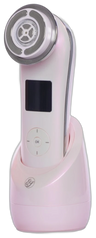
- At-home ultrasound is not a single category. Multi-modal handsets like the EvenSkyn Eclipse use lower-frequency ultrasound (45 kHz) in their nourishment mode for sonophoresis and product absorption, paired with microcurrent, LED and gentle thermal in other modes. These are not LIPUS-regime therapeutic ultrasound devices, and they are not substitutes for clinical Ultherapy. They are daily-maintenance multi-modal handsets that earn their place in a stack, not on their own.
- Radiofrequency, ultrasound, microcurrent, red light and fractional laser each target a different anatomic depth and a different biological pathway. Treating them as interchangeable is the single most common patient error I see.
- The evidence base is strongest for clinical-grade MFU (Amiri 2024 meta-analysis: 89% investigator-assessed improvement across 42 studies) and for monopolar radiofrequency (Lyu 2022; Austin 2022 systematic review of 21 studies).
- At-home radiofrequency has its own randomized clinical-trial evidence. A 12-week split-face trial of 33 women aged 35 to 60 showed statistically significant improvements in wrinkles, radiance, color and skin thickness against a cosmetic-only control (Shu 2022).
- Red light at clinically studied wavelengths in the 600 to 850 nm range produces measurable intradermal collagen density increases (Wunsch 2014), though that trial was sponsor-funded by a lamp manufacturer and the conflict deserves to be named, not buried.
- Patients with Fitzpatrick IV to VI skin face elevated post-inflammatory hyperpigmentation risk from fractional non-ablative and ablative lasers (Mar 2024; Hu 2022). Ultrasound, RF and microcurrent each carry meaningfully lower pigmentary risk in skin of color, which is why I generally lead with those modalities for darker phototypes.
- Nothing at home replicates a surgical facelift. What the right stack does is buy a decade or more of maintenance, improve the architecture of skin that has not yet reached the surgical threshold, and let you arrive at the surgical conversation later in life with better tissue to work with.
The honest summary, for the reader in a hurry
What the question really is
When a patient walks into my office and says "I want Ultherapy at home," she usually means one of three things: she wants the lifting effect she has read about, she wants the absence of needles and surgery, or she wants the cost saving. A well-chosen home stack delivers on the second and third reliably, and on the first only partially. The rest of this article explains why that is, modality by modality.
Five modalities, ranked by depth of action
| Modality | Primary depth | Mechanism | Best for |
|---|---|---|---|
| Microfocused ultrasound (MFU, Ultherapy) | 1.5 to 4.5 mm (SMAS reachable) | Focal thermal coagulation, neocollagenesis | True non-surgical lift, especially submentum, brow |
| High-intensity parallel ultrasound (Sofwave) | 1.5 mm mid-dermal | Coagulative dermal heating at 60 to 70°C | Mid-dermal collagen, fine lines, modest lift |
| At-home ultrasound (Eclipse class) | Upper dermis, non-thermal | Acoustic stimulation of fibroblasts, sonophoresis | Daily maintenance, product absorption, microcirculation |
| Monopolar radiofrequency (clinical) | 2 to 4 mm dermal-subdermal | Bulk dermal heating, collagen contraction + remodeling | Skin tightening across face and neck |
| At-home RF (Lumo+ class) | Up to 3 mm dermal, 1 MHz | Two-tier heating (42°C standard, brief peaks to 60°C); 3-15 mA EMS | Skin tightening, wrinkle reduction, jawline definition |
| Microcurrent | Surface plus underlying mimetic muscle | ATP upregulation, muscle re-education | Lifting effect through muscle tone, edema reduction |
| Red light + near-infrared | 1 to 5 mm via photon penetration | Mitochondrial cytochrome c oxidase activation | Inflammation reduction, modest collagen support |
| Fractional non-ablative laser | 1.5 mm columns, variable density | Microthermal injury, fractional wound healing | Texture, scarring, pigment, less for lift |
Evidence quality, by modality
| Modality | Highest-grade evidence | Sample / scope | Conflict to disclose |
|---|---|---|---|
| Clinical MFU | Amiri 2024 meta-analysis, Aesthet Surg J | 42 studies, n pooled 411 investigators | Author advisory roles with Merz |
| Clinical MFU (older) | Contini 2023 systematic review, IJERPH | 16 studies, n pooled 337 IGAIS day 90 | None declared |
| HIFU general | Haykal 2025 systematic review, ASJ | 45 trials 2010 to 2024 | Author private practice |
| Sofwave (mid-dermal US) | Hongcharu 2023; Gold 2024 (JCD) | Multi-center clinical trials | Sponsored by SofWave Medical Ltd |
| LIPUS on dermal fibroblasts | Zhou 2004 (J Biol Chem); Tsai 2011 | In vitro HDF studies | None declared |
| Monopolar RF | el-Domyati 2011 (JAAD); Austin 2022 systematic review | Histology + 21 clinical studies | None declared |
| At-home RF | Shu 2022 (Dermatol Ther), randomized split-face | 33 women, 12-week trial | Device provided by Ecolite Wellbeing; journal fee sponsored |
| Microcurrent | Cheng 1982 (foundational); Konstantinou 2020 (Cells) | Rat skin and HDF cell-line work | None declared |
| Red light therapy | Wunsch 2014 (Photomed Laser Surg) | Controlled trial, intradermal collagen density | Sponsor-funded (JK-Holding GmbH) |
| Fractional photothermolysis | Manstein 2004 (Lasers Surg Med) | Foundational; 15 forearm subjects, prototype | Authors with Reliant Technologies financial ties |
| PIH in skin of color | Mar 2024; Hu 2022 (Aesthet Surg J) | Systematic reviews | None declared |
What I tell every patient before they spend a dollar
The biggest mistake patients make in this category has nothing to do with picking the wrong device. The first error, the one that downstream errors flow from, is buying any device without first identifying which biological problem they are trying to solve. Skin laxity that has crossed the surgical threshold cannot be reversed by a home device. Texture damage from years of sun cannot be fixed by microcurrent. Dynamic wrinkles from repeated muscle movement cannot be flattened by red light. Matching the modality to the problem is half the battle.
A second pattern: patients expect a single device to do everything. The clinical evidence is consistent that multi-modal stacks outperform monotherapy. Real skin biology has multiple targets: muscle, dermal collagen, melanocyte, vascular network, mitochondrial energy production. A 633 nm photon does not heat the dermis. A radiofrequency current does not penetrate to the SMAS. Asking one device to do all of this is asking the wrong question.
A third pattern, which I see in almost every consult: patients underestimate how long results take. The collagen remodeling pathway that all of these technologies activate is the same pathway your body uses to heal a wound. That process unfolds over 90 to 180 days at minimum. Anyone selling you a 14-day collagen transformation is selling you optimism, not biology.
A fourth observation, mostly for the patients with skin of color who write to me: be careful about energy devices that target chromophores. Pigment-targeting lasers and IPL carry real PIH risk in Fitzpatrick IV through VI. Ultrasound, RF and microcurrent do not target melanin and are generally far safer in darker skin. This is one of the strongest reasons to consider an ultrasound-led home regimen if you are a deeper skin tone.
A fifth point, which is the rest of this article: there is a defensible stack for the patient who wants to take her face seriously, who is not yet a surgical candidate, and who would rather invest in a fifteen-minute home practice three times a week than spend $3,000 every eighteen months on a clinic visit she might not see meaningful improvement from anyway. That stack is anchored by ultrasound, supported by RF and red light, and finished with microcurrent for muscle tone. The details are below.
Limitations and methodology
This article synthesizes 18 peer-reviewed studies, weighted toward systematic reviews and randomized clinical trials where available. I have flagged commercial conflicts in each citation where they exist. Most of the strongest evidence is in clinical-grade devices used in clinical settings. The at-home device evidence base is thinner, with fewer RCTs and smaller samples. I have tried to be honest about that gap rather than paper over it. Where the at-home modality has direct trial data (notably at-home RF), I cite it. Where the at-home modality relies on extrapolation from clinical-grade studies plus in-vitro mechanistic work (at-home ultrasound), I say so and treat the recommendation accordingly.
You came here looking for at-home Ultherapy. There is no such thing, in the strict clinical sense. There is, however, a defensible at-home stack that buys you time, supports the same biology Ultherapy targets, and lets you arrive at the surgical conversation later in life with better skin to work with. That stack is what this article is about.
My patients ask about Ultherapy constantly. They have read about a celebrity's tightened jawline, they have a friend who paid $3,200 for a treatment in a Beverly Hills clinic, they have watched a thirty-second TikTok that compressed twelve months of collagen remodeling into a single before-and-after slide. What they actually want to know is simpler than the marketing makes it sound. They want to know whether a device they can use at home, for a fraction of the cost, will get them somewhere close to what clinic ultrasound delivers. The honest answer is no, not in the way most patients are imagining it. The slightly longer and more useful answer is the subject of the next 12,000 words.
I have practiced dermatology for fifteen years. I trained at Johns Hopkins, did my residency at the Mayo Clinic with a focus on skin rejuvenation, laser therapy and cosmetic dermatology, spent time at a major pharmaceutical company working on prescription skincare and anti-aging compound development, and then several years working with a global luxury skincare brand on R&D before joining EvenSkyn as Chief Dermatology Advisor and Doctor-in-Residence in 2020. I have done in-office Ultherapy procedures. I have prescribed at-home device regimens for hundreds of patients. I have seen the full range of outcomes, from genuinely impressive to deeply disappointing, and I have a fairly strong sense of which inputs produce which results.
This article is written for the patient who is not yet sure whether she should book a clinic appointment, buy a home device, both, or neither. It assumes you are an intelligent adult who would rather be told the truth, with hedges where evidence is genuinely uncertain and commitments where it is not, than be sold a fantasy. There is no commercial pressure in the body of this piece. EvenSkyn makes home devices, and you will encounter a section toward the end of the article where I describe how those devices fit into the stack I would build for myself. That section is labeled clearly. Everything before it is modality-neutral, evidence-grounded, and as honest as I can make it.
Three quick definitional notes, because the marketing here is a swamp. First, when this article says Ultherapy, capital U, it refers specifically to the FDA-approved microfocused ultrasound with visualization device manufactured by Merz Aesthetics, which has been in clinical use since 2009 for non-invasive brow, submental and neck lifting. When this article says HIFU, it refers to the broader category of high-intensity focused ultrasound, which includes Ultherapy and several other clinical devices and some lower-quality knock-off devices marketed in Europe and Asia. When this article says at-home ultrasound, it refers to a heterogeneous category that includes multi-modal consumer handsets using kilohertz-range ultrasound for sonophoresis (like the EvenSkyn Eclipse at 45 kHz), some megahertz-range LIPUS-style devices, and ultrasonic cleansing spatulas. None of these match clinical MFU on fluence, depth or biological effect. These are different things. Conflating them is how patients end up disappointed.
Second, when this article says laser, it specifically means a focused light source emitting at a defined wavelength. That includes fractional CO2, fractional erbium-doped, 1570 nm fiber lasers, picosecond lasers, and so on. Intense pulsed light, or IPL, is not technically a laser even though it is often grouped with lasers in consumer conversation. This article keeps them separate because their mechanisms and pigmentary risks differ in clinically important ways.
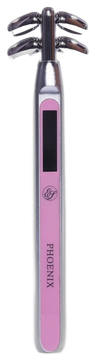
Third, when this article says microcurrent, it refers to electrical currents in the single-microamp to several-hundred-microamp range, which are sub-sensory and do not produce visible muscle contraction. When it says EMS, or electrical muscle stimulation, it refers to higher-intensity currents in the milliamp range that produce visible contraction. Some at-home devices, including the EvenSkyn Phoenix microcurrent bar, are true microcurrent. Some, including parts of the Lumo+ stack, blend the two. The clinical biology is different for each, and I treat them differently in the comparison matrix below.
The questions patients ask before they book the consult
Can you do Ultherapy at home?
No. Ultherapy is a specific, FDA-cleared device that uses microfocused ultrasound with visualization to deliver thermal coagulation points at depths up to 4.5 mm, including the SMAS layer that surgeons recontour during a facelift. No consumer device on the market today reaches that depth at that fluence, and the regulatory hurdles for one to do so are substantial. At-home devices marketed as "ultrasound" cover a heterogeneous range: multi-modal handsets like the EvenSkyn Eclipse use kilohertz-range ultrasound (45 kHz) for sonophoresis and product absorption rather than therapeutic tissue heating, while some other devices operate in the megahertz LIPUS range for cellular effects. None of these reproduce clinical MFU. Calling any of them at-home Ultherapy is marketing, not science.
How does at-home ultrasound compare to at-home RF for skin tightening?
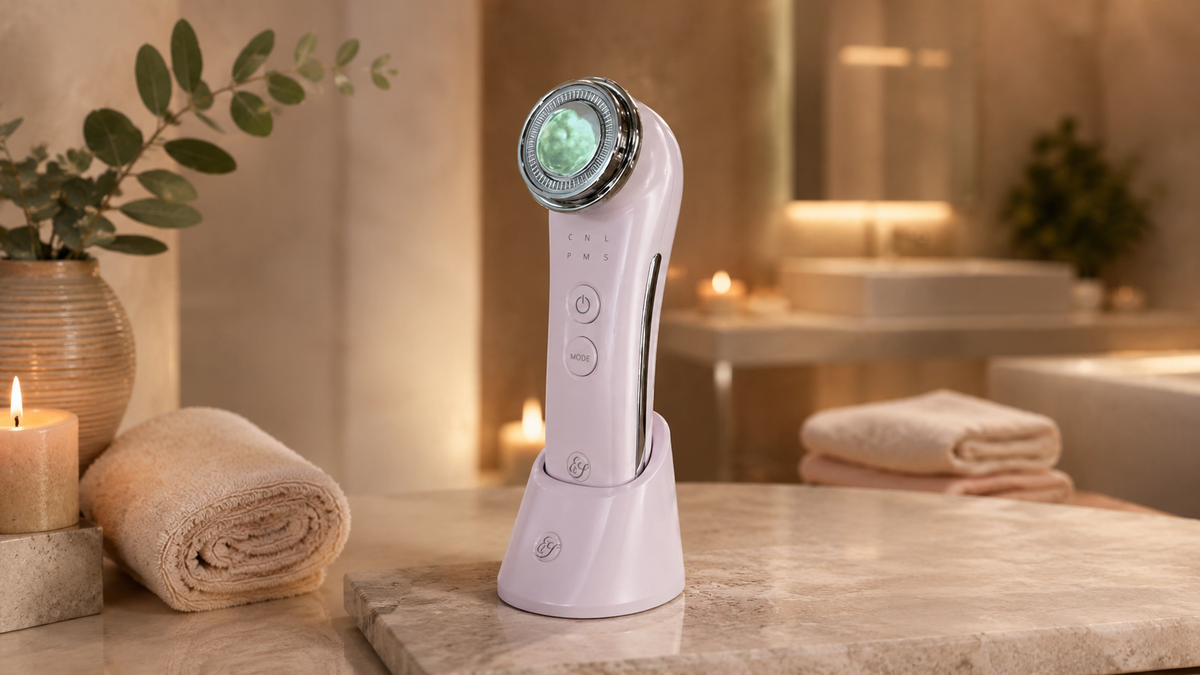
They target different layers of skin through different mechanisms. At-home radiofrequency, like the EvenSkyn Lumo+ in its RF mode, delivers bulk dermal heating at 1 MHz with a two-tier system (standard 42°C, brief peaks to 60°C in cooler zones), which contracts existing collagen and triggers a neocollagenesis response. The Lumo+ also delivers 3 to 15 mA EMS for muscle stimulation and red and blue LED. At-home ultrasound delivers acoustic energy, in the case of multi-modal handsets like the Eclipse at 45 kHz, which is used primarily for sonophoresis and product absorption rather than therapeutic dermal heating. For visible tightening of mild to moderate laxity in a patient over 40, the at-home RF evidence base is stronger, supported by the Shu 2022 split-face randomized trial. For maintenance, product absorption and a daily multi-modal routine, the Eclipse covers more functional ground. The strongest at-home approach uses both, in complementary roles, rather than choosing one.
Is at-home ultrasound safe for darker skin tones?
Yes, broadly, and that is one of the strongest reasons I recommend it for Fitzpatrick IV through VI patients. Ultrasound does not target melanin as its chromophore, which is why pigmentary side effects like post-inflammatory hyperpigmentation are rare in the published literature on focused ultrasound in skin of color. Compare this to fractional non-ablative lasers and IPL, where PIH rates can climb significantly in deeper phototypes (Mar 2024; Hu 2022). The same melanin-sparing logic applies to radiofrequency and microcurrent. Sun protection during the active treatment window remains important regardless of device, because actinic damage compounds quickly in summer use.
What is the difference between Ultherapy, Sofwave and HIFU?
All three are ultrasound technologies. They differ in penetration depth, beam pattern and intended target. Ultherapy uses microfocused ultrasound at multiple selectable depths up to 4.5 mm, with real-time visualization, and is best known for SMAS-layer treatment. Sofwave uses what its manufacturer calls Synchronous Ultrasound Parallel Beam technology, delivering seven parallel beams to a consistent 1.5 mm mid-dermal depth, which avoids the SMAS entirely and reduces risks like fat atrophy or nerve irritation (Hongcharu 2023). HIFU is the umbrella category that includes Ultherapy and several other devices, some of which lack the imaging visualization step that makes Ultherapy more predictable. Treatment choice depends on what the patient wants: deep lift versus mid-dermal tightening versus skin quality improvement.
How long do at-home ultrasound results last?
This is the wrong question, and I want to flag it because the framing matters. At-home ultrasound is not a one-and-done procedure with a duration window; the better way to think about it is as a maintenance modality that works through repeated low-dose exposure, similar to how strength training works through repeated muscle loading. The right framing is: as long as you use it consistently, three to five times per week, you will support the biology. Stop using it for three months and the supportive effect tapers off, the same way muscle tone declines when you stop exercising. Clinical Ultherapy, by contrast, is a discrete procedure whose effects do last 12 to 18 months on average, with substantial individual variation.
Can any home device replicate a surgical facelift?
No. A surgical facelift physically removes excess skin and repositions the deeper soft-tissue layers. No energy-based device, in-clinic or at-home, does that. What energy devices do is improve the appearance of skin that has not yet crossed the surgical threshold, delay the point at which a patient becomes a surgical candidate, and in some cases improve the result of an eventual facelift by giving the surgeon better tissue quality to work with. Patients who are already surgical candidates and who choose to do home devices instead are usually disappointed within 18 months. Recognizing where you are in that timeline is, in my view, more useful than any specific device comparison.
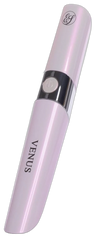
You should know my commercial relationships before you read further. I am the Chief Dermatology Advisor and Doctor-in-Residence at EvenSkyn, a Canadian at-home anti-aging device brand. EvenSkyn manufactures and sells the Eclipse multi-modal toning handset, the Lumo+ radiofrequency, EMS and LED handset, the Phoenix microcurrent bar, the Mirage LED phototherapy mask, the Venus periocular device and the under-eye microneedle patches. I am compensated for editorial oversight of EvenSkyn's clinical content. I do not own equity in any of the clinic-grade device manufacturers cited in this article (Merz Aesthetics, SofWave Medical Ltd, Solta Medical and so on).
This piece is structured so the body of the analysis is brand-neutral. Where evidence supports a clinic-grade competitor over EvenSkyn for a given problem, I have said so. The section labeled Where EvenSkyn devices fit further down is the commercial section. Everything before that section is what I would tell a patient in my office regardless of who paid me. If you spot anywhere I have softened or laundered a finding to make the home stack look better than the evidence supports, the thumbs-down button at the end of the article goes to my editor.
For canonical clarity for search engines and for readers who arrive here from related queries: this article is the EvenSkyn editorial canonical for the question "is at-home ultrasound a substitute for Ultherapy, and how does it compare to other home modalities." Adjacent EvenSkyn articles cover narrower slices of this territory. Our ultrasound versus RF piece is a tighter two-modality comparison without the Ultherapy framing. A companion ultrasound technology for skin tightening piece serves as a mechanism-focused intro. The deeper-physics piece, ultrasound mechanisms and benefits, goes further into transducer behavior and acoustic targeting. This article is the most comprehensive of the set and is where readers comparing across all five modalities should land.
The master comparison matrix
I built this table the way I would build a decision matrix for myself if I were starting fresh. Rows are the realistic options a patient has, from surgical to home. Columns are the dimensions that matter when choosing between them. Italicized cells flag Fitzpatrick IV through VI considerations, which deserve their own thinking and which the device marketing rarely addresses honestly.
| Modality | Depth of action | Primary mechanism | Single-session lift potential | Total cost range (USD) | Downtime | Sessions per year | FST IV to VI safety | Where it fits |
|---|---|---|---|---|---|---|---|---|
| Surgical facelift (SMAS) | Surgical plane (5 to 15 mm) | Physical excision and repositioning | Substantial, definitionally | $8,000 to $30,000 | 2 to 4 weeks visible, 3 months full | Once per decade typical | Generally safe; scarring risk varies; keloid risk higher in FST V to VI | Ceiling option for established laxity past the energy-device threshold |
| Deep-plane facelift | Sub-SMAS, deep-plane fat compartments | Vector-based repositioning of deeper structures | Substantial, often most natural-looking | $15,000 to $50,000 | 3 to 6 weeks visible | Once per decade typical | Same as above with surgical team experienced in skin of color | Premium surgical tier for patients with significant volume loss plus laxity |
| Ultherapy (clinical MFU) | 1.5, 3.0 and 4.5 mm selectable | Focal thermal coagulation, neocollagenesis | Brow 0.47 to 1.7 mm (Contini 2023) | $2,000 to $5,000 per session | None typically | 0.5 to 1 (every 12 to 24 months) | Favorable, no melanin targeting | The closest non-surgical analog to a surgical lift, especially submentum and brow |
| Sofwave (parallel-beam US) | 1.5 mm mid-dermal only | Coagulative dermal heating at 60 to 70°C | Modest, more skin quality than lift | $1,500 to $3,500 per session | Hours of erythema | 1 typical | Favorable | Mid-dermal collagen support for fine lines and modest tightening |
| Fractional CO2 laser (clinical) | Up to 1.5 mm columns, ablative | Microthermal ablation, fractional wound healing | Texture improvement; modest lift | $2,500 to $6,000 per session | 5 to 10 days visible | 1 to 3 | Elevated PIH risk in FST IV to VI; use lowest-density settings or alternative modality | Texture, scarring, photoaging more than lift |
| Fractional 1550 nm non-ablative | 0.5 to 1.4 mm columns | Microthermal injury without ablation | Texture, mild lift | $1,500 to $3,500 per session | 3 to 5 days visible | 3 to 6 | PIH possible; lower energy settings recommended in FST V to VI | Texture, scarring, fine lines |
| Picosecond laser | Variable; pigment-targeting | Photoacoustic shock to pigment | Not a lift modality | $400 to $1,500 per session | 1 to 3 days | 4 to 8 | Better tolerated in skin of color than longer-pulse lasers | Pigment, tattoo removal, melasma |
| Monopolar RF (clinical) | 2 to 4 mm dermal-subdermal | Bulk dermal heating, collagen contraction + remodel | Documented lift across face/neck (Lyu 2022) | $1,500 to $4,000 per session | None to minimal | 1 to 3 | Favorable; no melanin targeting | Skin tightening across face, neck and body |
| At-home RF (Lumo+ class) | Up to 3 mm dermal at 1 MHz; two-tier heating 42°C standard, brief peaks to 60°C | Dermal heating + collagen contraction; 3-15 mA EMS for muscle stimulation; dual-wavelength LED | Cumulative; documented in Shu 2022 split-face trial | $400 to $700 device cost | None typically; brief flush during peaks | 52 to 150 (1 to 3 weekly) | Favorable | Weekly intensive tightening, the spine of a home stack |
| At-home multi-modal handset (Eclipse class) | Surface to upper dermis (mode-dependent) | Sonophoresis (45 kHz ultrasound), microcurrent muscle toning, red LED, sonic, gentle thermal capped at 42°C | No clinical-grade lift; cumulative daily-maintenance support | $150 to $500 device cost | None | 150 to 350 (daily use feasible) | Favorable | Daily maintenance, product absorption, muscle tone, complexion |
| True microcurrent (Phoenix class) | Surface plus mimetic muscle | ATP upregulation, muscle re-education (Cheng 1982) | Immediate visible lift via muscle tone; cumulative over weeks | $150 to $400 device cost | None | 150 to 300 | Favorable | Muscle tone, lifting effect via mimetic muscles, edema reduction |
| EMS-class at-home device | Mimetic muscle via stronger currents | Visible muscle contraction | Strong immediate sensation; results debated | $150 to $400 device cost | None | 100 to 200 | Favorable | Patients who want a stronger felt experience; less ATP-favorable per Cheng 1982 |
| Red light LED mask (Mirage class) | 1 to 5 mm via photon penetration; wavelength-dependent | Mitochondrial cytochrome c oxidase activation; red, blue or yellow LED depending on device | Not a lift; modest collagen support (Wunsch 2014); 4 to 8 weeks for fine-line reduction | $200 to $1,800 device cost | None | 150 to 300 | Favorable; helpful for PIH recovery | Photodamage, fine lines, inflammation reduction, post-procedure recovery |
| RF microneedling (clinical) | Variable, up to 4 mm with insulated needles | Mechanical disruption plus RF coagulation | Moderate; strong for texture and laxity together | $1,500 to $4,000 per session | 1 to 4 days visible | 1 to 3 | Favorable when settings adjusted; monitor for PIH in FST V to VI | Combined texture and tightening for patients past the home-device-only threshold |
| PRP / PRF injection | Dermal via injection | Autologous growth-factor signaling | Adjunctive; not a primary lift modality | $500 to $1,500 per session | 1 to 2 days | 3 to 6 | Favorable | Adjunct to other modalities, post-procedure healing acceleration |
| Microinfusion patches (HA microneedles) | 0.15 to 0.25 mm | Stratum corneum bypass, HA delivery | Hydration and short-term plumping; not a lift | $30 to $80 per box | None | 52 to 104 (weekly to twice weekly) | Favorable | Targeted plumping for periocular and perioral; not a primary anti-laxity tool |
Italicized cells flag Fitzpatrick IV to VI considerations. Cost ranges reflect 2026 US averages and will vary by region and practitioner. Single-session lift potential is based on the cited evidence; cumulative results from repeated treatments are addressed in the modality-specific sections below.
How Ultherapy actually works
Of all the technologies in this article, Ultherapy is the one that most reliably surprises patients when they understand what it actually does. Most people think of ultrasound as a diagnostic tool, the same thing the obstetrician uses to look at a fetus, or perhaps as something that physical therapists wave over a sore knee. Clinical microfocused ultrasound is a different animal entirely.
What Ultherapy does, mechanically first and thermally second, begins with a focused ultrasound transducer concentrating acoustic energy at a precise depth beneath the skin surface, creating what is technically called a thermal coagulation point. At the focal point, tissue temperature reaches 60 to 70°C for a few milliseconds, which is hot enough to denature collagen and trigger the body's wound-healing cascade without damaging the overlying epidermis. This is the same wound-healing pathway your body uses to repair a cut, just initiated chemically rather than mechanically and confined to a microscopic volume rather than spreading across an open wound.
What makes Ultherapy distinctive among focused-ultrasound devices is the visualization step. The transducer has an integrated imaging mode that lets the practitioner see, in real time, the tissue layers they are about to treat. Before each pulse, the practitioner confirms that the focal point is positioned in dermis, in subcutaneous fat, or in the SMAS layer specifically. That visualization is why this technology is approved under the brand name Ultherapy and why the umbrella category of devices it belongs to is called MFU with visualization, or MFU-V. Several knock-off HIFU devices marketed in Europe and Asia, particularly those sold on consumer marketplaces, skip the visualization step entirely, which is why they have a higher rate of complications including superficial burns, nerve irritation and fat atrophy.
The clinical evidence for MFU-V is substantial. The most rigorous current synthesis is the Amiri meta-analysis published in Aesthetic Surgery Journal in 2024, which pooled 42 studies and screened over 4,000 references. Across 411 cases with investigator-assessed outcomes, 89 percent demonstrated some degree of global aesthetic improvement, with a 95 percent confidence interval of 81 to 94 percent. Patient-reported improvement reached 84 percent across 312 cases. Patient satisfaction at any level was 84 percent across 326 cases, dropping to 62 percent if neutral responses were excluded as a non-positive outcome. One conflict of interest worth noting is that the senior author has served on the advisory board of Merz, the manufacturer of Ultherapy. Lead authorship reads as authentically independent, but a reader should weight findings with that disclosure in mind.
An earlier Contini systematic review, published in the International Journal of Environmental Research and Public Health in 2023, took a more conservative analytical approach. It included only 16 of 693 screened studies, applied strict inclusion criteria, and pooled day-90 Global Aesthetic Improvement Scale data across 337 cases. The headline finding was that 92 percent of patients demonstrated improvement in skin tightening and wrinkle reduction at 90 days post-treatment. Objective measurements showed brow lifts in the 0.47 to 1.7 mm range and submental area reductions of 26 to 45 mm² on standardized lateral photographs. These are not category-changing numbers in the way a surgical lift is category-changing. They are real, measurable, sub-surgical improvements that justify the cost for the right patient profile.
The honest limitation of Ultherapy is that it is uncomfortable. Patient pain scores during the procedure are not trivial, and most clinics offer topical anesthesia, oral analgesia or low-dose sedation. The discomfort is the cost of the energy density that makes the procedure work, which is part of why the at-home equivalents that exist at lower energy densities also feel almost nothing during use. Comfort and clinical effect are inversely related across the focused-ultrasound category.
Where Ultherapy shines is the submental triangle, the brow, the lower face along the jowl line, and the upper neck. Where it underperforms is volume loss, deep static wrinkles unrelated to laxity, and patients past the surgical threshold. A patient with substantial jowling and pre-platysmal banding who skips a facelift in favor of Ultherapy is almost certainly going to be disappointed within 12 months. Recognizing where you fall on that spectrum, before booking the procedure, is the most important pre-treatment decision a patient makes.
At-home ultrasound: a different category, properly understood
This is the section that most patients want me to skip to. It is also where the most marketing dishonesty lives. The first thing to understand is that "at-home ultrasound" is not a single category. It contains at least three sub-categories that operate on different physics and produce different biology: high-frequency therapeutic ultrasound in the megahertz range, lower-frequency sonophoresis devices in the kilohertz range, and multi-modal handsets that include ultrasound as one of several technologies. Conflating them produces the bulk of the disappointment in this category.
Clinical MFU operates at high fluence and tight focus, concentrating enough acoustic energy at a focal point to create localized thermal coagulation at depths up to 4.5 mm. Research-grade therapeutic ultrasound in the 1 to 3 MHz range operates at lower fluences and is the regime described by the LIPUS literature, which is much larger than most consumers realize. Zhou and colleagues, working at the University of Ulm in Germany, published a paper in the Journal of Biological Chemistry in 2004 examining the molecular mechanisms of low-intensity pulsed ultrasound on human skin fibroblasts. They found that pulsed ultrasound at non-thermal intensities upregulated collagen synthesis in cultured human dermal fibroblasts, with measurable changes in collagen I and III gene expression. Tsai and colleagues followed up in 2011 with a three-dimensional culture model that demonstrated increased proliferation and extracellular matrix production by human dermal fibroblasts under pulsed low-intensity ultrasound exposure. The picture that emerges from this literature is consistent: in the megahertz LIPUS range, ultrasound at low intensities does measurable biology to fibroblasts without coagulating tissue.
Most consumer devices marketed as "at-home ultrasound" do not operate in the megahertz LIPUS regime. They operate at lower kilohertz frequencies, typically in the 20 to 50 kHz range, where the dominant mechanism is sonophoresis rather than therapeutic ultrasound for fibroblast stimulation. Sonophoresis is the use of acoustic energy to transiently disrupt lipid bilayer organization in the stratum corneum, allowing larger molecules to pass into the upper dermis that would otherwise be excluded. This is what produces the documented improvement in serum and active-ingredient penetration when ultrasound is paired with a topical product. It is real biology, with real cosmetic benefit, but it is a different mechanism from LIPUS.
EvenSkyn's Eclipse is an example of the multi-modal sub-category. It pairs ultrasound at 45 kHz, used specifically in its Nourishment mode for sonophoresis and iontophoresis of water-soluble actives, with microcurrent for muscle toning in the Lifting mode (the Cheng 1982 tradition), red LED at 623 nm for collagen photobiomodulation in the Photorejuvenation mode, sonic vibrations for microcirculation and lymphatic drainage, and gentle thermal activation capped at 42°C / 107.6°F per its safety manual. None of these mechanisms is a substitute for clinical Ultherapy. Combined, they make a defensible daily-maintenance layer in a home stack. The realistic timeline for visible texture, radiance and tone effects from this layer is 8 to 12 weeks of consistent three-to-four times weekly use, paired with a water-based conduction gel and water-based serums during the Nourishment mode.
What none of these at-home sub-categories is doing, and where the marketing in this space misleads patients, is replicating the SMAS-layer thermal coagulation that clinical Ultherapy delivers. Consumer ultrasound, whether in the megahertz LIPUS regime or the kilohertz sonophoresis regime, does not reach 4.5 mm depth at coagulative fluence. The biological event at home is supportive stimulation and product-penetration enhancement, not coagulative remodeling. A patient who buys any at-home device expecting Ultherapy-grade lift is going to be disappointed. A patient who builds a stack of complementary modalities and uses them consistently for 90 days is going to see modest but real improvements in tone, texture, radiance and (with RF added) firmness.
Radiofrequency: heating the dermis the old-fashioned way
If at-home ultrasound is the most overhyped category in this article, at-home radiofrequency is the most underappreciated. The published evidence for at-home RF efficacy is stronger than for at-home ultrasound, and yet the consumer attention RF receives is a fraction of what HIFU and Ultherapy attract. That gap between attention and evidence is part of why I want to spend time here.
The mechanism is elegantly simple. Radiofrequency energy is an oscillating electromagnetic current, generally in the range of 0.3 to 10 MHz for aesthetic devices. When that current passes through skin, it encounters the tissue's natural electrical resistance, and the resistance generates heat. The heat is distributed in the dermal layer rather than focused at a point. Lyu and colleagues, in their 2022 review in the International Journal of Dermatology and Venereology, describe the process as selective electrothermolysis: the bulk heating triggers immediate collagen contraction through hydrogen-bond cleavage in the triple-helical structure, followed by a wound-healing response that produces neocollagenesis over a 90 to 180 day window.
The histologic evidence is direct. El-Domyati and colleagues, in their 2011 paper in the Journal of the American Academy of Dermatology, applied monopolar RF in six sessions over three months to six volunteers with Fitzpatrick III to IV skin and Glogau class I to II wrinkles. Skin biopsies at baseline, end of treatment and three months post-treatment showed statistically significant increases in collagen I, collagen III and newly synthesized collagen, with a parallel decrease in total elastin. While the study sample is small, the histological direction is unambiguous. Authors declared no conflicts of interest, which I weight favorably.
A broader systematic review picture comes from Austin and colleagues, who in 2022 published in Lasers in Surgery and Medicine a synthesis of 21 clinical studies of facial and neck RF rejuvenation. Their finding was that objective studies demonstrated lifting effect, improvement in elasticity, increases in collagen, volumetric fat changes and wrinkle reduction. The category-level evidence is consistent enough that radiofrequency has earned the place it holds in clinical dermatology.
At-home RF evidence is the part most consumers do not know about. Shu and colleagues at West China Hospital, Sichuan University, published in Dermatology and Therapy in 2022 a randomized split-face trial of a home-based RF device. Thirty-three women aged 35 to 60 underwent a 12-week trial. One side of the face was treated with the home RF device on the recommended manufacturer cadence; the other side was treated with a marketed anti-aging cosmetic. Across five repeated measurements at baseline, two, four, eight and twelve weeks, the RF side showed statistically significant improvements in wrinkle severity, skin radiance, skin color and skin thickness compared with the cosmetic-only control. Devices and the journal's publication fee were sponsored by Ecolite Wellbeing, which I weight into the interpretation. This is, to my knowledge, the strongest direct evidence currently published for at-home RF efficacy, and it forms the empirical backbone of my clinical recommendation that RF is the modality I lead with for patients who want one home device that does the most for tightening.
Target temperature for safe and effective at-home RF is generally 42°C at the skin surface for standard treatment, with some devices using a two-tier system that briefly reaches higher temperatures in cooler tissue zones. The EvenSkyn Lumo+ operates at 1 MHz radiofrequency with a two-tier dermal heating system: standard treatment temperature of 42°C / 107°F, with brief peaks up to 60°C / 140°F triggered for less than 20 seconds in cooler tissue zones before reverting to the lower setting. The device combines RF with 3 to 15 mA EMS for facial muscle stimulation (stronger than sub-sensory microcurrent, in the felt-contraction range), red LED at 623 nm and blue LED at 465 nm, ionic delivery for cleansing, and electric nutrient iontophoresis for serum absorption. Active semiconductor-based cooling removes excess surface heat during RF treatment. Recommended cadence is 1 to 3 sessions per week of 5 to 8 minutes each, with maximum total weekly RF exposure of 25 minutes including the neck.
Clinical-grade monopolar RF runs hotter still, which is one of the reasons it produces faster results and one of the reasons it carries somewhat higher risk. The home-use trade-off is generally lower temperature, longer time to visible effect, and a much wider safety margin, with the Lumo+ two-tier system narrowing that gap by allowing brief higher-temperature peaks where the dermis can tolerate them.
One caveat worth flagging: patients on certain medications, especially anticoagulants, and patients with implanted electrical devices such as pacemakers should not use RF devices without consulting their physician. The patient with rosacea should be cautious as well, because thermal exposure can flare the inflammatory pathway in already-sensitized skin. I generally start rosacea-prone patients on red light therapy first to calm baseline inflammation, then introduce RF at the lowest setting with careful monitoring.
Microcurrent and red light: the supporting cast that earns its place
These two technologies often get bundled together in consumer guides, which is a category error. They work through different mechanisms on different tissues with different timelines. I cover them in one section because they are both supporting players in the stack rather than primary lifters, but the biology underneath them is not the same biology, and patients should understand the difference.
Microcurrent: a 1982 paper that still defines the category
Microcurrent therapy means electrical current in the microampere range, which is sub-sensory at the levels used in skin therapy. You should not feel it when the device is on the correct setting against well-prepared skin. If you feel a tingle, the current is too high, or the conductive medium is insufficient. True microcurrent operates below the threshold for muscle contraction, which is one of the things that distinguishes it from EMS or electrical muscle stimulation.
The foundational paper in this field is Cheng and colleagues from 1982, published in Clinical Orthopaedics and Related Research. Their team applied direct electric currents ranging from 10 microamperes to 1000 microamperes to rat skin tissue and measured the resulting changes in ATP generation, protein synthesis and membrane transport. One finding defined the entire microcurrent industry: ATP concentrations increased markedly with current application, peaked at around 500 microamperes, and declined at higher current levels. Aminoisobutyric acid uptake, a marker of protein synthesis, increased 30 to 40 percent. These findings have been replicated in modern molecular work, including Konstantinou and colleagues in 2020 in the journal Cells, who demonstrated that microcurrent stimulation triggers MAPK signaling and TGF-β1 release in fibroblast and osteoblast-like cell lines.
Aesthetic application of this biology is two-fold. First, increased ATP in dermal fibroblasts supports the energy-intensive process of collagen synthesis, which means microcurrent has a plausible biological role as an adjunct to other tightening modalities. Second, microcurrent applied along the mimetic facial muscles produces a re-educative tone effect, where repeated low-dose stimulation appears to support muscle tone in the same way that gentle resistance work supports skeletal muscle tone. The immediate lifting effect that patients see in microcurrent before-and-after photos is primarily this muscle-tone effect, which appears within minutes and persists for several hours to a day.
Cumulative effect of consistent microcurrent use is where the literature is thinner and the marketing is more enthusiastic. Aesthetic outcomes data is dominated by manufacturer-sponsored studies with modest sample sizes. What I can say from clinical experience, hedged appropriately, is that patients who use a true microcurrent device three to five times weekly for 90 days report a visible tone effect that survives short pauses in use. Patients who stop using the device for several months see the tone effect fade. This pattern is consistent with the muscle-tone mechanism rather than a permanent structural change.
Red light and near-infrared: mitochondria, not collagen contraction
Red light therapy is the modality with the most clinically relevant rebranding in the last decade. What is now sold as red light therapy was, in the academic literature, called low-level light therapy or photobiomodulation. The biology is unchanged. Its branding is more accessible.
Its mechanism is well-characterized at the cellular level. Red light at wavelengths around 633 nm and near-infrared at wavelengths around 830 nm are absorbed by cytochrome c oxidase in the mitochondrial electron transport chain. This absorption produces a modest but biologically significant increase in cellular ATP production, a transient release of nitric oxide that affects vascular tone, and downstream effects on inflammation and oxidative stress pathways. The penetration depth is wavelength-dependent: 633 nm penetrates to approximately 1 to 2 mm depth, reaching the upper dermis; 830 nm penetrates further, reaching subdermal tissue.
The clinical evidence for red light's cosmetic benefits is real but should be read with conflict disclosure. Wunsch and Matuschka, in their 2014 paper in Photomedicine and Laser Surgery, conducted a controlled trial comparing red light at 633 nm and a polychromatic light source against a control condition. The treatment groups showed statistically significant improvements in patient satisfaction, fine line and wrinkle reduction, skin roughness reduction and intradermal collagen density increase. The trial was funded by JK-Holding GmbH, the German manufacturer of one of the light sources tested, and the principal investigator was remunerated by the sponsor. I cite this study because it remains the highest-quality controlled trial in the at-home red light category, but the conflict deserves to be in the open.
More recent literature has refined the picture. Couturaud and colleagues, writing in Skin Research and Technology in 2023, documented measurable reversal of multiple skin aging signs through red light photobiomodulation. Randomized sham-controlled trials of LED masks at 660 nm are emerging, with samples in the 95-patient range and standardized wrinkle-assessment outcomes.
What red light is not doing, and where patient expectations need to be set, is producing the kind of acute lifting effect that microcurrent produces or the dermal contraction effect that RF produces. Red light is supportive. It reduces inflammation, supports mitochondrial function in stressed dermal cells, and produces modest improvements in collagen density over months of consistent use. It is the most useful modality for post-procedure recovery, for rosacea-prone skin that cannot tolerate aggressive thermal modalities, and for patients in Fitzpatrick IV to VI who want a modality with virtually no pigmentary risk. It is not the modality for someone whose primary concern is jowling.
Consumer LED masks vary in which wavelengths they deliver. The EvenSkyn Mirage, the product I would recommend if a patient is choosing an LED mask, uses 204 LEDs delivering red light at 630 nm ± 3 nm (within the research-validated range), blue light at 415 nm ± 3 nm for acne and surface calming, and yellow light at 583 nm ± 3 nm for general rejuvenation. Cumulative output reaches approximately 500 joules per minute. Manufacturer-recommended protocol is three 25-minute sessions per week, with reported fine-line improvement at the 4-week mark in consumer trials. Masks that include near-infrared at 830 nm (which the Mirage does not) reach somewhat deeper tissue and may be preferable for patients whose primary concern is deeper dermal collagen rather than surface photoaging.
Lasers: the texture specialists, mostly not for lifting
Lasers belong in this comparison even though they are not, by themselves, the right tool for the lifting problem most patients arrive with. Including them matters because the patient considering ultrasound is often also considering a laser, and the decision between them depends on understanding what each does well.
The foundational paper in modern cosmetic laser dermatology is Manstein and colleagues from 2004, published in Lasers in Surgery and Medicine. Their concept was fractional photothermolysis, which means creating microscopic columns of thermal injury surrounded by spared tissue. Each column heals by wound-healing biology; the spared surrounding tissue accelerates the overall healing time and reduces complications compared with the older approach of ablative full-coverage resurfacing. The original work used a prototype mid-infrared fiber laser around 1.5 micrometers and tested various microthermal treatment zone densities on the forearms of 15 subjects. Authors disclosed financial relationships with Reliant Technologies, the company that subsequently brought the Fraxel laser to market, which is the conflict that deserves to be named.
Fractional laser technology has evolved into two main branches. Ablative fractional, using 10,600 nm CO2 or 2,940 nm erbium-doped lasers, removes columns of tissue including the epidermis. The healing is thorough but the downtime is real, generally 5 to 10 days of visible recovery. Non-ablative fractional, using 1,550 nm or 1,540 nm erbium-doped lasers, creates thermal injury without ablation. Recovery is faster, downtime is 3 to 5 days, and the depth of action is shallower.
For texture issues, including acne scarring, fine static wrinkles, photoaging and surface roughness, fractional lasers are often the right answer when used in the right hands. They are not a primary lifting modality. The thermal injury they create is in the upper-to-mid dermis, not at the SMAS layer where lifting energy needs to act. A patient with significant skin laxity who chooses fractional laser instead of MFU or RF is choosing the wrong tool for her problem.
Another dimension where laser choice gets complicated is skin of color. Mar and colleagues, writing in 2024, conducted a systematic review of post-inflammatory hyperpigmentation in skin of color and found that more than 95 percent of cases in their pooled sample were precipitated by laser therapy. Hu and colleagues, in 2022 in Aesthetic Surgery Journal, conducted a systematic review of adverse events from non-ablative lasers and energy-based therapies in Fitzpatrick IV to VI patients and similarly identified elevated PIH risk relative to lighter phototypes. The practical implication is straightforward: a patient in Fitzpatrick V or VI considering a fractional laser should select a practitioner with extensive experience in skin of color, should use the lowest effective energy and density settings, and should plan for a longer post-treatment topical regimen to suppress PIH. Or, equivalently, the patient should consider RF or ultrasound first, both of which carry much lower pigmentary risk because they do not target melanin as their chromophore.
What about the higher-wavelength fiber lasers, the 1570 nm devices that some clinics market as alternatives to traditional fractional? Their mechanism is similar: thermal injury at a specific depth determined by the absorption coefficient of water at the chosen wavelength. A 1570 nm wavelength has slightly different absorption properties than 1550 nm, which translates into slightly different penetration depth and slightly different tissue effects. The clinical comparison data is still emerging. My honest take is that the choice between specific fractional wavelengths is much less important than the choice between fractional laser as a category and the energy-based skin tightening category. If your problem is texture, fractional makes sense. If your problem is laxity, fractional is not your primary answer regardless of wavelength.
A realistic 12-week protocol
If you are going to do this at home, here is the protocol I would write for a patient in my office, assuming a Fitzpatrick II to IV woman in her late forties or fifties with mild to moderate skin laxity, no active acne, no rosacea flare, no contraindications to thermal devices and a reasonable budget for three to four home devices. Adjust accordingly if your profile differs.
Goal of the first 12 weeks is to build the consistency that drives results, not to chase a peak outcome. Treat this as the equivalent of starting a strength program: form first, then frequency, then load. Track results with weekly standardized photos taken in the same lighting, at the same angle, with the same expression. Skin biology operates on a longer time scale than your subjective memory of how your face looked last Tuesday. Photos do not lie. Memory does.
Weeks 1 to 2: foundation and tolerance
Begin red light therapy only, three times per week, 10 minutes per session, with eye protection. This builds skin tolerance, calms baseline inflammation, and gets you used to the rhythm of a home device practice. Pair with a fragrance-free moisturizer post-treatment. Take a baseline photo set today in natural daylight.
Continue red light therapy three times weekly. Add a single test session of your at-home ultrasound device, lowest setting, with appropriate conduction gel on the cheeks only. Watch for any redness or sensitivity for 24 hours before expanding to full face. This is the modality with the lowest risk profile, but the patch-test discipline matters.
Weeks 3 to 4: introduce RF and microcurrent
Add your at-home RF device twice this week, on non-consecutive days, at the manufacturer's lowest temperature setting. Treatment time of 10 to 15 minutes total face. Always use conduction gel. Continue red light and ultrasound at established cadence. By end of week, you should have done three red light sessions, three ultrasound sessions, and two RF sessions, with no skin reactions other than mild transient flush after RF.
Add microcurrent twice this week along jaw, cheekbones and brow. Treatment time of 10 minutes per session. By end of week 4 you have established a four-modality rotation. The total weekly time commitment is approximately 90 to 120 minutes spread across 8 to 10 short sessions. The face has been touched by each modality at least four times. Take week-4 progress photos.
Weeks 5 to 8: progressive loading
Increase RF to three weekly sessions, still at the lower or middle temperature setting. The dermis builds tolerance, and at this point you can safely deliver more thermal stimulus without elevated risk. Keep red light, ultrasound and microcurrent at established cadence.
Hold the load. Resist the impulse to add more devices or extend session lengths. Consistency at moderate dose outperforms intensity. If you have skipped a session due to travel or illness, return to schedule without compensation. The wound-healing biology you are stimulating responds better to rhythm than to volume.
Most patients begin to notice softer fine lines, slightly improved morning skin tone, and a modest visual brightening at this point. Major textural changes are still weeks away. Take week-7 progress photos.
Optional addition: an under-eye microneedle patch once weekly, applied evening before bed. This targets the periocular area where the other modalities are less effective due to proximity to the eye. Use a fresh patch each week.
Weeks 9 to 12: peak protocol and assessment
Consider increasing RF temperature setting incrementally if your skin tolerated weeks 5 through 8 without flare. Keep red light at three weekly sessions, ultrasound at three weekly sessions, microcurrent at two to three weekly sessions. The total weekly commitment stabilizes at 120 to 150 minutes.
Hold the load. Continue protocol. The 90-day mark is when the neocollagenesis wave from your first RF sessions in week 3 begins producing measurable dermal density changes. This is biology, not magic; the timeline is approximately the same regardless of device brand.
Take comparison photos against week 1 baseline. Most patients see modest but real improvements in skin radiance, fine line softening, jawline definition and overall tone. The patients who do not see changes at this point typically fall into two categories: those who skipped sessions, and those whose laxity is past the home-device threshold.
Maintenance phase begins. Most patients can dial back to two sessions per week of each modality (RF, ultrasound, microcurrent) and keep red light at three sessions. Total weekly commitment drops to 75 to 100 minutes. The biology you have built holds at this lower dose as long as you do not stop entirely for months.
For the patient who has done the protocol consistently and who started below the surgical threshold, the realistic improvement at 12 weeks is this: measurable but moderate softening of fine lines, modest improvement in jawline definition, visible radiance increase, somewhat improved skin firmness on palpation, no category-changing lift. A patient who started above the surgical threshold will see less. Anyone who skipped half the sessions will see almost nothing. Variability is real and is driven mostly by consistency, not device choice.
If after 12 weeks of consistent execution you are not seeing what you wanted, the answer is not necessarily to buy more devices. The answer might be to acknowledge that the surgical threshold has arrived earlier than you hoped, and to have the consultation conversation with a surgeon you trust. Energy devices are not a substitute for facelifts. They are a way to delay the moment when a facelift becomes the right choice.
Where EvenSkyn devices fit, if you want the brand-specific version
Here is the commercial section. If you have read this far without skipping ahead, you understand the modality field well enough to evaluate this part with appropriate skepticism. The EvenSkyn devices I would recommend, in the order I would build a stack, are these: the Lumo+ for the RF and EMS backbone of the protocol (1 MHz RF with two-tier heating, plus 3 to 15 mA EMS and dual-wavelength LED), the Eclipse for the daily multi-modal maintenance layer (sonophoresis ultrasound, microcurrent lifting, red LED photorejuvenation and gentle thermal), and the Mirage LED mask for the red light component that calms inflammation and supports collagen biology over time. Patients with significant under-eye concerns benefit from adding the Under-Eye MicroInfuser patches weekly, and the Phoenix microcurrent bar adds a pure-microcurrent muscle-toning option for patients who want that specific effect. These are the products I would tell a friend to start with, with no other commercial filter applied.
Six common mistakes I see in my clinic
After fifteen years of consultations, the failure modes in this category are remarkably consistent. Six recur often enough that they deserve a section of their own.
-
Treating ultrasound, RF and microcurrent as interchangeable.
They are not. They work on different tissue depths through different biological pathways on different timelines. Substituting one for another because it is on sale or because a friend recommended it usually means the wrong modality is matched to the wrong problem. The matrix earlier in this article is the cheat sheet I would tape to my refrigerator if I were a patient making this decision.
-
Expecting clinical results from home-equivalent fluence.
The reason clinic Ultherapy costs $3,000 per session is that the device delivers energy density a home unit cannot match. If you expect Ultherapy-grade lift from a $300 device, the device will lose the comparison every time. The right framing for home devices is maintenance and gradual remodeling, not transformation.
-
Inconsistent use.
I have lost count of the patients who buy a $500 device, use it for three weeks, abandon it for two months, use it for one week, abandon it again, and then complain that it does not work. Skin biology responds to consistency, not enthusiasm. Three sessions per week for 12 weeks beats six sessions in week one and zero sessions thereafter, every single time.
-
Skipping conduction gel or substituting moisturizer.
RF, microcurrent, EMS and ultrasound all require a proper conductive medium between the device head and the skin. The stratum corneum has high electrical resistance and high acoustic impedance. Without conduction gel, most of the energy reflects at the skin surface and never reaches the dermis. Skin lotion is not gel. Hyaluronic serum is not gel. A purpose-formulated multi-modal conduction gel is. This is the single cheapest accessory in the protocol, and skipping it negates the rest.
-
Ignoring Fitzpatrick skin type when choosing modalities.
If you are Fitzpatrick V or VI and you are choosing between a fractional non-ablative laser and an RF or ultrasound regimen, the PIH risk literature pushes hard toward RF or ultrasound. Mar's 2024 review documented more than 95 percent of PIH cases in skin of color as precipitated by laser. There is no equivalent finding for energy devices that do not target melanin. The marketing rarely surfaces this. Your skin biology cares.
-
Treating home devices as a replacement for sun protection.
All of these modalities stimulate biology that ultraviolet exposure undermines. UV exposure breaks down newly synthesized collagen, generates reactive oxygen species, triggers melanocyte activity that elevates PIH risk, and accelerates the senescence pathway that the devices are trying to reverse. Sunscreen, hat, sunglasses and shade are not optional accessories. They are the foundation that makes the rest of the protocol work. A $500 home device with no sunscreen is a $500 device with one hand tied behind its back.
Frequently asked questions
How long after Botox should I wait to use my home ultrasound or RF device?
Most aesthetic practitioners recommend waiting 14 days after botulinum toxin injection before applying thermal or ultrasonic energy to the same anatomic area. The rationale is to allow the neurotoxin to bind and stabilize at the neuromuscular junction without disturbance from heat or mechanical stimulation. The same 14-day window applies to thermal RF and microfocused ultrasound. Microcurrent and red light at sub-sensory and non-thermal doses can typically be resumed sooner, often within 48 to 72 hours, though clinic-specific guidance varies and you should defer to the practitioner who did your injection.
How long after hyaluronic acid filler can I use my home device?
For hyaluronic acid filler, the typical wait is 28 days. The concern is the same: thermal energy applied too soon after injection can theoretically accelerate filler degradation. The evidence is mostly theoretical, with limited head-to-head data, but the 28-day window has become the conservative standard. Some practitioners recommend longer for thicker fillers like Radiesse or Sculptra, where the integration biology is more complex.
How does the EvenSkyn Eclipse compare to NuFACE Trinity?
They are different categories of device. The Eclipse is a multi-modal handset operating at 45 kHz ultrasound (used in its Nourishment mode for sonophoresis), with separate Lifting mode microcurrent, Photorejuvenation mode red LED at 623 nm, sonic vibrations and gentle thermal capped at 42°C across six total modes. The NuFACE Trinity+ is a dedicated microcurrent device delivering low-amperage current for muscle tone and ATP stimulation in the Cheng 1982 tradition. If you want only the muscle-tone lifting effect, the Trinity+ is a dedicated tool. If you want a single device that handles cleansing, product absorption, lifting and LED in one handset, the Eclipse covers more ground. They complement each other for patients who want both effects; the Eclipse alone covers the microcurrent layer at a less specialized intensity.
How does CurrentBody's LED mask compare to the EvenSkyn Mirage?
Both are LED phototherapy masks but they deliver different wavelength combinations. The EvenSkyn Mirage uses 204 LEDs delivering red at 630 nm, blue at 415 nm and yellow at 583 nm, with cumulative output approaching 500 joules per minute on a 3-sessions-per-week, 25-minute protocol. CurrentBody's mask emphasizes red at 633 nm and near-infrared at 830 nm. Wunsch and Matuschka 2014, with polychromatic red and near-infrared sources, supports the broader 600 to 850 nm range as biologically active for collagen and fine-line outcomes; the Mirage's 630 nm sits squarely within that validated range. For patients prioritizing deeper-tissue support, a mask with 830 nm near-infrared has a theoretical depth advantage. For patients prioritizing breadth (red + blue + yellow for fine lines, acne and tone), the Mirage's three-wavelength combination is the more diverse toolkit.
Can I use multiple home devices in the same session?
Yes, with cadence rules. The standard sequence is microcurrent or microneedle first (to prep skin and stimulate baseline cellular activity), then RF or ultrasound (for the thermal or acoustic dermal work), then red light (for the inflammation-calming and recovery support). Avoid stacking two thermal modalities in the same session on the same anatomic area. Total session time should stay under 30 minutes to prevent over-treatment.
Is microcurrent safe during pregnancy or breastfeeding?
The standard clinical guidance is no, despite the fact that microcurrent is sub-sensory and low-energy. The conservative position reflects a lack of pregnancy-specific safety trials rather than documented harm. Most manufacturers explicitly contraindicate use during pregnancy. The same caution applies to RF, EMS and HIFU at home. Red light therapy at facial doses is generally considered safer but is also under-studied in pregnancy. When in doubt, defer to your obstetrician.
What if I have rosacea?
Approach these modalities cautiously. Thermal modalities, including RF and HIFU, can flare baseline rosacea by triggering vasodilation and inflammatory mediator release in already-sensitized skin. The conservative starting point for rosacea-prone patients is red light therapy only for the first four weeks, monitoring for tolerance. If that goes well, introduce microcurrent at the lowest setting. RF and ultrasound can sometimes be added cautiously at the lowest manufacturer setting, but only after baseline inflammation is well-controlled. Some rosacea phenotypes do not tolerate thermal devices at all, and that is a real limitation worth respecting.
What if I have melasma?
Melasma is fragile. Anything that triggers inflammation or thermal stimulation in the skin can darken existing melasma patches. Fractional non-ablative lasers, IPL, and even mid-temperature RF have all been documented to worsen melasma in some patients. The safer modalities for melasma-prone patients are microcurrent, low-dose red light, and topical tranexamic acid or hydroquinone under dermatologist supervision. Aggressive thermal devices should be avoided until the underlying pigmentary pathway is stabilized.
How does HIFU at home compare to clinic Ultherapy?
They are not the same procedure. Clinic Ultherapy uses microfocused ultrasound at fluence levels sufficient to coagulate tissue at depths up to 4.5 mm. At-home HIFU devices, where they exist, operate at much lower fluence and shallower depths for safety reasons. The visualization step that defines clinical MFU-V is also absent at home. The biological effect is consequently different in kind, not just degree. I do not generally recommend at-home HIFU devices to my patients. The risk profile is higher than at-home ultrasound, and the efficacy gain over at-home ultrasound is unproven.
How long do I need to use the home devices before seeing results?
The minimum honest timeline for visible change is 6 to 8 weeks. A minimum timeline for measurable dermal remodeling is 12 weeks. Realistic timelines for the kind of result that makes a patient feel her investment was worthwhile are 90 to 180 days of consistent use. Anyone selling a 14-day transformation is selling a fantasy. The biology of collagen synthesis is approximately the same regardless of which energy modality triggered it.
What is the difference between the Phoenix and the Lumo+ for microcurrent?
The Phoenix is a dedicated microcurrent bar designed specifically for muscle-tone work along the mimetic facial muscles. Its microcurrent intensity is in the true sub-sensory range and pairs well with the Cheng 1982 ATP-peak biology. The Lumo+ combines RF and microcurrent in a single handset and is designed for a different use case: a single device that delivers both dermal heating and electrical stimulation in a more powerful overall package. The Lumo+ microcurrent output is configurable, and at higher settings produces a sensation closer to EMS than true microcurrent. Patients who specifically want the gentle muscle-tone effect of pure microcurrent should consider the Phoenix; patients who want the multi-modal convenience and stronger overall stimulus should consider the Lumo+.
Are these devices FDA-approved or FDA-cleared?
The distinction matters and is often blurred in marketing. FDA approval generally refers to drugs and certain high-risk devices that have passed rigorous safety and efficacy trials. FDA clearance refers to the 510(k) pathway, which means a device has demonstrated substantial equivalence to a predicate device already on the market. Most consumer aesthetic devices in the United States are FDA-cleared, not FDA-approved, including most at-home RF, ultrasound, microcurrent and red light devices. Clinical Ultherapy is FDA-cleared for non-invasive brow lift, submental lift and lateral decolletage lines. Be cautious when consumer marketing implies a level of regulatory rigor that exceeds the actual classification.
Should I use red light therapy in the morning or evening?
Either works biologically. Evening use has two practical advantages. It avoids interference with daytime photoprotection routines, and it can be combined with post-treatment serums or moisturizers that benefit from the immediate post-session microcirculation. Some patients find that evening red light contributes to a sense of relaxation, though the published data on this is anecdotal. Morning use is fine if it fits your schedule better.
Can I use my home devices on my chest and neck, or only the face?
Yes, with the same protocols and the same cautions. Chest and neck are common areas of laxity and photoaging, and most home devices are cleared for use across the face, neck, chest and upper arms. Skin on the chest is somewhat thinner and can flush more easily, so start at lower settings. Skin on the back of the hands is also a reasonable application area for microcurrent and red light, particularly for patients concerned about vein prominence and age spots.
What about chemical peels? Where do they fit?
Chemical peels work on the epidermis primarily, with deeper peels reaching the upper dermis. They are texture and pigment tools, not lifting tools. A salicylic or glycolic acid peel can be a useful adjunct to the home device stack, particularly for patients with photoaging and surface roughness. Wait 7 to 10 days after a superficial peel before resuming thermal devices. Deeper peels, especially TCA at higher concentrations, require longer recovery and should be done by a clinician with a clear post-peel protocol.
I have a pacemaker. Can I use any of these devices?
RF, EMS and ultrasound at any intensity are contraindicated for patients with cardiac pacemakers, implantable cardioverter-defibrillators or other electrically active implants. The electromagnetic interference risk is real. Microcurrent is also generally contraindicated, even at sub-sensory intensities, by the conservative manufacturer guidance most major brands publish. Red light therapy is the one modality that is generally considered safe with implanted cardiac devices, though you should verify with your cardiologist.
How does the cost per treatment compare to clinic procedures?
The cost-per-treatment math heavily favors home devices over the long run. A $500 home RF device used three times weekly for two years works out to approximately $1.60 per session, ignoring conduction gel cost. A single clinic monopolar RF session runs $1,500 to $4,000. A single Ultherapy session is $2,000 to $5,000. Where the comparison breaks down is efficacy: home devices do not match clinic devices on per-session output. Where the comparison works is when you adjust for the fact that home devices deliver many more sessions over time, which compounds biological effect at much lower marginal cost. The right comparison is therefore not session to session but year to year, where the home stack typically delivers more cumulative biology per dollar.
What about combining home devices with in-clinic procedures?
This is the actual best-case approach for most patients. A clinic monopolar RF or MFU session every 12 to 24 months provides a stronger periodic stimulus that the home stack maintains in between. Wait the full 14 to 28 days after any injectable, and 7 to 14 days after most thermal in-office procedures, before resuming the home protocol. The clinic-plus-home regimen often outperforms either alone.
Are LED panels as effective as LED masks?
For facial application specifically, masks have advantages: they deliver light at a consistent distance to all areas of the face simultaneously, they free the hands, and they generally fit the contour of the face better than panels. For larger body areas, panels are more practical. The wavelength is what matters biologically; the form factor is a usability consideration.
Should I take collagen supplements while doing this protocol?
The evidence for oral collagen supplements is mixed, and the bioavailability is debated, but the practical clinical answer is that oral collagen is generally safe and may modestly support the dermal remodeling biology that the devices are stimulating. I would not rely on supplements as a primary intervention. I do not actively recommend against them either. The bigger nutritional levers for skin biology are adequate protein intake, vitamin C, vitamin D, zinc, and consistent sleep.
How often should I replace device components?
Most rechargeable home devices have a battery lifespan of 2 to 4 years with daily use. The metal electrodes on RF and microcurrent devices last the life of the device with proper care. LED diodes on red light therapy devices have rated lifespans in the 50,000-hour range, which exceeds most reasonable use cases. Conduction gel should be replaced when it changes consistency, develops odor, or passes its labeled expiration date. Disposable microneedle patches are single-use by design.
What is the EvenSkyn Eclipse's ultrasonic frequency range?
The Eclipse is a six-mode multi-modal handset, not a single-frequency therapeutic ultrasound device. Its ultrasound component, used in the Nourishment mode for sonophoresis and iontophoresis of water-soluble actives, operates at 45 kHz. This sits in the lower-frequency range used for transdermal product delivery rather than the megahertz LIPUS range used for fibroblast stimulation in research studies. Other modes deploy microcurrent (Lifting), red and blue LED (Photorejuvenation and Soothing), sonic vibrations (Massage), and gentle thermal capped at 42°C. The device is appropriate for daily use across Fitzpatrick I through VI skin types, as none of its component modalities targets melanin.
Is at-home ultrasound the same as ultrasonic spatula or skin scrubber?
The categories overlap more than the marketing suggests. Ultrasonic spatulas and skin scrubbers operate at 20 to 40 kHz with the mechanism primarily mechanical disruption of the stratum corneum for exfoliation and pore cleansing. Multi-modal handsets like the EvenSkyn Eclipse operate at 45 kHz in their ultrasound mode, which is in the same general acoustic range, but the Eclipse pairs that with five additional modes (microcurrent, red LED, sonic, thermal and iontophoresis) and uses its ultrasound specifically for sonophoresis-driven product absorption rather than surface exfoliation. Devices in the megahertz LIPUS range (1 to 3 MHz) are a different sub-category again, with the underlying biology more focused on cellular fibroblast effects than either surface cleansing or sonophoresis. Reading the actual frequency spec on the device you are considering is the cleanest way to know which sub-category it occupies.
What about red light therapy for hair growth?
Red light therapy has growing evidence for androgenetic alopecia, with several randomized trials supporting LED scalp devices at wavelengths similar to those used for skin. This is a different application from facial photobiomodulation, with different device form factors. Some facial LED masks have peripheral coverage of the hairline, but dedicated scalp devices generally outperform mask-based scalp coverage for hair-specific outcomes.
What is the difference between at-home MFU and at-home HIFU?
The marketing categories blur together. Clinical MFU (microfocused ultrasound) is typically reserved for devices with real-time visualization, where the operator can see the tissue layer being treated; clinical Ultherapy is the canonical example. Clinical HIFU (high-intensity focused ultrasound) is the broader category that includes MFU and several non-visualization devices. At-home devices labeled HIFU operate at fluences well below clinical-grade HIFU and lack the visualization step entirely. The honest framing for any at-home device that uses these terms is that it occupies a different therapeutic regime from clinical MFU and HIFU, regardless of how it is marketed.
Methodology
This article synthesizes 18 peer-reviewed studies, weighted toward systematic reviews and randomized clinical trials where available. Citations were verified against PubMed and PMC indexing before inclusion. For each cited claim, I confirmed: author name spelling against the source database, publication year against the actual epub or print date, journal name, sample size, primary outcome measure, and commercial conflict status. Where a study was sponsor-funded, I have disclosed the sponsor in both the prose and the reference entry. Where conflicts were absent, I have said so explicitly.
The evidence base is strongest for clinical-grade modalities tested in clinical settings. Amiri's 2024 meta-analysis pooled 42 studies of MFU-V with 411 investigator-assessed cases. Austin and colleagues, in their 2022 systematic review of facial and neck RF, covered 21 clinical studies. While the Manstein 2004 paper rests on 15 forearm subjects with prototype devices, its findings have been replicated and refined across hundreds of subsequent fractional photothermolysis trials. Cheng's 1982 microcurrent foundational paper has been replicated in modern molecular work by Konstantinou and colleagues in 2020.
The at-home device evidence base is thinner, with fewer randomized trials and smaller samples. Where direct trial data exists, notably the Shu 2022 at-home RF split-face study with 33 women over 12 weeks, I have cited it. Where the at-home modality relies on extrapolation from clinical-grade studies plus in-vitro mechanistic work, particularly for at-home ultrasound, I have said so and treated the recommendation accordingly. The LIPUS literature, including Zhou 2004 and Tsai 2011, provides reasonable mechanistic support for the biological plausibility of at-home ultrasound effects, but it does not constitute the same evidence quality as a randomized clinical trial of the specific home device in question.
Where I have made clinical recommendations, I have tried to ground them in the strongest available evidence and to flag the residual uncertainty rather than smooth it over. The comparison matrix earlier in the article is the synthesis output. Cost ranges in the matrix reflect 2026 averages and will vary by region and practitioner. Single-session lift potential ranges are taken from the cited evidence where available; cumulative results from repeated treatments are addressed in the modality-specific sections.
Disclosures
The author is Dr. Lisa Hartford, MD, Chief Dermatology Advisor and Doctor-in-Residence at EvenSkyn since 2020. She is compensated for editorial oversight of EvenSkyn's clinical content, including this article. Hartford does not own equity in Merz Aesthetics, SofWave Medical Ltd, Solta Medical, or any of the other device manufacturers cited in this piece. She has no current speaking, advisory, or consulting relationships with the manufacturers of clinic-grade devices discussed.
Commercial conflicts in cited studies are flagged in the References section below where they apply. The Wunsch 2014 red light trial was sponsor-funded by JK-Holding GmbH. Hongcharu 2023 and Gold 2024, both Sofwave trials, were sponsored by SofWave Medical Ltd. Manstein 2004, the foundational fractional photothermolysis paper, had authors with financial relationships with Reliant Technologies, which subsequently brought the Fraxel laser to market. Amiri's 2024 MFU-V meta-analysis included a senior author with advisory relationships with Merz Aesthetics. Shu 2022, the at-home RF split-face trial, had its home RF devices and journal publication fee supported by Ecolite Wellbeing. The Contini 2023 systematic review, the el-Domyati 2011 RF histology study, the Lyu 2022 review, the Austin 2022 systematic review, the Cheng 1982 foundational paper, and the Mar 2024 PIH review declared no commercial conflicts at the level of the authors named.
Fitzpatrick coverage in the cited literature is uneven. Many studies enrolled predominantly Fitzpatrick II to IV subjects, with thinner representation of Fitzpatrick V and VI. Where data on darker phototypes was available, this article has integrated it. Where it was not, the recommendations are extrapolated with explicit caution. The PIH literature (Mar 2024, Hu 2022) provides the strongest available evidence for skin-of-color considerations and is weighted accordingly.
This article is not medical advice. The recommendations are general patterns from one dermatologist's clinical practice, not personalized treatment plans. Individual patients have individual risk profiles, medication interactions, medical histories, and skin types that may alter the appropriate choice of modality. If you have a condition that might influence your response to energy devices, consult your dermatologist or aesthetic physician before starting any home protocol.
Related reading
Four EvenSkyn articles that cover adjacent territory to this pillar, for readers who want to go deeper on a specific dimension:
- Ultrasound vs RF: Choosing the Best At-Home Skin Tightening. A tighter two-modality comparison without the Ultherapy framing. Useful if you have already narrowed your choice to those two technologies.
- Skin Tightening Ultrasound Technology: Mechanisms and Benefits. A mechanism-focused exploration of the physics and biology of ultrasound for skin, including more on the LIPUS literature.
- The Complete 2026 At-Home Anti-Aging Devices Guide: RF, Microcurrent, LED Comparison. A broader-spectrum buying guide that covers the wider device category including specific product recommendations.
- Why Conduction Gel Matters for RF, Microcurrent, EMS and Ultrasound Devices. The accessory most patients underestimate. Covers the physics of why conduction is non-negotiable for energy-device efficacy.
About Dr. Lisa Hartford, MD
Dr. Lisa Hartford is a board-certified dermatologist and the Chief Dermatology Advisor and Doctor-in-Residence at EvenSkyn since 2020. She completed her medical degree at the Johns Hopkins University School of Medicine with honors, followed by her dermatology residency at the Mayo Clinic, where she worked with diverse patient populations and developed her expertise in skin rejuvenation, laser therapy and cosmetic dermatology. Her professional background includes a role at a top-tier pharmaceutical company on prescription skincare and anti-aging compound development, and subsequent R&D work with a global luxury skincare brand. She authors all pillar editorial for EvenSkyn and reviews each piece for accuracy, evidence quality and clinical relevance before publication. Read her full EvenSkyn bio.
References
- Contini M, Hollander MHJ, Vissink A, Schepers RH, Jansma J, Schortinghuis J. A Systematic Review of the Efficacy of Microfocused Ultrasound for Facial Skin Tightening. Int J Environ Res Public Health. 2023;20(2):1522. DOI: 10.3390/ijerph20021522. PMC9861614. Conflicts: none declared
- Amiri M, Ajasllari G, Llane A, Casabona G, Pavicic T, Sevi J, Spada J, Vachiramon V, Vasconcelos R, Wah ST, Muka T, Fabi SG. Microfocused Ultrasound With Visualization (MFU-V) Effectiveness and Safety: A Systematic Review and Meta-Analysis. Aesthet Surg J. 2024;45(3):NP86. DOI: 10.1093/asj/sjae228. PMC11834976. Conflicts: senior author advisory relationships with Merz Aesthetics
- Haykal D, Sattler S, Verner I, Madhumita M, Cartier H. A Systematic Review of High-Intensity Focused Ultrasound (HIFU) in Skin Tightening and Body Contouring. Aesthet Surg J. 2025;45(7):690. Conflicts: author in private cosmetic practice
- Hongcharu W, Gold M, et al. The efficacy and safety of the high-intensity parallel beam ultrasound device at the depth of 1.5 mm for skin tightening. J Cosmet Dermatol. 2023. DOI: 10.1111/jocd.15672. Conflicts: industry-funded by SofWave Medical Ltd
- Gold MH, et al. Efficacy and safety of high-intensity, high-frequency, non-focused ultrasound parallel beams for facial skin laxity. J Cosmet Dermatol. 2024. DOI: 10.1111/jocd.16098. Conflicts: industry-funded by SofWave Medical Ltd
- Zhou S, Schmelz A, Seufferlein T, Li Y, Zhao J, Bachem MG. Molecular mechanisms of low intensity pulsed ultrasound in human skin fibroblasts. J Biol Chem. 2004;279(52):54463-54469. Conflicts: none declared
- Tsai WC, Tang ST, Liang FC. Pulsed low-intensity ultrasound increases proliferation and extracellular matrix production by human dermal fibroblasts in three-dimensional culture. PMC4674020. 2011. Conflicts: none declared
- Lyu JJ, Liu SX. Radiofrequency in Facial Rejuvenation. Int J Dermatol Venereol. 2022;5(2):94-100. DOI: 10.1097/JD9.0000000000000193. Conflicts: none declared
- Austin GK, Struble SL, Quatela VC. Evaluating the effectiveness and safety of radiofrequency for face and neck rejuvenation: A systematic review. Lasers Surg Med. 2022;54(1):27-45. DOI: 10.1002/lsm.23506. PMID: 34923652. Conflicts: none declared
- el-Domyati M, El-Ammawi TS, Medhat W, Moawad O, Brennan D, Mahoney MG, Uitto J. Radiofrequency facial rejuvenation: evidence-based effect. J Am Acad Dermatol. 2011;64(3):524-535. PMID: 21315951. PMC6541915. Conflicts: none declared
- Shu X, Wan R, Huo W, Li Z, Zou L, Tang Y, Li L, Wang X. Effectiveness of a Radiofrequency Device for Rejuvenation of Aged Skin at Home: A Randomized Split-Face Clinical Trial. Dermatol Ther (Heidelb). 2022;12(4):871-883. DOI: 10.1007/s13555-022-00697-y. PMID: 35249173. PMC9021338. Conflicts: home RF devices provided by Ecolite Wellbeing (GD) Co., Ltd.; journal's Rapid Service Fee supported by the same sponsor; authors institutional affiliation West China Hospital, Sichuan University
- Cheng N, Van Hoof H, Bockx E, Hoogmartens MJ, Mulier JC, De Dijcker FJ, Sansen WM, De Loecker W. The effects of electric currents on ATP generation, protein synthesis, and membrane transport in rat skin. Clin Orthop Relat Res. 1982;(171):264-272. PMID: 7140077. Conflicts: none declared
- Konstantinou E, Zagoriti Z, Pyriochou A, et al. Microcurrent stimulation triggers MAPK signaling and TGF-β1 release in fibroblast and osteoblast-like cell lines. Cells. 2020;9(9):1924. Conflicts: none declared
- Wunsch A, Matuschka K. A Controlled Trial to Determine the Efficacy of Red and Near-Infrared Light Treatment in Patient Satisfaction, Reduction of Fine Lines, Wrinkles, Skin Roughness, and Intradermal Collagen Density Increase. Photomed Laser Surg. 2014;32(2):93-100. PMC3926176. Conflicts: sponsor-funded by JK-Holding GmbH; principal investigator remunerated by sponsor
- Couturaud V, et al. Reverse skin aging signs by red light photobiomodulation. Skin Res Technol. 2023. Conflicts: see source publication
- Manstein D, Herron GS, Sink RK, Tanner H, Anderson RR. Fractional photothermolysis: a new concept for cutaneous remodeling using microscopic patterns of thermal injury. Lasers Surg Med. 2004;34(5):426-438. DOI: 10.1002/lsm.20048. PMID: 15216537. Conflicts: author financial relationships with Reliant Technologies (Fraxel manufacturer)
- Hu S, Atmakuri M, Rosenberg J. Adverse events of nonablative lasers and energy-based therapies in subjects with Fitzpatrick skin phototypes IV to VI: a systematic review and meta-analysis. Aesthet Surg J. 2022;42(5):537-547. Conflicts: none declared
- Mar K, Khalid B, Maazi M, Ahmed R, Wang OJE, Khosravi-Hafshejani T. Treatment of Post-Inflammatory Hyperpigmentation in Skin of Colour: A Systematic Review. J Cutan Med Surg. 2024. DOI: 10.1177/12034754241265716. Conflicts: none declared
v1.0 published May 2026. Synthesizes 18 peer-reviewed references verified at PubMed and PMC. Pillar canonical for at-home Ultherapy comparison territory. Supersedes prior EvenSkyn red-light-vs-RF-vs-microcurrent-vs-ultrasound comparison article (301 redirect implemented). Adjacent articles linked via inbound link inserts. Next clinical review scheduled for November 2026.
If you want to act on this
Our ultrasonic option is the Eclipse ($199.99), which combines ultrasound with microcurrent and red light. Expectations note: home ultrasound supports tone and product absorption; it is not an at-home version of clinical focused-ultrasound lifting, and we say so plainly in the article above.

اترك تعليقًا
تخضع جميع التعليقات للإشراف قبل نشرها.
This site is protected by hCaptcha and the hCaptcha Privacy Policy and Terms of Service apply.