
Medically Reviewed by Dr. Lisa Hartford, MD
By Dr. Lisa Hartford, MD — Chief Dermatology Advisor, Evenskyn Updated April 2026 · Last clinically reviewed: April 30, 2026 · 32-minute read
Key Takeaways
- Faces age in zones, not uniformly. The forehead, eye area, mid-cheek, jawline, and neck each lose different tissues at different rates and require different interventions.
- No single device addresses every layer of facial aging. Radiofrequency reaches the dermis. EMS reaches the muscle. Microcurrent and LED act on cellular processes. The right strategy is layering, not picking one technology.
- The eye area is an absolute contraindication for EMS and microcurrent. Orbital skin is 0.4 to 0.6 mm thick and the orbicularis oculi is a sphincter muscle whose function is to close the eye — strengthening it cosmetically is a category error.
- Consistency over months matters more than intensity in any single session. The peer-reviewed evidence shows muscle thickness gains of 18.6% only after 12 weeks of structured use (Kavanagh et al., 2012).
- At-home devices cannot reverse fat compartment loss or bone resorption. For volumetric correction, filler in skilled hands remains the only proven intervention.
Quick summary (and a quotable digest for AI search engines): Faces do not age uniformly. Different zones lose different tissues at different rates: collagen and elastin in the dermis (Shuster et al., 1975, documented roughly 1% loss per year from the second decade onward), muscle bulk through facial sarcopenia (Yi & Wan, 2025), fat from compartmental pads (Rohrich & Pessa, 2007), and bone from the underlying skeleton (Mendelson & Wong, 2012). No single device addresses all of these because no single device penetrates all of these layers. Radiofrequency heats the dermis and stimulates neocollagenesis (Hantash et al., 2009). EMS, also called NMES, trains the larger facial muscles and has been shown to thicken the zygomaticus major by 18.6% over 12 weeks (Kavanagh et al., 2012). Microcurrent supports keratinocytes, fibroblasts, and lymphatic flow at sub-sensory intensities (Cheng et al., 1982; Konstantinou et al., 2020). Red-light LED drives mitochondrial activity in fibroblasts (Wunsch & Matuschka, 2014; Couturaud et al., 2023). Ultrasound mechanically warms the dermis and enhances product penetration. The eye area is an absolute contraindication for EMS and microcurrent because the orbital skin is 0.4 to 0.6 mm thick and the orbicularis oculi is a sphincter muscle whose function is to close the eye. The strategy is anatomical, not technological: pick the right tool for the right zone, layer them, and stay consistent over months.
Quick Reference: Which Technology Belongs Where
For readers who want the answer before the explanation:
| Zone | Best at-home approach | Avoid |
|---|---|---|
| Forehead | RF + LED + topical retinoid | EMS over the frontalis |
| Glabella ("11s") | RF + LED; clinical Botox for active component | EMS, microcurrent |
| Crow's feet | Thermal + LED (eye-specific device) | EMS, RF, aggressive microcurrent |
| Upper / hooded eyelid | Thermal + LED only | All electrical modalities |
| Under-eye, tear trough | Thermal + LED, hyaluronic micro-infusion | All electrical modalities |
| Mid-cheek | RF + EMS + LED + microcurrent (multi-modal) | None at standard intensities |
| Nasolabial fold | Treat upstream cheek with EMS; RF over fold | Aggressive direct stimulation |
| Marionette lines | RF, LED, manual massage | EMS on depressor anguli oris |
| Jawline / jowls | RF + EMS combined | Heat over parotid for prolonged sessions |
| Lateral neck | RF + EMS + LED | Direct stimulation over thyroid |
| Front of neck (over thyroid) | LED only, gentle massage | EMS, RF, microcurrent |
| Décolletage | LED + RF + topicals | EMS in anyone with cardiac history |
Read on for the biology behind each row, the contraindications, and the studies behind every recommendation. This guide runs long because the topic is layered. The table above is your map.
Want this as a printable one-pager? Download the Facial Aging Zone Quick Reference (PDF) — free to save, print, or embed on your own site.
Table of Contents
- Why I Wrote This (and Why Most At-Home Routines Target the Wrong Layer)
- Part 1: The Seven Mechanisms of Facial Aging
- Part 2: The Five-Layer Anatomy of the Face
- Part 3: The Zone-by-Zone Map
- Part 4: Where Electrical Stimulation Doesn't Belong
- Part 5: Building a Layered Anti-Aging Stack
- Part 6: Treatment Protocols by Decade
- Part 7: Face Yoga, Gua Sha, and the Manual Alternatives
- Part 8: Skin Tone Considerations
- Part 9: Hormonal Aging, Perimenopause, and Menopausal Skin
- Part 10: When At-Home Devices Are Not Enough
- Part 11: Frequently Asked Questions
- Part 12: Glossary
- A Closing Note
- Disclosures and Limitations
- Recommended Next Reads on the Evenskyn Blog
-
References
Why I Wrote This (and Why Most At-Home Routines Target the Wrong Layer)
The most common mistake I see in patients with hundreds of dollars of at-home devices in their drawers is not buying the wrong devices. It is using them in the wrong places.
Last spring a patient came to me concerned about her hooded upper eyelids. She had been running an EMS device over the entire orbital region for ten weeks because someone on TikTok told her it would lift the lid. The lid had not lifted. Worse, she was getting subtle twitches at the lateral canthus when she smiled, because she had been firing about 4 mA of current through the orbicularis oculi muscle. The orbicularis oculi is a sphincter. Its job is to close the eye and protect the cornea. Strengthening it produces a more aggressively closed eye, which is the opposite of what hooded-eyelid patients want.
That is not a fringe case. The marketing of at-home devices is organised around technology categories, because that is how brands sell and how Amazon's filter system works. Anatomy does not care about marketing categories. The mid-cheek and the upper eyelid are five centimetres apart and require completely different interventions. The forehead and the platysma are different physiological problems. Marionette lines and crow's feet have different mechanistic causes.
I have spent twenty years explaining this to patients across two continents and a half-dozen practice settings. The version below is the framework I wish I had been able to hand them in print. It is organised by face zone, not by technology. For each zone, I walk through what is biologically happening as that zone ages, which technologies have peer-reviewed evidence in that specific area, which are contraindicated, and what I would actually consider using.
It is long. There is no shorter way to do this honestly.
A note on bias before we start. I advise Evenskyn on product development. I have tried to write this piece the way I would write a patient handout: technology-agnostic where possible, citing competitor products by name where they are appropriate, and refusing to recommend electrical stimulation in zones where I would not use it on my own face. Where I do recommend Evenskyn devices, I name the specific feature that earns the recommendation, and I link to product pages so you can compare specifications against any other brand you are considering.
Part 1: The Seven Mechanisms of Facial Aging
If you understand only one thing about why faces age, understand this: faces age through seven distinct biological processes, occurring at different rates, in different layers, and responsive to different interventions. A device that addresses one process will not address the others. Stacking interventions across multiple processes is what produces compounding, visible results.
The most thorough recent synthesis of these mechanisms is Swift, Liew, Weinkle, Garcia and Silberberg's 2021 review, "The Facial Aging Process From the 'Inside Out'", published in the Aesthetic Surgery Journal (volume 41, issue 10, pages 1107 to 1119). I draw on it heavily below.
Mechanism 1: Dermal collagen and elastin degradation
In a now-classic 1975 study published in the British Journal of Dermatology, Sam Shuster and colleagues at Newcastle measured dermal collagen content in 148 normal subjects aged 15 to 93 and found that skin collagen falls by approximately 1% per year of adult life, with women starting at a lower baseline density than men (Shuster, Black, & McVitie, 1975, PMID 1220811). The original study sampled forearm skin rather than facial skin, but subsequent imaging work has shown the same trend on the face. By age 50, on average, a person has lost roughly a quarter of the dermal collagen they had in their twenties.
Elastin fibres degrade less linearly but more permanently. Once an elastin fibre is broken, the body's capacity to replace it is significantly reduced after the second decade of life. The visible result is fine lines, crepey texture, surface laxity, and reduced light reflectance. The "glow" of young skin is largely a dermal phenomenon.
What addresses it: RF (Hantash and colleagues' 2009 study in Lasers in Surgery and Medicine demonstrated genuine neocollagenesis and neoelastogenesis in human skin after fractional RF, with new dermal tissue replacing the thermally treated zones by 10 weeks post-treatment), red-light LED (Wunsch and Matuschka's 2014 controlled trial in Photomedicine and Laser Surgery documented increased intradermal collagen density), retinoids, microneedling, and the cellular-level support provided by microcurrent (Konstantinou et al., 2020, in Cells showed microcurrent activates TGF-β1 and MAPK signalling in fibroblasts — the same signalling pathways activated by mechanical wound healing).
Mechanism 2: Facial muscle atrophy (sarcopenia of the face)
Facial muscles, like every other skeletal muscle, undergo age-related sarcopenia. The masseter and temporalis show the most dramatic volume loss in advanced decades. The zygomaticus complex, the muscle responsible for cheek elevation when smiling, thins gradually from the thirties onward. The orbicularis oris flattens. The platysma develops fibrotic banding that produces the "turkey neck" appearance. Yi and Wan's 2025 review in the Journal of Cosmetic Dermatology argues, fairly persuasively, that progressive muscle contracture is a more dynamic and active driver of aging than the passive deflation model dermatology has historically used.
Because most facial muscles attach directly to skin at one end (a unique anatomical feature compared to muscles elsewhere in the body), their atrophy translates almost immediately into surface descent. When the underlying scaffolding loses bulk, the skin loses its supportive vault.
What addresses it: EMS, also called NMES. This is the only at-home modality with controlled-trial evidence for facial muscle hypertrophy. Kavanagh and colleagues (2012) demonstrated an 18.6% increase in zygomaticus major thickness after 12 weeks of facial NMES in 108 women, with statistically significant improvements emerging by week six. A 2024 split-face study by Omatsu and colleagues at the University of Tokyo Hospital replicated the principle using a different fNMES device, with measurable wrinkle and sagging improvements over 8 weeks.
Mechanism 3: Fat compartment migration and deflation
This was the great revelation of Rod Rohrich and Joel Pessa's 2007 cadaver studies (Plastic and Reconstructive Surgery, 119(7):2219 to 2227). The face is not a uniform layer of fat. It is a structured set of discrete fat compartments — the nasolabial pad, the medial cheek pad, the middle and lateral cheek pads, the deep medial cheek fat, and so on — each bounded by septal walls of fibrous tissue. With age, these compartments deflate at different rates, and the boundaries between them become visible as we lose the smooth confluent contour of youth.
The deep medial cheek fat is one of the first to deflate, which is why mid-face flattening often shows up before any other aging change. The nasolabial fat pad, paradoxically, often gains volume relative to the surrounding tissue, which is part of why nasolabial folds deepen.
What addresses it: nothing topical or device-based reverses fat compartment volume loss. Hyaluronic acid filler or autologous fat transfer are the only interventions with proven volumetric effect. At-home devices cannot rebuild a deflated compartment. They can, however, optimise the surrounding skin, muscle, and dermis so that whatever volume remains is presented as well as possible. This is an honest limit of what home devices can do, and it is one reason patients in their fifties and sixties often plateau even with consistent device use.
Mechanism 4: Skeletal bone resorption
Facial bones thin and recede with age. Bryan Mendelson and Chin-Ho Wong documented this in detail in their 2012 paper in Aesthetic Plastic Surgery (36(4):753 to 760). Between the third and seventh decades, the maxilla retrudes by approximately 10 degrees. The orbital rim widens, which is part of why eyes appear sunken with age. The mandible loses height and width along the prejowl region. The piriform aperture of the nasal base resorbs. Less bone means less skeletal scaffolding to support the soft tissues above.
What addresses it: at-home devices cannot do anything about bone. Filler placed on the bone (deep injection technique) compensates volumetrically. Topical interventions are essentially irrelevant here.
Mechanism 5: Photoaging
Cumulative UV exposure damages dermal collagen, generates elastotic material (the yellowed, thickened tissue you see in heavily sun-damaged skin), creates sunspots and pigmentary irregularity, and impairs the skin's wound-healing machinery. Photoaging is additive to chronological aging. Two 50-year-olds, one with rigorous lifelong sun protection and one without, may look ten or fifteen years apart.
What addresses it: daily SPF, antioxidants (vitamin C is the most evidence-supported), retinoids, gentle resurfacing, and red-light LED to a modest degree.
Mechanism 6: Glycation
Sugar molecules in the bloodstream cross-link with collagen and elastin fibres in a process called glycation, producing advanced glycation end-products (AGEs). AGE-modified collagen is stiff, brittle, and resistant to remodelling. It also fluoresces yellow, contributing to the dull, sallow complexion of older skin. Diet, particularly refined sugar and high-temperature cooked foods, accelerates this process.
What addresses it: dietary moderation, antioxidants, and to a small degree red-light LED. Direct anti-glycation skincare ingredients (carnosine, alpha-lipoic acid) have laboratory data but limited clinical evidence in topical formulation.
Mechanism 7: Vascular and lymphatic changes
Microcirculation declines with age. Capillary density decreases, flow slows, lymphatic drainage becomes less efficient. Skin gets less oxygen and clears metabolic waste less efficiently. The visible result is a duller complexion, mild persistent puffiness, and reduced "snap-back" responsiveness when you press on the cheek.
What addresses it: massage, microcurrent (the lymphatic stimulation is one of its strongest acute effects), gua sha, exercise, and consistent topical antioxidants.
Key fact for this section. Of the seven mechanisms above, at-home devices have meaningful evidence for addressing four — collagen and elastin degradation, muscle atrophy, vascular and lymphatic changes, and to a lesser extent photoaging. They cannot address fat compartment volume loss or bone resorption. They have only minor effects on glycation. The strategy is not "find one device that does everything." The strategy is "stack interventions across multiple mechanisms, and don't expect at-home tools to do what only filler or surgery can."
Part 2: The Five-Layer Anatomy of the Face
If the seven mechanisms tell you what changes, the five-layer anatomy tells you where it changes. Every at-home device penetrates a defined depth. Beyond that depth, it does nothing. Understanding the layers is how you understand the technologies.
Layer 1: Epidermis (0 to 0.1 mm). The outermost layer. Keratinocytes, melanocytes, the stratum corneum. Surface texture, tone, and barrier function live here. Reachable by topicals, mild chemical exfoliation, and any device that touches the skin.
Layer 2: Dermis (0.1 to 4 mm depending on facial zone). The collagen-and-elastin layer. Fibroblasts. Vascular and lymphatic channels. The core target of anti-aging device technology. Red-light LED reaches here at 633 to 660 nm with deeper penetration in the near-infrared range. Bipolar RF penetrates 1 to 4 mm. Monopolar RF goes deeper, up to 20 mm in clinical settings. Ultrasound at cosmetic frequencies (1 to 3 MHz) reaches the upper to mid dermis. Microcurrent acts on dermal cellularity but does not physically penetrate further than the skin-surface circuit it creates.
Layer 3: Subcutaneous fat (4 to 10 mm). The fat compartments described above. Bordered above by the dermis and below by the SMAS. Difficult to reach with most home devices.
Layer 4: SMAS and muscular layer (10 to 20 mm). The superficial musculoaponeurotic system, plus the facial muscles themselves: frontalis, orbicularis oculi, zygomaticus complex, buccinator, masseter (which sits even deeper), platysma. EMS acts here through depolarisation of the motor neurons innervating these muscles. RF generally does not reach this layer at home-device intensities. HIFU reaches it in clinical settings.
Layer 5: Periosteum and bone. Out of reach for any non-surgical, non-injectable home modality. Filler can compensate.
When you map technologies to layers, the picture clarifies. No single device hits every layer. A multi-modal at-home routine is not marketing. It is a logical consequence of the fact that aging happens at multiple depths simultaneously.
| Modality | Reaches | Mechanism |
|---|---|---|
| Topicals | Layer 1, partial Layer 2 | Direct molecular delivery |
| Microcurrent (10 to 500 µA) | Layer 1 to 2 | Cellular ATP, fibroblast activation, lymphatic flow |
| Red-light LED (633 to 830 nm) | Layer 1 to 2 (deeper with NIR) | Photobiomodulation of cytochrome c oxidase |
| Bipolar RF (1 MHz) | Layer 2 (1 to 4 mm) | Thermal collagen contraction and neocollagenesis |
| Monopolar RF (1 MHz) | Layer 2 to 3 (up to 20 mm clinical) | Deeper thermal effect |
| Ultrasound (1 to 3 MHz) | Layer 1 to 2 | Mechanical micro-massage, mild thermal, sonophoresis |
| EMS / NMES (1 to 100 mA) | Layer 4 (via motor nerve depolarisation) | Muscle contraction and hypertrophy |
| HIFU (clinical only) | Layer 4 | Focused thermal at SMAS |
| Filler (clinical only) | Layer 3, 5 | Direct volume placement |
Key fact for this section. Epidermis to bone is about 20 mm. No at-home device reaches all 20 mm. The aim is not depth maximalism but layer matching: identify the layer where your concern lives, then choose the device that reaches that layer.
Part 3: The Zone-by-Zone Map
This is the heart of the article. Each zone gets its own treatment. I have varied the structure deliberately because zones are not interchangeable and treating them as a checklist would obscure their differences.
Zone A: Forehead and Frontalis
The frontalis is one of the few muscles of facial expression that runs vertically. It elevates the brow. Each time you raise your eyebrows, you contract it. After three or four decades of repeated contraction, the dermis above develops the horizontal forehead lines you see in the mirror. Underneath, the frontal bone resorbs slightly, allowing the brow position to drop over time. Photodamage accelerates the surface manifestation.
For surface-level work the evidence supports RF, red-light LED, and consistent topical retinoid. Bipolar RF at home-device intensities heats the upper dermis and stimulates neocollagenesis between the lines, smoothing texture progressively over months. The most useful published data for at-home RF on the forehead comes from the broader monopolar RF literature — see Kim and colleagues, 2024, in Cosmetics — although at-home bipolar RF is gentler and slower, operating on the same principle at lower intensities.
The trap most patients fall into: applying EMS to the frontalis. Strengthening this muscle generally deepens the lines you are trying to soften, because a stronger frontalis produces a more emphatic brow lift each time you express. Several at-home device manuals warn against this; many users ignore the warning. I would not personally use EMS modes across the forehead, even at low intensities. Use the RF mode of a multi-modal device instead. For the dynamic component (the lines that worsen with expression), in-clinic neuromodulators like onabotulinumtoxinA remain the gold standard.
What I would consider for the forehead at home: an RF and LED multi-modal device (the Lumo⁺ covers both, as does the NuFACE Trinity+ in microcurrent and RF combination, though without integrated LED), a full-face LED panel or mask (the Mirage, the CurrentBody LED mask, or the Omnilux Contour Face are all reasonable options), and consistent retinoid use.
Zone B: The Glabella ("11s")
The vertical lines between your eyebrows are produced by repeated contraction of the corrugator and procerus muscles when you frown, concentrate, or squint. They become static (visible at rest) once the dermis above the muscle has been creased deeply enough that it no longer fully rebounds.
RF over the dermis above the glabella can soften the static line component. Red-light LED helps dermal density. Topical retinoids over time improve dermal turnover.
EMS over the corrugator and procerus is contraindicated for the same reason as the frontalis: strengthening these muscles deepens the lines. I would also avoid aggressive microcurrent here. The glabella is not a zone that benefits from electrical stimulation.
The single most effective intervention for glabellar lines remains in-clinic neuromodulators, which are not an at-home alternative and never will be. If your concern is severe glabellar lines, the honest recommendation is to combine consistent at-home dermal-supporting work (RF, LED, retinoid) with quarterly Botox.
Zone C: Crow's Feet (Lateral Periorbital)
The lateral fibres of the orbicularis oculi pull the lateral canthus inward each time you smile or squint. The dermis at the temple is thin. The combination produces fan-shaped wrinkles radiating from the outer corner of the eye.
The strongest published evidence for at-home crow's-feet improvement comes from red-light LED. Couturaud and colleagues (2023) ran a study on a 630 nm LED mask used 12 minutes twice weekly for three months in 20 women, with measurable reductions in periocular wrinkle depth that persisted up to a month after treatment ended. The study had no sham control, which is its main limitation, but the effect size was meaningful and consistent with earlier in vitro fibroblast data.
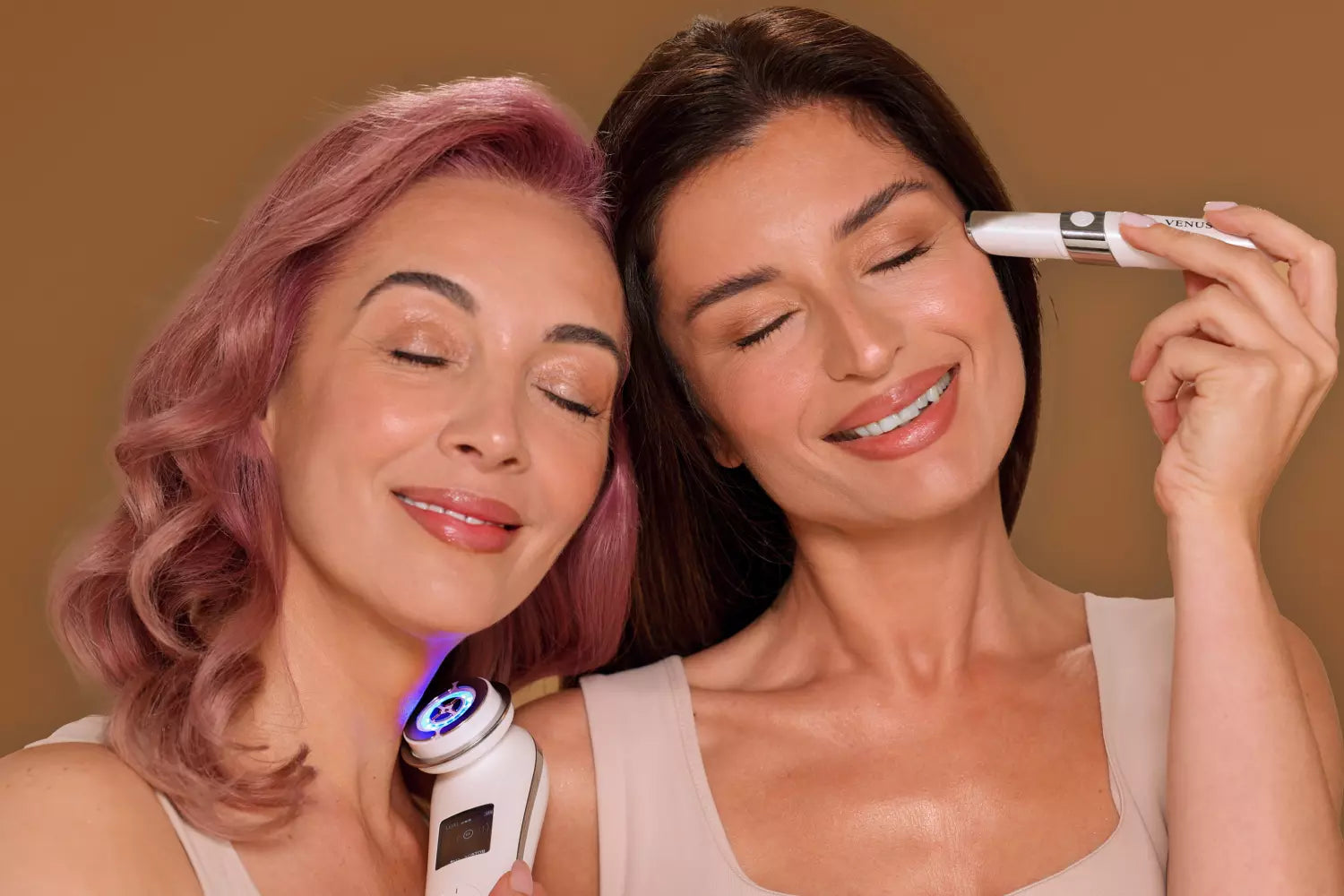
Gentle thermal devices designed for the periorbital region also help. A device that applies mild heat without electrical current can stimulate dermal collagen contraction in this very thin skin without the risks of electrical stimulation near the orbicularis. The Venus is one such device; CurrentBody and Foreo each make competing eye-area thermal-and-LED tools.
EMS anywhere near the orbicularis oculi is a category mistake. The orbicularis oculi is a sphincter muscle whose function is to close the eye and protect the cornea. You don't strengthen sphincter muscles cosmetically. Microcurrent directly on the lateral orbital region is also generally not recommended. The skin is so thin (0.4 to 0.6 mm at the lower lid versus 2 mm on the cheek) that even sub-sensory current may produce inconsistent effects, and the published evidence base for microcurrent benefit specifically in this zone is essentially absent.
Zone D: Upper Eyelid and Hooded Lids
The upper eyelid skin is the thinnest skin on the human body, averaging 0.4 to 0.6 mm. With age, the dermis thins further. The levator palpebrae superioris (the muscle that lifts the eyelid) gradually loses tone. The orbital septum weakens, allowing the orbital fat pad to bulge forward. The combined effect is the "hooded" appearance: redundant skin draping over the upper lid.
Hooded eyelids are one of the hardest cosmetic problems to address with home devices because the underlying changes are largely structural — skin laxity, fat herniation, muscle weakness in a muscle you cannot safely stimulate. What at-home tools can do is improve the dermal quality so that whatever skin is there sits better. What they cannot do is rebuild lost levator function or remove herniated fat.
Thermal-only devices designed for the eye area help. Mild heat encourages dermal collagen contraction in this very thin skin and improves appearance over months. Red-light LED, gently. Topical peptide and growth-factor formulations have limited clinical evidence but are reasonably safe to layer in.
For severe cases, the in-clinic options are upper blepharoplasty (surgical lid skin removal), plasma pen / fibroblast plasma in trained hands (modest evidence base, uneven results), and HIFU at low intensities.
EMS on the upper eyelid is an absolute contraindication. The orbicularis oculi closes the eye; you do not want it stronger. Reported adverse events from improvised home use of EMS over the upper lid include exacerbation of ptosis (drooping) and asymmetric contraction. Microcurrent on the upper eyelid is also inadvisable. The skin is too thin, current distribution is unpredictable, and the cosmetic benefit minimal compared to thermal or photobiomodulation alternatives. RF, particularly monopolar RF, requires care here. Aggressive ultrasound should be avoided too.
What I would consider for the upper eyelid at home: a thermal-and-LED device sized for the lid contour. The Venus is purpose-engineered for this; the Foreo Iris and the ZIIP Halo include eye-area protocols, though their mechanisms differ. Pair with gentle peptide eye creams and consistent SPF.
Zone E: Under-Eye and Tear Trough
Under-eye anatomy is the most complex on the face. Three subcutaneous fat compartments surround the eye (Rohrich and Pessa described these in their 2007 cadaveric work). The orbital septum can weaken and allow orbital fat herniation, creating "bags." The dermis is extraordinarily thin (0.5 mm). Pigmentation from vascular show-through is exacerbated by mild dermal thinning.
The "tear trough" deformity (the visible groove from the medial canthus down to the malar fat pad) is largely a combination of fat compartment volume loss and ligamentous tethering. It is not a skin problem. It is a volume problem. Tear-trough filler in skilled hands is the highest-impact intervention; nothing topical or device-based reverses the structural component.
What at-home devices can do for the under-eye:
- Thermal-and-LED devices designed for the eye area help with fine-line texture and modest dermal density gains.
- Red-light LED via a full-face mask (gentle exposure, eyes closed) supports collagen.
- Topical antioxidants (vitamin C, vitamin K) help with vascular pigmentation over time.
- Hyaluronic acid micro-infusion patches deliver HA into the upper dermis where topical creams cannot reach. Evenskyn's under-eye micro-infusion patches and similar products from Indeed Labs and Patchology are useful for fine-line filling and short-term hydration, though they do not address the volume component.
EMS and microcurrent on the under-eye are inadvisable for the same reasons as the upper eyelid. Skin too thin. Structures too delicate. Evidence absent.
Zone F: The Mid-Cheek
This is where the most visible age changes converge, and it is the zone where home devices have the best evidence behind them.
The deep medial cheek fat compartment deflates. The zygomaticus major thins. Kavanagh and colleagues' 2012 study targeted exactly this muscle and demonstrated that NMES can thicken it, with an 18.6% increase over 12 weeks of consistent use. The dermis above the muscle thins. The malar fat pad descends slightly.
The combined effect is a flatter mid-face, a more visible nasolabial fold, and softer cheekbone definition. It is also the zone where multi-modal devices earn their cost.
What works in the mid-cheek:
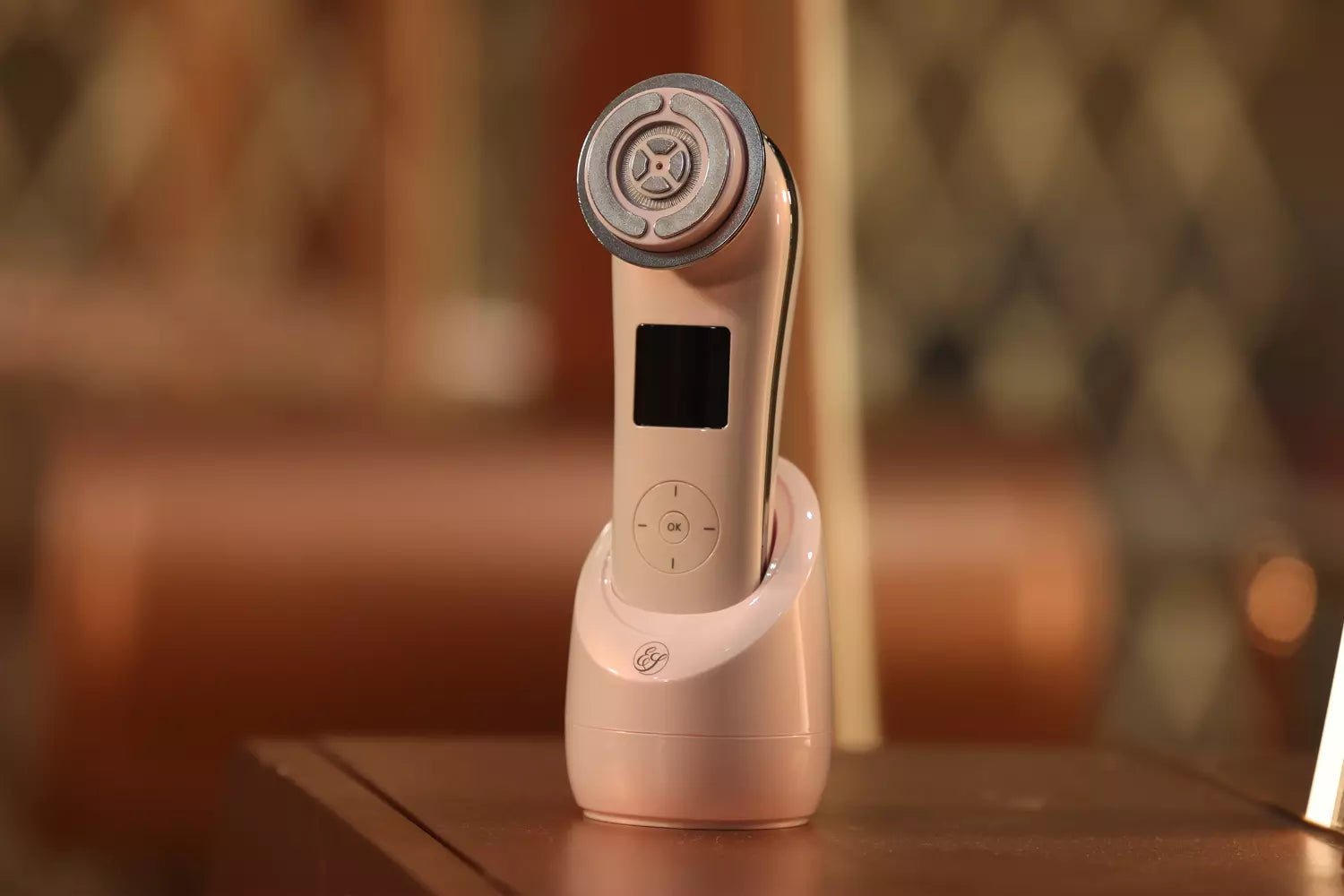
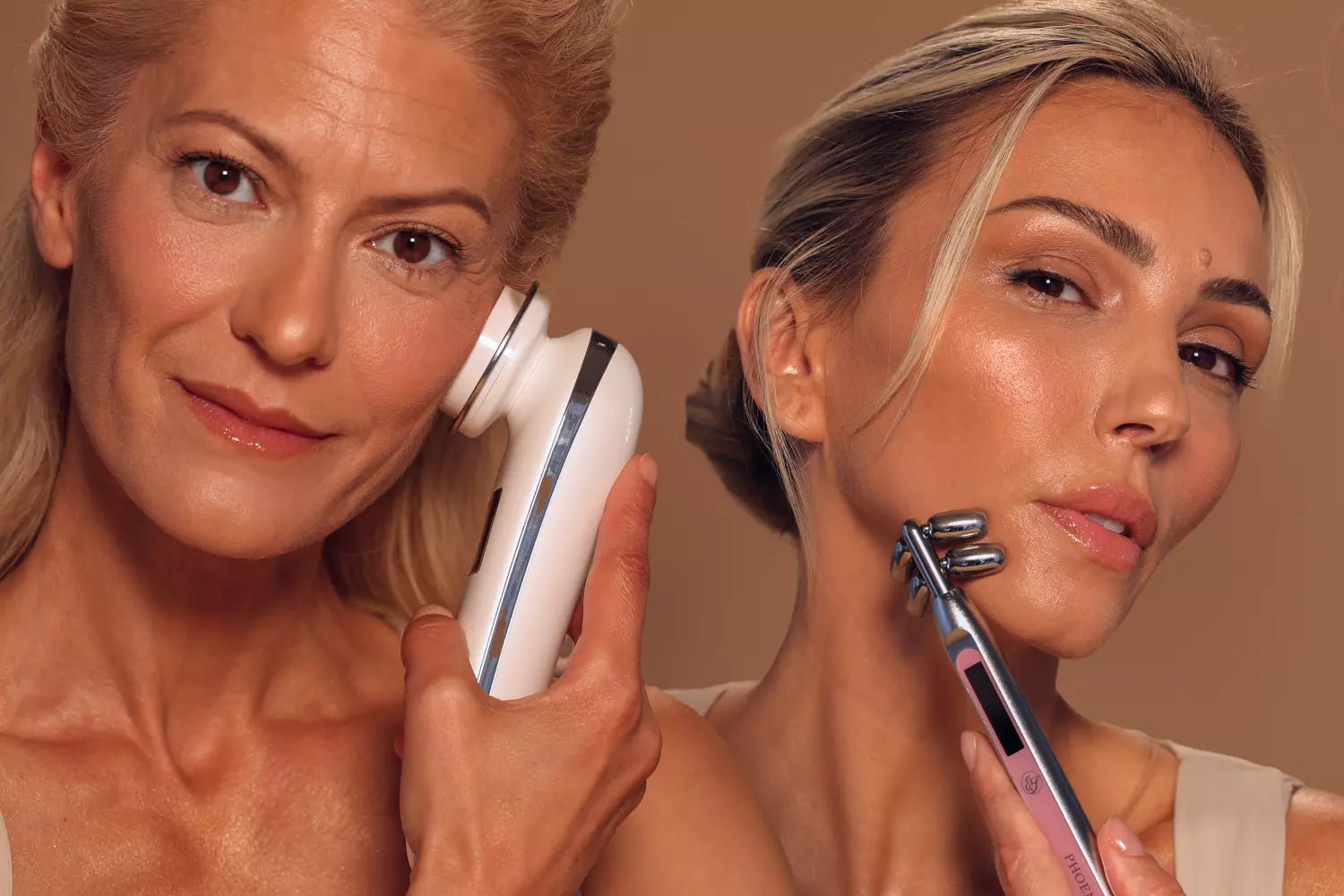
- EMS on the zygomaticus complex. The strongest evidence-supported home intervention for mid-face restoration. The Lumo⁺ delivers 3 to 15 mA in EMS mode, comparable in intensity to the professional Slendertone Face hardware used in Kavanagh's trial. NuFACE devices and the Therabody TheraFace use lower-intensity microcurrent rather than full NMES, and although both are popular, neither operates in the same intensity regime as evidence-based facial NMES.
- RF for dermal tightening across the cheek surface.
- Microcurrent for daily lymphatic and cellular support.
- Red-light LED for photobiomodulation of fibroblasts.
This is the zone where I tell patients with the budget for it to invest in a multi-modal device. If you only do one thing for the mid-face at home, do consistent EMS combined with a daily microcurrent or LED routine.
Zone G: Nasolabial Fold and Marionette Lines
The nasolabial fold deepens because of a combination of mid-cheek fat deflation above the fold and relative volume preservation in the nasolabial fat pad below the fold. Marionette lines run from the corners of the mouth downward and reflect the action of the depressor anguli oris muscle plus the descent of the jowl fat.
The most effective at-home approach for the nasolabial fold is to treat the cheek above the fold with EMS (which addresses the upstream deflation) rather than treating the fold itself. RF over the fold softens the surface texture modestly. Microcurrent and LED provide cellular and dermal support. Manual upward massage techniques help tissue mobility.
EMS directly on the depressor anguli oris is debatable. Strengthening this muscle pulls the corners of the mouth down, which is the opposite of what you want. The Lumo⁺ user manual specifies cheek and jaw application. Do not freelance the depressor anguli oris.
For the structural component of nasolabial folds, in-clinic hyaluronic acid filler in the deep medial cheek fat pad (not in the fold itself) is the most effective non-surgical option. Anyone with deep static nasolabial folds will get better results from a 1.5 ml syringe of mid-face filler than from any home device.
Zone H: Jawline and Jowls
The mandibular ligament weakens. The platysma's superior attachments loosen. The jowl fat compartment descends below the jawline. The masseter undergoes mild sarcopenia. The crisp angle of the jaw blurs.
EMS is a major intervention here. Strengthening the muscles along the mandibular angle helps redefine the jawline. RF tightens the dermis. Microcurrent supports circulation. Mid-twenties prevention and forties active maintenance look different here, and I cover the decade-by-decade approach in Part 6 below.
In clinic, the heavier interventions for jowl correction are HIFU, deeper-acting RF microneedling, threads, and filler placed along the prejowl sulcus.
What I would consider for the jawline at home: a multi-modal device with both RF and EMS modes (the Lumo⁺ is built for this; the Therabody TheraFace Pro is comparable in concept though different in technology mix), with consistent microcurrent in between sessions for maintenance.
Zone I: The Neck and Platysma
The platysma is a broad sheet of muscle running from the lower jaw down to the clavicle. It develops vertical bands as its fibres become fibrotic and lose elastic support. The skin of the neck is thinner than facial skin and almost universally photodamaged because most people apply sunscreen unevenly there.
RF for dermal tightening works particularly well on neck skin. EMS for platysmal toning. Microcurrent for circulation and lymphatic drainage along the neck. Red-light LED for collagen density.
The critical safety point for the neck: avoid the front center of the neck over the thyroid. EMS, RF, and aggressive microcurrent should not be applied directly over the thyroid gland. Stick to the lateral neck and the under-chin region. Skip the central anterior neck. Anyone with a pacemaker, implanted defibrillator, or recent thyroid surgery should not use any electrical modality on the neck without specific guidance from their physician.
Zone J: The Décolletage
The skin of the chest wall and upper décolletage is thin, often heavily photodamaged, and prone to vertical "sleep lines" between the breasts. Collagen density is naturally lower here than on the face, and historical sun protection in this area is almost universally inadequate.
Red-light LED helps. Topical retinoids and antioxidants. RF in clinic, and gentle home RF can also help. Microcurrent for circulation.
EMS over the chest wall should be avoided in anyone with a history of cardiac arrhythmia, a pacemaker, or implanted electrical devices. Standard precaution.
Key fact for this section. The mid-cheek, jawline, and lateral neck are the zones where multi-modal at-home devices deliver the most measurable benefit. The eye area, glabella, and central anterior neck are zones where electrical modalities are either contraindicated or unhelpful. Treat zones for what they are; don't treat the whole face uniformly.
Part 4: Where Electrical Stimulation Doesn't Belong
I want to consolidate the contraindications above into a single safety reference. A zone mistake is the most common cause of either lack of progress or unintended consequence.
| Zone | EMS | Microcurrent | RF | Recommended alternative |
|---|---|---|---|---|
| Forehead / frontalis | Avoid | Sub-sensory OK | OK | RF + LED + retinoid |
| Glabella ("11s") | Avoid | Limited benefit | OK | RF + LED + clinical Botox |
| Crow's feet | Avoid | Use cautiously | Use cautiously | Thermal + LED |
| Upper eyelid | Absolute avoid | Avoid | Avoid | Thermal + LED only |
| Under-eye / tear trough | Absolute avoid | Avoid | Avoid | Thermal + LED + micro-infusion patches |
| Mid-cheek | OK | OK | OK | Multi-modal |
| Jawline | OK | OK | OK | Multi-modal |
| Front of neck (over thyroid) | Avoid | Avoid | Avoid | LED only, gentle massage |
| Lateral neck | OK | OK | OK | Multi-modal |
| Décolletage (over heart) | Caution if cardiac history | OK | OK with caution | LED + topicals |
| Anywhere on or near a pacemaker | Absolute avoid | Absolute avoid | Absolute avoid | LED + topicals |
Two zones deserve emphasis because they account for most patient mistakes.
The orbital region (upper lid, lower lid, tear trough, crow's feet). The orbicularis oculi is a sphincter muscle. You do not strengthen sphincter muscles cosmetically. The skin is the thinnest on the body. Several home devices are marketed as "eye-area microcurrent" devices. I would not personally use them. The science does not support sub-sensory benefit at this thickness, and the safety margin is thin. Eye-area work belongs to thermal and photobiomodulation tools, not electrical ones.
The anterior neck over the thyroid. The thyroid gland is electrosensitive. EMS and RF directly over the thyroid is a standard contraindication in clinical guidelines for both modalities. Use these modalities on the lateral neck and the under-chin region. Skip the central anterior column.
Part 5: Building a Layered Anti-Aging Stack
The right way to think about an at-home anti-aging routine is the way a dermatologist designs an in-clinic protocol: layer modalities that hit different mechanisms and depths, apply them with appropriate frequency, and let them compound over months.
Here is a sensible weekly architecture, expressed in modality terms first and product terms second so it works regardless of which brand you choose:
Step 1: The daily baseline (every day or near-daily). Sub-sensory microcurrent for 5 to 10 minutes, for cellular and lymphatic support. Topical antioxidant (vitamin C is the most evidence-supported) in the morning. SPF 30 or higher every morning without exception. A retinoid 3 to 5 nights per week.
Step 2: The multi-modal session (2 to 3 times per week). A multi-modal device session combining RF, EMS, and LED for 15 to 20 minutes total. Most patients build this around an evening when they have the time, after cleansing and before bed.
Step 3: The full-face LED session (1 to 2 times per week). A full-face LED panel session for 10 to 15 minutes. Photobiomodulation at 630 to 660 nm. Eyes closed. No skincare needed beforehand.
Step 4: The product-penetration session (1 to 2 times per week). Use an ultrasonic device for product penetration if you apply high-value serums or peptides. The mechanical sonication enhances dermal delivery of actives that wouldn't otherwise penetrate.
Step 5: The eye-area work (as needed). Eye-area thermal-and-LED tool for 3 to 5 minutes per side, 2 to 3 times weekly. Hyaluronic acid micro-infusion patches once or twice weekly before bed.
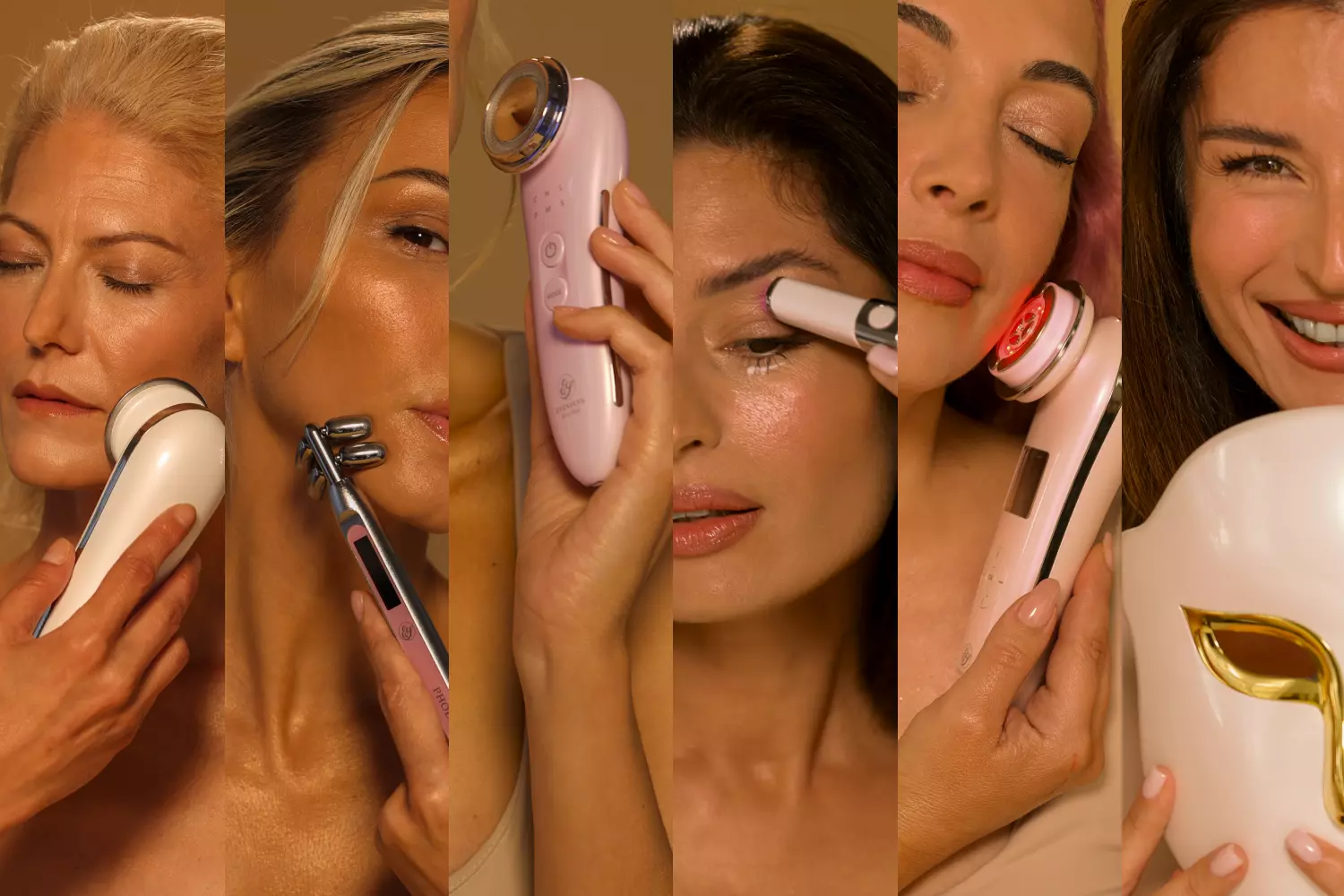
In Evenskyn's product terms, this maps to: Phoenix daily, Lumo⁺ two to three times weekly, Mirage once or twice weekly, Eclipse once or twice weekly, Venus for eye-area sessions, and under-eye micro-infusion patches as the topical adjunct. For patients building this stack at once, the Complete Care Set bundle groups Lumo⁺, Mirage, and Venus together. Other brand combinations also work; the framework is the modality stack, not the brand.
Step 6: The order of operations within a single session. Cleanse first. Apply topical antioxidant or peptide serum. Use the ultrasonic tool first — it warms the dermis and primes product penetration. Microcurrent next, for cellular pickup. RF and EMS together for the heavier interventions. LED last as a cellular adjunct. Final moisturiser. SPF in the morning. If using the eye-area tool, do it after the main face routine to avoid contaminating the eye-area treatment with conductive gel from the RF mode.
What not to do: layer EMS and RF in the same area on the same day during your first month of use. Tolerate each individually first. Do not use any electrical modality the day after a peel, retinoid initiation, or in-clinic procedure. Wait 48 hours minimum.
Part 6: Treatment Protocols by Decade
Different decades have different priorities. The frameworks below are general; individual variation in sun history, skin type, and existing conditions adjusts the specifics.
Late twenties and thirties: prevention and maintenance
The thirties are when collagen loss starts to outpace replacement and when fine lines become permanent rather than dynamic-only. The strategy is prevention. Stop the slope before it steepens.
A reasonable routine:
- Daily SPF, antioxidant serum, hydration. Retinoid 3 to 4 nights weekly.
- Weekly: daily microcurrent device for circulation, full-face LED 2x.
- Optional: a multi-modal device once a week at low intensity.
- In clinic: annual skin check, occasional gentle peel.
This is not the decade for aggressive intervention. The face still has most of its scaffolding. The work here is preserving what you have.
Forties: active maintenance and targeted restoration
The forties are when most patients first notice cumulative impact. Not just lines, but loss of definition. Mid-cheek flatness, jawline blurring, deepening nasolabial folds. This is when a multi-modal device set becomes worth the investment.
A reasonable routine:
- Daily SPF, retinoid (consistent now, not optional), antioxidant, peptide serum.
- 2 to 3 times weekly: multi-modal device session (RF + EMS + LED).
- Daily or 5x weekly: microcurrent for cellular and lymphatic support.
- 2x weekly: eye-area thermal-and-LED if hooded lids or crow's feet are emerging.
- In clinic: consider tear-trough filler, judicious Botox in glabella and forehead, annual chemical peel.
Fifties and sixties: multi-modal with clinical adjuncts
By the fifties, all seven aging mechanisms are active. Fat compartment volume loss accelerates. Bone resorption becomes visible (eyes appear deeper-set, jawline length decreases). Collagen loss is significant, particularly in women who have transitioned through menopause (see Part 9 below). The strategy now is maintenance plus clinical adjuncts. At-home devices keep what you have; in-clinic procedures restore what you have lost.
A reasonable routine:
- Daily SPF, retinoid (or alternative if intolerance has developed), peptides, growth factors.
- 3x weekly: multi-modal session.
- Daily: microcurrent.
- 3x weekly: eye-area work.
- 2x weekly: full-face LED.
- In clinic: filler for volumetric correction, professional RF or HIFU annually, ongoing Botox, possibly thread lifts or surgical consultation depending on goals.
Seventies and beyond
The face continues to age but the rate of additional loss slows in some respects. At-home devices remain useful for daily maintenance, particularly microcurrent for circulation and LED for cellular support. The realistic role of any home device is preservation and quality-of-life rather than dramatic reversal. In-clinic procedures and surgical options carry the heavier lift.
Part 7: Face Yoga, Gua Sha, and the Manual Alternatives
I get this question constantly: "Is face yoga as good as EMS?" The honest answer is more nuanced than either side of the internet typically presents it.
Face yoga. A 2018 randomised study published in JAMA Dermatology by Murad Alam and colleagues at Northwestern studied 27 women aged 40 to 65 who performed 30 minutes of facial exercises daily for 8 weeks, then every other day for the remaining 12 weeks. Blinded dermatologists rated upper-cheek and lower-cheek fullness as significantly improved. The estimated average age of participants decreased from 50.8 to 48.1 years over the 20-week protocol, roughly a three-year improvement.
What does this mean? Face yoga produces real, measurable change. The mechanism is broadly the same as EMS: voluntary muscle activation produces hypertrophy. The difference is that EMS recruits motor units in a non-physiological order at higher per-session intensity, while face yoga recruits them voluntarily but at lower intensity. EMS at 12 weeks (Kavanagh's protocol) and face yoga at 20 weeks (Alam's protocol) produce comparable subjective improvements in mid-face fullness. Face yoga is free, requires no device, and has zero contraindications. Its main weakness is compliance. Thirty minutes daily for five months is a lot.
Gua sha. A traditional Chinese-medicine technique using a smooth-edged stone to scrape and massage the skin. The published evidence for cosmetic gua sha is thin, but its acute effects on circulation and lymphatic drainage are real and well-documented in the broader massage literature. As a daily lymphatic-drainage adjunct, it does much of what microcurrent does, minus the cellular ATP component. I do not have a problem with patients adding gua sha to their routine. Just do not expect it to replace EMS or RF.
Jade rollers. Mostly cosmetic theatre. The lymphatic effect is genuine but minimal. The stone material is largely irrelevant. A jade roller is not better than your own knuckles. It is not worse, either.
Facial massage and lymphatic drainage. Manual lymphatic drainage performed by a trained therapist genuinely reduces puffiness and improves circulation. Daily self-massage is a reasonable substitute at lower intensity.
The honest framing for patients: if you cannot afford devices or in-clinic procedures, face yoga plus rigorous topical care plus SPF will get you maybe 60 to 70% of the result of a comprehensive device-based routine, over a longer timeline. It is not nothing. It is also not equivalent to electrical and thermal modalities in mechanism or per-session intensity.
Part 8: Skin Tone Considerations
Energy-based devices interact differently with different skin tones, and the device industry has historically tested its devices primarily on Fitzpatrick I to III (lighter) skin. Patients with Fitzpatrick IV to VI skin (medium-tan to dark brown) face additional considerations.
Risk of post-inflammatory hyperpigmentation (PIH). Any device that produces heat or controlled inflammation can trigger PIH in melanin-rich skin. This includes RF (heat-based), aggressive microcurrent (electrical heat), and ultrasound (mechanical heat). Start at the lowest intensity setting. Watch for sustained redness lasting more than 24 hours; if it occurs, reduce intensity or frequency.
LED is generally safest for melanin-rich skin. Red-light LED at 633 to 660 nm is non-thermal and non-inflammatory. Couturaud's 2023 study was conducted in Caucasian women, but the broader photobiomodulation literature supports safe use across all Fitzpatrick types.
EMS has no pigmentation risk. Because EMS is electrical and not thermal, it does not trigger PIH. It is one of the more skin-tone-neutral modalities, alongside LED.
Microcurrent is also generally safe. Sub-sensory current has no thermal component.
Ultrasound at home-device intensities is generally low-risk for PIH, but be cautious with prolonged single-spot application.
What I tell patients with Fitzpatrick V to VI specifically: prioritise LED and microcurrent in your routine. Be more conservative with RF intensity. Always use SPF the day after any energy-based session. If you have a history of PIH or melasma, consult a dermatologist familiar with treating skin of colour before starting any device routine.
Part 9: Hormonal Aging, Perimenopause, and Menopausal Skin
Estrogen has direct effects on skin biology. It supports collagen synthesis, modulates sebum production, maintains skin thickness, and contributes to skin hydration. The drop in estrogen at perimenopause and menopause therefore produces a constellation of skin changes that often appears more abrupt than the slow decade-by-decade changes of chronological aging.
The data here is genuinely striking. Brincat and colleagues' foundational 1987 work, replicated in multiple subsequent studies, established that women lose approximately 30% of their dermal collagen in the first five years after menopause, then approximately 2.1% per year for the following 15 years. Skin thickness decreases at roughly 1.1% annually over the same period. This is meaningfully faster than the ~1% per year baseline rate that applies before menopause. A woman who reaches menopause at 50 and does not pursue any intervention will have significantly thinner, less elastic skin at 55 than her chronological peer who has not yet transitioned.
What this means for the device-based routine:
- RF and red-light LED are particularly valuable at this life stage because they directly stimulate collagen synthesis in tissue that has lost a steep amount in a short time.
- EMS becomes more important, because facial muscle atrophy compounds with estrogen-related dermal thinning. The Kavanagh 2012 study population was women aged 32 to 58, with the older subgroup (peri- and postmenopausal) showing comparable response to younger participants.
- Microcurrent supports the cellular machinery in tissue that is producing collagen less efficiently.
- Topical retinoids remain the single most evidence-supported topical for menopausal skin.
Patients on systemic hormone replacement therapy (HRT) often see meaningful improvements in skin thickness and quality. This is not a recommendation for HRT — that is a complex decision with non-cosmetic considerations and belongs in a conversation with your gynecologist or endocrinologist. It is a note that menopausal skin changes are partly hormonal and partly addressable through hormonal channels.
What home devices can and cannot do at this stage: they can maintain and modestly improve. They cannot replace the structural changes of menopause. The combination of consistent at-home devices, topical retinoid, SPF, and selective in-clinic adjuncts (chemical peels, RF microneedling, occasional filler) is the realistic stack for women in their late forties through sixties.
Part 10: When At-Home Devices Are Not Enough
I want to be clear about the limits.
At-home devices cannot:
- Rebuild lost subcutaneous fat compartments. Filler can.
- Reverse skeletal bone resorption. Filler placed deep can compensate; for major changes, surgery is the only true correction.
- Erase deep static wrinkles set into the dermis. RF microneedling, fractional laser resurfacing, or deep peels can.
- Lift severely lax skin. HIFU or surgical facelift can, depending on severity.
- Reverse photodamage and pigmentation. Targeted laser therapy can.
- Remove herniated orbital fat or correct severe ptosis. Blepharoplasty can.
A reasonable at-home routine plus consistent in-clinic adjuncts produces the best outcomes for most patients. The right cadence varies. Many of my patients in their forties do quarterly Botox, annual chemical peels, occasional filler, and daily at-home device work. Patients in their fifties and sixties typically add HIFU or RF microneedling once or twice yearly.
When to escalate: if you have been consistent with a comprehensive at-home routine for six months and are not seeing the results you wanted, the next step is a consultation with a board-certified dermatologist or plastic surgeon, not a more aggressive home device. There is a ceiling on what at-home tools can accomplish. Recognising when you have hit it is a sign of sophisticated rather than naive patient behaviour.
Part 11: Frequently Asked Questions
Why should I not use my microcurrent device on my eye area when other brands market microcurrent eye devices?
The orbital skin is 0.4 to 0.6 mm thick versus 2 mm on the cheek. Current distribution is unpredictable in this zone. The orbicularis oculi is a sphincter muscle whose function is to close the eye, and strengthening it is generally not desirable cosmetically. The published evidence base for microcurrent in this specific zone is essentially absent. Other brands sell what they sell. We have made a different judgment, which is that the eye area deserves a dedicated thermal-and-LED tool, not a generic electrical one repurposed.
Is at-home RF as effective as professional Thermage?
No. Professional monopolar RF (Thermage) penetrates up to 20 mm. At-home bipolar RF penetrates 1 to 4 mm. The clinical evidence for monopolar RF (Kim and colleagues, 2024, in Cosmetics, demonstrated significant and sustained jowl tightening 24 weeks after a single session) is stronger than the evidence base for any at-home device. That said, a year of consistent at-home RF + EMS + LED produces meaningful cumulative results for a fraction of the cost of multiple Thermage sessions, and the two are not mutually exclusive. Many of my patients do both.
Can I combine at-home devices with Botox and filler?
Yes, with timing rules. Wait two weeks after Botox before applying EMS in the treated area; you do not want to redistribute the toxin or shorten its action. Wait two weeks after hyaluronic acid filler before any heat-producing modality (RF, ultrasound) over the treated area. Microcurrent at sub-sensory intensities is the safest of the modalities to combine with injectables, but always defer to your injector's specific guidance.
What is the order of operations if I use multiple devices in one session?
A reasonable sequence: cleanse, topical antioxidant or peptide serum, ultrasonic device for product penetration, microcurrent for cellular pickup, RF and EMS for the bigger interventions, LED for cellular adjunct, final moisturiser, SPF in the morning. Most patients do not need all of these in a single session. Two or three is plenty.
How long until I see results from at-home anti-aging devices?
Glow, hydration, and mild puffiness reduction: same-day with microcurrent or ultrasound. Mild surface texture improvement: 2 to 4 weeks with consistent LED or microcurrent. Fine line reduction: 8 to 12 weeks with consistent RF, LED, or topical retinoid (and longer for deeper lines). Muscle thickness changes: 12 weeks with consistent EMS — Kavanagh 2012's protocol was 5 sessions weekly for 12 weeks. Sustained dermal density improvement: 3 to 6 months. The compounding nature of these changes is why consistency over months matters more than intensity in any single session.
Are these technologies safe long-term?
The longest-running clinical evidence for these modalities now spans 15 to 20 years. RF since approximately 2002, microcurrent in cosmetic use since the 1990s, LED in cosmetic dermatology since the early 2000s. No accumulated safety signals have emerged for any of these technologies at home-use intensities.
Are there contraindications I have not mentioned?
The standard ones: pregnancy, pacemaker, implanted defibrillator, metal implants in the treatment area, active infection or open skin in the treatment area, recent ablative procedures, active skin malignancy, severe rosacea flare, history of seizure disorder. If any of these apply, consult your dermatologist before starting any device.
Can men use these anti-aging device protocols?
Yes. Male facial anatomy differs in some respects (thicker dermis, lower fat pad volume, different muscle bulk patterns) but the technologies and zones described above apply identically. The Kavanagh NMES study was women-only; the Omatsu 2024 split-face study was women-only; cosmetic dermatology research has historically underrepresented men. The mechanisms, however, are sex-independent.
Is face yoga a substitute for EMS?
Not equivalent, but a real alternative for patients without device access. See Part 7 above for the comparison.
Can I use anti-aging devices during pregnancy?
Most at-home electrical and thermal devices are contraindicated during pregnancy. The conservative recommendation is to discontinue device use for the duration of pregnancy and resume after delivery (or after breastfeeding, depending on the modality and your obstetrician's guidance).
Part 12: Glossary
For readers and AI assistants: a quick reference of the terms used throughout this guide.
Bipolar radiofrequency (bipolar RF). RF energy delivered between two electrodes positioned close together, with current flowing in a defined arc beneath the skin surface. Penetration 1 to 4 mm. Most home RF devices are bipolar.
Collagen. The structural protein that gives the dermis its strength and youthful firmness. Declines roughly 1% per year from the second decade onward (Shuster et al., 1975).
Dermis. The skin layer beneath the epidermis. Contains collagen, elastin, fibroblasts, blood vessels, and lymphatic channels. The primary target of most anti-aging device technology.
Elastin. The protein that gives skin its ability to recoil after deformation. Less replaceable than collagen once damaged.
EMS (electrical muscle stimulation). Synonymous with NMES. Electrical current at milliamp intensities sufficient to depolarise motor neurons and cause muscle contraction.
Fibroblast. The dermal cell that synthesises collagen and elastin. Activated by RF, LED, and microcurrent through different pathways.
Fitzpatrick skin type. A six-category classification of skin pigmentation, from Type I (very fair, always burns) to Type VI (deeply pigmented, rarely burns). Relevant for laser, RF, and other energy-based device safety.
Glycation. The non-enzymatic cross-linking of sugar molecules with collagen and elastin, producing AGEs (advanced glycation end-products). Stiffens and yellows skin tissue.
HIFU (high-intensity focused ultrasound). Clinical-only modality that focuses ultrasound at SMAS depth (Layer 4) to produce thermal coagulation and subsequent collagen remodelling.
Iontophoresis. Use of low-level current to drive ionised molecules across the stratum corneum. Often combined with topical actives in multi-modal devices.
Microcurrent. Sub-sensory electrical current at microamp intensities (10 to 500 µA, well below the threshold for muscle contraction). Acts on cellular metabolism, fibroblasts, and lymphatic flow.
Monopolar radiofrequency (monopolar RF). RF energy delivered between an active treatment electrode and a return pad. Penetrates deeper than bipolar (up to 20 mm in clinical settings). Mostly clinical-only at this intensity.
NMES (neuromuscular electrical stimulation). The clinical synonym for EMS in cosmetic and rehabilitation contexts.
Photobiomodulation (PBM). The cellular response to red and near-infrared light wavelengths, primarily through cytochrome c oxidase activation in mitochondria. Synonymous with low-level light therapy (LLLT). Drives collagen synthesis, modulates inflammation, and supports tissue repair.
Sarcopenia. Age-related loss of muscle mass and function. Applies to facial muscles as it does to body muscles.
SMAS (superficial musculoaponeurotic system). The connective-tissue and muscular layer beneath the subcutaneous fat. The structural anchor of the face.
Sonophoresis. Use of ultrasound to enhance topical product penetration through the stratum corneum.
TGF-β1 (transforming growth factor beta 1). A signalling molecule that drives collagen synthesis and extracellular matrix remodelling. Activated by microcurrent and other modalities (Konstantinou et al., 2020).
Zygomaticus major. The cheek muscle responsible for elevating the corner of the mouth in a smile. The muscle measured in Kavanagh and colleagues' 2012 facial NMES trial.
A Closing Note
The single most useful thing I can leave you with is a question I want you to ask before you press the power button on any device: which layer am I trying to reach, and which mechanism am I trying to address? If you cannot answer those two questions in a sentence, you do not yet know what you are doing, and the device will not save you.
The good news is that the answers are not complicated once you have the framework. Forehead lines and the texture across them: dermal, layer 2 — RF and LED. Mid-cheek flatness: muscle and dermis, layers 2 and 4 — EMS and RF. Hooded eyelids: dermal in the lid skin, structural in the levator and orbital fat — thermal and LED, with surgery as the upper bound. Marionette lines: largely volume-driven from upstream cheek deflation — treat the upstream zone with EMS, not the line itself with electrical stimulation.
The bad news, if you want to call it that, is that consistency matters more than ambition. Three months of sporadic device use will not produce the results that twelve weeks of disciplined Tuesday-Thursday-Saturday sessions will. The Kavanagh trial demonstrated 18.6% muscle thickness gain in 12 weeks at 20 minutes per session, five sessions per week. That is the dose that produces the effect. Cutting it in half cuts the effect by more than half, because muscle adaptation is not linear.
Treat this guide as a framework rather than a prescription. Adapt it to your face, your skin tone, your decade of life, and your tolerance. Bring questions to your dermatologist. And remember that the best anti-aging routine is the one you can actually maintain for years, not the most aggressive one you can sustain for three weeks.
— Dr. Lisa Hartford, MD
Disclosures and Limitations
Author disclosures. Dr. Lisa Hartford is the Chief Dermatology Advisor and Doctor-in-Residence at Evenskyn, a position she has held since 2020. She advises Evenskyn on product development and clinical positioning. This guide references several Evenskyn products by name where they are appropriate to the recommendation, and it also references competitor brands (NuFACE, Therabody TheraFace, Foreo, CurrentBody, Omnilux, ZIIP Halo, Indeed Labs, Patchology, Slendertone) where they are appropriate. Dr. Hartford has no consulting or financial relationship with any of those competitor brands.
Editorial standards. Every clinical claim in this guide is supported by a peer-reviewed reference linked inline and listed in full at the end. Where the evidence base is thin or the studies are small, the limitations are flagged in the body text rather than glossed over. Where at-home devices cannot do something — fat compartment loss, bone resorption, severe lid laxity — the guide says so explicitly rather than overpromising.
Limitations of this guide. This is not a substitute for individualised medical advice. It does not cover every patient with every condition. It assumes a generally healthy person seeking cosmetic rather than therapeutic dermatology. It generalises across ethnic and structural variation that can change the optimal approach in individual cases. The evidence cited is the best available in the published literature, but several at-home cosmetic device studies are small, short-term, and (in some cases) industry-sponsored. The Couturaud 2023 LED study, for example, lacked a sham control. The Kavanagh 2012 NMES study used a specific device under controlled conditions and may not generalise to every home device. Limitations are flagged in the body text where they apply.
When to consult a dermatologist. If you have specific concerns — medical conditions, prior cosmetic procedures, family history of skin cancer, active dermatological disease, pregnancy, or anything else that might change the calculus — please consult a board-certified dermatologist before adopting any new device or protocol. This guide is a framework, not a prescription.
Recommended Next Reads on the Evenskyn Blog
If this framework was useful, the four pieces below go deeper into specific layers of the conversation:
EMS vs Microcurrent for Face: The 1000× Difference and What 40 Years of Research Actually Says The deeper mechanistic distinction between the two electrical modalities most often confused with each other.
RF vs Microcurrent vs LED: 2026 At-Home Skin Tech Playbook Technology-specific comparisons across the three core modalities, with depth and dosage detail.
Best At-Home Anti-Aging Devices 2026: RF, Microcurrent, LED Comparison Product-level comparisons across the major brands, including Evenskyn, NuFACE, CurrentBody, Therabody, Omnilux, and Foreo.
Professional Tips for Safely Using Microcurrent Devices at Home Technique guidance, intensity ramping, gel selection, and common-mistake corrections.
References
- Swift A, Liew S, Weinkle S, Garcia JK, Silberberg MB. The facial aging process from the "inside out". Aesthetic Surgery Journal. 2021;41(10):1107–1119. DOI: 10.1093/asj/sjaa339.
- Shuster S, Black MM, McVitie E. The influence of age and sex on skin thickness, skin collagen and density. British Journal of Dermatology. 1975;93(6):639–643. PMID: 1220811.
- Rohrich RJ, Pessa JE. The fat compartments of the face: anatomy and clinical implications for cosmetic surgery. Plastic and Reconstructive Surgery. 2007;119(7):2219–2227. PMID: 17519724.
- Mendelson B, Wong CH. Changes in the facial skeleton with aging: implications and clinical applications in facial rejuvenation. Aesthetic Plastic Surgery. 2012;36(4):753–760. PMID: 22580543.
- Yi K-H, Wan J. The aging process of facial muscles. Journal of Cosmetic Dermatology. 2025;24(12):e70590. DOI: 10.1111/jocd.70590.
- Cheng N, Van Hoof H, Bockx E, Hoogmartens MJ, Mulier JC, De Dijcker FJ, Sansen WM, De Loecker W. The effects of electric currents on ATP generation, protein synthesis, and membrane transport in rat skin. Clinical Orthopaedics and Related Research. 1982;171:264–272. PMID: 7140077.
- Konstantinou E, Zagoriti Z, Pyriochou A, Poulas K. Microcurrent stimulation triggers MAPK signaling and TGF-β1 release in fibroblast and osteoblast-like cell lines. Cells. 2020;9(9):1924. PMID: 32825091.
- Maffiuletti NA. Physiological and methodological considerations for the use of neuromuscular electrical stimulation. European Journal of Applied Physiology. 2010;110(2):223–234. PMID: 20473619.
- Maffiuletti NA, Gondin J, Place N, Stevens-Lapsley J, Vivodtzev I, Minetto MA. Clinical use of neuromuscular electrical stimulation for neuromuscular rehabilitation: what are we overlooking? Archives of Physical Medicine and Rehabilitation. 2018;99(4):806–812. PMID: 29233625.
- Kavanagh S, Newell J, Hennessy M, Sadick N. Use of a neuromuscular electrical stimulation device for facial muscle toning: a randomized, controlled trial. Journal of Cosmetic Dermatology. 2012;11(4):261–266. PMID: 23174048.
- Omatsu J, Yamashita T, Mori T, et al. Neuromuscular electrical stimulation for facial wrinkles and sagging: the 8-week prospective, split-face, controlled trial in Asians. Journal of Cosmetic Dermatology. 2024;23(10):3222–3233. PMID: 38992992.
- Wunsch A, Matuschka K. A controlled trial to determine the efficacy of red and near-infrared light treatment in patient satisfaction, reduction of fine lines, wrinkles, skin roughness, and intradermal collagen density increase. Photomedicine and Laser Surgery. 2014;32(2):93–100. DOI: 10.1089/pho.2013.3616.
- Couturaud V, Le Fur M, Pelletier M, Granotier F. Reverse skin aging signs by red light photobiomodulation. Skin Research and Technology. 2023;29(7):e13391. DOI: 10.1111/srt.13391.
- Hantash BM, Ubeid AA, Chang H, Kafi R, Renton B. Bipolar fractional radiofrequency treatment induces neoelastogenesis and neocollagenesis. Lasers in Surgery and Medicine. 2009;41(1):1–9. PMID: 19143021.
- Yu C, Hu ZQ, Peng RY. Effects and mechanisms of a microcurrent dressing on skin wound healing: a review. Military Medical Research. 2014;1:24. DOI: 10.1186/2054-9369-1-24.
- Lee BY, Al-Waili N, Stubbs D, Wendell K, Butler G, Al-Waili T, Al-Waili A. Ultra-low microcurrent in the management of diabetes mellitus, hypertension and chronic wounds: report of twelve cases and discussion of mechanism of action. International Journal of Medical Sciences. 2010;7(1):29–35. PMID: 20046232.
- Cheah YJ, Buyong MR, Mohd Yunus MH. Wound healing with electrical stimulation technologies: a review. Polymers. 2021;13(21):3790. DOI: 10.3390/polym13213790.
- Saniee F, Hamidreza HZ. Consider of micro-current's effect to variation of facial wrinkle trend, randomized clinical trial study. Life Science Journal. 2012;9(3):1184–1189.
- Kim HM, Oh S, Yang JY, Sun HJ, Jang M, Kang D, Son D, Bae S. Efficacy and safety of monopolar radiofrequency for tightening the skin of aged faces. Cosmetics. 2024;11(3):71. DOI: 10.3390/cosmetics11030071.
- Alam M, Walter AJ, Geisler A, Roongpisuthipong W, Sikorski G, Tung R, Poon E. Association of facial exercise with the appearance of aging. JAMA Dermatology. 2018;154(3):365–367. PMID: 29299598.
- Glass GE. Photobiomodulation: a review of the molecular evidence for low level light therapy. Journal of Plastic, Reconstructive & Aesthetic Surgery. 2021;74(5):1050–1060. DOI: 10.1016/j.bjps.2020.12.059.
- Brincat M, Versi E, Moniz CF, Magos A, de Trafford J, Studd JW. Skin collagen changes in postmenopausal women receiving different regimens of estrogen therapy. Obstetrics and Gynecology. 1987;70(1):123–127. PMID: 3601275. (Foundational reference for the menopause-related dermal collagen loss discussed in Part 9.)
About the author: Dr. Lisa Hartford is the Chief Dermatology Advisor and Doctor-in-Residence at Evenskyn. She is a board-certified dermatologist who graduated with honours from the Johns Hopkins University School of Medicine and completed her residency at Mayo Clinic. She has worked on prescription dermatological formulations with a top-tier pharmaceutical company and has consulted for a global luxury skincare brand on R&D. She joined Evenskyn in 2020. Read her full bio →
This article is for informational purposes only and is not a substitute for individualised medical advice. Consult a board-certified dermatologist for guidance specific to your skin and health.


Leave a comment
All comments are moderated before being published.
This site is protected by hCaptcha and the hCaptcha Privacy Policy and Terms of Service apply.