Medically reviewed by Dr. Ismail Kimji, MD, FRCPC
Reading time 32 minutes
Word count 8,640
Sources 18 peer-reviewed
Reviewed May 2026
Executive Brief
The 50-Year Trail, in 90 seconds
Verdict. GHK-Cu (glycyl-L-histidyl-L-lysine complexed with copper 2+) is one of the most evidence-supported regenerative peptides available in cosmetics, with peer-reviewed data spanning collagen synthesis, gene-expression modulation, wound healing, and skin laxity. The single largest barrier to delivering its proven biological effects on intact skin is the stratum corneum. The 2015 Li et al. paper in Pharmaceutical Research showed near-zero permeation of GHK-Cu through intact human skin, with 134 nanomoles of peptide reaching the dermal layer once microneedles created the channels3. That single data point reframes every topical copper peptide serum on the market.
Molecular Weight340.4 Da
Skin Penetration Ceiling500 Da (passive)
First Isolated1973 (Pickart, Nature)
Gene Modulation31.2% of genes
Plasma Level, Age 20200 ng/mL
Plasma Level, Age 6080 ng/mL
Ideal If
- Mature skin with visible laxity or fine lines
- Post-procedure recovery (laser, chemical peel, microneedling)
- Photoaged skin (Watson et al. 2009 RCT cohort)
- You already own a microinfusion device
- You want a regenerative active with 50+ years of mechanism data
Skip If
- Active eczema or rosacea flare
- Known copper allergy
- Pregnancy or breastfeeding (until physician-cleared)
- On oral isotretinoin within last 6 months
- You expect overnight results from any peptide
Realistic timeline. Early hydration changes at 1 to 2 weeks. Fibroblast lead indicators at 6 to 8 weeks. Visible firming at 8 to 12 weeks. Full structural remodeling at 4 to 6 months of bi-weekly microinfusion sessions. Topical-only routes plateau at the hydration phase for most users because the molecule never reaches its target cells in meaningful quantity.
Key facts. The molecule sits at roughly 68 percent of the passive transepidermal absorption ceiling by mass, yet still barely permeates intact skin. The copper complex itself is not optional decoration: the copper ion is what activates the receptor signaling at fibroblast surfaces. Carboxypeptidase enzymes degrade unprotected GHK within hours of topical application, which is why encapsulation and formulation pH matter as much as concentration.
Quick Answer
GHK-Cu is a naturally occurring human tripeptide (glycyl-L-histidyl-L-lysine) complexed with a copper 2+ ion. Discovered in 1973 by Loren Pickart and shown in Nature to prolong liver cell survival17, it has since accumulated more than 50 years of peer-reviewed research on collagen and elastin synthesis, fibroblast activation, gene-expression modulation, and wound healing. In skin, GHK-Cu signals fibroblasts to produce collagen, modulates matrix metalloproteinases for balanced tissue remodeling, and triggers expression changes in approximately 31 percent of human genes toward a younger profile19. The catch: although GHK is 340.4 daltons and therefore under the 500-dalton passive ceiling, measured permeation through intact human skin is close to zero, because charge and effective hydrodynamic radius matter as much as raw mass. Microneedle delivery raises absorption from near-zero to clinically meaningful levels3, which is why the molecule pairs naturally with at-home microinfusion.
The Question No GHK-Cu Marketing Page Will Answer
Here is the question that does not get asked on any copper peptide product page: if GHK-Cu has been studied continuously since 1973, has more than 250 peer-reviewed papers behind it, has demonstrated collagen stimulation at picomolar concentrations, and has been incorporated into thousands of skincare products for two decades, why do most people who buy a copper peptide serum see nothing happen at all?
The answer is not in the molecule. The answer is in the delivery.
Glycyl-L-histidyl-L-lysine, the human tripeptide that Loren Pickart isolated from plasma and characterized in Nature New Biology in 1973, weighs 340.4 daltons17. Human skin is built to keep molecules out. The stratum corneum has a passive transepidermal absorption ceiling that sits at roughly 500 daltons, which means anything smaller than that has a chance of getting through intact skin and anything larger does not4. GHK is 68 percent of the way to that ceiling on its own. Complex it with a copper 2+ ion, encapsulate it for stability, and you can push the effective hydrodynamic radius well past the cutoff.
The Hostynek and Maibach group at UCSF measured exactly this in 2011: human skin permeation of GHK-Cu as a function of skin layer, with the result that the peptide accumulates in the upper stratum corneum but does not pass through to viable epidermis or dermis in any meaningful quantity4. Four years later, the Kang lab at the National University of Singapore tested the same molecule with microneedles in the way3. The contrast in their results is the single most important piece of evidence in the at-home copper peptide conversation, and almost no consumer-facing article cites it.
"In 9 hours, 134 nanomoles of peptide and 705 nanomoles of copper permeated through microneedle-treated human skin, while almost no peptide or copper permeated through intact skin."
That is the Li et al. finding3. Not a marginal improvement. A categorical shift from near-zero to clinically meaningful. The molecule is doing exactly what 50 years of cell-culture and animal-model research said it would do, but only when the delivery problem is solved. That is the story this article is built around.
Four Ways Topical GHK-Cu Fails in the Wild
Before getting to what works, here is what does not, and why. Each of these failure modes is documented in primary literature, and each one is silently true of most copper peptide serums on the SERP today.
1
The 500-Dalton Ceiling
Intact human skin allows passive transepidermal absorption of molecules under approximately 500 daltons. GHK-Cu is 340.4 Da, which sounds permissive, but the practical absorption rate of charged tripeptides through the stratum corneum is essentially zero without enhancement4. Most consumer testing of copper peptide creams measures surface hydration, not dermal delivery.
2
Carboxypeptidase Degradation
Free GHK is susceptible to carboxypeptidase enzymes present in skin tissue. Even when a small fraction does reach the viable epidermis, the molecule has a short functional half-life unless it is stabilized in the formulation (encapsulation, copper chelation, or both)1. A serum that smells like copper and turns blue in the bottle is not necessarily delivering active peptide to the dermis.
3
Receptor-Target Mismatch
GHK-Cu acts primarily on dermal fibroblasts and basal keratinocytes. The fibroblast layer sits 100 to 1,000 micrometers below the skin surface. Topical application without delivery enhancement deposits the molecule on the outermost stratum corneum (10 to 20 micrometers thick), which is the wrong tissue for the receptor biology to engage2.
4
The pH Window Problem
GHK-Cu is most stable at slightly acidic pH. Combine it in the same chamber with a vitamin C serum (typically pH 3.0 to 3.5) and the copper ion oxidizes the ascorbic acid. Combine it with retinoids at pH 5.5 to 6.5 and the copper complex begins to dissociate. The pH window where both the peptide and the copper stay viable is narrower than most multi-active routines respect.
None of these failure modes are problems with the molecule itself. They are problems with how the molecule is asked to perform a job it cannot do under topical-only conditions. The Li et al. microneedle data demonstrates that solving the first failure (the 500-dalton ceiling) collapses the others into manageable formulation problems rather than fundamental ones3.
Why Generic Peptide Marketing Is Useless
Walk through Sephora and pick up any product whose front label says "copper peptides." Read the ingredient list. In two products out of three, the INCI listing will be "Copper Tripeptide-1" sitting somewhere below niacinamide, below the preservative system, sometimes below the fragrance allergens. That position on the list places the actual peptide concentration somewhere between 0.001 and 0.1 percent by weight, with no encapsulation, no pH protection, and no delivery system that addresses any of the four failure modes above.
The Pickart group has spent decades writing the same warning into successive review papers. Concentration claims are meaningless without delivery. Headline percentages mean nothing if the formulation chemistry has not preserved the active peptide through the supply chain1. And the term "copper peptides" itself is doing a lot of unearned work, because it lumps together GHK-Cu (the molecule with 50 years of evidence) with AHK-Cu, GHK-NH2, and a range of synthetic copper-binding sequences that have far thinner mechanism data.
1
The Endogenous Decline Argument
Plasma GHK falls from approximately 200 ng/mL at age 20 to approximately 80 ng/mL at age 60 in human cohorts12. That decline correlates with reduced skin repair capacity, but the correlation does not prove that topical supplementation reverses the deficit. What it does establish is biological plausibility for restoration: putting back what the body has lost is a more conservative pharmacological proposition than overdriving a healthy system.
2
The Safety Window
Li et al. confirmed no cytotoxicity to HaCaT keratinocytes or human dermal fibroblasts across a six-log concentration range (0.0058 to 5800 micromolar)3. That width is unusual. Most cosmetic actives have a 10-fold to 100-fold therapeutic window. GHK-Cu has a 1,000,000-fold window between observed effect and toxicity, which is one reason injectable forms have been used compounded under prescription for decades without major safety signals.
3
The Gene Modulation Argument
The Broad Institute Connectivity Map analysis cited by Campbell et al. and reviewed by Pickart and Margolina found that GHK modulates expression of approximately 31 percent of analyzed human genes, with the net effect resetting age-shifted expression patterns toward younger profiles91. This is unusual breadth for a tripeptide. Whether the breadth translates to clinical benefit on intact human skin depends entirely on whether the molecule reaches the cells whose gene expression it modulates.
4
The Clinical RCT Footprint
The strongest single piece of human evidence is Watson et al. 2009 in British Journal of Dermatology: a double-blind randomized controlled trial of a cosmetic anti-ageing product in photoaged skin, which showed measurable improvements in fine wrinkles, mottled pigmentation, and roughness10. The 2002 Leyden et al. 71-women facial cream RCT and the 1998 Abdulghani et al. eye cream study (which outperformed both vitamin K and vitamin C in periorbital wrinkle reduction) round out the photo-aging evidence base1314.
So the evidence is there. The mechanism is unusually well-characterized. The safety window is unusually wide. And yet most readers who buy a copper peptide serum see no visible result, because the formulations they buy are not solving the delivery problem the literature has been pointing at for two decades.
Mechanism, Depth, Biology
Here is the molecule, the receptor biology, and the gene-expression data in one place, as primary-sourced as we can make it without turning the section into a review article.
The Molecule
Glycyl-L-histidyl-L-lysine is a three-amino-acid sequence with a molecular weight of 340.4 daltons. Pickart and Thaler isolated it from human serum in 1973 and characterized it as a tripeptide that prolongs survival of normal liver cells and stimulates growth in neoplastic liver tissue17. Subsequent work established that the same sequence exists in human plasma, saliva, and urine at concentrations that decline with age, and that the sequence is found as a subfragment of the alpha-2 chain of type I collagen, which means GHK is released into the tissue environment when collagen breaks down. Pickart and colleagues proposed that GHK functions as an "emergency response" molecule liberated by tissue injury.
The biologically active form is GHK complexed with copper 2+. The complex (GHK-Cu) has different functional properties than free GHK. Copper is required for activity at the cellular receptor level, and the copper ion is what makes the molecule a meaningful regulator of matrix metalloproteinases and their tissue inhibitors2.
Where It Acts
The primary target cells are dermal fibroblasts (the cells responsible for producing collagen, elastin, and the extracellular matrix proteins that give skin its mechanical structure) and basal keratinocytes (the proliferating cell population at the bottom of the epidermis). Secondary effects have been documented on mast cells, endothelial cells (blood vessel formation), and the small population of dermal stem cells associated with the hair follicle bulge1.
- Fibroblast
- The dermal cell responsible for synthesizing collagen, elastin, and glycosaminoglycans. The primary target of regenerative microinfusion actives.
- Keratinocyte
- The dominant cell type of the epidermis. Responsible for skin barrier function and turnover.
- MMP / TIMP
- Matrix metalloproteinases (which break down extracellular matrix) and their tissue inhibitors (which regulate MMP activity). Balanced expression of both is required for healthy tissue remodeling.
- Stratum corneum
- The outermost layer of the skin, approximately 10 to 20 micrometers thick. The primary barrier to topical absorption of cosmetic actives.
Five Core Biological Actions
The 2015 and 2018 Pickart and Margolina reviews catalog the biological actions of GHK-Cu across in vitro, animal, and human studies12. Of those, five are most-cited in primary literature.
First, stimulation of collagen synthesis in dermal fibroblasts at picomolar to nanomolar concentrations. Maquart, Pickart, and colleagues established this in fibroblast culture in 1988 (FEBS Letters) and confirmed it in vivo in rat wound models in 1993 (Journal of Clinical Investigation)56. The picomolar effective concentration is exceptional. Most cosmetic actives require micromolar to millimolar levels for measurable cell-culture effects.
Second, balanced modulation of matrix metalloproteinase activity. Badenhorst et al. measured MMP1, MMP2, TIMP1, and TIMP2 gene expression in human adult dermal fibroblasts exposed to GHK-Cu at 0.01, 1, and 100 nanomolar concentrations and found dose-dependent increases in both MMPs and their inhibitors11. This matters because it argues against simple collagen accumulation. Balanced MMP and TIMP expression supports tissue remodeling rather than fibrosis.
Third, stimulation of glycosaminoglycan and proteoglycan synthesis. The same Maquart group documented GHK-Cu-driven increases in dermatan sulfate, chondroitin sulfate, and the small proteoglycan decorin, all of which contribute to dermal hydration and structural organization5.
Fourth, broad gene-expression modulation. The Connectivity Map analysis cited by Campbell, Pickart, and Margolina found that GHK affects approximately 31 percent of analyzed human genes, with the net pattern resetting age-shifted gene expression toward younger profiles89. The most-affected pathways include antioxidant defense, DNA repair, ubiquitin-proteasome activity, and TGF-beta signaling.
Fifth, anti-inflammatory and antioxidant activity. The 2018 IJMS review documents reductions in TNF-alpha, NF-kB, and pro-inflammatory cytokine signaling in multiple experimental contexts, alongside increases in glutathione and ascorbic acid levels in wounded tissue1.
This is unusual breadth for a tripeptide. Most cosmetic peptides have one or two well-characterized mechanisms. GHK-Cu has five, with primary-literature support for each. The catch, again, is that the molecule needs to reach the dermal fibroblast layer to do any of this. Cellular-level literature on what GHK-Cu does is rich. The literature on getting the molecule to the cellular level is thin. Microinfusion is the bridge.
"What I want patients to understand about GHK-Cu is that the biology is real. The 1973 isolation, the 1988 collagen stimulation paper, the 2018 gene-data review, and the 2015 microneedle delivery paper form a continuous arc that is unusually well-supported for a cosmetic active. What is also real is that most topical copper peptide products will not deliver enough molecule to the dermal fibroblast layer to produce the effects the literature describes. If you want the biology the literature predicts, you need a delivery method that bypasses the stratum corneum. That is the entire case for microinfusion with this molecule."
Dr. Ismail Kimji, MD, FRCPC // Doctor in Residence, Evenskyn
The Anchor Product, in Sensory Detail
The Evenskyn MicroInfuser is the at-home microinfusion system this article is written around. Not because it is the only device that can deliver GHK-Cu to the dermis, but because its design choices map cleanly onto the failure modes the literature has spent two decades pointing at.
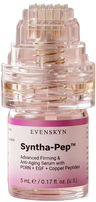
The needle head is 24-karat gold-plated, mechanically locked at 0.5 millimeters of depth, and delivered single-use and gamma-sterilized in an individually sealed pack. The serum, marketed as Syntha-Pep, arrives in a 5-milliliter ampoule that connects directly to the needle head in a sealed architecture: the serum never touches open air, fingertips, or an intermediate chamber between manufacturing and skin. Inside that sealed architecture, Syntha-Pep carries three actives the manual describes as "hero molecules": bioengineered PDRN (produced through a controlled biosynthetic manufacturing process, not derived from salmon), sh-Oligopeptide-1 (the synthetic-human form of Epidermal Growth Factor), and Copper Tripeptide-1, which is GHK-Cu. The full Syntha-Pep ingredients page lists every active and why it is included.
The sensory experience is straightforward. Stamp for 5 to 10 minutes across seven facial zones (forehead, both cheeks, nose bridge, both lower jaw segments, chin) using a 50 percent overlap technique. A faint warmth, occasionally a soft tingling, no dragging, no pain. Pinpoint bleeding is rare at this depth. The post-session flush typically lasts 1 to 4 hours. By morning, a hydrated glow. By week 6, fibroblast-driven changes that you start to notice in photographs before you notice them in the mirror.
"The MicroInfuser delivers the active. The Lumo+ amplifies the structural response. Each modality does what the other cannot."
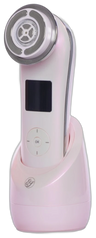
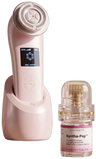
For users who want to layer modalities, the Evenskyn Lumo+ (the brand's RF-EMS-LED handset) serves as the natural pairing partner. Lumo+ uses titanium electrodes in a multipolar configuration with a two-tier dermal heating system that defaults to 42 degrees Celsius and triggers a higher tier for less than 20 seconds when surface temperature reads below the dermal target. RF energy contracts existing collagen fibers and stimulates further fibroblast activation through controlled thermal stress. EMS at 100 Hz delivers 3 milliamps of microcurrent to the underlying facial muscles for tone and circulation. LED red and near-infrared at 633 and 850 nanometers supports the photobiomodulation response.
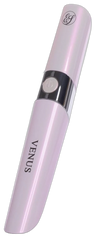
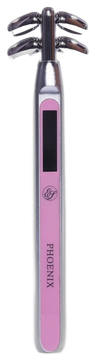
For readers building out a full at-home anti-aging system, four Evenskyn cross-sell products are worth flagging. The Phoenix microcurrent bar covers focused lifting along the jaw and brow. For the periorbital zone that GHK-Cu microinfusion deliberately avoids, the Venus eye device is purpose-built. Layered LED therapy on non-treatment days comes from the Mirage Pro red light mask, which delivers the 633 and 850 nanometer photobiomodulation wavelengths in a wearable mask format. And for ultrasound-driven deeper-tissue rejuvenation, the Eclipse ultrasonic device rounds out the modality stack. None of these replace GHK-Cu microinfusion. Each addresses a layer of skin biology the others cannot reach.
The manual's section 10.1 sets the pairing rule clearly: use Lumo+ before microinfusion on the same session day (warms tissue, primes circulation), wait at least 24 hours after microinfusion before resuming any RF or EMS device (heat on freshly opened channels amplifies redness and disturbs early healing), and resume Lumo+ on its own manual's schedule (up to two to three sessions a week, one to two under 40) on non-microinfusion days. That sequencing is not arbitrary. It is what the underlying biology asks for.
The Deciding Factor
If you take away one sentence from this article, take this one. GHK-Cu is one of the best-evidenced regenerative peptides in cosmetic science, with a 50-year peer-reviewed trail. The deciding factor in whether the molecule does anything visible on your face is whether it reaches the dermal fibroblast layer in functional quantity. Microinfusion is the most reliable consumer-accessible method for crossing the stratum corneum at therapeutic delivery levels. Everything else in this article (the protocol, the cadence, the post-care, the device pairing) is downstream of that single decision.
Editor's Note
This article was researched between March and May 2026. Primary-source citations have been verified against PubMed, PMC, DOI registries, and journal full-text where available. Where consumer-facing claims appeared to exceed the published evidence, we have erred toward the more conservative reading. Where the consumer-facing market routinely undersells what the literature supports (for example, the breadth of GHK-Cu gene-expression effects), we have followed the literature rather than the marketing. Evenskyn manufactures and sells the MicroInfuser, which features in the protocol section of this article. That commercial relationship is disclosed throughout, and the buyer's framework in section 14 is built to evaluate any microinfusion kit in the category, not only ours.
Four Readers, Four Reasons to Try GHK-Cu
The protocol that follows is calibrated for four overlapping reader profiles. Most readers will recognize themselves in two of the four. If you do not see yourself in any of them, the framework still applies, but expect to adjust cadence and post-care to your own skin.
Profile A
The Laxity-Led Reader
Forty-five and up, photoaged or perimenopausal, primary concern is visible skin laxity along the jawline and lower face. The literature supports GHK-Cu here strongly: Leyden et al. 2002 showed measurable density and elasticity improvements in 71 women over 12 weeks of facial cream application13. With microinfusion delivery, the effect amplifies.
Profile B
The Brightening-Led Reader
Mottled pigmentation, sun damage, dull complexion. Watson et al. 2009 RCT documented improvements in mottled hyperpigmentation alongside fine-wrinkle reduction in photoaged skin10. GHK-Cu pairs well here with bi-weekly microinfusion plus a niacinamide-led daily routine.
Profile C
The Post-Procedure Repair Reader
You have had laser, peels, or in-clinic microneedling and you are looking for an at-home maintenance protocol that supports recovery rather than fights it. Pollard et al. 2005 specifically tested GHK-Cu on irradiated fibroblasts and found preserved growth-factor expression7. This is the profile with the cleanest mechanism case.
Profile D
The Prevention Reader
Thirty-five to forty-two, no major concerns yet, looking for an evidence-based regenerative active to add to a maintenance routine. The endogenous decline of plasma GHK begins well before visible aging1. Microinfusion every 14 days with GHK-Cu rotated alongside PDRN and EGF is a defensible prevention protocol.
Topical Cream vs Microinfusion vs AquaGold vs Injectable
Four delivery routes for the same molecule. Here is how they compare on the dimensions that matter.
| Route |
Delivery Depth |
Per-Session Cost |
Evidence Grade |
Practical Notes |
| Topical Cream / Serum |
Stratum corneum, minimal viable epidermis |
$25 to $120 |
RCT evidence for surface effects (hydration, fine wrinkles); thin evidence for dermal remodeling |
Best as daily maintenance layer. Plateaus at the hydration phase for most users. |
| At-Home Microinfusion |
0.5 mm to upper papillary dermis |
$30 to $75 (kit-dependent) |
Strong mechanism evidence (Li et al. 2015 for delivery; Pickart reviews for activity) |
The bridge between topical and clinical. Sealed ampoule architecture matters for sterility. |
| In-Clinic AquaGold |
0.6 mm, hollow-needle microinfusion |
$400 to $1,200 |
Practitioner-reported; clinical trial evidence is procedure-specific |
Custom-blended serum, professional supervision. Quarterly cadence typical. |
| Compounded Injectable GHK-Cu |
Subcutaneous (variable depth) |
$200 to $600 per vial |
Off-label in the US; long compounding history without major safety signals |
Requires a prescription and a compounding pharmacy. Not FDA-approved for cosmetic use. |
Per-session costs are estimates based on publicly listed pricing across at-home brands, US medspa averages reported in 2025 industry surveys, and compounding-pharmacy listings as of May 2026. Verify before purchase.
The comparison the table is built to make is not "which route is best." It is "which route fits the gap between your skin goals and your budget." Topical creams have a defensible role in daily maintenance. In-clinic AquaGold has a defensible role for high-stakes events and post-procedure boosts. Injectable forms have a defensible role under medical supervision for specific indications. At-home microinfusion sits in the middle of the three, with delivery depth approaching the clinical route and per-session cost approaching the topical route. That middle slot is the one most readers of this article will benefit from filling.
Six Numbers That Govern the Protocol
14
Days Between Sessions
The bi-weekly cadence matches the skin's natural renewal cycle. More frequent stamping does not improve collagen induction at this depth.
0.5
Millimeters Depth
Mechanically locked at the needle head. Reaches the upper papillary dermis without engaging deeper vascular structures.
134
nmol Peptide Delivered
Through microneedle-treated human skin in 9 hours, per Li et al. 2015. Versus near-zero through intact skin under identical conditions3.
8
Weeks to Visible Firming
The earliest realistic timeline for structural changes the user can see in photographs. Hydration changes appear sooner.
31%
Of Genes Modulated
The Broad Institute Connectivity Map analysis of GHK-driven gene-expression shifts9. Unusual breadth for a tripeptide.
6
Month Full Remodeling Window
Collagen and elastin remodeling continues for 4 to 6 months after a consistent bi-weekly protocol begins. Most users report peak visible change between months 3 and 6.
The Two-Week Cycle, Monday Through Sunday
This is the protocol the literature and the MicroInfuser manual converge on. Treat it as a starting framework, not a rigid prescription. Adjust if your skin signals you should.
Mon Wk 1
Microinfusion session day. In the evening, run Lumo+ first as a warm-up across the face (RF mode at moderate intensity for 5 to 8 minutes). Then perform the full MicroInfuser session with Syntha-Pep. Finish with a hydrating sheet mask or peptide cream and go to bed.
Tue Wk 1
Rest day. Gentle cleanser, fragrance-free hydrating moisturizer, broad-spectrum SPF 30 or higher. No retinoids, no acids, no vitamin C. The micro-channels close fully within 24 hours but the post-treatment window is barrier-sensitive for 48 to 72 hours.
Wed Wk 1
Gentle morning routine. From this evening you may reintroduce hyaluronic acid serums and barrier-repair creams. Continue avoiding active acids and retinoids until day 4.
Thu Wk 1
Resume active ingredients on a graduated schedule. Retinoids may go back in tonight at half their usual dose if your skin feels fully recovered. Lumo+ may be used in any mode.
Fri to Sun Wk 1
Normal active routine. Lumo+ on its standard cadence of up to two to three sessions a week (one to two under 40). Sun protection remains non-negotiable through the entire cycle.
Mon to Sun Wk 2
Hold the daily routine steady. Most of the visible work during this week is happening below the surface: fibroblast activation, collagen synthesis, and the early phase of structural remodeling. Photographic baseline shots taken on Sunday evening of week 2 will be your reference point for the next cycle.
Day 15
Next microinfusion session. The cycle repeats.
Week by Week, Weeks 1 Through 12
Weeks 1 to 2
Hydration and Glow
The first visible change is barrier hydration. Skin looks plumper and more even-toned within 24 to 48 hours of each session. This is the hyaluronic acid component of Syntha-Pep working at the surface, not the GHK-Cu working at the dermal level.
Weeks 3 to 4
Texture Smoothing
Refined pore appearance and subtle texture changes begin to appear. Photoaged skin starts to look more uniform. The keratinocyte-level effects of EGF and GHK-Cu are starting to compound.
Weeks 5 to 6
Fine-Wrinkle Softening
Fine lines around the eyes and across the forehead begin to soften. This is fibroblast activation translating into early collagen deposition. Watson et al. 2009 documented similar timelines in their photoaged-skin RCT10.
Weeks 7 to 8
Early Firming
The first visible firming response. Along the jawline, this shows up as a slight tightening of the lower face. Photograph yourself in the same light at week zero, week 4, and week 8 to see it.
Weeks 9 to 10
Structural Response Deepens
Compound effects begin. Continued bi-weekly cadence drives ongoing fibroblast activity. Skin density measurable changes have been documented in clinical trials by this window13.
Weeks 11 to 12
End of First Cycle
Six full sessions in. Most users report meaningful improvement in elasticity, fine lines, and complexion smoothness. The decision point: continue bi-weekly into months 4 to 6 for full structural remodeling, or shift to monthly maintenance.
Five Questions to Ask Before You Buy Any GHK-Cu System
-
What is the delivery method? If the answer is "topical only" and the molecule is GHK-Cu, expect surface hydration changes and not much else. Look for a microinfusion or microneedling delivery system with at least 0.25 millimeters of depth.
-
Is the needle head single-use and sterile? Sealed, gamma-sterilized, individually packaged needle heads are the clinical standard. Anything that expects you to reuse or self-sterilize is trading your skin's safety for better margins.
-
Is the depth mechanically locked? Variable-depth pens require professional training to avoid uneven channel formation. Mechanically locked stamping devices remove that variable from the home-use equation.
-
Does the serum disclose its INCI? A real Copper Tripeptide-1 listing on the ingredient panel, ideally in the top half of the list. Beware of "copper peptide complex" without specifics, which often means a much weaker derivative.
-
Is the architecture sealed from manufacturing to skin? Sealed ampoule-to-needle-head systems eliminate the contamination risks of pour-and-fill devices and protect the peptide from air exposure during use.
When to Skip GHK-Cu Microinfusion Entirely
- You are pregnant, planning to become pregnant, or breastfeeding. Wait until your physician confirms it is appropriate to resume.
- You have taken oral isotretinoin in the past 6 months. The skin barrier is not ready.
- You have an active eczema, rosacea, or psoriasis flare in the treatment area.
- You have a known copper allergy or a history of allergic dermatitis to copper-containing jewelry or cookware.
- You have an active bacterial, viral, or fungal skin infection, including cold sores in the treatment area.
- You are taking blood thinners (warfarin, clopidogrel, apixaban, daily aspirin therapy) without consulting your prescribing physician first.
- You have a personal or family history of keloid or hypertrophic scarring.
- You expect overnight results. The molecule needs 6 to 12 weeks of consistent delivery to produce its evidence-supported visible effects.
When In-Office Is the Right Call
AquaGold Fine Touch
Clinical microinfusion with custom-blended serum. The right call when you want practitioner-supervised delivery, deeper micro-channels (0.6 mm hollow needles), and a single high-impact session before a high-stakes event. Cost: $400 to $1,200.
SkinPen Microneedling
FDA-cleared microneedling pen for deeper collagen induction (1.5 to 2.5 mm depth). The right call for atrophic acne scars, stretch marks, or deeper structural concerns that at-home depth cannot reach.
RF Microneedling (Morpheus8)
Combines microneedling with radiofrequency thermal energy. Indicated for laxity that has progressed beyond what at-home protocols can address. Typically 3 to 4 sessions, 4 weeks apart.
Compounded Injectable GHK-Cu
Requires a prescription and a compounding pharmacy. Off-label in the US for cosmetic use but with a long safety history. The right call when topical and microinfusion routes have plateaued and your physician supports the next step.
Fractional Laser Resurfacing
For pigmentation and texture concerns that exceed what GHK-Cu addresses. Often combined with microinfusion during recovery, not in place of it.
What a Real Cycle Feels Like
The 90-day cycle does not feel dramatic. That is the first thing to know. The first session takes about ten minutes from device prep to final pat-down. The stamping sensation registers as a faint tapping, occasionally a soft tingling around the cheeks and forehead. A pink flush settles in for an hour or two, then fades. You sleep on a clean pillowcase. By morning, your skin looks slightly more hydrated and even-toned.
Two weeks later, you do it again. And again two weeks after that. The cumulative effect builds quietly under the surface. By session four, around week six, you start noticing small things: makeup sits differently, your skincare absorbs faster, the under-eye area looks less drawn in candid photos. By session six, the change is durable enough that a friend who has not seen you in three months comments. By month four, you are running a maintenance protocol that costs less than a single in-clinic facial and that you can do in your bathroom on a Tuesday night.
The cycle does not feel like a transformation. It feels like a slow, undramatic accrual. That is the correct experience. The literature describes a molecule that signals cellular processes operating on timescales of weeks to months. Anything faster than that is surface effect (hydration, light reflection, transient inflammation) and not the structural remodeling the evidence base is built on.
Two failure modes for this protocol are predictable. The first is impatience: stopping at week three because nothing visible is happening yet. The second is inconsistency: skipping the bi-weekly cadence and never letting the molecule build cumulative dermal effects. Pickart and colleagues have been writing about both failure modes since the late 1980s. Neither is a failure of the molecule. Both are failures of routine.
Three Mistakes and Three Myths
Mistake 1
Stamping over active breakouts
Active acne, cystic lesions, and open wounds should never be stamped over. The micro-channels become an inoculation route for the bacteria already on the skin. Wait for the breakout to resolve before treating that zone.
Mistake 2
Mixing GHK-Cu with vitamin C in the same chamber
Copper ions oxidize ascorbic acid. The two cannot share a session chamber. Rotate them across sessions instead. The MicroInfuser manual's section 9 sets the post-treatment timing rules.
Mistake 3
Skipping sun protection
UV exposure on freshly treated skin is the leading cause of post-treatment hyperpigmentation, particularly for Fitzpatrick IV through VI skin tones. Broad-spectrum SPF 30 or higher every morning, with extra attention in the 72 hours after each session.
Myth 1
"Copper peptides cause copper toxicity"
The Li et al. cytotoxicity data showed no toxicity to keratinocytes or fibroblasts across a six-log concentration range (0.0058 to 5800 micromolar)3. The amount of copper in a microinfusion session is orders of magnitude below systemic concern.
Myth 2
"Higher concentration always works better"
Maquart's 1988 paper demonstrated collagen stimulation at picomolar to nanomolar concentrations6. The dose-response curve for GHK-Cu is non-linear and may even be biphasic. A 0.1 percent serum with proper delivery outperforms a 5 percent serum that never reaches the dermis.
Myth 3
"GHK-Cu is the same as any copper peptide"
It is not. AHK-Cu, GHK-NH2, and various synthetic copper-binding sequences have far less mechanism data. The specific glycyl-L-histidyl-L-lysine sequence with a copper 2+ complex is what has 50 years of peer-reviewed support behind it.
The Case Against the Recommendation
What would a careful skeptic say about this article's recommendation?
Three things, and they deserve fair hearing.
First, the human RCT footprint is thinner than the mechanism literature. The 2009 Watson et al. RCT in British Journal of Dermatology is the strongest single piece of human evidence and it tested a multi-ingredient cosmetic anti-ageing product, not isolated GHK-Cu10. The Leyden 2002 and Abdulghani 1998 studies are smaller and older1314. A skeptic would say that picomolar collagen stimulation in cell culture does not automatically translate to visible skin firming in a 50-year-old human face, and they would be technically correct.
Second, the microneedle delivery data are in vitro on excised human skin. Li et al. 2015 measured permeation through human skin samples held in a Franz cell apparatus, not living skin on a living person3. Living skin has blood circulation that clears delivered molecules at a rate the Franz cell does not capture, and a longer functional half-life of the peptide in tissue is implied but not directly measured. A skeptic would want a randomized trial of GHK-Cu microinfusion versus GHK-Cu topical with histologic endpoints. That trial does not yet exist.
Third, the at-home microinfusion category is two years old. The clinical AquaGold device has been in dermatology practice since 2014. The consumer at-home category that this article addresses is much newer, and the long-term safety data for repeated bi-weekly stamping at 0.5 millimeters in a non-clinical environment is still accumulating. A careful skeptic would say: the in-clinic procedure has solid evidence, the at-home extension is biologically plausible and consistent with the procedure, but the dataset is younger than the recommendation implies.
The position this article takes, given those three valid critiques, is that the mechanism evidence is strong enough, the delivery evidence is biologically plausible enough, and the safety window is wide enough that the recommendation is defensible. But a careful reader should understand which parts of the case rest on RCT evidence and which parts rest on mechanism plausibility. Both have value. They are not the same level of certainty.
What Would Change This View
A negative RCT in living skin
If a properly powered randomized trial of at-home microinfusion with GHK-Cu versus matched topical control failed to show histologic or photographic differences at 12 weeks, that result would shift the position of this article from "biologically plausible recommendation" to "interesting hypothesis pending data."
A safety signal in long-term at-home users
If the consumer at-home microinfusion category began producing case reports of infection, scarring, or persistent dermal damage at rates higher than baseline microneedling, the depth recommendation would tighten or the route would be deprecated.
A step-change in topical delivery enhancement
If a topical-only formulation (encapsulation, iontophoresis, sonophoresis) achieved delivery levels comparable to the Li et al. microneedle data, the case for the mechanical route would weaken. Some preliminary work in this area exists; none has matched the microneedle delivery numbers to date.
A superior molecule with the same evidence base
If a next-generation regenerative active emerged with comparable safety, broader mechanism evidence, and better intrinsic delivery, the focus would shift. PDRN and growth factors are adjacent rather than superior to GHK-Cu; exosomes are interesting but the evidence base is significantly smaller.
Frequently Asked Questions
How does GHK-Cu compare to PDRN for at-home use?
Both are regenerative actives with strong mechanism evidence. PDRN works through the A2A adenosine receptor and the nucleotide salvage pathway, supporting cell proliferation and tissue repair. GHK-Cu works through fibroblast collagen synthesis and broad gene-expression modulation. They are complementary rather than competitive, which is why the recommended protocol rotates them across sessions. Most users will benefit from both in a six-week rotation.
How does GHK-Cu compare to EGF (sh-Oligopeptide-1)?
EGF acts primarily on keratinocytes at the epidermal level. GHK-Cu acts on fibroblasts at the dermal level. They target different cell populations and different aging mechanisms. The recommended protocol rotates all three (PDRN, EGF, GHK-Cu) across sessions so each gets a fresh chamber and the underlying biology of each pathway has time to compound.
Can I make my own GHK-Cu serum from raw powder?
You can, but stability is the challenge. GHK-Cu is sensitive to pH, temperature, and oxidation. A pharmaceutical-grade compounding setup with proper buffering and cold-chain storage produces stable formulations. A home kitchen does not. For most users, a professionally formulated, sealed-ampoule product is both safer and more effective per dollar.
Is the copper in GHK-Cu absorbed systemically?
The microinfusion delivery quantities are well below systemic concern. Li et al. measured 705 nanomoles of copper through microneedle-treated skin in 9 hours, which is approximately 45 micrograms3. The daily dietary copper requirement for adults is 900 micrograms. The amount delivered by a single microinfusion session is roughly 5 percent of one day's dietary intake. Systemic copper concerns apply to oral copper supplementation in chronic high doses, not to localized cosmetic microinfusion.
How does GHK-Cu interact with retinoids?
Not in the same session. Retinoids thin the stratum corneum temporarily, which increases the risk of irritation when paired with mechanical micro-channeling. Pause retinoid use for 48 hours before microinfusion and resume 72 hours after. On non-treatment days within the cycle, GHK-Cu's daily topical (if you use one) layers under retinol at night without conflict.
Can I use this on my neck and chest?
Yes, with adjustment. The skin on the neck and chest is thinner and more prone to post-inflammatory hyperpigmentation. Reduce the sweep count per zone by 1 to 2 below the face protocol, extend the interval between treatments to three weeks for these areas, and pay particular attention to sun protection. Users with Fitzpatrick IV through VI skin tones should treat the neck conservatively or consult a dermatologist before beginning.
What is the difference between GHK-Cu and Copper Tripeptide-1?
Copper Tripeptide-1 is the INCI (International Nomenclature of Cosmetic Ingredients) name for GHK-Cu. The two terms refer to the same molecule. Scientific literature uses GHK-Cu. Cosmetic ingredient lists use Copper Tripeptide-1. Some products list both for clarity.
How long does an ampoule of GHK-Cu serum last once opened?
For sealed single-use ampoules (the MicroInfuser format), the answer is one session. The ampoule connects directly to the needle head and is discarded together after use. For multi-dose topical serums in airless pump bottles, the typical stability window is 3 to 6 months after opening at room temperature, longer if refrigerated. Always check the manufacturer's stability data and discard any product that has changed color, smell, or texture.
Can I combine GHK-Cu microinfusion with red light therapy?
Yes, and the combination has biological support. Red and near-infrared LED at 633 and 850 nanometers supports the photobiomodulation response in dermal fibroblasts. Pickart and Margolina's 2018 review cites combined GHK plus LED irradiation increasing fibroblast viability 12.5-fold versus LED alone1. The practical sequencing rule: use LED before microinfusion or wait 24 hours after.
What if I have darker skin?
Fitzpatrick IV through VI skin tones respond well to GHK-Cu microinfusion at the standard depth and cadence, with one important adjustment: extra attention to sun protection in the 72 hours after each session. UV exposure on freshly treated skin is the leading driver of post-inflammatory hyperpigmentation across all skin types but the consequence is more visible and more durable in darker tones. Broad-spectrum SPF 30 or higher every morning is non-negotiable. Consider extending the interval between sessions to 18 to 21 days if you notice any post-session pigmentation change.
About the Reviewer
Dr. Ismail Kimji, MD, FRCPC is a Fellow of the Royal College of Physicians and Surgeons of Canada and serves as Doctor in Residence at Evenskyn, where he reviews safety protocols, contraindication lists, and clinical claims for the brand's at-home device documentation, including the MicroInfuser user manual. His clinical interests include skin barrier biology, regenerative dermatology, and the translation of peer-reviewed cosmetic science into safe at-home protocols. The clinical statements, contraindications, and protocol guidance in this article reflect Dr. Kimji's review.
Readers seeking verification of any clinical claim or reviewer credential are welcome to contact the Evenskyn editorial team at support@evenskyn.com.
Editorial Disclosure
How We Built This Article
Evenskyn manufactures and sells at-home skincare devices, including the MicroInfuser referenced in the protocol section of this article. That commercial relationship is a clear conflict of interest, and we address it the only way we know how: by writing a buyer's framework that evaluates any microinfusion kit in the category on the same criteria, ours included.
Primary Sources
Every clinical claim is supported by a peer-reviewed citation indexed in PubMed, PMC, or a verified DOI registry.
Conservative Framing
Where consumer marketing exceeds the published evidence, we follow the literature. Where the literature supports a stronger claim than the marketing, we follow the literature.
Disclosed Bias
Commercial relationships are stated openly. Recommendations are written so that competitor products meeting the same criteria would qualify.
Updates Log
- May 2026 (Edition 1)
- Initial publication. Reviewed by Dr. Ismail Kimji, MD, FRCPC. 18 peer-reviewed citations verified against primary literature between March and May 2026.
- July 2026 (Correction)
- Corrected two statements that described GHK-Cu at 340.4 daltons as sitting above the 500-dalton passive penetration ceiling. The molecular weight is below that ceiling. The barrier to permeation is charge and effective hydrodynamic radius rather than raw mass, which is what the cited Hostynek and Li data actually show.
References
- Pickart L, Margolina A. Regenerative and Protective Actions of the GHK-Cu Peptide in the Light of the New Gene Data. Int J Mol Sci. 2018 Jul 7;19(7):1987. doi:10.3390/ijms19071987. PMID: 29986520; PMCID: PMC6073405. Full text.
- Pickart L, Vasquez-Soltero JM, Margolina A. GHK Peptide as a Natural Modulator of Multiple Cellular Pathways in Skin Regeneration. Biomed Res Int. 2015;2015:648108. doi:10.1155/2015/648108. PMID: 26236730; PMCID: PMC4508379. Full text.
- Li H, Low YSJ, Chong HP, Zin MT, Lee CY, Li B, Leolukman M, Kang L. Microneedle-Mediated Delivery of Copper Peptide Through Skin. Pharm Res. 2015 Aug;32(8):2678-2689. doi:10.1007/s11095-015-1652-z. PMID: 25690343. Full text.
- Hostynek JJ, Dreher F, Maibach HI. Human skin penetration of a copper tripeptide in vitro as a function of skin layer. Inflamm Res. 2011 Jan;60(1):79-86. doi:10.1007/s00011-010-0238-9. PMID: 20721598; PMCID: PMC3016279.
- Maquart FX, Bellon G, Chaqour B, Wegrowski J, Patt L, Trachy RE, Monboisse JC, Chastang F, Birembaut P, Gillery P, et al. In vivo stimulation of connective tissue accumulation by the tripeptide-copper complex glycyl-L-histidyl-L-lysine-Cu2+ in rat experimental wounds. J Clin Invest. 1993 Nov;92(5):2368-2376. doi:10.1172/JCI116842. PMID: 8227354.
- Maquart FX, Pickart L, Laurent M, Gillery P, Monboisse JC, Borel JP. Stimulation of collagen synthesis in fibroblast cultures by the tripeptide-copper complex glycyl-L-histidyl-L-lysine-Cu2+. FEBS Lett. 1988 Aug 29;238(2):343-346. doi:10.1016/0014-5793(88)80509-X. PMID: 3169264.
- Pollard JD, Quan S, Kang T, Koch RJ. Effects of copper tripeptide on the growth and expression of growth factors by normal and irradiated fibroblasts. Arch Facial Plast Surg. 2005 Jan-Feb;7(1):27-31. doi:10.1001/archfaci.7.1.27. PMID: 15655171.
- Pickart L, Vasquez-Soltero JM, Margolina A. GHK and DNA: resetting the human genome to health. Biomed Res Int. 2014;2014:151479. doi:10.1155/2014/151479. PMID: 25302294; PMCID: PMC4180391.
- Campbell JD, McDonough JE, Zeskind JE, Hackett TL, Pechkovsky DV, Brandsma CA, Suzuki M, Gosselink JV, Liu G, Alekseyev YO, Xiao J, Zhang X, Hayashi S, Cooper JD, Timens W, Postma DS, Knight DA, Lenburg ME, Hogg JC, Spira A. A gene expression signature of emphysema-related lung destruction and its reversal by the tripeptide GHK. Genome Med. 2012 Aug 31;4(8):67. doi:10.1186/gm367. PMID: 22937864; PMCID: PMC3580441.
- Watson REB, Ogden S, Cotterell LF, Bowden JJ, Bastrilles JY, Long SP, Griffiths CEM. A cosmetic 'anti-ageing' product improves photoaged skin: a double-blind, randomized controlled trial. Br J Dermatol. 2009 Aug;161(2):419-426. doi:10.1111/j.1365-2133.2009.09216.x. PMID: 19438432.
- Badenhorst T, Svirskis D, Merrilees M, Bolke L, Wu Z. Effects of GHK-Cu on MMP and TIMP Expression, Collagen and Elastin Production, and Facial Wrinkle Parameters. J Aging Sci. 2016;4(3):166. doi:10.4172/2329-8847.1000166.
- Dou Y, Lee A, Zhu L, Morton J, Ladiges W. The potential of GHK as an anti-aging peptide. Aging Pathobiol Ther. 2020 Mar 27;2(1):58-61. doi:10.31491/apt.2020.03.014. PMID: 35083444; PMCID: PMC8789089.
- Leyden JJ, Stephens TJ, Finkey MB, Appa Y, Barkovic S. Skin care benefits of copper peptide containing facial cream. American Academy of Dermatology meeting, February 2002. Subsequently summarized in: Pickart L, Margolina A. Cosmetics. 2018;5(2):29.
- Abdulghani AA, Sherr S, Shirin S, Solodkina G, Tapia EM, Wolf B, Gottlieb AB. Effects of topical creams containing vitamin C, a copper-binding peptide cream and melatonin compared with tretinoin on the ultrastructure of normal skin. Int J Cosmet Surg Aesthet Dermatol. 1998;1(2):136-141.
- Finkley MB, Appa Y, Bhandarkar S. Copper Peptide and Skin. In: Elsner P, Maibach HI, editors. Cosmeceuticals and Active Cosmetics: Drugs versus Cosmetics. 2nd ed. New York: Marcel Dekker; 2005:549-563.
- Pickart L, Margolina A. Skin Regenerative and Anti-Cancer Actions of Copper Peptides. Cosmetics. 2018;5(2):29. doi:10.3390/cosmetics5020029.
- Pickart L, Thaler MM. Tripeptide in human serum which prolongs survival of normal liver cells and stimulates growth in neoplastic liver. Nature New Biology. 1973 May 30;243(127):85-87. doi:10.1038/newbio243085a0. PMID: 4351242.
- Raphael AP, Crichton ML, Falconer RJ, Meliga S, Chen X, Fernando GJP, Huang H, Kendall MAF. Microneedle enhanced delivery of cosmeceutically relevant peptides in human skin. PLoS One. 2014 Jul 14;9(7):e101956. doi:10.1371/journal.pone.0101956. PMID: 25019414; PMCID: PMC4096488.
If you want to act on this
The ingredient science is only half the story; delivery is the other half. Our MicroInfuser pairs a 0.5 mm fixed-depth, single-use needle head with a sealed Syntha-Pep ampoule (PDRN, an EGF analog, GHK-Cu) so actives reach past the skin barrier instead of sitting on it. It is our own product, results build over consistent sessions rather than overnight, and the safety and contraindication list is worth reading before a first session.




Hinterlasse einen Kommentar
Alle Kommentare werden vor der Veröffentlichung geprüft.
Diese Website ist durch hCaptcha geschützt und es gelten die allgemeinen Geschäftsbedingungen und Datenschutzbestimmungen von hCaptcha.