



Eyelid surgery is the most common facial cosmetic operation in America. Before you book a $3,000-plus consult, here is the honest version of what at-home tools can and cannot do for hooded lids, under-eye bags, and crepey eyelid skin.
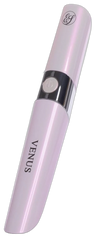
"Non-surgical blepharoplasty" is a marketing umbrella, not a single procedure. Energy-based tools (radiofrequency, light therapy) and injectables can firm mild-to-moderate eyelid laxity, soften crepey skin, and freshen the look of the eye area. They cannot remove herniated fat pads or cut away excess skin the way surgery does. If your concern is early hooding, fine lines, or tired-looking eyes, an at-home device such as the EvenSkyn Venus ($199, designed for eyelid use) is a low-cost, low-risk first step. If you have heavy excess skin or true lid droop blocking vision, surgery is the only thing that truly fixes it.
A smart first move for early eye aging. Not a stand-in for surgery.
Capped temperature and an applicator built for thin eyelid skin, designed for the eye area rather than a face device turned down.
Where the RF and light evidence is strongest. Gradual, but a real change in skin quality.
Helps the circulation and firmness causes. Does little for pigment or deep hollowing.
A one-time $199 against a $3,300-plus surgery or repeat clinic sessions.
Short sessions, but it needs gel and genuine two-to-three-times-a-week consistency to work.
Weeks, not days. This is the honest cost of skipping the operating room.
It cannot remove skin or fat. Not for advanced hooding, true lid droop, or fat-pad bags.
Best for
- Early-to-moderate eyelid laxity, crepey texture and fine lines
- Crow's-feet and a tired, slightly hooded look
- People who want a low-cost, low-risk first step before needles or surgery
- Maintenance for users 35+ already seeing the first changes
Not the best fit for
- Heavy excess skin folding over the lash line (true hooding)
- Under-eye bags caused by herniated fat pads
- Deep tear-trough hollowing or pigment-based dark circles
- Anyone wanting fast, dramatic, one-and-done results
The five things worth knowing
Surgery and "non-surgical" options solve different problems. Blepharoplasty removes skin and fat. Energy devices remodel and firm the skin you still have. Picking the wrong one is the most common way people waste money on their eyes.
The cost gap is enormous: an upper blepharoplasty averages $3,359 in surgeon's fees alone (often $6,000-plus all-in), versus a one-time at-home device under $200. [ASPS, 2023]
The evidence for light and radiofrequency on the eye area is real but modest. A 137-woman split-face trial found red and amber light raised intradermal collagen density and improved periocular skin. [Wunsch & Matuschka, 2014]
At-home results are gradual and maintenance-dependent. Weeks, not days. Stop using the device and the benefit fades. This is the trade-off for skipping the operating room.
The eyelid is a special case. Its skin is among the thinnest on the body, so a device must be engineered for the eye area specifically. A full-power face device is the wrong tool here.
What "non-surgical blepharoplasty" actually means
The phrase sounds like a procedure. It is closer to a category. Surgeons and clinics use it as a catch-all for anything that improves the eye area without a scalpel: radiofrequency tightening, ultrasound, fractional lasers, plasma pen, dermal fillers, neuromodulators like Botox, and prescription drops such as Upneeq. At-home device brands have since adopted the same language for handheld radiofrequency and light tools.
Because the term covers so much, the only useful question is narrower. Not "does non-surgical blepharoplasty work," but "which approach matches my specific eyelid problem, and what will it realistically change." A 38-year-old noticing the first crepey texture and a 64-year-old whose upper lids fold over the lash line are not candidates for the same thing. One has a skin-quality problem. The other has a skin-quantity problem. Energy devices are good at the first. Only surgery resolves the second.
Surgery removes tissue. Everything else remodels the tissue you keep. Get that distinction right and the rest of the decision is easy.
Here is the mechanism, kept honest. Radiofrequency delivers controlled heat into the dermis, which causes existing collagen to contract immediately and triggers a slow wound-healing response that lays down new collagen over the following weeks. [Sadick & Makino, 2013] Light therapy, or photobiomodulation, works differently: red and near-infrared wavelengths are absorbed by the energy machinery inside skin cells, nudging fibroblasts to produce more collagen without heat or injury. [Avci et al., 2013; Glass, 2021] Neither one cuts, and neither one removes fat. They change the quality and firmness of the skin, which on a mild case can read as a visible lift, and on a severe case reads as almost nothing.
How to judge any eye-area option (the five criteria)
Whether you are weighing surgery, an in-office laser, or a handset you keep in a bathroom drawer, the same five questions sort the real options from the hype.
Correct problem, correct tool
Skin quality (crepiness, fine lines, dullness) responds to energy. Skin quantity (excess folds, fat pads) needs surgery. Match the tool to which one you actually have.
Engineered for the eyelid
Eyelid skin is roughly a quarter the thickness of cheek skin. A device must be calibrated for the orbital area, not borrowed from a full-face setting.
Honest evidence
Look for controlled trials on the eye area specifically, not just glowing testimonials or a single in-vitro study stretched to mean everything.
Total cost, not sticker price
Surgery is one-time but large and includes anesthesia and facility fees. Injectables and in-office energy repeat. A home device is cheap but only works while you use it.
Downtime and risk you can accept
Surgery carries anesthesia and complication risk plus real recovery. Energy and at-home tools trade dramatic results for near-zero downtime.
The honest comparison: every eye-area option side by side
| Approach | What it changes | Downtime | Typical cost (U.S.) | How long it lasts |
|---|---|---|---|---|
| Upper blepharoplasty (surgery) | Removes excess skin & fat; the only true fix for heavy hooding | 1 to 2 weeks visible recovery | $3,359 surgeon fee; ~$6,300 all-in | 5 to 7 years (upper); often longer (lower) |
| In-office RF / ultrasound (e.g. Thermage, Ultherapy) | Firms skin via deep heat; subtle lift | Minimal | ~$2,326 average, often repeated | ~12 to 18 months; maintenance |
| Botox (periorbital) | Relaxes crow's-feet muscles; mild brow lift | None | ~$435 per session, 3 to 4×/yr | 3 to 4 months |
| Upneeq (prescription drop) | Temporary upper-lid raise via Müller's muscle | None | Ongoing prescription | Hours (per dose) |
| At-home eye device (e.g. EvenSkyn Venus) | Firms mild-moderate laxity, crepiness, look of puffiness/dark circles | None | $199 one-time | While used; maintenance 2 to 3×/wk |
| Eye creams | Surface hydration, mild fine-line softening | None | $20 to 150, ongoing | While used daily |
Brand names belong to their respective owners and appear here for comparison only. Costs are commonly reported U.S. ranges (surgeon fees per ASPS, 2023; total and in-office figures vary widely by region and provider) and should be verified against current quotes. This table is not medical advice.
Why we built Venus the way we did
Follow the criteria and a clear gap appears. Most people researching their eyes are not surgical candidates yet. They have early hooding, the first crepey lines, puffiness in the morning, or a tired look that makeup no longer hides. That is a skin-quality problem, which is exactly what energy addresses. But the obvious tools are mismatched: full-face radiofrequency handsets are not designed for the thin orbital skin, and in-office treatments cost four figures and need repeating.
That gap is what Venus is engineered for. EvenSkyn states it combines fractional radiofrequency at a capped eyelid-safe surface temperature of about 42°C (107.6°F), red and blue LED phototherapy, sonic vibration, and ionic product-driving across two modes. It is designed for eyelid use specifically, which matters given criterion two. The published science supports the direction of travel: home-based radiofrequency has shown facial rejuvenation effects in controlled trials [Ai et al., 2024], monopolar RF has improved periorbital wrinkles [Kwon et al., 2021], and red light raised periocular collagen in the split-face trial above. None of that makes a $199 device equal to surgery. It makes it a sensible, evidence-aligned first move for the right concern.
The real cost math
Cost is where the non-surgical conversation gets persuasive, and also where it gets oversold. Stated plainly: surgery is expensive and permanent-ish; everything else is cheaper but recurring or maintenance-based. A home device is the only option with a genuinely low one-time price, but it earns its keep only if you actually use it on schedule.
| Option | Up-front | Five-year cost (rough) | Notes |
|---|---|---|---|
| Upper blepharoplasty | ~$6,300 all-in | ~$6,300 | One-time; lasts years |
| In-office RF/ultrasound | ~$2,326 | ~$7,000 to 9,000 | Repeated for maintenance |
| Botox (crow's-feet) | ~$435 | ~$6,000 to 8,000 | 3 to 4 sessions/yr |
| At-home device (Venus) | $199 | ~$199 | Plus inexpensive conduction gel |
Five-year figures are illustrative estimates built from commonly reported per-session costs; individual totals vary. Verify against current local pricing.
This is the democratization story, and it is true without exaggeration: tools that used to live only in a clinic now have credible at-home versions for the milder end of the spectrum. That does not abolish the clinic. It gives the person with early concerns a real option that does not require $6,000 and two weeks of recovery to try.
Our pick for the mild-to-moderate case
EvenSkyn Venus: Eye Anti-Aging Wand
What it does well
- Engineered for thin eyelid skin, not a face device repurposed
- Combines fractional RF, red/blue LED, sonic and ionic delivery in one wand
- Targets the look of crepey lids, fine lines, puffiness and dark circles
- One-time cost a fraction of a single in-office session
- No downtime; fits a 2 to 3×/week routine
What it won't do
- It will not remove herniated fat pads or excise excess skin. That is surgery
- It will not fix severe hooding, true lid droop, or vision-blocking skin
- Results are gradual (weeks) and fade if you stop using it
- It is not equivalent to Ultherapy, Thermage, or a surgical lift
- EvenSkyn does not recommend it for users under 35 without a specific concern
How to use an at-home eye device, and who should not
Technique on the eye area is different from the rest of the face. Per EvenSkyn's guidance for Venus: start with clean, product-free skin so nothing blocks the energy, apply a thin layer of a water-based conduction gel, keep the eye closed and work the wand on the eyelid skin and orbital bone area only (never on the eyeball itself), and keep sessions short and consistent rather than long and occasional. Consistency, not intensity, is what produces a visible change.
Do not use an eye-area RF device if you
Are pregnant or breastfeeding; have a pacemaker, defibrillator, or other implanted electronic device; have metal implants in the treatment area; have an active eye infection, recent eye surgery, or an eye condition; or have a skin condition or lesion in the area. These are standard contraindications for energy-based eye devices. Always read the Venus manual in full and check with your doctor or ophthalmologist before starting if any apply to you. This article does not replace that guidance.
For a parent or partner who keeps saying they "look tired"
An eye device lands well as a milestone or holiday gift for someone in their 40s, 50s, or beyond who is curious about their eye area but not ready for needles or a surgeon. The tactful version of this gift is "a little treat for yourself," never "here is the fix for your eyes." Pair it with the conduction gel and let them decide what, if anything, they want to change. The point is a pleasant ritual, not a verdict on how they look.
Frequently asked questions
Is non-surgical blepharoplasty a real procedure?
Not a single one. It is an umbrella term for any eye-area treatment that avoids a scalpel, radiofrequency, light therapy, lasers, plasma pen, fillers, Botox, or prescription drops. Each does something different, so the useful question is which one matches your specific concern.
Can an at-home device replace eyelid surgery?
For mild-to-moderate concerns: early crepiness, fine lines, puffiness, a tired look: a device can give a visible, gradual improvement and is a low-risk place to start. For heavy excess skin, herniated fat pads, or lid droop affecting vision, it cannot replace surgery. Those require removing tissue, which only a procedure does.
What is the difference between Venus and a regular face RF device?
Eyelid skin is roughly a quarter the thickness of cheek skin, so it needs lower, capped energy and a smaller applicator. Venus is engineered for the eye area, with a surface temperature capped around 42°C. A full-face handset is not designed for that zone and EvenSkyn does not recommend using its face devices on the eyelid.
How long until I see results?
Weeks, not days. Energy-based skin remodeling is gradual because it relies on your body laying down new collagen over time. Most people judge results fairly at the 8 to 12 week mark with consistent use, not after a few sessions.
Do the results last?
They are maintenance-dependent. Skin keeps aging, so the benefit fades if you stop. A typical routine is two to three short sessions a week ongoing, the same way in-office energy treatments need periodic top-ups.
How much does eyelid surgery cost compared to a device?
An upper blepharoplasty averages $3,359 in surgeon's fees alone and often exceeds $6,000 once anesthesia and facility costs are added (ASPS, 2023). An at-home device like Venus is a one-time $199. They are not equivalent in result, but the cost gap is real.
Is radiofrequency safe around the eyes?
When the device is designed for eyelid use and you follow the instructions, eyes closed, eyelid skin only, never the eyeball, correct gel, capped temperature: RF eye devices are generally well tolerated. The safety case depends entirely on using a device built for the area, not a stronger one turned down.
Will it help dark circles?
Partly, and honestly it depends on the cause. If your dark circles come from thin, crepey skin or poor circulation, firming and improved blood flow can soften the look. If they come from deep tear-trough hollowing or pigment, a firming device will do little. Those need filler or pigment-specific treatment.
Can it fix hooded eyelids?
Mild, early hooding driven by skin laxity may improve in appearance. Moderate-to-severe hooding, where there is genuine excess skin folding over the lash line, will not resolve without surgery. Be honest with yourself about which you have.
Is Venus better than NuFACE, CurrentBody, or Solawave for eyes?
Those are strong devices, but most are built for the broader face. The distinction is eye-specific engineering and clearance. For the eyelid zone specifically, a purpose-built eye device is the better fit; for full-face toning, a face device may suit you better. Match the tool to the zone.
What age should I start?
EvenSkyn does not recommend Venus for users under 35 unless addressing a specific concern. Energy-based maintenance tends to make the most sense once the first signs of laxity or crepiness appear, rather than as a purely preventive habit in your twenties.
Do I need a special gel?
Yes. A water-based conduction gel helps the energy transfer evenly and comfortably, and it doubles as a delivery medium for water-based serums. Avoid oil-based or SPF products during treatment, since they can block penetration.
Methodology & review status
Health and mechanism claims here are grounded in peer-reviewed literature and the 2023 ASPS procedural statistics, each verified at the time of writing and listed below. Device specifications and usage guidance are taken from EvenSkyn's current Venus product page and manual; where a figure is a manufacturer claim (for example, treatment temperature or session length) it is attributed to EvenSkyn rather than presented as independent science. Cost figures are commonly reported U.S. ranges and should be confirmed against live quotes.
Medical review: This article is slated for review by a board-certified dermatologist before publication. The reviewer line will be added only once that review has genuinely taken place. Until then it carries the EvenSkyn Skin Science Desk byline and no clinical reviewer is claimed.
References
- Wunsch A, Matuschka K. A controlled trial to determine the efficacy of red and near-infrared light treatment in patient satisfaction, reduction of fine lines, wrinkles, skin roughness, and intradermal collagen density increase. Photomed Laser Surg. 2014;32(2):93-100. PMID: 24286286.
- Avci P, Gupta A, Sadasivam M, et al. Low-level laser (light) therapy (LLLT) in skin: stimulating, healing, restoring. Semin Cutan Med Surg. 2013;32(1):41-52. PMID: 24049929.
- Glass GE. Photobiomodulation: a review of the molecular evidence for low-level light therapy. J Plast Reconstr Aesthet Surg. 2021;74(5):1050-1060.
- Barolet D, Roberge CJ, Auger FA, et al. Regulation of skin collagen metabolism in vitro using a pulsed 660 nm LED light source. J Invest Dermatol. 2009;129(12):2751-2759.
- Sadick N, Makino Y. Noninvasive radiofrequency for skin tightening and body contouring. Semin Cutan Med Surg. 2013;32(1):9-17. PMID: 24049924.
- Kwon SH, Choi JY, Ahn GY, et al. The efficacy and safety of microneedle monopolar radiofrequency for the treatment of periorbital wrinkles. J Dermatolog Treat. 2021;32(4):460-464. doi:10.1080/09546634.2019.1662880.
- Ai X, Chen L, Lan Y, et al. Efficacy and safety of a noninvasive, home-based radiofrequency device for facial rejuvenation: an open-label, intraindividual controlled trial. J Cosmet Dermatol. 2024;23(3):862-868. doi:10.1111/jocd.16076.
- Zelickson BD, Kist D, Bernstein E, et al. Histological and ultrastructural evaluation of the effects of a radiofrequency-based nonablative dermal remodeling device. Arch Dermatol. 2004;140(2):204-209.
- American Society of Plastic Surgeons. 2023 ASPS Procedural Statistics Report (blepharoplasty volume; average surgeon fees). plasticsurgery.org.
Published by EvenSkyn (evenskyn.com). EvenSkyn manufactures the Venus eye device referenced here. Competitor brand and procedure names are used for comparison only and remain the property of their respective owners. This article is educational and is not medical advice; consult a qualified clinician about your individual case.


Hinterlasse einen Kommentar
Alle Kommentare werden vor der Veröffentlichung geprüft.
Diese Website ist durch hCaptcha geschützt und es gelten die allgemeinen Geschäftsbedingungen und Datenschutzbestimmungen von hCaptcha.