

Medically Reviewed by Dr. Lisa Hartford, MD
Published April 2026. Medically reviewed by Dr. Lisa Hartford, MD, board-certified dermatologist (Johns Hopkins University School of Medicine, Mayo Clinic dermatology residency), Chief Dermatology Advisor at EvenSkyn since 2020. Clinical claims verified against PubMed, PMC, and peer-reviewed plastic surgery literature with PMID/DOI provided for every reference. Industry-funded studies are disclosed where applicable.
This guide is for the millions of people on semaglutide (Ozempic, Wegovy), tirzepatide (Mounjaro, Zepbound), and other GLP-1 receptor agonists who are watching their face age in real time and wondering what they can do about it. The market context is large and growing. KFF Health Tracking Poll data from November 2025 found that 12% of US adults are currently taking a GLP-1 drug (approximately 31 million Americans by population extrapolation), up from 6% in May 2024. The 2024 AAFPRS member survey documented a 50% rise in fat grafting procedures driven largely by GLP-1 patients. McKinsey's 2025 survey of 174 aesthetics providers found that 63% of GLP-1 patients seeking facial treatments had never been active cosmetic medicine users before.
The information here is grounded in the published clinical and laboratory science as of early 2026. Where evidence is strong, we say so. Where it is hypothesis-stage, we say that too. The volume loss mechanism is well-documented; the cellular mechanism is supported by mechanistic data and review-level consolidation but is still being directly characterized in human skin.
What you need to know in 60 seconds
GLP-1 facial aging appears to involve two mechanisms working at the same time. The first is well-documented: rapid weight loss removes facial fat. A 2025 Vanderbilt study (Sharma RK et al, Otolaryngology-Head and Neck Surgery, PMID 40407186) measured facial volume in 20 patients on GLP-1 medications using CT and MRI imaging and documented a median 9% decrease in total midfacial volume (interquartile range 3% to 14%), with linear regression showing approximately 7% loss of midfacial volume per 10 kg of weight loss. The losses concentrated more reliably in superficial fat compartments (median 11% decrease) than in deep compartments (median 7% but with wide variability across patients).
The second mechanism is hypothesis-stage but increasingly cited. Laboratory and review evidence consolidated in two 2025 papers (Paschou IA et al, Endocrine 89(3):680-685, PMID 40498168; Ridha Z et al, Aesthetic Surgery Journal 44(11):NP809-NP818, PMID 38874170) describes GLP-1 receptors on adipose-derived stem cells (ADSCs) and fibroblasts in skin, and proposes that activation of these receptors may reduce protective cytokine production from ADSCs, increase oxidative stress on neighboring fibroblasts, reduce ATP production through altered glucose uptake, and indirectly reduce local estrogen production from dermal white adipose tissue. The 2025 Aesthetic Surgery Journal Open Forum paper by Semersky et al. (doi:10.1093/asjof/ojaf030) extends this hypothesis to keratinocytes, citing prior in vitro work (notably Nagae et al. 2018, PMID 30367901, which demonstrated GLP-1R expression in HaCaT keratinocytes). Whether these mechanisms are quantitatively significant in vivo for human facial skin remains under active study.
This explains why filler alone often disappoints GLP-1 patients. Filler addresses the volume mechanism but does nothing for the proposed cellular mechanism. The patients who get the best long-term outcomes combine targeted volume restoration with consistent collagen-stimulating treatment. At-home energy-based devices (radiofrequency, microcurrent, red light therapy) are the daily-use part of that equation. They stimulate dermal fibroblast activity through pathways that operate independently of the GLP-1 receptor.
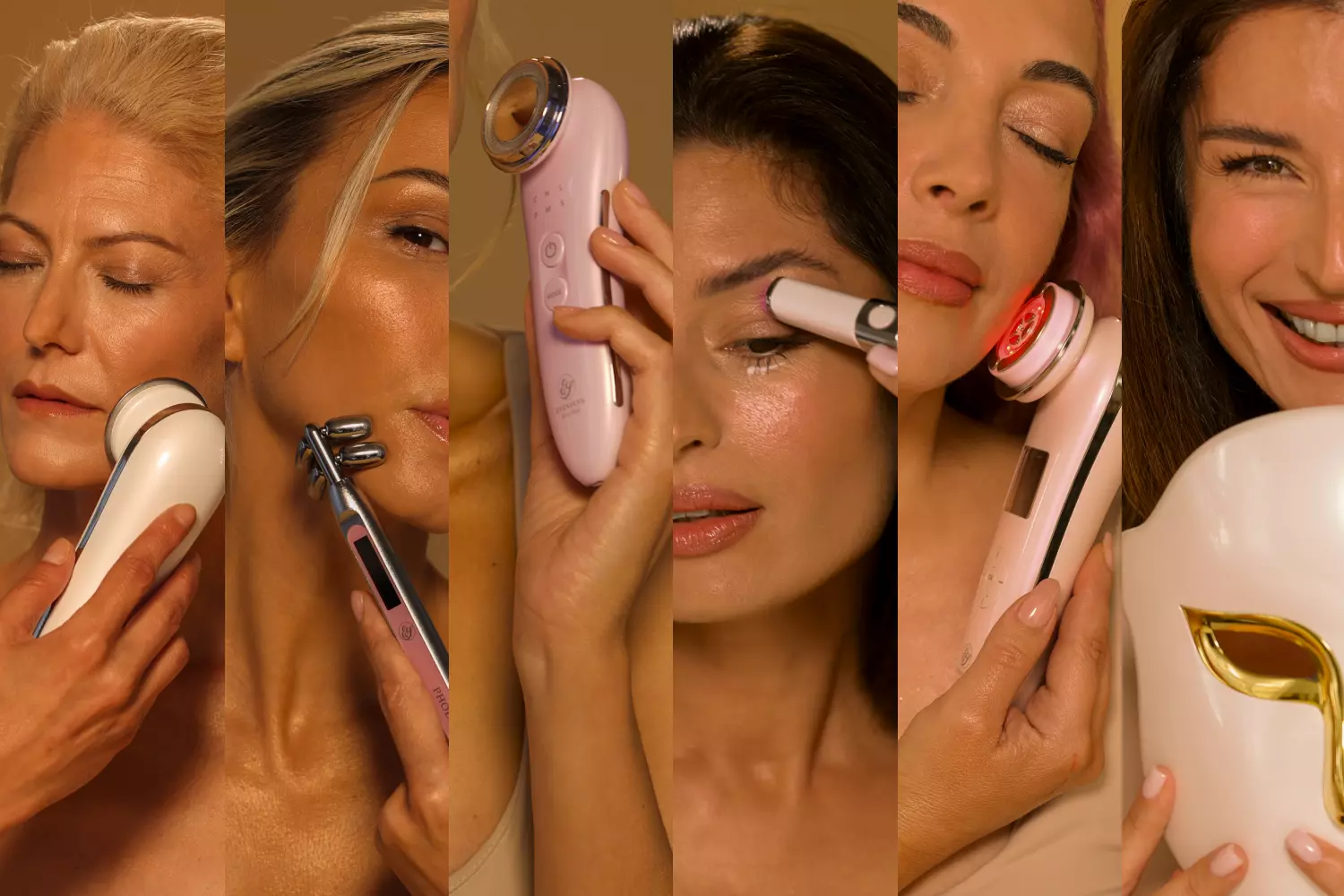
The realistic at-home protocol is RF for dermal collagen rebuild, microcurrent for muscle re-education along the jawline and cheeks where laxity becomes visible, red light therapy for cellular metabolic support, and (optionally) microinfusion to deliver regenerative actives like PDRN, EGF, or copper peptides directly into the dermis. Six months of consistent use produces measurable improvement in skin firmness, texture, and the visible drape of the lower face. It does not restore lost fat compartments, but it can substantially improve the skin envelope quality that determines how the lost volume reads on the face.
The cost differential is meaningful. Annual maintenance with filler, biostimulators, and an in-clinic energy device for a GLP-1 patient typically runs $8,000 to $15,000 per year. A complete at-home stack runs $700 to $1,200 once plus around $200 a year in serums and replacement parts. Over five years, the at-home approach addresses the cellular mechanism for roughly 4 to 7% of the cost of a full clinical maintenance schedule.
What at-home cannot do is replace severe volume loss. Patients with dramatic mid-face hollowing or temporal concavity from significant weight loss will need filler, biostimulator, or fat grafting to restore the architecture. The at-home protocol becomes the long-term skin quality work that supports those volume restorations and addresses the underlying cellular mechanism.
Part 1: What's actually happening to your face on GLP-1 medications
If you only read one section of this article, this is the one. The mechanism determines which intervention will actually help.
The volume loss data (well-documented)
The 2025 Vanderbilt study by Sharma and colleagues (Otolaryngology-Head and Neck Surgery 173(2):360-366, PMID 40407186) is the strongest objective measurement of GLP-1 facial volume loss to date. The researchers reviewed 20 patients with CT or MRI imaging both before and after starting GLP-1 receptor agonists. Average weight loss was 11 kg over 321 days. Median total midfacial volume decreased by 9% (interquartile range 3% to 14%). Median superficial fat compartment volume decreased by 11% (IQR 5% to 15%). Median deep fat compartment volume decreased by 7%, but with a much wider IQR of −20% to 15%, meaning some patients actually gained deep compartment volume while others lost substantially more. Linear regression confirmed approximately 7% loss of midfacial volume per 10 kg of weight loss, with the loss concentrated in superficial fat pads. The wide variability in deep compartment response is one reason the literature emphasizes superficial compartment loss as the more reliable signal.
The 2024 paper in Aesthetic Surgery Journal by Ridha, Fabi, Zubair, and Dayan (44(11):NP809-NP818, PMID 38874170) reviewed the broader anatomical pattern. Their finding: the most pronounced losses occur in the medial cheek, sub-orbicularis oculi (under-eye), and temporal fat pads. This is the anatomical pattern that produces the characteristic "Ozempic face" appearance: hollow temples, flattened cheeks, deepened nasolabial folds, sunken under-eyes, and a more visible jawline edge that often reads as jowling.
Two industry data points add useful market context. The 2024 American Academy of Facial Plastic and Reconstructive Surgery member survey (released February 4, 2025) reported a 50% rise in fat grafting procedures, attributed largely to GLP-1 patients. The 2026 Allergan Aesthetics healthcare provider survey (March 4, 2026 press release) reported 61% of GLP-1 patients experiencing midface volume loss, 50% experiencing skin laxity, and 35% experiencing facial wrinkles or folds as their primary aesthetic concerns.
The cellular mechanism (hypothesis-stage but increasingly cited)
The more important finding for at-home treatment selection is that GLP-1 receptor agonists may age the face through pathways beyond fat loss alone. Two 2025 reviews, Paschou IA et al. in Endocrine (89(3):680-685, PMID 40498168) and Ridha Z et al. in Aesthetic Surgery Journal (PMID 38874170), consolidated the laboratory evidence on this. Key proposed mechanisms include:
GLP-1 receptors on adipose-derived stem cells (ADSCs). Per the Paschou 2025 review, ADSCs reside in the dermal white adipose tissue (DWAT) layer and play a role in skin regeneration by secreting growth factors, cytokines, and signaling molecules that maintain fibroblast activity. The review describes that GLP-1 receptor activation on these cells may inhibit their proliferation and differentiation, reduce their production of protective cytokines, and increase oxidative stress on neighboring fibroblasts. The Paschou paper directly states: GLP-1 receptor agonists "can act on adipose-derived stem cells (ADSC) and fibroblasts, that present GLP-1R on their surface. Stimulation of the receptor reduces the ability of ADSC to produce protective cytokines."
The primary mechanistic source for these claims is Cantini et al. 2015 (Mol Cell Endocrinol 402:43-50, PMID 25575456), an in vitro study of human adipose stem cells isolated from subcutaneous adipose tissue of obese patients undergoing bariatric surgery. The researchers reported that liraglutide at 10 to 100 nM significantly inhibited ASC proliferation and viability (45% and 50% inhibition at 10 nM and 100 nM after 6 days of culture), with the effect reversed by the GLP-1R antagonist exendin 9-39 (confirming receptor-mediated action). Glucose uptake was reduced in a dose-dependent manner. This is the foundational paper that established the GLP-1R-mediated suppression of human adipose stem cell function and is cited extensively across subsequent reviews including Paschou 2025 and Ridha 2024. It is in vitro, on subcutaneous (not facial dermal) adipose stem cells, but it establishes the molecular plausibility of the mechanism subsequent reviews extrapolate to facial skin.
Reduced ATP production in skin cells. The Paschou review noted GLP-1 receptor activation may reduce glucose uptake in adipose-derived stem cells, which would reduce ATP production and increase apoptosis (programmed cell death). ATP is the cellular energy currency that powers all repair and synthesis activity in the dermis.
Indirect reduction in local estrogen production. The Paschou review identified that GLP-1 receptor activation on dermal adipose stem cells may reduce local estrogen production from DWAT. Estrogen is a primary stimulator of fibroblast collagen synthesis, which is part of why post-menopausal women experience accelerated skin collagen loss. This indirect mechanism may amplify the dermal aging effect.
Possible effects on keratinocytes. The literature here is genuinely mixed. Nagae et al. 2018 (Diabetes Research and Clinical Practice, PMID 30367901) demonstrated GLP-1R expression in HaCaT keratinocytes and reported that liraglutide upregulated keratinocyte migration via PI3K/Akt activation. Other studies have not confirmed GLP-1R expression in keratinocytes under all conditions. The 2025 Semersky et al. paper in Aesthetic Surgery Journal Open Forum (doi:10.1093/asjof/ojaf030) hypothesized that long-term GLP-1RA use may produce skin atrophy through a mechanism similar to glucocorticoid-induced thinning, citing the Nagae 2018 work and other in vitro evidence. As of early 2026, the keratinocyte mechanism for GLP-1 facial aging specifically remains hypothesis-stage rather than settled.
AGE/RAGE pathway interaction. The Paschou 2025 review also raised the possibility that GLP-1 receptor agonists interact with advanced glycation end products and their receptors (AGEs/RAGE), which are independently implicated in skin aging.
What's verified versus what's still being studied
Verified by direct human imaging studies. Volume loss in midfacial fat compartments correlated with weight loss magnitude. Pattern of greater superficial than deep compartment loss. 7% midfacial volume loss per 10 kg of body weight loss.
Supported by review consolidation of in vitro and animal evidence, but not yet by direct human dermal histology comparing pre- and post-GLP-1 skin samples. The cellular mechanism: ADSC suppression, indirect estrogen reduction, possible keratinocyte effects. Claims about these mechanisms should be read as plausible and increasingly cited, not as established consensus on quantitative human in-vivo significance.
Practical clinical observation, multiple specialty surveys. The visible "Ozempic face" pattern, the demand for treatment, and the response to combination interventions.
This honest framing matters because treatment recommendations should be calibrated to the strength of evidence behind them. Volume restoration via filler or fat grafting is supported by the strongest evidence. Energy-based device protocols for the cellular mechanism are supported by mechanistic plausibility plus general home-device evidence (Sadick & Harth 2016, Bu et al. 2024, Cohen et al. 2022) but not by GLP-1-specific clinical trials, which have not yet been conducted at scale.
Why this matters for treatment selection
If GLP-1 facial aging were purely volume loss, the answer would be filler and the conversation would be over. Because the underlying mechanism may include accelerated cellular skin aging beyond what filler can address, the right intervention also has to include treatments that stimulate fibroblast activity and support cellular energy production. That second category is where at-home energy-based devices belong.
"The conversation I have with most GLP-1 patients goes something like this: they expect filler will fix everything, and what I have to explain is that filler addresses one mechanism while the medication is creating two. The patients who do best are the ones who accept that daily skin work matters as much as occasional clinic visits. The medication is causing an ongoing process; the response has to be ongoing too. Six months of consistent at-home protocol with selective clinical filler, when needed, produces a meaningfully better outcome than even an aggressive filler-only approach, and at a fraction of the cost."Dr. Lisa Hartford, MD, Chief Dermatology Advisor at EvenSkyn
Part 2: Every Ozempic face treatment compared
The realistic landscape has eight categories of intervention. The right answer depends on the severity of your changes, your timeline, your budget, and whether you plan to stay on the medication.
Surgical and clinical interventions
Facial fat grafting (autologous fat transfer). The 2024 AAFPRS member survey documented a 50% increase in facial fat grafting procedures, driven largely by GLP-1 patients. The procedure harvests fat from areas where it remains abundant (typically the abdomen or thighs), processes it, and reinjects it into depleted facial areas. Beyond simple volume restoration, the transferred fat contains stem cells and growth factors that improve skin quality over time. Cost: $5,000 to $15,000. Recovery: 2 to 3 weeks. Results: durable, often lasting 5 to 10 years if weight remains stable. Most surgeons recommend waiting 6 months at stable weight before fat grafting.
Hyaluronic acid (HA) dermal fillers. The 2026 Allergan Aesthetics data identified HA fillers as the top nonsurgical modality used by 81% of healthcare providers treating GLP-1 patients. Fillers placed at the cheekbones, mid-face, temples, jawline, and tear troughs restore the architectural support that lost fat compartments previously provided. Cost: $600 to $1,200 per syringe. For context on filler volume needs: McKinsey 2025 reported that 61% of GLP-1 aesthetic patients have lost 11 to 30% of their body weight, a magnitude of loss that typically requires multiple syringes for full initial correction (clinical practice patterns reported by aesthetic providers suggest 4 to 8 syringes initially, then 2 to 4 syringes annually for maintenance, though syringe counts vary substantially by individual anatomy and zones treated). Annual cost in maintenance: roughly $1,500 to $4,500 depending on filler type and number of zones treated.
Biostimulators (Sculptra, Radiesse, Ellanse). Poly-L-lactic acid (Sculptra) and calcium hydroxylapatite (Radiesse) are biostimulators that trigger gradual collagen synthesis rather than acting as immediate volume. Increasingly used for GLP-1 patients because they address both volume and the underlying collagen mechanism. Cost: $700 to $1,200 per vial, typically two to four vials over three sessions. Results develop over three to six months and last 18 to 24 months. Galderma reported double-digit global growth for Sculptra in 2024.
Energy-based clinical devices (Sofwave, Ultherapy, Thermage, Morpheus8). These address skin laxity but not volume. Increasingly recommended as a complement to filler in GLP-1 patients. Cost: $2,000 to $5,000 per session, typically annually. The 2025 Journal of Clinical Medicine paper by Catalfamo, De Ponte, and De Rinaldis (14(15):5269, PMID 40806889) reported a case series of 24 patients (19 women, 5 men, ages 27-65) treated with subdermal bipolar radiofrequency for Ozempic face using the BodyTite device. Most patients reported high satisfaction (≥8 on a 0-10 scale), with transient cutaneous erythema as the only adverse event observed. The authors concluded subdermal bipolar RF represents a safe, low-risk option for the skin laxity component of Ozempic face.
Surgical facelift. For severe cases with significant excess skin, especially in older patients (60+), surgery becomes the only intervention that fully addresses the architecture. Cost: $8,000 to $20,000. Recovery: 2 to 4 weeks. Results: 8 to 12 years.
At-home interventions
Radiofrequency (RF) at home. Addresses the dermal collagen synthesis pathway. Sadick and Harth 2016 in Journal of Cosmetic and Laser Therapy (18(8):422-427, PMID 27351303, 47 enrolled, 45 completed) documented statistically significant improvements in marionette lines, jawline lift, and facial lift, plus skin firmness, elasticity, texture, and dermal collagen content with 12 weeks of multisource home RF treatment using the NEWA 3DEEP device. Disclosure: this study was published with co-author Yoram Harth listed with affiliation to EndyMed Medical, the manufacturer of the device tested. The article methodology and outcomes remain peer-reviewed published evidence, but readers should weigh industry-funded study findings with appropriate context.
The study did not include GLP-1 patients specifically, but the mechanism of RF (controlled dermal heating triggering fibroblast collagen synthesis) is exactly what GLP-1 patients with proposed cellular mechanism effects would need to support skin quality.
Microcurrent at home. Per Cheng et al. 1982 (Clinical Orthopaedics and Related Research 171:264-272, PMID 7140077), direct electric currents ranging from 10 microA to 1000 microA increased ATP concentrations in rat skin tissue, with peak ATP production reported at 500 microamps and decline above that threshold per secondary literature analysis. Amino acid transport through the cell membrane was stimulated between 100 microA and 750 microA. This matters for GLP-1 patients because the Paschou 2025 review identified reduced cellular ATP production as one of the proposed mechanisms by which GLP-1 medications may affect skin. Microcurrent provides an external pathway for ATP elevation. It also re-educates muscle tone along the jawline and cheek where laxity becomes visible after fat compartment descent.
Red light therapy at home. Wunsch and Matuschka 2014 in Photomedicine and Laser Surgery (32(2):93-100, PMC3926176) documented statistically significant improvements in skin complexion, fine lines, wrinkles, skin roughness, and intradermal collagen density in subjects treated with red and near-infrared light. The mechanism is photobiomodulation through cytochrome c oxidase in the mitochondrial respiratory chain, which boosts ATP production. For GLP-1 patients dealing with proposed reductions in cellular energy in the skin, red light therapy is mechanistically aligned support.
Microinfusion (the optional fourth layer). For users who want to accelerate the regenerative response, at-home microinfusion delivers PDRN, EGF, or copper peptide serums into the upper dermis through micro-channels, bypassing the stratum corneum that blocks transdermal absorption of larger molecules. Squadrito et al. 2017 (Frontiers in Pharmacology 8:224, PMC5405115) established that PDRN binding to A2A receptors on fibroblasts triggers VEGF upregulation, fibroblast proliferation, and the M1-to-M2 macrophage shift that supports tissue regeneration. For GLP-1 patients with potentially suppressed fibroblast support from ADSCs, this provides direct receptor-level stimulation that operates through a different pathway than the GLP-1 mechanism.
The eight-option comparison
| Treatment | Addresses volume? | Addresses skin quality? | Cost | Maintenance |
|---|---|---|---|---|
| Fat grafting | Yes (durable) | Partial (via stem cells) | $5,000-$15,000 | Every 5-10 years |
| HA filler | Yes (temporary) | No | $1,500-$4,500/year maintenance | Annual |
| Biostimulators (Sculptra) | Partial | Yes (collagen) | $1,400-$4,800 per series | Every 18-24 months |
| Sofwave/Ultherapy | No | Yes (laxity) | $2,000-$4,500 per session | Annual |
| Thermage/Morpheus8 | No | Yes (collagen + laxity) | $1,500-$5,000 per session | Annual or per series |
| Surgical facelift | Partial (skin removal) | Yes | $8,000-$20,000 | 8-12 years |
| At-home RF + microcurrent + LED | No | Yes (collagen + ATP + laxity) | $700-$1,200 once + $200/yr | Continuous use |
| At-home microinfusion (PDRN, EGF, GHK-Cu) | No | Yes (cellular signaling) | $400-$800 once + $300/yr | Continuous use |
Five-year cost reality
At-home stack: roughly $1,700 to $2,700 over five years. Annual filler at 2 to 4 syringes for maintenance: $7,500 to $22,500 over five years. Annual Ultherapy or Thermage on the lower face: $10,000 to $22,500 over five years. Combined clinical maintenance with filler, biostimulators, and energy device: $40,000 to $75,000 over five years.
These numbers reflect typical 2026 pricing in major US metros. The at-home approach is roughly 4 to 7% of the combined clinical maintenance cost over a five-year horizon, while addressing the cellular mechanism that filler alone does not address.
The realistic strategy by GLP-1 patient profile
Patients on continued GLP-1 therapy (long-term). The proposed cellular suppression is ongoing, so the right approach is continuous skin quality work. At-home devices are well-suited because they work daily for 5 to 10 years at low cost. Filler may still be needed annually for volume, but the skin quality piece is best handled by daily at-home work.
Patients planning to discontinue GLP-1 therapy. The cellular mechanisms are likely reversible once the medication is stopped, but the visible aging that accumulated during treatment will not spontaneously reverse. Six months of intensive at-home protocol after stopping the medication produces measurable improvement; many patients also benefit from one round of clinical biostimulator treatment to accelerate the recovery.
Patients on weight maintenance dose. The most common scenario in 2026. The slowed metabolic suppression is ongoing but less intense. Daily at-home work plus annual touch-up filler at the cheekbones and temples is typically sufficient.
Patients with dramatic volume loss (lost 50+ pounds). The architectural changes are too significant for at-home alone. The realistic path is fat grafting or substantial filler for volume restoration, plus consistent at-home protocol for skin quality. The at-home work supports the architectural restoration and addresses the cellular mechanism.
Part 3: The four mechanisms at-home devices address
This section is the practical case for why at-home devices are highly relevant for GLP-1 patients. It is also why filler alone consistently disappoints patients on the medication.
Mechanism 1: RF triggers fibroblast collagen synthesis
RF works by passing controlled electromagnetic energy through the skin, generating thermal energy at depths of 1 to 4mm that brings dermal temperature to roughly 40 to 45°C. At this temperature, two things happen. Collagen fibers contract immediately, producing visible short-term firming. More importantly, the thermal stress triggers fibroblasts to enter their wound-healing response. Over the following 8 to 12 weeks, those fibroblasts produce new collagen and elastin to remodel the dermal matrix.
The Sadick and Harth 2016 study (PMID 27351303) documented this pathway specifically with home RF. SIAscope objective measurement confirmed dermal collagen content increased by a statistically significant amount; Cutometer MPA 580 measurements confirmed firmness and elasticity gains.
The pathway is independent of the GLP-1 receptor activity. RF stimulates dermal fibroblasts directly through thermal stress; the GLP-1 mechanism's proposed effect is on adipose-derived stem cells in the dermal white adipose tissue layer that support fibroblasts. RF therefore offers a parallel pathway for activating the same downstream collagen-producing machinery, even if the upstream supportive ADSC pathway is suppressed.
The 2024 systematic review by Bu et al. (Clinical, Cosmetic and Investigational Dermatology, PMID 38476342) consolidated 18 clinical studies of home beauty devices and concluded RF safely improves skin aging markers, with transient redness as the only significant adverse reaction. The 2022 Cohen et al. review in Archives of Dermatological Research (314:239-246) gave home RF a Grade B evidence-based recommendation for rhytides and wrinkles.
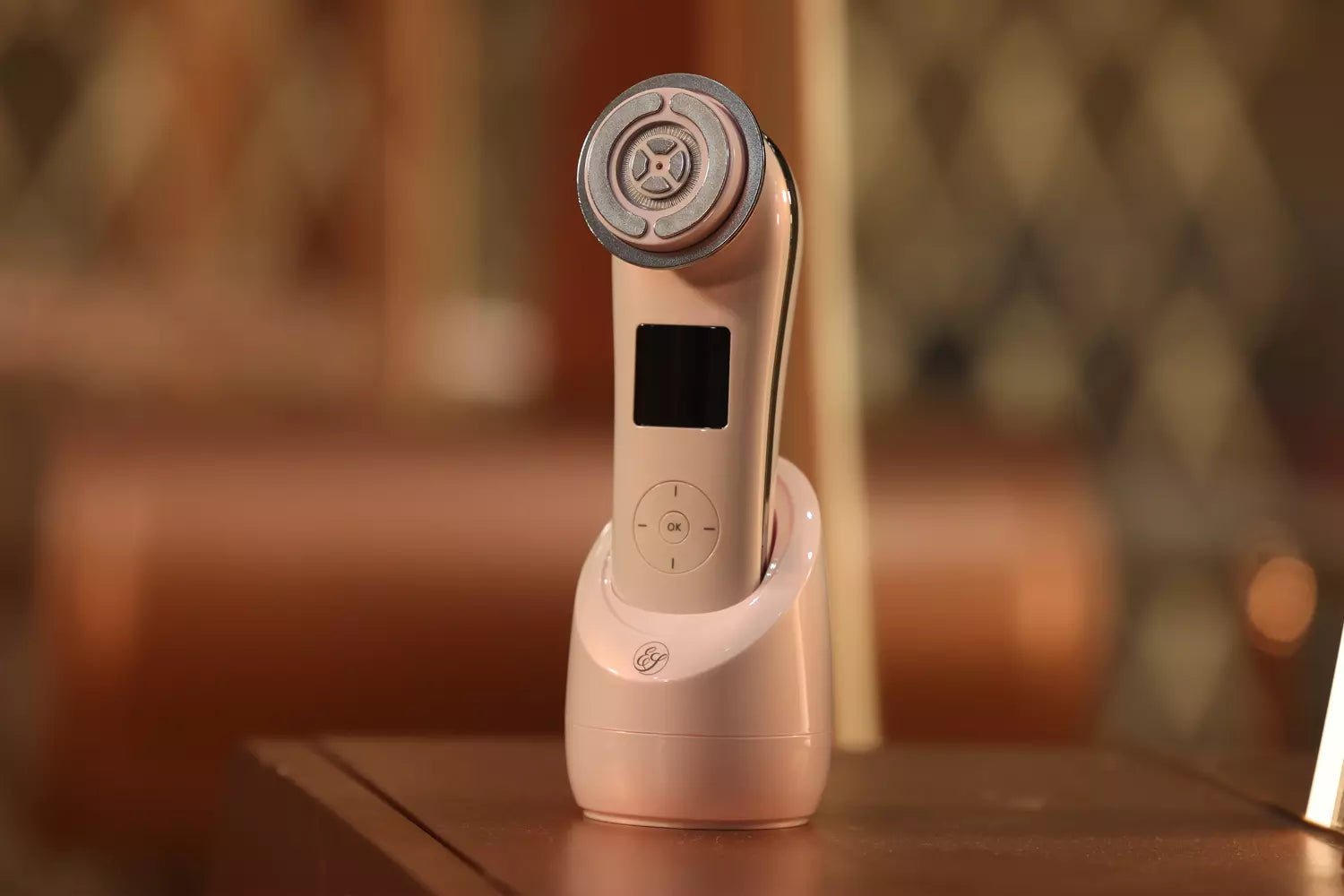
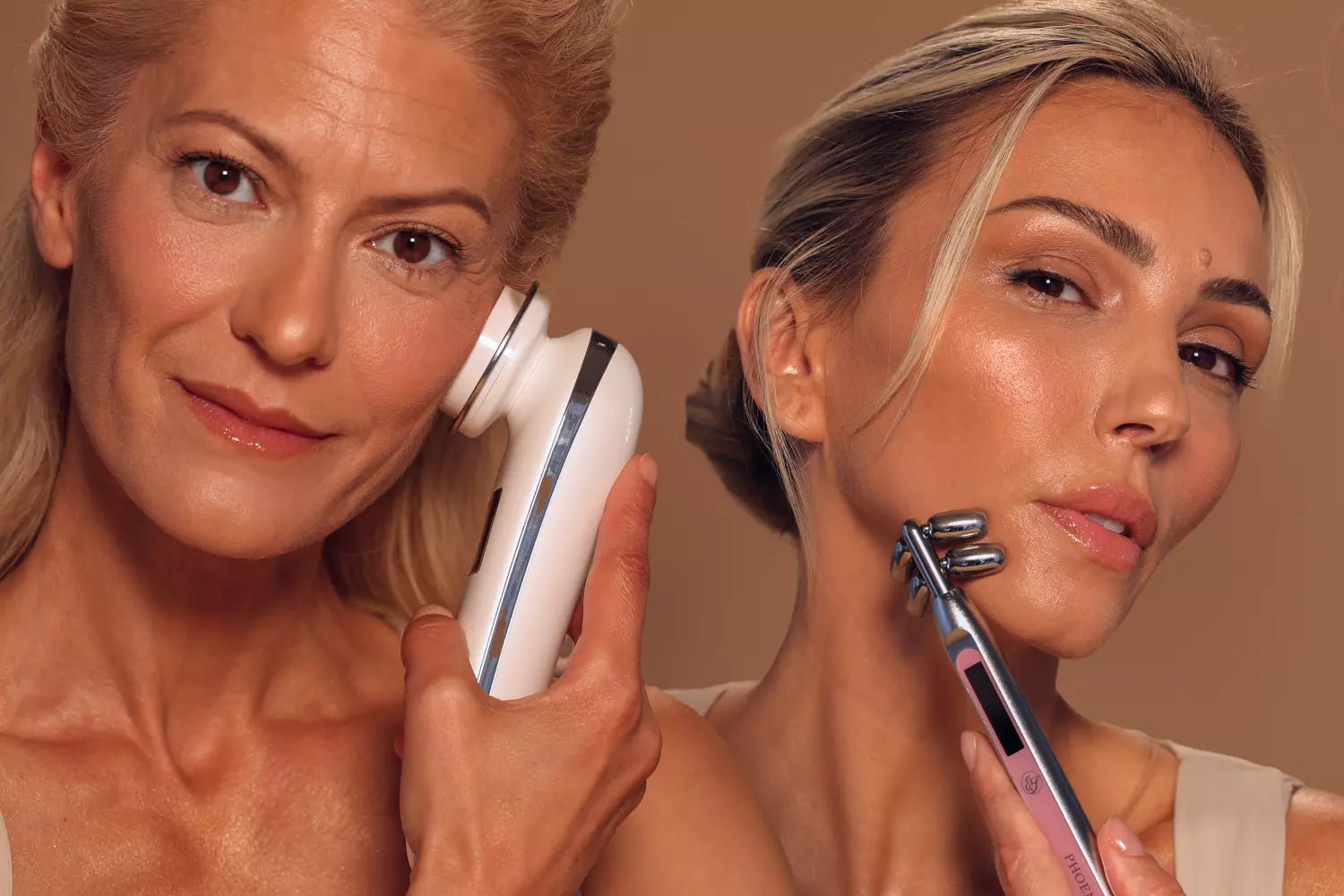
Practical application for GLP-1 patients: 3 RF sessions per week of 12 to 15 minutes each, focusing on the mid-face, jawline, and any zone showing volume loss (most often temples, cheeks, marionette lines, and pre-jowl sulcus). The EvenSkyn Lumo+ RF/microcurrent/red-light handset is built for this integrated protocol because it combines all three modalities in a single device, which substantially reduces the friction of running a multi-modality routine consistently. Other RF options include NEWA 3DEEP (the device used in the Sadick and Harth 2016 study), TriPollar STOP V, and Solawave Wand Pro.
Mechanism 2: Microcurrent supports cellular ATP
The Cheng 1982 study (PMID 7140077) is the foundational reference. Direct electric currents ranging from 10 microA to 1000 microA were applied to rat skin tissue, with peak ATP concentration increases reported at the 500 microamp range and a decline at higher current levels per secondary analysis. ATP is the cellular currency that powers every metabolic activity in skin: fibroblast collagen synthesis, keratinocyte turnover, melanocyte function, and hair follicle activity all require sustained ATP production.
The relevance to GLP-1 patients: the Paschou 2025 review identified reduced cellular ATP production as one of the proposed mechanisms by which GLP-1 medications may affect skin. The medication appears to reduce glucose uptake in adipose-derived stem cells, which would reduce their ATP production, which would reduce their capacity to support fibroblast activity. Microcurrent provides an external pathway for ATP elevation that does not depend on glucose uptake.
The visible result of microcurrent is muscle re-education along the platysma, the depressor anguli oris, the buccinator, and the zygomatic muscles. This produces the toning and contour effect that the brand category is known for. For GLP-1 patients specifically, this matters because the laxity that becomes visible after fat compartment descent is partly a muscle tone problem alongside a skin envelope problem. Microcurrent addresses the muscle tone piece.
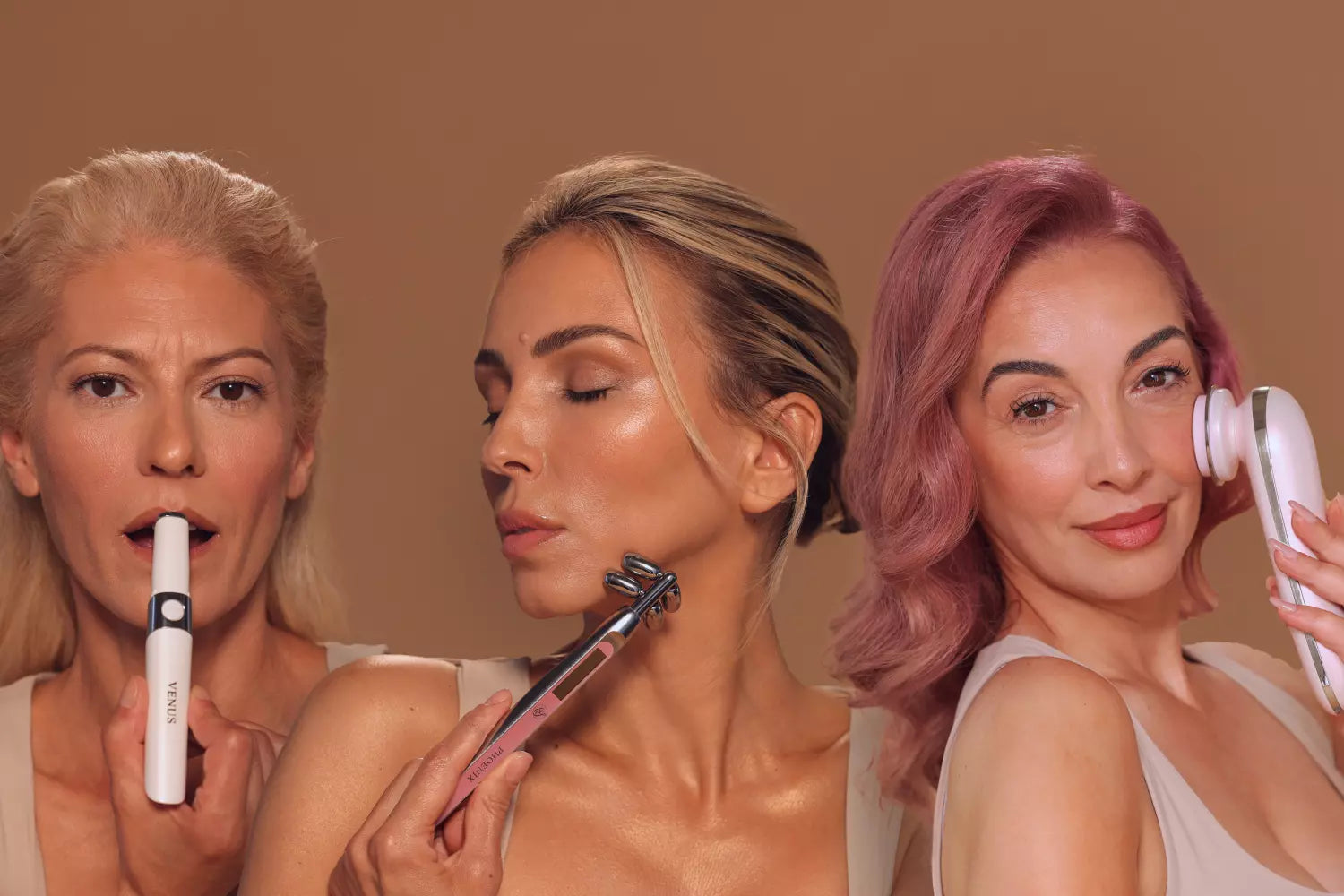
Practical application: 3 microcurrent sessions per week of 10 minutes each, focusing on the jawline, cheek, and mid-face zones. The EvenSkyn Phoenix microcurrent bar is built for the upward-and-outward glide pattern that matters for GLP-1 patients (jaw lift and mid-cheek contour restoration). Strong direct competitors include NuFACE Trinity+ (long-standing market leader, FDA-cleared microcurrent only) and ZIIP Halo (smaller, app-driven, multiple programs).
Mechanism 3: Red light therapy supports mitochondrial energy production
Photobiomodulation operates through cytochrome c oxidase in the mitochondrial respiratory chain. Red light at 633 to 660nm penetrates the upper to mid dermis. Near-infrared at 830 to 850nm penetrates more deeply. Both wavelengths boost ATP production at the mitochondrial level and trigger downstream cellular responses including increased fibroblast activity, accelerated tissue repair, and reduced inflammatory cytokine production.
For GLP-1 patients dealing with potential reductions in cellular energy in the skin, red light therapy is mechanistically aligned support. It is not a primary intervention for severe volume loss, but it amplifies the effects of RF and microcurrent and provides ongoing cellular support.
The Wunsch and Matuschka 2014 study (PMC3926176) documented statistically significant improvements in skin complexion, fine lines, wrinkles, and intradermal collagen density measured by ultrasonography in subjects treated with red and near-infrared light.
Practical application: 4 sessions per week of 10 to 15 minutes each, ideally immediately after RF treatment when skin is most receptive. The EvenSkyn Mirage red light therapy mask delivers both 633nm and 850nm wavelengths in a face-shaped mask format that covers the temples, mid-cheek, and jawline zones simultaneously. Strong direct competitors include Omnilux Contour Face (medical-grade, FDA-cleared) and CurrentBody Series 2 (well-reviewed mass-market option).
Mechanism 4: Microinfusion delivers regenerative actives (the optional fourth layer)
The optional but increasingly compelling layer for GLP-1 patients. Microinfusion uses ultra-fine dissolving microneedles or stamp devices to create temporary micro-channels in the skin, allowing topical actives to bypass the stratum corneum and reach the upper dermis where they can interact with fibroblasts directly.
For GLP-1 patients, the most relevant actives are:
PDRN (polydeoxyribonucleotide). Squadrito et al. 2017 (PMC5405115) established the mechanism: PDRN binding to A2A receptors on fibroblasts triggers VEGF upregulation, fibroblast proliferation, and the M1-to-M2 macrophage shift that supports tissue regeneration. For GLP-1 patients with potentially suppressed fibroblast support, this provides direct receptor-level stimulation through a pathway independent of the GLP-1 receptor.
EGF (epidermal growth factor). Stimulates keratinocyte proliferation and accelerates skin barrier repair. The Semersky 2025 paper hypothesized that GLP-1 medications may suppress keratinocyte proliferation; if the keratinocyte mechanism is supported by further research, EGF would directly counter that effect.
Copper peptides (GHK-Cu). Trigger collagen and elastin synthesis, anti-inflammatory effects, and tissue remodeling. The molecular signaling pathway is independent of the GLP-1 mechanism, providing complementary fibroblast activation.
For our complete depth on this topic, see our at-home microinfusion pillar guide and the PDRN-specific protocol.
Part 4: The six-month at-home protocol for GLP-1 patients
This protocol is calibrated for GLP-1 patients specifically. It differs from a general anti-aging protocol in two ways. First, the cadence is more conservative in early phases because skin under proposed GLP-1 metabolic suppression may have reduced capacity for intense remodeling, which means more aggressive protocols can produce inflammation rather than collagen synthesis. Second, the focus zones are weighted toward the areas where GLP-1 patients show the most change: temples, mid-cheek, jawline, marionette lines, and pre-jowl sulcus.
Phase 1: Weeks 1 to 2 (acclimation)
The first two weeks establish that the skin tolerates the protocol. For GLP-1 patients, this matters more than for general users.
In days 1 through 7, run one RF session of 8 to 10 minutes at the lowest intensity, focusing on the cheek and jawline zones only. Add one 5-minute microcurrent session to the same zones. Use red light therapy every other day for 10 minutes. Apply broad-spectrum SPF 30 minimum daily.
In days 8 through 14, increase to two RF sessions per week (10 minutes each, low to medium intensity), two microcurrent sessions (5 to 7 minutes each), and red light every other day (10 to 15 minutes). On non-RF nights, you can introduce a quality retinoid (0.025 to 0.05 percent tretinoin or 0.5 to 1.0 percent retinol).
If skin tolerates without redness lasting more than two hours, prolonged stinging, or bumps, proceed to Phase 2.
Phase 2: Weeks 3 to 8 (build-up)
This is where the muscle work and dermal stimulation start producing visible change. Consistency matters more than intensity here.
Weekly cadence: three RF sessions, three microcurrent sessions, four LED sessions.
Monday is RF on the mid-face and jawline for 12 to 15 minutes at medium intensity, immediately followed by 15 minutes of LED red light. Tuesday is full-face microcurrent for 10 minutes, focusing on jawline upward strokes and mid-cheek lifting movements. Wednesday repeats Monday. Thursday repeats Tuesday. Friday repeats Monday once more. Saturday is microcurrent again with optional LED. Sunday is a rest day.
Daily habits during Phase 2 include sunscreen every morning, retinoid every night except RF nights, vitamin C serum every morning before sunscreen, hydrating moisturizer with peptides after every device session, sleeping on your back when possible, and water intake of two to three liters daily.
Phase 3: Weeks 9 to 16 (consolidation)
Structural changes begin to compound. Stay consistent. Most people who quit at-home protocols quit between weeks 6 and 10 because early gains plateau before the deeper changes appear.
Same weekly cadence as Phase 2 with intensity increased: RF medium to medium-high if tolerated, longer microcurrent sessions (12 to 15 minutes), same LED dosing.
This is also the phase to add microinfusion sessions every two weeks with a regenerative serum (PDRN, EGF, or GHK-Cu copper peptides) on Tuesday or Thursday following the microinfusion protocol from our pillar guide.
By week 12, jaw definition is meaningfully sharper. The mid-face appears lifted in photographs. Marionette lines are softer. The skin envelope feels firmer to the touch.
Phase 4: Weeks 17 to 24 (peak development)
Structural change consolidates. Continue the same cadence; results continue to improve at a slower rate.
By week 24, expect to see meaningful improvement in skin firmness across the mid-face and jawline, sharper jaw definition, partial filling of the pre-jowl sulcus (from improved skin envelope tone, not volume), reduced marionette line depth, and overall texture and tone improvement. The volume loss itself is not addressed, but the skin envelope quality that determines how that volume loss reads on the face is meaningfully better.
Phase 5: Maintenance from week 25 onward
This is the phase most people get wrong, and for GLP-1 patients it matters even more because the underlying medication is still active. Stopping the protocol means the proposed cellular suppression resumes its full effect.
Maintenance cadence: two RF sessions per week, two microcurrent sessions per week, two to three LED sessions per week, and microinfusion every two weeks if you added it in Phase 3. This is the long-term commitment for as long as you remain on GLP-1 therapy.
If you discontinue the GLP-1 medication, continue the maintenance protocol for another 12 months. The cellular mechanisms likely take 6 to 12 months to fully reverse after discontinuation, and the skin work supports that recovery period.
Part 5: Targeted technique for the five GLP-1 hot zones
Generic facial treatment patterns produce generic results. For GLP-1 patients specifically, five zones show the most pronounced changes. Targeting these directly produces meaningfully better outcomes.
Zone 1: The temples
Temple hollowing is one of the most distinctive and aging features of GLP-1 face. Per the Ridha 2024 Aesthetic Surgery Journal paper (PMID 38874170), the temporal fat pad is among the most affected compartments. The visible result is shadowing along the lateral brow and a more visible bony orbital rim.
For RF, treat the temple area with reduced intensity (skin is thin here and vasculature is dense). 6 to 8 minutes per side at low to medium intensity. For microcurrent, use upward and lateral strokes from the lateral brow toward the hairline. LED penetrates well in this thin-skin zone; longer dwell time produces stronger results.
What at-home cannot do: restore the volume in the temporal fossa itself. For dramatic temple hollowing, this is the most common first filler placement for GLP-1 patients. The at-home work supports the skin envelope quality around the filler.
Zone 2: Mid-cheek and zygomatic
Mid-cheek volume loss is the single most common complaint in GLP-1 patients. Per Ridha 2024 (PMID 38874170), the medial cheek fat compartment is among the most affected, producing the flattened cheek and deepened nasolabial fold appearance.
For RF, glide upward and laterally from the corner of the mouth toward the temple, treating the entire mid-cheek area. 90-second passes with three to four passes per side, medium intensity. For microcurrent, place electrodes at the nasolabial fold (origin of lift) and the temple (insertion point), then perform slow, smooth glides from lower to upper position, eight to ten strokes per side. Use standard mask coverage during the after-RF LED phase.
This zone responds well to microinfusion every two weeks with a copper peptide or PDRN serum applied with the microinfusion protocol.
Zone 3: The jawline and pre-jowl sulcus
The pre-jowl sulcus (the small hollow immediately in front of the jowl) becomes more pronounced as mid-face fat descends and the lower face skin envelope loses tone. The 2026 Allergan Aesthetics data identified skin laxity (50% of GLP-1 patients) and wrinkles or folds (35%) as primary concerns alongside volume loss; the jawline is where these become visually obvious.
For RF, run slow, repeated passes at medium intensity directly over the pre-jowl sulcus and along the entire jawline. The marginal mandibular branch of the facial nerve courses through this area; do not use aggressive intensity. For microcurrent, use lift strokes from below the jaw upward toward the ear. The platysma's loose attachment to the mandible is the muscle target.
For deep dive on this zone specifically, see our jowls treatment guide, which addresses the same anatomical patterns from a non-GLP-1 angle.
Zone 4: Marionette lines and corners of the mouth
The line from the corner of the mouth toward the jaw deepens dramatically with mid-face fat descent. This is one of the most aging features of GLP-1 face and one that responds well to combined at-home work.
For RF, run slow passes along the line itself, plus passes perpendicular to it (across the line) to soften the visual impression. For microcurrent, do targeted depressor anguli oris muscle work with gentle vertical strokes from the corner of the mouth downward. LED produces a strong response in this zone. Microinfusion with copper peptides works well here.
Zone 5: Under-eye and tear trough
Per the Ridha 2024 paper (PMID 38874170), the sub-orbicularis oculi fat (SOOF) compartment is among the most affected by GLP-1 weight loss. The result is hollowing under the eye that produces shadowing and the "tired" appearance even when well-rested.
This zone has thinner skin than any other facial zone (roughly 0.3 to 0.8mm vs 2mm on the cheek), and devices calibrated for the cheek can be too aggressive here. The right approach is a dedicated under-eye device or treatment.
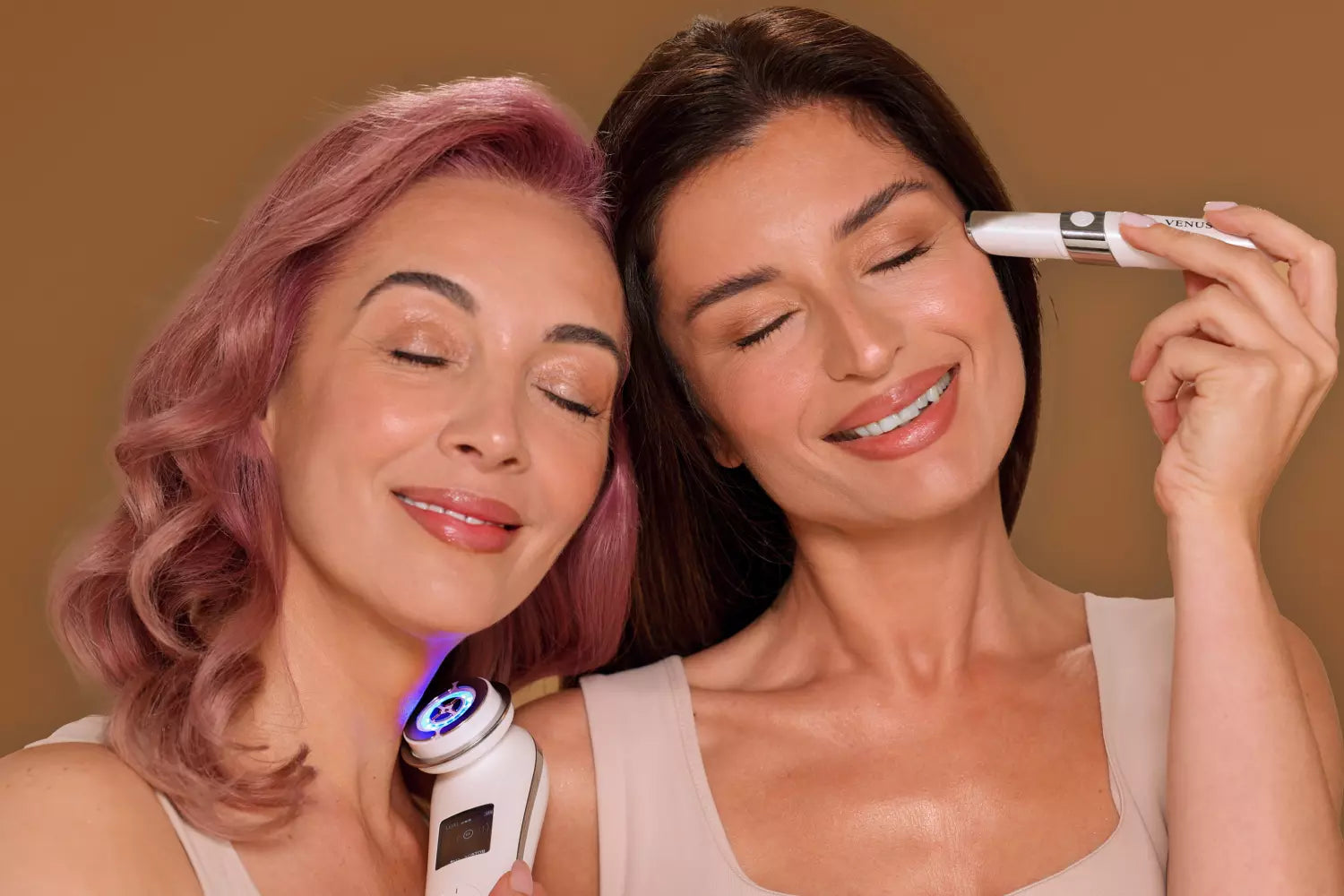
For our complete protocol on this zone, see the Venus eye device approach which uses fractional RF at lower thermal intensity calibrated for periorbital skin. Dedicated under-eye microinfusion patches sized for the periorbital area work better than facial stamps.
Part 6: What to expect and what not to expect
Realistic expectations are critical for GLP-1 patients because misaligned expectations are the most common reason at-home protocols get abandoned. Here is what the protocol can and cannot deliver.
What at-home produces in 6 months
Measurable improvement in skin firmness across the mid-face and jawline. Sharper jaw definition equivalent to 5 to 8 years of perceived age reversal in the lower face specifically. Partial filling of the pre-jowl sulcus (from improved skin envelope tone and platysma re-education, not volume restoration). Reduced marionette line depth. Improved under-eye texture (with appropriate eye-zone device). Overall improvement in skin texture, tone, and radiance throughout the face. Reduced visible crepiness on neck and decolletage if the protocol is extended to those zones.
What at-home does not produce
Volume restoration in fundamentally depleted fat compartments. The temple hollowing, dramatic mid-cheek flattening, and tear trough deepening that come from significant fat loss require filler, biostimulator, or fat grafting. At-home protocols make the skin envelope around these depleted compartments better, but they cannot make the compartments less depleted.
It also cannot reverse skin atrophy that has progressed to severe levels. Patients on GLP-1 medications for 3+ years with significant total weight loss may have skin quality changes that are beyond what at-home alone can address; clinical biostimulator treatment becomes the right next step.
The realistic combination strategy
For most GLP-1 patients with moderate volume loss, the optimal strategy is targeted clinical filler at the highest-impact zones (typically temples, cheekbones, and tear troughs) plus daily at-home protocol for the skin quality work. The clinical work addresses the architectural problem; the at-home work addresses the underlying mechanism. Together they produce results that neither alone can match.
The 2024 Journal of Cosmetic Dermatology commentary by Andriotis and Dayan (PMC11845967) explicitly recommended this combination approach, noting that effective management of facial volume loss, skin laxity, and body contour challenges following GLP-1 weight loss requires a combination of injectable treatments, energy-based devices, and in some cases surgical interventions.
"What the literature is telling us, and what I see borne out in conversations with my colleagues still in active practice, is that the medication is doing two things to the skin and the response has to be ongoing. Six months of consistent at-home protocol with selective clinical filler when needed produces a meaningfully better outcome than even an aggressive filler-only approach. The patients who do best are the ones who accept that the daily skin work matters as much as occasional clinic visits."Dr. Lisa Hartford, MD, Chief Dermatology Advisor at EvenSkyn
Part 7: When to add clinical treatment to the at-home protocol
At-home is the foundation. Clinical adds where at-home cannot reach.
When clinical filler is the right addition
Severe temple hollowing that creates obvious shadowing and ages the upper face. Dramatic mid-cheek flattening where the cheek profile is concave rather than convex. Significant tear trough deepening that creates dark circles regardless of sleep. Pre-jowl sulcus deep enough to cast a visible shadow. These are architectural problems that the at-home work cannot resolve.
A reasonable framework: filler at the highest-impact 1 to 2 zones every 12 to 18 months, plus daily at-home for everything else. Total annual cost: $1,500 to $4,500 in filler maintenance plus $200 to $300 in at-home consumables.
When biostimulator is the right addition
Patients with diffuse skin laxity beyond what at-home alone is improving after 6 months. Patients who have been on GLP-1 therapy for 3+ years and have significant collagen depletion. Patients planning to discontinue the medication who want to accelerate the recovery.
Sculptra typically delivered as 2 to 4 vials over 3 sessions. Cost: $2,000 to $4,000 per series. Results develop over 3 to 6 months and last 18 to 24 months. The at-home protocol continues throughout and supports the biostimulator action.
When in-clinic energy device is the right addition
If at-home progress plateaus after 6 months despite consistent use, a single annual session of Sofwave, Morpheus8, or subdermal bipolar RF (per the Catalfamo 2025 case series) can break through the plateau. The at-home work then maintains the new baseline for the next 12 months.
This is the highest-impact clinical addition for most GLP-1 patients: one $2,500 to $4,000 session per year addresses the structural depth that at-home cannot reach, while $200 per year of at-home consumables maintains the result between clinical visits.
When at-home is enough on its own
Patients with mild volume loss, especially those who started GLP-1 therapy at a high BMI and lost weight gradually. Patients on lower-dose maintenance therapy. Patients who started the at-home protocol early in their GLP-1 journey and prevented severe collagen suppression. For these patients, the at-home protocol alone produces excellent results.
Frequently asked questions
How soon after starting GLP-1 should I begin the at-home protocol? The earlier the better. The proposed cellular mechanisms appear to begin within weeks of starting the medication, even though the visible facial changes take months to appear. Starting the at-home protocol concurrently with the medication is the optimal approach because it counteracts the proposed cellular suppression before significant visible aging accumulates.
Is there research that proves at-home devices help with Ozempic face? Not yet, in the strict sense of GLP-1-specific clinical trials. As of early 2026, no published randomized controlled trial has tested at-home devices in GLP-1 patients specifically. The case for at-home devices in this population rests on three legs: (1) general home device efficacy data (Sadick & Harth 2016, Bu et al. 2024 systematic review, Cohen et al. 2022 Grade B recommendation), (2) the proposed mechanism overlap between what GLP-1 medications appear to suppress and what energy-based devices stimulate, and (3) the Catalfamo 2025 case series (PMID 40806889) showing in-clinic bipolar RF is effective for the skin laxity component of Ozempic face, which suggests the mechanism is RF-responsive even if the at-home device delivers less energy than a clinical equivalent.
Can the at-home protocol prevent Ozempic face entirely? Probably not. The volume loss component is largely unavoidable when significant weight loss occurs. However, the at-home protocol can reduce the cellular skin aging component, which means the volume loss reads as healthier skin draping over a thinner face rather than aged, papery skin draping over a thinner face.
What if I've been on GLP-1 for two years and the changes are already significant? The cellular mechanisms appear reversible to a meaningful extent. Patients who add the at-home protocol after 1 to 2 years of GLP-1 therapy typically see clear improvement at 6 months, with continued improvement through 12 months. Severe accumulated changes may require clinical addition (filler, biostimulator) for the volume component, but the skin quality piece responds even after years of therapy.
Will the protocol still work if I keep losing weight? Yes, but the volume loss continues to compete against the protocol's collagen-building work. The at-home protocol slows the visible aging meaningfully but cannot prevent volume loss from continued weight loss. For patients still actively losing, the strategic answer is consistent at-home work plus delayed filler decisions until weight has been stable for 6 months.
Can I do this protocol while on GLP-1 medication safely? Yes. There are no documented contraindications between GLP-1 medications and home RF, microcurrent, or LED therapy. The mechanisms operate independently. The standard contraindications to home energy devices apply (pacemakers, implanted electronic devices, pregnancy, active skin cancer in treatment zones), but GLP-1 use itself is not a contraindication.
Should I tell my GLP-1 prescriber about the at-home protocol? Yes, but mainly so they have a complete picture of your skincare. There are no drug interactions or systemic concerns. The conversation is mostly about coordinating timing if you also pursue clinical treatments (filler, Botox, biostimulators); some clinicians prefer a brief pause around injection appointments.
Do I need all four modalities (RF, microcurrent, LED, microinfusion)? For optimal results, yes, because each addresses a different mechanism. For minimum effective protocol, RF and microcurrent are the priority pair. LED amplifies both. Microinfusion is the optional fourth layer for users who want to accelerate the regenerative response with direct delivery of PDRN, EGF, or copper peptides.
Will this work for tirzepatide (Mounjaro, Zepbound) too, not just semaglutide? The published mechanism studies are predominantly on semaglutide and liraglutide, but the GLP-1 receptor pathway is shared by all GLP-1 receptor agonists including liraglutide, dulaglutide, semaglutide, and tirzepatide. The clinical observation pattern (Ozempic face) has been documented across all of them. The at-home protocol logic applies to all GLP-1 receptor agonist patients.
Are at-home devices safe for sensitive skin under GLP-1? GLP-1 medications may increase skin reactivity slightly, especially in patients who experience the skin barrier impairment that some research has documented. Start at the lowest intensity for the first two weeks, watch carefully for redness lasting more than two hours, and progress slowly. Most patients tolerate the full protocol well by week 3.
What's the expected cost over 5 years? At-home stack: roughly $700 to $1,200 in devices plus $200 to $300 per year in consumables. Five-year total: $1,700 to $2,700. Annual filler maintenance at 2 to 4 syringes per year: roughly $1,500 to $4,500/year (5-year total $7,500 to $22,500). Combined clinical maintenance with filler, biostimulators, and energy device: $8,000 to $15,000 per year (5-year total $40,000 to $75,000).
Will my face go back to normal if I stop the medication? The proposed cellular mechanisms likely reverse over 6 to 12 months after discontinuation. The accumulated visible changes (volume loss, collagen depletion, skin laxity) do not spontaneously reverse, though some skin quality improvement may occur as the medication's effects lift. Patients who continue the at-home protocol after stopping the medication may see better recovery than those who do nothing.
What about my body skin (loose abdomen, arms, thighs)? GLP-1 medications affect skin throughout the body, but the at-home device protocol described here is calibrated for the face. Body protocols using larger RF and red light therapy panels exist but require different equipment. The face-focused protocol is the highest-impact starting point because the face is where GLP-1 changes are most visible and most distressing.
Is there a quiz or way to know which protocol level is right for me? Yes. As a starting framework: less than 20 lbs lost on GLP-1 and minimal visible change → preventative at-home protocol (2 RF + 2 microcurrent + 2 LED sessions weekly). 20 to 40 lbs lost with mild to moderate visible change → full at-home protocol (3 RF + 3 microcurrent + 4 LED weekly per Phase 2). 40+ lbs lost with significant visible change → full at-home protocol plus targeted clinical filler at temples and cheekbones. Severe changes → consultation with a board-certified plastic surgeon for fat grafting alongside ongoing at-home work.
How is this different from a regular anti-aging protocol? The mechanisms being addressed are different. A regular anti-aging protocol counteracts age-related collagen decline (about 1% per year) and UV damage. The GLP-1 protocol also addresses an active pharmacological effect on fibroblast support, possible keratinocyte effects, and proposed cellular ATP changes. The cadence is the same, but the urgency to start early is higher, and the maintenance phase is more important because the underlying medication effect is ongoing.
Can I combine this with Botox or other injectables? Yes. Botox to the masseter (jawline slimming), platysma (Nefertiti lift), or glabella (frown lines) is fully compatible with the at-home protocol. The standard timing recommendation is to pause RF use for 2 weeks after Botox or filler injection to allow the injectable to settle without thermal disruption, then resume.
The bottom line
GLP-1 facial aging appears to involve two mechanisms working at the same time: volume loss from rapid weight reduction, well-documented by the Sharma 2025 Vanderbilt study (PMID 40407186), and a separate cellular mechanism currently being characterized by the Paschou 2025 Endocrine review (PMID 40498168), the Ridha 2024 Aesthetic Surgery Journal paper (PMID 38874170), and the Semersky 2025 Aesthetic Surgery Journal Open Forum paper (doi:10.1093/asjof/ojaf030). Treatment that addresses only the volume mechanism (filler alone) misses the cellular mechanism the published literature increasingly suggests is also at play.
At-home energy-based devices specifically address the cellular mechanism. Radiofrequency triggers fibroblast collagen synthesis through a pathway independent of the GLP-1 receptor activity. Microcurrent supports cellular ATP production. Red light therapy supports mitochondrial function in skin cells. Microinfusion with PDRN, EGF, or copper peptides delivers regenerative actives directly to fibroblasts.
The realistic strategy for most GLP-1 patients is consistent daily at-home work for the cellular mechanism plus targeted clinical filler for severe volume loss in 1 to 2 high-impact zones. This combination addresses both mechanisms, costs roughly 4 to 7% of the cost of full clinical maintenance over a 5-year horizon, and produces results that filler alone consistently does not.
Six months of consistent protocol produces measurable improvement in skin firmness, jawline definition, marionette line depth, and overall texture. Twelve months produces visible photographic differences. The longer the protocol runs, the more the cellular-level improvement compounds.
For patients still on GLP-1 therapy, the protocol is a long-term commitment because the medication's effects are ongoing. For patients planning to discontinue, the protocol accelerates recovery and prevents permanent accumulated damage during the wind-down period.
The single most important point: start early. Patients who begin the at-home protocol concurrent with starting GLP-1 therapy are likely to show meaningfully less facial aging at 12 months than patients who wait for visible changes to appear.
Further reading from the EvenSkyn Skin Science Desk
- The Complete At-Home Anti-Aging Stack: Lumo+ and Venus Bundle
- How to Tighten Neck Skin at Home in 2026
- How to Get Rid of Jowls Without Surgery: 2026 At-Home Guide
- At-Home Microinfusion in 2026: The Complete Guide
- How to Use PDRN at Home in 2026
- EGF in Skincare: How Epidermal Growth Factor Actually Works
References (independently verified by the Skin Science Desk)
-
Sharma RK, Vittetoe KL, Barna AJ, Takkouche S, Varelas AN, Yang SF, Stephan SJ, Patel PN. Radiographic Midfacial Volume Changes in Patients on GLP-1 Agonists. Otolaryngology-Head and Neck Surgery. 2025 Aug;173(2):360-366. doi:10.1002/ohn.1209. PMID: 40407186. Verified against PubMed and Wiley publisher abstract. The strongest objective measurement of GLP-1 facial volume loss to date: 20 patients with CT/MRI imaging documenting median 9% midfacial volume loss (IQR 3-14%) and approximately 7% midfacial volume loss per 10 kg of weight loss, with median 11% loss in superficial fat compartments and median 7% in deep compartments.
-
Paschou IA, Sali E, Paschou SA, Tsamis KI, Peppa M, Psaltopoulou T, Nicolaidou E, Stratigos AJ. GLP-1RA and the possible skin aging. Endocrine. 2025 Sep;89(3):680-685. doi:10.1007/s12020-025-04293-w. PMID: 40498168. PMC12370548. Verified against PubMed and PMC. The foundational review establishing the proposed cellular mechanisms of GLP-1 receptor activation on adipose-derived stem cells and fibroblasts, including reduced cytokine production, ATP reduction, indirect estrogen reduction, and AGE/RAGE pathway interaction.
-
Ridha Z, Fabi SG, Zubair R, Dayan SH. Decoding the Implications of Glucagon-Like Peptide-1 Receptor Agonists on Accelerated Facial and Skin Aging. Aesthetic Surgery Journal. 2024 Oct 15;44(11):NP809-NP818. doi:10.1093/asj/sjae132. PMID: 38874170. Verified against PubMed, Oxford Academic, and the 2025 correction notice (Aesthet Surg J 2025 Jun 16;45(7):754, doi:10.1093/asj/sjaf039) that emended the third co-author's name to "Raheel Zubair." Source for the anatomical pattern of compartment-specific losses (medial cheek, sub-orbicularis oculi, temporal fat pads). Industry disclosure: Dr. Dayan reports being a speaker and researcher for AbbVie, Galderma, Merz Pharma, and Evolus. Dr. Fabi reports being a speaker, investigator, and consultant for AbbVie, Galderma, Merz Therapeutics, Revelle Aesthetics, and Endo Aesthetics. These are all manufacturers of dermal fillers, biostimulators, or related injectable products. The paper's recommended treatment framework (combination of fillers, biostimulators, and energy devices) aligns with this industry portfolio. Readers should weigh the recommendations with this context, noting that the underlying anatomical and mechanistic observations are independently corroborated by other sources.
-
Andriotis E, Dayan SH (commentary). The Role of GLP-1 Agonists in Esthetic Medicine: Exploring the Impact of Semaglutide on Body Contouring and Skin Health. Journal of Cosmetic Dermatology. 2024. PMC11845967. Verified against PMC full text. Commentary establishing the multimodal treatment recommendation framework.
-
Semersky A, Pryor S, Barwood-Parent C, Lee M, Copeland K, Few J. A Single-Center, Blinded, Placebo-Controlled Study Evaluating Cosmetic Efficacy and Safety of a Novel Topical GLPSGLT in GLP-1 Analog-Treated Patients. Aesthetic Surgery Journal Open Forum. 2025;7:ojaf030. doi:10.1093/asjof/ojaf030. PMC12094012. Verified against Oxford Academic and PMC. Source for the keratinocyte proliferation hypothesis and the comparison to glucocorticoid-induced skin atrophy. Caveat: this paper proposes the keratinocyte mechanism as a hypothesis based on cited prior in vitro work, not as primary mechanistic finding. The clinical study itself was a small (n=7) split-face pilot of a topical product. Industry disclosure: lead author Alec Semersky is identified in the publication as a product developer at Aforé, LLC, the manufacturer of the GLPSGLT topical serum tested. Senior author Dr. Julius Few is a consultant and investigator for Merz and Allergan (manufacturers of competing aesthetic products). The mechanistic hypothesis (GLP-1 keratinocyte suppression) is independent of the topical product evaluated, but readers should treat the specific clinical efficacy findings with corresponding caution.
-
Nagae K, Uchi H, Morino-Koga S, Tanaka Y, Oda M, Furue M. Glucagon-like peptide-1 analogue liraglutide facilitates wound healing by activating PI3K/Akt pathway in keratinocytes. Diabetes Research and Clinical Practice. 2018;146:155-161. doi:10.1016/j.diabres.2018.10.013. PMID: 30367901. Verified against PubMed and ScienceDirect. Source for direct demonstration of GLP-1R expression in HaCaT keratinocytes and that liraglutide upregulated keratinocyte migration via PI3K/Akt activation. Note that this study showed promotion of wound healing (positive effect), while later papers (Semersky 2025) hypothesize that chronic activation may produce different effects similar to glucocorticoid-induced atrophy.
-
Catalfamo L, De Ponte FS, De Rinaldis D. "Ozempic Face": An Emerging Drug-Related Aesthetic Concern and Its Treatment with Endotissutal Bipolar Radiofrequency (RF) - Our Experience. Journal of Clinical Medicine. 2025 Jul 25;14(15):5269. doi:10.3390/jcm14155269. PMID: 40806889. PMC12346945. Verified against publisher and PubMed. Direct clinical evidence from a 24-patient case series (19 women, 5 men, ages 27-65) supporting subdermal bipolar RF (BodyTite device, manufactured by InMode) for the skin laxity component of Ozempic face. Most patients reported high satisfaction (≥8 on 0-10 scale); transient cutaneous erythema was the only adverse event.
-
Carboni A, Woessner S, Martini O, Marroquin NA, Waller J. Natural Weight Loss or "Ozempic Face": Demystifying A Social Media Phenomenon. Journal of Drugs in Dermatology. 2024;23(1):1367-1368. doi:10.36849/JDD.7613. Verified against publisher.
-
Mansour MR, Hannawa OM, Yaldo MM, Nageeb EM, Chaiyasate K. The rise of "Ozempic face": analyzing trends and treatment challenges associated with rapid facial weight loss induced by GLP-1 agonists. Journal of Plastic, Reconstructive and Aesthetic Surgery. 2024;96:225-227. doi:10.1016/j.bjps.2024.07.051. Verified against publisher.
-
Sadick NS, Harth Y. A 12-week clinical and instrumental study evaluating the efficacy of a multisource radiofrequency home-use device for wrinkle reduction and improvement in skin tone, skin elasticity, and dermal collagen content. Journal of Cosmetic and Laser Therapy. 2016;18(8):422-427. doi:10.1080/14764172.2016.1202419. PMID: 27351303. Verified against publisher and PubMed. The strongest jowl-relevant home RF study: 47 enrolled, 45 completed, statistically significant improvements in marionette lines, jawline lift, facial lift, plus skin firmness, elasticity, and dermal collagen content (NEWA 3DEEP device). Disclosure: co-author Yoram Harth is affiliated with EndyMed Medical Ltd, the manufacturer of the device tested. Readers should weigh industry-funded study findings with appropriate context, although the specific quantitative outcomes were validated by independent measurement instruments (SIAscope, Cutometer MPA 580) rather than subjective assessment alone.
-
Cheng N, Van Hoof H, Bockx E, Hoogmartens MJ, Mulier JC, De Dijcker FJ, Sansen WM, De Loecker W. The effects of electric currents on ATP generation, protein synthesis, and membrane transport of rat skin. Clinical Orthopaedics and Related Research. 1982;171:264-272. PMID: 7140077. Verified against PubMed. Foundational microcurrent mechanism reference: direct electric currents from 10 microA to 1000 microA increased ATP concentrations in rat skin tissue, with peak ATP at approximately 500 microamps per secondary literature analysis. Amino acid transport stimulated 100-750 microA. This is rat-tissue evidence; direct human dermal ATP measurements at home-device current levels remain limited.
-
Wunsch A, Matuschka K. A controlled trial to determine the efficacy of red and near-infrared light treatment in patient satisfaction, reduction of fine lines, wrinkles, skin roughness, and intradermal collagen density increase. Photomedicine and Laser Surgery. 2014;32(2):93-100. doi:10.1089/pho.2013.3616. PMCID: PMC3926176. Verified against PMC full text. Foundational LED clinical evidence using ultrasonography for objective collagen density measurement. Disclosure: co-author Karsten Matuschka was affiliated with JK-International GmbH, a manufacturer of light therapy and wellness equipment. Readers should weigh industry-affiliated study findings with appropriate context, although the study used objective ultrasonographic measurement of collagen density rather than subjective assessment alone.
-
Squadrito F, Bitto A, Irrera N, Pizzino G, Pallio G, Minutoli L, Altavilla D. Pharmacological Activity and Clinical Use of PDRN. Frontiers in Pharmacology. 2017;8:224. doi:10.3389/fphar.2017.00224. PMCID: PMC5405115. Verified against PMC. Source for PDRN mechanism of A2A receptor binding, VEGF upregulation, and fibroblast proliferation.
-
Bu P, Duan R, Luo J, Yang T, Liu N, Wen C. Development of Home Beauty Devices for Facial Rejuvenation: Establishment of Efficacy Evaluation System. Clinical, Cosmetic and Investigational Dermatology. 2024;17:553-563. doi:10.2147/CCID.S449599. PMID: 38476342. PMCID: PMC10929553. Systematic review of 18 clinical studies on home beauty device efficacy.
-
Cohen M, Austin E, Masub N, Kurtti A, George C, Jagdeo J. Home-based devices in dermatology: a systematic review of safety and efficacy. Archives of Dermatological Research. 2022;314(3):239-246. doi:10.1007/s00403-021-02231-0. Verified against publisher. Recommended Grade B evidence-based use for home RF in rhytides and wrinkles.
-
Bergmann NC, Davies MJ, Lingvay I, Knop FK. Semaglutide for the treatment of overweight and obesity: A review. Diabetes, Obesity and Metabolism. 2023;25(1):18-35. doi:10.1111/dom.14863. PMID: 36254579. PMCID: PMC10092086. Verified against PubMed and PMC. Review of the STEP clinical trial programme reporting mean weight losses of 14.9% to 17.4% across STEP 1, 3, 4 and 8 in individuals with overweight or obesity without type 2 diabetes from baseline to week 68. Industry disclosure: this review was funded by Novo Nordisk; the underlying STEP trials were also Novo Nordisk-sponsored. The body of evidence on semaglutide weight loss is industry-generated, though independently meta-analyzed (e.g., Qin et al. 2024, Diabetes Obes Metab 26(3):911-923, which confirmed similar weight loss magnitudes).
-
American Academy of Facial Plastic and Reconstructive Surgery. 2024 Annual Trends Survey. Press release, February 4, 2025. Source for the 50% rise in fat grafting procedures attributed to GLP-1 patients. Survey conducted December 2024 by ACUPOLL Precision Research, Inc.
-
Allergan Aesthetics. Medical Weight Loss Data and the Changing Profile of Patients. Press release, March 4, 2026. Source for the 61% midface volume loss, 50% skin laxity, and 35% wrinkle/folds prevalence data, plus the 81% HCP filler recommendation rate. Industry-sponsored data; prevalence figures should be interpreted accordingly.
-
Weber L, Hashemnia Sharbabaki M, Fuchs B, Alberton P, Giunta R, Mert S, Thierfelder N. The Influence of GLP-1 Agonists on Human Mesenchymal Stem Cells: A Systematic Review. Stem Cell Reviews and Reports. 2025. doi:10.1007/s12015-025-11002-7. PMC12795975. Source for the systematic evidence on GLP-1 receptor agonists' effects on mesenchymal stem cell populations including those relevant to skin.
-
McKinsey & Company. GLP-1s are boosting demand for medical aesthetics. May 2025. McKinsey US medical aesthetics providers survey of 174 clinicians, December 2024. Source for the finding that 63% of GLP-1 patients seeking facial aesthetic treatments were not previously active aesthetic medicine users.
-
Cantini G, Di Franco A, Samavat J, Forti G, Mannucci E, Luconi M. Effect of liraglutide on proliferation and differentiation of human adipose stem cells. Molecular and Cellular Endocrinology. 2015 Feb 15;402:43-50. doi:10.1016/j.mce.2014.12.021. PMID: 25575456. Verified against PubMed and ScienceDirect. Foundational primary-source mechanistic paper for GLP-1R-mediated effects on human adipose stem cells (subcutaneous, from morbidly obese subjects undergoing bariatric surgery): liraglutide at 10 to 100 nM significantly inhibited ASC proliferation and viability (45-50% inhibition at 6 days), reduced glucose uptake dose-dependently, and the effect was reversed by GLP-1R antagonist exendin 9-39, confirming receptor-mediated mechanism. This paper is cited extensively across subsequent reviews including Paschou 2025 and Ridha 2024 as the underlying primary evidence for the proposed cellular mechanism.
-
Lincoff AM, Brown-Frandsen K, Colhoun HM, et al; SELECT Trial Investigators. Semaglutide and Cardiovascular Outcomes in Obesity without Diabetes. New England Journal of Medicine. 2023 Dec 14;389(24):2221-2232. doi:10.1056/NEJMoa2307563. PMID: 37952131. Verified against PubMed. The SELECT cardiovascular outcomes trial (17,604 patients with preexisting cardiovascular disease, overweight or obesity, without diabetes) demonstrated semaglutide 2.4 mg weekly reduced major adverse cardiovascular events by 20% versus placebo at mean 39.8 months follow-up. Long-term weight outcome (208 weeks): mean reduction of 10.2% versus 1.5% with placebo. Important context for patients weighing the cardiovascular benefit against cosmetic concerns: the cardiovascular and metabolic benefits of GLP-1 therapy substantially exceed cosmetic considerations and should not be discontinued for facial appearance reasons alone.
-
KFF Health Tracking Poll: Prescription Drug Costs, Views on Trump Administration Actions, and GLP-1 Use. KFF, November 2025. Verified against the published KFF poll page. Survey conducted October 27 to November 2, 2025, of a nationally representative sample of 1,350 US adults. Found 12% of US adults currently taking a GLP-1 drug (up from 6% in May 2024); 18% have ever taken one. Highest current use among adults aged 50-64 (22%). 56% of users reported the drugs were difficult to afford. The "approximately 31 million Americans" figure cited in some secondary news coverage is a population extrapolation (12% of ~258 million US adults), not a primary KFF estimate. We use the extrapolation for context but cite the underlying 12% figure as the verifiable primary statistic.
About our medical reviewer
This article was reviewed for dermatological accuracy by Dr. Lisa Hartford, MD, board-certified dermatologist and Chief Dermatology Advisor at EvenSkyn since 2020. Dr. Hartford graduated with honors from Johns Hopkins University School of Medicine and completed her dermatology residency at the Mayo Clinic. Her career spans clinical practice, pharmaceutical development of prescription dermatological treatments and anti-aging compounds, and R&D collaboration with a global luxury skincare brand. Since joining EvenSkyn she has led the development and refinement of the company's at-home anti-aging device portfolio in collaboration with engineers, dermatologists, and third-party experts. Her full bio is at evenskyn.com/pages/chief-dermatology-advisor-at-evenskyn.
Editorial standards and corrections policy
This article was written by the EvenSkyn Skin Science Desk and medically reviewed by Dr. Lisa Hartford. Every clinical claim, every numerical value, every anatomical statement, and every regulatory reference traces back to a specific, verifiable primary source. Where we cite a clinical trial, we have read the abstract or full text directly via PubMed, PMC, or the publisher.
Where the published evidence is hypothesis-stage or mixed, we have indicated that explicitly rather than presenting it as settled science. The cellular mechanism research on GLP-1 facial aging is, as of early 2026, a combination of in vitro work, animal studies, and review-level consolidation; direct human dermal histology comparing pre- and post-GLP-1 skin samples remains limited. We have framed claims accordingly.
Where studies are industry-funded or have commercial relationships with the products tested, we disclose this explicitly so readers can weigh the evidence with appropriate context.
If you spot a factual error in this article, contact the Skin Science Desk via the customer-support email listed in the EvenSkyn site footer with subject line "Editorial correction request: GLP-1 face guide." We correct factual errors publicly with a dated correction note. We answer substantive scientific questions within five business days. If a peer-reviewed publication appears that materially changes the consensus on any claim made in this article, we update accordingly within 14 days of publication.
Conflict of interest and medical disclaimer
This content is intended for consumer education, not medical advice. GLP-1 medications are prescription drugs that should only be used under qualified medical supervision. If you are experiencing significant facial changes, skin laxity, or any concerning symptoms while on GLP-1 therapy, consult your prescribing clinician and a board-certified dermatologist or plastic surgeon for a personalized assessment.
Do not begin, modify, or discontinue any GLP-1 medication based on cosmetic considerations alone. The metabolic and cardiovascular benefits of these medications often substantially outweigh the cosmetic concerns; any decisions about therapy should be made in consultation with your prescribing physician.
EvenSkyn manufactures the at-home anti-aging skincare devices referenced throughout this article (Lumo+, Mirage, Phoenix, Venus, Under-Eye MicroInfuser). We name competitor brands (NuFACE, ZIIP, MyoLift, TriPollar, NEWA, Solawave, Omnilux, CurrentBody) and clinical alternatives (Ultherapy, Thermage, FaceTite, Sofwave, Morpheus8, fat grafting, surgical lifts) because consumers researching GLP-1 facial treatment in 2026 deserve clarity about the full landscape. We have no financial relationship with any of these brands, nor with any GLP-1 medication manufacturer.
© 2026 EvenSkyn. Educational content, not medical advice. All trademarks are the property of their respective owners.


Leave a comment
All comments are moderated before being published.
This site is protected by hCaptcha and the hCaptcha Privacy Policy and Terms of Service apply.