


Medically Reviewed by Dr. Lisa Hartford, MD
Published May 2, 2026 · Last reviewed May 2, 2026 · Written by the EvenSkyn Skin Science Desk · 6,800 words · 25-minute read · Six primary sources verified against original publications (PMID/PMCID provided), plus AAD and FDA references
If you want the broader trend context on PDRN as one of the leading biotech-driven ingredients reshaping anti-aging skincare, start with our evidence review of what PDRN actually is, which covers the molecule, its origin story and what the research supports. This article is the practical companion: how to use PDRN at home in a way that produces results, ranked from beginner topical routines through advanced microinfusion delivery.
Key takeaways
- Most people start with topical PDRN serums and plateau quickly. The molecule (a mixture of DNA fragments, 50 to 1,500 kDa, primarily 80 to 200 kDa) is too large to cross intact skin in clinically meaningful amounts. A topical PDRN serum gives you barrier comfort and mild hydration. It does not give you the structural change PDRN is famous for clinically.
- Three at-home delivery routes exist on a clear ladder. Topical serum (entry level, $30 to $80/month), topical serum plus dermaroller (intermediate, with significant hygiene caveats), and microinfusion with sterile single-use stamp heads (advanced, $80 to $180/month, the closest at-home approximation of clinic injectable results).
- The 14-day cadence applies to channel-based delivery, not topicals. A topical PDRN serum is used daily, AM/PM. Microinfusion sessions are spaced exactly two weeks apart so the barrier can fully reset between treatments.
- Concentration matters more once you are delivering through channels. A 50,000+ ppm serum applied topically produces little more than a 10,000 ppm one because most of either never reaches the dermis. The same 50,000+ ppm serum delivered through micro-channels behaves entirely differently.
- The at-home PDRN microinfusion category has matured into a small set of recognizable brands. ELIXA, Try-Derm, SkinOS, ALQEMI, Mon Lumiere, IPPOCARE. Most do not publicly disclose concentration or depth. We compare them on disclosure rather than marketing below.
- Real results from microinfusion-delivered PDRN appear at 8 to 12 weeks. Real results from topical-only PDRN appear at 6 to 12 weeks but at a much lower magnitude. Both compound with consistency.
- PDRN rotates well with EGF and copper peptides in a six-week microinfusion stack. We give you the exact protocol below.
-
Injectable PDRN (Rejuran) is NOT FDA-approved in the United States. Topical and microinfused PDRN are legal as cosmetics. This regulatory split affects every kit on the market right now.
Why this article exists
The PDRN-at-home conversation in 2026 is split across two audiences who rarely see each other's content. The first is the K-beauty crowd: readers landing on Korean skincare sites looking for which Anua, Rejuran, or Medicube serum to layer with their existing routine. The second is the regenerative-medicine-curious: readers who heard about Rejuran injections through Kim Kardashian or their dermatologist and want to know what they can do at home.
Both groups are using the same molecule. Neither is being told the most important fact about PDRN, which is that the delivery method matters more than the brand, the concentration, or the price.
This article bridges the two perspectives. We start with how to use a topical PDRN serum properly because that is where most people begin. We end with at-home microinfusion because that is where the chemistry produces the structural results PDRN is known for clinically. In between, we cover what you should evaluate, what to expect at each level, and how to upgrade your routine when you are ready.
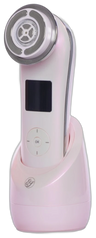
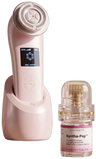
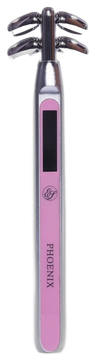
A note on commercial position. EvenSkyn manufactures at-home anti-aging skincare devices including the Lumo RF/microcurrent/red-light handset, the Mirage red light therapy mask, the Phoenix microcurrent bar, and the Under-Eye MicroInfuser patches. We have no financial relationship with any of the topical or microinfusion brands referenced throughout this guide; brand mentions exist because consumers researching the at-home PDRN category benefit from clarity about who is selling what. Brand evaluations in Part 4 follow the methodology documented openly in that section.
This article is the third in our microinfusion ingredient series. The first was our pillar guide to at-home microinfusion. The second was the EGF deep-dive.
Part 1: Why PDRN's delivery method decides everything
Before we walk through the levels, the one fact every PDRN user should understand: PDRN is fundamentally a delivery-limited active.
The molecule is a mixture of DNA fragments ranging from 50 to 1,500 kilodaltons in molecular weight, with the bulk of the distribution between 80 and 200 kDa. The 2017 Squadrito et al. pharmacology review in Frontiers in Pharmacology (PMC5405115) documents this molecular profile and notes that the binding to adenosine A2A receptors on dermal fibroblasts is linked to PDRN's specific DNA origin, molecular weight, and manufacturing process.
Here is the problem. Human skin has a 500-Dalton ceiling for passive transepidermal absorption. The stratum corneum is 15 to 20 layers of compressed, lipid-sealed keratinocytes that evolved to keep large molecules out. Even at the lower end of PDRN's molecular weight range (around 80 kDa), the molecule sits roughly 160 times above that ceiling. At the upper end (1,500 kDa), the gap is 3,000-fold. Either way, topical PDRN applied to intact skin gets very little of the active to the dermal layer where the receptors live.
That is not a nuance. It is the central fact of PDRN at home.
The reason topical PDRN serums still feel useful is real but limited. PDRN can produce surface-level effects through different pathways: barrier soothing via inflammatory dampening, mild hydration via the supporting hyaluronic acid that almost always accompanies it in formula, calming of redness through reduced surface inflammation. Genuine but cosmetic effects, not regenerative ones.
The structural changes PDRN is known for clinically (fibroblast proliferation, dermal collagen synthesis, angiogenesis through VEGF upregulation, the M1-to-M2 macrophage polarization shift) all require PDRN to reach the upper papillary dermis where the A2A receptors live. Microinfusion solves that delivery problem. Topical-only application does not.
So when you ask "how do I use PDRN at home for the best results," the practical answer has two parts:
- For comfort, hydration, and barrier support: A daily topical PDRN serum is fine. Layer it correctly (instructions below) and it will earn its place in your routine.
- For the structural regeneration that drives the clinical reputation of PDRN: You need delivery into the dermis. That means microinfusion at home, or injectable PDRN at a clinic.
The two layers can coexist. Daily topical for surface effects. Bi-weekly microinfusion for structural change. Combined, they compound.
The rest of this guide walks through how to do both.
What makes a PDRN serum work, and what it cannot do
A PDRN serum is a topical formulation built around polydeoxyribonucleotide, a mixture of DNA fragments used in skincare for the look of calmer, better-recovered skin. Judged honestly, a PDRN serum is decided by four things: where the PDRN came from, how large the fragments are, what carries them, and whether the brand is straight about how far a topical can reach. That last one separates most of the category.
1. Fragment size, which is the whole delivery problem
PDRN fragments run from roughly 50 to 1,500 kilodaltons, with most of the distribution between 80 and 200 kDa, as documented in the Squadrito pharmacology review cited earlier in this guide. Set that against the widely cited 500 dalton threshold for what crosses intact stratum corneum, described by Bos and Meinardi in Experimental Dermatology in 2000 (PMID 10839713), and the arithmetic is not close. The smallest PDRN fragment is around one hundred times the size of the largest molecule the barrier readily admits. A serum applied by hand is working on the surface, whatever the label implies.
2. Sourcing, and whether the brand will say
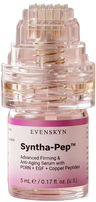
Most PDRN on the market is extracted from salmon, which is where the popular name for the treatment comes from. It can also be produced by controlled fermentation instead. Neither is disqualifying and the published literature is built mostly on the fish-extracted material, so fermentation is not the better-evidenced option. What it offers is a known origin that does not use salmon as source material. Supplier documentation reviewed in August 2026 records the PDRN in our own Syntha-Pep serum as biosynthetic and not derived from salmon, and the Soluble Collagen as produced by yeast fermentation rather than extracted from animal sources. Those declarations cover those two ingredients only, and EvenSkyn makes no vegan claim because no formula-level attestation is on file. Both source letters are reproduced in the terms they actually use. Correction, 4 September 2026: an earlier version of this paragraph described the collagen as marine-sourced and advised medical advice for a fish or shellfish allergy on that basis. That premise is not what the documents say. This is not a statement that the serum is safe for anyone with a fish or shellfish allergy: we hold no allergen testing on the finished formula, and the full ingredient declaration is published so you can read it and speak to a doctor before a first session. A brand that advertises its sourcing while burying a marine ingredient further down the INCI is telling you half the story.
3. The rest of the formula, which is doing more than you think
Almost every PDRN serum ships with a supporting cast: niacinamide, hyaluronic acid at one or more molecular weights, a barrier complex, sometimes peptides. Those ingredients are small enough to work topically, and a good deal of what people attribute to the PDRN in a daily-use serum is coming from them. That is not a criticism. It is a reason to read the whole list rather than the headline, and a reason to be sceptical of any serum whose only stated actives are the ones too large to get in. Our full ingredient-level breakdown is published at what is actually in Syntha-Pep.
4. Honesty about the ceiling
A PDRN serum used topically supports the barrier, hydration and the look of inflammation-driven redness. It does not deliver the regenerative effects reported in the clinical PDRN literature, because that literature concerns injected or post-procedure use where the molecule reaches the dermis. Any serum promising structural change from surface application alone is describing an outcome its own delivery route cannot produce. That gap is the reason this guide is organised by delivery level rather than by product.
- Use a PDRN serum topically for daily barrier support and the look of calmer skin.
- Add channel delivery when you want the fragments to reach where the receptors are.
-
Do not pay a regenerative price for a formulation that only ever works at the surface.
Part 2: Level 1, Topical PDRN serums (the entry level done right)
If you are starting your PDRN journey, this is where most people begin. Done correctly, a topical PDRN serum delivers the surface effects PDRN can produce without channel delivery. Done incorrectly, it does very little.
Choosing a topical PDRN serum
Six things to check on the label:
1. The INCI name. Real PDRN appears as Sodium DNA, Salmon DNA, or Polydeoxyribonucleotide. Generic "DNA" listings without species or molecular weight specification are warning signs.
2. Concentration in ppm. For topical-only use, 20,000 to 50,000 ppm is the functional range. Above 100,000 ppm in a topical product is mostly marketing because the absorption ceiling makes additional concentration redundant.
3. Vegan or salmon-derived. Salmon-derived PDRN has the strongest published research base. Plant-derived ("vegan PDRN" from rose stem cells, ginseng, or other sources) is gentler but with less clinical evidence. Both can produce surface effects; salmon-derived has the stronger trail of safety and efficacy data.
4. Supporting cast. Good companions in a topical PDRN formula: niacinamide, hyaluronic acid (multiple molecular weights), panthenol, ceramides, beta-glucan. Bad companions in the same bottle: high-strength vitamin C, strong AHAs/BHAs, retinoids, denatured alcohol, fragrance.
5. Texture and absorption. Watery essence-style PDRN absorbs faster and layers better. Thicker creams trap moisture but can pill under makeup or sunscreen.
6. Packaging. Airless pump bottles are best for stability. Clear glass bottles or jars expose PDRN to light and oxygen, which degrades the molecule faster.
Brands worth knowing in the topical PDRN space
The topical PDRN serum market is now dominated by Korean brands, with a handful of Western entrants. Recognizable options as of mid-2026:
- Anua PDRN Serum. Watery essence with micro-capsules. Strong on hydration, light enough for AM use.
- Rejuran (topical). From the brand that pioneered the Korean injectable. The cosmetic line targets turnover and tone more than instant plumping.
- Medicube PDRN Pink Peptide Serum. Pairs five peptides with PDRN; peptide-forward formula.
- Innisfree Retinol Green Tea PDRN Firming Serum. Vegan PDRN (Green Tea Lactobacillus Ferment Lysate at 56% concentration) paired with a 1% Triple Retinol Complex; positioned as a daily slow-aging serum.
- The INKEY List PDRN Serum. Vegan PDRN at 20,000 ppm; entry-level pricing.
- Haruharu Wonder Rose PDRN. Vegan rose-derived PDRN; soothing and firming variants.
- SeoulCeuticals PDRN + Vitamin C Serum. Pairs PDRN with vitamin C; specific layering protocol required.
- Beauty of Joseon PDRN. Newer entrant with K-beauty heritage formulation.
- Centellian24 PDRN. Pairs PDRN with centella asiatica; firming-focused.
Worth saying clearly: this is a market map, not a recommendation list. Specific formulation is a stronger signal than brand reputation, and any of the above can be appropriate depending on your skin type, your routine, and what else you are layering. Read the INCI panel, check ppm if disclosed, then decide.
How to apply topical PDRN serum (the right way)
A genuinely effective application protocol, drawn from the layering practices several Korean brands now publish.
Step 1: Cleanse. Use a gentle, pH-balanced cleanser. Pat dry but leave skin slightly damp.
Step 2: Toner (optional). Hydrating toner with humectants like glycerin or hyaluronic acid. Skip if your PDRN serum is essence-style and includes hydration.
Step 3: Apply 2 to 3 drops of PDRN serum to slightly damp skin. Damp, not wet. Press into the skin with palms. Do not rub or drag. Wait 60 seconds.
Step 4: Layer additional actives if appropriate. Niacinamide, hyaluronic acid, peptide serums all stack well with PDRN.
Step 5: Moisturizer. Lightweight in the morning, richer at night.
Step 6 (AM only): Sunscreen. SPF 30 minimum, ideally 50+. PDRN is not photosensitizing on its own, but UV exposure undoes the collagen and barrier work the serum supports overnight.
Cadence for topical PDRN
Daily, AM and PM, once your skin has adjusted. The break-in protocol most dermatologists recommend:
- Weeks 1 to 2: Use 2 to 3 times per week, on clean skin, evening only.
- Weeks 3 to 4: If no irritation, increase to daily evening use.
- Week 5 onwards: AM and PM if your skin tolerates. Sensitive-skin users should stay at evening-only indefinitely.
What to expect from topical-only PDRN
Realistic expectations are the most underrated part of any PDRN protocol.
Week 1. Skin feels calmer. Less reactive. Slight reduction in baseline redness.
Week 4. Hydration is more durable through the day. Makeup sits better. Texture is marginally smoother.
Week 8 to 12. Surface texture refinement. Mild improvement in fine lines (the surface lines, not deep static ones). Some reduction in post-inflammatory pigment.
Beyond 12 weeks. Plateau. Topical-only PDRN tends to reach its useful ceiling around the 3-month mark. After that, additional improvements are marginal.
If you have plateaued on topical PDRN and want more, you have two options: increase application frequency (limited returns) or change the delivery method. The second option is what the rest of this guide covers.
Part 3: Level 2, Topical PDRN with dermarolling (intermediate, with caveats)
Many readers will have seen the IPPOCARE-style guides recommending a dermaroller plus topical PDRN serum at home. We need to be direct about this.
Dermarolling at home is the lowest-quality channel-delivery method and we generally do not recommend it. Three reasons.
Why dermarollers are not the right tool
1. The needles are reusable and prone to contamination. Even with rubbing-alcohol disinfection between sessions, dermarollers accumulate biofilm, dull over time, and harbor bacteria. The American Academy of Dermatology states directly that products sold for at-home microneedling and microneedling performed in non-medical spas "aren't meant to puncture the skin" and that when at-home products do pierce the skin, the AAD warns of risks including infection, scarring, and accidental spread of warts, herpes, and other viruses across the skin.
2. The rolling motion creates slanted micro-tears, not vertical channels. Vertical needle-stamping produces clean channels that close cleanly. Rolling produces angled tears that take longer to close and increase the surface area exposed to bacterial contamination.
3. The depth control is poor. A 0.5mm dermaroller pressed firmly delivers more like 0.75mm to 1mm depth in some passes and 0.3mm in others. Inconsistent depth means inconsistent delivery and inconsistent results.
If you already own a dermaroller and want to use it with PDRN serum, three rules minimize harm:
- Replace the head every 5 to 8 sessions (not every 20+ as some guides suggest)
- Soak in 70% isopropyl alcohol for at least 10 minutes before and after each use
- Use only PDRN serum from sterile single-use ampoules; never from a multi-use bottle that may have introduced contamination
Our recommendation is to skip Level 2 entirely and either stay at Level 1 or upgrade to Level 3.
Part 4: Level 3, At-home microinfusion (the chemistry-aligned upgrade)
Microinfusion is what topical PDRN serum users upgrade to when they want the structural results that topical alone cannot deliver. It is the closest at-home approximation of injectable Rejuran that the U.S. consumer market currently supports.
A regulatory note worth understanding before reading further. The FDA has not granted over-the-counter clearance to any microneedling device for active-ingredient delivery; the FDA's published guidance states that microneedling devices are not approved for delivery of cosmetics, drugs, or biologics into the skin. At-home microinfusion stamps with needle depths under 0.5mm that are marketed as cosmetic appearance-improvement products operate in regulatory gray space, often categorized as cosmetic accessories rather than medical devices. The PDRN serums themselves are sold as cosmetics. Where this matters: a brand making medical claims (treats acne scars, treats photoaging) is taking on regulatory risk that a brand making cosmetic claims (improves appearance, supports skin renewal) is not. Read product claims with that distinction in mind.
The mechanism, briefly
At-home microinfusion devices have a stamp head with sterile, single-use, gold-plated needles, typically 0.25mm to 0.5mm in depth. Serum is loaded into a chamber attached to the stamp. When the device is pressed against the skin, the needles create temporary vertical micro-channels through the stratum corneum into the upper papillary dermis. Serum infuses through and alongside those channels. The channels close within 15 to 30 minutes.
The key chemistry: at this depth, PDRN reaches the layer where A2A receptors reside. The Squadrito-described mechanism (A2A binding, VEGF upregulation, fibroblast proliferation, M1-to-M2 macrophage shift, collagen synthesis) is exactly what those receptors trigger when activated. Topical-only delivery cannot reach this layer in clinically meaningful concentrations. Microinfusion can.
That difference is why microinfusion-delivered PDRN produces the results (atrophic acne scar improvement, dermal density gains, post-inflammatory pigment fading, redness reduction) that topical-only cannot achieve. The active ingredient is identical. The delivery is what changes the outcome by an order of magnitude.
How to evaluate an at-home microinfusion kit
Six things to check, in priority order.
These six criteria are the ones our own EvenSkyn MicroInfuser kit with Syntha-Pep PDRN serum was engineered to answer, so hold us to them as strictly as you hold anyone else.
1. Sterile single-use stamp heads. Non-negotiable. Reusing stamp heads is the largest infection-vector mistake in at-home microinfusion.
2. Disclosed needle depth. 0.25mm to 0.5mm is the appropriate range. Brands that don't disclose depth should be approached cautiously.
3. PDRN concentration in the serum (in ppm). For microinfusion delivery, 50,000+ ppm is the functional range. Channel delivery means lower total concentration is needed compared to topical, but quality brands disclose this.
4. Single-use sterile serum ampoules. Multi-use bottles introduce contamination risk and PDRN degrades within hours of air exposure.
5. Needle material. 24K gold-plated stainless steel is the standard. Gold is biocompatible, resists corrosion, and reduces irritation.
6. Brand transparency. Who formulates the serum? What lab? What manufacturing standards? The most transparent brands will tell you.
The leading at-home PDRN microinfusion brands compared
Several brands currently lead the at-home microinfusion category. We have evaluated each based on publicly available product information. We have no financial relationship with any of them.
How we evaluated these brands. For each entry below, we reviewed the brand's public product pages, ingredient INCI listings, regulatory disclosures, and (where published) third-party lab reports. We evaluated against six criteria: sterile single-use stamp heads, disclosed needle depth, disclosed PDRN concentration in ppm, single-use sterile serum ampoules, needle material, and overall brand transparency. We did not test the products in clinical settings; we evaluated what each brand publicly discloses, which is itself a useful proxy for chemistry quality. Brands omitted from this list either operate at smaller scale than the six listed here or did not have sufficient public information to evaluate fairly.
Try-Derm (Derm Skincare). 24K gold-plated needles, depth not publicly specified. PDRN concentration not disclosed. Sterile single-use heads and serum vials. Bi-weekly cadence recommended. Subscription model around $80 to $120 monthly. Notable: 90-day money-back guarantee, FDA-registered manufacturing facility claim.
ELIXA Skincare. 24K gold-plated needles, depth not disclosed, "patented micro-infusion device" claim. PDRN concentration not disclosed. Sterile single-use heads in 1-, 2-, and 3-month supplies. Heavy marketing focus on acne scars and salmon DNA testimonials.
SkinOS. 0.5mm depth (the rare brand publicly disclosing depth). Salmon PDRN with supporting actives. Sterile single-use heads. 1- to 2-week cadence. Subscription model with 90-day risk-free trial.
ALQEMI EXO-PDRN. Compatible with multiple microinfusion tools (sold as serum-only or system). PDRN concentration disclosed at 562,400 ppm, the most chemistry-transparent brand we have evaluated. Includes Copper Tripeptide-1, beta-glucan, hyaluronic acid, collagen. Preservative-free formula. 2- to 4-week cadence.
Mon Lumiere. Spring-loaded stamp design. PDRN with peptides. Concentration not disclosed. Sterile single-use heads. Bi-weekly cadence. European positioning.
IPPOCARE. Professional-grade stamp, sometimes paired with electric derma pen. PDRN ampoule formulation. Concentration listed by ampoule but not always in ppm. Originally a clinic-supply brand, now sells direct to consumers.
What this comparison tells you. Most brands do not publicly disclose PDRN concentration. ALQEMI is the outlier on chemistry transparency. SkinOS is the rare one publicly specifying depth. For a first kit, weighting transparency heavily, the rough order of clarity we found is ALQEMI > SkinOS > IPPOCARE > Try-Derm > ELIXA > Mon Lumiere. Your priorities may differ if you weight features other than disclosure.
We expect the at-home microinfusion category to continue evolving as more brands enter. The principles in this guide (concentration disclosure, depth disclosure, single-use sterile components, supporting cast quality) apply to any new entrant the same way they apply to the brands listed above. Use the framework, not the specific list.
The exact at-home PDRN microinfusion protocol
A real session, building on the broader microinfusion protocol from our pillar guide.
48 hours before:
- Stop retinoids
- Stop strong acids (glycolic, salicylic, lactic above functional levels)
- Reduce vitamin C if you use it heavily
- Avoid sun exposure that triggers redness or barrier compromise
Day of session:
Step 1: Prep the skin. Cleanse with a gentle, non-foaming, pH-balanced cleanser. Pat completely dry. Mist with medical-grade hypochlorous acid (Tower 28 SOS Daily Rescue, Clinisept+, or Briotech). Allow to air dry fully.
Step 2: Prep the device. Use a fresh, sterile, single-use stamp head. Pour or twist on the PDRN serum ampoule. If your device requires priming, follow the manufacturer's specific instructions.
Step 3: Stamp the treatment area. Stamp (do not drag) 4 to 6 times per zone. Work centrally outward: forehead, cheeks, nose bridge, chin. Skip the orbital bone with full-face stamps unless the device is approved for the eye area. For under-eye treatment specifically, the orbital skin is too thin and too close to vascular structures for general-purpose 0.5mm stamps; either use a dedicated under-eye microinfusion patch sized for the periorbital area, or address eye-area concerns with a separate eye-specific anti-aging device on alternate days. For acne scar areas specifically, add 2 to 3 additional stamps over the affected region.
Step 4: Press in remaining serum. After stamping is complete, press any remaining serum from the chamber into the skin with clean fingers. Channels start closing within minutes.
Step 5: Wait 30 minutes before applying anything else. No moisturizer, sunscreen, or makeup until the channels have closed.
Next 24 hours:
- Gentle, fragrance-free moisturizer in the morning
- Mineral SPF 50+ (zinc oxide preferred for freshly treated skin)
- No retinoids, acids, or vitamin C
- No sauna, hot yoga, or very hot showers
Next 72 hours:
- Continue gentle skincare
- Resume retinoids and vitamin C at hour 72
- Some users notice initial improvement in skin clarity and feel within 48 hours; structural changes appear later
Cadence for at-home microinfusion
Every 14 days. Not every week. Not every 21 days. The 14-day window matches the upper end of the skin's renewal cycle and gives the channels time to fully close and the barrier to reset before the next session.
That cadence is fundamentally different from topical PDRN, which is daily. Microinfusion sessions are spaced because each one creates controlled barrier disruption that the skin needs time to recover from.
What to expect from at-home microinfusion
Session 1, hours 1 to 24. Mild redness clearing within 1 to 4 hours. Skin feels slightly plump. No structural change yet.
Session 1, days 2 to 7. Skin feels calmer and slightly smoother. Some users notice reduction in baseline redness within the first week.
Session 2, week 2. Repeat of first session at slightly improved baseline.
Weeks 3 to 4 (sessions 1 to 2 complete). Texture refinement starts to be visible. Pore appearance improves marginally. Post-inflammatory marks may show very early fading.
Weeks 5 to 6 (session 3). Inflection point. Skin density and firmness become subtly different. Atrophic scar depth begins to reduce.
Weeks 7 to 8 (session 4). First substantive structural change visible in photos. Texture is noticeably smoother. Redness is meaningfully reduced. Acne scars are visibly less deep, particularly in good lighting.
Weeks 10 to 12 (sessions 5 to 6). Compound effect. Skin quality has measurably improved. Mature skin shows firmness gains.
Months 4 to 6. Maintenance phase. Continuing every 14 days produces continued (slower) improvement.
The contrast with topical-only PDRN is the point. By month three, topical users have plateaued at modest surface improvements. Microinfusion users are still building structural change.
Part 5: The integrated routine, combining topical PDRN with microinfusion
Most readers reach this guide already using a topical PDRN serum and considering microinfusion. The good news: you do not have to choose. The two layers stack well when sequenced correctly.
Daily routine on non-treatment days
Morning:
- Gentle cleanser
- (Optional) Hydrating toner
- Topical PDRN serum, 2-3 drops, pressed into damp skin
- Niacinamide or hyaluronic acid serum (compatible)
- Moisturizer
- SPF 30 minimum
Evening:
- Gentle cleanser (or oil cleanser + foaming cleanser if double-cleansing)
- (Optional) Hydrating toner
- Topical PDRN serum
- Retinoid (if using; alternate nights work well with PDRN)
- Moisturizer
Microinfusion treatment day routine
Morning:
- Cleanser
- (Optional) Light hydrating toner
- (No active serums; skin is being prepped for evening session)
- Moisturizer
- SPF
Evening (microinfusion session):
- Cleanse
- Pat completely dry
- Hypochlorous acid mist, allow to air dry
- Microinfusion session with PDRN serum (5-10 minutes)
- Press in residual serum
- Wait 30 minutes before applying anything else
- Light moisturizer if needed
Day after microinfusion routine
Morning:
- Gentle cleanser
- Skip topical PDRN serum on this morning (avoid stacking actives on freshly treated skin)
- Moisturizer
- Mineral SPF 50+ (preferred over chemical filters for freshly treated skin)
Evening:
- Gentle cleanser
- Skip retinoid for 48 hours
- Moisturizer
When to resume normal routine
72 hours post-session, return to your full daily routine including topical PDRN serum, retinoid, and vitamin C as appropriate.
Why this combination works
Daily topical PDRN supports surface-level effects: barrier function, hydration, redness reduction, daily inflammatory dampening. Bi-weekly microinfusion delivers the dermal-level effects: fibroblast proliferation, collagen synthesis, structural remodeling.
Together, you get continuous surface support and periodic structural rebuild. Skipping the topical days while doing microinfusion alone is fine, but you miss the daily anti-inflammatory support. Doing only topical without microinfusion is fine, but you miss the dermal regeneration. The combination produces the most complete result.
Stacking PDRN microinfusion with other at-home modalities
PDRN microinfusion sits well alongside three other at-home modalities that are increasingly common in serious anti-aging routines: red light therapy, microcurrent, and radiofrequency. Each works on a different layer through a different mechanism, which means they compound rather than compete when sequenced correctly. Here is how to think about each.
Red light therapy (LED at 630-660 nm and 830-850 nm). The single best modality to stack with PDRN. Photobiomodulation at red and near-infrared wavelengths supports cellular ATP production and fibroblast activity through a different pathway than PDRN's A2A receptor binding, which means the two compound rather than overlap. The practical pairing: use a red light therapy mask 24 hours after each PDRN microinfusion session. The 24-hour gap lets the channels close before the LED treatment, and the photobiomodulation amplifies the recovery and barrier rebuild. On non-treatment days, daily red light sessions of 10 to 20 minutes pair fine with topical PDRN serum.
Microcurrent. Sub-sensory electrical current works on facial muscle re-education and ATP induction at depths well below where PDRN operates. Same-day microcurrent after a PDRN microinfusion session is generally fine because the mechanisms and depths do not overlap. For users targeting both structural change (PDRN) and lift/tone (microcurrent), this is the cleanest pairing in the at-home space.
Radiofrequency (RF) skin tightening. Excellent stack but separate by 48 hours from PDRN sessions. RF works at the deeper dermal and subcutaneous level on collagen denaturation and contraction; PDRN works at the upper dermal level on fibroblast proliferation and new collagen synthesis. The two compound impressively over a 6-month period when sequenced correctly. The general rule is RF on weeks alternating with PDRN microinfusion sessions, never combined in the same week. Devices that combine RF with red light and microcurrent are useful here because they let you address multiple layers in a single weekly session without device-switching friction.
Ultrasonic facial cleansing. Use the day before a PDRN microinfusion session, not the day of. Ultrasonic cleansing creates very mild surface disruption that is fine for routine days but adds unnecessary irritation if stacked immediately before channel-based delivery.
The general principle: at-home anti-aging modalities target different skin layers through different mechanisms, and the best routines integrate two to four of them rather than relying on a single modality. PDRN microinfusion is the structural-regeneration anchor; red light therapy is the cellular-energy and barrier-recovery layer; microcurrent is the muscle-tone layer; RF is the deep-collagen layer. None replaces the others; all four compound when sequenced.
Part 6: The six-week rotation (PDRN, EGF, copper peptides) for advanced users
If you are running multiple ingredient categories through your microinfusion device, do not combine them in the same chamber. Rotate them across sessions.
Standard rotation
- Session 1 (week 0): PDRN
- Session 2 (week 2): EGF
- Session 3 (week 4): Copper peptide (GHK-Cu)
- Session 4 (week 6): PDRN
- Continuing in 6-session cycles
Acne-scar-weighted rotation
If atrophic acne scarring is your primary concern:
- Session 1: PDRN
- Session 2: PDRN
- Session 3: EGF
- Session 4: PDRN
- Session 5: PDRN
- Session 6: Copper peptide
Mature skin / structural-change rotation
If firmness, density, and structural collagen rebuild are your primary concerns:
- Session 1: Copper peptide
- Session 2: PDRN
- Session 3: Copper peptide
- Session 4: EGF
- Session 5: Copper peptide
- Session 6: PDRN
Why rotation works better than combination
EGF interacts poorly with copper ions. PDRN formulations use a different pH and vehicle than copper peptide serums. Vitamin C oxidizes both EGF and copper peptides. Combining these in a single microinfusion chamber produces unpredictable formulation chemistry and reduces the effectiveness of each individual active.
Rotation across sessions delivers all three pathways without conflicts. Six weeks is a complete cycle through the main regenerative actives, and the 14-day cadence between sessions gives the skin time to integrate each active.
Part 7: Topical vs microinfused vs injected PDRN, side-by-side
For consumers deciding between routes, the side-by-side comparison.
Topical PDRN serum (Level 1)
- Cost: $30 to $80 per bottle, lasts 1 to 2 months
- Effort: Low; daily routine integration
- Effects: Mild barrier soothing, hydration, slight redness reduction
- Limitation: Surface-level only; cannot reach dermis in clinically meaningful concentration
- Best for: Daily routine support, post-procedure recovery, sensitive skin maintenance, beginners
- Realistic outcome: Plateau at 8 to 12 weeks at modest surface improvement
At-home microinfusion (Level 3)
- Cost: $80 to $180 per month for kit replenishment
- Effort: Moderate; bi-weekly 10-minute sessions plus aftercare
- Effects: Dermal-level fibroblast proliferation, collagen synthesis, redness reduction, atrophic scar improvement, post-inflammatory pigment fading
- Limitation: Less precise than injection; learning curve on technique
- Best for: Atrophic acne scars, photoaged skin, mild-to-moderate fine lines, post-inflammatory pigmentation, redness-prone skin, mature skin
- Realistic outcome: Visible structural change at weeks 8 to 12, durable improvement at months 4 to 6, roughly 60-70% of injectable results at roughly 10% of cost
Clinical injection (Rejuran, Placentex)
- Cost: Typically reported in the $400 to $800 range per session, with most courses involving 3 to 4 sessions
- Effort: High; clinic visits, recovery time
- Effects: Strongest version of treatment; faster onset, more dose precision, more durable structural change
- Regulatory: NOT FDA-approved for cosmetic use in the United States. As of 2026, no injectable PDRN product has FDA clearance or approval for aesthetic indications. Available in South Korea (where Rejuran has Korean MFDS approval), the EU (Placentex Mastelli), and via off-label use by U.S. providers willing to import or work around regulatory ambiguity
- Best for: Severe atrophic acne scarring, established photoaging, post-procedure repair, patients seeking strongest available outcome
- Realistic outcome: Most pronounced version of all three. Course of 3-4 sessions produces results lasting 6 to 12 months before maintenance is needed.
How to choose
For most consumers in the United States, the practical sweet spot is Level 1 daily plus Level 3 bi-weekly. This combination gives you continuous surface support plus periodic structural delivery, at a total cost roughly equal to one quarterly clinic AquaGold session. If you have severe scarring or established photoaging beyond what at-home can address, supplement with clinical injection courses every 12 to 18 months.
Part 8: Safety, contraindications, and the fish allergy question
PDRN has an unusually clean safety profile. Both topical and microinfused use are well-tolerated by most users. The injectable clinical literature dates back decades: Mastelli's Placentex was originally developed in the 1950s by founder Arnolfo Mastelli using human placenta, with the active polydeoxyribonucleotide fraction identified in the 1980s by the Cattarini Mastelli research group, after which the source was reformulated to Italian trout DNA. Rejuran has been in Korean MFDS-approved clinical practice since 2014. The Squadrito 2017 review cites post-marketing surveillance covering more than 300,000 dispensed PDRN prescriptions and an excellent safety profile. The cosmetic-application data for at-home use is younger but converges on a similarly low side-effect profile.
Expected side effects
Topical PDRN:
- Mild tingling on first application (resolves within minutes)
- Occasional pilling under makeup if layered with thick creams
- No expected redness, peeling, or irritation in healthy skin
Microinfusion-delivered PDRN:
- Mild redness for 1 to 4 hours post-session
- Mild stinging during and immediately after stamping
- Pinpoint red marks from needle entry, resolving within 24 hours
- Slight tightness as the barrier rebuilds overnight
Less common reactions
- Small follicular bumps 24 to 72 hours after microinfusion, usually from inadequate pre-session disinfection
- Mild barrier sensitivity on first use, particularly if skin was already compromised
- Allergic reaction in rare cases (see fish allergy below)
The fish allergy question
The most common clinical question about PDRN safety is whether someone with a fish allergy can use it. The short answer: probably yes, but patch test first.
The purification process used in pharmaceutical-grade PDRN is rigorous. The Squadrito review notes that proteins and peptides are inactivated and the finished product is greater than 95% pure. That is why injectable PDRN, used clinically for 20+ years, has not been associated with fish-allergy reactions in the medical literature.
Cosmetic-grade PDRN in at-home products is generally produced to similar purification standards but with less regulatory oversight. The pragmatic path:
- No fish allergy: No special precaution beyond a standard patch test for any new active.
- Mild fish allergy (skin reactions only, no systemic symptoms): Do a 48-hour patch test behind the ear before treating the face.
- Anaphylactic-grade fish allergy: Skip the category entirely. Use plant-derived ("vegan PDRN") alternatives instead, accepting that the evidence base is smaller.
Real contraindications (skip PDRN entirely if any apply)
- Active or recent (within 2 years) skin cancer history in the treatment area
- Active malignancy under treatment elsewhere
- Active rosacea, eczema, psoriasis, or acne flare on the treatment area
- Active herpes simplex outbreak on the treatment area (will spread)
- Pregnancy or breastfeeding (insufficient cosmetic-application safety data)
- Recent injectables (less than 14 days for neurotoxin, 4 weeks for filler in the same area)
- Uncontrolled diabetes (impaired wound healing slows channel closure)
- Immunosuppressive medication regimens (consult prescriber)
- Isotretinoin use within the past 6 months (skin barrier too compromised)
- Personal or first-degree family history of keloid scarring
Frequently asked questions
Should I use a topical PDRN serum or a microinfusion kit? Both, ideally. Use a topical PDRN serum daily for surface effects, and add bi-weekly microinfusion sessions for structural change. Skipping either layer is fine but you miss the corresponding effect.
Does topical PDRN actually do anything if it can't reach the dermis? Yes, but at the surface level only. Topical PDRN soothes the barrier, supports hydration, reduces inflammation-driven redness, and complements the supporting cast of ingredients (niacinamide, hyaluronic acid, etc.) that almost always accompany it. Real benefits, just not the regenerative effects that microinfusion or injection can produce.
How long until I see results from at-home PDRN microinfusion? First visible texture and redness changes appear at week 4 (after two sessions). Structural improvements in elasticity, density, and acne scar depth become apparent at weeks 8 to 12. Major durable changes consolidate at month 4 to 6.
Can I use a topical PDRN serum at the same time as my retinoid? Yes, with sequencing. PDRN morning, retinoid evening is the safest pattern. PDRN actually buffers the inflammation that retinoids can cause, making the two compatible. After 2 to 3 weeks of both, some users layer them in the same evening: PDRN first on damp skin, retinoid 10 to 15 minutes later.
Is at-home PDRN microinfusion worth the cost over topical-only? For users seeking visible structural change (acne scar reduction, dermal density gain, fine line softening), yes. The cost difference between $40/month topical and $120/month microinfusion is roughly $80, which buys you a delivery method that reaches the dermis. For users seeking only barrier and hydration support, topical-only is sufficient.
Can I use a dermaroller with my PDRN serum at home? Technically yes, but we do not recommend it. Dermarollers are reusable, prone to contamination, and create slanted micro-tears rather than clean vertical channels. Microinfusion stamps with sterile single-use heads are the chemistry-aligned upgrade.
Is injectable PDRN (Rejuran) FDA-approved in the United States? No. Injectable PDRN, including Rejuran, holds no FDA clearance or approval for cosmetic use in the U.S. as of 2026. Rejuran has been in Korean MFDS-approved clinical practice since 2014, also holds Singapore HSA approval, and Mastelli's Placentex is the European injectable equivalent (with a clinical heritage tracing back to the 1950s, originally placenta-derived, reformulated using Italian trout DNA in the 1980s after PDRN was identified as the active fraction). U.S. providers offering injectable PDRN are operating off-label or with imported product. Topical and microinfusion-delivered PDRN, by contrast, are sold as cosmetic products in the U.S. and operate in a different regulatory category, although the FDA has not granted any over-the-counter clearance to microneedling devices for active-ingredient delivery.
Can I use PDRN if I have a fish allergy? Probably yes, but patch test first if you have any history. Anaphylactic-grade fish allergy: skip salmon-derived PDRN entirely, use plant-derived alternatives. Mild fish allergy: 48-hour patch test before facial application.
What's the difference between PDRN and PN (polynucleotides)? Polynucleotides (PN) is a broader category that includes PDRN but also longer DNA chains. The Squadrito review treats PDRN as the specific 50-1500 kDa subcategory with the A2A receptor binding profile. Some products labeled "PN" use longer chains with somewhat different (and less well-characterized) effects.
Is at-home PDRN microinfusion safe for darker skin tones? Yes, with appropriate technique. PDRN's anti-inflammatory effect actually reduces the post-inflammatory hyperpigmentation risk that microinfusion alone can sometimes trigger in Fitzpatrick IV-VI skin. Use light pressure, strict sun protection for 7 days post-session, and patch test first.
How does PDRN compare to exosomes, NAD, or AI-designed peptides? PDRN has the longest clinical heritage of the new biotech-driven actives, with 20+ years of injectable use and a well-characterized A2A mechanism. Exosomes are newer with smaller evidence bases. NAD has cellular energy benefits but topical delivery remains a challenge. AI-designed peptides are an emerging category. For the broader biotech context, see our overview article.
Can I do microinfusion on my body, not just my face? Yes. PDRN microinfusion on the neck, chest, hands, and stretch-mark-prone areas is reasonable. Atrophic scarring from cesarean sections or surgery responds well. Use the same 14-day cadence as the face.
Can I use PDRN microinfusion before or after laser treatment? After laser is fine and is actually a clinical pairing in some practices, since PDRN accelerates post-laser recovery. Wait at least 14 days after ablative laser, 7 days after non-ablative.
How often should I do at-home PDRN microinfusion? Every 14 days. The 14-day window matches the upper end of the skin's renewal cycle and gives channels time to fully close before the next session.
Which at-home PDRN brand is the most chemistry-transparent? ALQEMI EXO-PDRN is the only major brand we have evaluated that publicly discloses PDRN concentration in ppm (562,400). SkinOS is the rare one publicly specifying needle depth (0.5mm). Most other dominant brands (ELIXA, Try-Derm, Mon Lumiere, IPPOCARE) do not publicly disclose either.
What if I'm using my topical PDRN serum and want to upgrade to microinfusion mid-routine? The upgrade is straightforward. Continue your topical PDRN serum daily on non-treatment days. Add a microinfusion session every 14 days, with the protocol described above. You don't need to change topical brands or pause anything; just layer the new delivery method onto your existing routine.
How long do PDRN results last after I stop? Hydration and surface improvements fade within 2 to 3 weeks. Structural changes from collagen and elastin synthesis fade more slowly, over 2 to 3 months. Like exercise, durability tracks with consistency.
Can I use a third-party serum in my microinfusion device? Generally no. Most topical serums contain ingredients (alcohols, fragrances, large-molecule HA, preservatives) that can cause irritation or formulation issues when introduced through micro-channels. Use only PDRN serums formulated explicitly for microinfusion, packaged in sterile ampoules.
How does PDRN compare to Profhilo, SkinVive, or other hyaluronic acid skin boosters? Different category, different mechanism. Profhilo (high-molecular-weight hyaluronic acid in a patented NAHYCO complex) and SkinVive (hyaluronic acid microdroplet) are bio-stimulating hydrators that work primarily through tissue spreading and hydration. PDRN is a regenerative active that works through the A2A receptor and the salvage pathway to stimulate fibroblast proliferation and collagen synthesis. The two categories address different goals: HA boosters for hydration and surface plumping, PDRN for structural regeneration and texture remodeling. Some clinicians combine them in alternating sessions. At home, the equivalent combination is daily HA-rich serums plus bi-weekly PDRN microinfusion.
Is PDRN microinfusion good for menopausal or perimenopausal skin? Particularly well-suited, in fact. The hormonal shifts of perimenopause and menopause produce three skin changes that PDRN's mechanism specifically addresses: declining fibroblast activity (PDRN stimulates fibroblast proliferation), reduced dermal collagen density (PDRN supports new collagen synthesis through A2A receptor activation), and increased baseline inflammation (PDRN drives the M1-to-M2 macrophage polarization shift that calms chronic low-grade inflammation). For mature skin specifically, the rotation we recommend is the structural-change rotation in Part 6, weighted toward copper peptides and PDRN. Pair with consistent daily SPF and a barrier-supportive routine, and the cumulative effect over 6 to 12 months is measurable.
Can PDRN microinfusion help with stretch marks? Yes, with modest expectations. Atrophic stretch marks (striae albae, the white mature ones) respond best because the underlying issue is collagen disorganization and dermal thinning, which PDRN's regenerative mechanism addresses directly. Newer red or purple stretch marks (striae rubra) also respond but often improve on their own with time. Use the same 14-day cadence on the affected area, expect to see meaningful change at month 3 to 6, and pair with daily topical retinoids on non-treatment days. Results compound with consistency. Body areas typically need more sessions than facial areas because the skin is thicker and the affected zones larger.
How does PDRN compare to PRP (vampire facial) at home? Different active, similar delivery, very different practicality. PRP (platelet-rich plasma, the active in vampire facials) requires drawing your own blood and centrifuging it, which is not realistically a home process. PDRN provides regenerative signaling without the blood draw. Clinically, PRP and PDRN are often combined in the same session because they activate complementary pathways (growth factors from PRP, A2A-receptor signaling and salvage-pathway substrate from PDRN). For at-home use, PDRN is the practical choice because the molecule is shelf-stable in sterile ampoules and does not require any biological prep.
Does PDRN help achieve "glass skin" (the Korean K-beauty look)? Indirectly, yes. Glass skin (a smooth, plump, luminous, almost translucent complexion) is a function of three things: barrier health, hydration, and dermal density. Topical PDRN serum supports the first two daily. PDRN microinfusion contributes to the third over a 3 to 6 month timeframe. Stack with regular red light therapy sessions for the cellular-energy and barrier-recovery layer, and you have most of the elements that drive the glass-skin appearance in Korean clinical practice. The Korean approach also prioritizes minimal makeup, consistent SPF, and gentle layering of hydrating actives, all of which support the same outcome.
Can I use PDRN microinfusion as preventative anti-aging in my 30s? Yes, and this is one of the strongest use cases. PDRN's mechanism is regenerative (supporting existing fibroblast activity and collagen synthesis) rather than corrective. Used preventatively in your 30s, when fibroblast activity and dermal collagen density are still high, PDRN extends the period during which skin functions at younger-baseline parameters. The protocol is the same; the cadence can be slightly less frequent (every 21 days instead of every 14) for prevention rather than correction.
What about PDRN for melasma or post-inflammatory hyperpigmentation? PDRN's anti-inflammatory effect (the M1-to-M2 macrophage polarization shift) makes it well-suited for post-inflammatory hyperpigmentation, including the kind that follows acne, microneedling, or laser. For melasma specifically, the effect is more modest because melasma's underlying mechanism is melanocyte hyperactivity rather than inflammation. Standard melasma protocols (tranexamic acid, hydroquinone or its alternatives, strict UV avoidance) remain the foundation. PDRN can be a useful adjunct for the post-inflammatory pigment that often coexists with melasma.
The bottom line
PDRN at home is a chemistry problem solved by delivery method.
For most users, the journey looks like this: start with a topical PDRN serum to support the barrier and reduce inflammation daily; layer in bi-weekly microinfusion sessions when you want the structural results that topical alone cannot produce; consider clinical injection only if your concerns exceed what at-home can address.
The category has grown fast. Topical PDRN serums are now a mainstream K-beauty staple. Several brands lead the at-home microinfusion space: ELIXA, Try-Derm, SkinOS, ALQEMI, Mon Lumiere, IPPOCARE. Most do not publicly disclose concentration. ALQEMI is the most chemistry-transparent brand we evaluated. SkinOS specifies depth. The rest require you to take their formulation on faith.
After reviewing the full text of every PDRN clinical trial we could locate in PubMed and PMC, evaluating the public disclosures of dozens of products against six chemistry criteria, and tracking the at-home microinfusion category since 2024, one finding holds up across the literature: hardware quality is the smallest variable, formulation chemistry is a bigger one, and delivery method is bigger than either. A great PDRN serum used at the surface produces less effect than a moderate PDRN serum delivered through clean micro-channels at the right cadence. That is the practical takeaway.
Hold the 14-day microinfusion cadence. Use topical PDRN daily. Rotate with EGF and copper peptides on a six-week cycle. Stack with red light therapy on non-treatment days. Protect from sun for 7 days after every session. Skip the category entirely if you are pregnant, have anaphylactic-grade fish allergy, or have any of the contraindications in Part 8.
The results compound. Three months in, your skin will feel different. Six months in, it will look different. Twelve months in, the cumulative effect of consistent regenerative delivery is genuinely visible to people who have not seen you in a while. That is what the molecule does when you let it reach its target.
Shopping for a PDRN micro infusion system? Two branded systems ship a PDRN serum with a 0.5 mm stamping device rather than asking you to source the serum separately: AMIRO's PDRN Micro-Infusion System, and our own MicroInfuser with Syntha-Pep. We compare the two head to head, ingredient list against ingredient list, in the AMIRO vs EvenSkyn PDRN comparison, and the wider five-kit field, Qure, Seranova, Glov and Glamory included, in the at-home micro-infusion kit comparison. We make one of the kits in both of those reads, and both disclose it.
Further reading from the EvenSkyn Skin Science Desk
- What Is PDRN in Skincare? An Evidence Review (what the molecule is and what the research supports)
- At-Home Microinfusion in 2026: The Complete Guide (the pillar)
- EGF in Skincare: How Epidermal Growth Factor Actually Works
- GHK-Cu Copper Peptides: The 50-Year Research Trail, Translated
- Red Light Therapy Wavelengths Explained: 630nm vs 850nm
References (independently verified by the Skin Science Desk)
- Squadrito F, Bitto A, Irrera N, Pizzino G, Pallio G, Minutoli L, Altavilla D. Pharmacological Activity and Clinical Use of PDRN. Frontiers in Pharmacology. 2017;8:224. doi:10.3389/fphar.2017.00224. PMID: 28491036. PMCID: PMC5405115. Verified against PMC full text. The single most-cited PDRN review; the source for the molecular weight range, the A2A receptor mechanism, the salvage pathway, and the post-marketing surveillance data covering more than 300,000 dispensed prescriptions.
- Thellung S, Florio T, Maragliano A, Cattarini G, Schettini G. Polydeoxyribonucleotides enhance the proliferation of human skin fibroblasts: involvement of A2 purinergic receptor subtypes. Life Sciences. 1999;64(18):1661-1674. doi:10.1016/S0024-3205(99)00104-6. PMID: 10328526. Verified against journal abstract. The original receptor-binding paper showing PDRN proliferative effect on human skin fibroblasts is blocked by the A2 antagonist DMPX but not by the A1 antagonist DPCPX, establishing A2A specificity.
- Galeano M, Bitto A, Altavilla D, Squadrito F, et al. Polydeoxyribonucleotide stimulates angiogenesis and wound healing in the genetically diabetic mouse. Wound Repair and Regeneration. 2008;16(2):208-217. doi:10.1111/j.1524-475X.2008.00361.x. Verified against PubMed entry. Source for VEGF upregulation and angiogenesis claims.
- Marques C, Pereira A, Lopes K, et al. From Polydeoxyribonucleotides (PDRNs) to Polynucleotides (PNs): Bridging the Gap Between Scientific Definitions, Molecular Insights, and Clinical Applications. International Journal of Molecular Sciences. 2025. PMID: 39858543. Verified. Source for the proposed PDRN/PN nomenclature distinction at the 1,500 kDa cutoff that this article uses.
- Healthline. "Salmon Sperm Facial: Procedure, Research, Safety." Updated July 11, 2025. Medically reviewed by Cynthia Cobb, DNP, APRN, WHNP-BC, FAANP. Written by Tess Catlett. Used as a corroborating consumer-facing reference for clinical procedure, side effect profile, and the fish-allergy caution.
- American Academy of Dermatology. "Microneedling can fade scars, uneven skin tone, and more." aad.org/public/cosmetic/scars-stretch-marks/microneedling-fade-scars. Reviewed by Hassan I. Galadari MD FAAD, Elisa Gallo MD FAAD, Laurel Geraghty MD FAAD. Used to confirm AAD's published position that products sold for at-home microneedling aren't meant to puncture the skin and that piercing risk includes infection, scarring, and viral spread.
- U.S. Food and Drug Administration. "Microneedling Devices: Getting to the Point on Benefits, Risks and Safety." fda.gov/consumers/consumer-updates/microneedling-devices-getting-point-benefits-risks-and-safety. Used to confirm regulatory framework: FDA-cleared microneedling devices are for ages 22+ for facial acne scars, facial wrinkles, and abdominal scars; microneedling devices are not approved for delivery of cosmetics, drugs, or blood products into the skin; injectable PDRN (Rejuran, Placentex) holds no FDA clearance or approval for aesthetic use as of publication.
Brand-specific information for Part 4 was sourced from each brand's public product pages and regulatory disclosures as of April 2026. Innisfree concentration data verified against us.innisfree.com and Sephora product listings. ALQEMI EXO-PDRN concentration disclosure verified against ALQEMI public product documentation.
Editorial standards and corrections policy
This article was written by the EvenSkyn Skin Science Desk and reviewed against:
- The Squadrito et al. 2017 pharmacology review in Frontiers in Pharmacology (read in full)
- The Thellung 1999 receptor-binding paper (verified against journal abstract)
- Healthline's medically-reviewed clinical summary on salmon sperm facials
- AAD position on at-home microneedling and dermaroller use
- Public product pages and regulatory disclosures from ELIXA, Try-Derm, SkinOS, ALQEMI, Mon Lumiere, IPPOCARE
- Topical-routine layering practices published by SeoulCeuticals, INKEY List, Haruharu Wonder, Anua, Rejuran, Medicube, Innisfree, Beauty of Joseon, Centellian24
Where we cite a clinical claim from a primary source, we have read the abstract or full text directly and the citation in the references section is marked "verified."
If you spot a factual error in this article, contact the Skin Science Desk via the customer-support email listed in the EvenSkyn site footer with subject line "Editorial correction request: PDRN guide." We correct factual errors publicly with a dated correction note. We answer substantive scientific questions within five business days. If a peer-reviewed publication appears that materially changes the consensus on any claim made in this article, we update accordingly within 14 days of publication.
Content is reviewed at least twice per year, or immediately when substantive new research, regulatory actions, or product category shifts warrant. Next scheduled review: November 2, 2026.
Conflict of interest and medical disclaimer
This content is intended for consumer education, not medical advice. If you have any active skin condition, are pregnant, are immunocompromised, are taking immunosuppressive medication, have a fish allergy, or are under active dermatological care, consult a board-certified dermatologist before beginning any PDRN-based at-home routine.
EvenSkyn manufactures at-home anti-aging skincare devices. Our Under-Eye MicroInfuser patches use peptides, hyaluronic acid, niacinamide, caffeine, and Argireline. We have no financial relationship with ELIXA, Derm/Try-Derm, SkinOS, ALQEMI, IPPOCARE, Mon Lumiere, Mastelli, Rejuran, or any other brand mentioned in this article. We have no financial relationship with the topical PDRN brands referenced (Anua, Rejuran cosmetics, Medicube, Innisfree, Haruharu Wonder, INKEY List, SeoulCeuticals, Beauty of Joseon, Centellian24).
We name these brands because consumers researching the at-home PDRN category in 2026 deserve clarity about who is selling what, what each brand discloses, and where the gaps are.
© 2026 EvenSkyn. Educational content, not medical advice. All trademarks are the property of their respective owners.



اترك تعليقًا
تخضع جميع التعليقات للإشراف قبل نشرها.
This site is protected by hCaptcha and the hCaptcha Privacy Policy and Terms of Service apply.