







Medically Reviewed by Dr. Lisa Hartford, MD
AMIRO PDRN Micro-Infusion vs. EvenSkyn MicroInfuser: A Dermatologist-Reviewed Comparison of the At-Home PDRN Kits (2026)
Medically reviewed by Dr. Lisa Hartford, MD, Chief Dermatology Advisor and Doctor-in-Residence at EvenSkyn.
Updated 22 August 2026 by the EvenSkyn Skin Science Desk. AMIRO PDRN Micro-Infusion System figures in the table below were read from AMIRO's own product page on 22 August 2026. HydraGlow Booster figures were read in June 2026 and are labelled as such. Prices and specifications change, so check the live listing before you buy.
Our conflict of interest, stated up front. EvenSkyn makes one of the two kits compared here. We have tried to keep every row below to facts each brand publishes about itself, and we say plainly where AMIRO is the better buy.
The Short Answer
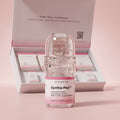
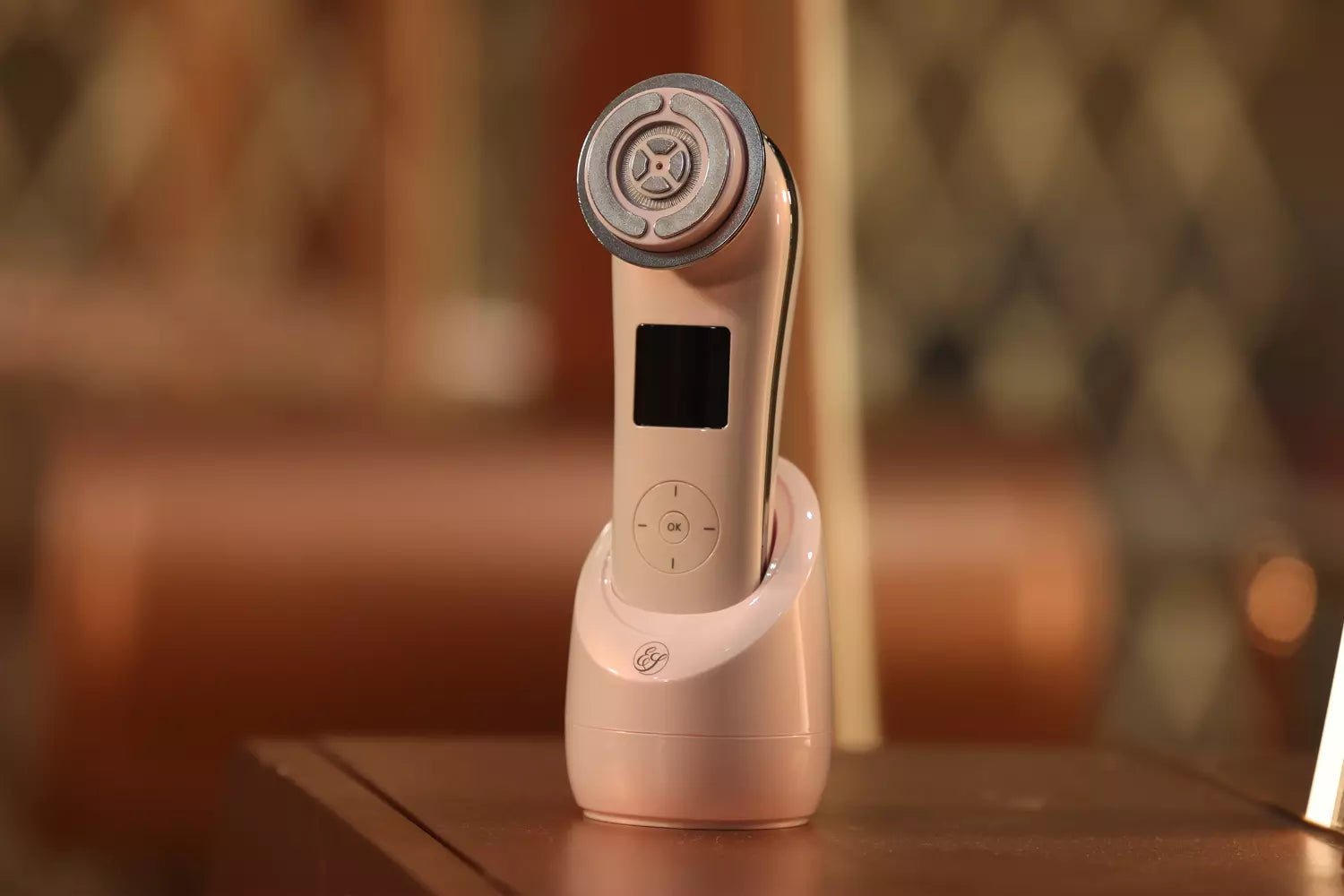
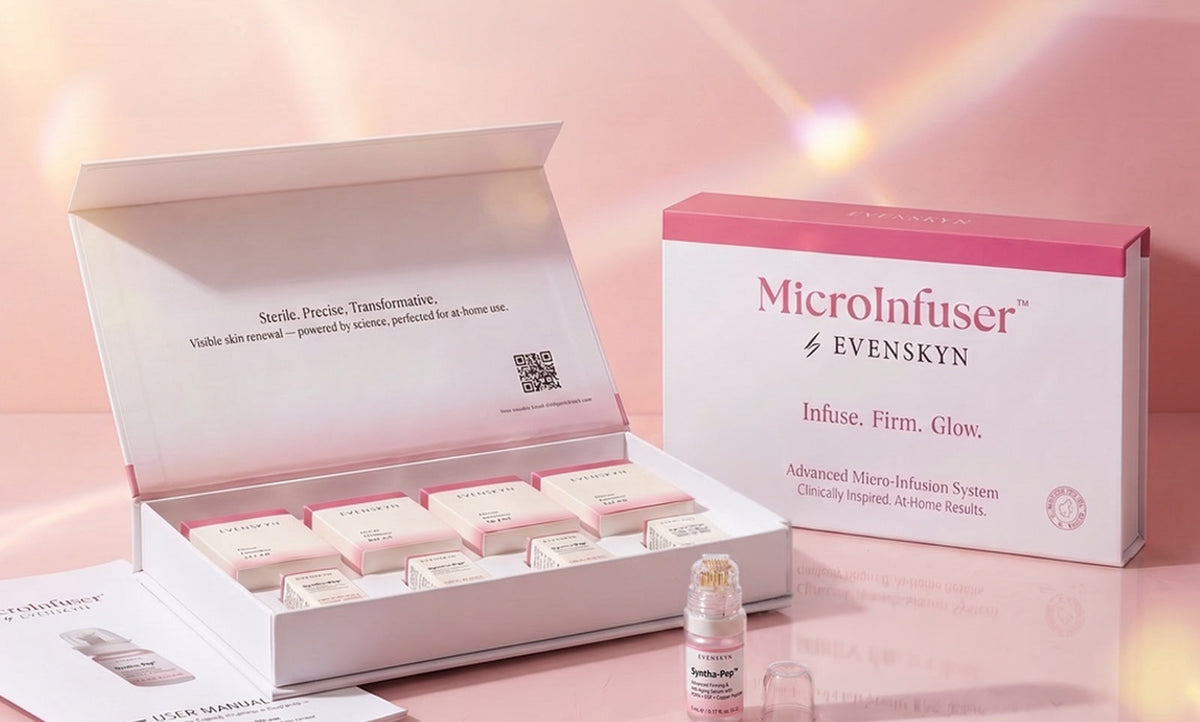
PDRN is one of the most searched anti-aging ingredients of the year, and two brands sit at the centre of the at-home conversation. AMIRO has expanded into PDRN with a stamping micro-infusion system and a separate light-plus-serum kit. EvenSkyn built the MicroInfuser with Syntha-Pep PDRN serum as a dedicated micro-infusion tool.
On a like-for-like basis, the AMIRO PDRN Micro-Infusion System is $107.99 for two treatments, which is about $54.00 a treatment. The EvenSkyn MicroInfuser is $189.99 for four treatments, which is about $47.50 a treatment. AMIRO gives you a 90-day money-back guarantee against our 60 days, and it has a longer track record. EvenSkyn names its sterilisation method, locks its needle depth mechanically, and publishes a full ingredient list with a named PDRN source. Neither brand has an independently published clinical study.
First, What "Micro-Infusion" Actually Means
This is where most shoppers get confused, so it is worth being precise. True micro-infusion uses an array of very fine, short, hollow needles to stamp the skin and place serum into the channels they create. The needles are typically 0.5 mm, finer than a hair, and the goal is to deliver actives just below the surface where a topical cream cannot easily reach.
That is different from a device that uses red light or microcurrent and asks you to apply a PDRN cream on top. Light and current can support absorption to a degree, but they do not create physical channels the way a stamping array does. Both approaches are valid. They are simply not the same mechanism, and a careful buyer should know which one a PDRN kit actually uses before purchasing.
The AMIRO PDRN Lineup
AMIRO markets PDRN across more than one product, which is part of why the lineup is hard to parse.
AMIRO PDRN Micro-Infusion System
Read on 22 August 2026, AMIRO's page lists this at $107.99 and describes a 0.5 mm system with 24K gold-plated tips and a single-use sterile cartridge. The kit contains two lyophilised microsphere vials, two hydrating solution vials, two micro-infusion tools and a manual, so a kit is two sessions. The formula is listed at 27% PDRN with 27% silk fibroin, 3% acetyl hexapeptide-8, 2% tranexamic acid and an ECM matrix of collagen and elastin. AMIRO states a 90-day money-back guarantee and a one-year warranty. This is AMIRO's true stamping product and the right thing to compare a dedicated micro-infusion tool against.
AMIRO HydraGlow Booster Red Light and Microcurrent PDRN Kit
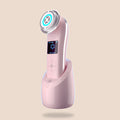
Read in June 2026, AMIRO's page described the HydraGlow Booster as combining red light, infrared, microcurrent and EMS, paired with a serum listed at 0.355% PDRN alongside phyto-retinol and collagen, at a sale price of $99.99 against a listed $129.99. This kit delivers PDRN topically while the device works through light and current. It is not a needle micro-infusion device, despite sitting in the same PDRN conversation. Treat those June figures as dated and check the live page.
About those two PDRN percentages
This is the single most misread number in the category, so read it slowly. AMIRO's 27% is stated for a lyophilised microsphere, which is a freeze-dried powder you reconstitute with a hydrating solution immediately before use. EvenSkyn's Syntha-Pep states 2,000 parts per million, which is 0.2%, for a ready-to-use liquid ampoule. Those two numbers are measured on different bases and cannot be lined up against each other. What lands on your skin depends on the dilution once the powder is reconstituted, and that ratio is not published.
There is a second reason not to shop on concentration alone. PDRN is a large molecule, and a higher number in the bottle is not the same as more PDRN reaching living skin. The delivery route matters more than the label percentage, which is the whole argument for stamping over a cream in the first place. Anyone quoting either figure without saying what it is measured on is not giving you enough to decide with.
Head to Head, Spec by Spec
Every cell below comes from the two brands' own published pages. The last column says plainly who comes out ahead, and where it is preference rather than fact it says so.
| Criterion | AMIRO PDRN Micro-Infusion System | EvenSkyn MicroInfuser with Syntha-Pep | Edge |
|---|---|---|---|
| Kit price | $107.99 for 2 treatments | $189.99 for 4 treatments | AMIRO on entry cost |
| Cost per treatment | About $54.00 | About $47.50 | MicroInfuser |
| Serum format | Freeze-dried microsphere reconstituted with a hydrating solution before each session | Sealed 5 mL liquid ampoule that clicks onto the needle head, no mixing step | Preference. Both are single use |
| Stated needle depth | 0.5 mm | 0.5 mm, fixed and mechanically locked at the head | MicroInfuser on depth control |
| Needle material and count | 24K gold-plated, single use. Count not published | 24K gold-plated, single use. Count not published | Draw. Neither publishes a count |
| Sterilisation method named | No. The page says sterile cartridge but names no method | Yes, individually gamma-sterilised | MicroInfuser |
| Actives published | 27% PDRN, 27% silk fibroin, 3% acetyl hexapeptide-8, 2% tranexamic acid, ECM collagen and elastin matrix | PDRN at 2,000 ppm, sh-Oligopeptide-1 (EGF), Copper Tripeptide-1 (GHK-Cu), four-form hyaluronic acid, niacinamide, ergothioneine, centella | Preference. The two percentages are not comparable, see above |
| PDRN source named | Not stated on the page we read | Yes. Supplier documentation reviewed in August 2026 records it as biosynthetic and not derived from salmon. EvenSkyn makes no vegan claim | MicroInfuser on disclosure |
| Evidence offered | Four percentage claims (93%, 91%, 93%, 96%) with no published study linked | A six-month company-sponsored internal study, randomised and participant-blinded against a water-only ampoule, 100 completers aged 41 to 74. Unpublished and not peer-reviewed | Draw. Neither is independently verified |
| Money-back guarantee | 90 days | 60 days | AMIRO |
| Warranty | 1 year | 12 months on the applicator | Draw |
| Track record | Established brand with a wide device range and an existing review base | Launched in 2026, no independent reviews yet | AMIRO |
| Availability | Ships now | In stock. Ships within 24 hours of the order being placed | Even. Both ship now |
| Regulatory status | Cosmetic device, no clearance claimed | Cosmetic device, not a medical device and not FDA-cleared | Same |
Count it and the MicroInfuser takes four rows, AMIRO takes three, and the rest are draws or preference. That is a closer contest than either brand's marketing suggests, and the deciding rows are cost per treatment and disclosure on one side against guarantee length and track record on the other.
Where AMIRO Wins, Plainly
A comparison is only useful if it is fair. AMIRO's entry price is lower, its 90-day money-back window is a month longer than ours, it ships today, and it has a real base of customer feedback across a wide device range. Its serum also brings silk fibroin and tranexamic acid, which we do not use, and tranexamic acid in particular has a following among people focused on the look of uneven tone. If your priority is an affordable, available kit from a brand with a longer history, AMIRO earns the look.
Who Should Choose What
Choose the AMIRO PDRN Micro-Infusion System if you want the lower entry price, the longer guarantee, delivery this week, and you are comfortable reconstituting a powder before each session.
Choose the AMIRO HydraGlow kit if you would rather have red light and microcurrent with a topical PDRN serum than a needle system at all.
Choose the EvenSkyn MicroInfuser if the lower cost per treatment matters, and if you want a named sterilisation method, a mechanically locked depth, a published full ingredient list and a named PDRN source. Accept that it is new, that its evidence is an internal study that has not been independently verified, and that EvenSkyn holds no allergen testing on the finished formula, so anyone with a known allergy should read the published ingredient declaration and get medical clearance first.
Choose neither if you are pregnant or breastfeeding, have a personal or family history of keloid scarring, have used oral isotretinoin in the last six months, or have active breakouts or open skin in the treatment area. Our contraindications guide applies to every kit in this category.
Frequently Asked Questions
Is the AMIRO HydraGlow kit a micro-infusion device?
No. Based on AMIRO's own product page, the HydraGlow Booster works through red light, infrared, microcurrent and EMS, and pairs with a topical PDRN serum. AMIRO sells a separate PDRN Micro-Infusion System for stamping delivery, and that is the product compared in the table above.
Does AMIRO really have 27% PDRN against EvenSkyn's 0.2%?
Those numbers are measured on different things. AMIRO's 27% describes a freeze-dried microsphere before you reconstitute it with the hydrating solution. EvenSkyn's 2,000 ppm, which is 0.2%, describes a ready-to-use liquid ampoule. Without the dilution ratio, which AMIRO does not publish, the two cannot be compared. Concentration on the label is also not the same as PDRN reaching living skin, which is why delivery route matters more than the percentage.
Which one costs less per treatment?
The EvenSkyn MicroInfuser, on the prices published on 22 August 2026. AMIRO is $107.99 for two treatments, about $54.00 each. EvenSkyn is $189.99 for four treatments, about $47.50 each. AMIRO is still the cheaper single purchase, and a launch discount runs on the EvenSkyn kit until 7 October 2026, so check both live listings.
Can I buy the EvenSkyn MicroInfuser yet?
Yes. It is in stock and shipping. Orders ship within 24 hours of being placed. An earlier version of this article said it had not launched, which was correct when it was written in June 2026 and is no longer true.
What kind of PDRN does the EvenSkyn MicroInfuser use?
Supplier documentation reviewed in August 2026 records the PDRN in Syntha-Pep as biosynthetic and not derived from salmon, and the Soluble Collagen as produced by yeast fermentation rather than extracted from animal sources. Correction, 4 September 2026: an earlier version of this answer said the serum contains marine collagen and was disclosed as not vegan on that basis. Those declarations cover two ingredients, EvenSkyn makes no vegan claim because no formula-level attestation is on file, and no allergen testing on the finished formula is held.
Should I trust the percentage results either brand lists?
Treat any precise percentage without a linked, readable study as a claim to verify rather than an established fact, and apply that to us as well as to AMIRO. AMIRO's four figures are not linked to a published study. EvenSkyn's figures come from a company-sponsored internal study that has not been peer-reviewed or independently replicated, and we say so wherever we quote them.
Continue Reading
For the full picture on at-home micro-infusion, see our buyer's guide to choosing a micro-infusion system, our comparison of the leading stamping systems, and our brand-by-brand reviews of Seranova, Qure, Glamory and Glov Beauty. For the ingredient side, read what Syntha-Pep is and how its PDRN is sourced and the practical guide to using PDRN at home. If you are weighing an at-home kit against a clinic appointment, we priced both in what PDRN microneedling costs at home and in clinic.
AMIRO is a trademark of its owner and is used here only to identify the product compared. This article is for educational purposes and describes cosmetic outcomes in terms of the look of the skin. It is not medical advice. Product details reflect each manufacturer's published information on the dates given and may change.


Hinterlasse einen Kommentar
Alle Kommentare werden vor der Veröffentlichung geprüft.
Diese Website ist durch hCaptcha geschützt und es gelten die allgemeinen Geschäftsbedingungen und Datenschutzbestimmungen von hCaptcha.