
Medically Reviewed by Dr. Lisa Hartford, MD
Published April 2026. Medically reviewed by Dr. Lisa Hartford, MD, board-certified dermatologist (Johns Hopkins University School of Medicine, Mayo Clinic dermatology residency), Chief Dermatology Advisor at EvenSkyn since 2020. Anatomical and clinical claims verified against PubMed, PMC, and peer-reviewed plastic surgery literature. PMID and PMCID provided for every clinical citation.
This guide is the lower-face companion to our complete at-home anti-aging stack guide, the neck rejuvenation deep-dive, and the at-home microinfusion pillar. This piece focuses on the jowl, jawline, and lower face.
What you need to know in 60 seconds
Jowls form because the soft tissues of the lower face descend with age. The 2023 anatomical paper by Minelli, Yang, van der Lei, and Mendelson (PMID 36050569, Aesthetic Plastic Surgery) settled the mechanism: the mandibular ligament itself does not loosen. Instead, the short elastic connective tissue that anchors skin to mandible lengthens with age, the cheek fat compartments slide downward, and the skin envelope becomes redundant.
That mechanism rules out single-modality solutions. Cream cannot reach the layer where the change is happening. Microcurrent alone cannot rebuild dermal collagen. Radiofrequency alone does not retrain the muscles. The intervention has to match the multi-layer anatomy.
The published clinical evidence supports a three-modality at-home stack: radiofrequency for dermal and connective tissue remodeling, microcurrent for muscle re-education, and red-light therapy for cellular support. Microinfusion adds a fourth layer for users who want to accelerate the regenerative response. Five published clinical trials and two systematic reviews covering more than 200 subjects converge on the same finding: this combination produces measurable improvement in jowls, marionette lines, and jawline definition over twelve weeks of consistent use.
What it cannot do is replace surgery for severe cases. Mild to moderate jowls (Merz scale 1-2) respond well; moderate jowls (Merz 3) respond partially; severe jowls (Merz 4) need clinical or surgical intervention as the primary path. The realistic timeline is six months to substantial change, with maintenance thereafter.
The cost differential is significant. A complete at-home stack runs $700 to $1,200 once, plus around $200 a year in serums and replacement parts. Annual Ultherapy or Thermage on the lower face runs $2,500 to $4,500 per session. Over five years, the at-home approach costs roughly ten percent of the clinic equivalent.
Part 1: Why jowls form (and what that means for treatment)
If you only read one section of this article, this is the one. Almost every consumer-facing piece on jowls treats the visible result rather than the underlying anatomy, which is why so many treatments disappoint.
The anatomical layers
The face organizes vertically into five layers: skin, subcutaneous fat, the superficial musculoaponeurotic system (SMAS, which contains the platysma in the lower face), deep fat, and bone. Aging affects all five, but jowl formation is concentrated in the upper three.
The Minelli study examined 49 cadaver heads through standardized layered dissections, sheet plastination, and micro-CT. Their finding was unambiguous and somewhat counterintuitive: the mandibular ligament (the deep attachment between the mandible and the overlying soft tissue) does not stretch with age. The visible jowl forms in the subcutaneous layer, where the short, elastic connective tissue that allows the mandible to glide independently of the skin in youth gradually lengthens. The subcutaneous fat compartments above this loose tissue descend, and what was previously held in place over the cheekbone now drapes below the jawline.
This finding has practical consequences. The therapeutic target is the upper to mid dermis and the immediate subcutaneous tissue beneath, roughly one to four millimeters below the skin surface. Surface-level treatments (most creams) cannot reach this depth. Deep-tissue treatments (surgical SMAS dissection, Ultherapy at 4.5mm) overshoot it. The therapeutic window for non-surgical, non-injectable intervention is narrow but real.
The four contributors to a visible jowl
Drawing on Minelli 2023 (PMID 36050569), Kang et al. 2016 (PMID 27427339, Journal of Cranio-Maxillofacial Surgery) on the mandibular retaining ligaments, and Mendelson and Wong's contribution to Plastic Surgery (Neligan, 4th edition), four anatomical changes combine to produce a visible jowl.
Mid-face fat compartment descent. The malar fat pad and the superficial cheek compartments slide downward with age, partly because their retaining ligaments lose tension and partly because the underlying bone resorbs. Per Kang et al., this descent is the primary contributor to jowl formation, more so than mandibular ligament laxity itself.
Subcutaneous connective tissue lengthening. Per Minelli, this is the immediate mechanical cause of the visible jowl bulge. The connective tissue that allows mandibular movement in youth lengthens with age, producing the characteristic redundancy.
Dermal collagen and elastin depletion. Beginning in the mid-twenties, dermal collagen production declines at approximately 1 to 1.5 percent per year. Brincat and colleagues (1987, PMID 3120067, Obstetrics and Gynecology) documented an additional acceleration in postmenopausal women: roughly 30 percent loss of remaining skin collagen in the first five years after menopause, with continued decline of about 2.1 percent per postmenopausal year over the following 15 years. Both proteins give skin its structural firmness and recoil capacity. As they deplete, the skin envelope becomes loose.
Platysmal laxity at the lower jaw border. The platysma is a broad, thin muscle that runs from the upper chest across the neck and inserts along the lower border of the mandible. Where its attachment to the mandible is loose (specifically posterior to the mandibular ligament, per Minelli), this laxity manifests as visible jowling and contributes to the marionette line and submental cord appearance.
A fifth factor, bone resorption at the mandible and maxilla, contributes to the apparent shape change but is not addressable through non-surgical, non-injectable means. We will note it where relevant but not center the protocol around it.
What this anatomy implies about treatment selection
Each contributor responds to a different intervention. Subcutaneous connective tissue laxity and dermal collagen loss respond to controlled thermal stimulation that triggers collagen remodeling. The mid-face fat descent responds mechanically to volume restoration (filler) or, less directly, to dermal tightening that reverses the visible drape. Platysmal laxity responds to neuromuscular stimulation that re-educates muscle tone.
This is the mechanistic case for a multi-modality protocol. A treatment that addresses only one layer produces only a partial result. The integrated approach is what the published clinical evidence supports.
"The single most common mistake I see in patients who try at-home jowl treatment is choosing one device and expecting it to address what is actually a multi-mechanism problem. The plastic surgery anatomy literature is clear: jowl formation involves the dermis, the subcutaneous connective tissue, the platysma, and the descended fat compartments. A single modality addresses one or two of these layers. The integrated stack matches the integrated anatomy. That is why I recommend the multi-modality framework rather than any single device."Dr. Lisa Hartford, MD, Chief Dermatology Advisor at EvenSkyn
Part 2: Every jowl treatment that exists, compared directly
Most consumer content compares two or three options. The realistic landscape has eleven, and the right answer depends on jowl severity, budget, time horizon, and willingness to accept downtime.
Surgical interventions
The lower facelift (rhytidectomy with or without platysmaplasty) remains the most definitive intervention for moderate to severe jowls. It surgically tightens the SMAS, repositions soft tissue, removes excess skin, and addresses platysmal laxity directly. Cost is $7,000 to $15,000 depending on surgeon and geography. Recovery is two to three weeks of meaningful downtime. Results last 8 to 12 years. The risks (general anesthesia, infection, scarring, possible facial nerve injury) are real but well-managed by experienced board-certified surgeons. For severe jowls with significant excess skin, this is often the only intervention that produces dramatic structural change.
The mini facelift is a smaller-scale version focused on the lower face. Cost runs $4,000 to $8,000, recovery is one to two weeks, and results last 5 to 7 years. The neck lift (platysmaplasty alone, occasionally combined) addresses platysmal cords and submental laxity specifically; it costs $4,000 to $9,000.
Thread lifts use minimally invasive PDO, PCL, or PLLA threads inserted under the skin to mechanically lift sagging tissue and stimulate collagen synthesis. Cost is $1,500 to $4,500 per session, downtime is a few days of mild swelling, and results last 12 to 18 months. The cost-per-result of repeated thread sessions over a decade often exceeds a single facelift, but for patients who want a non-surgical option with mechanical lift, this is the most direct path.
Energy-based clinical treatments
Ultherapy (microfocused ultrasound) targets the SMAS layer at 4.5mm depth using focused ultrasound. A single session costs $2,000 to $4,500 for the lower face. Pain is significant during the procedure (most patients require oral pain management). Results appear at three months, peak at six, and last 12 to 18 months. The clinical evidence is solid; the cost-per-result is high.
Sofwave is a newer parallel ultrasound platform targeting the mid-dermis at 1.5mm depth. Cost is $2,000 to $4,000 per session, with less pain than Ultherapy and similar duration. It is increasingly the preferred option for the lower face and submental specifically.
Thermage uses monopolar radiofrequency at much higher power than at-home devices, costing $2,500 to $5,000 per session. Effects last one to two years. The newer Thermage FLX is more comfortable than the original.
Morpheus8 combines fractional RF with microneedling at adjustable depths up to 8mm. Cost is $1,500 to $3,500 per session, typically delivered as a series of three. Recovery involves five to seven days of redness and swelling. Among in-clinic RF options for jowls, Morpheus8 has the strongest 2026 reputation.
FaceTite and AccuTite deliver bipolar RF through a small cannula inserted under the skin. More aggressive than non-needle RF, they require local anesthesia and three to seven days of recovery. Cost is $3,500 to $7,000, with results lasting one to three years.
Injectable treatments
Hyaluronic acid fillers (Juvederm Voluma, Restylane Lyft) volumize the cheeks, jawline, and pre-jowl sulcus. Cost is $600 to $1,200 per syringe, with jawline contouring typically requiring two to four syringes. Results last 6 to 18 months depending on filler type. A practical caution: filler placed incorrectly along the jawline can create a heavier, more jowled appearance over time. Reputable injectors target the chin, the pre-jowl sulcus, and the cheekbones for support, not the jowl itself.
Sculptra (poly-L-lactic acid) is a bio-stimulator that triggers gradual collagen synthesis rather than acting as immediate volume. Cost is $700 to $1,200 per vial, typically two to four vials over three sessions. Results develop over three to six months and last 18 to 24 months.
Kybella (deoxycholic acid) dissolves submental fat. It addresses the double chin under the jaw rather than the lateral jowl. Cost is $1,200 to $1,800 per session over two to four sessions.
Botox to the platysma (the "Nefertiti lift") relaxes the muscle's downward pull on the jawline, producing a subtle jaw-defining lift. Cost is $400 to $800 per session every three to four months.
Quick-reference comparison
| Treatment | Mechanism | Typical cost | Pain | Downtime | Results last | At-home? |
|---|---|---|---|---|---|---|
| Lower facelift | Surgical SMAS tightening | $7,000-$15,000 | Significant | 2-3 weeks | 8-12 years | No |
| Mini facelift | Surgical, lower face only | $4,000-$8,000 | Moderate | 1-2 weeks | 5-7 years | No |
| Thread lift | Mechanical lift sutures | $1,500-$4,500 | Mild | 2-3 days | 12-18 months | No |
| Ultherapy | Focused ultrasound at 4.5mm | $2,000-$4,500 | Significant | None | 12-18 months | No |
| Sofwave | Parallel ultrasound at 1.5mm | $2,000-$4,000 | Moderate | None | 12-18 months | No |
| Thermage | Monopolar RF | $2,500-$5,000 | Moderate | None | 12-24 months | No |
| Morpheus8 | RF microneedling | $1,500-$3,500 x3 | Numbing required | 5-7 days | 6-12 months | No |
| FaceTite | Internal bipolar RF | $3,500-$7,000 | Local anesthesia | 5-10 days | 1-3 years | No |
| HA filler | Volume restoration | $600-$1,200/syringe | Mild | 1-2 days | 6-18 months | No |
| Botox (Nefertiti) | Platysmal relaxation | $400-$800/quarter | Minimal | None | 3-4 months | No |
| At-home stack | Multi-modality (RF + microcurrent + LED) | $700-$1,200 once + $200/yr | None | None | Maintained with use | Yes |
Five-year cost reality
At-home: roughly $1,700 to $2,400 over five years. Annual Ultherapy or Thermage: $15,000 over five years. Annual filler at chin and pre-jowl sulcus: $10,000 over five years. Combined clinical maintenance with filler, Botox, and an annual energy device: $25,000 to $40,000 over five years.
These numbers are not hypothetical. They reflect typical 2026 pricing in major US metros.
"I am often asked whether at-home approaches are worth it versus clinical alternatives. The direct answer is that they answer different questions. A single Ultherapy session at $3,500 produces a dramatic six-month change with a clear endpoint. A consistent at-home protocol over the same six months produces a smaller per-week change that compounds. For a patient who will execute consistently, the at-home protocol delivers comparable results for mild to moderate jowls at roughly ten percent of the lifetime cost. For a patient who wants one decision and one annual visit, clinical is correct. Neither is universally better."
Dr. Lisa Hartford, MD
The Merz scale and what each option actually delivers
Most clinical research grades jowl severity on the Merz aesthetic scale (0 to 4). For Merz 0-1 (minimal jowl, early laxity), at-home approaches alone can produce excellent results. For Merz 2 (mild to moderate), at-home approaches produce meaningful improvement over six to twelve months. For Merz 3, at-home approaches produce visible but partial improvement; the best results often combine an annual clinical treatment with at-home maintenance. For Merz 4 (severe), surgical or thread-based intervention is typically required as the primary path, with at-home as ongoing maintenance afterward.
Part 3: The clinical evidence for at-home devices on the lower face
This section is what most jowl content skips. Without it, recommendations are marketing.
Radiofrequency at home
The strongest single piece of jowl-specific evidence is Sadick and Harth, 2016, published in Journal of Cosmetic and Laser Therapy (PMID 27351303, 18(8):422-427). This 12-week trial enrolled 47 subjects using a multisource home RF device three times weekly for the first four weeks, then twice weekly for the following eight weeks. Forty-five completed the study. The paper is unusual in cosmetic dermatology because it specifically measured the lower-face outcomes that matter for jowls. Statistically significant improvements were noted in marionette lines, facial lift, jawline lift, plus skin firmness, elasticity, texture, tone, and radiance. Objective measurement with the Cutometer MPA 580 confirmed firmness and elasticity gains. SIAscope measurements confirmed dermal collagen content increase. This is the closest the published literature gets to a direct test of "does home RF improve jowls" with an answer of yes.
A 2022 randomized split-face trial by Shu and colleagues in Dermatology and Therapy (PMID 35249173, PMC9021338) extended the evidence base. Thirty-three women aged 35 to 60 used a home RF device on one side of their face for 12 weeks, with the contralateral side receiving anti-aging cosmetic as control. The RF-treated side showed statistically significant improvements in wrinkle parameters, radiance, skin elasticity, and skin thickness compared to the cosmetic-treated side.
A 2024 open-label intraindividual controlled trial by Ai and colleagues in Journal of Cosmetic Dermatology (PMID 37942722) confirmed efficacy and safety using a different home RF device in Chinese women with Fitzpatrick III-IV skin. A 2017 home RF and LED combination study by Gold, Biron, Levi, and Sensing in Journal of Cosmetic Dermatology (PMID 27910259, 16(1):95-102) enrolled 33 subjects, 30 of whom completed six weeks of periorbital treatment. Blinded dermatologist photograph assessment showed an average reduction of 1.49 Fitzpatrick Wrinkle Scale points (p<0.001). Earlier work by Shemer, Levy, Sadick, Harth, and Dorizas in Journal of Drugs in Dermatology (2014, PMID 25607700, 13(11):1342-1347) tested the same multisource RF technology in 69 enrolled subjects with similar safety findings.
A 2024 systematic review by Bu and colleagues in Clinical, Cosmetic and Investigational Dermatology (PMID 38476342, PMC10929553) consolidated 18 clinical studies of home beauty devices. The aggregate finding: RF, microcurrent, and LED home devices improve skin aging markers when used consistently, with transient redness and swelling the only adverse reactions observed. A separate 2022 systematic review by Cohen and colleagues in Archives of Dermatological Research (314(3):239-246) gave home RF for rhytides and wrinkles a Grade B recommendation based on one Level 1b RCT and six Level 2b studies.
The collective evidence supports home RF as a real intervention with measurable structural effects, smaller per-session than clinical Thermage or Morpheus8 but cumulatively meaningful over 12 weeks of consistent use.
Microcurrent at home
The mechanism evidence for microcurrent is older and well-established. The foundational study is Cheng and colleagues, 1982, in Clinical Orthopaedics and Related Research (171:264-272), which demonstrated that direct electric currents from 50 to 1000 microamps applied to rat skin tissue increased ATP concentrations by three to five-fold, with the optimal range between 100 and 500 microamps. ATP is the cellular fuel that supports the metabolic activity required for tissue repair and remodeling. The original Cheng work was performed on rat skin in vitro, and the broader microcurrent literature has continued to build on that mechanistic foundation.
A 2023 review by Kolimechkov, Seijo, Swaine, Thirkell, Colado, and Naclerio in European Journal of Applied Physiology (PMID 36399190, PMC9941239, 123(3):451-465) examined the broader physiological effects of microcurrent and confirmed the mechanistic basis: ATP resynthesis, intracellular calcium homeostasis, and effects on muscle protein synthesis. For aesthetic applications specifically, the mechanism translates to muscle re-education at the platysma and underlying facial muscles.
What microcurrent does not do is directly tighten dermal collagen architecture in the way RF does. The visible "lift" from microcurrent is muscle tone re-education, not connective tissue remodeling. This is why microcurrent alone produces visible toning early but does not address moderate to severe jowls; the underlying connective tissue laxity stays the same. Microcurrent is essential as a layer of the integrated stack, not as a complete answer.
Red light therapy at home
The 2014 study by Wunsch and Matuschka in Photomedicine and Laser Surgery (PMC3926176, 32(2):93-100) established the foundational clinical evidence for red light therapy in skin rejuvenation. Subjects treated with red and near-infrared light for 30 sessions showed statistically significant improvements in skin complexion, fine lines, wrinkles, skin roughness, and intradermal collagen density measured by ultrasonography compared to controls.
Photobiomodulation operates through cytochrome c oxidase in the mitochondrial respiratory chain. Red light at 633 to 660 nm penetrates the upper to mid dermis. Near-infrared at 830 to 850 nm penetrates more deeply. Both wavelengths boost ATP production and trigger downstream cellular responses including increased fibroblast activity and accelerated tissue repair.
For jowls specifically, LED's contribution is supportive rather than primary. It supports the cellular metabolic conditions that allow RF and microcurrent to produce structural change. Adding LED to an RF and microcurrent stack improves outcomes; relying on LED alone produces minimal jowl improvement.
Microinfusion at home
The newest category in the at-home space. The clinical evidence for at-home PDRN (polydeoxyribonucleotide) microinfusion is younger but rapidly accumulating. The 2017 review by Squadrito and colleagues in Frontiers in Pharmacology (PMC5405115) established the pharmacological basis. PDRN binding to A2A receptors on dermal fibroblasts triggers VEGF upregulation, fibroblast proliferation, and the M1-to-M2 macrophage shift that supports tissue regeneration.
For the at-home microinfusion protocol that complements the device-based regimen, see our complete how-to guide on using PDRN at home through microinfusion.
Why the integrated stack works
Each anatomical contributor to jowl formation responds to a different mechanism: subcutaneous connective tissue laxity to thermal collagen remodeling (RF), platysmal laxity to neuromuscular re-education (microcurrent), dermal collagen and elastin depletion to photobiomodulation and active delivery (LED plus optional microinfusion). A single modality addresses one or two contributors; the integrated stack addresses all of them.
The published evidence supports this. The Sadick and Harth 2016 jowl-specific findings (marionette lines, jawline lift, facial lift), combined with the Bu et al. 2024 systematic review covering 18 studies, combined with the Cohen et al. 2022 systematic review giving home RF a Grade B recommendation, converge on the conclusion that at-home multi-modality protocols produce real, measurable lower-face change for users who execute consistently over 12 weeks or more.
Part 4: Choosing devices for the at-home jowl protocol
The protocol works with multiple device combinations. Here is what to look for in each modality, plus how the leading consumer devices compare.
Radiofrequency: specifications that matter
Frequency. Consumer RF devices operate at 0.5 to 2 MHz. Lower frequency penetrates deeper but generates less surface heat; higher frequency produces faster surface effect but shallower penetration. For lower-face structural change, 1 to 2 MHz is the practical sweet spot.
Polarity. Monopolar RF penetrates deepest but is rare in consumer devices. Bipolar and tripolar RF produce more controlled, more comfortable heating at moderate depth, which is what most consumer devices use.
Power and dermal temperature target. The clinical literature consistently identifies 40 to 45°C dermal temperature as the at-home therapeutic window. Devices that reach and sustain this temperature produce more change than devices that simply warm the skin surface.
Treatment area and time. Lower-face treatment requires roughly 5 to 8 minutes per side at therapeutic temperature. Sessions shorter than this rarely produce structural change.
Safety features. Built-in temperature sensors that prevent overheating, automatic shutoff if the device is held in one place too long, and impedance monitoring that confirms good skin contact.
Recommended RF approach
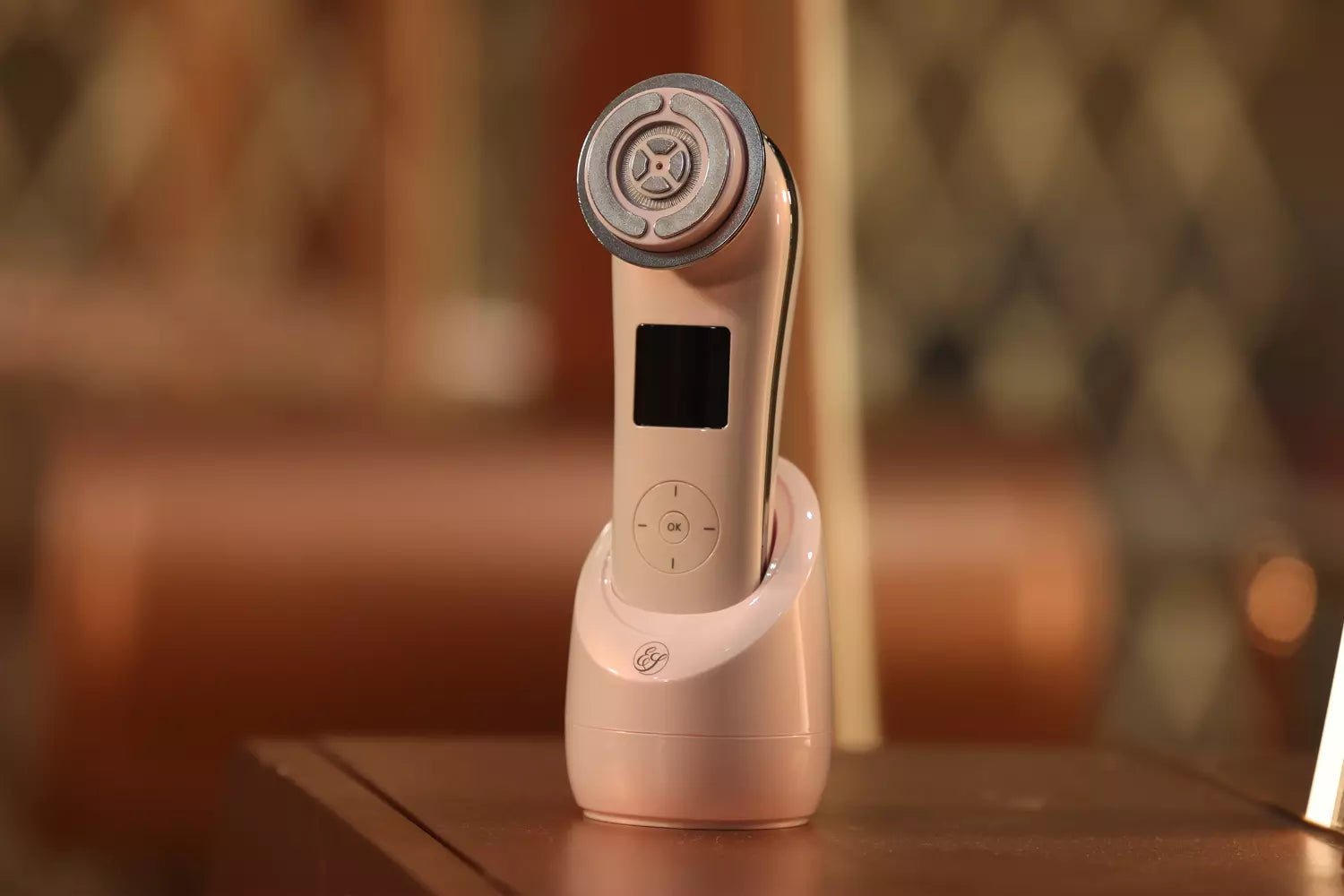
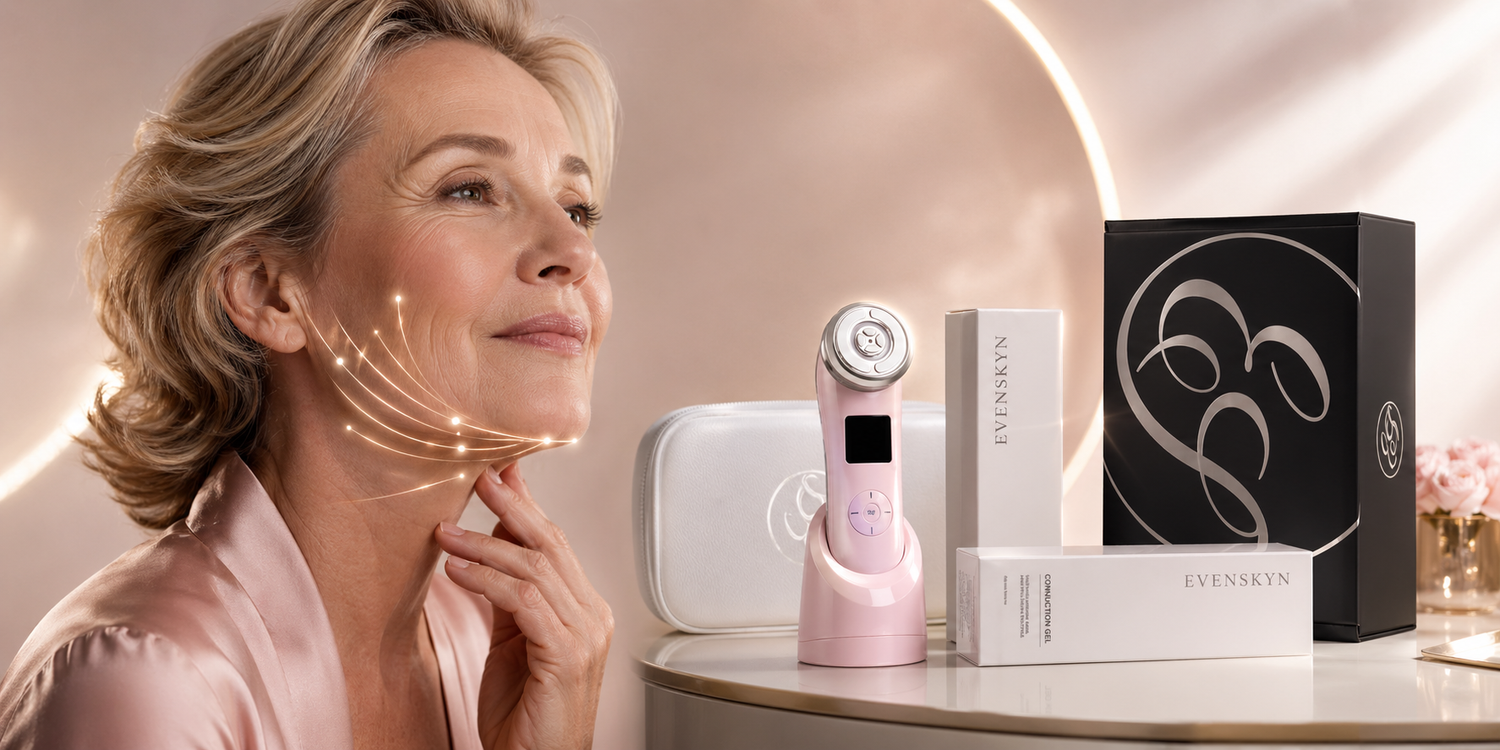
The EvenSkyn Lumo+ RF/microcurrent/red-light handset is built specifically for the integrated protocol described in this guide: bipolar RF combined with microcurrent and LED in the same device. The single-device approach matters for consistency, since the most common reason at-home stacks fail is the friction of switching between three or four separate handsets.
Other RF options worth considering: NEWA 3DEEP (the device used in the Sadick and Harth 2016 and Shemer et al. 2014 studies, FDA-cleared, RF only), TriPollar STOP V (RF plus microcurrent combo), and the Solawave Wand Pro (RF plus LED plus microcurrent in a smaller form factor).
Microcurrent: specifications that matter
Therapeutic microcurrent runs at 100 to 500 microamps based on the Cheng 1982 ATP findings. Higher intensity is uncomfortable without adding cellular benefit; lower intensity may not reach therapeutic threshold.
Microcurrent requires a conductive gel or activator solution. Devices that include their own gel formulation tend to perform consistently. Two-prong devices (one current path enters at one electrode and exits at another) are the standard. Single-prong devices that rely on body-grounding tend to be less consistent.
The best microcurrent devices include a treatment guide or app showing the upward-and-outward glide pattern that produces lift. Random use produces inconsistent results.
Recommended microcurrent approach
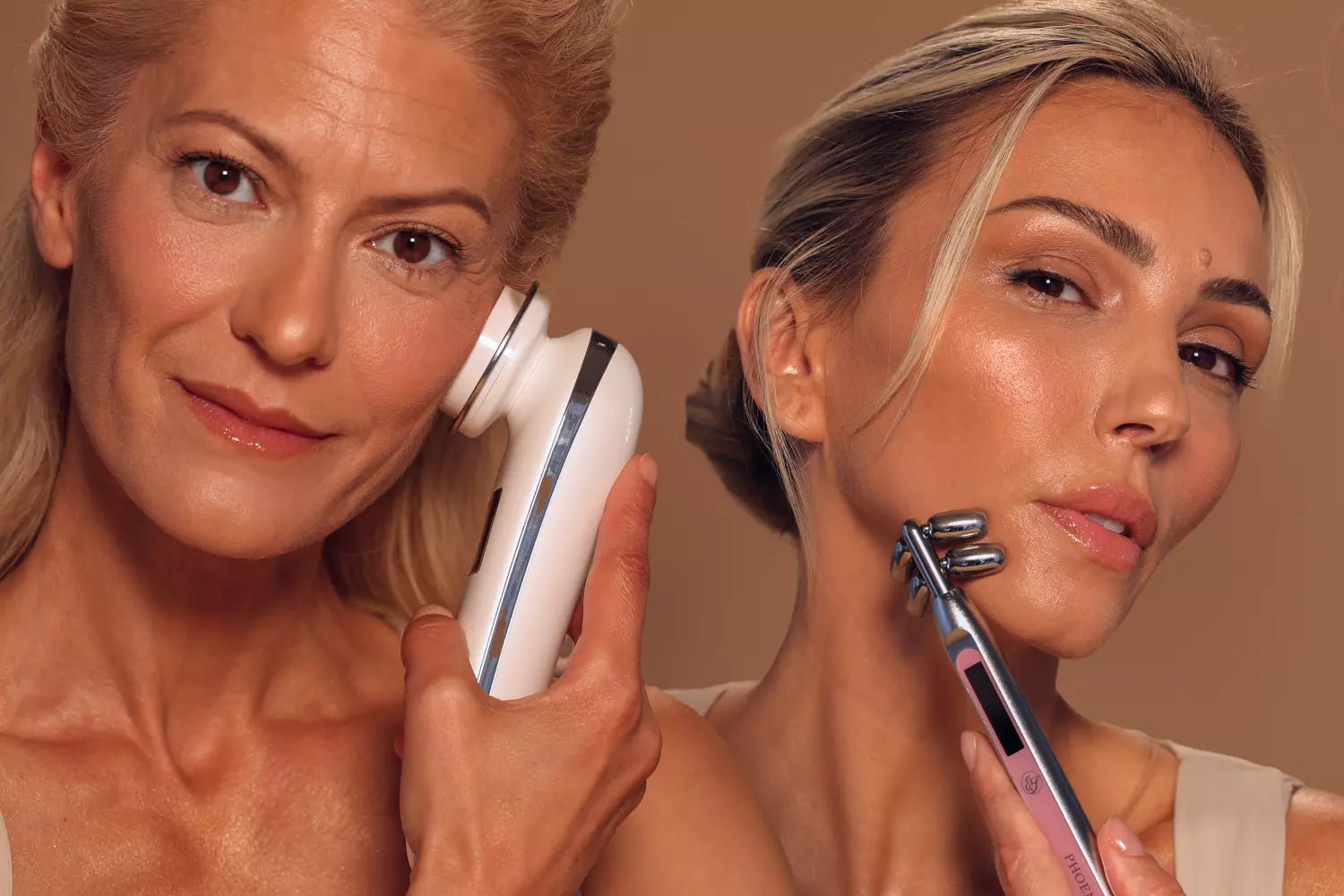
The EvenSkyn Phoenix microcurrent bar operates at therapeutic sub-sensory intensity in a two-prong T-bar form factor designed to glide along the jawline contour. The Lumo+ also delivers microcurrent in the same device as RF; for users who want a dedicated microcurrent tool with longer single-purpose sessions, the Phoenix is the focused option.
Strong direct competitors: NuFACE Trinity+ (the long-standing market leader, well-validated FDA-cleared microcurrent, microcurrent only), ZIIP Halo (smaller, app-driven, multiple programs), MyoLift (clinical-grade waveforms, multiple intensities).
Red light therapy: specifications that matter
Wavelengths matter most. Red at 633 to 660 nm produces dermal effects (collagen synthesis, fine lines, redness reduction). Near-infrared at 830 to 850 nm penetrates more deeply for systemic anti-inflammatory effects. The combination of both wavelengths in one device produces the most complete effect.
Irradiance (power per unit area, measured in mW/cm²) determines therapeutic dose per minute. Devices below 30 mW/cm² require very long sessions to deliver a therapeutic dose; devices above 100 mW/cm² deliver therapeutic dose in 10 to 15 minute sessions.
A face-shaped mask is the most efficient delivery format for the entire face including the jaw and lower face. Handheld wands work but require longer sessions to cover the same area.
Recommended red light approach
The EvenSkyn Mirage red light therapy mask delivers both 633 nm and 850 nm wavelengths in a face-shaped mask format that covers the jaw and lower face zones. Strong direct competitors: Omnilux Contour Face (medical-grade, FDA-cleared, expensive), CurrentBody Series 2 (well-reviewed mass-market option), Solawave 4-in-1 Wand for spot treatment.
Microinfusion: specifications that matter
For users adding the optional microinfusion layer, the device should include sterile single-use stamp heads (not reusable rollers or pens), needle depth between 0.25 and 0.5 mm for facial application, and compatibility with a regenerative serum (PDRN, EGF, or copper peptide). The clinical complement is covered in detail in our microinfusion pillar guide.
For under-eye work that complements lower-face microinfusion, dedicated under-eye microinfusion patches sized for the periorbital area work better than facial stamps. The under-eye skin is roughly a quarter the thickness of cheek skin, and devices calibrated for cheek treatment can be too aggressive there.
Part 5: The integrated six-month protocol
This is the practical heart of the guide. The protocol below is what we recommend based on the published clinical evidence and the device-selection criteria in Part 4. It addresses all four contributors to jowl formation through complementary modalities, sequenced to allow each one to produce its effect without overlap that causes inflammation rather than remodeling.
Phase 1: Weeks 1 to 2 (acclimation)
Most users skip acclimation and ramp straight into the full protocol, then quit when their skin reacts. The first 14 days establish tolerance.
In days 1 through 7, run one RF session (8 to 10 minutes, lowest intensity, lower face only). Add one microcurrent session (5 minutes, jaw and mid-face). Use LED red light every other day for 10 minutes. Apply daily sun protection (SPF 30 minimum, broad-spectrum UVA and UVB). In days 8 through 14, increase to two RF sessions per week (10 minutes each, low to medium intensity), two microcurrent sessions (5 to 7 minutes each), and LED red light every other day (10 to 15 minutes). On non-RF nights, you can introduce a quality retinoid (0.025 to 0.05 percent tretinoin or 0.5 to 1.0 percent retinol).
If skin tolerates the protocol without redness lasting more than two hours, prolonged stinging, or bumps, proceed to Phase 2. If reactions occur, hold this phase for another week or reduce intensity.
Phase 2: Weeks 3 to 8 (build-up)
This is where the muscle work and dermal stimulation start producing visible change. Consistency matters more than intensity here. The weekly cadence is three RF sessions, three microcurrent sessions, and four LED sessions.
Monday is RF on the lower face for 12 to 15 minutes at medium intensity, immediately followed by 15 minutes of LED red light. Tuesday is full-face microcurrent for 10 minutes, focusing on jawline upward strokes and mid-cheek lifting movements. Wednesday repeats Monday. Thursday repeats Tuesday. Friday repeats Monday once more. Saturday is microcurrent again with optional LED. Sunday is a rest day with standard skincare.
Daily habits during Phase 2 include broad-spectrum sunscreen every morning, a retinoid every night except RF nights, vitamin C serum every morning before sunscreen, hydrating moisturizer with peptides after every device session, sleeping on your back when possible (side-sleeping accelerates jowl formation on the contact side), and water intake of two to three liters daily.
By weeks 6 to 8, expect early changes. The jawline appears slightly more defined, the mid-face has subtle lift, and skin texture is smoother. Friends and family typically do not notice yet. You will.
Phase 3: Weeks 9 to 16 (consolidation)
This is where structural changes begin to compound. Stay consistent. Most people who quit at-home protocols quit between weeks 6 and 10 because early gains plateau before the deeper changes appear.
Weekly cadence stays at three RF, three microcurrent, four LED, with intensity increased: RF medium to medium-high if tolerated, longer microcurrent sessions (12 to 15 minutes) with more upward strokes, same LED dosing. This is also the phase to add bi-weekly microinfusion sessions with a regenerative serum (PDRN, EGF, or GHK-Cu copper peptides) on Tuesday or Thursday following the microinfusion protocol from our pillar guide.
By week 12, jaw definition is meaningfully sharper. The mid-face lift is becoming visible in photos compared to baseline. Marionette lines are softer.
By week 16, friends and family begin to comment without prompting. The jawline appears 3 to 7 years younger in photographic comparison. The change is subtle in any single direction but cumulative.
Phase 4: Weeks 17 to 24 (peak development)
Structural change consolidates. Continue the same cadence; results continue to improve at a slower rate.
By week 24, expect to see visible jaw definition restored, the pre-jowl sulcus partially filled (from improved fat compartment positioning, not volume addition), marionette lines reduced in depth and length, the mid-face appearing lifted in photographs, the submental area showing reduced laxity, and overall skin texture, tone, and radiance markedly improved.
Phase 5: Maintenance from week 25 onward
This is the phase most people get wrong. The structural changes from Phases 1 to 4 hold only with continued treatment, although at reduced frequency.
Maintenance cadence is two RF sessions per week, two microcurrent sessions per week, two to three LED sessions per week, and bi-weekly microinfusion if you added it in Phase 3. Lifestyle factors maintain or undo your progress; sun protection remains non-negotiable, sleep position matters, hydration matters, diet matters, and smoking accelerates re-development of jowls more than almost any other lifestyle factor.
Why this cadence and not something faster
The biology of skin remodeling sets the pace. Collagen synthesis cycles run on 28-day intervals. Maximum collagen turnover from a single RF session takes roughly 90 days to fully express. Microcurrent muscle re-education builds over 6 to 8 weeks. The cadence above gives each modality time to produce its effect without overlapping in ways that cause inflammation rather than remodeling.
Trying to do daily RF, daily microcurrent, and daily LED produces inflammation rather than faster results. Fibroblasts cannot lay down collagen faster than the underlying physiology allows. Patience compounds. Impatience produces irritation that stalls progress.
Part 6: Targeted technique for six lower-face zones
Generic facial treatment patterns produce generic results. The protocol below targets the six zones that matter for jowl reduction with specific device positioning for each.
Zone 1: Mid-cheek and zygomatic arch
Why it matters: mid-cheek volume loss is a primary contributor to jowl formation. As the cheek descends, skin previously suspended over the cheekbone drops to the jawline.
For RF, glide upward and laterally from the corner of the mouth toward the temple, treating the entire mid-cheek area. Run 90-second passes with three to four passes per side. For microcurrent, place electrodes at the nasolabial fold (origin of the lift) and the temple (insertion point), then perform slow, smooth glides from the lower position to the upper, eight to ten strokes per side. Use standard mask coverage during the after-RF LED phase.
Zone 2: Pre-jowl sulcus
The pre-jowl sulcus is the small hollow immediately in front of the jowl that creates the visible "step" along the jawline. Filling it visually softens the jowl appearance even before structural change occurs.
For RF, run slow, repeated passes at medium intensity directly over the prejowl sulcus. Skin is thin here, so control depth carefully. For microcurrent, work locally around the depressor anguli oris muscle. This zone responds well to bi-weekly microinfusion with GHK-Cu copper peptide serum applied with the microinfusion protocol.
Zone 3: The jowl proper
This is the visible bulge. Per Minelli 2023, the jowl is subcutaneous fat redundancy posterior to the mandibular ligament; treatment targets the subcutaneous connective tissue laxity rather than fat removal.
For RF, treat directly over the jowl pad with higher dwell time (medium intensity, 60 to 90 seconds per pass, three to four passes). The marginal mandibular branch of the facial nerve courses through this area; do not use aggressive intensity here. For microcurrent, use lift strokes from below the jaw upward toward the ear. The platysma's loose attachment to the mandible posterior to the mandibular ligament is the muscle target.
Zone 4: Labiomandibular crease (marionette line)
The line from the corner of the mouth toward the jaw, formed by tightly-bound subcutaneous tissue plus underlying depressor muscle.
For RF, run slow passes along the line itself, plus passes perpendicular to it (across the line) to soften the visual impression. For microcurrent, do targeted DAO (depressor anguli oris) muscle work with gentle vertical strokes from the corner of the mouth downward. LED produces a strong response in this zone.
Zone 5: Submental area
The under-chin zone often accumulates fat (contributing to "double chin" appearance) and shows platysmal banding in many patients. Both contribute to the visual jowl heaviness.
For RF, treat the submental area with reduced intensity (skin is thin, vasculature dense). Use 6 to 8 minutes of slow passes. For microcurrent, glide from the chin toward the ear, treating the platysma's lateral fibers. Use the LED mask's coverage; supplement with a handheld wand if needed.
If submental fat is the primary concern (rather than skin laxity), at-home treatment is less effective. This is the zone where Kybella or Cryolipolysis (CoolSculpting) may be worth a clinician consultation.
Zone 6: Lateral neck and platysmal cords
The platysma extends from the lower face into the neck. Lateral neck laxity pulls the lower face downward; treating the neck integrates with jowl reduction.
For the neck-specific protocol, see our complete guide to at-home neck rejuvenation. The integrated approach treats the neck on the same days as the jowl protocol.
Combining the zones in a single session
In a single Phase 2 or Phase 3 RF session, work through the zones in this order: pre-warm the general lower face for 1 minute at low intensity, then mid-cheek and zygomatic (Zone 1), then jowl proper (Zone 3), then pre-jowl sulcus (Zone 2), then marionette line (Zone 4), then submental (Zone 5), with optional lateral neck (Zone 6). Total session time: 12 to 18 minutes.
Part 7: What does not work for jowls
Failure analysis is more useful than success documentation. Here is what consistently underdelivers for jowls, ranked by how often it gets recommended online.
Face yoga and facial exercises alone
The clinical evidence is real but limited. The most-cited study is Alam and colleagues, 2018, in JAMA Dermatology (PMID 29299598, doi:10.1001/jamadermatol.2017.5142). Sixteen women aged 40 to 65 completed a 20-week facial exercise program. Blinded dermatologist raters using the validated Merz-Carruthers Facial Aging Photoscale found significant improvements in upper and lower cheek fullness. Perceived age dropped from 50.8 years to 48.1 years, an improvement of approximately three years over 20 weeks.
The mechanism the authors propose is exercise-induced cheek muscle hypertrophy that adds volume to the descending mid-face, which has direct relevance to jowl appearance. So face yoga has plausible jowl-relevant evidence. The caveats are equally important: small single-arm pilot study with no control group, one specific exercise protocol (the proprietary Happy Face Yoga regimen), and substantial time commitment (30 minutes daily for eight weeks, then alternate-day for twelve more weeks). As a primary intervention against established jowls, the effect size is modest. Face yoga makes sense as a complement to device work rather than a replacement.
Anti-aging creams alone
Topical retinoids, peptides, vitamin C, and growth factors all support skin quality. None produces structural jowl reduction on its own. The best-evidenced topical (tretinoin) has measurable effects on dermal collagen at 6 to 12 months, but the effect is dermal rather than subcutaneous; it improves skin texture and fine lines without lifting jowl tissue. Topicals are essential as a foundation but cannot substitute for energy-based treatment when the goal is structural jowl reduction.
The reason creams cannot reach the jowl-forming layer is the 500-Dalton ceiling for transepidermal absorption. Most peptides, growth factors, and active ingredients in lifting creams never penetrate beyond the stratum corneum. The "instant lift" some creams produce comes from film-forming polymers that physically tighten the surface. The effect washes off.
Gua sha and facial massage
Both improve circulation and reduce visible facial puffiness. Both feel pleasant and have some evidence for short-term skin appearance improvement. Neither produces structural change at the subcutaneous or deeper levels where jowl formation occurs. Gua sha is fine as a complement to device work, not a primary intervention.
Single-modality at-home devices
Microcurrent alone, RF alone, or LED alone produces only the partial effect that single modality can deliver. The published clinical evidence for combined-modality protocols substantially exceeds the evidence for any single modality for moderate jowls. Brand marketing often pushes single-modality narratives because that is what each brand sells.
Aggressive use of any device
More is not better. RF used daily produces inflammation rather than remodeling. Microcurrent at maximum intensity causes muscle fatigue without additional benefit. LED beyond therapeutic dose produces a biphasic response (the same dose-response curve where excessive dosing reverses the desired effect). The protocol cadence in Part 5 is calibrated to actual physiological response curves, not to "more is better" intuition.
Aggressive weight loss as a jowl strategy
Counter-intuitively, rapid weight loss often makes jowls worse rather than better. Fat loss reduces volume in the malar fat pad, which descends to accumulate at the jowl. The skin envelope, which had stretched to accommodate the previous volume, does not immediately retract. Slow, sustained weight loss combined with consistent RF and microcurrent can produce good results. Rapid weight loss without device work often produces visible jowl worsening.
Sleeping on your side or stomach
This is real and underappreciated. Repeated nightly compression of cheek and jowl tissue against a pillow accelerates ligament-zone laxity and contributes to asymmetric jowl development (the side you sleep on is usually worse). Switching to back sleeping is one of the highest-impact no-cost changes for facial aging. It is also one of the hardest habits to change.
Filler injected into the jowl itself
Filler is a legitimate clinical option used in the right zones (chin, pre-jowl sulcus, cheek bones for mid-face support). Filler injected into the jowl itself, however, makes the problem worse rather than better. Adding volume to a descended tissue compartment increases its mass and accelerates further descent. Reputable injectors do not do this; influencer-promoted "jowl filler" is something to avoid.
Part 8: When at-home is not enough
The realistic threshold. At-home protocols address mild and moderate jowls effectively. They reach a ceiling for severe jowls.
Severity indicators that suggest clinical treatment may be more appropriate include: jowl extending visibly below the jawline by 1 cm or more; marionette lines deep enough to cast their own shadow; submental laxity creating visible tissue redundancy beyond the chin; excess skin redundancy dramatic enough that simple tightening cannot reposition it; age over 65 with significant photodamage and decades of skin elasticity loss; family history of dramatic jowl development at relatively young ages; or preference for a single-procedure dramatic improvement rather than a six-month gradual change.
For these patients, the realistic path is consultation with a board-certified dermatologist or plastic surgeon about Sofwave, Morpheus8, FaceTite, thread lift, or mini-facelift. The at-home protocol can serve as maintenance after clinical treatment.
Realistic outcome expectations
What at-home protocols typically deliver: 30 to 50 percent reduction in visible jowl prominence, sharper jaw definition equivalent to roughly 5 to 8 years of perceived age reversal, improved skin texture, tone, and radiance throughout the lower face, reduced marionette line depth, and modest improvement in submental laxity.
What at-home protocols typically do not deliver: complete jowl elimination, significant excess skin removal, bone-level structural change, or the dramatic before-and-after of a successful surgical lift.
Part 9: Lifestyle factors that maintain or undo the protocol
Five lifestyle factors meaningfully influence jowl formation and treatment response, in approximate order of importance.
Sun exposure. UV radiation is the single largest external accelerant of skin aging, jowl development, and collagen breakdown. Approximately 80 to 90 percent of visible facial aging is photoaging rather than chronological. Sun protection is the practical foundation of any jowl protocol: daily broad-spectrum SPF 30 minimum (SPF 50 ideal) applied to face, neck, chest, and hands; reapplication every 2 to 3 hours during outdoor activity; UV protection extended to incidental exposure (driving, walking near windows, outdoor commuting); and physical sun avoidance during peak UV hours when possible.
Sleep position. Sleeping consistently on one side over years produces measurable cumulative skin compression on the contact side. The subcutaneous tissue thinning and the connective tissue elongation that contribute to jowl formation are accelerated by side-sleeping pressure. The optimal recommendation is back-sleeping. The realistic recommendation is to alternate sides if you cannot back-sleep, and to use a silk pillowcase to reduce friction on whichever side you favor.
Smoking. Smoking is the single most aggressive lifestyle accelerant of skin aging, jowl formation, and connective tissue breakdown. The mechanism includes both direct vascular effects (reduced blood flow to dermal tissue) and direct collagen damage from smoke chemistry. There is no realistic way to outpace smoking-driven skin aging through device protocols.
Hormone status. Estrogen supports skin collagen synthesis and dermal thickness. Per Brincat et al. 1987, postmenopausal women lose roughly 30 percent of remaining skin collagen in the first five years after menopause, with continued decline of about 2.1 percent per postmenopausal year over the following 15 years. For patients in this transition, consultation with a healthcare provider about hormone replacement therapy or supportive interventions may be relevant. The menopausal-skin response often benefits from added microinfusion delivery of regenerative actives (PDRN specifically); see the PDRN microinfusion guide for the menopause-specific context.
Hydration, protein adequacy, and stress management. Skin elasticity depends on hydration, structural protein content, and connective tissue composition. Practical targets: 2 to 3 liters of water daily, protein adequacy of 0.8 to 1.0 grams per kilogram body weight (more if active), and meaningful stress reduction (chronic cortisol elevation accelerates collagen degradation). Hydrolyzed collagen peptide supplementation has growing support per Pu et al. 2023 (Nutrients 15(9):2080).
Frequently asked questions
At what age should I start treating jowls preventatively? Most people first notice jowl development in the late thirties to early forties, though early signs can appear in the late twenties and severe development can wait until the sixties. The cellular mechanisms (collagen synthesis decline, fibroblast activity reduction) begin in the late twenties at approximately 1 percent annual collagen loss. For preventative treatment, starting in the early to mid-thirties produces the most accumulated benefit. The protocol above adapts well to preventative use at half the cadence (one RF session per week, one microcurrent session per week, two LED sessions per week).
Can men get jowls and is the treatment different? Yes, men develop jowls through the same mechanisms women do. The treatment protocol is identical. Male skin is approximately 25 percent thicker than female skin on average, which can mean RF intensity tolerance is slightly higher and effects appear slightly later. Beard growth complicates microcurrent and RF application; clean-shaven treatment areas work best.
How do I know if my jowls are mild, moderate, or severe? A practical home test: take photos of your face from straight-on and three-quarter angles, with neutral expression and good lighting. Mild jowls (Merz 1) appear as slight fullness along the jawline that disappears when you slightly tilt your head back. Moderate jowls (Merz 2-3) remain visible at all head positions and create a small step in the jawline contour. Severe jowls (Merz 4) extend visibly below the jawline by 1 cm or more, create deep marionette lines, and persist regardless of head position.
Can I combine at-home protocol with clinic treatments? Yes, and the combination often produces the best long-term results. Most clinic treatments (Sofwave, Thermage, Morpheus8, Ultherapy) work best when followed by months of at-home maintenance to support continued collagen synthesis. The general rule: pause at-home device use for 14 days before and after clinical RF or ultrasound; pause for 7 days after thread lifts; do not interrupt at-home protocols for filler or Botox.
Do I need to do all three modalities (RF, microcurrent, LED)? The clinical evidence is strongest for the combined approach. If you can only do one, RF produces the most structural change and should be the priority. Microcurrent adds the muscle-toning layer; LED adds the recovery and amplification layer. A two-of-three protocol (RF plus LED, or RF plus microcurrent) produces meaningful results; a one-of-three protocol limits what you can achieve.
How long do at-home protocol results last? Structural changes from collagen synthesis last 18 to 24 months without continued maintenance. With the maintenance phase (two RF, two microcurrent, two LED sessions per week), gains hold indefinitely and continue to improve at a slower rate. Stopping the protocol entirely after Phase 4 results in gradual reversal over 12 to 18 months.
What about face exercise programs (face yoga)? The evidence base is modest. The Alam 2018 study showed measurable improvements in upper and lower cheek fullness with 30 minutes daily for 20 weeks, with perceived age dropping from 50.8 to 48.1 years. Face yoga as an adjunct (5 to 10 minutes daily) to the device protocol may provide marginal benefit. Face yoga as a standalone jowl treatment underperforms the device protocol substantially.
Can I use the protocol if I have rosacea or eczema? With caution. RF and aggressive microcurrent can trigger rosacea flares; the protocol may need to be modified to lower intensity and longer acclimation periods. LED at red and near-infrared wavelengths is generally well-tolerated. Consult with a dermatologist familiar with energy-based treatments before starting if you have active rosacea or eczema.
Is this safe during pregnancy? Most at-home devices have not been tested in pregnant patients, and most manufacturers recommend against use during pregnancy. The conservative recommendation: pause the protocol during pregnancy and lactation, and resume afterward. Consultation with your obstetrician before starting any device protocol while pregnant is appropriate.
Are at-home anti-aging devices actually safe? Yes, with appropriate use. The 2024 systematic review by Bu and colleagues (PMID 38476342) covering 18 clinical studies of home beauty devices found transient redness and swelling were the only adverse reactions observed across the literature. The 2022 systematic review by Cohen et al. in Archives of Dermatological Research gave home RF a Grade B recommendation, indicating evidence-supported use with favorable safety profile. The contraindications to know: pacemakers and implanted electronic devices, pregnancy, active skin cancer in the treatment zone, recent injectable filler (less than 4 weeks), and recent surgical lift (less than 8 weeks).
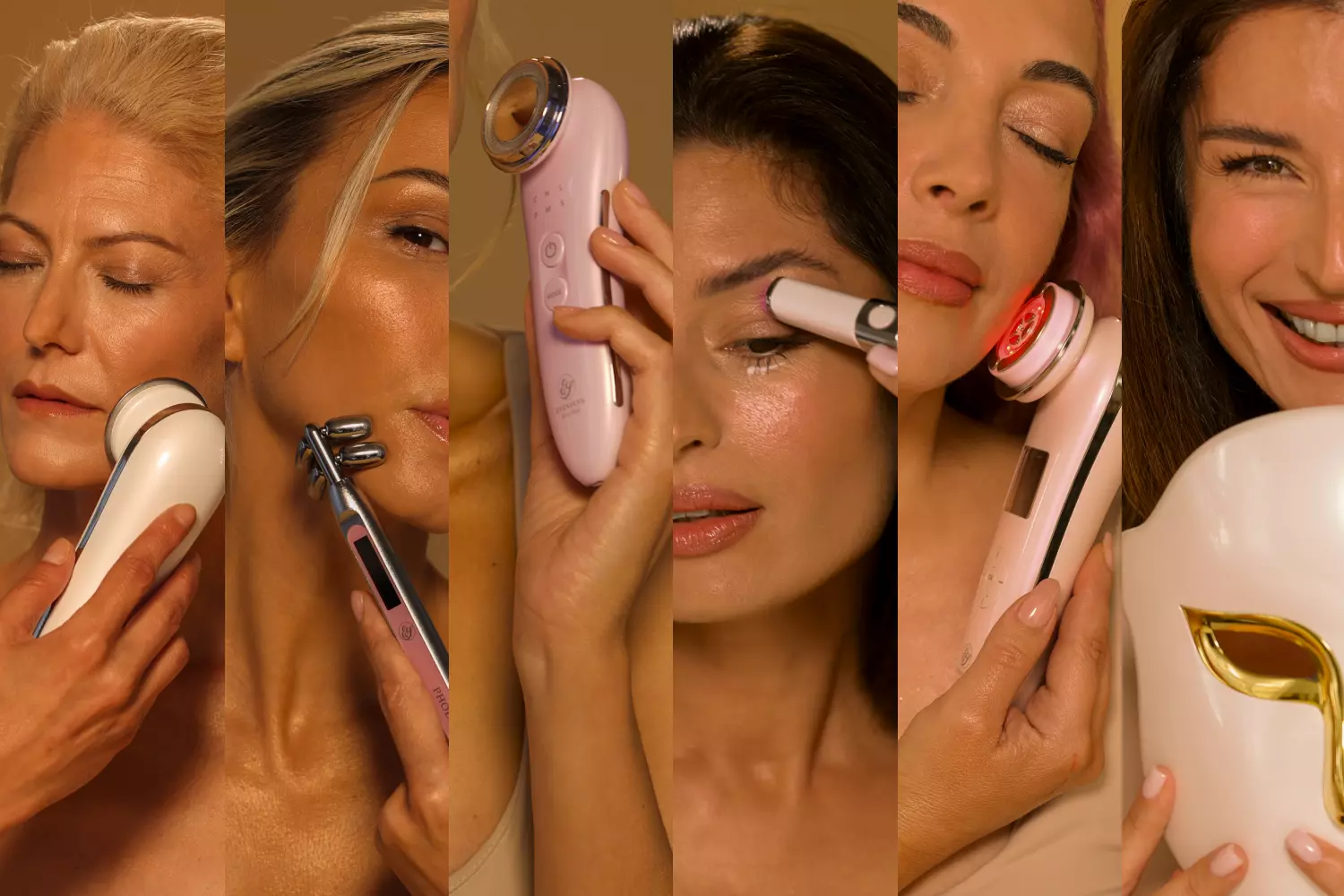
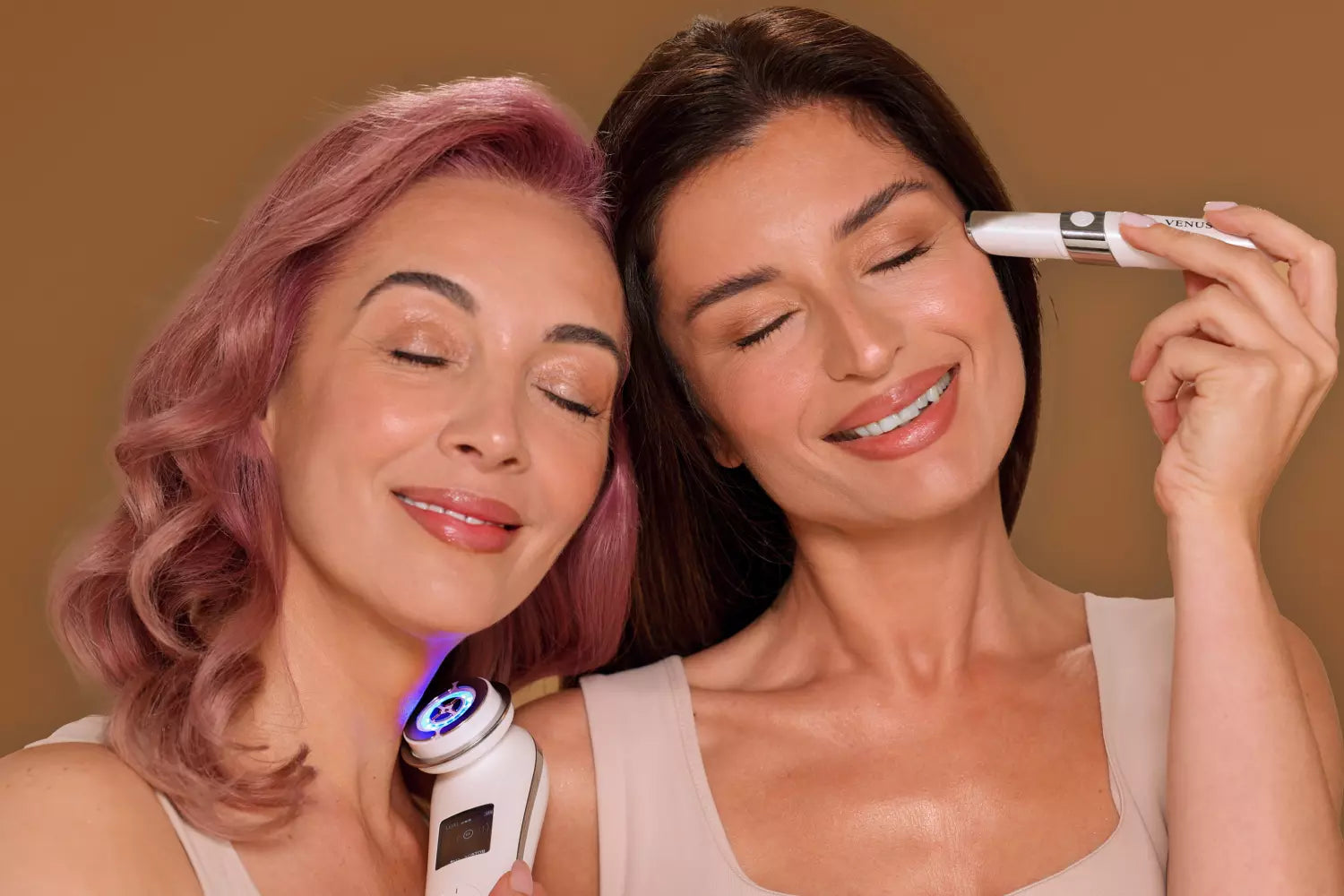
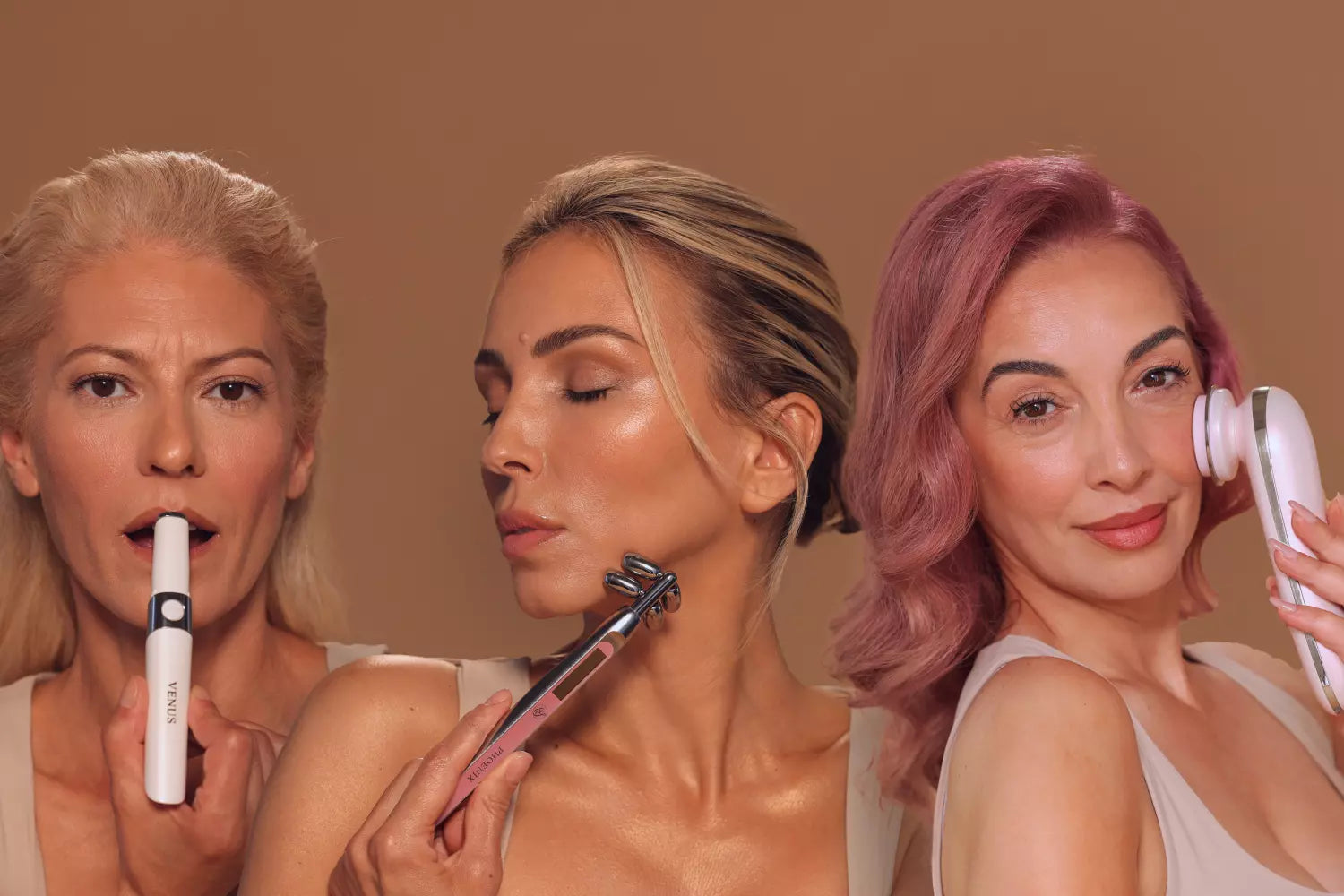
Will treating jowls also help with wrinkles, marionette lines, and overall lower-face aging? Yes, and it is more efficient than treating them separately. Wrinkles and jowls share the same underlying biology: collagen and elastin depletion, fibroblast activity decline, and dermal thinning. The same RF, microcurrent, and LED protocol that addresses jowls also produces measurable improvement in fine lines, crow's feet, marionette lines, and skin firmness. The protocol described in this article specifically targets the lower face but extends naturally to the full face by including the same techniques across the cheeks, eye area, and forehead. EvenSkyn's complete device line covers this: the Lumo+ for the face and lower face, the Mirage red light therapy mask for full-face LED, the Phoenix microcurrent bar for jaw and cheek work, and the Venus eye device for the periorbital zone where skin is thinnest.
How does at-home compare to Sofwave or Ultherapy specifically? Sofwave delivers approximately 65 to 75 percent of a mini facelift's structural change in a single session, with results visible at 3 to 6 months. Ultherapy is similar. The at-home protocol over 6 months delivers approximately 50 to 70 percent of Sofwave's effect at roughly 5 percent of the cost. For patients who want one definitive treatment with a single session, Sofwave or Ultherapy is the right choice. For patients who prefer ongoing structural support and lower cost, the at-home protocol delivers more total value over a 5-year horizon.
Do I need to spend more than $1,000 to get good results? No. A complete EvenSkyn at-home stack runs roughly $700 to $1,200. Mid-tier alternatives from other brands run similar. Going above $1,500 buys marginal additional features but rarely meaningfully better outcomes. Going below $300 typically means a single-modality device that will not address all the contributors to jowl formation.
What if I am too busy for the full Phase 2 or Phase 3 cadence? A reduced two-of-three protocol (two RF, two microcurrent, two LED weekly) produces approximately 60 to 70 percent of the full protocol's results at half the time investment. Skip Phase 2 altogether and start at the reduced Phase 3 cadence. Results take longer (8 to 10 months for the structural change) but the magnitude is similar.
Can children and teenagers use at-home jowl devices? No. Skin and facial structure are still developing through the late teens. Energy-based devices are not recommended below age 18. Skincare basics (sun protection, gentle cleansing, moisturization) are the appropriate approach for younger ages.
The bottom line
Jowls form through four overlapping anatomical changes: subcutaneous connective tissue lengthening, descent of cheek fat compartments, dermal collagen and elastin depletion, and platysmal laxity. Treatment that addresses only one of these layers produces only partial results. The reason single-modality at-home devices consistently underdeliver for moderate jowls is mechanistic, not marketing.
The integrated approach pairs radiofrequency (subcutaneous and dermal collagen tightening), microcurrent (platysmal muscle re-education), and LED red light therapy (cellular metabolic support). This combination has clinical evidence support: the 2016 Sadick and Harth jowl-specific findings (marionette lines, jawline lift, facial lift), the 2022 Shu et al. randomized split-face trial, the 2024 Ai et al. intraindividual controlled trial, the 2024 Bu et al. systematic review covering 18 studies, and the 2022 Cohen et al. systematic review giving home RF a Grade B recommendation. The integrated protocol works.
The realistic expectation for the six-month at-home protocol on mild-to-moderate jowls is 30 to 50 percent reduction in visible jowl prominence, sharper jaw definition equivalent to 5 to 8 years of perceived age reversal, and durable improvement that holds with continued maintenance. This is meaningfully less than a successful surgical lower facelift delivers, and meaningfully less expensive (roughly 10 percent of the annualized cost over a five-year horizon).
Sun protection, sleep position, hydration, and absence of smoking remain non-negotiable foundational layers. The most thorough device protocol cannot outpace daily UV exposure, chronic dehydration, side-sleeping pressure, or smoking-driven collagen breakdown.
For mild jowls, the at-home protocol is the right starting point. For moderate jowls, the at-home protocol delivers good results but takes 6 months to reach peak effect. For severe jowls, clinical treatment (Sofwave, Morpheus8, FaceTite, mini-facelift) is more appropriate, with the at-home protocol serving as maintenance afterward.
The structural change compounds with consistency. Six months in, the difference is visible to people who have not seen you in a while. Twelve months in, the cumulative effect of consistent multi-modality lower-face treatment is genuinely visible in photographic comparison. That is what the modalities collectively deliver when you give them the time the underlying biology requires.
Further reading from the EvenSkyn Skin Science Desk
- The Complete At-Home Anti-Aging Stack: Lumo+ and Venus Bundle
- How to Tighten Neck Skin at Home in 2026
- At-Home Microinfusion in 2026: The Complete Guide
- How to Use PDRN at Home in 2026
References (independently verified by the Skin Science Desk)
-
Minelli L, Yang HM, van der Lei B, Mendelson B. The Surgical Anatomy of the Jowl and the Mandibular Ligament Reassessed. Aesthetic Plastic Surgery. 2023;47(1):170-180. doi:10.1007/s00266-022-02996-3. PMID: 36050569. PMCID: PMC9944027. Verified against PMC full text. Source for jowl anatomy, mandibular ligament behavior with age, and the elastic subcutaneous connective tissue mechanism.
-
Kang MS, Kang HG, Nam YS, Kim IB. Detailed anatomy of the retaining ligaments of the mandible for facial rejuvenation. Journal of Cranio-Maxillofacial Surgery. 2016;44(9):1126-1130. doi:10.1016/j.jcms.2016.06.018. PMID: 27427339. Verified against PubMed. Source for the three retaining ligaments of the mandible and the conclusion that jowl formation is mainly from descent of cheek fat compartments.
-
Bu P, Duan R, Luo J, Yang T, Liu N, Wen C. Development of Home Beauty Devices for Facial Rejuvenation: Establishment of Efficacy Evaluation System. Clinical, Cosmetic and Investigational Dermatology. 2024;17:553-563. doi:10.2147/CCID.S449599. PMID: 38476342. PMCID: PMC10929553. Verified against PMC full text. Systematic review of 18 clinical studies on home beauty device efficacy across RF, microcurrent, and LED technologies.
-
Sadick NS, Harth Y. A 12-week clinical and instrumental study evaluating the efficacy of a multisource radiofrequency home-use device for wrinkle reduction and improvement in skin tone, skin elasticity, and dermal collagen content. Journal of Cosmetic and Laser Therapy. 2016;18(8):422-427. doi:10.1080/14764172.2016.1202419. PMID: 27351303. Verified against publisher abstract. The strongest jowl-specific home RF study: 47 enrolled, 45 completed; statistically significant improvements in marionette lines, jawline lift, facial lift, plus skin firmness, elasticity, and dermal collagen content with the NEWA 3DEEP home device. Cutometer MPA 580 and SIAscope objective measurement.
-
Shu X, Wan R, Huo W, Li Z, Zou L, Tang Y, Li L, Wang X. Effectiveness of a Radiofrequency Device for Rejuvenation of Aged Skin at Home: A Randomized Split-Face Clinical Trial. Dermatology and Therapy. 2022;12(4):871-883. doi:10.1007/s13555-022-00697-y. PMID: 35249173. PMCID: PMC9021338. Verified against PubMed. 33 women aged 35-60 in a 12-week randomized split-face trial showing significant improvements in wrinkles, radiance, elasticity, and dermal thickness from the home RF side.
-
Ai T, Wang Y, Zhao L, Wang H. Efficacy and safety of a noninvasive, home-based radiofrequency device for facial rejuvenation: An open-label, intraindividual controlled trial. Journal of Cosmetic Dermatology. 2024. doi:10.1111/jocd.16076. PMID: 37942722. Verified against PubMed. Source for at-home RF efficacy in Chinese women with Fitzpatrick III-IV skin.
-
Gold MH, Biron JA, Levi L, Sensing W. Safety, efficacy, and usage compliance of home-use device utilizing RF and light energies for treating periorbital wrinkles. Journal of Cosmetic Dermatology. 2017;16(1):95-102. doi:10.1111/jocd.12266. PMID: 27910259. Verified against PubMed. 33 enrolled, 30 completed; 6 weeks; blinded dermatologist photograph assessment showed mean reduction of 1.49 Fitzpatrick Wrinkle Scale points (p<0.001).
-
Shemer A, Levy H, Sadick NS, Harth Y, Dorizas AS. Home-Based Wrinkle Reduction Using a Novel Handheld Multisource Phase-Controlled Radiofrequency Device. Journal of Drugs in Dermatology. 2014;13(11):1342-1347. PMID: 25607700. Verified against PubMed. 69 enrolled subjects using NEWA 3DEEP home RF; established the safety and efficacy foundation for the 2016 Sadick and Harth follow-up.
-
Cohen M, Austin E, Masub N, Kurtti A, George C, Jagdeo J. Home-based devices in dermatology: a systematic review of safety and efficacy. Archives of Dermatological Research. 2022;314(3):239-246. doi:10.1007/s00403-021-02231-0. Verified against publisher. 37 clinical trials reviewed; recommended Grade B evidence-based use for home RF in rhytides and wrinkles.
-
Wunsch A, Matuschka K. A controlled trial to determine the efficacy of red and near-infrared light treatment in patient satisfaction, reduction of fine lines, wrinkles, skin roughness, and intradermal collagen density increase. Photomedicine and Laser Surgery. 2014;32(2):93-100. doi:10.1089/pho.2013.3616. PMCID: PMC3926176. Verified against PMC full text. Foundational LED clinical evidence: red and near-infrared light produced statistically significant improvements in skin complexion, fine lines, wrinkles, skin roughness, and intradermal collagen density.
-
Cheng N, Van Hoof H, Bockx E, Hoogmartens MJ, Mulier JC, De Dijcker FJ, Sansen WM, De Loecker W. The effects of electric currents on ATP generation, protein synthesis, and membrane transport of rat skin. Clinical Orthopaedics and Related Research. 1982;171:264-272. PMID: 7140077. Verified against PubMed. Foundational microcurrent mechanism reference: 50-1000 µA increased ATP concentrations 3-5x in rat skin tissue, with 100-500 µA the optimal range.
-
Kolimechkov S, Seijo M, Swaine I, Thirkell J, Colado JC, Naclerio F. Physiological effects of microcurrent and its application for maximising acute responses and chronic adaptations to exercise. European Journal of Applied Physiology. 2023;123(3):451-465. doi:10.1007/s00421-022-05097-w. PMID: 36399190. PMCID: PMC9941239. Verified against PMC full text. Modern review confirming the microcurrent ATP, calcium homeostasis, and muscle protein synthesis mechanisms.
-
Squadrito F, Bitto A, Irrera N, Pizzino G, Pallio G, Minutoli L, Altavilla D. Pharmacological Activity and Clinical Use of PDRN. Frontiers in Pharmacology. 2017;8:224. doi:10.3389/fphar.2017.00224. PMID: 28491036. PMCID: PMC5405115. Verified against PMC full text. Source for PDRN mechanism (A2A receptor binding, VEGF upregulation, fibroblast proliferation) referenced in the optional microinfusion layer.
-
Brincat M, Kabalan S, Studd JW, Moniz CF, de Trafford J, Montgomery J. A study of the decrease of skin collagen content, skin thickness, and bone mass in the postmenopausal woman. Obstetrics and Gynecology. 1987;70(6):840-845. PMID: 3120067. Verified against PubMed. Source for the menopausal collagen decline rate (approximately 2.1% per postmenopausal year).
-
Alam M, Walter AJ, Geisler A, Roongpisuthipong W, Sikorski G, Tung R, Poon E. Association of Facial Exercise With the Appearance of Aging. JAMA Dermatology. 2018;154(3):365-367. doi:10.1001/jamadermatol.2017.5142. PMID: 29299598. PMCID: PMC5885810. Verified against PMC full text. Pilot study of 16 women aged 40-65 completing 20-week facial exercise program; blinded raters using Merz-Carruthers Facial Aging Photoscale found significant improvements in upper and lower cheek fullness with perceived age dropping from 50.8 to 48.1 years.
-
Pu SY, Huang YL, Pu CM, et al. Effects of Oral Collagen for Skin Anti-Aging: A Systematic Review and Meta-Analysis. Nutrients. 2023;15(9):2080. doi:10.3390/nu15092080. Verified against publisher. Source for hydrolyzed collagen supplementation evidence (2.5-15g daily over 8-12 weeks) and skin elasticity benefits.
-
Mendelson BC, Wong CH. Anatomy of the Aging Face. In: Neligan PC, ed. Plastic Surgery. 4th ed. Elsevier; 2017. Standard plastic surgery textbook reference for facial layered anatomy and aging changes.
Brand-specific information for the comparison sections is sourced from each brand's public product documentation as of April 2026. Cost estimates for clinical treatments are based on national average aesthetic procedure pricing data current to early 2026 and will vary by geography.
About our medical reviewer
This article was reviewed for dermatological accuracy by Dr. Lisa Hartford, MD, board-certified dermatologist and Chief Dermatology Advisor at EvenSkyn since 2020. Dr. Hartford graduated with honors from Johns Hopkins University School of Medicine and completed her dermatology residency at the Mayo Clinic. Before joining EvenSkyn, she worked with leading pharmaceutical companies on prescription dermatological treatments and anti-aging compounds, and with a global luxury skincare brand on R&D bridging dermatology and consumer skincare. Her full bio is at evenskyn.com/pages/chief-dermatology-advisor-at-evenskyn.
Editorial standards and corrections policy
This article was written by the EvenSkyn Skin Science Desk and medically reviewed by Dr. Lisa Hartford. Every clinical claim, every numerical value, every anatomical statement, and every regulatory reference traces back to a specific, verifiable source. Where we cite a clinical trial, we have read the abstract or full text directly via PubMed, PMC, or the publisher.
If you spot a factual error in this article, contact the Skin Science Desk via the customer-support email listed in the EvenSkyn site footer with subject line "Editorial correction request: jowls guide." We correct factual errors publicly with a dated correction note. We answer substantive scientific questions within five business days. If a peer-reviewed publication appears that materially changes the consensus on any claim made in this article, we update accordingly within 14 days of publication.
Conflict of interest and medical disclaimer
This content is intended for consumer education, not medical advice. If you have any active skin condition, are pregnant, are immunocompromised, are taking immunosuppressive medication, have implanted electronic devices including pacemakers, or are under active dermatological care, consult a board-certified dermatologist before beginning any device-based at-home routine.
EvenSkyn manufactures the at-home anti-aging skincare devices referenced throughout this article (Lumo+, Mirage, Phoenix, Venus, Under-Eye MicroInfuser). We name competitor brands (NuFACE, ZIIP, MyoLift, TriPollar, NEWA, Solawave, Omnilux, CurrentBody) and clinical alternatives (Ultherapy, Thermage, FaceTite, Sofwave, Morpheus8, PDO threads, surgical lifts) because consumers researching at-home jowl treatment in 2026 deserve clarity about the full landscape. We have no financial relationship with any of these brands.
© 2026 EvenSkyn. Educational content, not medical advice. All trademarks are the property of their respective owners.


اترك تعليقًا
تخضع جميع التعليقات للإشراف قبل نشرها.
This site is protected by hCaptcha and the hCaptcha Privacy Policy and Terms of Service apply.