




The short answer
There is no single agreed schedule, and that is the honest answer. A 2025 systematic review of radiofrequency facial rejuvenation found no consensus protocol across the published literature. (8) What the evidence does show is a wide split between clinic devices and home devices — and the reason for it is not what most people assume.
| Setting | What published protocols actually use | When results show |
|---|---|---|
| Clinic / professional RF | Three to eight sessions, spaced one to two weeks apart | Develops over 3 to 4 months after the course |
| Home RF devices, as studied | Far more frequent: every other day for six weeks, or five days a week for eight to twelve weeks | Measurable from about 4 weeks, still building after |
| EvenSkyn Lumo⁺ | Once a week, five minutes per session, at least seven days between sessions on the same area | Builds over 3 to 4 months |
Why the home-trial numbers look so much higher. The home devices used in those studies deliver less energy per session than a clinic system, so they compensate with frequency. Session frequency is not a quality signal — it is a function of how much energy a device puts into the skin each time. A device asking for daily use is not necessarily working harder than one asking for weekly use; it may simply be doing less each time. Follow the schedule for the device you actually own, not a number taken from a trial of a different device.
New to the technology itself? Start with our plain-language guide to radio frequency skin tightening at home, then come back here for the cadence question.
Introduction
Radiofrequency technology is fast emerging as a non-surgical option for the look of sun damage, wrinkles, and sagging skin. The treatment suits people who would rather not undergo a surgical procedure, and it can be administered across skin types and textures.
The purpose of RF-based treatment is to make skin texture smoother and help tighten the look of the skin. Radiofrequency devices are commonly used on fine lines on the face, jawline, and under the eyes, with little recovery time and a relatively low cost compared with clinic alternatives.
What the evidence actually shows
The strongest single piece of evidence for facial RF is a 2011 controlled study that took skin biopsies before and after treatment. It found measurable increases in collagen and elastin following a course of RF, with improvement still developing three months after the final session — the only study here with histological endpoints rather than photographs alone. (4)
For the eye area, a 2018 study of 70 female patients (mean age 54) found that three monopolar RF sessions at two-week intervals significantly reduced periorbital wrinkle area, averaging a 15.2% reduction at one-month follow-up. (2) A 2017 study of 14 Asian women (mean age 44.6) using five weekly sessions found a measurable reduction in lower-facial fat. (3)
A 2017 open study of 25 patients treated on body areas reported that 24 of 25 (96%) showed improvement in body shape and 92% were satisfied — though physician grading placed only 44% above 75% improvement, which is a useful reminder that patient satisfaction and clinician assessment do not always agree. That study used five to eight sessions, the first four a week apart and the remainder two weeks apart. (1)
A note on how these numbers travel. Figures from this literature are frequently distorted as they pass through consumer articles. The 2018 periorbital study above is often reported as having studied "women aged 70" — it did not; it studied 70 women whose mean age was 54. We previously repeated that error on this page and have corrected it. If you see a striking statistic about RF in a buying guide, it is worth tracing it back.
How often to treat
Published in-clinic protocols typically run three to eight sessions spaced one to two weeks apart. There is no single agreed schedule, and spacing varies by device, output and treatment area. (8)
Home-device trials look very different. One home RF and light device was studied using every-other-day sessions over six weeks; (6) another used once-daily sessions five days a week for eight to twelve weeks. (7) These are lower-output devices, and the frequency reflects that.
As the heat reaches the dermis, new collagen synthesis begins. Collagen remodelling is slow, so tightening continues to develop over the three to four months following a course; in the 2011 controlled study, collagen was still rising three months after the final session. (4) Expecting a visible change after one session is the most common reason people abandon RF too early.
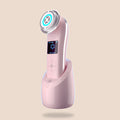
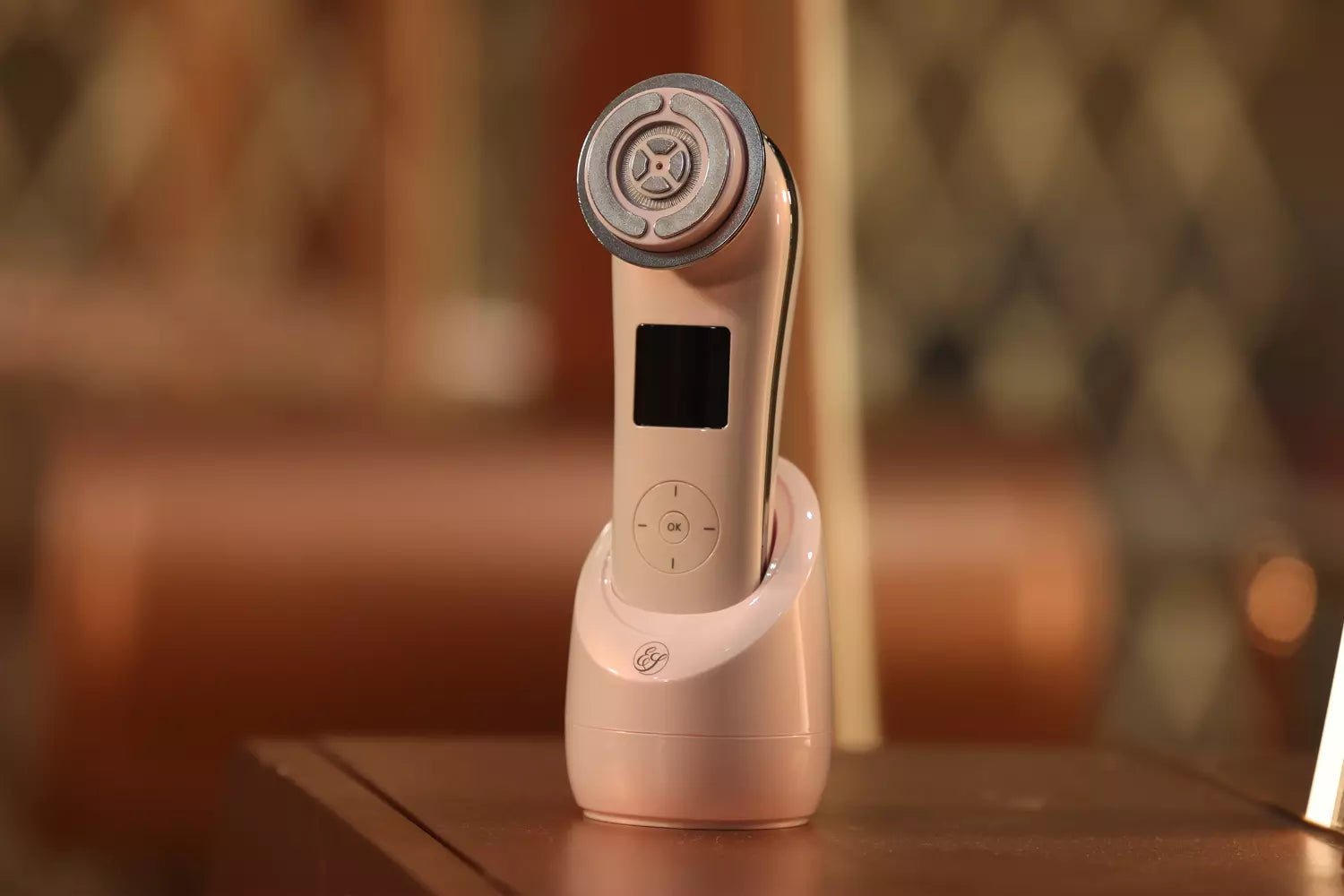
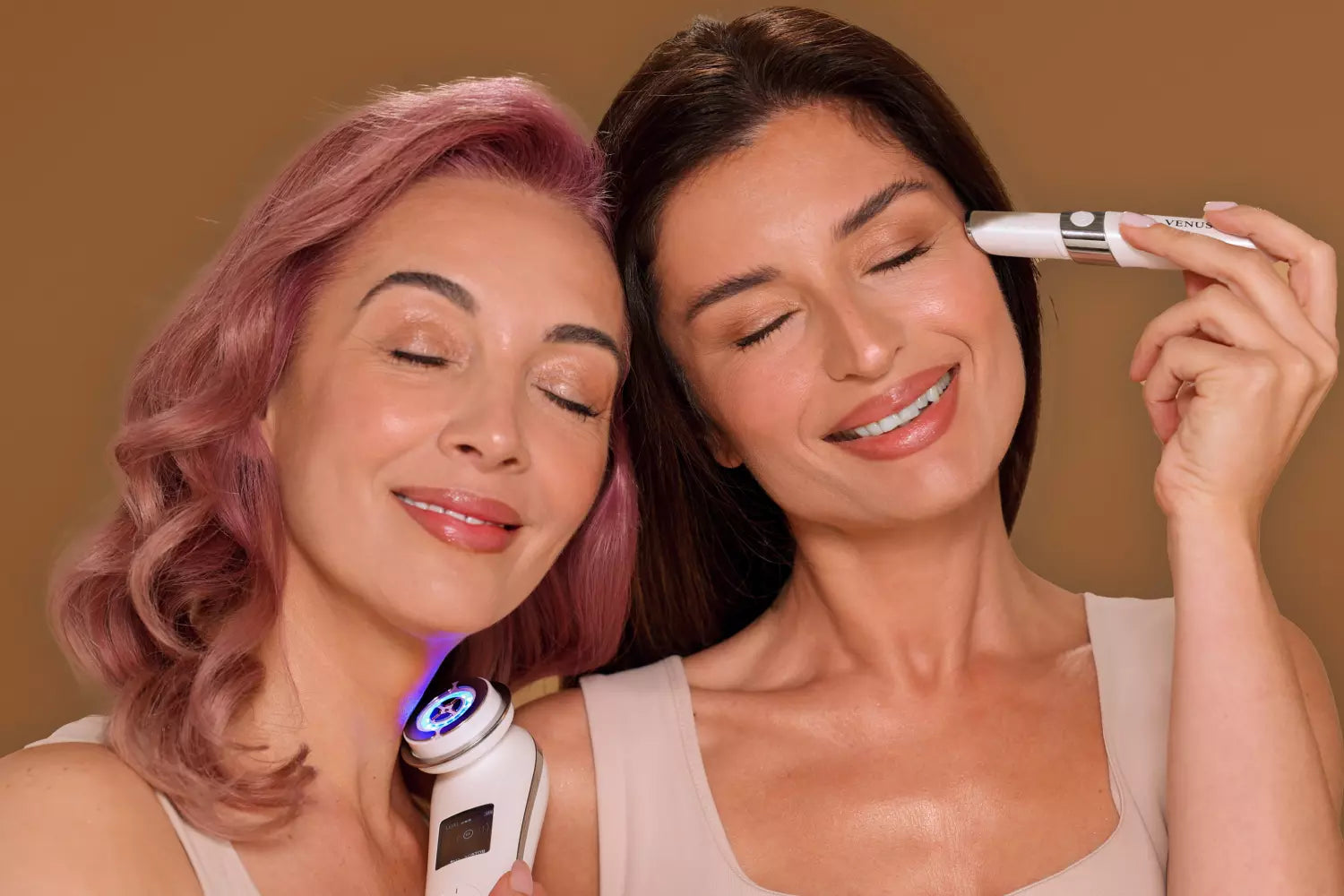
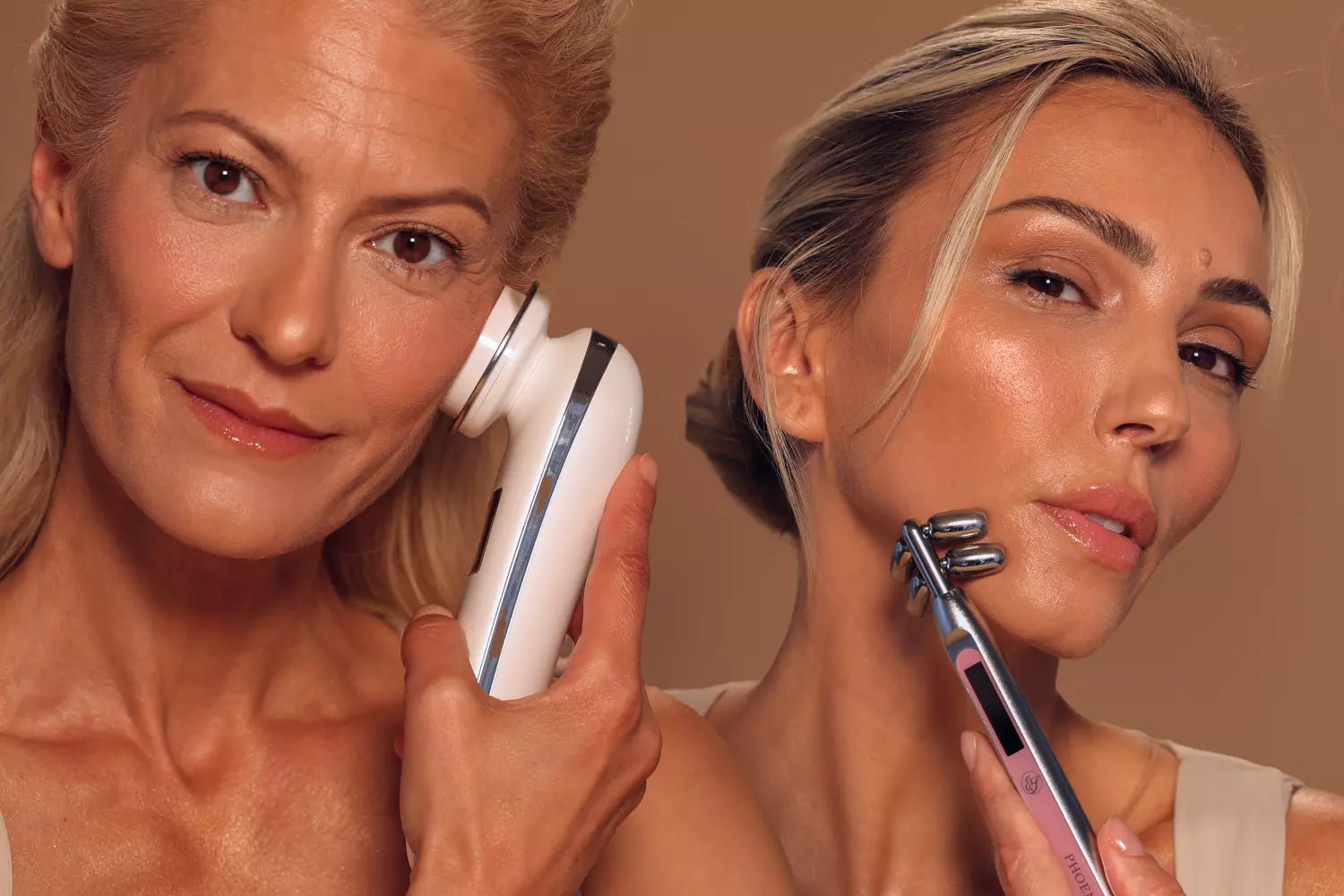
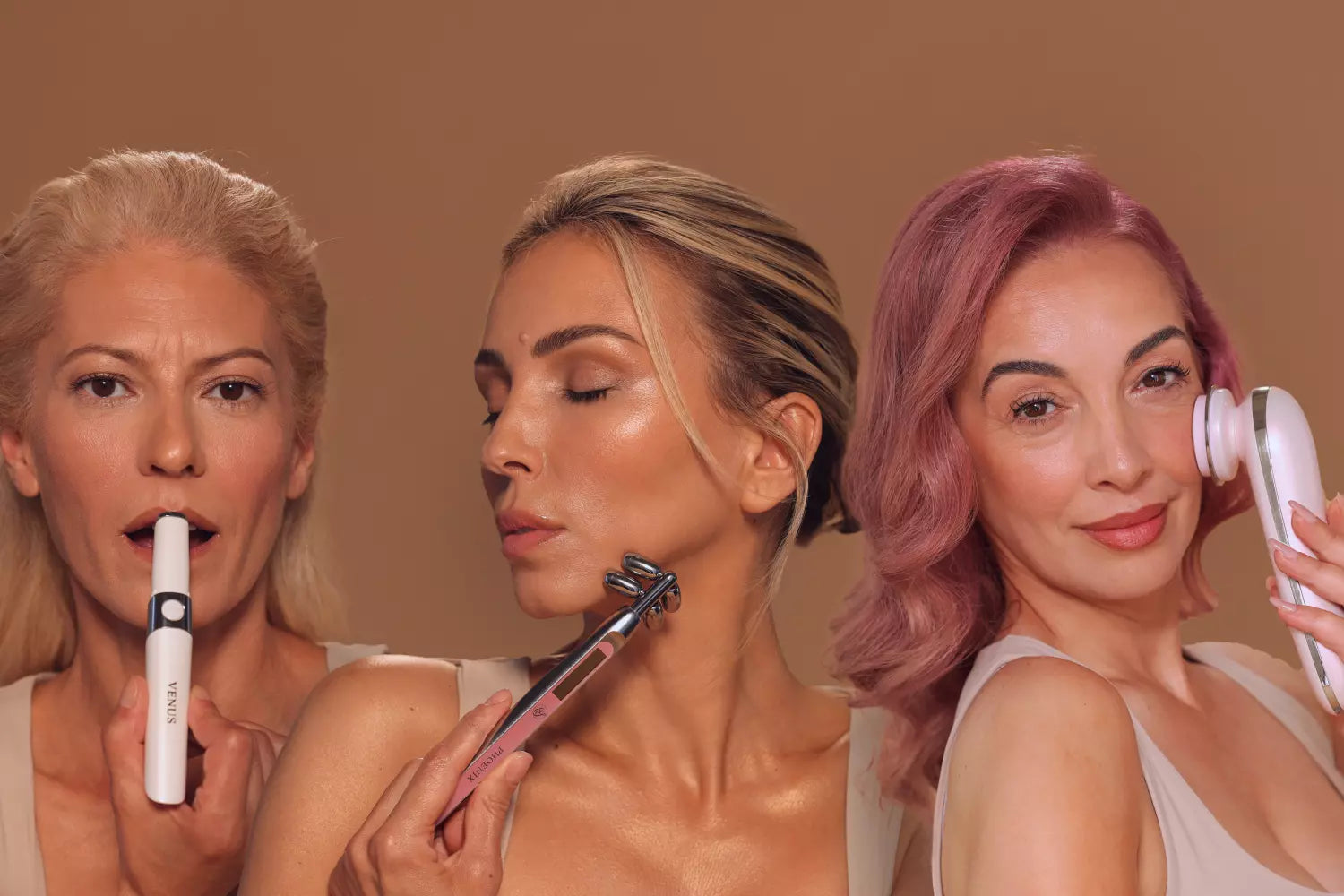
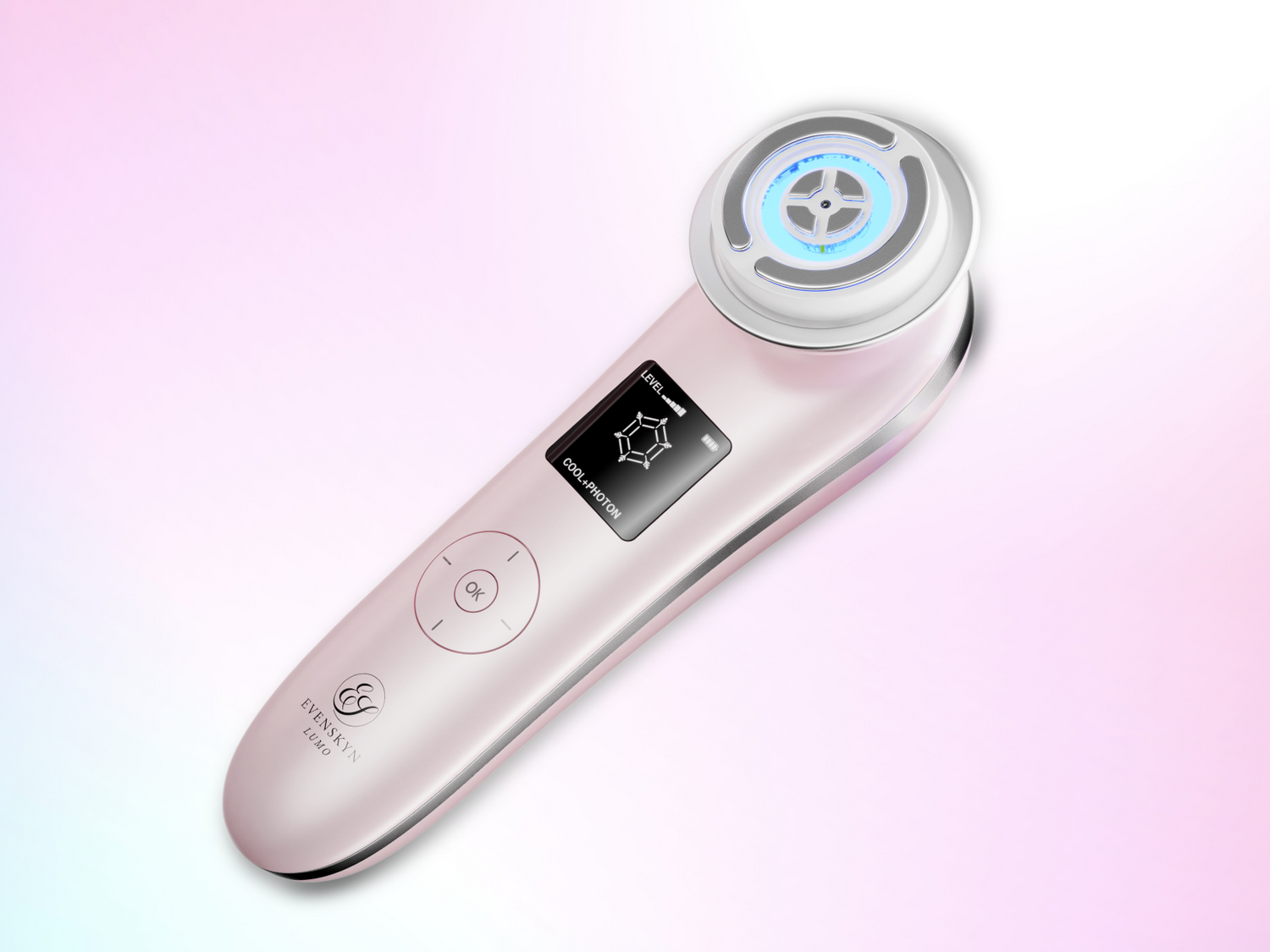
The extent of results also depends on the device. The EvenSkyn® Lumo⁺ combines radiofrequency with photorejuvenation and electrical muscle stimulation, and its recommended cadence is once a week for five minutes per session, allowing at least seven days between sessions on the same area for collagen to remodel. For comfortable glide and even energy transfer, apply a water-based conduction gel before use.
Layering with retinol? Sequence matters: run the device session on bare, clean skin first, then apply retinol afterward. Our guide on using retinol with red light therapy covers the timing.
A note on safety, and one distinction worth knowing
In October 2025 the FDA issued a safety communication about RF microneedling devices, following reports of burns, scarring and nerve injury, and said RF microneedling should not be performed at home. That notice concerns devices that drive needles into the skin while delivering RF energy.
It does not describe surface RF. A surface radiofrequency device such as the Lumo⁺ has no needles and does not breach the skin; it warms the tissue through the intact skin surface under sensor control, holding the surface in the 40 to 42°C range rather than driving energy through a puncture. (9) The two are different procedures with different risk profiles and are frequently conflated. If a device you are considering uses microneedles, the FDA guidance applies to it and you should treat that as disqualifying for home use.
General cautions for any at-home RF device: do not treat over active infection, open or broken skin, or recent injectables; avoid the area if you have a pacemaker or other implanted electronic device; and stop if you get persistent redness or discomfort rather than pushing through it.
Conclusion
How often you should use an RF device depends on the device's output, the area treated, and what you are trying to change. The published range is genuinely wide — from daily home sessions to fortnightly clinic ones — and no consensus protocol exists. Follow the instruction for the device you own, give collagen the three to four months it needs, and treat any single dramatic statistic with suspicion until you have seen the study behind it.
References
- Rousseaux I, Robson S (2017). Body Contouring and Skin Tightening Using a Unique Novel Multisource Radiofrequency Energy Delivery Method. J Clin Aesthet Dermatol 10(4):24–29. https://pubmed.ncbi.nlm.nih.gov/28458771/
- Han SH, Yoon YM, Lee YW, Choe YB, Ahn KJ (2018). Usefulness of Monopolar Thermal Radiofrequency Treatment for Periorbital Wrinkles. Ann Dermatol 30(3):296–303. https://pmc.ncbi.nlm.nih.gov/articles/PMC5929946/
- Sugawara J, Kou S, Kokubo K, et al. (2017). Application for lower facial fat reduction and tightening by static type monopolar 1-MHz radio frequency for body contouring. Lasers Surg Med 49(8):750–755. https://doi.org/10.1002/lsm.22676
- El-Domyati M, El-Ammawi TS, Medhat W, et al. (2011). Radiofrequency facial rejuvenation: Evidence-based effect. J Am Acad Dermatol 64(3):524–535. https://pmc.ncbi.nlm.nih.gov/articles/PMC6541915/
- Dayan E, Burns AJ, Rohrich RJ, Theodorou S (2020). The Use of Radiofrequency in Aesthetic Surgery. Plast Reconstr Surg Glob Open 8(8):e2861. https://pmc.ncbi.nlm.nih.gov/articles/PMC7489578/
- Gold MH, Biron J, Levi L, Sensing W (2017). Safety, efficacy, and usage compliance of home-use device utilizing RF and light energies for treating periorbital wrinkles. J Cosmet Dermatol 16(1):95–102. https://doi.org/10.1111/jocd.12299
- Shu X, Wan R, Huo W, et al. (2022). Effectiveness of a Radiofrequency Device for Rejuvenation of Aged Skin at Home: A Randomized Split-Face Clinical Trial. Dermatol Ther (Heidelb) 12(4):871–883. https://pmc.ncbi.nlm.nih.gov/articles/PMC9021338/
- Kumar N, Suh DH, Lee SJ, Ryu HJ (2025). Radiofrequency-Based Treatments for Facial Rejuvenation: A Systematic Review. Aesthet Surg J Open Forum 7:ojaf159. https://pmc.ncbi.nlm.nih.gov/articles/PMC12715571/
- Park C, Hong J, Ryu HG, et al. (2024). Monopolar radiofrequency for dermal temperature regulation and remodeling: A porcine model study. J Cosmet Dermatol 23(12):3955–3960. https://doi.org/10.1111/jocd.16495


Leave a comment
All comments are moderated before being published.
This site is protected by hCaptcha and the hCaptcha Privacy Policy and Terms of Service apply.