
Medically Reviewed by Dr. Lisa Hartford, MD
How to lift sagging jowls and cheeks: Surgical, Non-surgical and at-home options
Sagging cheeks and jowls are part of the natural aging process and result from the skin losing collagen & elastin fibers, becoming thinner and less elastic with age. This leads to sagging skin all over the face, with the lower cheeks, jawline and upper neck regions often seeing the most of the excess skin collect in these areas, with one colloquial way of describing one of the appearances that can results from such excess skin being referred to as ‘turkey neck.’ Further, it is not just the skin that becomes less elastic, but rather the muscle of the face and neck do too, and generally there being no way to strengthen them, add to skin laxity issues. Given the advancements in science, there are, however, a number of options available to firm up such skin and muscles, or to remove some of the excess loose skin.Removing Skin: Surgical Options
Facelift surgery is regarded as the surgical option for moderate to severe 'jowling.' Performed by a surgeon, it is often planned and executed to remove sagging facial tissue. In addition to the removal of excess skin, the surgery is done to also ensure that the features of the face appear lifted post-surgery. Also care is given to ensure that minimal amounts of incisions are made so that little to no scarring is visible once the patient has fully recovered.Existing Skin Improvements: Non-surgical Alternatives
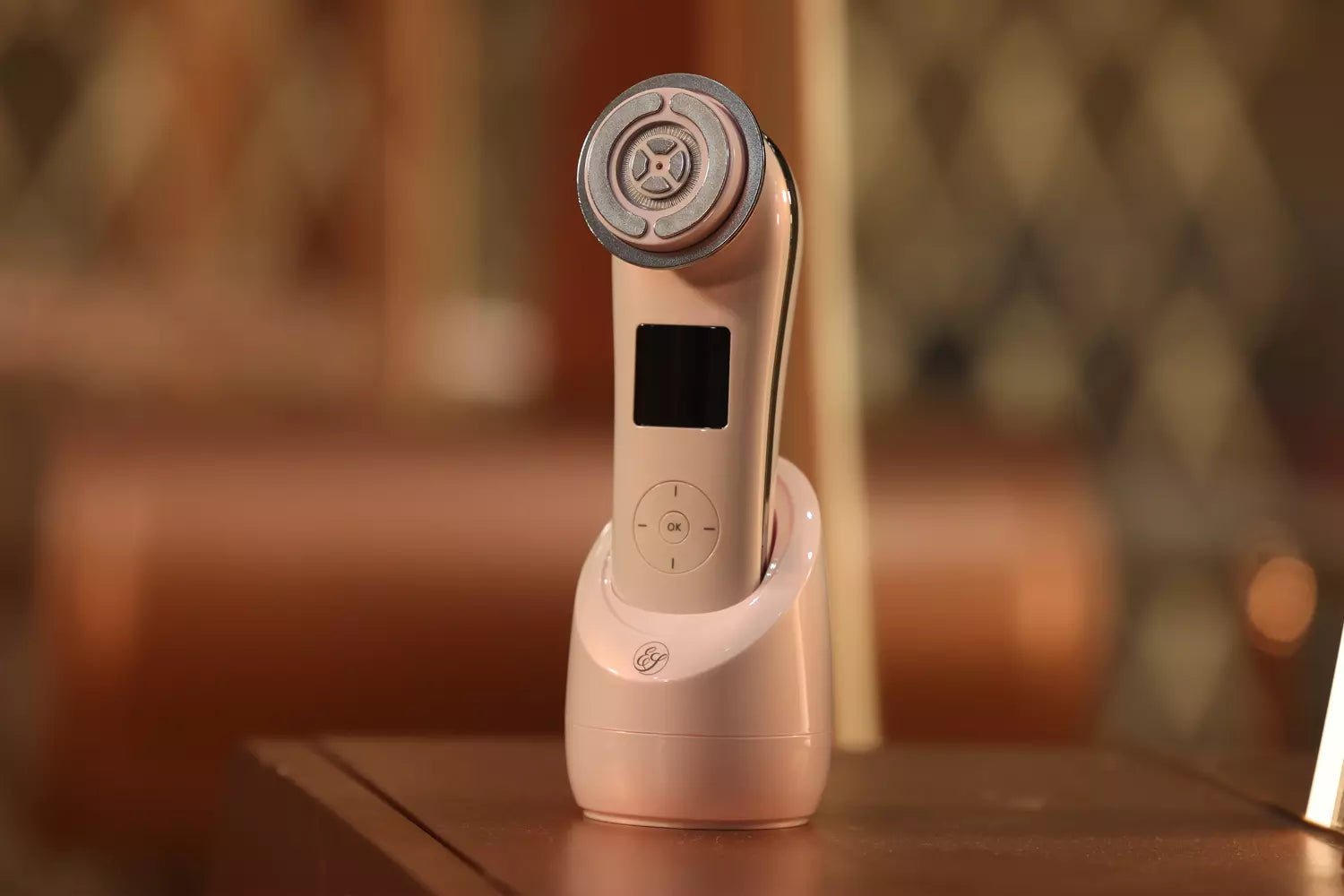
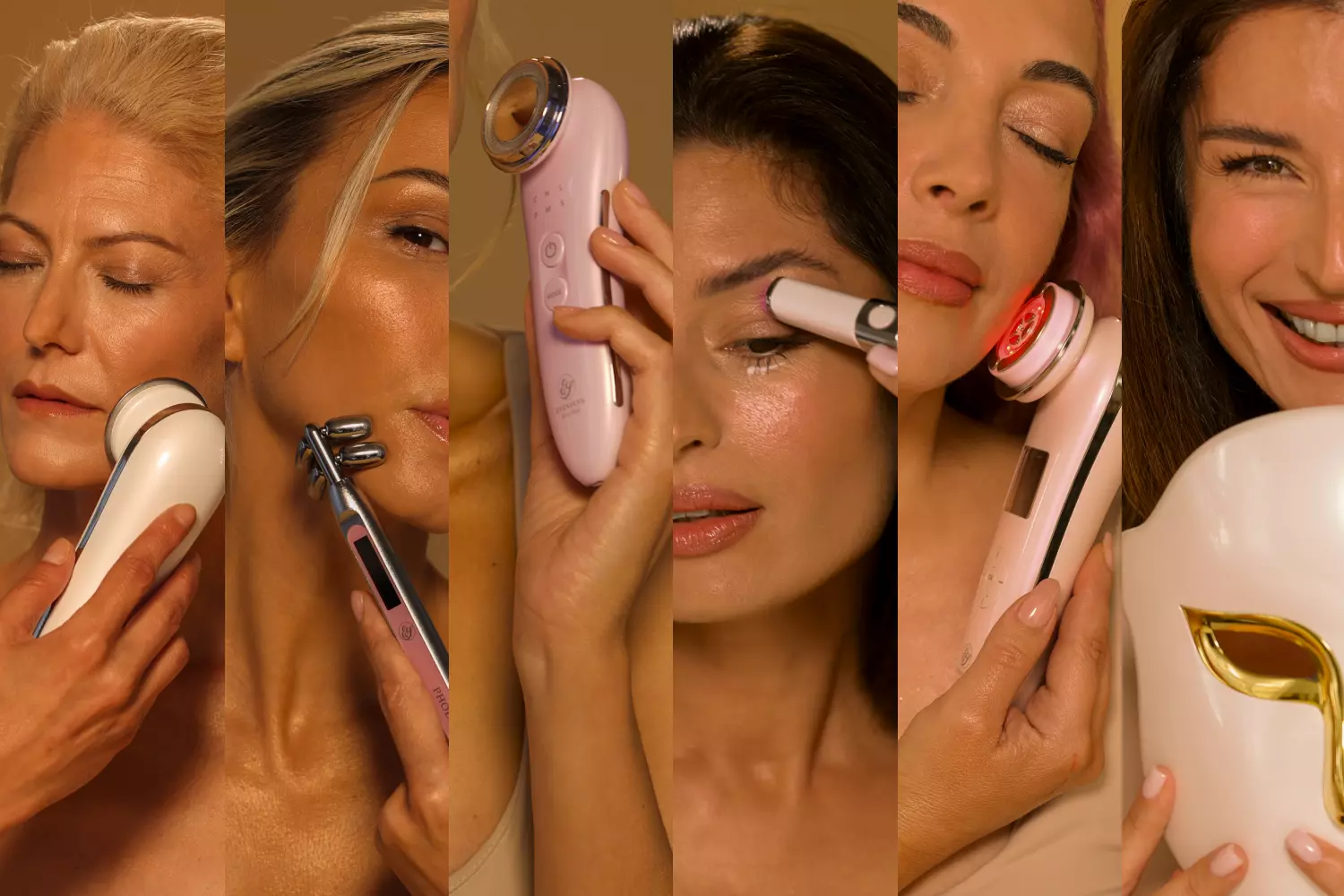
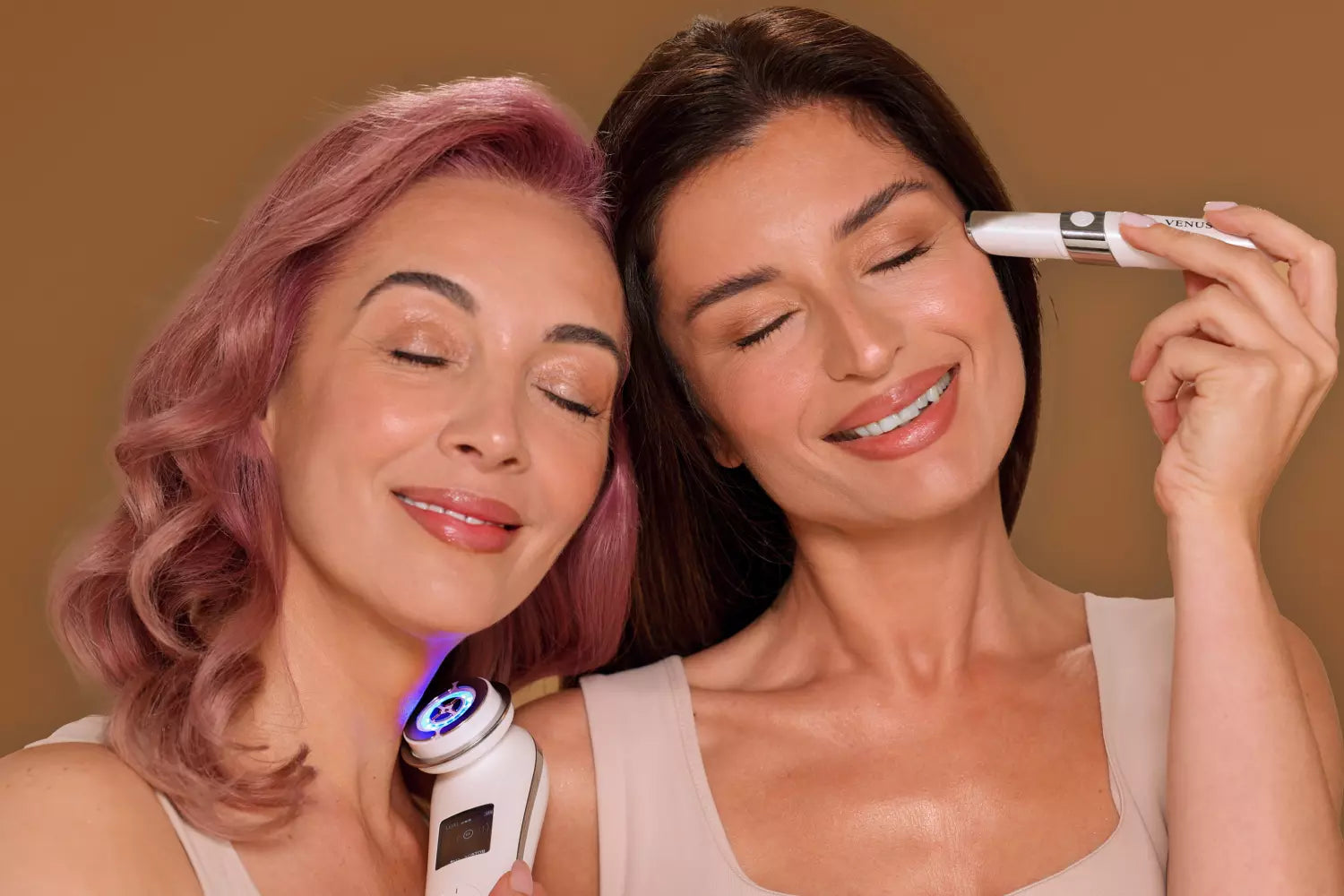
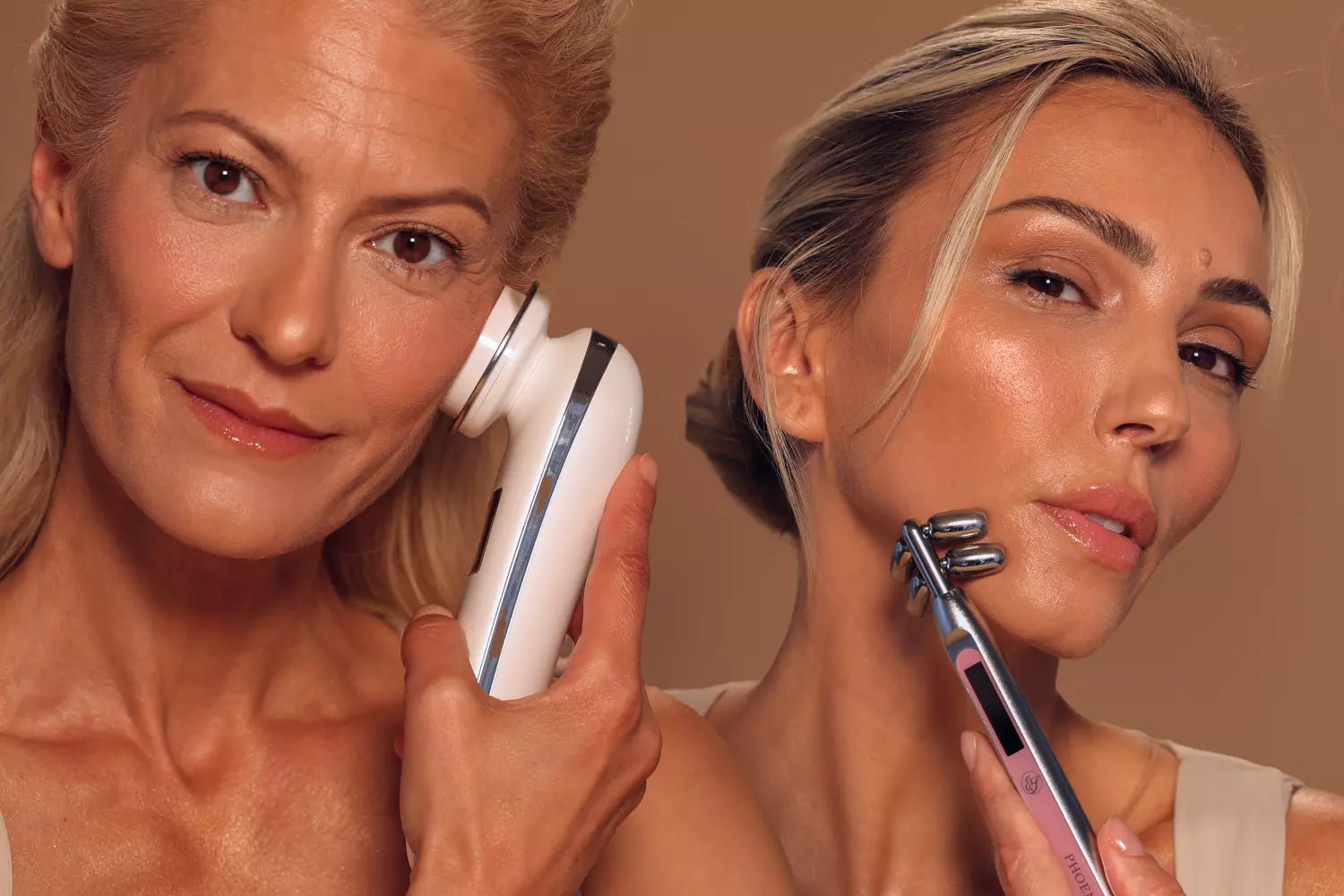
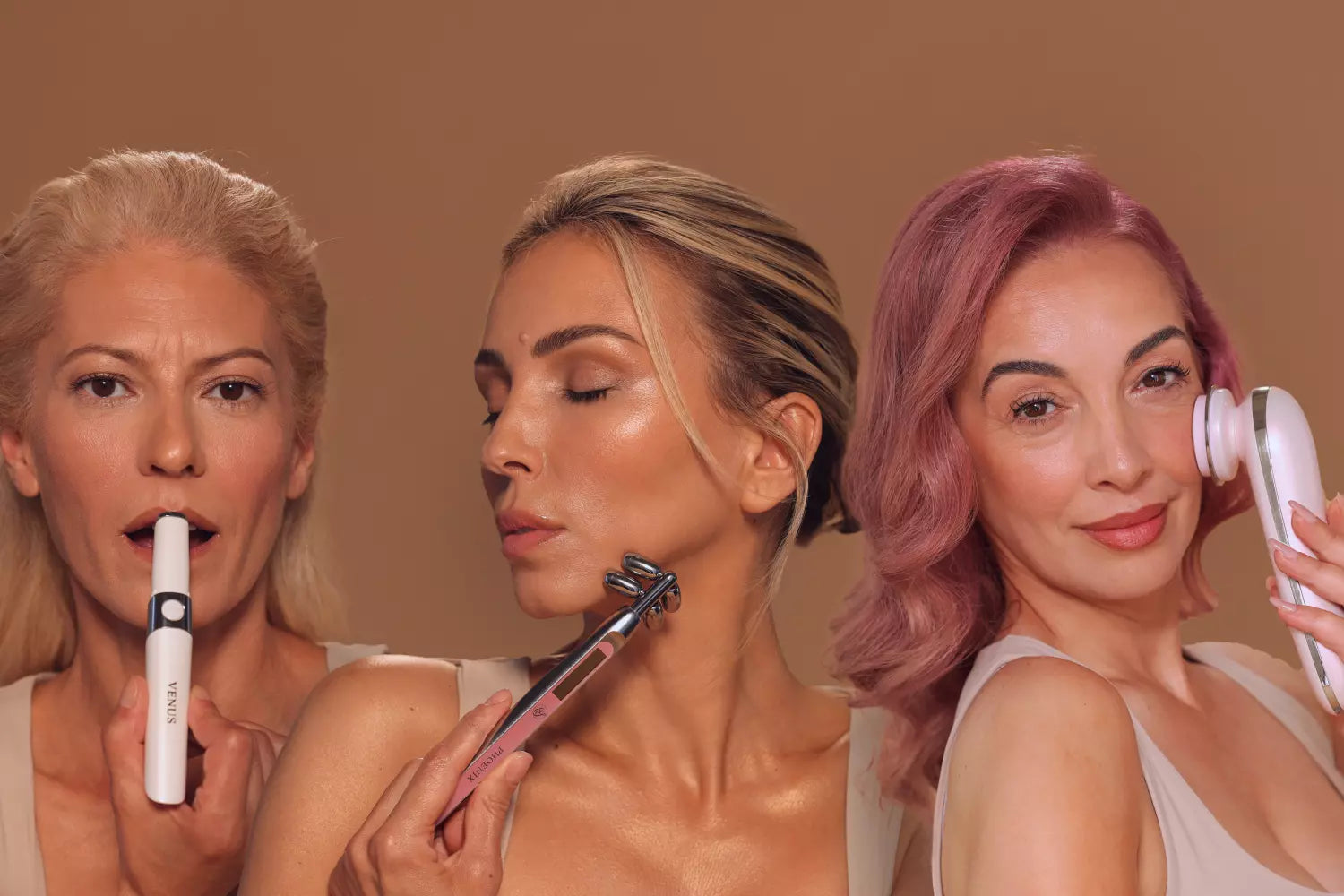
Fillers: Addressing the historically only real alternative to going under the knife, fillers such as BOTOX have been a longstanding go-to treatment for those too adverse to surgery, but accepting of short, mostly pain-free, filler sessions. The fillers are often injected routinely in sanitary doctor office style settings, where, beside being akin to a doctor's visit, the needle pinch is not much different when compared to say, a vaccine shot. With offerings plentiful, fillers range from those based on naturally occurring substances to others that are fully synthetic. The most common type of filler however is the HA (Hyaluronic Acid) filler. It naturally is present in our bodies and plays a very important role in keeping our face and neck look hydrated and volumized. One of the drawbacks of fillers is that they don't often tend to last more than six months as the body gradually absorbs the substance, and with another being that at least in some individuals the movement of the filler from the desirable injected location to another adjacent but undesirable one may occur over time.Clinical and At-Home Procedures: There exist a number of clinical solutions to grow collagen volume in the aging skin and firm saggy skin. They have gained tremendous prominence in recent months given that they do not require any surgeries or needles, are essentially pain-free, and perhaps most importantly because compared to all other surgical and non-surgical option, they offer the only real way to grow new collagen in senior individuals, thus providing a way to topically stimulate the skin to promote internal growth (of new collagen) in the dermis layer of the skin. These include treatments using Ultrasound, Radiofrequency and a combination of IPL & Radiofrequency to grow collagen, and primarily microcurrent as the predominant technology to firm loose muscles. In-clinic, Ultherapy has long been held as the preferred ultrasound-based skin firming procedure, while Thermage has been the foremost radiofrequency-based clinical procedure. Both Thermage and Ultherapy have been shown to significantly tighten aging skin over successive sessions by growing new collagen and returning lost volume to skin in older subjects. Microcurrent firming is often provided as a service at spas and at many estheticians' offices. Recent advancements in technologies have allowed the miniaturization of such technologies without significant losses in performance into at-home systems such as the Evenskyn Lumo—a device that combines powerful skin tightening radiofrequency technology with collagen growth stimulating red light therapy and muscle firming microcurrents.
Frequently Asked Questions
What are jowls?
Jowls are the soft, sagging skin and tissue that can form along the lower jawline and below the chin as the face ages. They develop as the skin loses collagen and elastin and becomes thinner and less elastic, while the underlying facial muscles also lose firmness.
What causes jowls?
The main cause is natural aging: declining collagen and elastin, thinning skin, and loss of firmness in the facial muscles. Sun damage, significant weight changes, smoking, genetics and repeated downward pressure on the face can all make jowls appear earlier or more pronounced.
How do you get rid of jowls?
Options range from at-home to surgical. For mild laxity, at-home radiofrequency and microcurrent devices, facial exercises and consistent sun protection can help support firmness and soften the look of jowls over time. In clinic, energy-based treatments such as radiofrequency (for example, Thermage) and ultrasound (for example, Ultherapy), along with fillers, are common non-surgical choices, while a facelift is the most definitive option for moderate to severe sagging.
How can you prevent jowls?
You cannot stop aging, but you can slow visible jowling: wear daily sun protection, avoid smoking, keep your weight stable, follow a consistent collagen-supporting skincare routine, and start firming routines such as microcurrent or radiofrequency devices and facial massage earlier rather than waiting for sagging to set in.
What devices or treatments tighten jowls?
For mild to moderate laxity, at-home radiofrequency and microcurrent devices are popular because they help stimulate collagen and firm the look of the lower face with consistent use. In clinic, radiofrequency and ultrasound skin-tightening, threads and fillers are common. For pronounced jowls, surgical lifting gives the most dramatic change. These treatments improve the appearance of jowls rather than surgically removing tissue.
Can radiofrequency (RF) help with jowls?
Radiofrequency works by heating the deeper layers of the skin to stimulate new collagen, which can gradually firm lax skin and soften the look of mild jowls. It is best suited to early or moderate laxity, results build over a course of consistent sessions, and stronger medical RF devices used in clinic produce more noticeable tightening than at-home versions.




Leave a comment
All comments are moderated before being published.
This site is protected by hCaptcha and the hCaptcha Privacy Policy and Terms of Service apply.