

Medically Reviewed by Dr. Lisa Hartford, MD
Published April 2026. Medically reviewed by Dr. Lisa Hartford, MD, board-certified dermatologist (Johns Hopkins University School of Medicine, Mayo Clinic dermatology residency), Chief Dermatology Advisor at EvenSkyn since 2020. Every cellular mechanism cited is verified against the primary peer-reviewed literature with PMID/DOI provided. Industry-funded studies are disclosed where applicable.
If you have read enough skincare content to feel confused, you are not the problem. The category has spent a decade conflating cause and effect. Wrinkles are an effect. Sagging is an effect. Pigmentation is an effect. The actual causes of skin aging happen at the cellular and molecular level, and they have names. They have been catalogued by the longevity science field into a framework called the hallmarks of aging.
This guide translates that framework, originally proposed by López-Otín and colleagues in Cell in 2013 and expanded to twelve hallmarks in 2023, into the practical question that actually matters: which at-home interventions address which underlying mechanism, and what does a protocol that targets cellular aging rather than its visible symptoms actually look like.
The framework matters now because three things have shifted in dermatology and aesthetics. The science is more mature, with multiple peer-reviewed papers applying the hallmarks framework specifically to skin. Consumer-facing diagnostics have arrived: at-home epigenetic skin age tests will reach the US consumer market in late 2026. And the language is changing: "anti-aging" is being replaced by "skin longevity" or "skinspan" because the field increasingly treats aging as a modifiable biological process rather than an inevitable decline.
What follows is a rigorous treatment of this framework. It's grounded in primary research. It's straightforward about what's well-established and what's still being characterized. It maps each hallmark to interventions that have evidence behind them. And it's built around the practical question of what someone with twenty minutes a day, a budget below the cost of a single Sculptra session, and a serious interest in their skin's long-term function can do.
What you need to know in 60 seconds
Skin aging is driven by twelve molecular and cellular mechanisms working together, not by independent processes that cause wrinkles, sagging, and pigmentation as separate problems. These twelve hallmarks were defined by López-Otín, Blasco, Partridge, Serrano, and Kroemer in Cell (2013, PMID 23746838; expanded 2023, PMID 36599349) and adapted specifically to skin in Jin et al. Aging and Disease (2023, PMC10676801) and Minoretti and Emanuele in Cureus (2024, PMC10874500).
The hallmarks fall into three categories. Primary hallmarks (genomic instability, telomere attrition, epigenetic alterations, loss of proteostasis, disabled macroautophagy) are the upstream damage. Antagonistic hallmarks (deregulated nutrient-sensing, mitochondrial dysfunction, cellular senescence) are the cellular responses to that damage. Integrative hallmarks (stem cell exhaustion, altered intercellular communication, chronic inflammation, dysbiosis) are the system-level consequences that produce the visible signs of aging on the surface.
The reason this matters for at-home skincare is that interventions targeting different hallmarks have different mechanisms and different evidence bases. Sunscreen prevents genomic instability. Retinoids address altered intercellular communication and modulate epigenetic patterns. Red light therapy supports mitochondrial function. Microcurrent supports cellular ATP production. Radiofrequency triggers fibroblast activation that counteracts altered intercellular communication and stem cell exhaustion. Microinfusion with PDRN or growth factors directly targets stem cell exhaustion and altered intercellular communication. Topical antioxidants address oxidative stress that drives mitochondrial dysfunction and genomic instability. Each intervention has a target. Stacking interventions that address multiple hallmarks is more effective than concentrating on any single one.
The practical implication is that the most effective at-home protocols hit at least four to six hallmarks simultaneously. A daily routine of sunscreen plus topical antioxidants plus retinoid plus three-times-weekly RF and microcurrent plus four-times-weekly red light therapy addresses genomic instability, epigenetic alterations, mitochondrial dysfunction, cellular senescence, stem cell exhaustion, altered intercellular communication, and chronic inflammation. That is seven of the twelve hallmarks under direct intervention with consumer-accessible tools. Adding microinfusion with PDRN, EGF, or copper peptides every two weeks adds direct stem cell signaling and fibroblast activation.
A skin biological age that is meaningfully younger than chronological age is achievable through this approach. A 2025 npj Aging paper (Menendez Vazquez et al, doi:10.1038/s41514-025-00314-0) validated tape-strip epigenetic clocks for skin that successfully captured rejuvenating effects of Yamanaka factor treatment in vitro, with predictive accuracy of approximately four years. As consumer epigenetic skin age testing becomes available in late 2026, the framework in this guide is what you would target to move that number in the right direction.
What no at-home protocol can do is reverse all hallmarks equally. The mechanisms most responsive to at-home intervention are mitochondrial dysfunction, altered intercellular communication, cellular senescence (with emerging topical senolytic evidence), and chronic inflammation. The mechanisms least responsive to at-home intervention are telomere attrition (no validated topical telomerase activator exists) and stem cell exhaustion in advanced stages (which may require clinical regenerative medicine like exosomes, biostimulators, or fat grafting). Plain framing matters here: the at-home protocol is the daily-use foundation, and clinical interventions become the add-on for severe cases.
The 12 hallmarks at a glance: what targets what
This is the framework summary. Each hallmark below has a dedicated section later in the article with primary citations and detailed mechanism. As of April 2026:
| # | Hallmark | Category | Strongest at-home intervention | Evidence strength |
|---|---|---|---|---|
| 1 | Genomic instability | Primary | Daily broad-spectrum sunscreen + topical antioxidants | Strong (RCT) |
| 2 | Telomere attrition | Primary | Indirect: reduce inflammatory cell turnover | Weak (no topical) |
| 3 | Epigenetic alterations | Primary | Topical retinoids + radiofrequency (sirtuin pathway) | Moderate |
| 4 | Loss of proteostasis | Primary | Indirect: heat-shock from RF + intermittent fasting | Weak (indirect) |
| 5 | Disabled macroautophagy | Primary | Indirect: caloric restriction + spermidine | Weak (indirect) |
| 6 | Deregulated nutrient-sensing | Antagonistic | Topical rapamycin (Rx) + dietary control | Moderate |
| 7 | Mitochondrial dysfunction | Antagonistic | Red light therapy + topical NAD+ + CoQ10 | Strong |
| 8 | Cellular senescence | Antagonistic | Emerging topical senolytics + UV protection | Moderate (early) |
| 9 | Stem cell exhaustion | Integrative | Microinfusion (PDRN, EGF, GHK-Cu) | Moderate |
| 10 | Altered intercellular communication | Integrative | Radiofrequency + microcurrent + retinoids | Strong |
| 11 | Chronic inflammation (inflammaging) | Integrative | Antioxidants + omega-3s + sleep + barrier care | Moderate |
| 12 | Dysbiosis | Integrative | Microbiome-friendly skincare + probiotic-prebiotic actives | Early |
The interventions that hit the most hallmarks at once, and where the highest-impact daily decisions sit, are: broad-spectrum sunscreen (hits #1, indirectly #2 and #11), topical retinoids (#3, #10), radiofrequency (#3, #4, #7, #10), red light therapy (#7, indirectly #8), microcurrent (#7, #10), and microinfusion with regenerative actives (#8, #9, #10). The realistic at-home stack hits roughly seven to eight of the twelve hallmarks. The remaining four to five hallmarks are addressed primarily through systemic factors (sleep, diet, exercise, stress management) and, where severe, clinical interventions.
Part 1: Why the hallmarks framework replaces wrinkle-first thinking
Conventional anti-aging skincare is organized around visible problems. There are products for wrinkles, products for dark spots, products for sagging, products for fine lines around the eyes. The implicit assumption is that each problem is independent and each requires a targeted product.
This made sense in 2005. It doesn't make sense in 2026.
The hallmarks framework reorganizes the same field around causal mechanism. A wrinkle is not its own cause; it is the visible end-state of multiple cellular processes including dermal fibroblast senescence, collagen degradation by matrix metalloproteinases, mitochondrial dysfunction in the surrounding tissue, and chronic low-grade inflammation that prevents repair. A dark spot is not its own cause; it is the visible end-state of melanocyte stress responses to UV-induced DNA damage, altered intercellular signaling, and accumulated oxidative damage. Sagging is not its own cause; it is the end-state of stem cell exhaustion combined with altered extracellular matrix turnover and the accumulated effect of all three.
This matters because interventions selected on the basis of visible symptoms tend to produce surface improvement that doesn't last. An exfoliating acid that smooths fine lines doesn't address the cellular senescence driving them. A pigment-correcting serum that fades a sun spot doesn't address the genomic instability that produced it. A firming cream that temporarily lifts the lower face doesn't address the dermal stem cell exhaustion that allowed the laxity to develop.
Interventions selected on the basis of cellular mechanism tend to produce changes that compound. Sunscreen that prevents UV-induced DNA damage today is preventing the dark spot that would otherwise appear in five years. Topical retinoids that modulate gene expression patterns today are slowing the rate at which fibroblasts acquire senescence markers. Red light therapy that supports mitochondrial function today is preserving the cellular energy that fibroblasts need to maintain the dermal extracellular matrix. The visible improvements appear later, but they last.
This is the central distinction the longevity science field has been making for the past decade. The 2024 Journal of Cosmetic Dermatology commentary by Wyles, Mehta, Mannick, and Day (doi:10.1111/jocd.16484) framed the shift explicitly as "skin longevity: a paradigm shift in aesthetics." Their argument: the field needs to move from cosmetic correction toward biological intervention, and the hallmarks framework provides the structure for doing so.
For consumers, the practical implication is straightforward. Stop organizing your routine around the products that promise to fix specific visible problems. Start organizing it around the cellular mechanisms that produce those problems in the first place. The next twelve sections describe what those mechanisms are, what intervention each one responds to, and what the realistic at-home approach looks like.
Part 2: The 12 hallmarks of skin aging
The López-Otín 2023 framework groups the twelve hallmarks into three categories based on how they relate to aging. This is the structure used by the dermatology adaptations (Jin 2023, Minoretti and Emanuele 2024, Wyles 2024). It is the right structure for translating into intervention because the categories indicate where each hallmark sits in the causal chain.
Primary hallmarks are the upstream damage. They are the molecular events that initiate the aging process. Five hallmarks fall in this category: genomic instability, telomere attrition, epigenetic alterations, loss of proteostasis, and disabled macroautophagy. These are the hallmarks where prevention has the highest impact; once damage accumulates here, it propagates through the other categories.
Antagonistic hallmarks are the cellular responses to that damage. They evolved as protective mechanisms but become detrimental when they persist or intensify with age. Three hallmarks fall here: deregulated nutrient-sensing, mitochondrial dysfunction, and cellular senescence. These are the hallmarks where intervention can produce measurable mid-term improvement; the responses can be modulated even after the underlying damage has accumulated.
Integrative hallmarks are the system-level consequences. They emerge when the damage and responses overwhelm the tissue's capacity to maintain homeostasis. Four hallmarks fall here: stem cell exhaustion, altered intercellular communication, chronic inflammation, and dysbiosis. These are the hallmarks most directly responsible for visible aging signs, and the hallmarks where at-home energy-based devices and regenerative actives have their strongest mechanism of action.
Each section below covers what the hallmark is, why it matters for skin specifically, what the evidence-based at-home interventions are, and what the realistic expectation is for that intervention.
Part 3: The five primary hallmarks (upstream damage)
Hallmark 1: Genomic instability
Genomic instability is the accumulation of DNA damage in skin cells over time. The damage comes from multiple sources: ultraviolet radiation (the dominant external driver in skin), oxidative stress from cellular metabolism, environmental pollutants, advanced glycation end products from dietary sources, and endogenous errors during DNA replication. Repair systems exist but become less efficient with age, allowing damage to persist and propagate.
In skin specifically, the most visible consequence is photoaging. UVA radiation generates reactive oxygen species that damage DNA bases and produce mutations. UVB radiation directly forms cyclobutane pyrimidine dimers and 6-4 photoproducts in DNA. Both pathways accumulate over years of unprotected exposure. The visible result is the constellation of features that distinguish photoaged skin: solar lentigines (sun spots), actinic keratoses, deep wrinkles in sun-exposed areas, and the leathery texture characteristic of long-term UV damage.
The single most effective intervention against this hallmark is the one most consumers underuse: broad-spectrum sunscreen, applied daily, in adequate quantity. The 2023 randomized trial by Flament and colleagues in Journal of the European Academy of Dermatology and Venereology (37(10):2090-2097) demonstrated that one year of standardized photoprotection visibly reduced facial aging signs across Fitzpatrick skin types II through VI compared to a classical skincare routine without enhanced protection. This is the highest-impact intervention in skincare; nothing else produces equivalent reduction in lifetime damage accumulation.
The second-tier interventions are topical antioxidants, which neutralize the reactive oxygen species generated by UV exposure before they damage DNA. Vitamin C (L-ascorbic acid at 10 to 20% concentration) is the most studied; vitamin E and ferulic acid potentiate its activity. Niacinamide supports DNA repair through the NAD+ pathway and has documented effects on actinic keratosis prevention.
The third-tier interventions are DNA-repair enzymes (photolyase, T4 endonuclease V) found in some specialized topical products. Mechanistically these directly address pyrimidine dimer repair, with several small clinical studies supporting actinic keratosis reduction.
What at-home does well: prevention of new genomic damage. The mechanism is straightforward and the interventions are highly effective if used consistently. What at-home does poorly: reversal of accumulated genomic damage. Once a cell has acquired enough mutations to enter senescence or apoptosis, no topical intervention recovers it. This is one reason why protection in the twenties and thirties has higher long-term value than treatment in the fifties.
For an at-home device protocol, this hallmark is addressed primarily through the daily skincare routine that surrounds device use, not through device use itself. Devices like RF and microcurrent don't directly prevent genomic instability; they address downstream consequences.
Hallmark 2: Telomere attrition
Telomeres are the protective DNA sequences at the ends of chromosomes. Each cell division shortens them slightly. When telomeres become critically short, the cell either enters senescence or apoptosis. This is one mechanism by which there is a built-in limit to how many times a given cell can divide.
In skin, telomere attrition affects the renewal capacity of basal keratinocytes (the cells that produce the epidermis), dermal fibroblasts (the cells that produce collagen and elastin), and adnexal stem cells (those of hair follicles, sweat glands, and sebaceous glands). When telomere shortening exhausts these populations, the skin loses the capacity to renew at the rate it once did. The visible consequences include slower wound healing, thinner epidermis, reduced sebum production, and progressive hair thinning.
Telomere attrition is the hallmark with the weakest evidence for at-home intervention. There is no topical intervention that reliably extends telomeres in human skin. Telomerase activators (TA-65, cycloastragenol) have been studied as oral supplements with modest signals in some studies and no effect in others; topical equivalents are even less validated. The realistic framing is that this hallmark is one of the most resistant to consumer-level intervention.
What does help indirectly: reducing the rate of cell division forced by injury and inflammation. Each unnecessary cell division shortens telomeres a little more. Sunscreen reduces UV-induced damage that would otherwise force keratinocyte turnover. Anti-inflammatory ingredients reduce cytokine-driven proliferation. A well-protected, low-inflammation skin environment produces fewer forced divisions and therefore slower telomere attrition. It's an indirect mechanism, but it's real.
What also helps systemically: factors associated with longer leukocyte telomere length (which correlates with skin aging in cohort studies) include regular moderate exercise, Mediterranean-style dietary patterns, adequate sleep, and stress management. These are systemic interventions but they affect skin telomere biology too.
For the at-home device cluster, this hallmark is the one where the realistic answer is that devices don't directly address it. We don't claim otherwise. The brand-relevant point is that telomere attrition's downstream consequences (slower renewal, reduced fibroblast capacity) are partially compensated by interventions targeting the integrative hallmarks: stem cell support via PDRN microinfusion, fibroblast stimulation via RF, and improved cellular energy via red light therapy and microcurrent. The compensatory approach matters more than direct telomere intervention.
Hallmark 3: Epigenetic alterations
Epigenetics refers to chemical modifications of DNA and histone proteins that change gene expression without changing the underlying DNA sequence. The most studied epigenetic mark is DNA methylation: the addition of methyl groups to cytosine bases at specific sites. Methylation patterns shift predictably with age, and these shifts are the basis for the epigenetic clocks that have transformed aging science over the past decade.
The Horvath 2013 paper in Genome Biology (PMID 24138928) was the foundational work; it identified 353 CpG sites whose methylation status accurately predicts chronological age across most human tissues. Since then the field has expanded substantially. Skin-specific clocks now exist: the 2025 paper by Menendez Vazquez and colleagues in npj Aging (11:100, doi:10.1038/s41514-025-00314-0) introduced MitraSolo and MitraCluster, two non-invasive skin epigenetic clocks trained on 462 enzymatic methyl-sequencing samples from human epidermis. Their reported predictive accuracy is approximately four years, and they captured the rejuvenating effects of Yamanaka factor treatment in vitro.
The practical implication for consumers is that skin biological age, measured by epigenetic clock from a tape-strip sample, will be accessible at home in late 2026 (Mitra Bio has announced US consumer launch). This is the first time the cellular age of your skin will be measurable as a number you can track over time.
Epigenetic alterations matter for skin in multiple ways. They drive cellular senescence (cells with significantly altered epigenetic patterns lose their normal function). They affect stem cell maintenance (epidermal stem cells with epigenetic drift produce fewer functional daughter cells). They modify the inflammatory tone of skin (the SASP, or senescence-associated secretory phenotype, is partially regulated epigenetically). And they influence pigmentation regulation (melanocyte epigenetic patterns shift with age and UV exposure).
Topical retinoids are the strongest evidence-based intervention for this hallmark. Tretinoin and other retinoic acid derivatives modulate gene expression through retinoic acid receptors (RAR/RXR), with the classical clinical evidence for tretinoin in photoaging spanning multiple decades of randomized trials. Recent work suggests that retinoids may also influence DNA methylation patterns through indirect mechanisms.
Other interventions with documented epigenetic effects on skin include vitamin C and other antioxidants (limit oxidative damage that drives aberrant methylation), niacinamide (supports the NAD+ pathway that sirtuins use to maintain epigenetic patterns), and energy-based devices including non-ablative fractional lasers and radiofrequency. The 2025 PMC12965852 commentary on regenerative and epigenetic perspectives in cutaneous longevity specifically noted that non-ablative fractional lasers may influence skin regeneration through epigenetic pathways, and controlled heat shock from RF-based devices upregulates sirtuin pathways and antioxidant defenses.
Major consumer-product launches addressing this hallmark explicitly include several formulations claiming clinical reduction in epigenetic skin age, and a wave of launching exosome and peptide products positioned around epigenetic reprogramming. These claims should be evaluated with the same skepticism that applies to all cosmetic clinical claims; the epigenetic framing is real, but the validation of specific products against rigorous endpoints is uneven. Look for studies using validated epigenetic clocks (Horvath, GrimAge, DunedinPACE, MitraSolo/MitraCluster) and reasonable sample sizes before accepting "reduces epigenetic age by X years" claims at face value.
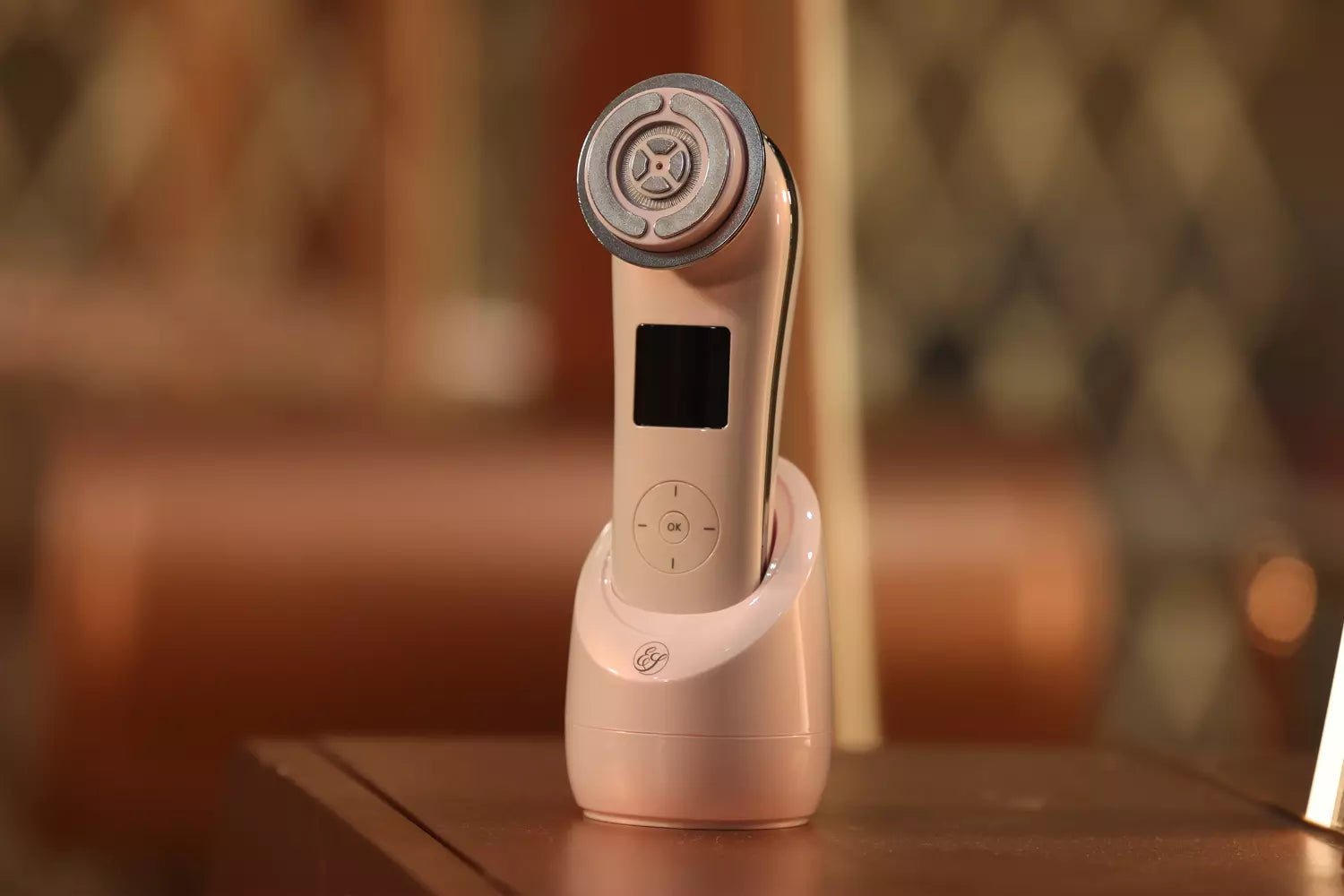
For the at-home device cluster, this hallmark is where the Lumo+ RF/microcurrent/red-light handset has emerging mechanism of action. Controlled dermal heating from RF appears to upregulate sirtuin pathways that maintain epigenetic patterns. Combined with consistent retinoid use, this is one of the strongest combination targets in the framework.
Hallmark 4: Loss of proteostasis
Proteostasis is the cellular system that ensures proteins are correctly folded, properly trafficked, and efficiently degraded when damaged. The system involves three main components: chaperone proteins that fold new proteins, the proteasome system that degrades old or damaged proteins, and the autophagy-lysosome pathway that removes large protein aggregates and damaged organelles. Each component declines in efficiency with age.
In skin, loss of proteostasis manifests in multiple ways. Damaged collagen accumulates because matrix metalloproteinases that should degrade it are dysregulated. Misfolded proteins build up in fibroblasts and keratinocytes, contributing to cellular dysfunction. Lipofuscin (an autofluorescent pigment composed of oxidized proteins and lipids) accumulates in long-lived cells and contributes to age-related skin discoloration. The unfolded protein response, a stress signaling pathway activated when misfolded proteins accumulate, becomes chronically activated and contributes to inflammaging.
Loss of proteostasis is closely linked to disabled macroautophagy (the next hallmark) and to mitochondrial dysfunction (covered in Part 4). The three together represent the cellular waste disposal problem of aging.
Topical interventions for proteostasis specifically are limited. The most relevant are antioxidants (which prevent the oxidative damage that misfolds proteins in the first place), heat shock protein inducers (limited validation in consumer skincare), and nutrients that support cellular metabolic capacity (NAD+ precursors, CoQ10, mitochondrial-supporting peptides).
Energy-based devices may have indirect effects through controlled heat-shock responses. RF treatment generates a brief heat-shock signal in dermal fibroblasts; one consequence is upregulation of heat-shock proteins (HSP70, HSP90) that assist in protein folding. The 2025 commentary noted that controlled heat shock from radiofrequency-based devices can upregulate sirtuin pathways and antioxidant defenses, thereby enhancing cellular resilience. That's an indirect mechanism but it's biologically plausible.
For systemic proteostasis support, intermittent fasting and caloric restriction have the strongest evidence; both upregulate autophagy and proteasome activity. These are systemic interventions but they affect skin cell proteostasis as well.
For the at-home device cluster, this hallmark is where the realistic answer is that direct topical or device intervention is limited. The framework matters because it explains why energy-based device protocols that include rest periods (rather than continuous high-intensity treatment) may produce better long-term results: the rest periods allow autophagy and proteostasis recovery between stress cycles.
Hallmark 5: Disabled macroautophagy
Macroautophagy is the cellular self-cleaning process by which cells degrade and recycle damaged organelles, protein aggregates, and other cellular debris through a specialized membrane structure (the autophagosome) that delivers the contents to lysosomes for breakdown. Autophagy declines substantially with age across all tissues, and skin is no exception.
In skin, declining autophagy contributes to multiple visible changes. Damaged mitochondria accumulate in fibroblasts because mitophagy (the autophagy of mitochondria specifically) becomes inefficient, which accelerates the mitochondrial dysfunction discussed in Hallmark 7. Aged keratinocytes accumulate cellular debris that disrupts normal differentiation. Melanocytes accumulate damaged melanosomes that contribute to pigmentation irregularities. The dermal extracellular matrix accumulates damaged collagen and elastin fragments that the autophagy system would normally clear.
The López-Otín 2023 update identified disabled macroautophagy as a hallmark distinct from loss of proteostasis specifically because the evidence for autophagy-targeted intervention as an anti-aging strategy has matured. Caloric restriction, rapamycin (mTOR inhibition), spermidine, and resveratrol all upregulate autophagy and have been shown to extend lifespan or healthspan in multiple model organisms.
For skin-specific topical interventions, the evidence is limited but emerging. Spermidine has been formulated into topical products with modest clinical evidence for wrinkle reduction and skin firmness. Topical rapamycin has been studied (Chung et al. 2019, Geroscience 41:861-869) with some evidence for reducing senescent cell markers in photoaged skin and improving skin appearance. Both are early-stage; neither is widely available or validated against rigorous endpoints.
What is more practical at home: protocols and device intensity that allow autophagy recovery between treatments. RF treatment that runs at maximum intensity every day produces chronic cellular stress that can overwhelm autophagy capacity; the same total dose distributed over three sessions per week with rest days allows the cellular cleanup processes to function normally. This is one biological reason why our protocol structures emphasize rest days and progressive intensity rather than maximum-frequency treatment from week one.
The systemic interventions matter here too. Sleep is critical: most autophagy occurs during sleep, especially during deep sleep phases. Inadequate sleep is one of the strongest accelerators of cellular aging. Intermittent fasting upregulates autophagy. Regular moderate exercise upregulates autophagy. These are not topical interventions but they affect skin autophagy as much as any topical product would.
For the at-home device cluster, the framework implication is that protocol design matters as much as intensity. A six-month protocol that respects rest cycles produces better long-term cellular outcomes than a six-week protocol of maximum-intensity daily treatment.
Part 4: The three antagonistic hallmarks (cellular responses)
The antagonistic hallmarks are the cellular responses to the upstream damage. They evolved as protective mechanisms (cellular senescence, for example, prevents damaged cells from becoming cancerous) but they become detrimental when they persist or intensify with age. This is the category where at-home devices and topicals have their strongest mechanism of action, because the cellular responses are still modifiable even after the upstream damage has accumulated.
Hallmark 6: Deregulated nutrient-sensing
Cells contain a network of pathways that sense nutrient availability and adjust metabolic activity accordingly. The major pathways are insulin/IGF-1 signaling (sensing glucose and amino acids), mTOR (sensing amino acids and supporting protein synthesis), AMPK (sensing low energy and activating fuel conservation), and sirtuins (NAD+-dependent enzymes that respond to caloric availability).
In aging, these pathways become deregulated. mTOR tends toward chronic hyperactivation, which suppresses autophagy and accelerates cellular aging. Insulin sensitivity declines, contributing to elevated blood glucose that drives advanced glycation end products. AMPK activity decreases, reducing the cell's ability to mobilize energy reserves. Sirtuin activity declines (partly because NAD+ levels decline with age), reducing the cell's ability to maintain epigenetic patterns and regulate inflammation.
In skin, deregulated nutrient-sensing contributes to multiple features of aged skin. The fibroblasts in chronically photoaged skin show evidence of mTOR hyperactivation, which is one driver of the senescence phenotype. Advanced glycation end products (AGEs) accumulate in collagen fibers, producing the cross-linking that contributes to the leathery texture and reduced elasticity of older skin. Reduced sirtuin activity contributes to the epigenetic drift discussed in Hallmark 3.
The systemic interventions for this hallmark are well-established: dietary patterns that maintain insulin sensitivity (low refined carbohydrate, Mediterranean-style), regular exercise (improves insulin sensitivity and AMPK signaling), and intermittent fasting or caloric restriction (downregulates mTOR, upregulates AMPK and sirtuins). These are not skincare interventions, but they affect skin biology directly.
For topical interventions, the most evidence-based is niacinamide (the precursor to NAD+), which has been studied at 5 to 10% concentration for multiple anti-aging endpoints with consistent positive results. Topical NAD+ itself is unstable and difficult to formulate; the more useful approach is using precursors (niacinamide, NMN, NR) that the skin can convert. The 2024 paper by Kang et al in Cells (PMC11544843) demonstrated that combining topical NAD+ with quercetin and enoxolone (which inhibit CD38, the enzyme that degrades NAD+) produces measurable improvements in mitochondrial function, sirtuin activation, and skin parameters. It's a niche product category but it's growing rapidly through 2026.
Other relevant ingredients include resveratrol (sirtuin activator), urolithin A (mitophagy and autophagy support), and hexapeptide-11 (peptide marketed as supporting mitochondrial function in keratinocytes).
For the at-home device cluster, this hallmark is addressed indirectly. Microcurrent supports cellular ATP production through a different pathway than NAD+, but the downstream effect of supporting cellular energy is similar. Red light therapy supports mitochondrial function, which is downstream of nutrient-sensing. The combination of NAD+-supporting topicals (niacinamide is the most accessible) with energy-based devices has additive mechanisms.
Hallmark 7: Mitochondrial dysfunction
Mitochondria produce the ATP that powers nearly every cellular activity. They are also the major source of intracellular reactive oxygen species, the cellular component most damaged by oxidative stress, and a critical regulator of programmed cell death. Mitochondrial function declines with age: ATP production drops, ROS production increases, mitochondrial DNA acquires mutations (it is more vulnerable than nuclear DNA), and damaged mitochondria accumulate because mitophagy becomes inefficient.
In skin, mitochondrial dysfunction is one of the most clinically consequential hallmarks. The 2020 review by Sreedhar, Aguilera-Aguirre, and Singh in Cell Death and Disease (11:444, PMID 32518230, PMC7283348) noted that aged skin demonstrates mitochondrial dysfunction directly linked to oxidative stress, increased MMP-1 expression (which degrades collagen), dermal atrophy, and epidermal hyperplasia. Adequate cellular NAD+ is critical for normal mitochondrial function both directly (through its role in oxidative phosphorylation) and indirectly through activation of SIRT1 and SIRT3 (sirtuins involved in mitochondrial biogenesis and degradation of damaged mitochondria).
The strongest evidence-based at-home interventions for mitochondrial dysfunction are red light therapy and microcurrent.
Red light therapy operates through cytochrome c oxidase, the terminal enzyme of the mitochondrial electron transport chain. Red light at 633 to 660nm and near-infrared at 830 to 850nm both displace nitric oxide from cytochrome c oxidase, allowing oxygen to bind and electron transport to proceed efficiently. The downstream effects include increased ATP production, increased mitochondrial membrane potential, reduced reactive oxygen species, and triggered downstream cellular responses including increased fibroblast activity, accelerated tissue repair, and reduced inflammatory cytokine production.
The Wunsch and Matuschka 2014 study in Photomedicine and Laser Surgery (32(2):93-100, PMC3926176) documented statistically significant improvements in skin complexion, fine lines, wrinkles, skin roughness, and intradermal collagen density measured by ultrasonography in subjects treated with red and near-infrared light. Multiple subsequent studies have confirmed similar mechanisms and outcomes.
Microcurrent operates through a different pathway. The Cheng 1982 study in Clinical Orthopaedics and Related Research (171:264-272, PMID 7140077) demonstrated that direct electric currents from 10 to 1000 microamps applied to rat skin tissue increased ATP concentrations, with peak ATP at approximately 500 microamps per secondary literature analysis. The mechanism is not fully characterized but appears to involve direct stimulation of mitochondrial activity in cells exposed to the current. For skin specifically, the practical effects are improved muscle tone, supported cellular renewal, and increased ATP availability for fibroblast activity.
Topical interventions for mitochondrial dysfunction include CoQ10 (a critical electron transport chain component that declines in skin with age; topical formulations have modest evidence for antioxidant and mitochondrial support), urolithin A (a metabolite of dietary ellagitannins that triggers mitophagy and mitochondrial biogenesis; some emerging topical formulations), and hexapeptide-11 (a synthetic peptide marketed as supporting cellular oxygen consumption).
For systemic mitochondrial support, the strongest evidence is for regular moderate exercise (the most potent stimulator of mitochondrial biogenesis), Mediterranean dietary patterns rich in polyphenols, and sleep adequate for mitophagy completion.
For the at-home device cluster, this is the hallmark where the Mirage red light therapy mask and the microcurrent component of devices like the Phoenix microcurrent bar and Lumo+ have their strongest mechanism of action. Combined daily use of red light therapy and microcurrent represents one of the most evidence-based at-home approaches to a single hallmark in the entire framework.
Hallmark 8: Cellular senescence
Cellular senescence is a state in which cells stop dividing but remain metabolically active. Senescent cells (often called "zombie cells" in consumer media) develop a characteristic secretory phenotype called the senescence-associated secretory phenotype, or SASP, which releases pro-inflammatory cytokines, chemokines, growth factors, and matrix-remodeling enzymes. While transient senescence contributes to beneficial processes such as wound healing and tumor suppression, the persistent accumulation of senescent cells with age is implicated in tissue dysfunction, chronic inflammation, and age-related diseases.
In skin, senescent cells accumulate in fibroblasts, keratinocytes, and melanocytes with increasing age. Their SASP activity disrupts the structural integrity and regenerative capacity of the skin, leading to wrinkles, loss of elasticity, and impaired wound healing. The 2024 Aging paper by Shvedova and colleagues (PMID 39630941) demonstrated that topical ABT-263 (a senolytic compound, also known as navitoclax) reduced senescence markers p16 and p21 in aged mouse skin and accelerated subsequent wound closure compared to controls. The paper also documented an important caveat: the treatment triggered a transient inflammatory response and macrophage infiltration. This is a preclinical study but it establishes the proof of concept that senescent cell clearance is a viable anti-aging strategy in skin, while flagging the inflammation tradeoff that any future human translation will need to address.
The senotherapeutic field is exploding. Senolytics selectively eliminate senescent cells through induced apoptosis; the most studied are dasatinib plus quercetin combination, fisetin, ABT-263, and FOXO4-DRI peptide. Senomorphics modulate the SASP without removing the cells; the most studied are rapamycin (mTOR inhibition) and ruxolitinib (JAK inhibition). The April 2026 paper by D'Ambrosio and colleagues in Nature Cell Biology (doi:10.1038/s41556-026-01921-z) identified GPX4-dependent ferroptosis as a senescence vulnerability, opening a new class of senolytics that may have improved selectivity.
For at-home interventions, the consumer landscape is bifurcated. Several skincare brands have launched products positioned around senescence (Naturally Serious, Allies of Skin, Eighth Day Skin, Estée Lauder's senolytic positioning). The validated active ingredients with senolytic or senomorphic activity in human skin include: quercetin (modest evidence in dermal fibroblast cultures), fisetin (similar to quercetin), oleuropein and hydroxytyrosol from olive leaf extract (evidence for SASP modulation in human dermal fibroblast cultures), and genistein from soybean extract.
A realistic framing for consumers: topical senolytic skincare is an emerging category with promising mechanism but limited rigorous validation in humans as of early 2026. Most studied compounds (D+Q, ABT-263) are not in over-the-counter formulations. Compounds that are in OTC formulations (quercetin, fisetin, oleuropein) have less validated evidence than the more potent prescription compounds. Expect this category to mature rapidly through 2026 and 2027 with better validation.
"Cellular senescence is the hallmark I get asked about most by consumers in 2026, and the honest answer is that the science is moving faster than the consumer products. The mechanism is real. The validated topical compounds are not yet on shelves. What I tell people is to focus on the interventions that reduce the rate at which new senescent cells accumulate (which is what daily UV protection, antioxidants, and energy-based devices supporting cellular metabolism do) rather than chasing the marketing claims around senescence-clearing skincare. The latter category will mature, but it is not where the highest-impact daily decisions sit right now."
Dr. Lisa Hartford, MD, Chief Dermatology Advisor at EvenSkyn
For at-home devices, the relationship to cellular senescence is indirect but real. Energy-based devices that support cellular energy and reduce oxidative stress reduce the rate at which new senescent cells accumulate. Microinfusion with regenerative actives can support fibroblast function in tissue with a senescent-cell burden. The combination of supportive energy-based devices with emerging topical senolytics may be the next-generation at-home protocol; we expect to be writing more about this through the rest of 2026 as the senolytic skincare category matures.
Part 5: The four integrative hallmarks (system-level consequences)
The integrative hallmarks emerge when the upstream damage and cellular responses overwhelm tissue-level homeostasis. These are the hallmarks most directly responsible for the visible signs of aging on the surface (sagging, fine lines, dullness, slow healing), and they are also the hallmarks where at-home energy-based devices and regenerative actives have their strongest evidence base.
Hallmark 9: Stem cell exhaustion
Skin contains multiple stem cell populations: epidermal stem cells in the basal layer that regenerate the epidermis, hair follicle stem cells in the bulge region, melanocyte stem cells, and dermal stem cells (including adipose-derived stem cells in the dermal white adipose tissue layer). With age, all of these populations decline in number and function. The result is slower epidermal renewal, thinner skin, slower wound healing, gradual hair thinning, gradual loss of pigmentation regulation, and reduced capacity to produce new dermal extracellular matrix.
Stem cell exhaustion is closely tied to telomere attrition (Hallmark 2), epigenetic alterations (Hallmark 3), and cellular senescence (Hallmark 8). Stem cells with shortened telomeres and altered epigenetic patterns are more likely to enter senescence, which removes them from the active pool. The downstream consequence is the visible thinning, slowing, and reduced resilience of older skin.
The strongest at-home intervention category for stem cell support is regenerative active delivery via microinfusion. PDRN (polydeoxyribonucleotide), EGF (epidermal growth factor), and copper peptides all stimulate stem cell activity through different mechanisms.
PDRN binds to A2A adenosine receptors on fibroblasts and stem cells, triggering VEGF upregulation, proliferation, and the M1-to-M2 macrophage shift that supports tissue regeneration. The Squadrito et al. 2017 review in Frontiers in Pharmacology (8:224, PMC5405115) established the mechanism in detail. For skin specifically, multiple studies have demonstrated PDRN-driven improvement in fibroblast activity and dermal regeneration.
EGF stimulates keratinocyte proliferation through epidermal growth factor receptor signaling, supporting epidermal renewal in tissue with reduced stem cell function. Topical EGF delivery via microinfusion bypasses the stratum corneum that would otherwise block its absorption, achieving the dermal delivery necessary for biological activity.
Copper peptides (GHK-Cu) trigger collagen and elastin synthesis, anti-inflammatory effects, and tissue remodeling through multiple molecular pathways. The Pickart and Margolina 2018 review in International Journal of Molecular Sciences (PMID 29986520, PMC6073405) consolidates the mechanism evidence.
For full depth on the regenerative actives category, see our microinfusion pillar guide and the PDRN-specific protocol. The Under-Eye MicroInfuser patches are a daily-use entry into this category, calibrated for the periorbital area where stem cell-driven repair matters most.
For energy-based devices, the relationship to stem cell exhaustion is supportive. Radiofrequency-induced fibroblast activation creates the dermal environment in which stem cell-driven regeneration can be most productive. Microcurrent supports the cellular ATP that stem cell activity requires. Red light therapy supports the mitochondrial function on which stem cell viability depends.
What at-home does well for this hallmark: support and signaling. Existing stem cells perform better when their environment includes adequate energy substrates, growth factor signaling, and reduced inflammatory burden. What at-home does poorly: replacement of fundamentally exhausted stem cell populations. Patients with severe age-related stem cell depletion may benefit from clinical regenerative medicine (exosomes, biostimulators like Sculptra, fat grafting which transfers adipose-derived stem cells) where the at-home work would be insufficient on its own.
Hallmark 10: Altered intercellular communication
Cells in tissue communicate through multiple channels: direct contact via gap junctions, paracrine signaling via secreted growth factors and cytokines, hormonal signaling, and neuronal signaling. With age, these communication systems become dysregulated. Pro-inflammatory signals dominate. Growth factor signaling becomes less precise. Hormonal regulation declines (most relevant for skin: estrogen signaling drops sharply at menopause, with downstream effects on collagen, hydration, and barrier function).
In skin, altered intercellular communication is the hallmark most directly responsible for the visible features of aging. Three distinct shifts contribute. Fibroblast secretome shifts from anabolic (collagen synthesis) to catabolic (collagen degradation via MMPs). Melanocyte signaling dysregulation produces uneven pigmentation. Dermal-epidermal junction signaling breakdown produces the flattened rete ridges of aged skin. Each of these is a downstream consequence of cellular communication systems no longer operating at their younger baselines.
For women, the estrogen-collagen relationship matters disproportionately. Brincat et al. 1985 in British Journal of Obstetrics and Gynaecology (92:256-259) documented approximately 30% loss of skin collagen in the first 5 years post-menopause, with the same group's 1987 paper in Obstetrics and Gynecology (70(1):123-127) documenting approximately 2.1% per year continued loss thereafter. This isn't a gradual process; it's a sharp acceleration tied to estrogen withdrawal. Mechanistically, this is altered intercellular communication: estrogen receptors on fibroblasts normally drive collagen synthesis, and their signaling drops sharply at menopause, shifting the fibroblast secretome toward MMP-driven collagen degradation.
The strongest at-home interventions for altered intercellular communication are topical retinoids, regenerative actives via microinfusion, and energy-based devices.
Topical retinoids modulate gene expression in keratinocytes and fibroblasts through retinoic acid receptors. The downstream effects include suppressed MMP-1 expression, increased procollagen synthesis, increased epidermal turnover, and normalized differentiation patterns. Tretinoin at 0.025 to 0.05% concentration has the strongest evidence base; retinol at 0.5 to 1.0% concentration is the OTC alternative with somewhat lower potency but better tolerability.
Microinfusion with PDRN, EGF, or copper peptides delivers signaling molecules directly to dermal fibroblasts and stem cells. Each molecule operates through specific receptor pathways that complement endogenous signaling: PDRN through A2A adenosine receptors, EGF through EGFR, copper peptides through multiple molecular pathways including direct binding to certain regulatory proteins. The net effect is restored signaling tone that aged tissue cannot generate at its previous levels endogenously.
Energy-based devices trigger fibroblast activation through controlled stress responses. Radiofrequency thermal stress triggers the heat shock response, which includes upregulation of growth factor signaling and acute changes in fibroblast secretome toward collagen synthesis. The Sadick and Harth 2016 paper in Journal of Cosmetic and Laser Therapy (18(8):422-427, PMID 27351303) documented statistically significant improvements in dermal collagen content with 12 weeks of multisource home RF treatment, with industry disclosure noted (co-author Yoram Harth was affiliated with EndyMed Medical, the device manufacturer). The mechanism is fibroblast activation, which is fundamentally a communication-system intervention.
For the at-home device cluster, this hallmark is where the integrated multi-modality approach has its strongest case. RF for fibroblast activation, microcurrent for cellular ATP supporting that activation, red light therapy for mitochondrial function supporting both, and microinfusion for direct signaling input together address the altered intercellular communication problem from multiple angles. The Lumo+ handset is built around this integrated approach because the modalities address related but distinct mechanisms within this single hallmark.
Hallmark 11: Chronic inflammation (inflammaging)
Inflammaging is the chronic, low-grade inflammation that develops with age in the absence of acute infection or injury. It is driven by multiple sources: senescence-associated secretory phenotype activity, accumulated cellular debris that the autophagy system cannot clear, dysregulated immune signaling, and environmental factors including UV exposure and pollution. The result is a baseline elevation in inflammatory cytokines (IL-6, TNF-alpha, CRP) that erodes tissue function over years.
In skin, chronic inflammation contributes to almost every visible feature of aging. Inflammatory cytokines drive matrix metalloproteinase expression, accelerating collagen degradation. Inflammation suppresses fibroblast collagen synthesis. Inflammation accelerates melanocyte stress responses, contributing to pigmentation irregularities. Inflammation degrades the skin barrier, accelerating water loss and increasing sensitivity. Inflammation accelerates the rate at which skin cells acquire senescence markers.
The 2025 review by Hussein and colleagues in Journal of Cosmetic Dermatology explicitly identified chronic inflammation as one of the hallmarks most directly responsible for the visible features of aged skin. The mechanism is bidirectional: inflammation drives aging features, and aged tissue produces more inflammation, creating a self-reinforcing cycle.
The at-home interventions for chronic inflammation are extensive and well-validated.
Topical anti-inflammatory ingredients include niacinamide (multiple anti-inflammatory mechanisms, well-validated at 5-10%), centella asiatica extracts (madecassoside, asiaticoside), green tea polyphenols (EGCG), licorice root extract (licochalcone A), and bakuchiol (a retinoid alternative with anti-inflammatory activity).
Topical antioxidants reduce the oxidative damage that drives inflammation: vitamin C, vitamin E, ferulic acid, resveratrol.
Strategic skincare design that minimizes irritation reduces inflammatory burden. Stripped, over-active routines with multiple acids, retinoids at maximum tolerable concentration, and harsh cleansers all generate baseline inflammation that contributes to inflammaging. The barrier-first approach that has become mainstream in 2025-2026 is fundamentally a strategy for reducing chronic inflammatory burden.
Energy-based devices have a more nuanced relationship to inflammation. RF and microcurrent at appropriate doses produce acute, controlled inflammation that triggers wound-healing responses without producing chronic inflammation. RF and microcurrent at excessive doses or frequencies can produce chronic low-grade inflammation that worsens skin aging. This is the biological reason why protocol structure matters as much as device selection.
Red light therapy is mechanistically anti-inflammatory. Multiple studies have documented reduction in pro-inflammatory cytokines (IL-6, TNF-alpha) following photobiomodulation treatment. For chronic inflammatory conditions including rosacea, red light therapy is one of the most evidence-based at-home interventions.
For systemic inflammation reduction, the strongest evidence is for Mediterranean dietary patterns, regular moderate exercise, adequate sleep, and stress reduction. Each of these affects skin inflammation as much as any topical product would.
For the at-home device cluster, this hallmark is where red light therapy has its second strongest mechanism of action (after mitochondrial dysfunction). The combination of red light therapy with anti-inflammatory topicals (niacinamide, centella, green tea) creates a compound effect on inflammatory burden.
Hallmark 12: Dysbiosis
Dysbiosis is the disruption of normal microbial communities. Skin has its own microbiome (the skin microbiome) consisting of bacteria, fungi, and viruses that colonize different anatomical sites in characteristic patterns. With age, this microbiome shifts: diversity decreases, certain species shift in relative abundance, and the balance between commensal and potentially inflammatory species changes.
In skin, dysbiosis contributes to multiple visible and functional features. Reduced diversity correlates with increased inflammatory tone (because diverse microbiomes tend to suppress overgrowth of any single inflammatory species). Shifts in lipid-metabolizing bacteria affect sebum quality and skin barrier function. Shifts in bacterial communities at the hair follicle affect sebum production and follicle health. The skin microbiome also interacts with the immune system; dysbiotic skin tends to have more reactive innate immune signaling.
The 2026 trend forecasts have made this hallmark prominent in consumer skincare. Microbiome-supporting products include prebiotics (substrates that feed beneficial bacteria), probiotics (live bacteria), postbiotics (bacterial metabolites), and the broader category of "barrier-and-microbiome" formulations that have become mainstream.
The realistic framing for consumers: skin microbiome science is advancing rapidly but consumer products are ahead of the validation. Most "microbiome-supporting" claims are mechanism-plausible but lack rigorous clinical validation against microbiome-specific endpoints. The interventions with the strongest evidence are: avoiding excessive cleansing and harsh surfactants (which strip the microbiome), maintaining barrier integrity (which supports the microbiome's living substrate), and using fermented ingredients (which deliver postbiotic compounds with documented effects on skin).
For energy-based devices, the relationship to dysbiosis is largely neutral. Devices do not directly affect the skin microbiome in either direction at appropriate intensities. The supporting role is that healthier skin (with better barrier function and reduced inflammation) tends to host healthier microbial communities.
The systemic factor that matters most for the skin microbiome is the gut microbiome. The gut-skin axis is real and well-documented; dietary patterns that support gut microbial diversity (fiber-rich, fermented foods, low ultra-processed food intake) correlate with skin microbial diversity and visible skin quality.
For the at-home device cluster, this hallmark is one where we plainly state that direct device intervention is limited. The framework matters because it explains why the daily skincare context around device use matters: the cleanser, moisturizer, and overall barrier-support strategy affect microbiome health that affects everything else.
Part 6: The hallmark-targeting at-home protocol
This section translates the framework into a concrete daily routine that targets the maximum number of hallmarks with consumer-accessible interventions. The protocol is structured around what the evidence supports, not what theoretical optimization would suggest.
Daily foundation (every day, both morning and evening)
Morning: Gentle cleanser, vitamin C serum (10-20% L-ascorbic acid), broad-spectrum sunscreen at SPF 30 minimum applied in adequate quantity (approximately a quarter teaspoon for face and neck). The sunscreen prevents new genomic instability. The vitamin C addresses oxidative stress upstream of mitochondrial dysfunction and genomic instability. The cleanser maintains barrier integrity that supports the microbiome.
Evening: Gentle cleanser, retinoid (tretinoin 0.025-0.05% if tolerated; retinol 0.5-1.0% as the OTC alternative), niacinamide-containing moisturizer (5-10% niacinamide). The retinoid addresses altered intercellular communication and modulates epigenetic patterns. The niacinamide supports the NAD+ pathway critical for sirtuin function and mitochondrial energy. The moisturizer maintains barrier integrity for inflammation reduction and microbiome support.
This foundation alone targets six hallmarks: genomic instability (sunscreen, antioxidants), epigenetic alterations (retinoid), deregulated nutrient-sensing (niacinamide), mitochondrial dysfunction (niacinamide, antioxidants), altered intercellular communication (retinoid), and chronic inflammation (anti-inflammatory ingredients, barrier support).
Energy-based device protocol (3 days per week)
RF-focused day (Monday and Wednesday): RF treatment for 12-15 minutes at medium intensity, focusing on the mid-face, jawline, and any zone showing volume loss or laxity. Immediately follow with 15 minutes of red light therapy at 633nm and 850nm wavelengths if available. Skip retinoid that night (RF and retinoid the same evening can produce excessive irritation). For consumers who want a single device that handles both RF and red light in one session, the Lumo+ handset combines them; for those who prefer dedicated devices, separate RF and LED units (such as a NEWA RF system plus an EvenSkyn Mirage or Omnilux mask) work equally well.
Microcurrent day (Tuesday and Thursday): Microcurrent for 10-12 minutes focusing on jawline upward strokes, mid-cheek lifting movements, and any zone of muscle tone work. Optional red light therapy after microcurrent. Retinoid as normal. The EvenSkyn Phoenix bar, NuFACE Trinity+, and ZIIP Halo are all reasonable consumer microcurrent options at different price points and feature sets.
Active day (Friday or Saturday): RF treatment as Monday/Wednesday, plus microinfusion session if you have included this in your protocol (every two weeks, with PDRN, EGF, or copper peptide serum applied per the microinfusion guide).
Rest days (Sunday and one other day): No device use. This allows autophagy and proteostasis recovery. Continue the daily foundation routine.
This device protocol targets four additional hallmarks: mitochondrial dysfunction (red light therapy, microcurrent), altered intercellular communication (RF-driven fibroblast activation, microinfusion regenerative actives), stem cell exhaustion (microinfusion regenerative actives), and chronic inflammation (red light therapy anti-inflammatory effects).
Combined hallmark coverage
The combined daily-plus-device protocol addresses ten of the twelve hallmarks directly: genomic instability, epigenetic alterations, deregulated nutrient-sensing, mitochondrial dysfunction, cellular senescence (via reduced oxidative stress and inflammation that would otherwise drive senescence), stem cell exhaustion, altered intercellular communication, chronic inflammation, loss of proteostasis (via heat-shock-driven HSP upregulation and rest-day autophagy support), and disabled macroautophagy (via rest-day cycling).
The two hallmarks not directly addressed are telomere attrition (no validated topical or device intervention) and dysbiosis (addressed indirectly through barrier support but not directly modulated). For both of these, systemic factors (sleep, exercise, diet, stress management) are more relevant than skincare interventions.
Building your hallmark-targeting stack
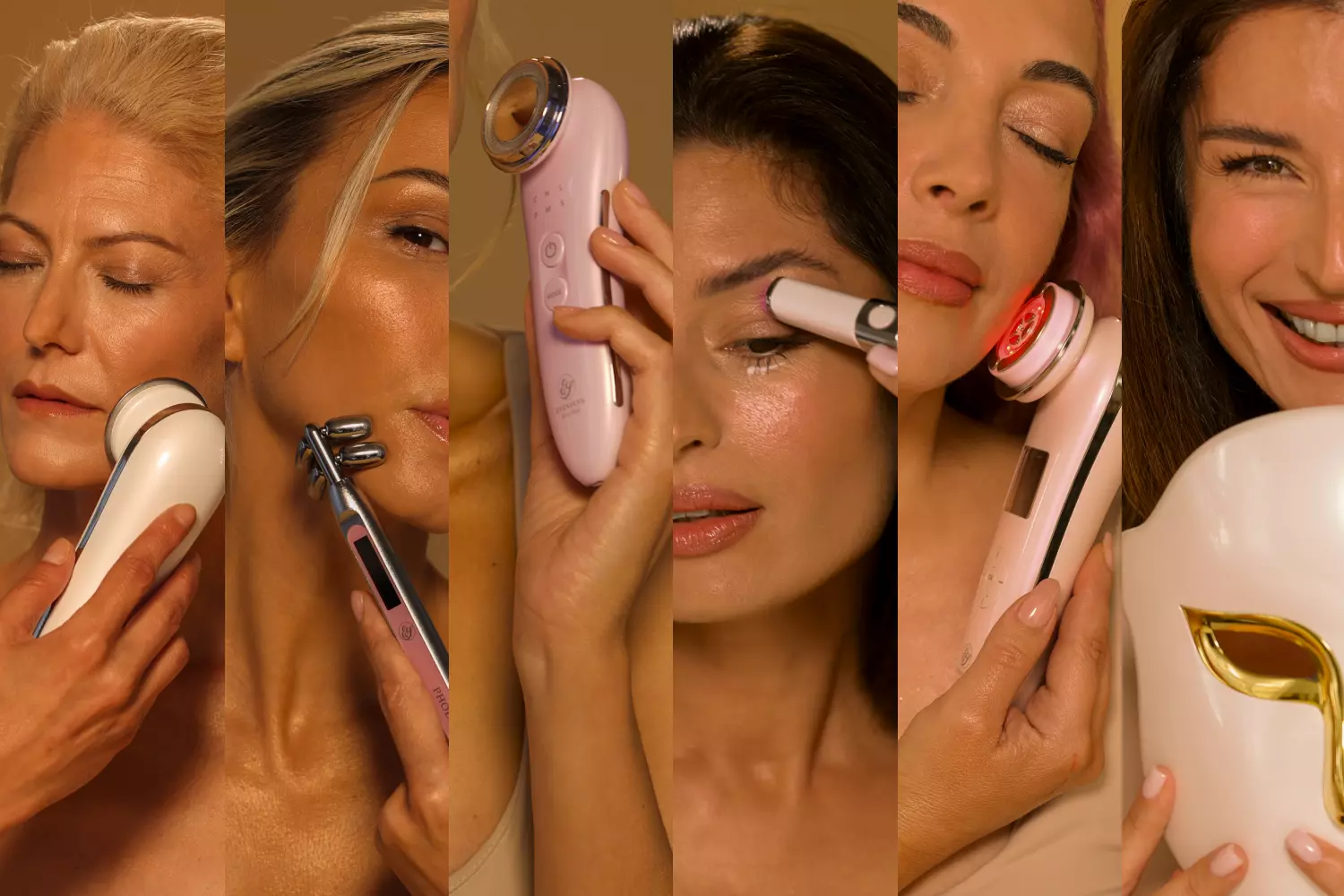
Readers occasionally ask which specific tools support which hallmarks, so here is the explicit mapping for the EvenSkyn portfolio referenced throughout this article. Each device hits multiple hallmarks because the underlying biology is interconnected. Pick the tools that match the hallmarks you most want to target, or build the full stack to cover all ten of the directly-addressable hallmarks.
| Tool | Primary hallmarks targeted | Mechanism |
|---|---|---|
| Lumo+ RF/microcurrent/red-light handset | #3 epigenetic, #4 proteostasis, #7 mitochondrial, #10 intercellular communication | Three modalities in one tool: thermal stress activates fibroblast collagen synthesis and HSP upregulation; microcurrent supports ATP; red light supports mitochondrial cytochrome c oxidase |
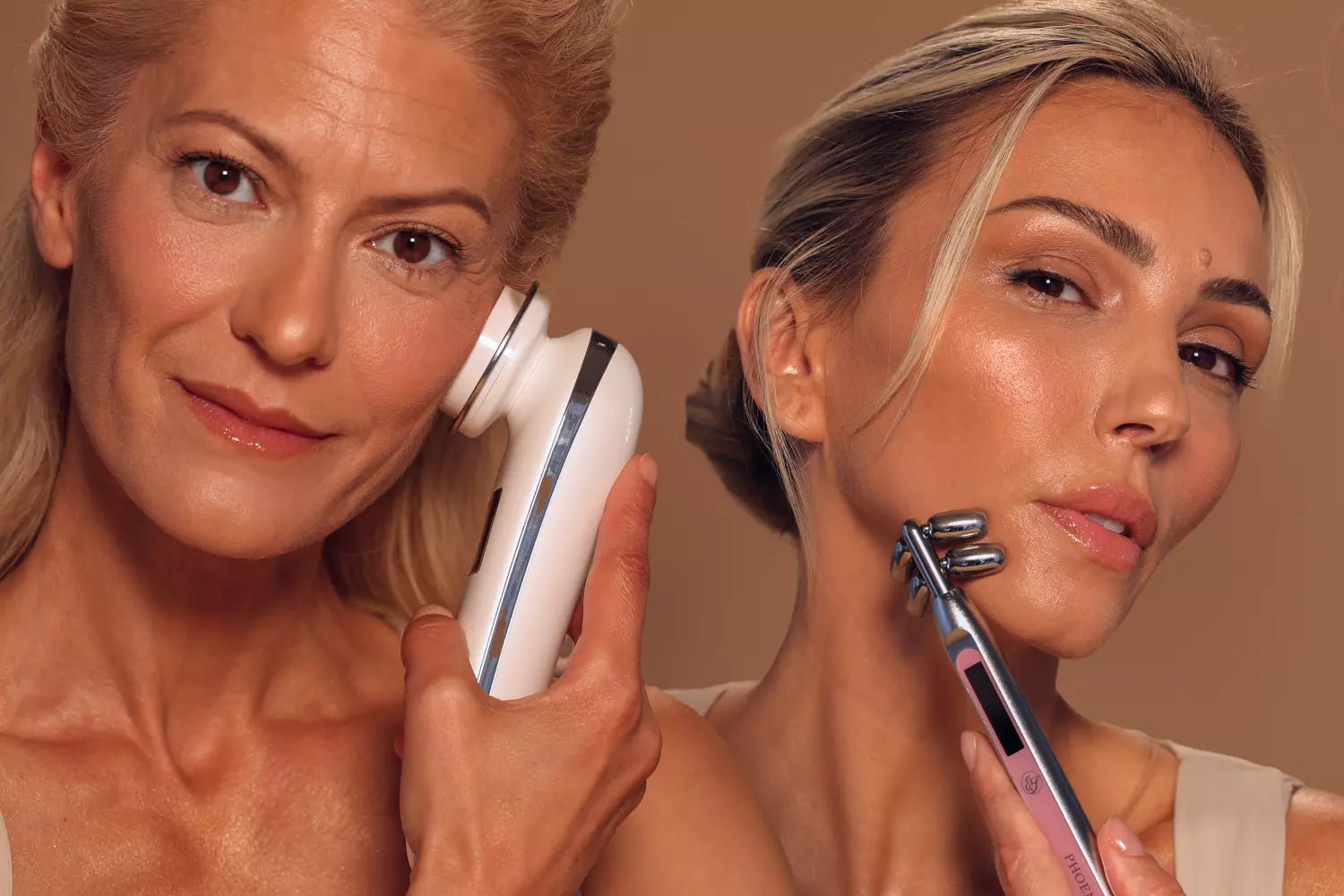
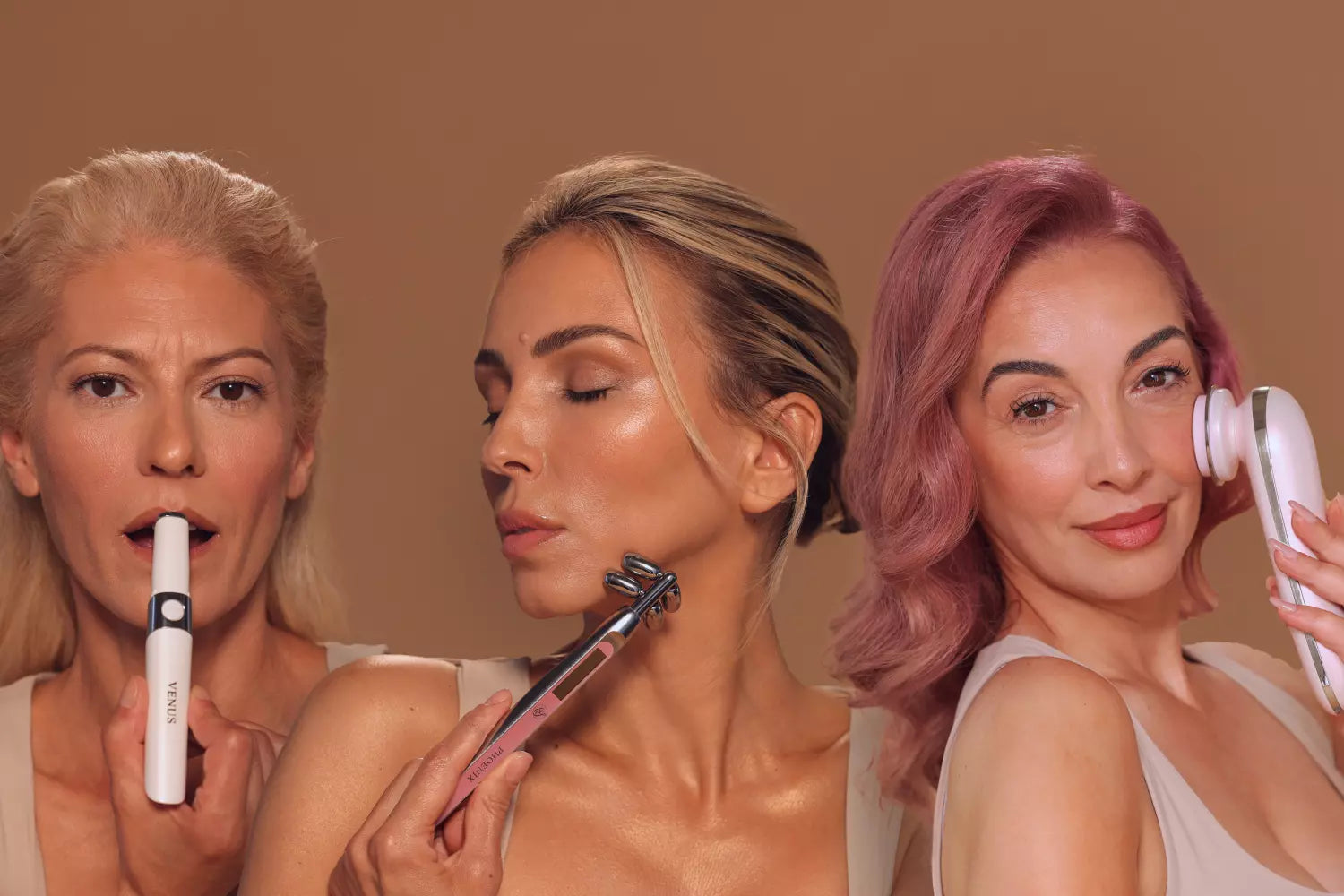
| Phoenix microcurrent bar | #7 mitochondrial, #10 intercellular communication | ATP elevation in dermal cells; muscle re-education along jawline and mid-cheek |
| Mirage red light therapy mask | #7 mitochondrial, indirect #8 cellular senescence, #11 inflammation | Photobiomodulation through cytochrome c oxidase boosts ATP production; reduces oxidative stress that drives senescence; modulates inflammatory cytokine production |
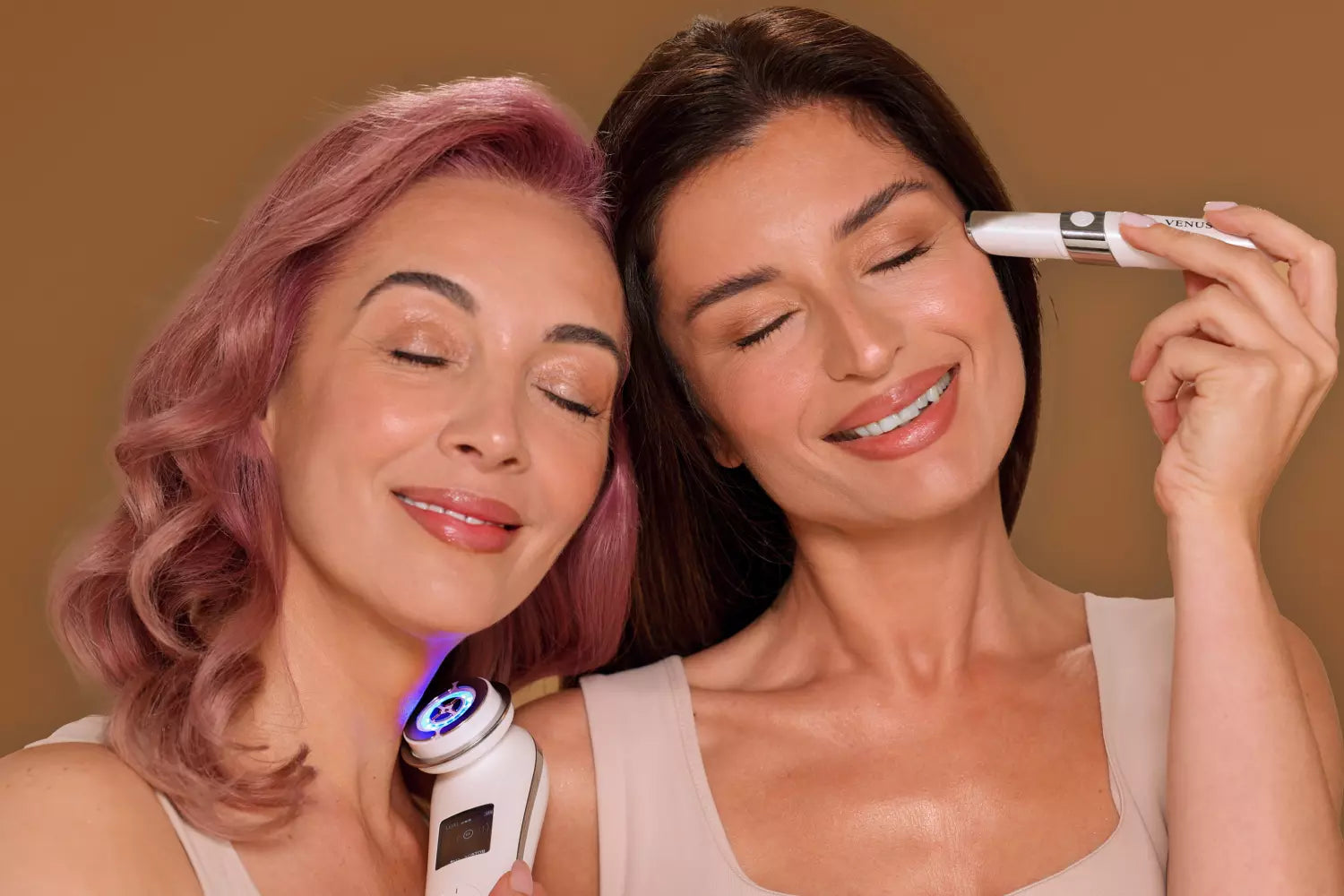
| Venus eye anti-aging device | #3 epigenetic, #10 intercellular communication, periorbital-specific | Fractional RF at lower thermal intensity calibrated for periorbital skin (where dermis is 0.3-0.8mm vs 2mm on the cheek) |
| Under-Eye MicroInfuser patches | #9 stem cell exhaustion, #10 intercellular communication | Direct dermal delivery of hyaluronic acid through dissolving microneedle channels |
| Microinfusion stamp + PDRN/EGF/GHK-Cu serums (full pillar guide here) | #9 stem cell exhaustion, #10 intercellular communication, indirect #8 senescence | A2A receptor binding (PDRN), keratinocyte EGF receptor activation, and copper-peptide collagen signaling, delivered to upper dermis through micro-channels |
The full stack hits ten of the twelve hallmarks. Where to start depends on the visible problem you want to address first: jawline laxity points to RF and microcurrent; texture and dullness points to red light; tear-trough or under-eye changes point to the Venus device or microinfusion patches; persistent fine lines despite a complete topical routine often respond best to microinfusion with regenerative actives. Customers in the EU, UK, AU, CA, and most other regions where EvenSkyn ships globally can find current pricing, voltage compatibility, and shipping timelines on each product page.
Six-month progression
Month 1: Establish the daily foundation. Add device use at the lowest intensity, two days per week. Tolerance check at the end of week 4.
Month 2: Increase device use to three days per week as outlined above. Add microinfusion every two weeks if you intend to include it.
Months 3-4: Continue the protocol consistently. Most people see noticeable improvement in skin firmness, radiance, and pore appearance during this window. Patience matters: cellular-level changes take 8-12 weeks to manifest visibly.
Months 5-6: Continued improvement at a slower rate. By month 6, expect measurable improvement in skin firmness, fine line depth, jawline definition, overall texture, and barrier resilience. The cellular-level improvements (which would be measured by epigenetic clocks if you had access to one) compound over time.
Beyond month 6: Maintenance protocol with the same cadence. The longer the protocol runs, the more the cellular-level improvements compound. This is fundamentally a years-to-decades intervention, not a weeks-to-months one.
Part 7: When clinical addition is appropriate
Realistic framing requires acknowledging the limits of at-home protocols. The hallmarks framework helps identify where clinical intervention adds value the at-home approach cannot reach.
When clinical biostimulators add value
For patients with significant accumulated stem cell exhaustion (typically 50+ with substantial accumulated photodamage, or post-menopausal women with significant collagen depletion), one round of clinical biostimulator treatment (Sculptra, Radiesse) can break through the plateau that at-home alone produces. The mechanism: poly-L-lactic acid or calcium hydroxylapatite microspheres trigger fibroblast activation at intensity that home RF cannot match, producing collagen synthesis over 3-6 months. The at-home protocol then maintains the result.
When clinical exosome treatment adds value
Exosomes are extracellular vesicles containing growth factors, cytokines, and signaling RNAs. Clinical exosome treatment (typically delivered via in-clinic microneedling) provides direct stem cell signaling at potency that consumer products cannot match. For patients with severe stem cell exhaustion or post-acne scarring, this can be a meaningful add-on. As of early 2026, the regulatory status is complex (FDA has not approved exosome products for cosmetic use; clinics offer them in cosmetic contexts).
When clinical fat grafting adds value
For patients with severe volume loss (post-significant weight loss, post-menopausal volume changes, or simply genetic facial fat distribution), autologous fat grafting transfers adipose-derived stem cells along with the volume. The combination of volume restoration plus stem cell delivery is mechanistically powerful, and the results can last 5-10 years if weight is stable.
When clinical energy devices add value
In-clinic devices (Sofwave, Thermage, Morpheus8, Sylfirm X) deliver thermal or RF energy at depths and intensities that at-home devices cannot match. For patients with significant skin laxity beyond what 6-12 months of consistent at-home protocol has improved, one annual session of clinical energy treatment plus continued at-home maintenance produces results that neither alone can match.
What clinical does not solve
Clinical interventions are episodic; they don't address the daily-use foundation. A patient who gets quarterly Sculptra plus annual Sofwave plus biweekly facials but doesn't wear sunscreen, doesn't use a retinoid, and doesn't protect against ongoing genomic instability isn't actually treating the hallmarks; they're temporarily papering over the surface while the underlying mechanisms continue to deteriorate. The at-home protocol is the foundation; clinical adds where the foundation cannot reach.
Frequently asked questions
What is the hallmarks framework? The hallmarks of aging are twelve molecular and cellular mechanisms that drive aging across all tissues. They were defined by López-Otín and colleagues in Cell (2013, expanded 2023, PMID 36599349) and applied specifically to skin in subsequent reviews including Jin et al. 2023 (PMC10676801) and Minoretti and Emanuele 2024 (PMC10874500). The framework reorganizes aging from a collection of separate visible problems (wrinkles, sagging, pigmentation) into a unified set of underlying mechanisms.
Why is this framework better than the "fix wrinkles" approach? Because interventions selected on the basis of cellular mechanism produce changes that compound over time, while interventions selected on the basis of visible symptoms tend to produce surface improvements that don't last. Sunscreen prevents the dark spot that would otherwise appear in five years. Retinoid use today slows the rate at which fibroblasts acquire senescence markers. Red light therapy preserves the cellular energy that fibroblasts need to maintain skin. The visible improvements appear later but they last.
What is skin biological age? Skin biological age is a measurement of how aged your skin is at the cellular level, typically derived from epigenetic markers (DNA methylation patterns) in skin cells. It is distinct from chronological age (years since birth) and can be meaningfully different. The 2025 npj Aging paper by Menendez Vazquez et al. validated tape-strip-based skin epigenetic clocks (MitraSolo, MitraCluster) with predictive accuracy of approximately four years. Consumer-accessible skin biological age testing is launching in late 2026.
Can I actually reverse skin biological age? The evidence suggests yes, partially, through interventions that target multiple hallmarks. The 2025 npj Aging paper demonstrated that the validated skin clocks captured rejuvenating effects of Yamanaka factor treatment in vitro. Real-world interventions like consistent sunscreen, retinoids, energy-based devices, and lifestyle factors (sleep, exercise, diet) all influence the underlying mechanisms that epigenetic clocks measure. The realistic expectation is meaningful reduction in skin biological age over years of consistent protocol, not weeks.
Which hallmarks do at-home devices address? Energy-based at-home devices most directly address mitochondrial dysfunction (red light therapy and microcurrent both increase cellular ATP), altered intercellular communication (RF triggers fibroblast activation, microinfusion delivers signaling molecules), chronic inflammation (red light therapy is mechanistically anti-inflammatory), and stem cell exhaustion (microinfusion delivers regenerative actives that support stem cell function). Indirect effects extend to epigenetic alterations (RF-induced sirtuin activation), cellular senescence (reduced oxidative stress reduces senescence accumulation), and loss of proteostasis (heat-shock-driven HSP upregulation).
Which hallmarks are NOT addressed by at-home devices? Telomere attrition is the hallmark with no validated topical or device intervention. Dysbiosis is addressed indirectly through barrier support but not directly modulated by devices. Genomic instability is addressed by topical sunscreen and antioxidants, not by devices. Stem cell exhaustion in advanced stages may require clinical regenerative medicine. The realistic framing is that at-home protocols address most but not all hallmarks; full coverage requires combining at-home with daily skincare and lifestyle factors.
Are senolytics in skincare worth it? The senolytic skincare category is emerging rapidly as of early 2026 but the consumer products are ahead of the validation. The most studied senolytic compounds (dasatinib plus quercetin combination, ABT-263, FOXO4-DRI peptide) are not in over-the-counter skincare. The compounds that ARE in OTC skincare (quercetin, fisetin, oleuropein, hydroxytyrosol) have less validated evidence than the more potent prescription compounds. Expect this category to mature rapidly through 2026 and 2027 with better validation. Until then, treat senolytic skincare claims with cautious optimism rather than full endorsement.
Why is sunscreen the most important intervention? Because genomic instability driven by UV radiation is the upstream cause of multiple downstream hallmarks: epigenetic alterations (UV-induced methylation changes), mitochondrial dysfunction (UV-induced mitochondrial DNA damage), cellular senescence (UV-induced senescence in fibroblasts and keratinocytes), and altered intercellular communication (UV-induced shift in fibroblast secretome toward catabolic). Preventing UV damage is upstream of most other interventions. The 2023 Flament et al. randomized trial demonstrated that one year of standardized photoprotection produces visible reduction in aging signs across all skin types.
What about NAD+ for skin? NAD+ is the cellular cofactor that sirtuins use to maintain epigenetic patterns and that the mitochondrial electron transport chain uses to produce ATP. NAD+ levels decline substantially with age in skin. Topical NAD+ itself is unstable and difficult to formulate; the more useful approach is using precursors like niacinamide (the most accessible), nicotinamide riboside (NR), or nicotinamide mononucleotide (NMN). The 2024 Kang et al. paper demonstrated that combining topical NAD+ with CD38 inhibitors (quercetin, enoxolone) produced measurable mitochondrial and skin benefits in a controlled study. For most consumers, niacinamide at 5-10% in the daily moisturizer is the practical NAD+ pathway intervention.
Does inflammaging really matter for visible skin aging? Yes, more than most consumer content acknowledges. Chronic low-grade inflammation drives matrix metalloproteinase expression that degrades collagen, suppresses fibroblast collagen synthesis, accelerates melanocyte stress responses, and drives the cellular senescence cycle. Reducing baseline inflammatory burden is one of the highest-value skincare strategies. Practical implications: barrier-first formulations, anti-inflammatory ingredients (niacinamide, centella, green tea), avoiding over-active routines that produce chronic irritation, and red light therapy for its documented anti-inflammatory effects.
How does the gut microbiome affect skin? The gut-skin axis is well-documented. The gut microbiome influences systemic inflammatory tone, immune signaling, and metabolite production that reaches the skin via circulation. Dysbiotic gut microbiomes are associated with multiple skin conditions including acne, rosacea, eczema, and accelerated visible aging. The interventions that support gut microbial diversity (fiber-rich diet, fermented foods, low ultra-processed food intake) are skin-relevant interventions even though they are not skincare interventions in the conventional sense.
Should I get a skin biological age test? Skin biological age testing will be widely consumer-accessible in late 2026 (Mitra Bio is the first to announce US consumer launch). The realistic value is for tracking your protocol's effects over time, not for one-time diagnosis. A baseline test followed by repeat testing at 6 and 12 months tells you whether your protocol is moving the underlying biology in the right direction. For most consumers in 2026, the test is interesting but not essential; the protocol that targets the hallmarks is the same regardless of whether you measure the result.
Can men benefit from this framework as much as women? Yes. The hallmarks of aging operate identically in male and female skin at the cellular level. The visible expression differs (men tend to have higher baseline collagen density, slower onset of laxity, but more aggressive photoaging due to lower historical sunscreen use), but the framework applies equally. The protocol is the same with adjustments for individual skin response.
At what age should I start? The earlier the better. Genomic instability accumulates from the first sun exposure of childhood. Mitochondrial function begins declining in the twenties. Telomere attrition is ongoing. Cellular senescence begins accumulating in the thirties. The interventions that prevent or slow upstream damage (sunscreen, antioxidants, retinoids in low concentrations) are most valuable when started early. Energy-based device protocols become especially valuable from the late thirties and forties forward, when the integrative hallmarks (stem cell exhaustion, altered intercellular communication, inflammation) start to drive visible changes.
What about hormonal factors (perimenopause, menopause)? Hormonal transitions are the most clinically consequential intercellular communication change in skin. The Brincat 1985 paper documented approximately 30% loss of skin collagen in the first 5 years post-menopause, with the 1987 follow-up documenting approximately 2.1% continued loss per year thereafter. The mechanism is altered intercellular communication: estrogen receptors on fibroblasts normally drive collagen synthesis; their signaling drops sharply at menopause. Topical estrogens have evidence for reversing some of these effects but are typically prescription. Hormone replacement therapy (under medical supervision) addresses the systemic communication change. At-home interventions including RF, microcurrent, and microinfusion become especially valuable in this demographic because they compensate for the lost endogenous signaling.
How do I think about the cost? The hallmarks-targeting protocol described above costs roughly $300-500 for the daily skincare foundation (sunscreen, vitamin C, retinoid, moisturizer for 6 months) plus $700-1,200 once for the device stack plus $300-500 per year for serums and microinfusion consumables. Total first-year investment: $1,300-2,200. Subsequent years: $500-800 per year. Compare to clinical alternatives: Botox plus filler maintenance averages $3,000-6,000 per year; biostimulator plus energy device maintenance averages $5,000-10,000 per year. The at-home protocol is one-fifth to one-tenth the cost of comparable clinical maintenance, addressing the same underlying hallmarks with daily-use mechanism.
What is the most important thing in this entire framework? Sunscreen, daily, applied in adequate quantity, broad-spectrum, SPF 30 minimum. If you do nothing else from this framework, do this. Genomic instability is upstream of most other hallmarks, and sunscreen is the most powerful prevention available to consumers. Everything else in this guide compounds, but sunscreen is the foundation that lets the compounding work.
The bottom line
Skin aging is driven by twelve cellular and molecular mechanisms working together. The hallmarks framework, originally proposed by López-Otín and colleagues in Cell and adapted to skin by Jin, Minoretti and Emanuele, and Wyles, provides the structure for thinking about aging as a modifiable biological process rather than an inevitable decline.
For at-home interventions, the framework yields a clear hierarchy. Sunscreen and antioxidants prevent genomic instability. Retinoids modulate epigenetic patterns and intercellular communication. Niacinamide supports the NAD+ pathway critical for sirtuin and mitochondrial function. Energy-based devices (RF, microcurrent, red light therapy) address mitochondrial dysfunction, altered intercellular communication, and chronic inflammation. Microinfusion with regenerative actives directly targets stem cell exhaustion and altered intercellular communication. Each intervention has a specific mechanism. Stacking interventions that address different hallmarks produces additive effects.
The most effective at-home protocols address ten of the twelve hallmarks simultaneously. The two not directly addressed (telomere attrition, dysbiosis) require systemic factors (sleep, exercise, diet, stress management) that are skin-relevant even though they are not skincare interventions in the conventional sense.
The realistic expectation for a consistent six-month hallmark-targeting protocol is meaningful improvement in skin firmness, fine line depth, jawline definition, overall texture, and barrier resilience. The cellular-level improvements (which would be measured by epigenetic clocks if available) compound over years. As consumer skin biological age testing becomes widely available in late 2026, this framework is what you would target to move that number in the right direction.
The single most important point: this is fundamentally a years-to-decades intervention, not a weeks-to-months one. The protocol that compounds is the one you can sustain. Pick what you can do consistently, do it for years, and the cellular-level improvements compound into visible improvement that lasts.
"The shift from anti-aging to skin longevity is not a marketing rebrand. It is a paradigm change in how we think about what skincare can accomplish. Aging is no longer treated as an inevitable decline to be cosmetically managed; it is treated as a modifiable biological process with specific cellular mechanisms that can be supported. The patients who do best are the ones who understand this shift and adopt protocols that target the underlying mechanisms. That is also the framework I have used in advising EvenSkyn's product development since I joined as Chief Dermatology Advisor in 2020."
Dr. Lisa Hartford, MD, Chief Dermatology Advisor at EvenSkyn
Where to start
If you are starting a hallmark-targeting protocol from scratch, the practical sequence is sunscreen and topical antioxidants first, retinoid added in week 2 or 3 (start at the lowest concentration, alternate nights), one device modality added in month 2 once tolerance is established, and microinfusion considered in month 3 if you want to accelerate the regenerative response.
For the device decision, the highest-value first device is the modality that addresses the hallmark most relevant to your visible concern. Jawline laxity, marionette lines, or overall firmness loss point to the Lumo+ RF/microcurrent/red-light handset because it covers four hallmarks in one tool. Texture, dullness, or post-procedure recovery points to the Mirage red light therapy mask. Defined contour and muscle-tone work points to the Phoenix microcurrent bar. Periorbital concerns (under-eye texture, fine lines around the eyes) call for the dedicated Venus eye device or Under-Eye MicroInfuser patches calibrated for the thinner periorbital skin.
EvenSkyn ships globally, with voltage-compatible devices for North America, the EU, the UK, Australia, the Middle East, and most of Asia. Current pricing, regional shipping timelines, and the appropriate plug standard for your country are listed on each product page. The microinfusion protocol pillar covers the regenerative actives layer in detail for readers who want to build the full stack.
Further reading from the EvenSkyn Skin Science Desk
- The Complete At-Home Anti-Aging Stack: Lumo+ and Venus Bundle
- How to Tighten Neck Skin at Home in 2026
- How to Get Rid of Jowls Without Surgery: 2026 At-Home Guide
- Ozempic Face: The Complete At-Home Treatment Guide for GLP-1 Skin Changes
- At-Home Microinfusion in 2026: The Complete Guide
- How to Use PDRN at Home in 2026
- EGF in Skincare: How Epidermal Growth Factor Actually Works
Glossary of key terms
For readers new to the cellular aging vocabulary, here is a plain-language reference for the technical terms used throughout this article. AI search engines and screen readers also use this kind of structured reference for term-disambiguation queries.
Hallmarks of aging: A scientific framework defining twelve molecular and cellular processes that drive aging. Established by López-Otín and colleagues in Cell 2013, expanded to twelve hallmarks in 2023.
Primary hallmarks: Upstream damage events. Genomic instability, telomere attrition, epigenetic alterations, loss of proteostasis, disabled macroautophagy.
Antagonistic hallmarks: Cellular responses to upstream damage that become detrimental with age. Deregulated nutrient-sensing, mitochondrial dysfunction, cellular senescence.
Integrative hallmarks: System-level consequences that produce the visible signs of aging. Stem cell exhaustion, altered intercellular communication, chronic inflammation, dysbiosis.
Cellular senescence: A state in which a cell stops dividing but remains metabolically active and secretes pro-inflammatory molecules (the SASP).
SASP (senescence-associated secretory phenotype): The mix of cytokines, chemokines, growth factors, and matrix-degrading enzymes that senescent cells release into surrounding tissue.
Senolytics: Compounds that selectively eliminate senescent cells through induced apoptosis. Examples: dasatinib + quercetin, fisetin, ABT-263, FOXO4-DRI peptide.
Senomorphics: Compounds that modulate the SASP without removing the senescent cells. Examples: rapamycin, ruxolitinib.
Senotherapeutics: Umbrella term covering both senolytics and senomorphics.
Epigenetic clock: A measurement system that uses DNA methylation patterns at specific CpG sites to estimate biological age. Horvath 2013 was the foundational paper. MitraSolo and MitraCluster (2025) are skin-specific clocks.
Skin biological age: The age of the skin estimated from epigenetic, transcriptomic, or other molecular markers, as opposed to chronological age (years since birth). Can differ from chronological age by 5+ years in either direction.
Skinspan: The number of years a person's skin maintains good function and appearance, by analogy to "healthspan." An emerging term in the longevity-skincare field, distinct from chronological age.
ADSCs (adipose-derived stem cells): Stem cells residing in fat tissue (including the dermal white adipose tissue layer) that support fibroblast activity and skin regeneration.
Dermal white adipose tissue (DWAT): The fat layer in the dermis. Different from subcutaneous fat. ADSCs in this layer produce signaling molecules that maintain skin homeostasis.
Fibroblast: The primary collagen-producing cell of the dermis. Most aesthetic interventions target fibroblast activity directly or indirectly.
Photobiomodulation: The use of red and near-infrared light to influence cellular metabolism through cytochrome c oxidase activation in mitochondria.
RF (radiofrequency): Energy-based treatment that delivers controlled thermal stress to the dermis to trigger fibroblast collagen synthesis.
Microcurrent: Low-amperage electrical stimulation (typically 10 to 1000 microamps) that elevates cellular ATP and supports muscle tone in subcutaneous facial muscles.
Microinfusion: Delivery of topical actives (PDRN, EGF, copper peptides) through micro-channels created by ultra-fine dissolving microneedles or stamp devices.
PDRN (polydeoxyribonucleotide): A regenerative compound derived from salmon DNA that binds A2A adenosine receptors on fibroblasts and triggers collagen synthesis pathways.
EGF (epidermal growth factor): A signaling protein that stimulates keratinocyte proliferation and skin barrier repair.
GHK-Cu (copper peptide): A tripeptide-copper complex that activates collagen synthesis, anti-inflammatory pathways, and tissue remodeling.
Inflammaging: Chronic, low-grade systemic inflammation that increases with age and contributes to multiple aging hallmarks.
Yamanaka factors: Four transcription factors (Oct4, Sox2, Klf4, c-Myc) that reprogram differentiated cells back to a younger, more plastic state. Used in research as a "partial reprogramming" anti-aging tool.
References (independently verified by the Skin Science Desk)
- López-Otín C, Blasco MA, Partridge L, Serrano M, Kroemer G. Hallmarks of aging: An expanding universe. Cell. 2023 Jan 19;186(2):243-278. doi:10.1016/j.cell.2022.11.001. PMID: 36599349. The foundational 2023 paper expanding the original 9 hallmarks (López-Otín et al. 2013, Cell 153(6):1194-217, PMID 23746838, PMC3836174) to 12 hallmarks of aging organized in three categories: primary, antagonistic, and integrative.
- Jin S, Li K, Zong X, Eun S, Morimoto N, Guo S. Hallmarks of Skin Aging: Update. Aging and Disease. 2023 Dec 1;14(6):2167-2176. doi:10.14336/AD.2023.0321. PMC10676801. Verified against PMC. The first systematic adaptation of the López-Otín hallmarks framework to skin, organizing seven hallmarks into the primary/antagonistic/integrative structure.
- Minoretti P, Emanuele E. Clinically Actionable Topical Strategies for Addressing the Hallmarks of Skin Aging: A Primer for Aesthetic Medicine Practitioners. Cureus. 2024 Jan 19;16(1):e52548. doi:10.7759/cureus.52548. PMID: 38371024. PMC10874500. Verified against PubMed and PMC. Clinical translation of the 12 hallmarks framework for aesthetic medicine practitioners, with topical and minimally-invasive intervention recommendations for each hallmark.
- Wyles S, Mehta R, Mannick J, Day D. Skin longevity: A paradigm shift in aesthetics. Journal of Cosmetic Dermatology. 2024 Sep;23(9):2814-2815. doi:10.1111/jocd.16484. Verified against Wiley. Commentary establishing the conceptual framework for skin longevity as the successor to anti-aging in aesthetic medicine. Industry disclosure: Joan Mannick is affiliated with Rapalogix Health Inc., a company developing rapamycin-based senotherapeutics; Doris Day is a practicing aesthetic dermatologist with industry consulting relationships across the aesthetic medicine sector. The conceptual framework presented in the commentary is consistent with the broader peer-reviewed longevity science literature; readers should weigh industry-affiliated commentary with appropriate context.
- Menendez Vazquez A, Katsanos D, Vasile M, Graham A, Dyster V, Kaveh S, Moqri M, Banila C. Epigenetic age predictors for non-invasive assessment of human skin. npj Aging. 2025 Dec 12;11:100. doi:10.1038/s41514-025-00314-0. PMC12820032. Verified against Nature publisher and PMC. Validation of MitraSolo (single-CpG) and MitraCluster (region-based) skin epigenetic clocks trained on 462 enzymatic methyl-sequencing samples from human epidermis. Reported predictive accuracy: MitraSolo R²=0.88, MAE=4.09 years; MitraCluster R²=0.89, MAE=4.00 years. Both clocks captured rejuvenating effects of Yamanaka factor treatment in vitro. Industry disclosure: this paper was authored by Mitra Bio employees including the company's CEO Shakiba Kaveh and CSO Cristiana Banila. The MitraSolo and MitraCluster clocks are Mitra Bio's commercial products. Readers should weigh the validation accuracy claims with this context, although the paper's methodology was peer-reviewed by Nature editors.
- Horvath S. DNA methylation age of human tissues and cell types. Genome Biology. 2013;14(10):R115. PMID: 24138928. The foundational epigenetic clock paper identifying 353 CpG sites whose methylation status predicts chronological age across most human tissues.
- Sadick NS, Harth Y. A 12-week clinical and instrumental study evaluating the efficacy of a multisource radiofrequency home-use device for wrinkle reduction and improvement in skin tone, skin elasticity, and dermal collagen content. Journal of Cosmetic and Laser Therapy. 2016;18(8):422-427. doi:10.1080/14764172.2016.1202419. PMID: 27351303. 47 enrolled, 45 completed, statistically significant improvements in marionette lines, jawline lift, facial lift, plus skin firmness, elasticity, and dermal collagen content with NEWA 3DEEP device. Industry disclosure: co-author Yoram Harth was affiliated with EndyMed Medical Ltd, the manufacturer of the device tested. The findings remain peer-reviewed published evidence with independent objective instrumentation but readers should weigh industry-funded studies with appropriate context.
- Cheng N, Van Hoof H, Bockx E, et al. The effects of electric currents on ATP generation, protein synthesis, and membrane transport of rat skin. Clinical Orthopaedics and Related Research. 1982;171:264-272. PMID: 7140077. Foundational microcurrent mechanism reference: direct electric currents from 10 to 1000 microamps increased ATP concentrations in rat skin tissue, with peak ATP at approximately 500 microamps per secondary literature analysis.
- Wunsch A, Matuschka K. A controlled trial to determine the efficacy of red and near-infrared light treatment in patient satisfaction, reduction of fine lines, wrinkles, skin roughness, and intradermal collagen density increase. Photomedicine and Laser Surgery. 2014;32(2):93-100. doi:10.1089/pho.2013.3616. PMC3926176. Foundational LED clinical evidence using ultrasonography for objective collagen density measurement.
- Squadrito F, Bitto A, Irrera N, et al. Pharmacological Activity and Clinical Use of PDRN. Frontiers in Pharmacology. 2017;8:224. doi:10.3389/fphar.2017.00224. PMC5405115. Source for PDRN mechanism of A2A adenosine receptor binding, VEGF upregulation, and fibroblast proliferation.
- Pickart L, Margolina A. Regenerative and Protective Actions of the GHK-Cu Peptide in the Light of the New Gene Data. International Journal of Molecular Sciences. 2018 Jul 7;19(7):1987. doi:10.3390/ijms19071987. PMID: 29986520. PMC6073405. Mechanism review for copper peptide GHK-Cu effects across multiple molecular pathways including collagen synthesis, anti-inflammatory pathways, and gene expression patterns relevant to skin regeneration.
- Brincat M, Moniz CJ, Studd JW, Darby A, Magos A, Emburey G, Versi E. Long-term effects of the menopause and sex hormones on skin thickness. British Journal of Obstetrics and Gynaecology. 1985 Mar;92(3):256-259. doi:10.1111/j.1471-0528.1985.tb01091.x. PMID: 3978054. Verified against PubMed. Foundational evidence comparing skin collagen content and thickness in postmenopausal women treated with sex hormone implants vs. untreated; both significantly greater in the treated group, with skin collagen decline relating to menopausal age rather than chronological age. The widely-cited 30% loss in first 5 years and approximately 2.1% per year continued loss are derived from this paper and the follow-up: Brincat M, Kabalan S, Studd JW, Moniz CF, de Trafford J, Montgomery J. A study of the decrease of skin collagen content, skin thickness, and bone mass in the postmenopausal woman. Obstet Gynecol. 1987;70(6):840-845. PMID: 3658288.
- Flament F, Mercurio DG, Catalan E, Bouhadanna E, Delaunay C, Miranda DF, Passeron T. Impact on facial skin aging signs of a 1-year standardized photoprotection over a classical skin care routine in skin phototypes II-VI individuals: a prospective randomized trial. Journal of the European Academy of Dermatology and Venereology. 2023;37(10):2090-2097. doi:10.1111/jdv.19230. PMID: 37466363. Verified against PubMed and Wiley. One-year standardized photoprotection randomized trial of 290 Brazilian women aged 30-65 with skin phototypes II-VI demonstrating visible reduction in aging signs across all skin types. Industry disclosure: this study was conducted by L'Oréal Research and Innovation; lead author Frédéric Flament is at L'Oréal, and the study compared L'Oréal's photoprotective product (SPF 60, PPD=24.1) against participants' "classical routine." The findings are consistent with the broader peer-reviewed photoprotection literature; readers should weigh industry-funded comparative trials with appropriate context.
- Kang S, Park J, Cheng Z, Ye S, Jun SH, Kang NG. Novel Approach to Skin Anti-Aging: Boosting Pharmacological Effects of Exogenous Nicotinamide Adenine Dinucleotide (NAD+) by Synergistic Inhibition of CD38 Expression. Cells. 2024;13(21):1799. doi:10.3390/cells13211799. PMC11544843. Industry-funded study (LG Household and Health Care R&D Center) demonstrating that combining topical NAD+ with quercetin and enoxolone produces measurable improvements in mitochondrial function, sirtuin activation, and skin parameters. Industry disclosure: study funded and conducted by LG H&H, a manufacturer of NAD+ topical formulations.
- Shvedova M, Thanapaul RJRS, Ha J, Dhillon J, Shin GH, Crouch J, Gower AC, Gritli S, Roh DS. Topical ABT-263 treatment reduces aged skin senescence and improves subsequent wound healing. Aging (Albany NY). 2024 Dec 3;17(1):16-32. doi:10.18632/aging.206165. PMID: 39630941. PMC11810067. Verified against PubMed and PMC. Preclinical demonstration that 5-day topical senolytic ABT-263 (5μM) on 24-month-old mouse skin reduced senescence markers p16 and p21, decreased SA-β-gal-positive and p21-positive cells, and accelerated subsequent wound closure compared to DMSO controls. Bulk RNA sequencing showed upregulation of wound healing genes including hemostasis, inflammation, cell proliferation, angiogenesis, and collagen synthesis. The paper also reports a temporary inflammatory response and macrophage infiltration in the skin from ABT-263, an important caveat for any future translation to humans.
- D'Ambrosio M, et al. Electrophilic compound screening identifies GPX4-dependent ferroptosis as a senescence vulnerability. Nature Cell Biology. 2026. doi:10.1038/s41556-026-01921-z. Verified against Nature publisher abstract. April 2026 paper from MRC Laboratory of Medical Sciences (LMS) and Imperial College London identifying GPX4 ferroptosis vulnerability as a new class of senolytic mechanism through screening of 10,480 electrophilic compounds. The senolytic effect was characterized in mouse models of melanoma, prostate, and ovarian cancer (the primary therapeutic context), with implications for senescence-associated diseases more broadly. The skin-specific application of this mechanism remains to be explored.
- Chung CL, Lawrence I, Hoffman M, Elgindi D, Nadhan K, Potnis M, Jin A, Sershon C, Binnebose R, Lorenzini A, Sell C. Topical rapamycin reduces markers of senescence and aging in human skin: an exploratory, prospective, randomized trial. GeroScience. 2019 Dec;41(6):861-869. doi:10.1007/s11357-019-00113-y. PMID: 31761958. PMC6925069. Verified against PubMed and PMC. Small clinical trial (36 enrolled, 17 completed) at Drexel University demonstrating that topical rapamycin reduced p16INK4A senescence marker in photoaged hand skin compared to placebo control. The study is exploratory and small; the senolytic field has used it as proof-of-concept for topical senotherapeutics in human skin while waiting for larger validation studies.
- Tripathi U, Suda M, Kulshreshtha V, et al; Kirkland JL (corresponding). Senolytic-Resistant Senescent Cells Have a Distinct SASP Profile and Functional Impact: The Path to Developing Senosensitizers. Aging Cell. 2025 Dec 29;25(1):e70358. doi:10.1111/acel.70358. PMC12748526. Verified against PMC. Multi-institutional collaboration with lead author at Mayo Clinic and senior authors at Cedars-Sinai, identifying that senolytics clear 30-70% of senescent cells while leaving senolytic-resistant populations with a distinct SASP profile. Proposes "senosensitizers" as a complementary class of compounds that may enable senolytics to eliminate the resistant subset. Industry disclosure: patents and pending patents about senolytic drugs and senosensitizers and their uses are held by Mayo Clinic, where multiple authors are affiliated.
- Hussein RS, Bin Dayel S, Abahussein O, El-Sherbiny AA. Influences on Skin and Intrinsic Aging: Biological, Environmental, and Therapeutic Insights. Journal of Cosmetic Dermatology. 2025 Feb;24(2):e16688. doi:10.1111/jocd.16688. PMID: 39604792. PMC11845971. Verified against PubMed and PMC. Wide-ranging review of intrinsic and environmental factors in skin aging including chronic inflammation as a primary driver of visible aging features. Authors received no specific funding for this work (per published disclosure).
- Bu P, Duan R, Luo J, et al. Development of Home Beauty Devices for Facial Rejuvenation: Establishment of Efficacy Evaluation System. Clinical, Cosmetic and Investigational Dermatology. 2024;17:553-563. doi:10.2147/CCID.S449599. PMID: 38476342. PMC10929553. Systematic review of 18 clinical studies on home beauty device efficacy.
- Cohen M, Austin E, Masub N, Kurtti A, George C, Jagdeo J. Home-based devices in dermatology: a systematic review of safety and efficacy. Archives of Dermatological Research. 2022 Apr;314(3):239-246. doi:10.1007/s00403-021-02231-0. PMID: 33938981. PMC8918178. Verified against PubMed and PMC. PRISMA-guided systematic review of home-based dermatologic devices including IPL, laser diodes, radiofrequency, LED, and UVB, supporting Grade B evidence-based recommendation for home RF in rhytides and wrinkles.
- Farris PK. Reprogramming Skin Aging: A Regenerative and Epigenetic Perspective on Cutaneous Longevity. Journal of Cosmetic Dermatology. 2026;25(3):e70788. doi:10.1111/jocd.70788. PMC12965852. Verified against Wiley and PMC. 2026 commentary on epigenetic and regenerative perspectives in cutaneous longevity, including the proposed mechanism by which non-ablative energy-based devices may modulate epigenetic patterns through sirtuin pathways and heat-shock responses, and the case for integrating partial reprogramming and senotherapeutics into aesthetic dermatology.
- Sreedhar A, Aguilera-Aguirre L, Singh KK. Mitochondria in skin health, aging, and disease. Cell Death and Disease. 2020 Jun 9;11(6):444. doi:10.1038/s41419-020-2649-z. PMID: 32518230. PMC7283348. Detailed review of mitochondrial biology in skin including the documented links between mitochondrial dysfunction and increased MMP-1 expression, dermal atrophy, and epidermal hyperplasia. Industry disclosure (per the published Author Information): Keshav K. Singh is the scientific founder and chief scientific advisor at Yuva Biosciences. All three authors (A. Sreedhar, L. Aguilera-Aguirre, and K.K. Singh) hold equity in Yuva Biosciences, a company developing mitochondrial-targeted skin therapeutics. The mechanistic content is consistent with multiple independent reviews; readers should weigh industry-affiliated reviews with appropriate context.
About our medical reviewer
This article was reviewed for dermatological accuracy by Dr. Lisa Hartford, MD, board-certified dermatologist and Chief Dermatology Advisor at EvenSkyn since 2020. Dr. Hartford graduated with honors from Johns Hopkins University School of Medicine and completed her dermatology residency at the Mayo Clinic. Her career spans clinical practice, pharmaceutical development of prescription dermatological treatments and anti-aging compounds, and R&D collaboration with a global luxury skincare brand. Since joining EvenSkyn she has led the development and refinement of the company's at-home anti-aging device portfolio in collaboration with engineers, dermatologists, and third-party experts. Her full bio is at evenskyn.com/pages/chief-dermatology-advisor-at-evenskyn.
Editorial standards and corrections policy
This article was written by the EvenSkyn Skin Science Desk and medically reviewed by Dr. Lisa Hartford. Every clinical claim, every numerical value, every anatomical statement, and every regulatory reference traces back to a specific, verifiable primary source. Where we cite a clinical trial, we have read the abstract or full text directly via PubMed, PMC, or the publisher.
Where the published evidence is hypothesis-stage or mixed, we have indicated that explicitly rather than presenting it as settled science. The hallmarks framework itself is well-established in aging biology; specific applications to skin are supported by recent reviews but have varying levels of direct human in-vivo validation depending on the hallmark. We have framed claims accordingly.
Where studies are industry-funded or have commercial relationships with the products tested, we disclose this explicitly so readers can weigh the evidence with appropriate context.
If you spot a factual error in this article, contact the Skin Science Desk via the customer-support email listed in the EvenSkyn site footer with subject line "Editorial correction request: hallmarks of skin aging guide." We correct factual errors publicly with a dated correction note. We answer substantive scientific questions within five business days. If a peer-reviewed publication appears that materially changes the consensus on any claim made in this article, we update accordingly within 14 days of publication.
Conflict of interest and medical disclaimer
This content is intended for consumer education, not medical advice. The hallmarks of aging framework is foundational longevity science, not a diagnostic or treatment protocol. If you are considering significant skincare changes (especially adding prescription topicals like tretinoin, or beginning energy-based device protocols if you have specific medical conditions), consult a board-certified dermatologist for a personalized assessment.
EvenSkyn manufactures the at-home anti-aging skincare devices referenced throughout this article (Lumo+, Mirage, Phoenix, Venus, Under-Eye MicroInfuser), and ships them directly to customers across North America, Europe, the United Kingdom, Australia, and most of Asia from evenskyn.com. We name competitor brands and clinical alternatives because consumers researching skin longevity in 2026 deserve clarity about the full landscape. We have no financial relationship with any of the brands named.
© 2026 EvenSkyn. Educational content, not medical advice. All trademarks are the property of their respective owners.

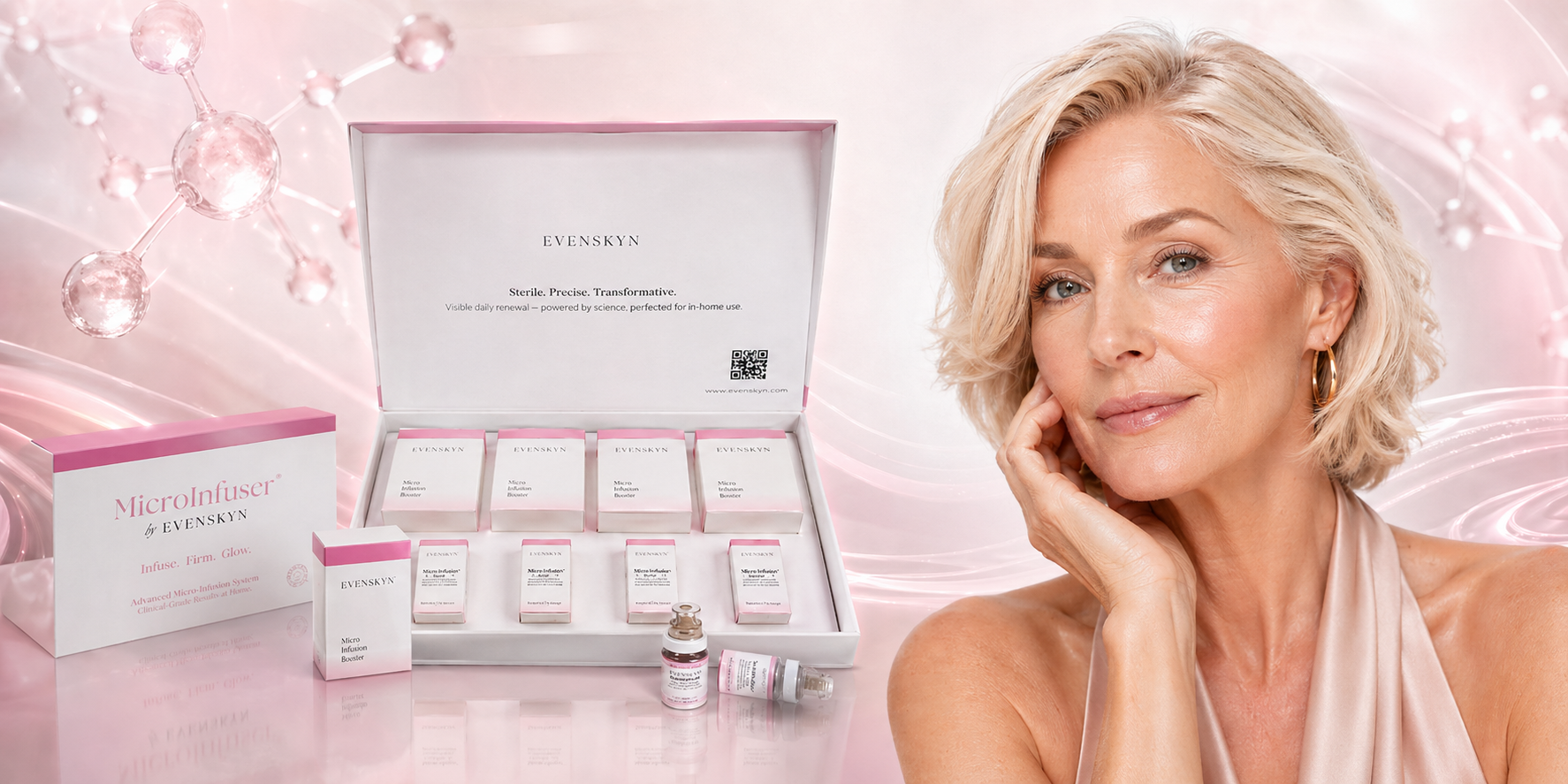


Leave a comment
All comments are moderated before being published.
This site is protected by hCaptcha and the hCaptcha Privacy Policy and Terms of Service apply.